
Paris has plenty of great food stops. This experience gives you something rarer: hands-on French cooking in a real neighborhood setting, led by an English-speaking chef in their apartment, with lunch and a glass of wine at the end. If you add the market option, you also shop for ingredients like locals before you cook.
Two things I really like about it are how personal the instruction feels (max 8 people), and how you finish by eating what you make, not just watching. Guests mention chefs like Chef Carole and Dominique teaching with clear ingredient choices and step-by-step guidance you can repeat at home.
One possible drawback: logistics are on you. The address is sent after you book, and the class won’t wait—if you’re more than 20 minutes late, access is refused and there’s no refund.
- Key Things to Know Before You Go
- Cooking French Classics in a Real Paris Apartment
- Market Tour Option: Picking Ingredients at the Open-Air Market
- What You’ll Cook: Starter, Main, Dessert (With Real Menu Examples)
- Chef-Led Instruction That Actually Feels Teachable
- Small-Group Size: Max 8 People, Less Standing Around
- Lunch Plus a Glass of Wine: Eating the Results
- Ingredients, Apron, Utensils, and Recipes to Take Home
- Price and What You’re Really Paying For
- Where You Meet and How You Find the Apartment
- Timing Rules: The 20-Minute Late Policy
- Dietary Needs and Allergies: Tell Them Up Front
- What You’ll Learn Beyond the Recipes
- Who This Class Is Best For
- Booking, Confirmation, and Cancellation
- Final Thoughts: Should You Book This Paris Cooking Class?
- FAQ
- How long is the Paris French cuisine cooking class?
- Is a market tour included?
- How many people are in the class?
- Where does the class take place?
- What if I’m late to the class?
- Can the class accommodate dietary needs or allergies?
Key Things to Know Before You Go

- Max 8 people keeps the class interactive and not like a factory line
- Optional market tour means you pick fresh ingredients for your meal
- Starter, main, and dessert are all taught, using a menu you can copy later
- Chef-led apartment cooking feels more authentic than a studio classroom
- Lunch + wine ties the lesson to a proper French meal
- Time rules matter because late entry can mean you lose your spot
Cooking French Classics in a Real Paris Apartment
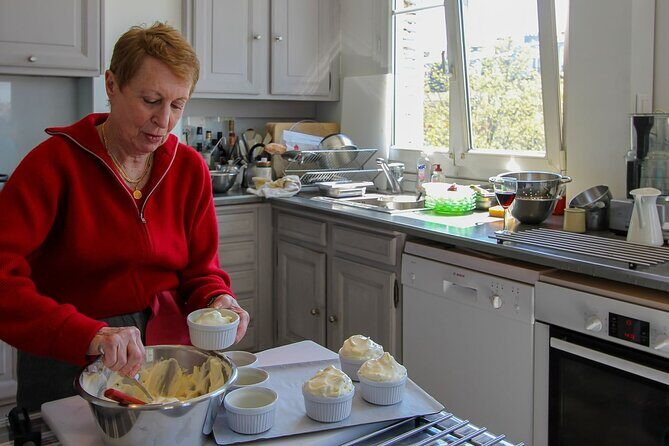
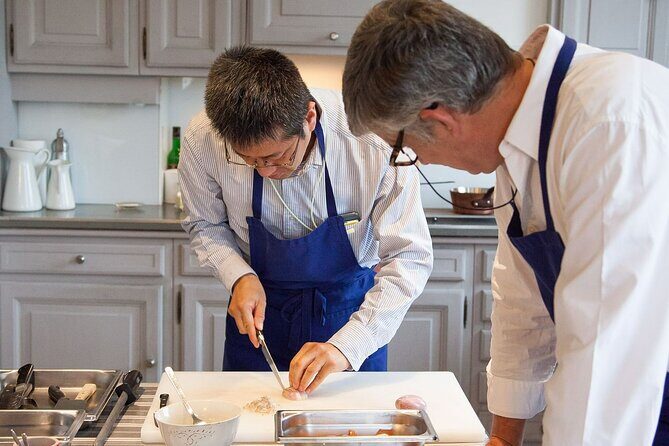
This is not a big guided bus-tour version of cooking. You’re cooking in a Parisian chef’s apartment within the city limits. That changes the vibe fast. Instead of standing in a rented kitchen, you’re working in a home space with real cookware, real routines, and a host who’s used to cooking for people.
Most classes follow the same core format: you’ll prepare three courses—a starter, a main dish, and a dessert—under the chef’s direction. Many guests comment on how the chef breaks down both technique and flavor logic, including where ingredients come from and why certain pairings work.
And yes, you’ll eat. That part matters. You’re not waiting for hours for a final “tasting” plate. You cook, you learn, and then you sit down to the results with your group and the chef.
Market Tour Option: Picking Ingredients at the Open-Air Market
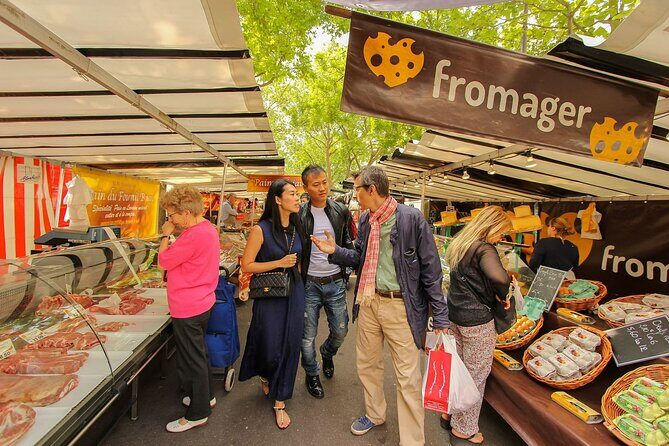
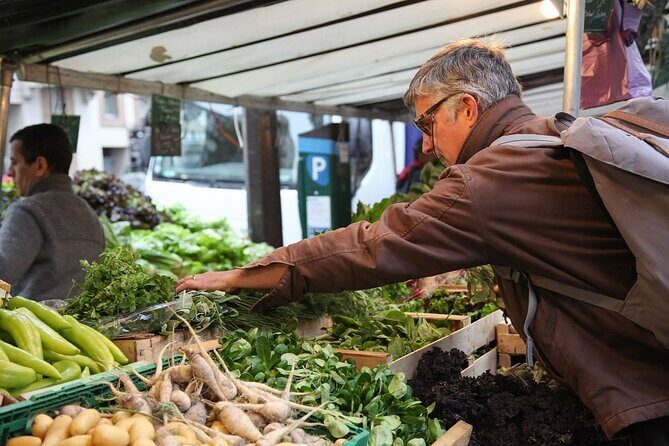
If you book the longer lesson, you’ll likely include a market tour as part of the experience. The promise is simple: you see the local open-air market and choose fresh ingredients for your meal.
Why this is valuable: French cooking often comes down to ingredient quality. When you shop with the chef’s guidance, you understand what makes certain produce (or proteins) taste better. It also makes the cooking steps feel more purposeful. You’re not just chopping for the sake of chopping.
Timing-wise, the non-market option is around 3 hours, while the market option runs about 4.5 hours. You should pick based on how much you want the shopping-and-cooking rhythm, not just the cooking.
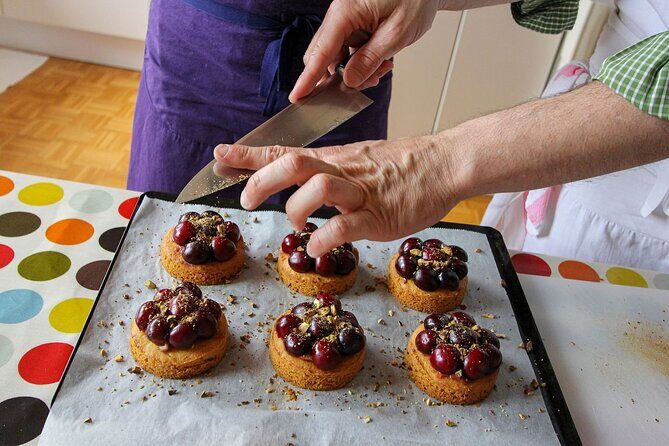
What You’ll Cook: Starter, Main, Dessert (With Real Menu Examples)
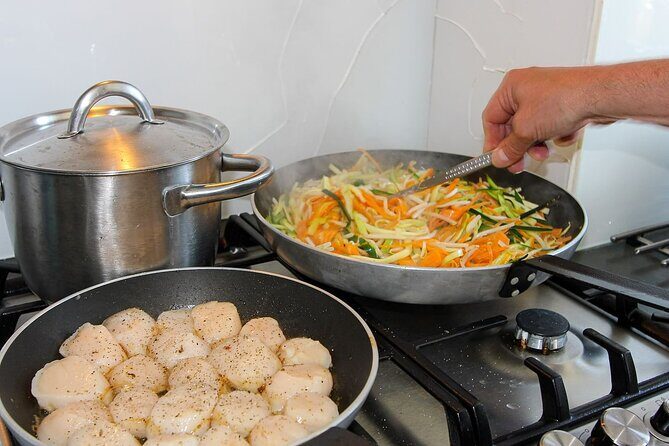
You’re building a full French meal, not a single dish. The menu can vary by season and what’s available, but the class description gives clear sample dishes:
- Starter: Mediterranean zucchini
- Main: Marinated chicken
- Dessert: Mini chocolate lava cake
A lava cake is a smart choice for a class dessert. It’s impressive, but the teaching focus usually makes it less scary: timing, heat control, and how to tell when it’s done.
Some guests also mention regional technique lessons and variety depending on the chef. You might hear details about knife skills, prep methods, and how to approach cooking in a practical, not-too-fussy way.
Chef-Led Instruction That Actually Feels Teachable
This class is built around guidance from an experienced French chef, and reviews repeatedly highlight the teaching quality.
You’ll hear names like Dominique, Frederic, Chef Carole, Jack, and Myriam in guest feedback. While each chef has their own style, the pattern is consistent: they explain what they’re doing and why, and they adjust their pace for different comfort levels.
That matters if you’re not a confident home cook. Several guests say they were given tasks that matched their level—so you’re participating without being stuck doing the hardest thing for the whole class.
Small-Group Size: Max 8 People, Less Standing Around
The group limit is 8 travelers. In practice, that usually means more attention from the chef and fewer awkward moments where you’re waiting your turn.
A few guests noted that some classes can be more collaborative than strictly “everyone plates their own dish.” In those cases, the group may contribute to the same courses while rotating tasks. It’s still hands-on, but you’ll want to know this is not always a 100% individual cooking station setup.
Even so, the intimacy is the point. You’ll talk. You’ll ask questions. And you’ll actually learn how to cook, not just collect recipes.
Lunch Plus a Glass of Wine: Eating the Results
The meal is included, and depending on your option, it’s lunch or dinner. Either way, you finish by enjoying what you made, plus a glass of wine.
This is a key value piece. Many cooking classes end with a small taste. Here, you sit down for a proper meal in the chef’s space. Reviews also suggest that food choices are thoughtful and that guests feel the lunch is part of the experience, not an afterthought.
If you’re a foodie, this is where it clicks: you learn technique during prep, then you taste the final balance right away.
Ingredients, Apron, Utensils, and Recipes to Take Home
Here’s what you don’t have to plan for:
- Use of apron and cooking utensils
- All ingredients for the courses
- Copy of the recipe to take home
That last item is surprisingly important. French dishes can sound simple until you try to recreate them and realize you need the exact steps, baking time, or how the chef expects you to prep ingredients.
So if you’re thinking ahead—weeknight dinner back home, or impressing friends—this is one of the strongest parts of the class.
Price and What You’re Really Paying For
At $217.77 per person, this isn’t the cheapest way to learn French cooking in Paris. But it’s not overpriced when you break down what’s included:
- small-group, chef-led instruction (max 8)
- three-course cooking (starter, main, dessert)
- ingredients and tools
- lunch with wine
- recipe copy to take home
Compared with a class that only teaches one dish, or a course that doesn’t include the meal, you’re paying for a full experience and a proper outcome. The value is highest if you’ll actually use the recipes afterward and if you care about learning technique, not just eating well.
Where You Meet and How You Find the Apartment
There’s no hotel pickup. You meet at the listed meeting point and then head to the apartment location. The class happens in an address inside Paris city limits, and the chef’s name and address are sent after you reserve.
Two practical notes from what travelers experienced:
1. If you don’t receive the info within 72 hours of your reservation, you should contact the provider.
2. Instructions can feel confusing until you arrive, because apartment locations are specific and not always obvious from a “tour bus” perspective.
Also, the activity is near public transportation, so you’re not stuck with a taxi bill. Still, you should plan for walking and a short navigation challenge.
Timing Rules: The 20-Minute Late Policy
This is one of the most important rules in the whole experience: if you’re delayed by more than 20 minutes, entry to the class is refused, and there’s no refund.
That means you should treat this like a real appointment. Give yourself buffer time for subway timing, walking, and locating the building.
If you’re running late, don’t assume there’s flexibility. The policy is strict.
Dietary Needs and Allergies: Tell Them Up Front
The organizer asks you to advise dietary requirements and allergies at booking. They’ll do their best to accommodate, and they’ll tell you if a specific need can’t be met.
One review specifically mentions that a chef handled a pescatarian request without trouble. That’s encouraging, but the only honest advice is the same as the booking info: send your needs early and clearly.
What You’ll Learn Beyond the Recipes
The best cooking classes teach you reusable thinking. Guests commonly describe technique lessons like prep methods and knife skills, plus practical tips you can carry to your own kitchen.
Expect guidance that includes:
- how to choose ingredients with flavor in mind
- how to prep efficiently (especially vegetables)
- how to handle cooking steps in the right order
- how to get better results even when recipes are straightforward
Some travelers also report extra conversation about French food and ingredients, which makes the class feel less like a worksheet and more like learning from a local cook.
Who This Class Is Best For
This fits a few kinds of travelers especially well:
- You like small-group experiences where you talk to the host.
- You want more than a meal—you want a skill you can repeat.
- You’re traveling as a couple, family, or small group and want a shared activity.
- You’re a beginner who needs structure, or an intermediate cook who likes technique reminders.
If you want a strict “everyone plates their own dish” format every time, read the class description carefully and consider that some reviews describe more shared-contribution cooking. Still, the overall tone is that it stays interactive.
Booking, Confirmation, and Cancellation
Booking seems popular—on average, people reserve about 48 days in advance. You’ll receive confirmation at booking unless you book within 2 days of travel, in which case confirmation comes within 48 hours subject to availability.
You’ll also get a mobile ticket, and cancellation is straightforward: free cancellation up to 24 hours before the start time.
Cut-off times follow local time. If your plans are flexible, this option is low-risk financially as long as you don’t cancel late.
Final Thoughts: Should You Book This Paris Cooking Class?
I’d book it if you want an authentic-feeling Paris day that mixes cooking skills with a real meal in a real apartment. The max 8 size plus the chef-led teaching is a big deal, and the included lunch with wine turns the class into something you’ll remember because you ate well and learned well.
Don’t book it if:
- you hate navigating to exact apartment addresses
- you’re likely to be late (the 20-minute rule is strict)
- you only want a high-level food tour and not actual cooking work
If you’re on time, hungry, and curious about how French flavors come together, this is a solid value use of your Paris time.
Paris French Cuisine Small Group Cooking Class with Lunch
FAQ
How long is the Paris French cuisine cooking class?
The cooking class is about 4 hours 30 minutes for the full option. A shorter 3-hour cooking lesson is also available.
Is a market tour included?
The market tour is included if you choose the longer option. If you choose the shorter lesson, the market tour is not included.
How many people are in the class?
The class is small group with a maximum of 8 travelers.
Where does the class take place?
The class is in a French chef’s apartment within Paris city limits. The chef’s name and address are sent after you reserve.
What if I’m late to the class?
If you are delayed by more than 20 minutes, access to the class is refused and no refund is granted.
Can the class accommodate dietary needs or allergies?
You should advise dietary requirements and allergies at booking. The provider will do their best to accommodate, but they may inform you if a specific requirement cannot be met.