
I like this Salzburg Oldtown walk because it’s built for orientation. In about 1 hour 30 minutes you’ll hit the big-name sights fast, understand how the city is laid out, and leave with a practical plan for what to do next.
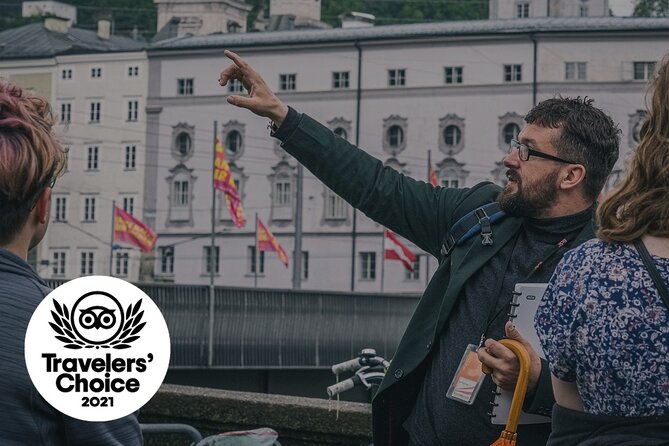
Two things I’d point to right away. First, the guides really know how to tell Salzburg stories in a way that sticks. Names that have led this tour include Johannes and Sonja, and travelers mention how funny, engaging, and paced it is. Second, the value feels unusually strong for a paid guided walk: a low price, a licensed local guide, a city map, and even a postcard included.
One thing to keep in mind: you won’t go inside most of the major stops. The tour focuses on seeing facades, squares, and viewpoints, with limited entry opportunities where permitted, so if you want lots of indoor time, you’ll need to plan that separately.
- Key Points at a Glance
- Why This Old Town Walk Works So Well
- Price and What You Get for It
- Meeting Point: Starting Where the Tour Actually Begins
- Group Size and Pace: Comfortable, Not Chaotic
- A Guided Route Through Salzburg’s Mozart DNA
- Mozart Wohnhaus: Seeing Where Mozart Lived
- Schloss Mirabell and Mirabellgarten: A Quick Look, Then Plan to Return
- Getreidegasse: Salzburg’s Most Famous Street Moment
- Churches, Monastery Grounds, and Architectural Clues
- Universitätskirche: When You Can Step In
- Wilhelm-Furtwängler-Garten: Monastery Grounds and Modern University Life
- Grosses Festspielhaus: Where the Salzburg Festival Lands
- Erzabtei Stift St. Peter: The Founding Story, Without the Detour
- Salzburg Cathedral Facade: History You Can See Even Without Going Inside
- The Squares and Views That Give You a Map in Your Head
- Kapitelplatz & Kapitelschwemme: Fortresses, Art, and Old Baking
- Makartsteg: Love Locks and the River Walk Mood
- Residenzplatz: The Old Town’s Heart
- Mozartplatz: The Cult of Mozart and the Statue Mystery
- What You’ll Probably Do Right After the Tour
- Weather and Comfort: What to Expect on Walking Days
- Who This Tour Is Best For
- Logistics Made Simple: Tickets, Time, and Confirmation
- Cancellation: Low Stress if Plans Change
- Should You Book This Salzburg Old Town Walking Tour?
- FAQ
- FAQ
- How long is the Salzburg old town sightseeing walking tour?
- What language is the tour offered in?
- How much does the tour cost?
- Where does the tour start and end?
- Are there tickets or admissions included for the sights?
- Is a mobile ticket used?
- How many people are in the group?
- Is the tour suitable for most travelers?
- What is the cancellation policy?
Key Points at a Glance
 1 / 9
1 / 9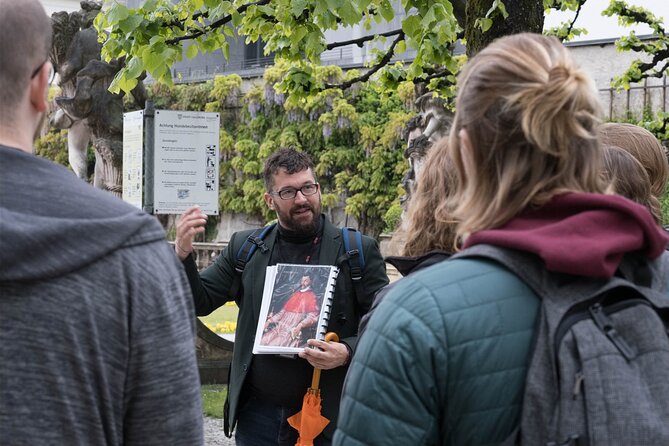 2 / 9
2 / 9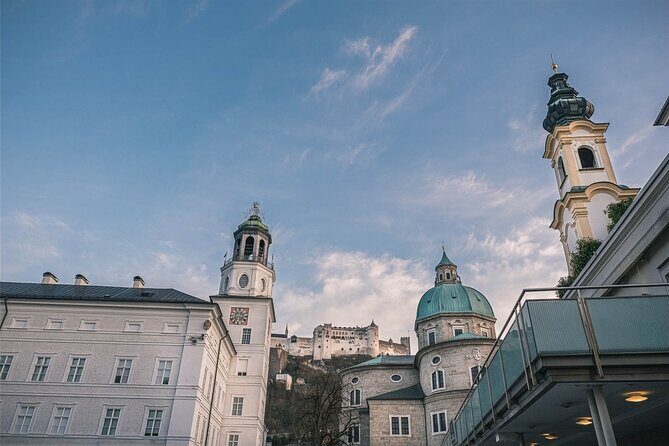 3 / 9
3 / 9 4 / 9
4 / 9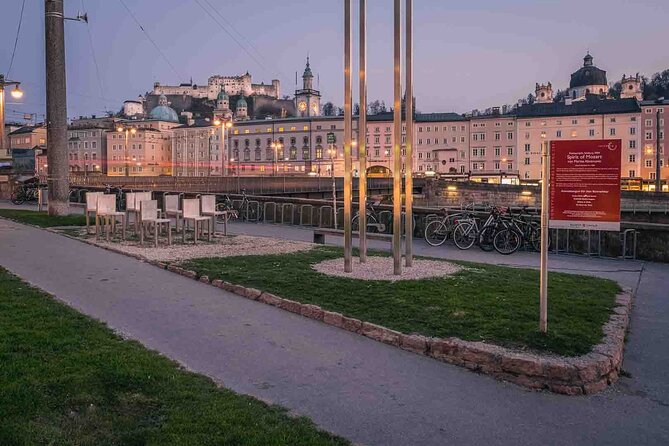 5 / 9
5 / 9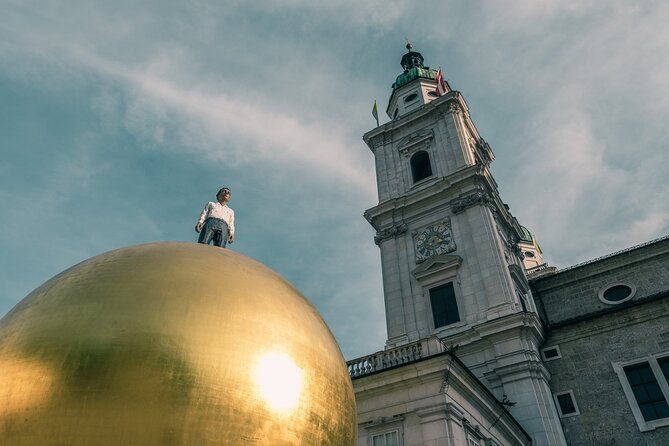 6 / 9
6 / 9 7 / 9
7 / 9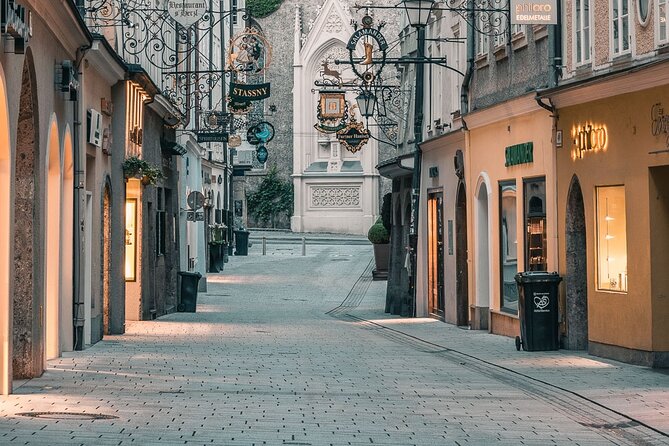 8 / 9
8 / 9 9 / 9
9 / 9- Licensed local guide with story-driven explanations that help you connect the sights
- 1 hour 30 minutes total, so it fits cleanly into almost any Salzburg schedule
- Small group size (up to 25 travelers) for a more comfortable walking pace
- Take-home Salzburg city map plus a postcard, helpful for the rest of your trip
- Mozart and old town orientation: from Mozart Wohnhaus area to Mozartplatz
- Great for first-timers who want a sensible route before you explore on your own
Why This Old Town Walk Works So Well
Salzburg can feel like a postcard until you’re standing in the middle of it, then suddenly you’re asking: Where do I go next, and what matters here? This tour is designed to answer that question quickly. It’s a compact route through the heart of the old town, timed so you can still keep your day flexible.
The pacing is also part of the win. Even on cold, misty mornings (yes, one traveler mentioned that), people said the group moved briskly and efficiently. That matters in Salzburg, where you’ll spend real time walking between stops.
And because it’s an English tour with a mobile ticket and a licensed guide, you’re not guessing. You get a clear start, clear ending, and a story thread you can follow.
Price and What You Get for It
At $10.89 per person, this is the kind of guided tour that doesn’t blow up your budget. More important than the number is what’s included. You’re not just paying for someone to point at buildings. You’re paying for orientation, context, and a route that hits key old town landmarks in a set time window.
Added value includes:
- a walking tour city map
- a postcard as a little souvenir
- a guide who stays focused on the exact area you’ll revisit later
It’s also helpful that the tour is short. Time is money in a place like Salzburg, and a 90-minute format lets you spend the rest of your day exploring without rushing.
Meeting Point: Starting Where the Tour Actually Begins
You start at Spirit of Mozart, Imbergstraße 33A, 5020 Salzburg, Austria. The easiest way to handle this is to treat it like a navigation anchor. One reason this matters: the tour ends near Mozartplatz, and several landmarks cluster close together in the old town core.
The meetup point can feel slightly confusing if you arrive too early and just start wandering. Instead, show up on time, grab the group, and let the guide take it from there.
Group Size and Pace: Comfortable, Not Chaotic
This experience caps at 25 travelers. That’s a sweet spot for a walking tour. Large enough to meet people, small enough that the guide can keep track of everyone’s pace.
You’ll also get short stop times at each location. That doesn’t mean the tour is thin. It means you’re moving often enough to keep energy up, while still getting the key context at each stop.
A Guided Route Through Salzburg’s Mozart DNA
Salzburg is Mozart city. This tour treats that as more than branding. You’ll connect the dots between where Mozart lived, where people later built a culture around him, and how the city used history to shape its identity.
Here’s how the early stops set the tone.
Mozart Wohnhaus: Seeing Where Mozart Lived
The tour starts with the Mozart Residence (Mozart Wohnhaus) area. You’ll view the house where Mozart lived from age seventeen, and you’ll do it from the opposite side of the square.
Why this first stop is smart: it gives you a baseline for everything else. When you later see the city squares and the Mozartplatz statue, you’ll understand why the city emphasizes these connections.
Schloss Mirabell and Mirabellgarten: A Quick Look, Then Plan to Return
Next up is Schloss Mirabell & Mirabellgarten. You’ll get a glance at the Mirabell Garden and hear what it meant historically and how it’s used today.
The best part is also the most practical: you’re encouraged to come back after the walk to explore at your own pace. That’s a good strategy because garden time often depends on weather, crowds, and how long you want to linger.
Getreidegasse: Salzburg’s Most Famous Street Moment
You cross the river and reach Getreidegasse, often described as Salzburg’s most famous street. It’s a short section of walking, but it’s the kind of place where you’ll want a photo, slow down, or take another look at shopfronts after the guide moves on.
This is a good reminder: even if the tour is structured, Salzburg rewards curiosity. Use the guide for orientation, then let your instincts take over.
Churches, Monastery Grounds, and Architectural Clues
A lot of Salzburg’s identity is tied to religious and institutional buildings. This tour uses that idea to teach you what to notice, even when you’re not going inside everything.
Universitätskirche: When You Can Step In
At Universitätskirche, the key detail is that the church isn’t used as a church anymore. That matters because you may enter with the group as long as it isn’t closed.
This is also the kind of stop where the guide’s timing and clarity matter. You’ll get a short explanation and then see what you can see without turning the walk into a long indoor detour.
Wilhelm-Furtwängler-Garten: Monastery Grounds and Modern University Life
At Wilhelm-Furtwängler-Garten, you learn about a former monastery garden now connected to Salzburg University. You’ll also hear what ties the university, modern art, and the city’s canal system together before moving on toward the concert hall area.
Even if you don’t know Salzburg well yet, this stop helps you understand why the city feels layered: old land uses turn into newer cultural spaces over time.
Grosses Festspielhaus: Where the Salzburg Festival Lands
The walk includes Grosses Festspielhaus, tied to the Salzburg Festival. The tour explains that the hall is where most concerts and opera take place during the six summer weeks of the festival.
What I like here is the “big picture” approach. You’re not stuck in festival season details. Instead, you get a context marker. Even if you visit outside summer, you’ll understand what this building is for.
Erzabtei Stift St. Peter: The Founding Story, Without the Detour
At Erzabtei Stift St. Peter Salzburg, you learn that Saint Peter’s is where Salzburg was founded in 696 and that it’s the oldest monastery in the German-speaking region.
You won’t enter the church or the cemetery because the monastery and church remain active and guided tours there aren’t allowed. But you will visit the yard and you’ll get the story anyway.
This is a good balance for most travelers. You still learn the meaning of the place, without losing time to rules and closures that can derail a tight itinerary.
Salzburg Cathedral Facade: History You Can See Even Without Going Inside
At Salzburg Cathedral, you’ll admire the facade and learn its history, but you won’t go inside.
That’s actually useful. Facade viewing gives you the “quick hit” for understanding why people care about the cathedral. After the tour, you can decide whether you want the interior experience and plan it based on your time and energy.
The Squares and Views That Give You a Map in Your Head
After the religious and cultural stops, the tour pivots to squares and river landmarks that help you navigate Salzburg like a local.
Kapitelplatz & Kapitelschwemme: Fortresses, Art, and Old Baking
From Kapitelplatz, you get a view toward Hohensalzburg fortress, plus a look at modern art and the oldest bakery in Salzburg.
Even though the stop is short, it gives you a mental reference point. That fortress view becomes something you can spot later as you wander.
Makartsteg: Love Locks and the River Walk Mood
At Makartsteg, the group passes the love lock bridge. The guide talks about the love locks, the bridge, the river, and buildings along the waterfront.
The practical value: once you’ve seen this river stretch with context, you’re more likely to slow down and explore the river area on your own afterwards.
Residenzplatz: The Old Town’s Heart
Residenzplatz is the main square and the heart of the old town. The name comes from the archbishop’s residence that stood there historically.
This is the kind of stop that makes the tour feel like more than a list. When you stand here, you can connect the story behind the city layout to the places you’ve already seen.
Mozartplatz: The Cult of Mozart and the Statue Mystery
Finally, you reach Mozortplatz, where the Mozart statue marks the beginning of the Mozart cult in the 19th century.
This stop includes a bit of mystery around Mozart, which helps you remember that the story isn’t just about one person. It’s about how societies decide who to celebrate.
The tour ends here, near the tourist information area, and it’s close to other big sights like Salzburg Cathedral and Residenzplatz.
What You’ll Probably Do Right After the Tour
One of the smartest things about this walking tour is that it sets up your next moves. The guide’s route makes it easy to return later for longer stops.
Here are practical ideas that fit the tour style:
- Use the printed Salzburg city map to mark what you want to revisit
- Walk back to gardens and squares for a slower look after your intro tour
- If you got inside one church and loved it, plan additional interior stops on your own day
- Use the reference points to build your own route around your energy level
Also, people mention that guides share helpful suggestions for food and coffee spots. You won’t leave totally dependent on restaurant luck, which is a real benefit when you only have a day or two.
Weather and Comfort: What to Expect on Walking Days
This is a walking tour, so your comfort matters. The tour is short, but it’s still outdoors for long enough that temperature and mist can change your experience.
One traveler specifically noted a cold and misty morning and praised how the guide maintained a steady pace. If you’re visiting in shoulder season or winter, dress for damp air, bring layers, and plan to warm up after.
Who This Tour Is Best For
This tour is a strong fit if:
- you’re in Salzburg for a short time and want fast orientation
- you’re a first-time visitor who needs a route you can remember
- you like your city history explained in human terms (not just dates)
- you want a guide who can shape the day with practical suggestions afterward
It may be less ideal if:
- you want long museum-style time inside buildings
- you prefer to skip crowds entirely and only do ticketed attractions
- you’re hoping the walk covers lots of major indoor sites
Logistics Made Simple: Tickets, Time, and Confirmation
You get a mobile ticket, and confirmation arrives within 48 hours of booking, depending on availability.
The tour runs around 1 hour 30 minutes and starts at 10:00 am. It’s also described as near public transportation, which helps if you’re coming from the train station or moving between neighborhoods.
Service animals are allowed, and most travelers can participate, so accessibility is generally thought through.
Cancellation: Low Stress if Plans Change
If your plans shift, the cancellation policy is straightforward: you can cancel for free up to 24 hours in advance for a full refund. If you cancel less than 24 hours before the start time, you won’t get a refund.
This is the kind of policy that’s friendly if you’re juggling weather, train times, or other day plans.
Should You Book This Salzburg Old Town Walking Tour?
Book it if you want an easy win: Mozart-focused orientation, clear landmarks, and a guide who can connect the dots fast. The pricing is low for a licensed guided walk, and the tour includes practical take-home items like the city map and postcard.
I’d especially recommend it to first-timers and anyone doing Salzburg as a day-or-two stop. You’ll finish with a mental map, a list of places to revisit, and a better feel for what matters in the old town.
Skip it only if you already know Salzburg well and you’re mainly hunting for long indoor experiences. In that case, you can build your own self-guided route and spend more time inside the places you care about.
Salzburg Oldtown: Sightseeing Walking Tour with Licensed Local Guide
FAQ
FAQ
How long is the Salzburg old town sightseeing walking tour?
It runs for about 1 hour 30 minutes.
What language is the tour offered in?
The tour is offered in English.
How much does the tour cost?
The price is $10.89 per person.
Where does the tour start and end?
It starts at Spirit of Mozart, Imbergstraße 33A, 5020 Salzburg, Austria, and ends at Mozartplatz, Mozartpl., 5020 Salzburg, Austria.
Are there tickets or admissions included for the sights?
The tour notes free admission tickets for the listed stops, and it also includes entries where allowed (for example, entering Universitätskirche when open).
Is a mobile ticket used?
Yes, the tour offers a mobile ticket.
How many people are in the group?
The tour has a maximum of 25 travelers.
Is the tour suitable for most travelers?
Most travelers can participate, and service animals are allowed.
What is the cancellation policy?
You can cancel for free up to 24 hours in advance for a full refund. Changes less than 24 hours before the start time aren’t accepted and won’t be refunded.