
Japan wasn’t on our radar until a friend came back raving about it. We’d assumed it would be too expensive, too confusing, too far for young kids. We were wrong on all three counts. Family travel to Japan turned out to be one of the smartest holiday decisions we’ve made, and we’ve been back twice since.
The truth is, Japan might be the most family-friendly country on earth that nobody in the UK thinks of as a family destination. Here’s everything we’ve learned.
- Why Japan Works So Well for Families
- Best Age to Take Kids to Japan
- When to Visit Japan with Kids
- How Long You Actually Need
- Budget: What Japan Actually Costs from the UK
- Tokyo with Kids: 2-3 Days
- Day Trips from Tokyo
- Kyoto with Kids: 2-3 Days
- Osaka: 2-3 Days
- Getting Around Japan with Kids
- Eating in Japan with Kids
- Practical Tips for Japan with Families
- What to Skip (Seriously)
- Planning Your Family Trip to Japan
Why Japan Works So Well for Families
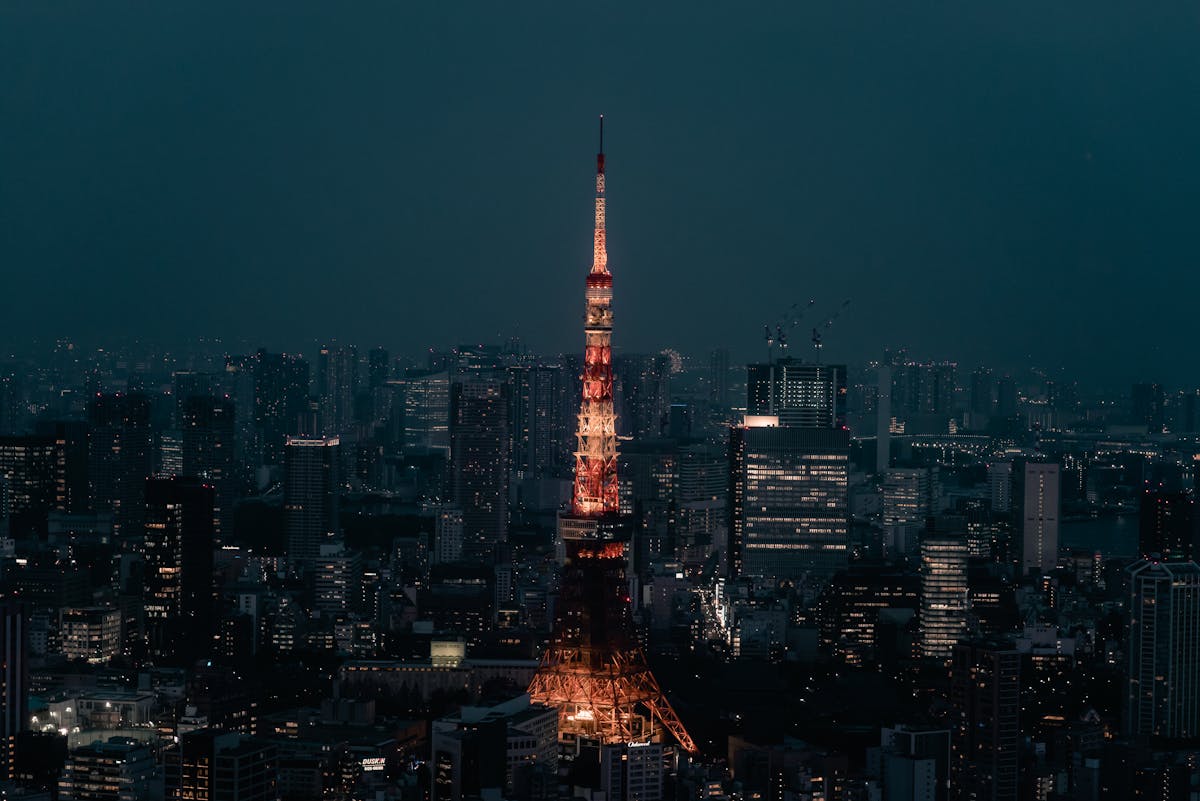
Start with safety. Japan is absurdly safe. Our kids walked ahead of us on busy Tokyo streets and we didn’t feel a flicker of worry. Lost property actually gets returned. Vending machines sit on quiet roads and nobody vandalises them. Crime rates are so low they almost don’t register.
Then there’s cleanliness. Public toilets are spotless — many have heated seats and buttons that play music to cover noise (kids find this absolutely hilarious). Streets are clean. Trains are clean. Even the busiest stations feel well-maintained.
The transport system runs on time. Not roughly on time. Exactly on time. The Shinkansen (bullet train) has an average annual delay of under one minute. When you’re managing tired children and tight connections, this matters enormously.
But the thing that surprised us most was how much Japanese culture welcomes children. Restaurants bring out kids’ chopsticks without being asked. Shop staff wave at toddlers. Strangers on trains will offer sweets to your children (this is normal and polite — accept gracefully). There’s a deep cultural respect for families, and you feel it everywhere.
Best Age to Take Kids to Japan
Honest answer: any age works, but different ages bring different trips.
Under 3: Japan is doable with babies and toddlers. Nappy-changing facilities are everywhere. Lifts exist in most stations, though finding them can involve long detours. The main downside is that you won’t move quickly, and Japan rewards covering ground. You’ll see less but still have a wonderful time.
3-6: A sweet spot for some things, frustrating for others. Kids this age love the trains, the food, and the sheer novelty. They struggle with long walking days — and Tokyo involves a lot of walking. Bring a lightweight stroller even if your child has outgrown one at home.
7-12: The golden age for Japan with kids. Old enough to walk reasonable distances, young enough to be completely dazzled by everything. Our 8-year-old still talks about feeding deer in Nara and watching robots in Akihabara.
Teenagers: Japan is practically designed for teens. Anime culture, gaming arcades, Harajuku fashion, incredible street food. Even our moody 14-year-old forgot to be unimpressed. The independence of the train system means older teens can explore a station or shopping area on their own while you sit down with a coffee.
When to Visit Japan with Kids
This is where UK school holidays create headaches, because the best times to visit don’t align neatly with term dates.
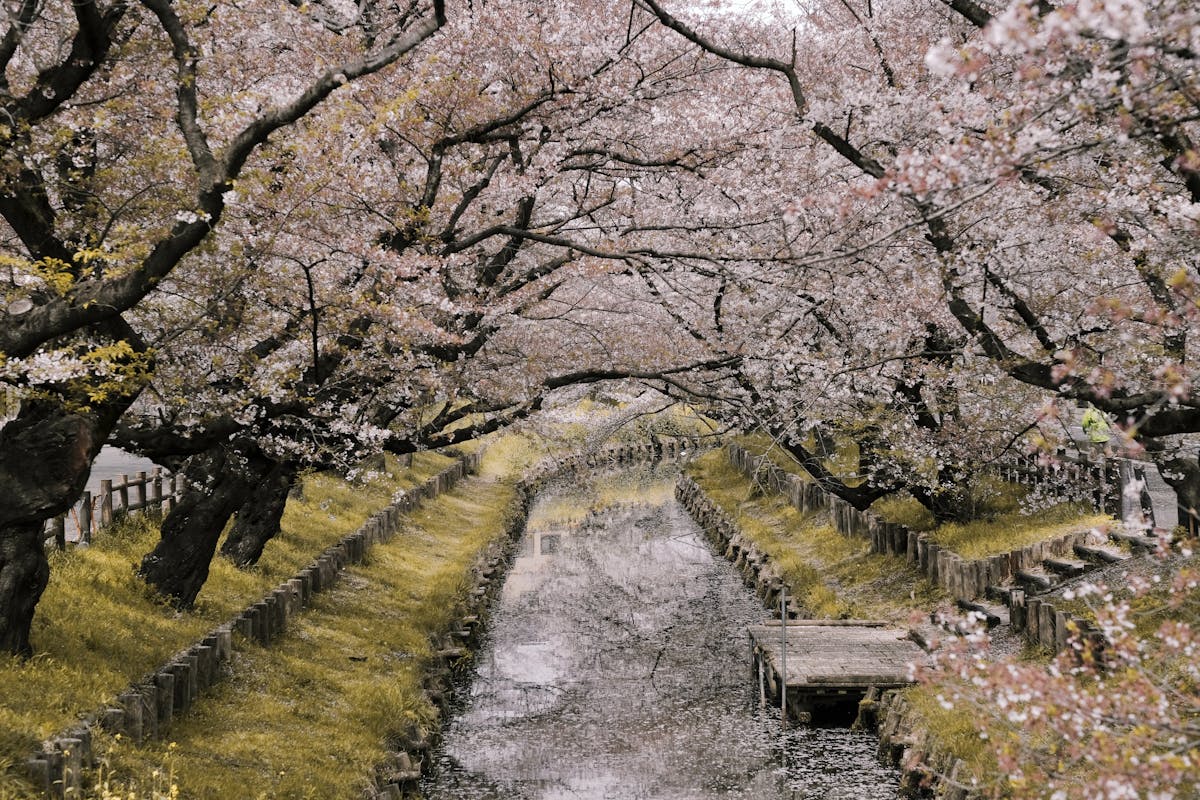
Cherry blossom season (late March to mid-April): Staggeringly beautiful. The whole country turns pink and white, and families picnic under the trees. This overlaps with Easter holidays, which is convenient. The catch: everyone else knows this too. Hotels book out months in advance and prices spike. Book six to eight months ahead if you want cherry blossom season.
Autumn (late October to November): Our favourite time. The autumn colours across Kyoto’s temples are extraordinary — reds, oranges, deep golds against dark wooden architecture. October half-term gives you about a week, which is tight but workable. Temperatures are comfortable, crowds are thinner than spring, and flight prices tend to be lower.
Summer (July-August): Lines up with summer holidays but comes with serious humidity. Tokyo in August is genuinely oppressive — 35°C with thick, sticky air. If you go in summer, plan for air-conditioned breaks and head north to Hokkaido or into the Japanese Alps where it’s cooler.
Winter (December-February): Underrated. Fewer travelers, clear skies, and if you head to the Japanese Alps you can ski at resorts like Hakuba or Nozawa Onsen. Christmas in Japan is charmingly odd — they eat KFC on Christmas Eve, which children find deeply entertaining. February half-term works well.
Skip Golden Week (late April to early May). It’s a string of Japanese public holidays, the whole country travels, and everything is packed and pricey. Just avoid it.
How Long You Actually Need
Don’t try to do Japan in a week. You’ll spend too much time in transit and not enough time enjoying anything. We’d say 10 days is the minimum for a satisfying first trip, and two weeks is ideal.
A solid two-week itinerary: 3 days Tokyo, 2 days day-tripping from Tokyo, travel day to Kyoto, 3 days Kyoto, day trip to Nara, 2 days Osaka, travel back to Tokyo for a final night before flying home. That gives you breathing room and doesn’t feel like a forced march.
If you only have 10 days, cut Osaka to one day and drop a Tokyo day trip.
Budget: What Japan Actually Costs from the UK
Japan has a reputation as expensive. It’s not — or at least, it doesn’t have to be. The weak yen in recent years has made it remarkably good value.
Flights: Direct flights from London Heathrow to Tokyo run about £600-900 per person return, depending on when you book and the time of year. We’ve found the best prices on direct flights with British Airways or JAL. Indirect options via Helsinki (Finnair) or the Middle East (Qatar, Emirates) can drop to £450-550pp but add 4-6 hours to an already long journey. With kids, direct is worth the premium.
Accommodation: Budget about £80-150 per night for a family room. Business hotels (Toyoko Inn, Dormy Inn, APA Hotels) are clean, central, and cheap at around ¥10,000-15,000 (£50-75) per night for a double. The catch is that rooms are small — really small. For a family of four, you’ll likely need two rooms or an apartment-style rental. Serviced apartments on Booking.com run ¥20,000-30,000 (£100-150) per night and give you space plus a washing machine, which is genuinely life-changing on a two-week trip.
Food: This is where Japan shines. You can feed a family of four an excellent lunch for ¥3,000-4,000 (£15-20). Convenience store meals — onigiri, sandwiches, salads — cost even less and are surprisingly good. Budget about ¥15,000-20,000 (£75-100) per day for all meals for a family of four, and you’ll eat extremely well.
Transport: A 14-day Japan Rail Pass costs about ¥70,000 (£350) per adult and ¥35,000 (£175) per child aged 6-11. Under-6s ride free. This covers all your Shinkansen rides between cities plus most local JR trains. It pays for itself after roughly two long-distance trips.
Activities: Many of the best things in Japan are free — temples (some charge ¥300-500 entry), parks, shrines, wandering around fascinating neighbourhoods. Budget about ¥5,000 (£25) per day for paid attractions.
Overall: For a family of four doing two weeks, expect to spend roughly £5,000-7,000 all in, including flights. That’s comparable to two weeks in southern Europe, and Japan gives you a far more memorable experience.
Tokyo with Kids: 2-3 Days
Tokyo is enormous and chaotic and wonderful. Don’t try to see all of it. Pick a base and explore outward.
Where to stay: Shinjuku is our top pick for families. It’s the main transport hub — you can reach almost anywhere in Tokyo from Shinjuku Station without changing trains. The area around the south exit has plenty of restaurants, a huge department store (Takashimaya) with a good food hall, and it’s walking distance to Shinjuku Gyoen, one of Tokyo’s best parks.
Ueno is the budget alternative. Hotels cost less, you’re right next to Ueno Park (zoo, museums, temples), and it’s the station for trains to Nikko. It feels slightly less overwhelming than Shinjuku, which can be a plus with younger children.
Don’t miss:
- Shibuya Crossing — yes, it’s touristy. Kids still love it. Stand on the observation deck at Shibuya Sky (¥2,000/£10 per adult, ¥900/£4.50 per child) and watch the crossing from above.
- Akihabara — electronics, anime, and gaming arcades. Teenagers will want to live here. Even younger kids enjoy the sensory overload of the multi-storey arcades.
- TeamLab digital art exhibitions — immersive, interactive, and genuinely spectacular. Book tickets online in advance (¥3,800/£19 adults, ¥1,000/£5 children). Kids can splash through virtual waterfalls and draw sea creatures that appear on giant screens.
- Meiji Shrine — a peaceful Shinto shrine in a forest, ten minutes’ walk from Harajuku Station. Free entry. The contrast between the quiet forest path and the crazy energy of Harajuku’s Takeshita Street, which is right outside, is brilliant.
- Ueno Zoo — nothing extraordinary by international standards, but it’s cheap (¥600/£3 adults, free for under-12s) and a good half-day when kids need something familiar.
Skip: Tokyo Skytree. It’s expensive (¥3,100/£15.50 per adult), the queues are tedious, and Shibuya Sky gives you a better view with a better vibe.
Day Trips from Tokyo
Building day trips into your Tokyo stay breaks up the intensity and lets you see a different side of Japan.
Hakone (1.5 hours from Shinjuku): Mountains, hot springs, and views of Mount Fuji on clear days. The Hakone Free Pass (¥6,100/£30 per adult from Shinjuku) covers the train, a cable car, a pirate ship across Lake Ashi, and buses. Kids love the pirate ship. The open-air museum has a huge Picasso collection that adults enjoy and a giant climbing frame that kids enjoy. A strong full-day trip.
Kamakura (1 hour from Tokyo): A coastal town with a 13-metre bronze Buddha that’s been sitting there since 1252. You can go inside it (¥50/25p — not a typo). The walk between Kita-Kamakura Station and Kamakura through the back streets and temple grounds is lovely. Grab shirasu-don (whitebait rice bowls) at one of the restaurants near the beach. Half day or full day.
Nikko (2 hours from Ueno/Asakusa): Ornate, lavish shrines in a cedar forest — Toshogu Shrine is covered in gold leaf and intricate carvings including the famous “see no evil, hear no evil, speak no evil” monkeys. This is the original. Worth the trip if your kids are old enough to appreciate detailed architecture (roughly 7+). Younger kids may find it slow.
Pick two of three. Doing all three in a Tokyo stay means too many early mornings.
Kyoto with Kids: 2-3 Days
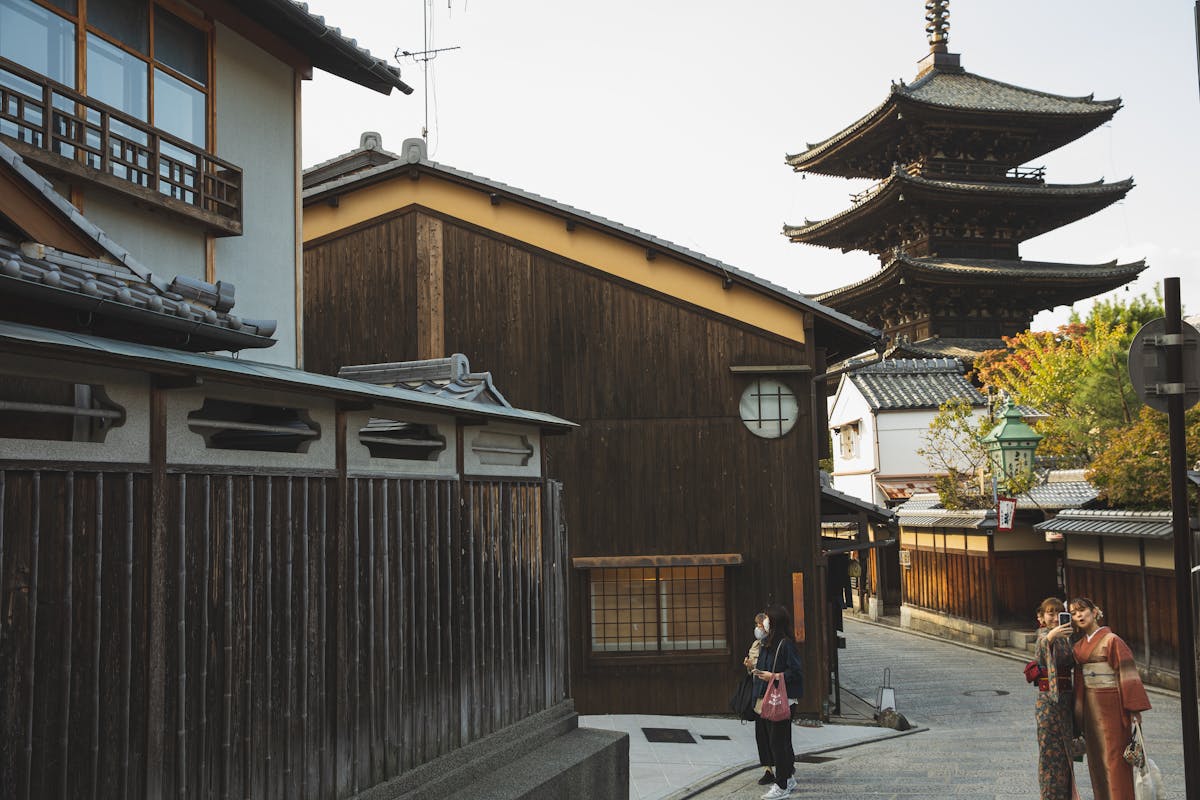
Kyoto is temples, shrines, and traditional culture. It’s the Japan of postcards. Some kids love it; others find temple after temple repetitive. The trick is mixing in things they’ll enjoy between the cultural sights.
Must-do:
- Fushimi Inari — thousands of orange torii gates snaking up a hillside. Free, open 24 hours. Go early (before 8am) or late afternoon to avoid the worst crowds. The full hike takes 2-3 hours; most families do the first 30 minutes and turn back, which is plenty.
- Arashiyama Bamboo Grove — the famous bamboo pathway. Beautiful but brief. Combine it with the monkey park on the hill above Arashiyama (¥550/£2.75), where wild macaques eat from your hand. Kids rate the monkeys far above the bamboo.
- Nishiki Market — a narrow covered market selling strange and wonderful food. Grilled octopus on sticks, mochi in every colour, matcha everything. Let kids choose something new to try. Budget ¥2,000-3,000 (£10-15) for grazing.
- Kinkaku-ji (Golden Pavilion) — the iconic gold-covered temple reflected in a pond. Takes about 30 minutes including queuing and walking the grounds. Entry ¥500 (£2.50). Kids think it’s cool for about four minutes, but it’s worth seeing.
Day trip to Nara (45 minutes from Kyoto): Over a thousand tame deer roam Nara Park, and you can buy crackers to feed them. The deer bow to you before eating. Children lose their minds. This is a non-negotiable if you’re in the Kyoto area. The giant Buddha at Todai-ji temple is also here — it’s enormous, housed in one of the world’s largest wooden buildings. You can crawl through a hole in one of the pillars that’s said to grant enlightenment. Kids don’t care about enlightenment but they love the crawling. Entry ¥600 (£3).
Osaka: 2-3 Days
If Kyoto is Japan’s cultural heart, Osaka is its stomach. This city is about food, energy, and fun. Kids tend to prefer Osaka to Kyoto, honestly.
Dotonbori: A canal-side street packed with restaurants, neon signs, and the famous running man sign. Street food here is outstanding — takoyaki (octopus balls) for ¥500 (£2.50), okonomiyaki (savoury pancakes) cooked in front of you, and every skewered fried thing imaginable.
Osaka Castle: Photogenic from outside, a museum inside. The top-floor observation deck gives good city views. Entry ¥600 (£3). Not essential but kids enjoy the samurai armour displays.
Universal Studios Japan: If your kids are into Nintendo, Harry Potter, or Minions, this could be a full-day highlight. Standard tickets cost ¥8,600 (£43) for adults and ¥5,600 (£28) for children. The Super Nintendo World area is genuinely brilliant — interactive wristbands, augmented-reality games, and a Mario Kart ride that’s unlike anything else. Buy Express Passes if you can stomach the extra cost (¥6,000-15,000/£30-75 per person depending on the day) — without them, wait times for popular rides regularly exceed 90 minutes.
Skip: The Osaka Aquarium (Kaiyukan) gets recommended everywhere but it’s expensive (¥2,700/£13.50 per adult) and underwhelming compared to what you’d find in the UK at, say, the London Aquarium or Chester Zoo’s aquarium. Your money and time are better spent eating.
Getting Around Japan with Kids
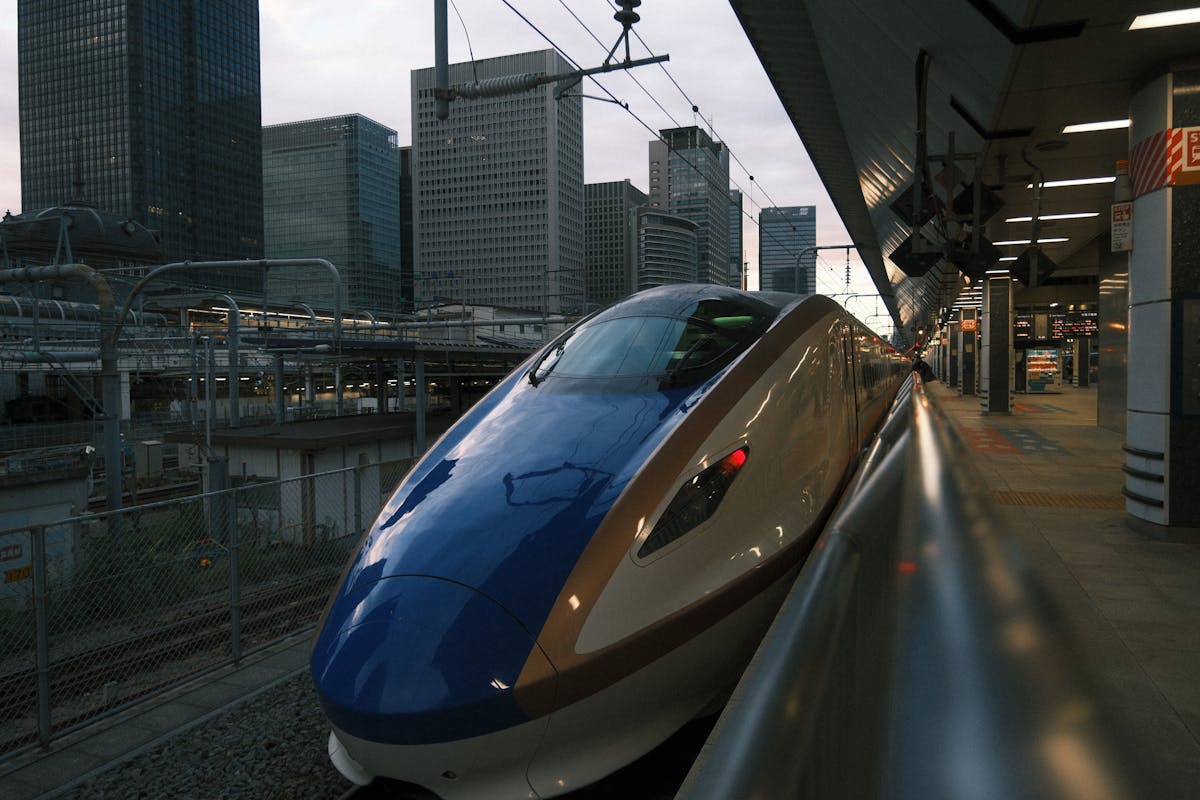
The train system is your best friend. It’s clean, punctual, safe, and children find the Shinkansen genuinely thrilling. Watching the nose of a bullet train slide into the station at speed never gets old. Not for kids, and honestly not for adults either.
JR Pass: The Japan Rail Pass covers most long-distance trains. Buy it before you go — you’ll receive a voucher to exchange for the actual pass at a JR office when you arrive. A 14-day pass is best value for a two-week trip. Children aged 6-11 get a child pass at half price. Under-6s are free but don’t get their own seat unless you pay.
IC Cards (Suica/Pasmo): Rechargeable smart cards for local trains, buses, and convenience store payments. Get one at any station — it’s like an Oyster card but works across the entire country. Tap in, tap out. Load them with cash at machines in any station. Children aged 6-11 need a child IC card (ask at a staffed ticket window). Under-6s ride free on local trains.
Practical tips for trains with kids:
- Reserve seats on the Shinkansen (free with JR Pass). Unreserved carriages get crowded and standing with kids for two hours isn’t fun.
- There’s always a toilet on the Shinkansen. On local trains, there usually isn’t. Plan accordingly.
- Ekiben (train station bento boxes) are a highlight. Buy them before boarding — every major station has a selection. Kids love choosing their own box. Expect to pay ¥800-1,500 (£4-7.50) each.
- Luggage: the Shinkansen has limited overhead space. Send large bags ahead using Takkyubin luggage forwarding (about ¥2,000-3,000/£10-15 per bag between cities, next-day delivery). This is a game-changer with kids — you travel with just a day bag and your suitcases appear at your next hotel.
Eating in Japan with Kids
Japan might be the easiest country in the world to feed fussy children. Not because the food is bland — it isn’t — but because there’s so much variety and so much of it is served in ways that kids find exciting.
Conveyor belt sushi (kaiten-zushi): Plates of sushi glide past on a belt and you grab what you want. Plates are colour-coded by price, usually ¥100-500 (50p-£2.50) each. Kids love the mechanic of it. If they don’t like raw fish, there’s always tamago (egg), cucumber rolls, edamame, chips, and pudding on the belt too. Chains like Sushiro and Kura Sushi are everywhere and incredibly cheap — a family of four can eat well for ¥3,000-4,000 (£15-20).
Japanese curry: Mild, sweet, served with rice. Every child we know who’s been to Japan loves it. CoCo Ichibanya is a chain where you choose your spice level (level 1 is very mild), protein, and toppings. A kids’ meal runs about ¥500 (£2.50).
Family restaurants (famiresu): Chains like Gusto, Saizeriya, and Joyfull serve a mix of Japanese and Western food at low prices. Drinks bars (unlimited refills for about ¥300/£1.50), kids’ menus with flag-topped rice, and no rush to leave. These are lifesavers on tired evenings.
Convenience stores: Don’t underestimate 7-Eleven, Lawson, and FamilyMart in Japan. These aren’t like UK corner shops. The food is fresh, good-quality, and cheap. Onigiri (rice balls) for ¥120-200 (60p-£1), egg sandwiches, nikuman (steamed pork buns), and surprisingly decent pasta. For breakfast, convenience stores are often the easiest option with kids.
Ramen: Many ramen shops use vending machines for ordering — put money in, press the button with the picture of what you want, hand the ticket to the cook. Kids find this process fascinating. Some places are tiny counters with no child seats, so look for bigger shops or chain restaurants like Ichiran.
Practical Tips for Japan with Families
Pocket wifi: Rent a portable wifi device at the airport when you arrive. About ¥800-1,000 (£4-5) per day. Google Maps is essential for navigating the train system, and you’ll want constant internet access. Order in advance from a company like Japan Wireless or Global Advanced Communications and collect it at the airport.
Cash vs card: Japan has moved toward card payment significantly in recent years, especially in cities. Most convenience stores, chain restaurants, and larger shops take Visa and Mastercard. However, some smaller restaurants, shrines, temples, and market stalls remain cash only. Carry ¥10,000-20,000 (£50-100) in cash at all times. 7-Eleven ATMs accept foreign cards with no fuss.
Strollers: Bring a compact, lightweight stroller that folds easily. You’ll be folding it on escalators, squeezing it through ticket gates, and hauling it up occasional flights of stairs. Japan is generally good for accessibility but older stations and temples can involve steps. Umbrella-fold strollers work best.
Nappies and baby supplies: Japanese nappies (Merries, Moony, Goo.N brands) are excellent — arguably better than what we get in the UK. Buy them at any drugstore (look for Matsumoto Kiyoshi or Sundrug) or larger convenience stores. Prices are comparable to home. Baby formula is available but bring your own preferred brand if your child is particular.
Language: You don’t need Japanese. Train stations have English signage, Google Translate’s camera feature reads menus in real time, and most tourist-facing staff speak enough English. Learn “sumimasen” (excuse me), “arigatou gozaimasu” (thank you), and you’re set.
Toilets: Japanese toilets are famously high-tech. The button panel can be confusing — look for the one with 流す or a wave symbol to flush. The bidet button will surprise anyone who presses it unprepared. Kids will press every button. Accept this.
What to Skip (Seriously)
First-timers try to cram in too much. Japan is dense with interesting things and the temptation is to see all of them. Resist.
Skip Hiroshima if you’re short on time. It’s an important place and the Peace Memorial Museum is powerful, but it’s a long detour from the Tokyo-Kyoto-Osaka route (roughly 2 hours each way on the Shinkansen from Osaka). If you have 10-12 days, use that time in your core destinations instead. Save Hiroshima and Miyajima island for a second trip.
Skip Mount Fuji unless it’s a clear day. Many visitors spend hours getting to a Fuji viewpoint only to find it shrouded in cloud. Hakone gives you a chance to see Fuji as part of a full day trip — if the mountain’s not visible, you’ve still had a great day. Don’t plan a separate Fuji trip with kids on the gamble of clear weather.
Skip geisha hunting in Kyoto’s Gion district. The practice of chasing geiko and maiko for photos has become a real problem. The district has introduced photography bans on private streets. Just walk through and appreciate the architecture.
Don’t visit more than two temples per day in Kyoto. Temple fatigue is real, especially with children. Two temples plus one non-temple activity (market, monkey park, cycling along the river) is the right balance.
Planning Your Family Trip to Japan
The official Japan tourism website is genuinely useful and well-organised — it’s a good starting point for route planning and events calendars.
Book flights as early as you can. Six months ahead for peak seasons, three months for off-peak. Set fare alerts on Skyscanner and Google Flights.
Buy your JR Pass in advance through the official JR Pass site or an authorised reseller. You can now buy them in Japan at major stations too, but advance purchase is simpler.
Reserve your first and last nights’ accommodation before you go. The middle can be more flexible, but having somewhere confirmed for arrival (when you’ll be jet-lagged and useless) and departure (when you need to be near the airport) removes stress.
Japan is the kind of destination that turns your family into travellers rather than travelers. It’s far enough to feel like a genuine adventure, different enough to stretch everyone’s perspective, and safe and easy enough that you can actually relax while you’re there. Our kids didn’t want to come home. Neither did we, if we’re honest.
We’d go back tomorrow.