
We visited Kyoto eight times before we stopped counting. The first trip was two adults, no children, wandering temples in silence. The latest was with two kids under seven, bribing them with vending machine Calpis between shrines. Different experiences. Both brilliant.
Kyoto is old Japan — wooden buildings, narrow lanes, hundreds of temples, seasonal kaiseki food. It doesn’t sound kid-friendly on paper. But our children soaked it up, even if they did get templed-out by day three and needed regular ice cream interventions.
The trick is pacing. Two temples a day. Maximum. Then parks, markets, food, and whatever catches their eye. Push beyond that and you’ll have mutinous passengers before lunch.
How Long and When
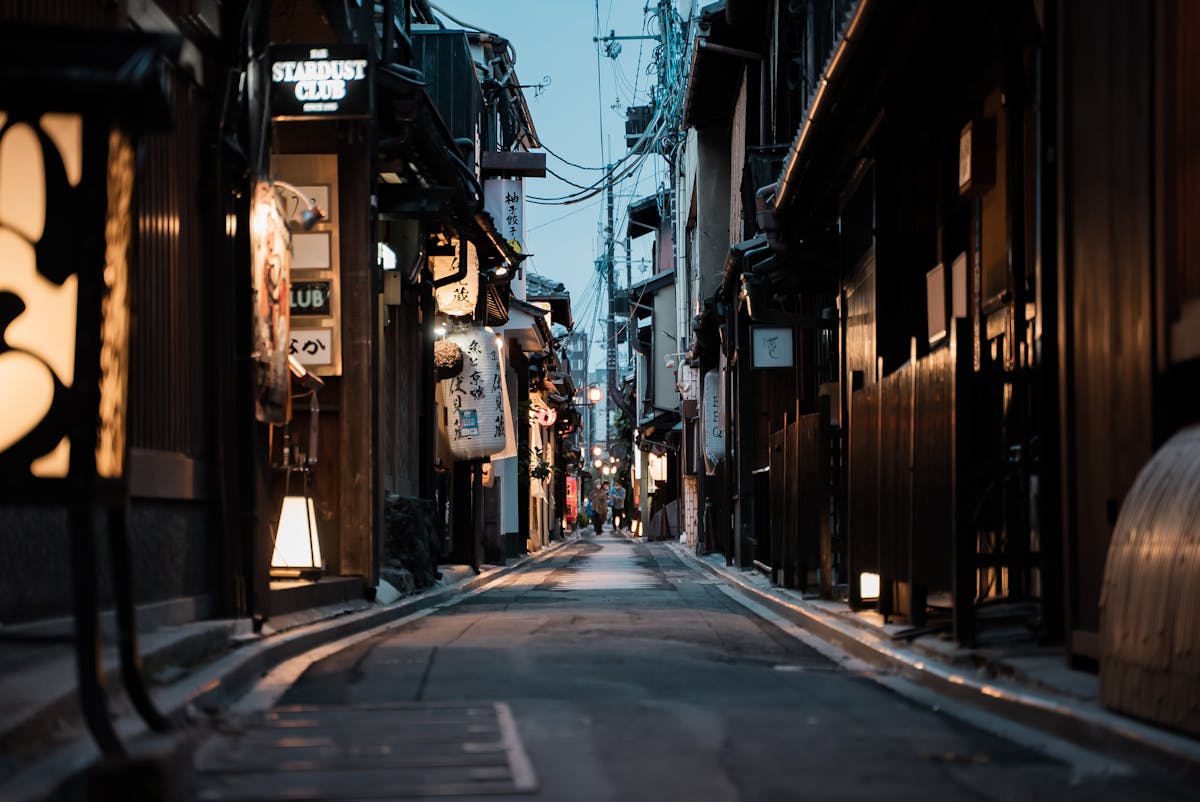
Two full days is the minimum to cover the essentials. Three is better. Four if you want to breathe.
Getting here from Tokyo takes about two hours fifteen on the Hikari shinkansen, covered by the JR Pass. Note: the Nozomi is faster but not covered by the pass — the Hikari is only fifteen minutes slower and saves you buying a separate ticket.
Cherry blossom season (late March to mid-April) is stunning but the crowds are genuinely difficult with small children. Autumn colours (November) are almost as beautiful with slightly fewer people. Our honest pick for families: May or early October. Warm, manageable, and you can actually get a seat on the bus.
Fushimi Inari
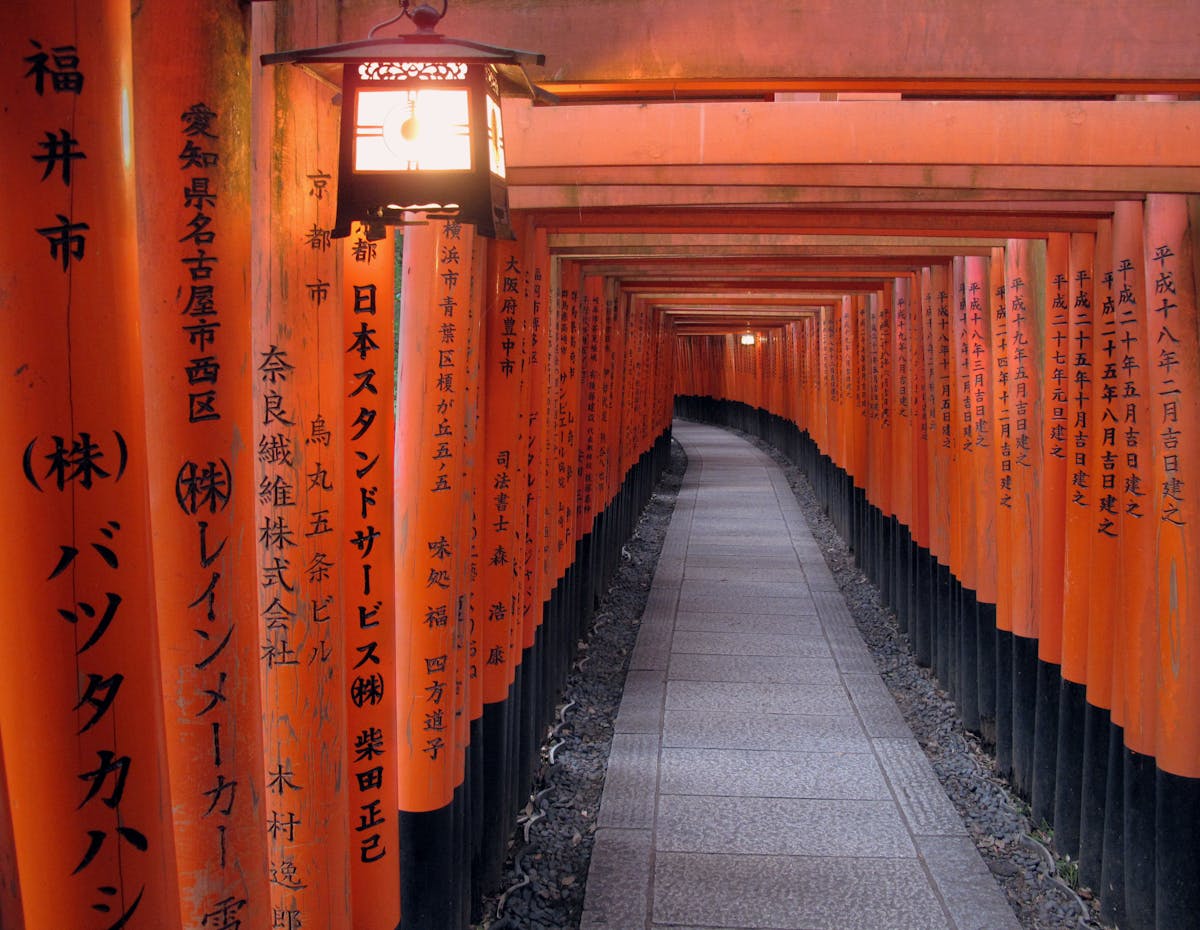
This is the one with thousands of orange torii gates tunnelling up a mountain. Free entry. Open 24 hours. And the single most popular sight in Kyoto, which means it gets absolutely heaving by mid-morning.
Go early. Before 8am if you can manage it. The first section — the photogenic tunnel of gates — is about a 20-minute walk from the entrance. Most tour groups stop there. If you keep going, the crowds thin out dramatically within another ten minutes.
The full hike to the summit takes about two hours and is steep in places. With young kids, don’t aim for the top. The first 30-40 minutes gives you the best of it. There are small shrine rest stops with benches and vending machines along the way — useful for regrouping.
Kids can buy small wooden fox-face ema (wish plaques) at the shrine for ¥500 and write their wish on the back. Ours found this far more interesting than the gates.
The official Fushimi Inari shrine website has a map showing the route sections.
Kinkakuji
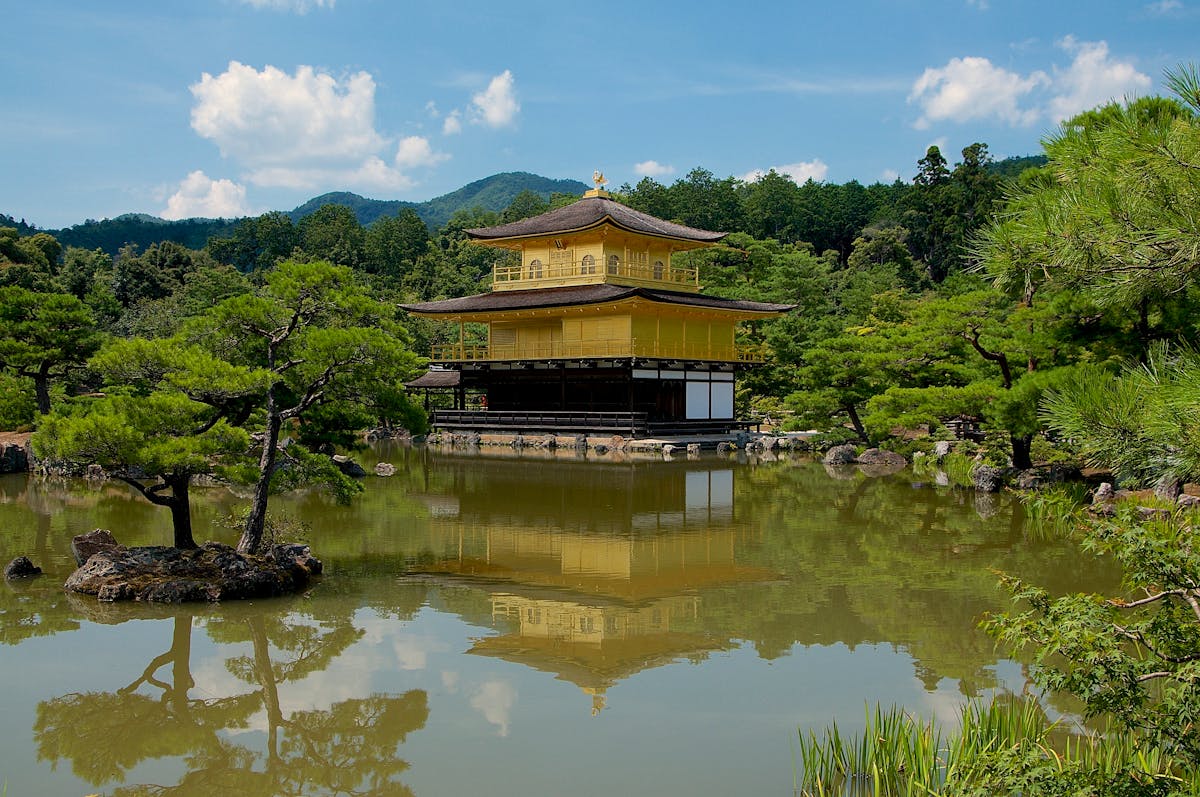
The Golden Pavilion. ¥500 adults, ¥300 children. You walk in, see a gold building reflected in a pond, take photos, and walk out. The whole visit takes about 20 minutes.
That sounds dismissive but it’s genuinely worth it. The building is extraordinary in person — entirely covered in gold leaf, sitting on a mirror-still pond with trees framing it perfectly. Even our five-year-old said “wow” and meant it. On a clear day with the reflection it’s one of the most beautiful things in Japan.
Just don’t expect it to fill a morning. Pop in, appreciate it, buy a matcha ice cream from the stall near the exit (¥400), and move on.
Nijo Castle
One family travel site called this “the best historical sight in Japan” and we’d agree it’s up there. Built in the 1600s for the local shogun, the wooden floors are designed to squeak when you walk on them — “nightingale floors” meant to alert against ninja intruders. Kids are fascinated by this. They will test every floorboard.
¥800 adults, ¥400 children. The gardens are extensive and good for running around after the indoor section. Allow about an hour.
Arashiyama
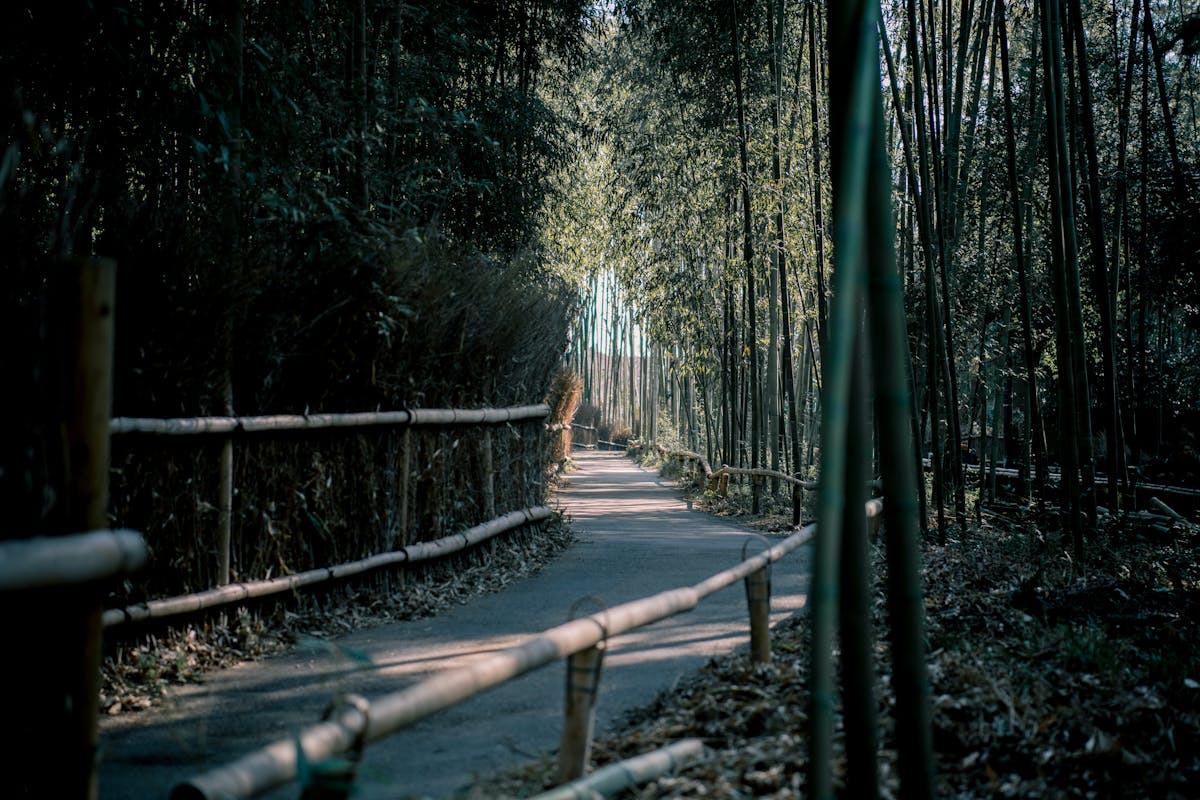
We’ve written a full Arashiyama with kids guide, but the short version: go early for the bamboo grove, walk to the river, grab street food, and consider a rickshaw ride if your toddler needs a rest (book via Klook). The Monkey Park up the hill is hit or miss with small kids — some love it, some are scared of the macaques.
Arashiyama is about 15 minutes by local train from central Kyoto. It’s essentially a half-day trip that pairs well with a quieter afternoon back in the city.
Nishiki Market
Five blocks of covered market running through central Kyoto. This is where locals shop, and it’s the best place to graze your way through a Kyoto lunch with kids.
Stalls sell tamagoyaki (sweet grilled egg on a stick, ¥200), mochi in every flavour, pickles, matcha sweets, fresh fruit cups, grilled seafood skewers. Kids can sample as they walk. The covered arcade means it works in rain.
Go before noon — by early afternoon it’s packed and the narrow aisles become difficult with a pushchair. Some stalls close by 5pm.
Gion and Evening Walks
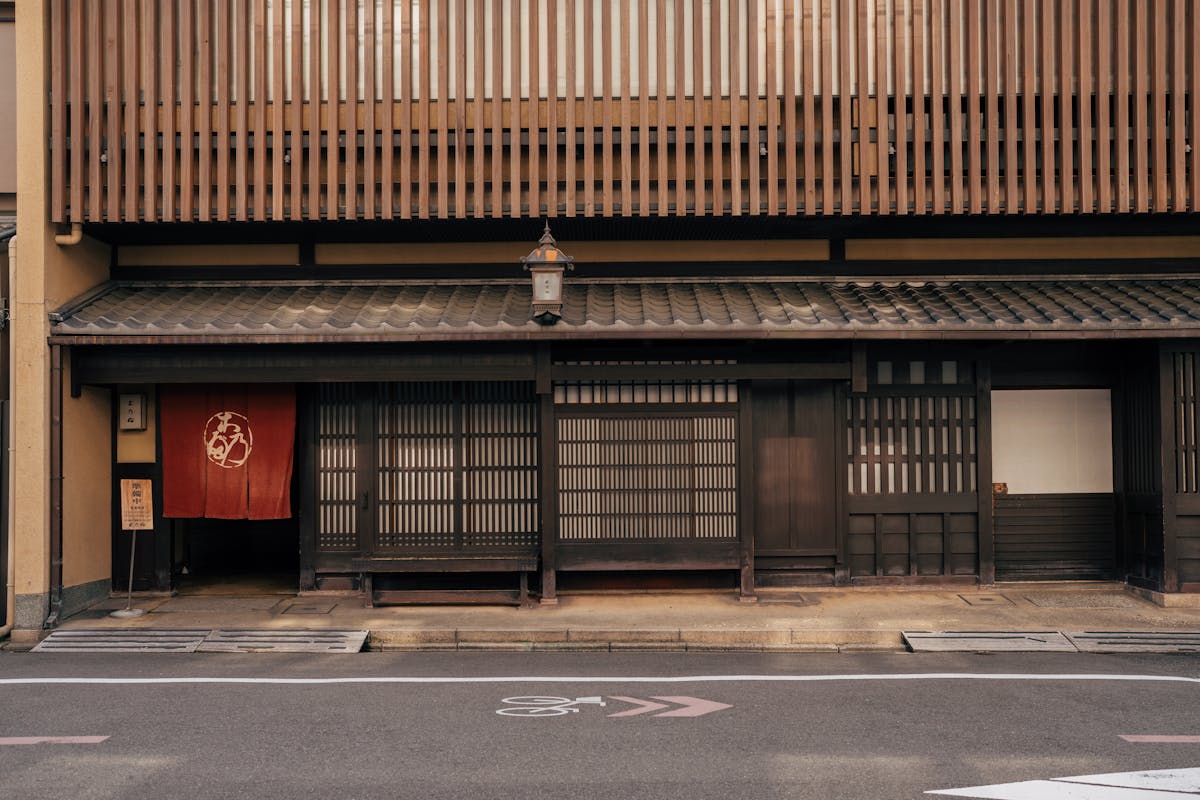
Gion is Kyoto’s old geisha district. The preserved wooden machiya townhouses along Hanami-koji street are beautiful at dusk when the lanterns come on. You might spot a geiko or maiko (Kyoto’s term for geisha and apprentice geisha) heading to an evening appointment — they walk fast and do not appreciate being chased for photos.
For families, Gion works best as an early evening walk. The stone-paved streets are atmospheric, kids enjoy looking in shop windows, and there are a few tofu restaurants worth trying. Tousuiro in Gion does excellent tofu kaiseki and has a children’s menu — about ¥3,000-5,000 for adults, less for kids.
Where to Eat
Kyoto food leans traditional — tofu, pickles, seasonal kaiseki. Not always an easy sell for children who want rice and chicken.
Practical options that work:
- Conveyor belt sushi — Sushiro has locations across Kyoto, ¥120-180 per plate, English menu available online
- Nishiki Market for grazing (see above)
- Family restaurants — Gusto, Royal Host, and Saizeriya are everywhere, have picture menus, high chairs, and kids’ sets for ¥400-600
- Convenience stores — onigiri, sandwiches, bento boxes. Reliable fallback for fussy eaters
- Near Kyoto Station — the Porta underground mall below the station has dozens of restaurants. The ramen floor on the 10th level of the station building (Kyoto Ramen Koji) has eight shops, bowls from ¥850
Getting Around
Kyoto buses are the main public transport for travelers. They cover all the major sights and cost a flat ¥230 per ride. Sounds simple. It isn’t.
The buses get rammed. Standing room only by mid-morning on popular routes. With a pushchair you’ll struggle to board. The routes are confusing if you don’t read the maps carefully. And in peak season, the bus queues at popular stops (Kinkakuji, Gion) can stretch 30-40 minutes.
Alternatives that work better for families:
- Taxis — split between four people they’re reasonable for short hops. ¥700 flag drop.
- Bikes — rental shops near Kyoto Station from ¥1,000/day, some with child seats. Kyoto is mostly flat in the centre. Brilliant way to get around if your kids can ride or sit in a seat.
- Trains — JR and private lines connect some areas. Arashiyama, Fushimi Inari, and Nara are all train-accessible.
Temple Fatigue
Kyoto has over 2,000 temples and shrines. You will not see them all. Do not try.
Two per day is the maximum with children. One in the morning, one in the afternoon, with a long break in between for food, parks, and whatever your kids actually want to do. The moment you push past this, everything starts looking the same and nobody enjoys it.
If you only see Fushimi Inari, Kinkakuji, Arashiyama’s Tenryuji, and Nijo Castle, you’ve covered the highlights. Anything beyond that is a bonus, not a requirement.
Where to Stay
Two areas work for families:
Near Kyoto Station — most practical. Shinkansen right there, buses depart from outside, restaurants everywhere, Porta shopping underground. Rooms tend to be standard business hotel size. The Kyoto Granvia hotel connects directly to the station.
Gion/Higashiyama — more atmospheric, walking distance to temples and traditional streets, but fewer large hotels. This is where traditional machiya townhouse rentals shine — a whole house to yourselves with tatami rooms. Search “machiya rental Kyoto” on Booking.com.
MIMARU has a Kyoto location with the same apartment setup as their Tokyo properties — kitchen, washing machine, space. About ¥20,000-30,000 per night for a family room. If you’ve read our Tokyo hotels guide, you know we rate them highly.
Day Trip to Nara
45 minutes from Kyoto by JR train (covered by the pass). Over 1,000 wild deer roam free in Nara Park. You can buy deer crackers for ¥200 and feed them — but warn your kids the deer get pushy when they see food. Small children sometimes get scared when a deer bows aggressively demanding more crackers.
Todai-ji temple houses a 15-metre bronze Buddha inside one of the world’s largest wooden buildings. ¥600 adults, ¥300 children. There’s a pillar inside with a hole that’s said to grant enlightenment if you crawl through it — kids queue for this.
Half a day covers Nara comfortably. We have a full Nara with kids guide.
Practical Bits
- Kyoto summers are brutal — 35°C+ with humidity. If visiting July-August, start early, rest midday, carry water and a towel. The kids from one scraped source described covering their sweat towels with water to stay cool.
- Be quiet — Japan values calm, and families from one blog reported being told off for being too noisy on trains. It happens. Don’t stress about it, but be aware.
- Pushchairs — work on main streets and in most temples. Fushimi Inari’s mountain path and some narrow Gion lanes are harder. Carrier as backup.
- Coin lockers — available at Kyoto Station in multiple sizes. Dump bags before sightseeing.
- Cash — more places in Kyoto accept cards now than five years ago, but small temples, market stalls, and vending machines are still cash. Carry ¥5,000-10,000 per day.
Kyoto works with kids if you accept it on their terms. Fewer temples, more ice cream stops, a willingness to sit in a park when everyone’s tired. The culture seeps in regardless. Our eldest still draws torii gates at school, months after we left.