
We spent months planning our first two-week Japan trip. Spreadsheets. Colour-coded maps. A shared Google Doc that got so long even my husband stopped reading it. And you know what? Half of it went out the window by day three. Kids do that to itineraries.
But the bones held up brilliantly, and we’ve since refined them over two trips. This is the Japan itinerary with kids we wish someone had handed us — 14 days, UK to Japan and back, with realistic timings that account for jetlag, small legs, and the inevitable meltdown outside a 7-Eleven at 4pm.
- The Overview: 14 Days, Tokyo to Osaka
- Days 1-2: Arriving and Surviving Jetlag
- Days 3-4: Exploring Tokyo
- Day 5: Tokyo Disney
- Day 6: Tokyo to Hakone — Your First Ryokan
- Day 7: Hakone to Kyoto via Shinkansen
- Days 8-9: Kyoto With Kids
- Day 10: Day Trip to Nara
- Days 11-12: Osaka
- Day 13: Buffer Day
- Day 14: Flying Home
- Practical Bits Worth Knowing
- JR Pass Timing
- What to Book in Advance
- Cutting to 10 Days
- Is Two Weeks Too Long?
The Overview: 14 Days, Tokyo to Osaka
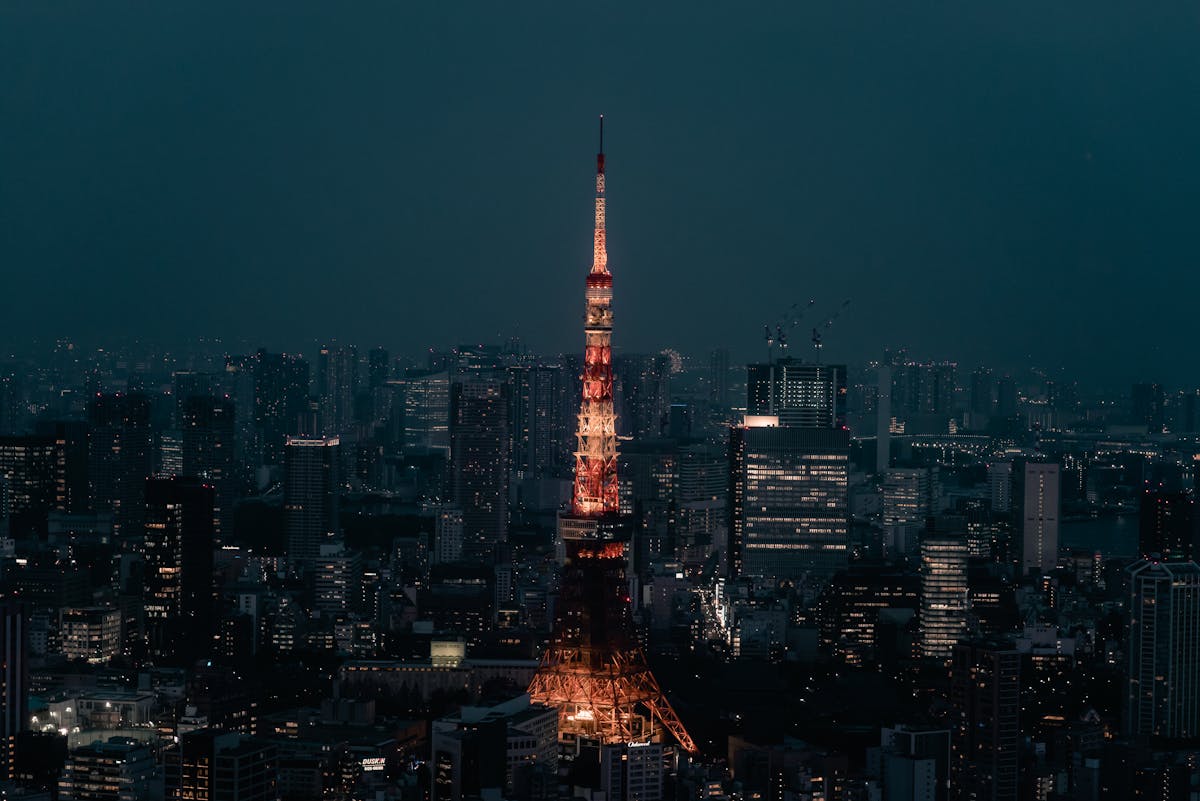
Here’s the shape of it. We fly into Tokyo, work our way south and west through Hakone and Kyoto, and fly home from Osaka’s Kansai Airport. One-way itineraries save you doubling back, and flying into one city and out of another costs surprisingly little extra.
Days 1-2: Arrive Tokyo, recover from jetlag (Ueno area)
Days 3-4: Tokyo exploring (Shibuya, Harajuku, Asakusa, Senso-ji)
Day 5: Tokyo Disney
Day 6: Travel to Hakone, ryokan overnight
Day 7: Hakone morning, bullet train to Kyoto
Days 8-9: Kyoto (Fushimi Inari, Arashiyama, temples)
Day 10: Day trip to Nara
Days 11-12: Osaka (Dotonbori, Castle, Universal Studios)
Day 13: Buffer day — shopping, rest, whatever you need
Day 14: Fly home from Kansai Airport
That’s the skeleton. Now the detail.
Days 1-2: Arriving and Surviving Jetlag
The flight from London is 11-12 hours direct. Most BA and JAL flights land in the evening, Tokyo time. You’ll clear immigration, collect bags, and get to your hotel around 9-10pm. The kids will be wired. You’ll be destroyed. Normal.
We stay near Ueno for the first two nights. Quieter than Shinjuku, cheaper, and Ueno Park is right there for a gentle first morning. More on where to stay in Tokyo with kids here.
Day 1 is just arrival night. Get everyone horizontal.
Day 2 is your jetlag day, and you need to treat it as such. Don’t book anything. Japan is 9 hours ahead of the UK, so your body thinks it’s midnight when Tokyo is serving breakfast. The kids will wake at 4am regardless of what you tell them, so lean into it.
Here’s what worked for us: early morning walk around Ueno Park before the crowds arrive. Wide paths, a lake with pedal boats, shrines tucked among the trees. If the kids have energy, Ueno Zoo opens at 9:30am (¥600/ adults, free for under-12s). Ameyoko Market is a five-minute walk south of the station — a loud, cramped, brilliant street market where you can grab cheap street food for an early lunch.
By early afternoon everyone will crash. Go back to the hotel. Nap. Don’t fight it. Head out again at 4pm for dinner. Conveyor belt sushi is a great first-night choice — takes the pressure off ordering when you’re still jet-lagged and overwhelmed. More on eating in Japan with kids.
Days 3-4: Exploring Tokyo
Day 3: Asakusa first thing. Senso-ji temple is Tokyo’s oldest, and the approach through Nakamise shopping street is brilliant with kids — stalls selling rice crackers, silly souvenirs, fresh melon pan. Get there by 9am. By 11am, it’s heaving.
Afternoon: Akihabara. If your children are into anything even slightly geeky — gaming, manga, anime, Pokemon — they’ll lose their minds. The multi-storey arcades are cheap entertainment (most games ¥100-200, about 50p-) and you can burn two hours without trying.
Day 4: Shibuya and Harajuku. Start at Shibuya Crossing. Book Shibuya Sky for the aerial view (¥2,000/ adults, ¥900/ kids) — genuinely spectacular.
Walk up to Harajuku through the backstreets. Takeshita Street is sensory overload — crepe shops, cotton candy the size of your head, outrageous fashion. Then duck into Meiji Shrine next door. The contrast is wonderful. Neon chaos to a huge, peaceful forest walk in about thirty seconds.
If energy allows, Shinjuku in the evening is worth the trip. The neon-lit streets around Kabukicho are astonishing after dark — perfectly safe, just very bright and very loud. Grab dinner at one of the countless ramen shops. A bowl of really good ramen costs ¥900-1,200. Hard to beat.
Day 5: Tokyo Disney
This needs a full day. DisneySea is the more impressive park and suits slightly older children; Disneyland has more rides for small ones. Book tickets well in advance — they sell out during holidays and weekends. Budget ¥9,400 per adult and ¥5,600 per child aged 4-11. Not cheap, but it’s a full day sorted.
One tip: from Ueno or central Tokyo, it takes about 45 minutes to reach Maihama station. Leave early. The parks open at 8am on busy days and the first hour is your best window for popular rides.
Our full guide to Tokyo Disneyland and DisneySea with kids covers which park to pick and how to work the standby passes.
Day 6: Tokyo to Hakone — Your First Ryokan
The day things shift gear. But first — luggage forwarding. The service is called takkyubin, and it’s a game-changer for families. Send your big suitcases ahead to your Kyoto hotel by courier. Drop them at your hotel reception or a convenience store, pay about ¥2,000 per bag, and they arrive in two days. You travel through Hakone with just a small overnight bag. No wrestling cases through stations while keeping track of children.
The Odakyu Romance Car from Shinjuku to Hakone takes 90 minutes (¥2,330/ per seat). Spend the afternoon on the Hakone Loop — cable cars, ropeways, and a pirate ship across Lake Ashi. At Owakudani, buy black eggs boiled in sulphurous springs (¥500/ for five). Our son ate three and informed us he’d now live to 141.
Then: the ryokan. Tatami floors, futon beds, kaiseki dinner, and an onsen hot spring bath. Expect ¥25,000-50,000 per person including dinner and breakfast. The splurge on this trip. Worth every penny. Full experience covered in our guide to family-friendly ryokans.
More in our Hakone with kids guide.
Day 7: Hakone to Kyoto via Shinkansen
Finish the Hakone loop or soak in the onsen one last time. Then bullet train time — Odawara to Kyoto in about two hours. The train hits 285 km/h and barely makes a sound. Sit on the right side (rows D and E) for a glimpse of Mount Fuji about 20 minutes in.
Arrive mid-afternoon. Check into your hotel — your forwarded suitcases should be waiting, which feels like a small miracle — and spend the evening walking around Gion, Kyoto’s old geisha district. The wooden machiya houses, lantern-lit streets, and stone-paved alleys are atmospheric, especially at dusk. You might spot a maiko (apprentice geisha) heading to an evening appointment. The whole area feels like stepping back several centuries.
This is where the Japan Rail Pass earns its keep.
Days 8-9: Kyoto With Kids
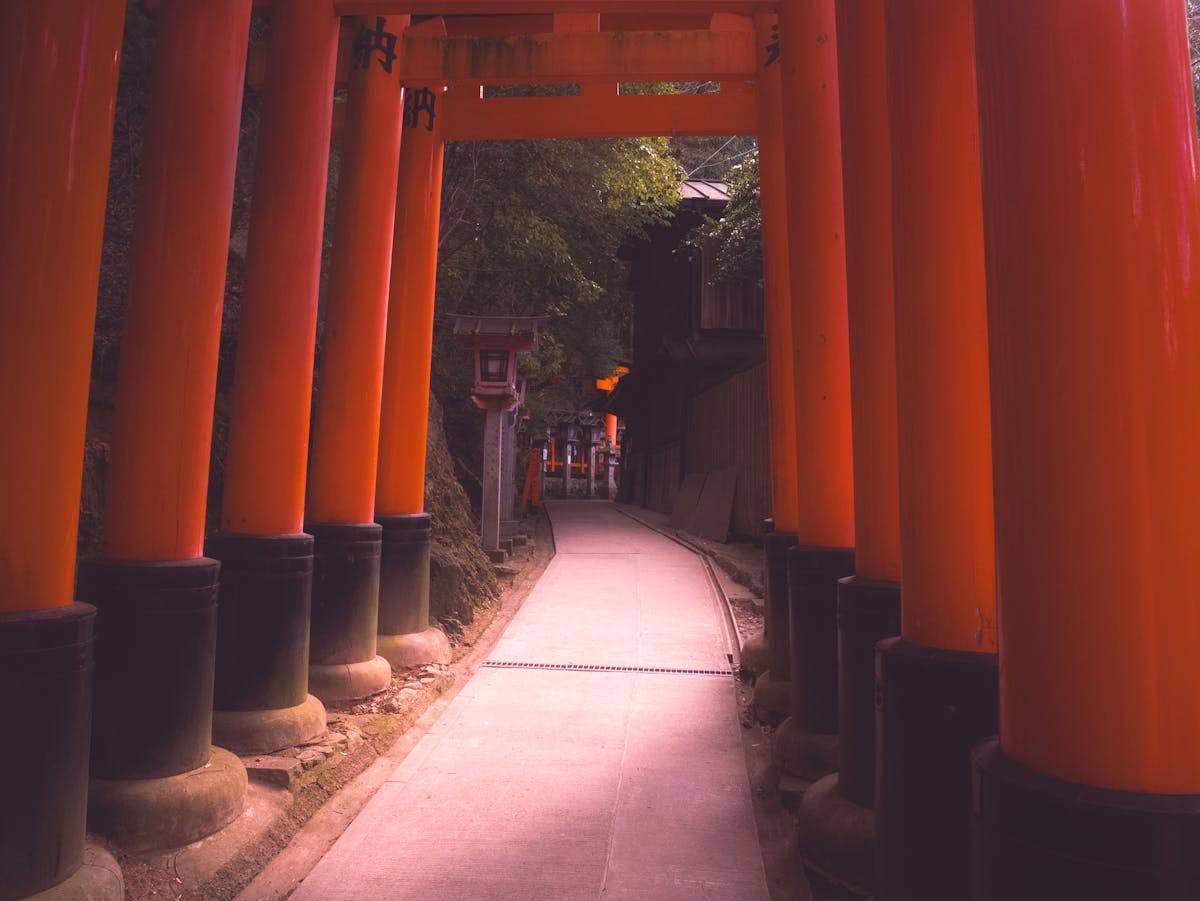
Day 8: Fushimi Inari. Get there at 7am. The famous tunnel of orange torii gates is rammed by 10am, but at 7am you’ll have stretches almost to yourselves. Free entry, open 24 hours. The full summit hike takes two hours — with younger kids, walk 20-30 minutes and turn back. The best photos are in the lower sections anyway.
Afternoon: pick a temple or two. Kinkaku-ji (the Golden Pavilion) is striking — an actual gold-covered temple reflected in a mirror-still pond. Entry ¥500. Kids find it impressive for about seven minutes, which is honestly fine because that’s about how long the visit takes. Ryoan-ji nearby has the famous zen rock garden — beautiful but small children will be baffled by the appeal. Fair enough.
Day 9: Arashiyama. A full-day area on the western edge of Kyoto. The bamboo grove is the headline — a path through towering bamboo that creaks and sways overhead. Go early for the best experience.
The monkey park (Iwatayama) is a 20-minute climb up a hillside, and at the top you feed wild macaques while looking out over all of Kyoto. ¥550 adults, ¥250 kids. Our children rated this above almost everything else on the trip. The Togetsukyo Bridge area has boat rides and ice cream shops — you can spend a whole day here without rushing.
Full guides: Kyoto with kids and Arashiyama with kids.
Day 10: Day Trip to Nara
Forty-five minutes from Kyoto by train. The draw: 1,200 wild deer roaming Nara Park. Buy deer crackers for ¥200 and get mobbed. The deer bow to you. Genuinely — they’ve learned that bowing gets them fed. Bow back, hand over a cracker. Pure, bizarre, wonderful.
Beyond the deer, Todai-ji temple houses a colossal bronze Buddha — the largest in Japan. The building itself is one of the biggest wooden structures in the world. Even kids who couldn’t care less about temples tend to be awed by the sheer size of the thing. ¥600 adults, ¥300 children.
Full guide: Nara with kids.
Days 11-12: Osaka
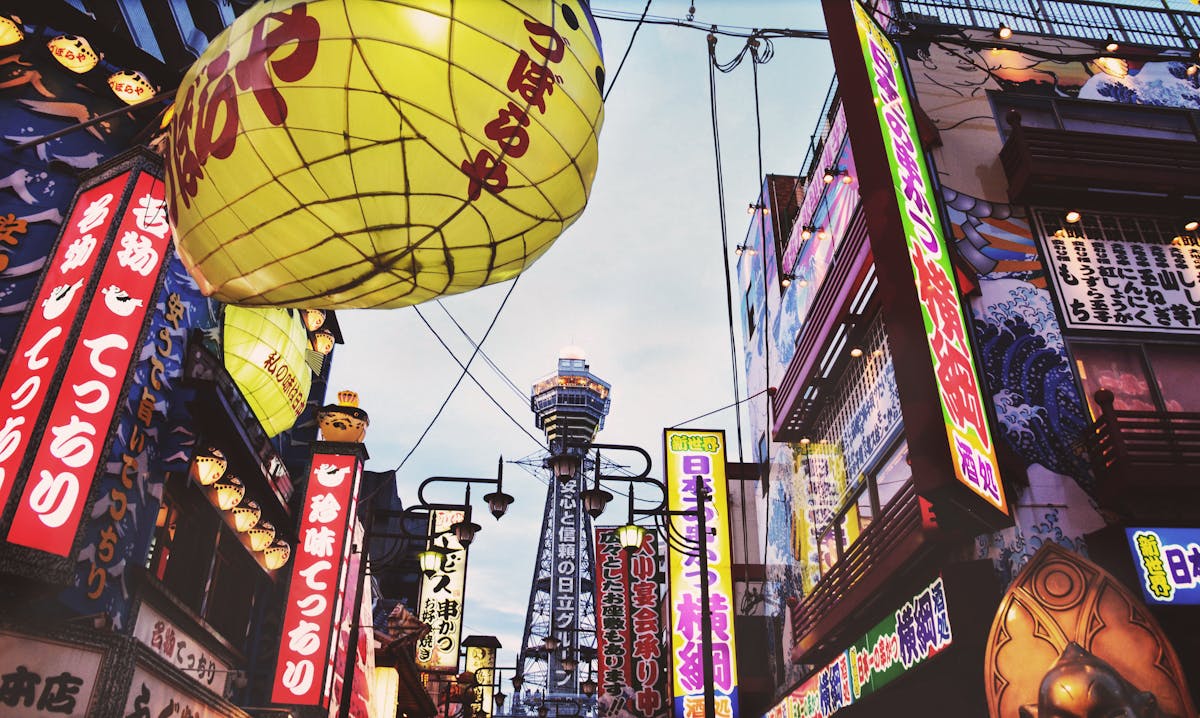
Where Kyoto is refined, Osaka is loud, brash, and proud of it. Japan’s street food capital.
Day 11: Dotonbori first. A canal lined with enormous neon signs — the Glico running man, a mechanical crab the size of a car. Eat your way down the street. Takoyaki (octopus balls) ¥500-600. Okonomiyaki (savoury pancakes) ¥800-1,200. Cheapest eating in Japan and arguably the best.
Osaka Castle is a 20-minute walk away if the kids have energy. The castle itself is a concrete reconstruction inside, which is a bit disappointing, but the park surrounding it is beautiful and the view from the top floor is decent. Entry ¥600. Under-15s free.
Day 12: Universal Studios Japan. Super Nintendo World is extraordinary — you genuinely feel like you’ve stepped into a Mario game. Nothing else like it anywhere. Tickets about ¥8,600 per adult, ¥5,600 per child. Consider an Express Pass (from ¥6,800/) — queues for Nintendo World and Harry Potter can exceed two hours.
Full guides: Osaka with kids and Universal Studios Japan with kids.
Day 13: Buffer Day
Never plan a two-week trip without one. Something will overrun. Someone will get ill. Or maybe everything goes perfectly and you just want a lie-in.
We usually spend it on last-minute shopping. Den Den Town in Osaka is the city’s answer to Akihabara — electronics, anime, retro games. Shinsaibashi is good for clothes and souvenirs. The kids always want one more round of the arcade machines.
Also a good day to pick up food souvenirs from the department store basements (depachika). Japanese Kit Kats come in about forty flavours and make brilliant gifts. The food halls in places like Daimaru are an experience in themselves.
Day 14: Flying Home
Option 1: Fly from Kansai Airport. Easiest if you’ve ended in Osaka — the Haruka Express from Tennoji takes 35 minutes.
Option 2: Shinkansen back to Tokyo (2 hours 15 minutes), fly from Narita or Haneda. More flight options, often cheaper.
Either way, you’ll be home 12-14 hours later, jetlagged in the other direction, already planning trip number two.
Practical Bits Worth Knowing
Cash: Japan uses more cash than you’d expect. Plenty of places don’t take cards, especially smaller restaurants and market stalls. 7-Eleven ATMs accept foreign cards reliably — keep ¥30,000-50,000 on hand.
Pocket WiFi: Essential. Google Maps is your lifeline for the train system. Rent a pocket WiFi device at the airport (about ¥900/ per day) — the whole family connects to one device.
Shoes: You take them off constantly. Temples, ryokans, some restaurants. Slip-ons for everyone. Nobody wants to unlace boots at every temple entrance while a queue forms behind them.
Convenience stores: 7-Eleven, Lawson, and FamilyMart sell genuinely good food. Onigiri for ¥130 (70p), decent sandwiches, hot snacks. A family breakfast from a konbini costs about ¥1,500 and is perfectly respectable. These aren’t UK corner shops.
JR Pass Timing
The Japan Rail Pass starts from first use, not purchase date. For this itinerary, activate on Day 6 when you leave Tokyo. A 7-day pass (¥50,000/ adult, ¥25,000/ child) covers Hakone-to-Kyoto and Osaka-to-Tokyo if flying from Narita. The Tokyo-Kyoto Shinkansen alone costs ¥13,000 per person each way, so two long rides plus local JR trains already justifies it.
For Tokyo’s first few days, buy a Suica IC card. Tap in, tap out, works on everything.
What to Book in Advance
- Flights — 4-6 months ahead. See our guide to flying to Japan with kids.
- JR Pass — buy online before you go.
- Tokyo Disney tickets — 2-3 weeks minimum. Date-specific, popular dates sell out.
- USJ Express Passes — sell out fast for Nintendo World. Book early.
- Hakone ryokan — 2-4 months ahead, longer for cherry blossom or autumn.
- Shibuya Sky — book a sunset slot online.
- Kyoto hotels in peak season — prices triple during cherry blossom and autumn colour. Book 4-6 months out.
Cutting to 10 Days
Drop the buffer day. Combine Asakusa and Shibuya into one long Tokyo day. Skip Hakone and go directly to Kyoto on Day 4. Cut Osaka to one day — pick Dotonbori or Universal Studios, not both.
Days 1-2: Arrive, jetlag, gentle Tokyo
Day 3: Full Tokyo (Asakusa morning, Shibuya afternoon)
Day 4: Disney or Shinkansen to Kyoto
Days 5-6: Kyoto
Day 7: Nara day trip
Days 8-9: Osaka
Day 10: Fly home
You lose the ryokan and Hakone, which is a genuine shame. If forced to choose between Hakone and Disney, we’d keep Hakone. But your kids might disagree.
Is Two Weeks Too Long?
No. If anything, we came home wishing we’d had more time. This itinerary only scratches the surface of Honshu, the main island. We didn’t touch Hokkaido in the north, Hiroshima and the Inland Sea, or Kyushu in the south. There’s easily a month of family travel in Japan, probably more.
Two weeks gives you breathing room. It means you’re not rushing between cities like contestants on a game show. You can have a slow morning when someone’s tired, or spend an extra hour in the arcade because everyone’s having fun, or duck into a random shrine that catches your eye.
That’s where the best memories come from. Not the big-ticket attractions — the unplanned bits in between. Go for the full fortnight if you can. Your kids will talk about it for years. Ours still do.