
- Japan on a Budget With Kids
- Where to Sleep Without Losing Sleep Over the Price
- Feeding a Family for Less Than You’d Think
- Getting Around: The JR Pass Question
- Free Things to Do (And There Are Loads)
- Cheap Activities That Feel Like Treats
- What NOT to Budget On
- Sample Daily Budgets for a Family of Four
- Money Tips That Actually Help
- The Bottom Line
Japan on a Budget With Kids
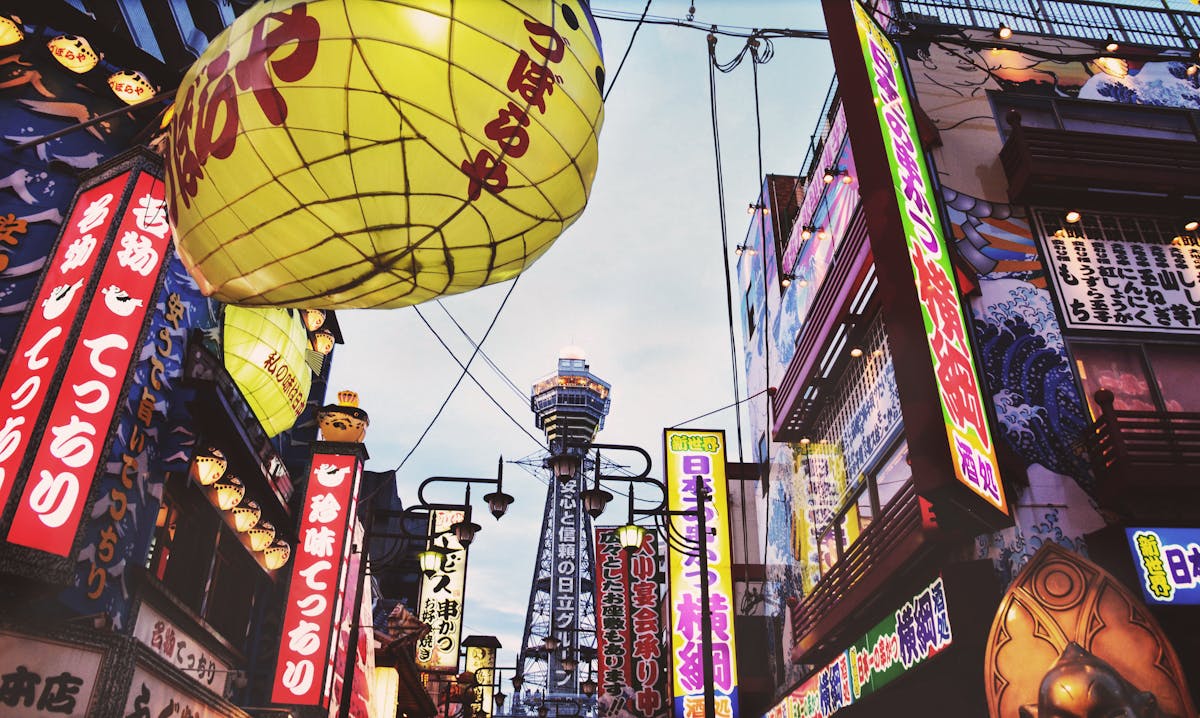
“Japan? With kids? That’ll cost a fortune.” We’ve heard it a hundred times. From family, from friends, from that bloke at the school gates who’s never actually been. And honestly? It’s nonsense.
Japan can be expensive, sure. So can France. So can Cornwall in August, frankly. But here’s what most people don’t realise: if you know where to look, a family trip to Japan costs roughly the same as Western Europe. Sometimes less. We’ve done it, tracked every yen, and we’re going to show you exactly how.
This isn’t about roughing it. Nobody wants to drag three tired children through a budget nightmare. This is about being clever with your money so you can spend it where it actually matters.
Where to Sleep Without Losing Sleep Over the Price
Accommodation is where most families panic. Don’t. Japanese business hotels are an absolute revelation for families. Clean, efficient, brilliantly located near train stations, and priced between ¥8,000 and ¥12,000 a night (roughly -63). That’s for a room, not per person.
Toyoko Inn is our go-to chain and here’s why: children under 12 stay free. Free. You book a double room, the kids pile in, and you pay nothing extra. The rooms are small by British standards, but they’re spotless. There’s always a free breakfast — rice, miso soup, a few bits and pieces. Not a full English, obviously, but enough to get everyone going. They’re everywhere too, over 300 hotels across Japan. You’ll find one near practically every major station.
If you want more space (and after day three with small children, you will want more space), look at MIMARU apartment hotels. These are proper apartments with kitchens, washing machines, and enough room for the kids to have a meltdown without the neighbours calling reception. They cost more than a business hotel but the kitchen changes everything. Cook your own breakfasts. Heat up supermarket bento for dinner. That kitchen will save you thousands of yen over a week.
Ryokans — traditional Japanese inns — aren’t budget accommodation. But we’ll come back to those. Some things are worth spending on.
Feeding a Family for Less Than You’d Think
Right. Food. This is where Japan genuinely, properly shines for budget travellers. The quality of cheap food here is something Britain can only dream about.
Convenience stores first. Not a sad Tesco meal deal. Japanese konbini — 7-Eleven, Lawson, FamilyMart — sell genuinely good food. Onigiri rice balls for about ¥150 (80p). Bento boxes for ¥500. Sandwiches, noodles, steamed buns, puddings. Our kids lived on egg sandwiches and strawberry milk from 7-Eleven and were perfectly happy about it. Breakfast sorted for under a fiver for the whole family.
For lunch, family restaurant chains are gold. Saizeriya does full meals for ¥600-800 per person. Gusto, Jonathan’s, Royal Host — they all have kids’ menus with those little flag-topped plates that children go mad for. Drinks bars where you can refill endlessly. High chairs. Some even have play areas.
Then there’s kaiten-zushi. Conveyor belt sushi. Plates from ¥100. About 50p. Fifty pence for two pieces of sushi. Our eldest once ate fourteen plates and it still came to less than a McDonald’s Happy Meal back home. Chains like Sushiro and Kura Sushi have touch-screen ordering, little prize games when you stack enough plates, and plenty of non-sushi options — chips, cake, ramen — for even the fussiest eater. More on this in our guide to eating in Japan with kids.
The real trick though? Supermarkets after 7pm. Every evening, staff start slapping discount stickers on the day’s bento boxes and sushi trays. 20% off at first. Then 30%. By 8pm you’ll see 50% off, sometimes more. A ¥800 sushi platter for ¥400. Brilliant dinner, eaten on a park bench watching the trains go by. The kids won’t complain. Trust us on that.
Getting Around: The JR Pass Question
Transport is usually the biggest single cost in Japan, and the Japan Rail Pass is the biggest single decision you’ll make.
Here’s the maths. A 7-day JR Pass costs around ¥50,000 per adult. Children aged 6-11 get a half-price pass. Under 6 is free. A single Tokyo-Kyoto bullet train return costs about ¥27,000 per adult. So if you’re doing that return plus even one other day trip, the pass pays for itself. If you’re staying put in one city the whole time? Skip it.
Do the sums for your specific trip. Price up every journey on Hyperdia or Google Maps, add them up, compare to the pass. Don’t just assume it’s worth it. Sometimes the savings are massive. Sometimes they aren’t there at all.
Within cities, get IC cards (Suica or PASMO). Tap on, tap off, works on basically every train, bus and metro in the country. Load them up at any station machine. Children’s IC cards get half-price fares. Under 6 rides free.
But honestly? Walk. Japanese cities are extraordinarily walkable. Safe, flat, interesting at every turn. Our kids covered 15,000 steps a day in Tokyo without complaining once because there was always something to look at. A vending machine shaped like a robot. A cat in a shop window. A train thundering overhead on a bridge. Walking costs nothing and it’s often the best way to actually see a place.
Free shuttle buses exist too, and nobody talks about them. Shopping centres, hotels, tourist areas — many run complimentary buses from the nearest station. Always ask at the tourist information counter when you arrive somewhere new. We’ve saved thousands of yen this way over the years.
Free Things to Do (And There Are Loads)
Japan doesn’t charge you to enjoy itself. That sounds odd but it’s true. Most shrines and temples are free to enter. Parks are free. Window shopping in Akihabara or Nakano Broadway is free and, frankly, more entertaining than most paid attractions we’ve been to anywhere.
Train watching. Don’t laugh. Japanese kids do it. Our kids do it. Find a spot near a level crossing or at the end of a station platform and just watch. Bullet trains, local commuter trains, freight trains rattling through. Bring a notebook for the real enthusiasts. We once spent an entire afternoon at Shin-Osaka station watching Shinkansen arrive and depart. Cost us nothing. The children rated it higher than DisneySea. Baffling. But there it is.
Parks in Japan are phenomenal. Not just grass and a sad roundabout. We’re talking adventure playgrounds with zip lines, water features you can splash through in summer, sandpits with clean sand, climbing walls. Showa Kinen Park in western Tokyo has an enormous trampoline net thing that kids can bounce on for hours. Most city parks are completely free. The bigger destination parks charge a few hundred yen at most.
Festivals are worth planning around if you can. Japanese matsuri happen somewhere almost every weekend in summer and autumn. Food stalls selling yakitori and shaved ice, drums pounding, kids in cotton yukata running about, sometimes fireworks. Totally free to attend. You’ll only spend money if you eat, and even the street food is cheap. Check what’s on locally during your visit. There is almost always something.
And then there’s the everyday magic. Riding escalators. Watching takoyaki octopus balls being made by a street vendor. Pressing every single button on a Japanese toilet. Small children can be entertained in Japan for absolutely nothing because the whole country is one giant sensory experience they’ve never encountered before.
Cheap Activities That Feel Like Treats
The 100-yen shop deserves its own paragraph. Daiso, Seria, Can Do. Take the kids in and give them a budget. ¥500 each. They’ll come out with toys, stickers, snacks, craft supplies, and that funny Japanese stationery that is inexplicably better than anything WHSmith has ever sold. It’s shopping. It’s entertainment. It’s souvenir buying. All rolled into one glorious, affordable experience.
Arcades are another winner. Not the grabby seaside kind. Japanese game centres are multi-storey wonderlands. Many machines cost just ¥100 (50p) per go. Claw machines, rhythm games, racing simulators, photo booths with absurd beauty filters that make everyone look like an anime character. Set a budget, hand over the coins, let them loose. Our lot once spent two solid hours in an arcade in Akihabara for under ¥1,000 between them. That’s cheaper than soft play back home.
Public swimming pools are great for hot days or sore feet. Municipal pools across Japan charge between ¥200 and ¥500 per person. Some have water slides. All are immaculately clean because, well, Japan. A perfect afternoon activity when everyone needs a break from sightseeing.
What NOT to Budget On
Some things deserve your money. We feel strongly about this.
The JR Pass, if the maths works out. Don’t try to save money by buying individual tickets and then discover mid-trip that you’ve spent more. Do the calculation properly and commit. We’ve covered this in detail in our JR Pass guide for families.
One night in a ryokan. Yes, they’re expensive. ¥30,000-50,000 for a family. But that includes dinner and breakfast, and both will be extraordinary. Tatami floors, futons laid out while you’re at dinner, yukata cotton robes, an onsen bath where the kids will squeal and splash. Your children will remember it for years. Decades, probably. It’s a cultural experience that no amount of clever budgeting elsewhere can replicate. Budget hard on everything else so you can afford this one night. Our guide to family-friendly ryokans has specific recommendations.
The Universal Studios Japan Express Pass. If you’re going to USJ in Osaka (and if your kids are over about five, you really should), buy it. Regular tickets get you through the gate. The Express Pass means you actually ride things instead of standing in a queue for three hours wanting to scream. It isn’t cheap. But the alternative — six hours of queuing with overheated, overtired children — is so much worse.
Sample Daily Budgets for a Family of Four
Real numbers. Two adults, two children. Per day, excluding flights and JR Pass.
Budget: ¥20,000-25,000 per day
Business hotel with free kids’ stay. Konbini breakfasts, family restaurant lunches, supermarket discount bento dinners. Free activities — parks, shrines, train watching, window shopping. Walking and local trains only. This is entirely doable and genuinely enjoyable. Some of our best days in Japan were our cheapest.
Mid-range: ¥35,000-45,000 per day
Apartment hotel or nicer business hotel. Mix of eating out and self-catering. A paid activity or two each day. JR Pass travel between cities. The odd treat — a nice ramen place, a fancy ice cream. Comfortable. No stress about money. Our sweet spot, if we’re honest.
Comfort: ¥50,000-70,000 per day
Good hotels, eating out for most meals, paid attractions, the occasional taxi when legs give out, a ryokan night averaged across the trip. Still significantly cheaper than equivalent days in London. We’ve checked.
A two-week trip at budget level? About ¥280,000-350,000 on the ground. That’s accommodation, food, city transport, and activities. Not pocket change, obviously. But not the remortgage-the-house scenario people imagine.
Money Tips That Actually Help
Cash is still king in Japan. Less so than five years ago — card acceptance has improved a lot since the pandemic — but plenty of smaller restaurants, market stalls, shrine entrance fees and vending machines remain cash only. Always carry at least ¥10,000 in notes.
7-Eleven ATMs accept UK bank cards. This is genuinely vital information. Most Japanese bank ATMs won’t recognise your card at all. 7-Eleven ones do. Reliably. Every single time. The machines have an English language option and charge no fee from their end, though do check with your own bank about overseas withdrawal charges. A Starling or Monzo card with no foreign transaction fees is ideal for this.
There is no tipping in Japan. None. Not in restaurants, not in taxis, not in hotels. It can actually cause confusion or even offence if you try. This isn’t a budget tip exactly — it’s just how things work here. But it does mean the price you see is the price you pay, which makes daily budgeting beautifully straightforward.
Tax-free shopping is available at many larger shops when you spend over ¥5,000 in a single store. Look for the “Tax Free” signs. Saves you 10% and the paperwork takes about two minutes. Bring your passport.
The Bottom Line
Japan with kids doesn’t have to be expensive. It can be, if you want it to be. But it absolutely doesn’t have to be. The food is cheap and brilliant. Free entertainment is everywhere you look. Transport, once you’ve sorted your pass situation, is straightforward and efficient. And the things that do cost money — a ryokan night, a theme park day, a beautiful meal — are worth every yen because the quality is extraordinary.
We’ve taken our family to Japan three times now. Each trip, we spent less than we would have on an equivalent holiday in southern France. Each trip, the kids had a better time. That’s not something we say lightly.
Start planning with our complete guide to family travel in Japan, and stop worrying about the money. You really can do this. The yen is on your side.