
Iceland wasn’t a place we’d thought about for a family holiday. Not seriously, anyway. It sat in that mental category of “one day” destinations — somewhere between Antarctica and the Galápagos — and we assumed it would be freezing, expensive, and a bit bleak for children. Wrong on all three counts. Well, not the expensive bit. It is expensive. But the rest? Completely wrong. Iceland turned out to be one of the best trips we’ve done with the kids, and we’ve been banging on about it to anyone who’ll listen ever since.
Here’s everything we know, everything we spent, and everything we’d do differently.
Getting There
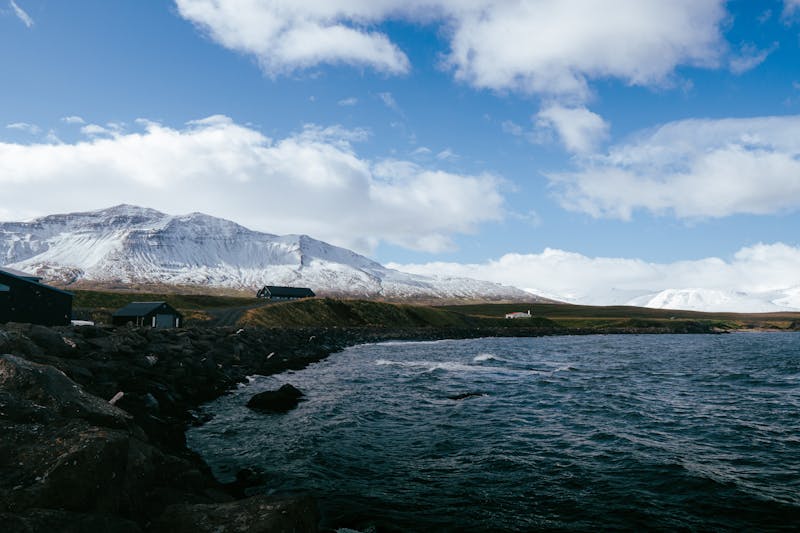
Three hours. That’s it. Three hours from most UK airports and you’re standing on a volcanic island in the middle of the North Atlantic wondering why you didn’t come sooner.
Icelandair flies direct from Heathrow, Manchester, and Glasgow. easyJet does Gatwick and a few others depending on the season. Play Airlines is the budget option — Icelandic low-cost carrier, no frills, but perfectly decent for a short hop. Prices vary wildly by season. Summer flights can be steep if you leave it late, so book as early as you possibly can. Winter is cheaper across the board.
Keflavík Airport is about 45 minutes from Reykjavik. There’s a bus transfer (Flybus) or you can pick up your rental car right at the airport — our recommendation if you’re exploring beyond the city.
Why Iceland Works for Families
Iceland is ridiculously family-friendly. Not in a soft-play-and-kids-menu way, but fundamentally. The country feels safe. Genuinely safe. Crime is virtually non-existent. No dangerous animals — no snakes, no bears, no anything that wants to bite you. The water is clean. The air is clean. People are relaxed and kind.
And children go wild for the landscape. Geysers erupting every few minutes. Waterfalls you can walk behind. Lava fields that look like Mars. Volcanic craters. Glaciers. Black sand beaches. Every day felt like a geography lesson come to life, except the kids were actually enjoying it.
The Golden Circle
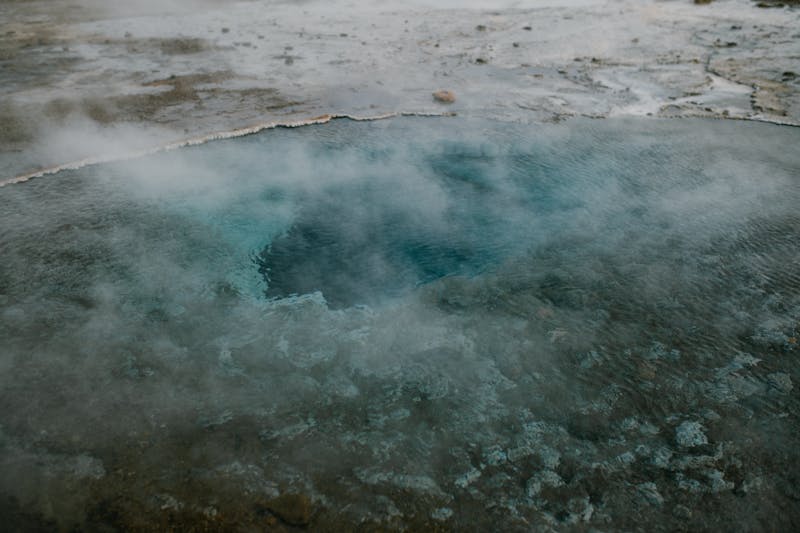
If you do one thing outside Reykjavik, make it the Golden Circle. It’s the classic day trip and there’s a good reason every tourist does it — it packs three of Iceland’s most impressive sights into a roughly 300km loop that you can drive in a day without any hassle.
First stop: Thingvellir National Park, where the North American and Eurasian tectonic plates are pulling apart. You can walk between them. The kids couldn’t get their heads around it. “So that side is America and this side is Europe?” Yes. Sort of. Close enough. A rift valley with clear rivers, moss-covered lava, and a sense of scale that photographs don’t capture properly.
Second: Geysir geothermal area. The original geyser that gave all geysers their name. Geysir itself barely erupts anymore, but Strokkur goes off every five to ten minutes, shooting boiling water 20 metres into the air. You can feel the ground warm under your feet. Surreal.
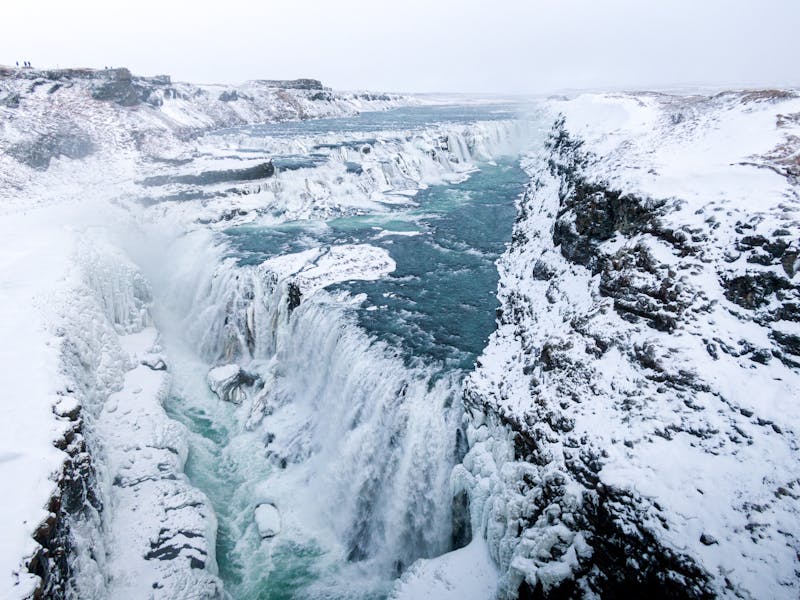
Third: Gullfoss waterfall. Enormous. Thundering. Take waterproofs. You will get wet.
The whole Golden Circle is free to visit. Parking at Thingvellir costs ISK 750 (about £4) and that’s about the only charge. Pack a lunch, fill up a water bottle from the tap at your accommodation, and you’ve got a full day out for practically nothing. That’s rare in Iceland.
Blue Lagoon
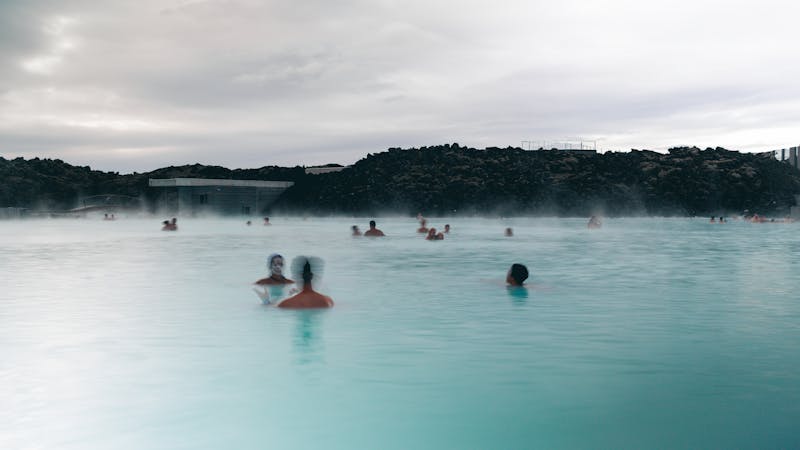
You’ve seen the photos. Milky blue-white water, steam rising, people floating about looking impossibly relaxed. It lives up to it. The water sits around 38-40°C, rich in silica, and the whole place feels otherworldly.
Adults pay ISK 12,000-15,000 (roughly £63-79) depending on the package. But children aged 2 to 13 go free with a paying adult. That takes the sting out.
It’s right near Keflavík Airport, about 20 minutes away. Do it on your arrival or departure day. We went on the way to the airport for our flight home — warm and relaxed instead of stressed and grumpy. Perfect end to the trip.
Book months ahead. Not weeks. Months. Especially in summer. Slots sell out and you cannot just turn up.
Sky Lagoon
Newer alternative right in Reykjavik. Geothermal infinity pool overlooking the ocean, beautiful design, and a seven-step ritual involving cold plunges, steam rooms, and saunas. ISK 8,000-12,000 (£42-63).
The catch: it’s 12 and over only. If you’ve got younger children, this one’s off the table. Blue Lagoon is your bet for that.
Whale Watching
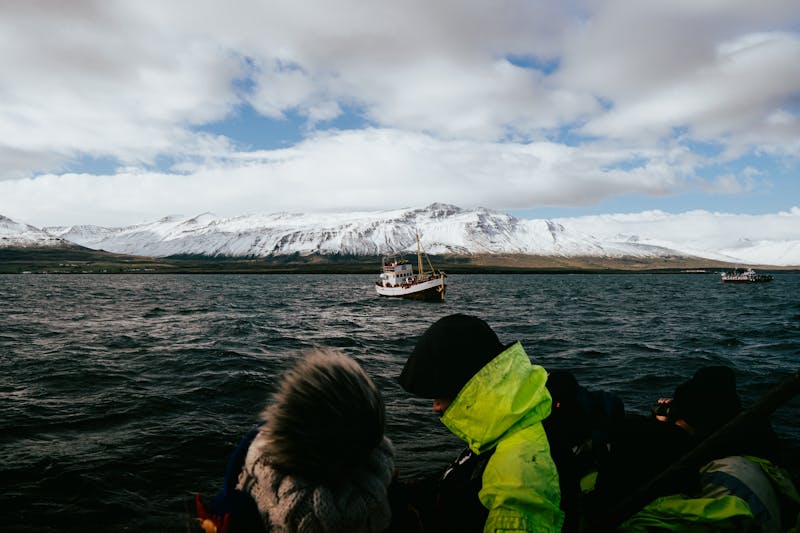
Boats leave from Reykjavik’s old harbour, tours run about three hours. Adults typically ISK 12,000-15,000 (£63-79), children half price. We went with a traditional oak fishing boat — more atmospheric than the bigger modern vessels, though it rocks more.
The downside: motion sickness. Take tablets before boarding if anyone in your family is prone. The sea can be rough. We had one very green child and one very smug one.
When conditions are good, it’s extraordinary. Humpback whales surfacing 50 metres from the boat. Dolphins — a whole pod of white-beaked dolphins swimming alongside us. June to August is the best window.
The South Coast
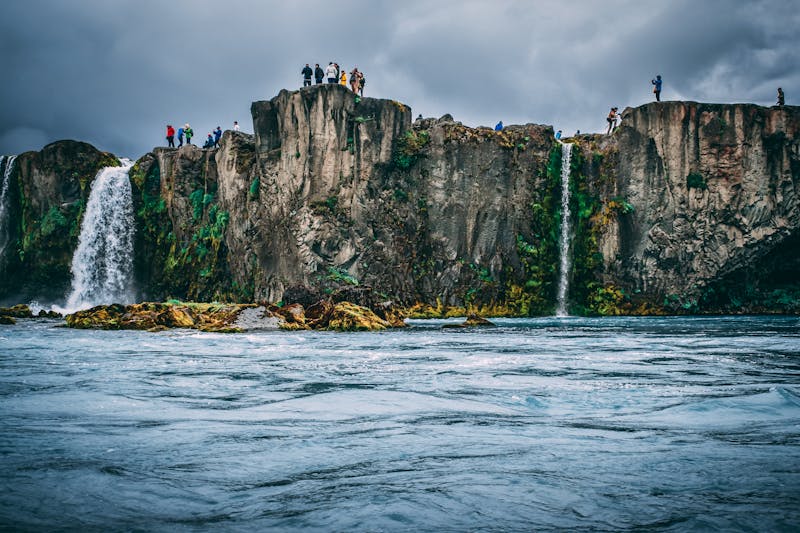
Rent a car and drive the south coast. Do it. Even if you only have one spare day.
Seljalandsfoss is a waterfall you can walk behind. Properly behind, on a path that goes right round the back of the curtain of water. The kids were beside themselves. You will get soaked, and you need decent shoes because the path is slippery, but it’s one of those experiences that sticks.
A few kilometres further along is Skógafoss — a massive, powerful falls that drops 60 metres off a cliff. You can climb the steps beside it for views from the top, or stand at the base and feel the thunder in your chest. Both options are brilliant.
Then Reynisfjara. Black sand beach with basalt columns and sea stacks rising from the ocean. Spectacularly dramatic. Also genuinely dangerous — we need to be blunt. The sneaker waves here have killed people. They come in fast, much further up the beach than you’d expect, powerful enough to drag an adult into freezing water. Keep your children well back from the waterline. Not near. Not close-ish. Well back. Do not turn your back on the sea.
The nearby village of Vík is a good stopping point. Tiny, pretty, wool shop that’ll empty your wallet.
Reykjavik
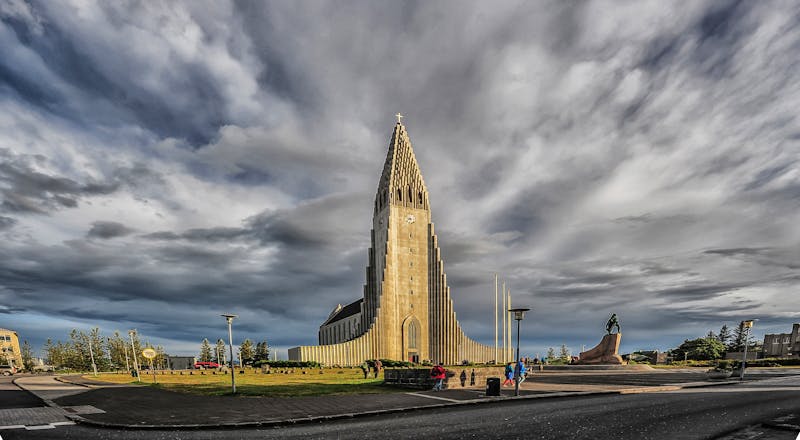
It’s one of the smallest capital cities you’ll ever visit, and that’s part of the charm. You can walk most of central Reykjavik in an afternoon. It feels more like a town than a city. Colourful houses, quiet streets, street art everywhere.
Hallgrímskirkja church dominates the skyline — that distinctive rocket-shaped tower you see in every photo. Take the lift to the top for panoramic views across the city and out to the mountains beyond. ISK 1,200 (about £6) per person. Worth it for the perspective.
Harpa concert hall down by the harbour is worth a wander even if you don’t see a show. The glass facade is extraordinary — all honeycomb angles that catch the light differently depending on the time of day.
And the hot dogs. Bæjarins Beztu Pylsur has been serving them since 1937. About ISK 600 (£3) each — lamb, pork, and beef blend with crispy onions, sweet mustard, and remoulade. Our kids inhaled them. We went back three times.
Northern Lights
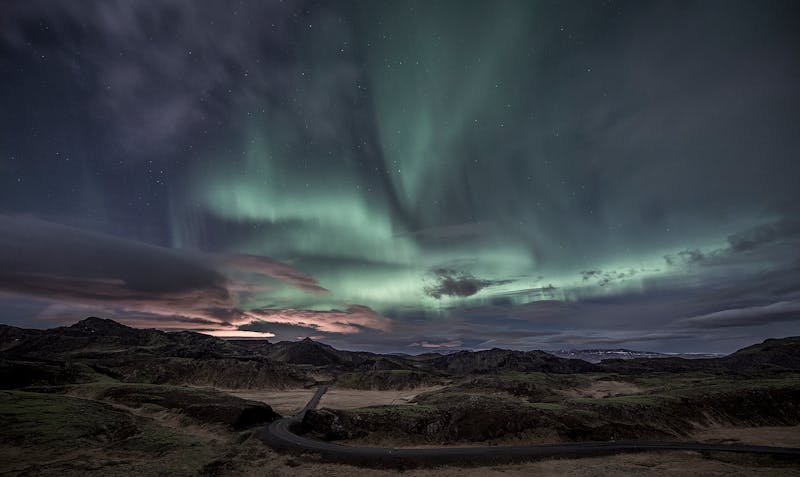
If you visit between September and March, you’ve got a chance. Not a guarantee — never a guarantee — but a chance. The aurora borealis depends on solar activity, cloud cover, and a fair bit of luck. Download an aurora forecast app (the Icelandic Met Office has a good one) and check it obsessively every evening like we did.
The key is getting away from Reykjavik — drive 20-30 minutes out for darker skies. We saw them on our third night. Faint green ribbons at first, then suddenly brighter and swirling. The children stood in a field in the freezing cold for 40 minutes and didn’t complain once.
Don’t build the trip around them, though. Some people visit three or four times without seeing them. If they appear, wonderful. If not, there’s plenty else.
Hot Pots
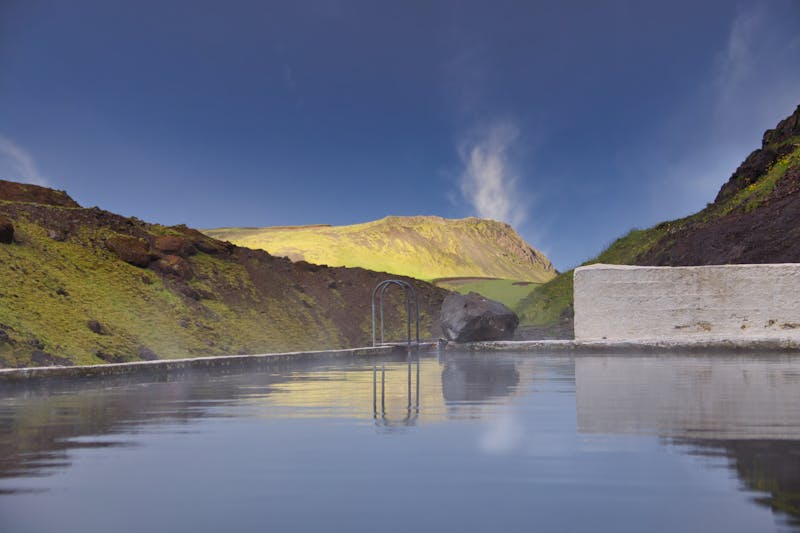
Every town in Iceland has a public geothermal swimming pool. Every single one. They’re heated by natural hot water, they cost almost nothing — ISK 1,000-2,000 (£5-11) — and they’re where actual Icelanders go to socialise. This is the local experience. Skip Sky Lagoon if you must, but don’t skip the hot pots.
The pools range from lukewarm to properly hot, usually with a cold tub for the brave. Kids love them. Ours spent hours going back and forth between temperatures, convinced they’d discovered some kind of spa for children.
One cultural note that catches British visitors off guard: you must shower naked before entering the pool. Not in your swimming costume. Naked. In a communal changing room. It’s a hygiene thing and it’s non-negotiable. The kids didn’t bat an eyelid. The adults needed a moment. But once you’re past it, it’s fine. Honestly. Everyone’s in the same boat.
Where to Stay
Reykjavik hotels are expensive. Properly expensive. Expect to pay ISK 25,000-50,000 (£130-260) per night for a decent family room, and that’s mid-range. During peak summer, prices climb higher still.
Guesthouses are cheaper and often perfectly comfortable. Airbnb works well for families, especially if you want a kitchen for self-catering (trust us, you’ll want a kitchen). A two-bedroom apartment costs less than a hotel room in most cases.
Book early for summer. Iceland has become enormously popular and accommodation fills fast, particularly July and August.
Rental Car
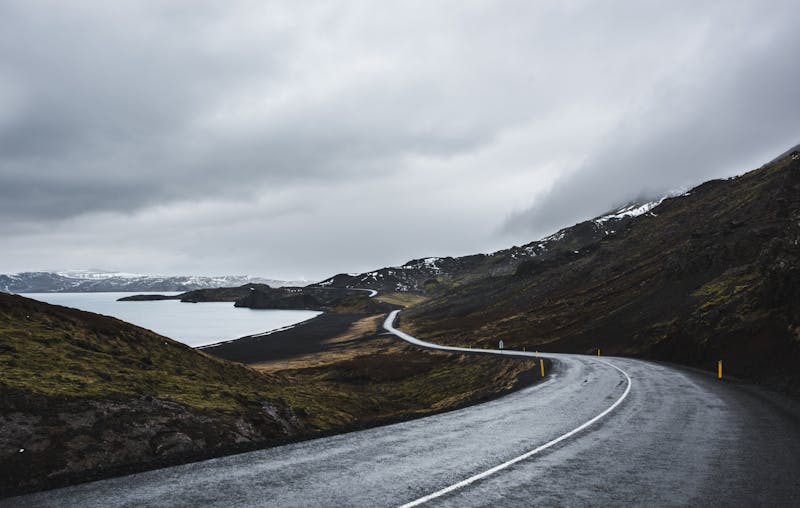
Essential outside Reykjavik. Public transport beyond the city is limited, and the best stuff requires a car.
A regular car is fine for the Ring Road and the Golden Circle. Highland roads and F-roads need a proper 4WD — don’t risk a regular car. Rental companies will charge you a fortune for underside damage.
ISK 10,000-20,000 (£53-105) per day depending on vehicle and season. Fuel is pricey but distances aren’t huge.
Food
Let’s not pretend this isn’t the painful bit. Eating out in Iceland is expensive. Budget ISK 3,000-6,000 (£16-32) per meal per person at a sit-down restaurant, and that’s not fancy dining. That’s lamb soup and bread.
Speaking of which — lamb soup (kjötsúpa) is brilliant. Rich, hearty, warming after a day outdoors. Fish and chips is reliably good and you’ll find it everywhere. And obviously the hot dogs, which are both delicious and cheap by Icelandic standards.
Our biggest tip: self-cater. The Bónus supermarket (pig logo, can’t miss it) is the cheapest option. Buy sandwich stuff for packed lunches, cook dinner at your accommodation a few nights. Your bank balance will thank you.
Tap water is excellent — straight from glacial springs. Don’t buy bottled. The hot tap smells faintly of sulphur (geothermal heating) but the cold tap is pure and better than anything in a shop.
Best Time to Visit
This depends entirely on what you want.
Summer (June to August) gives you the midnight sun — near-24-hour daylight, which is as bizarre and wonderful as it sounds. Temperatures hover around 15-20°C, which feels glorious after an Icelandic winter. Puffins nest on the cliffs. Everything is green. It’s the busiest season and the most expensive, but the weather is the most reliable.
Winter (September to March) brings the northern lights, dramatic moody skies, and the Blue Lagoon looks even more magical in the dark with steam rising against a black sky. Temperatures range from -5 to 5°C, daylight hours are short, and some highland roads close entirely. But it’s quieter, cheaper, and has an atmosphere all its own.
The shoulder months — May and September — offer a decent balance. Fewer crowds, lower prices, reasonable weather (by Icelandic standards), and in September you’ve got a shot at both the tail end of summer conditions and the start of aurora season.
Practical Bits
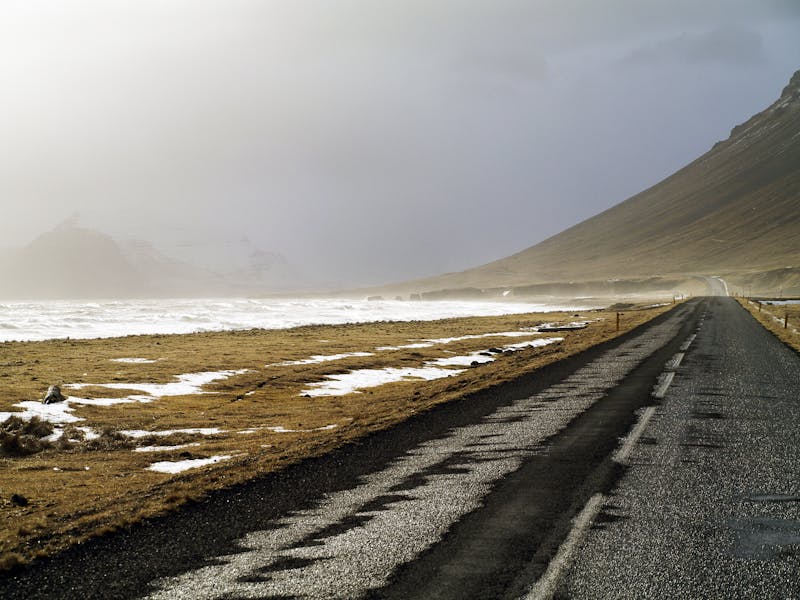
Weather changes fast. Absurdly fast. We had sunshine, rain, hail, and sunshine again within forty minutes. Layers are everything. Base layer, warm mid, waterproof outer. For the kids especially, waterproof jacket and trousers are non-negotiable.
Waterproof shoes or boots. Not trainers. You’re walking behind waterfalls and across boggy paths. Wet feet make miserable children and miserable children make miserable parents.
Credit cards accepted everywhere, even remote petrol stations. We barely used cash.
Iceland surprised us. Completely. It’s wild and beautiful and safe and strange and the kids adored every single minute. It’s not cheap — let’s not pretend otherwise — but it gave us experiences we simply couldn’t have had anywhere else. Walking between tectonic plates. Watching whales. Standing in the dark watching green light move across the sky. That’s the stuff that sticks.
Go. Just go.