
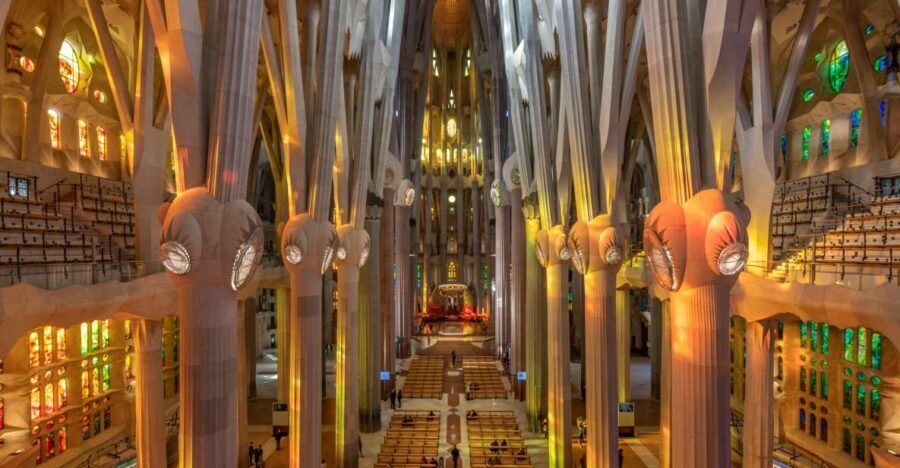
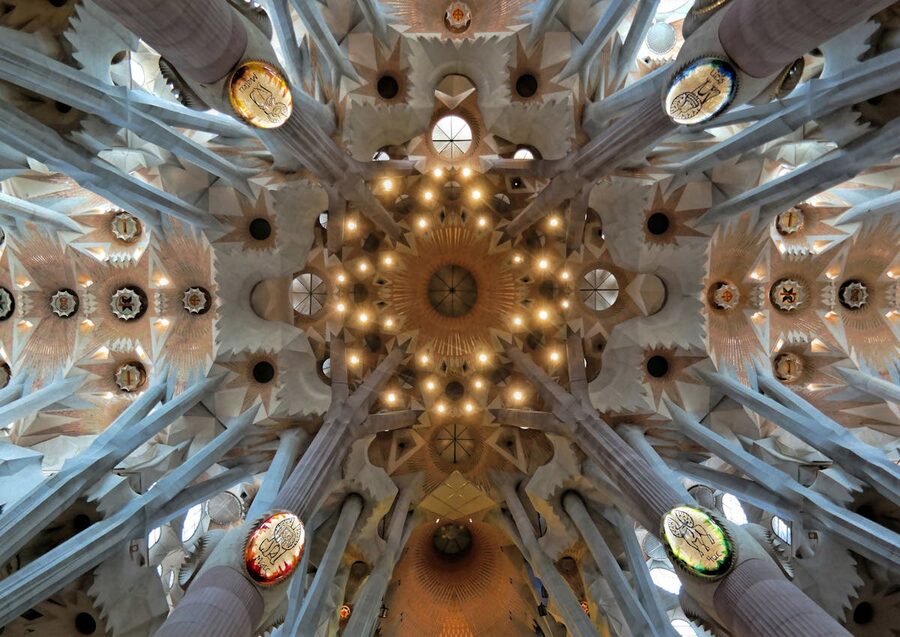
My three-year-old pointed at the ceiling and said “trees.” She wasn’t wrong. The columns inside Sagrada Familia split and branch exactly like a forest canopy. It’s one of those rare buildings that genuinely stops children in their tracks.
But getting tickets right is everything. The wrong ticket type, the wrong time slot, or no skip-the-line access can turn a magical morning into a test of everyone’s patience. I’ve done it both ways. Trust me on this.
Here’s what you actually need to know about visiting Sagrada Familia with your family.
- Short on Time? Here Are Our Top Picks
- How Tickets Work (And Which One Families Should Get)
- What It’s Actually Like Inside with Children
- When to Visit (This Matters More Than You Think)
- The Best Tours for Families
- 1. Sagrada Familia Entry Ticket with Audio Guide —
- 2. Skip-the-Line Entry Ticket & Guided Tour —
- 3. Priority Access Guided Tour —
- Practical Tips for Families
- A Bit of History (For Curious Kids and Parents)
- Getting There with Kids
- What Else to Do Nearby
- More Barcelona Family Guides
Short on Time? Here Are Our Top Picks
The one almost everyone books. Self-paced, so you can leave when the toddler hits the wall.
Book Now
Worth every penny if your kids are old enough to listen. Guides are brilliant with families.
Book Now
Smaller groups, shorter waits. The best balance of value and quality for families.
Book Now
How Tickets Work (And Which One Families Should Get)
All Sagrada Familia tickets are timed entry. You pick a 30-minute window when you book, and you need to arrive within that window. Miss it and you’re out of luck.
There are three main options. The basic entry with audio guide is the most popular — over 100,000 reviews and counting. You get your timed slot, download the audio guide app, and explore at your own speed. For families with small children, this is usually the smartest choice. No group to keep up with. No pressure to stay longer than the kids can handle.
Guided tours run about 90 minutes. That’s a long time for under-5s but genuinely brilliant for school-age children. The guides bring Gaudi’s vision to life in a way the audio app simply can’t match. One guide, Victor, apparently tells families to take their time and ask questions — that’s the kind of thing that makes all the difference with curious kids.
The tower access add-on costs extra and involves narrow spiral staircases. No lifts. No buggies. Children under 6 are not permitted in the towers, and honestly, even with older kids it’s a squeeze. Save it for a trip without the littles.
What It’s Actually Like Inside with Children
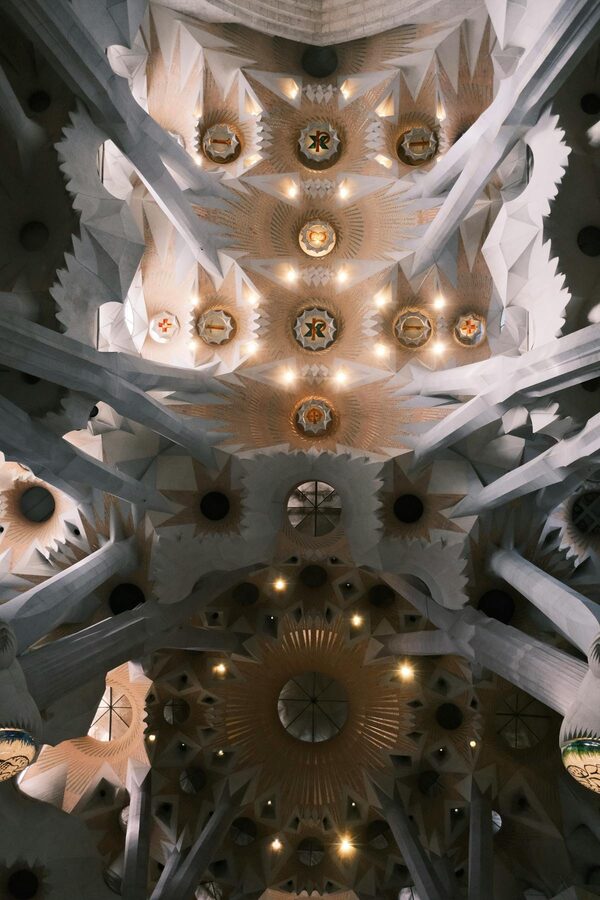
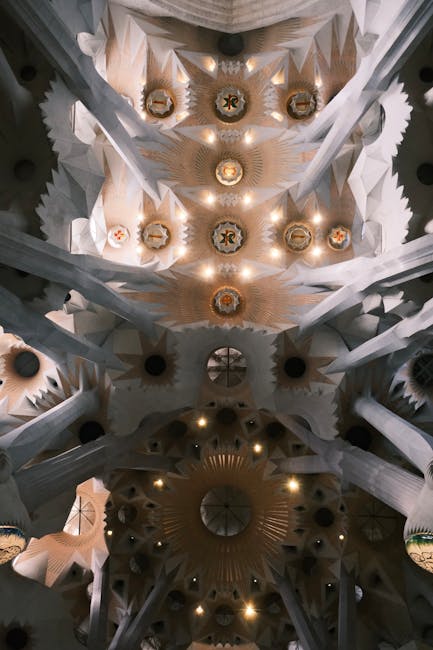
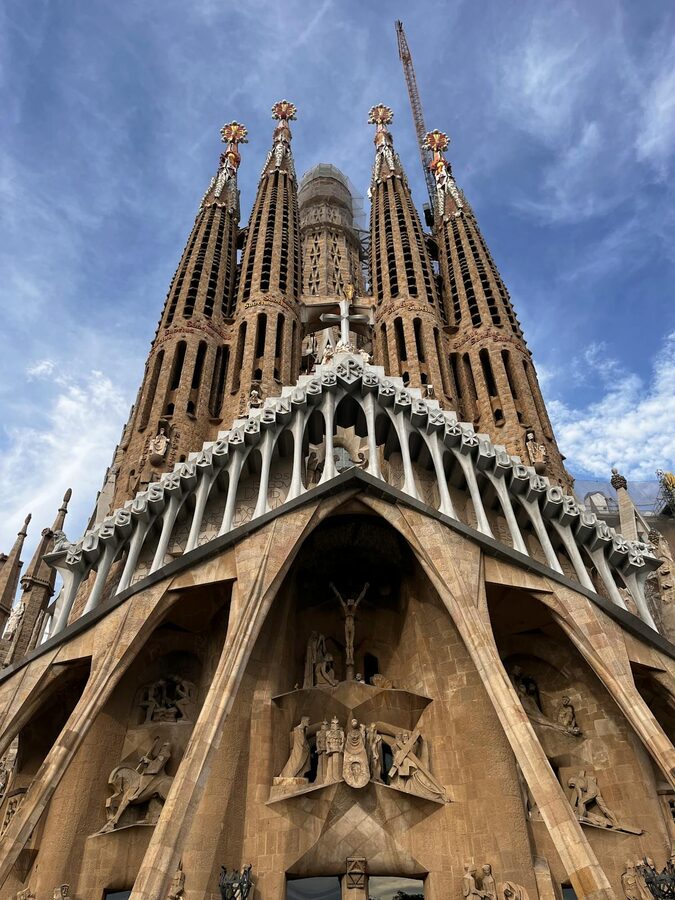
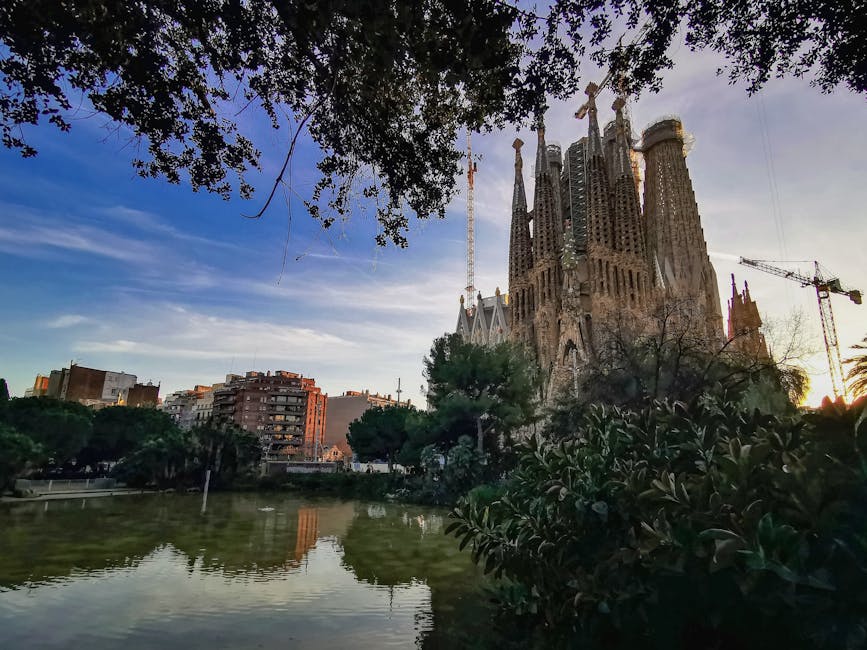
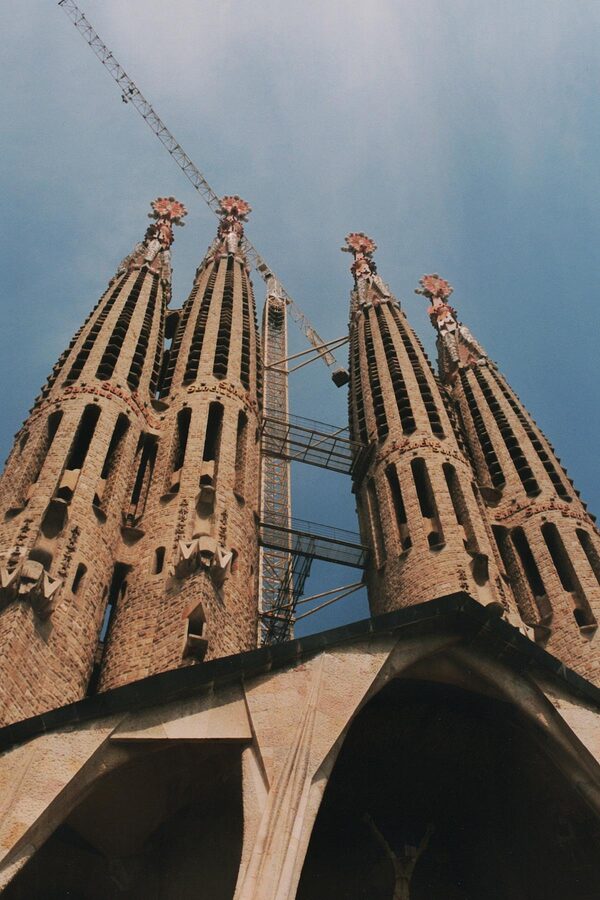
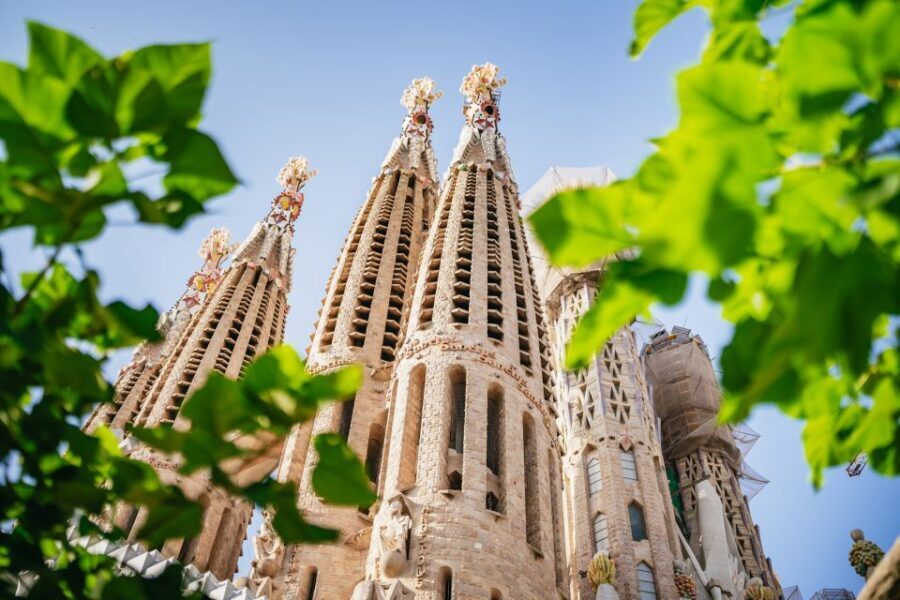
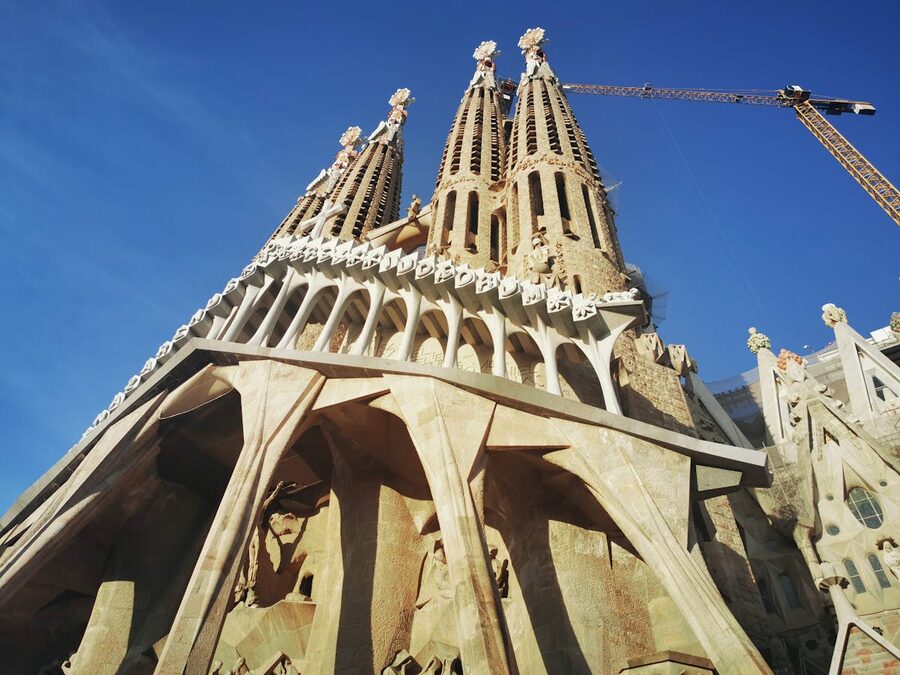
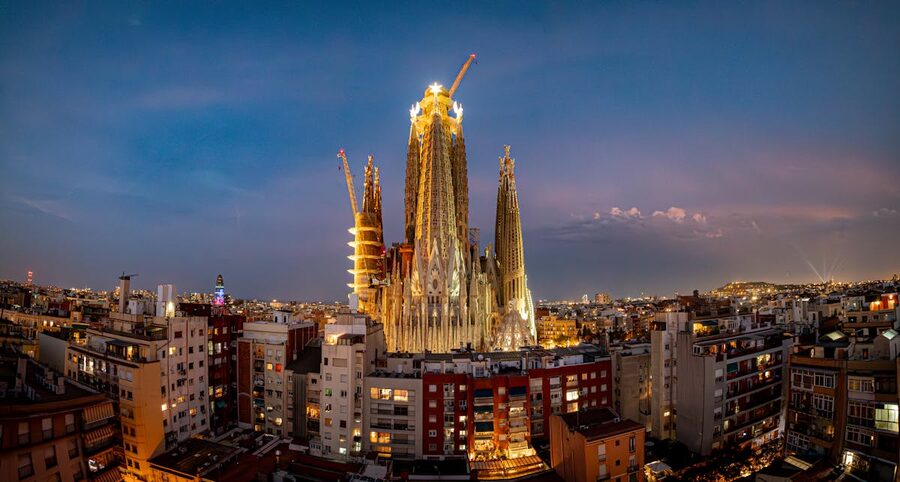
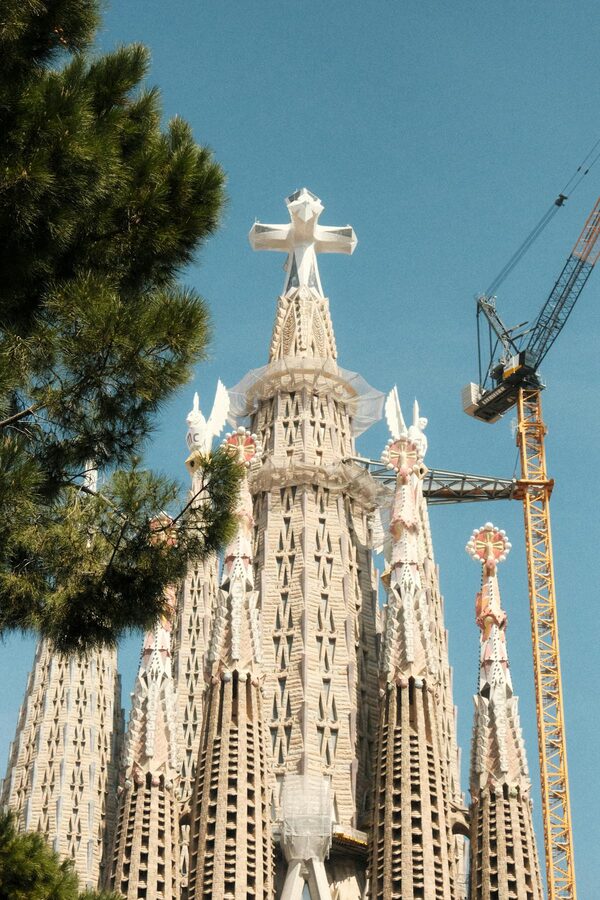
The interior is the thing. Forget the outside for a moment — everyone’s seen photos of the towers and cranes. Inside is where Sagrada Familia earns its reputation.
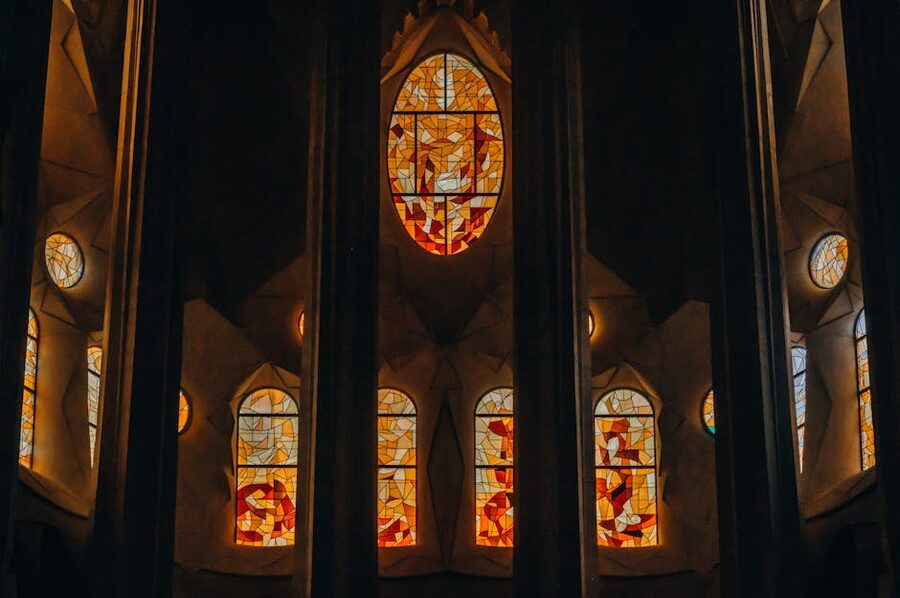
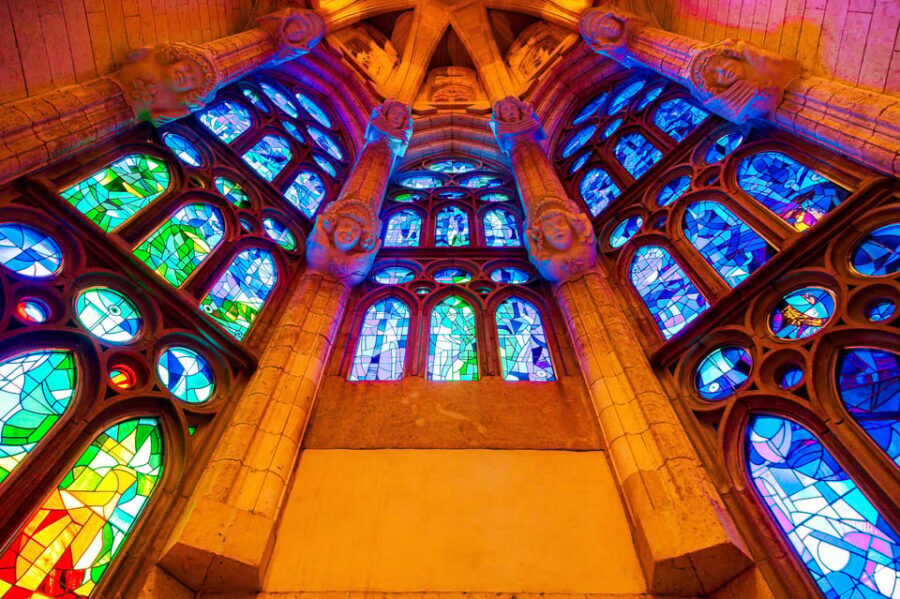
Light pours through stained glass on both sides. The east windows glow blue and green in the morning. The west side blazes orange and red in the afternoon. My son said it looked like being inside a kaleidoscope. He’s not wrong.
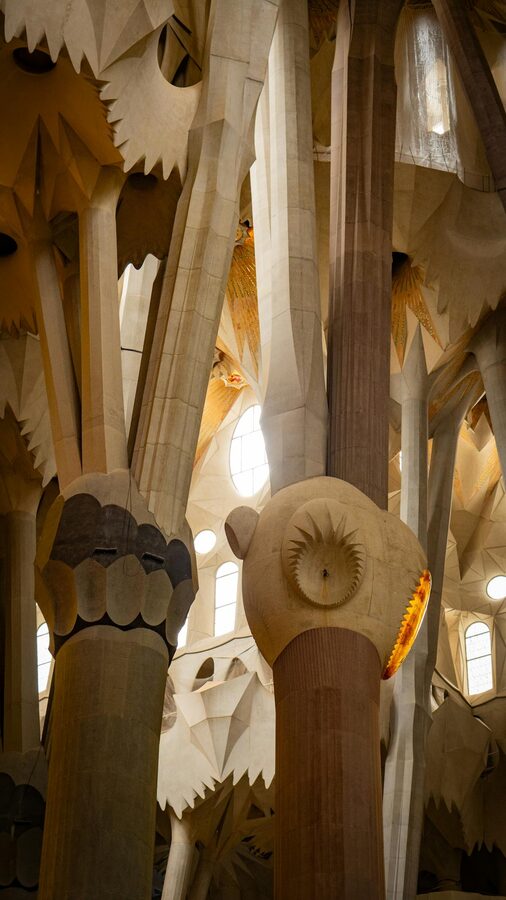
The space is enormous. Children don’t feel hemmed in the way they do in smaller churches. There’s room to wander, to look up, to whisper about the strange shapes overhead. I expected my kids to last about fifteen minutes. We stayed for nearly an hour.
The museum at the back has Gaudi’s original models and sketches. It’s quieter, cooler, and gives you a break from the crowds in the main nave. Older kids who’ve done any kind of architecture or engineering at school will find the upside-down model fascinating — Gaudi used weighted strings and mirrors to design the curves. Clever stuff.
When to Visit (This Matters More Than You Think)
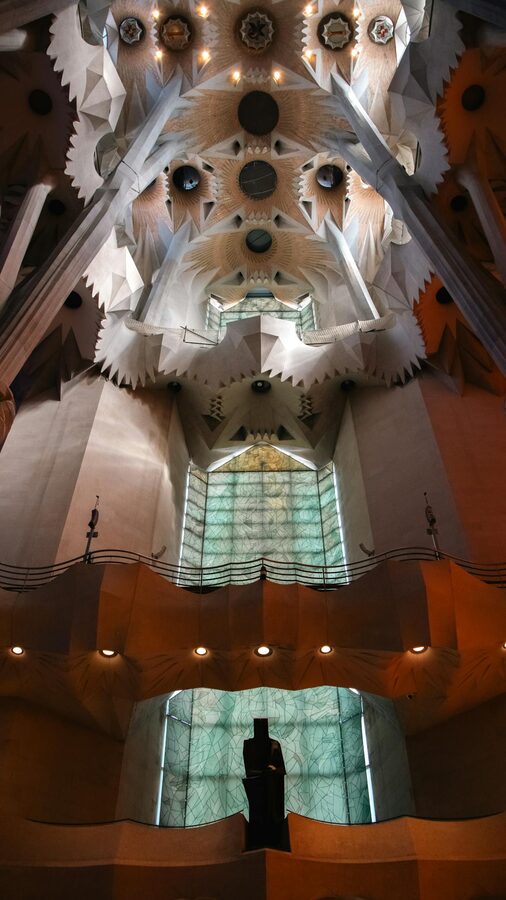
Book the earliest slot you can manage. 9am or 9:30am is ideal. The building faces east, so morning sun floods through the coloured glass and the interior literally glows. By afternoon the light shifts and, honestly, you lose the magic.

Midweek is quieter than weekends. Tuesdays and Wednesdays in particular tend to have smaller crowds. During school holidays you’ll need to book at least two weeks in advance — popular time slots sell out fast.
Allow about 90 minutes total. That includes queuing for the security check (airport-style scanners), the main basilica, and the museum. With small children, you might leave after 45 minutes and that’s perfectly fine. No one will judge you. We’ve all been there.
The Best Tours for Families
I’ve narrowed it down to three options. Each suits a different kind of family.
1. Sagrada Familia Entry Ticket with Audio Guide — $39
This is the one with over 100,000 reviews and a 4.6 rating. You explore independently with a downloadable audio guide, which means you can leave whenever the kids are done. Our full review covers everything you need to know about what’s included and how the audio app works. For families with under-5s, this is my top recommendation.
2. Skip-the-Line Entry Ticket & Guided Tour — $67
A 90-minute guided experience with a live expert who can answer your kids’ questions on the spot. You meet near the basilica and skip the ticket queue entirely. Our full review breaks down what makes this tour stand out, including the guides’ knack for making the architecture accessible. Best for families with school-age children who’ll engage with the stories.
3. Priority Access Guided Tour — $58
The best-rated option at 4.9 stars. Smaller groups, priority entry, and guides who consistently get praised by name — that’s rare. You’ll see the interior, learn about Gaudi’s design process, and finish at the museum. Check our detailed review for the full breakdown. This is the sweet spot if you want a guide but at a lower price than option 2.
Practical Tips for Families
Security queues. There’s airport-style security at the entrance. Bags go through a scanner. It moves quickly but can take 10-15 minutes at peak times. Have your ticket QR code ready on your phone before you join the queue.
Buggies and prams. Allowed inside. The main nave is spacious and flat. The museum section has a slightly narrower path. A compact buggy works fine. A massive travel system will be awkward.
Toilets. There are loos inside the basilica. They’re clean and functional. Use them — the nearest public toilets outside are a good walk away.
No food or drink inside. Eat before you go. There’s a small park across the road (Placa de Gaudi) where you can have a snack before or after. A few decent cafes line the streets around the site, though they charge tourist prices.
Dress code. Shoulders and knees must be covered. This catches people out constantly, especially in summer. Pack a light scarf for quick cover-ups. Flip-flops are technically fine, but you’ll be on your feet for at least an hour.
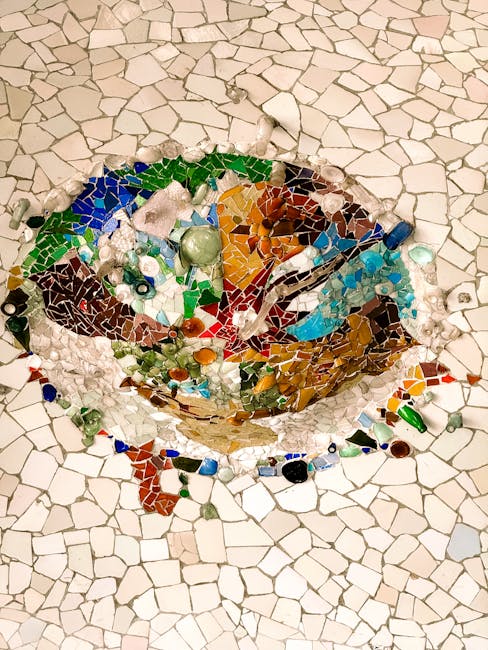
The gift shop at the exit has genuinely nice things — Gaudi-themed colouring books, small mosaic tiles, and building block sets that kept my lot entertained on the flight home.
A Bit of History (For Curious Kids and Parents)
Antoni Gaudi started work on Sagrada Familia in 1883. He was 31 years old. He spent the last twelve years of his life living on site, sleeping in his workshop, completely consumed by the project.
He died in 1926 after being hit by a tram. He looked so dishevelled that no one recognised him. He was taken to a pauper’s hospital before friends identified him. He’s buried in the crypt beneath the basilica — you can see his tomb through a small window.
The building still isn’t finished. Civil war, fires, and anarchists who destroyed Gaudi’s original models all slowed things down. But modern technology has accelerated the work dramatically. The current completion target is 2026 — the centenary of Gaudi’s death — though some elements will likely take longer.
What makes the building extraordinary is that Gaudi designed it entirely from nature. The columns are trees. The ceiling is a forest canopy. The light mimics a clearing in the woods. Every surface has a biological logic to it. Even small children sense this, which is why they react to the interior so strongly. It doesn’t feel like a church. It feels like something alive.
Getting There with Kids
The Metro station is called Sagrada Familia (lines L2 and L5). It’s right there. Two-minute walk to the entrance. This is the easiest way to arrive with children and I wouldn’t bother with any other method unless your hotel is literally next door.
If you’re using the Hop-On Hop-Off bus, there’s a stop right outside. Handy if you’re combining Sagrada Familia with other sights in one day.
Taxis work well too. Just say “Sagrada Familia” and every driver knows where to go. From the Gothic Quarter it’s about a 15-minute ride and costs around 10-12 euros.
What Else to Do Nearby

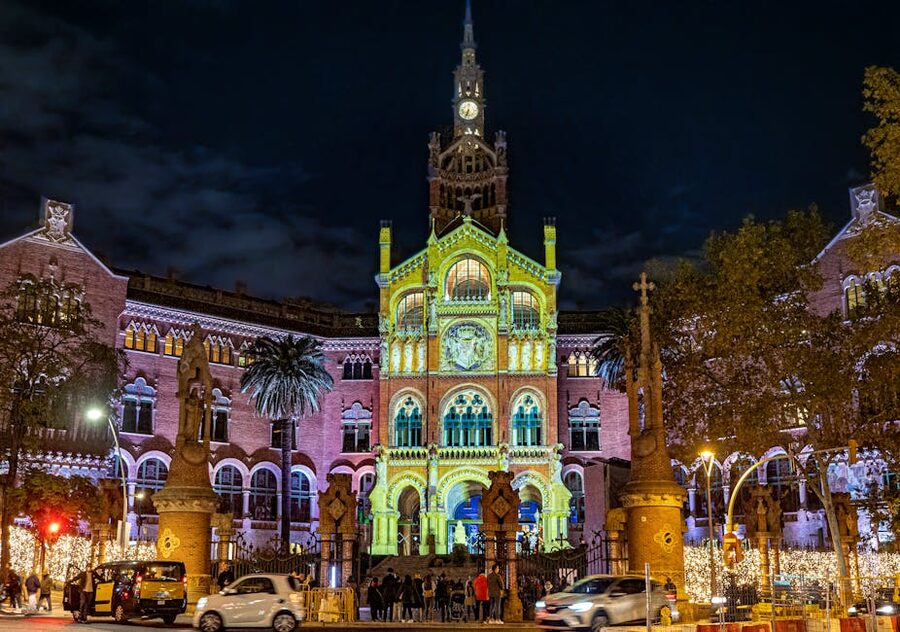
The Hospital de Sant Pau is a ten-minute walk north. It’s a stunning Modernista complex, far less crowded than Sagrada Familia, and has beautiful open-air gardens where kids can run around. Highly recommended as a follow-up if your family still has energy.
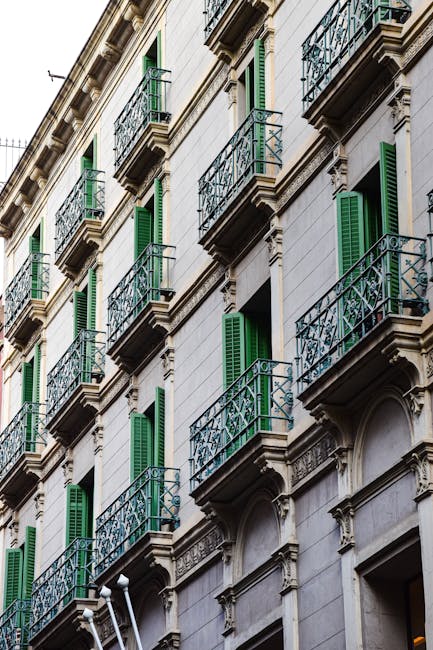
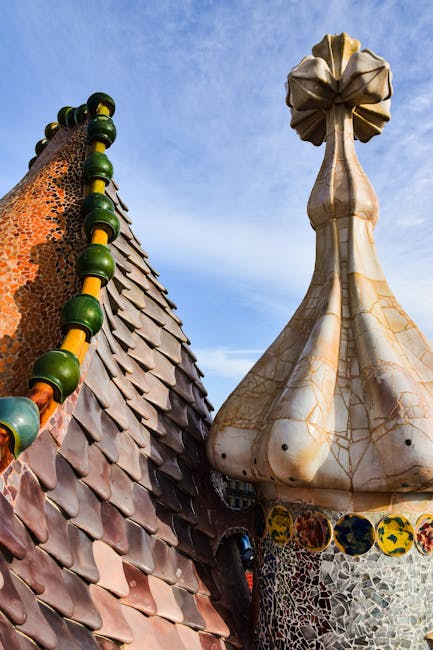
The Eixample district around Sagrada Familia is also home to Casa Batllo and La Pedrera (Casa Mila), two more Gaudi buildings that older children will enjoy. Both are about a 20-minute walk or a quick Metro hop away.
More Barcelona Family Guides

If your family loved Sagrada Familia, you’ll want to see what Gaudi did at Park Guell too — it’s essentially a giant outdoor playground dressed up as a public park, and children go absolutely wild for the mosaic dragon at the entrance. Casa Batllo is another favourite with kids, especially the rooftop with its dragon-spine tiles, though it works better for children over 5 who can handle the audioguide. For a completely different kind of Barcelona day, the Barcelona Aquarium sits right on the harbour and has a glass tunnel that smaller children find genuinely mesmerising. And if you want to see the whole city without the walking, the Hop-On Hop-Off bus is a lifesaver for families — you sit on top, the kids point at things, and everyone stays happy.