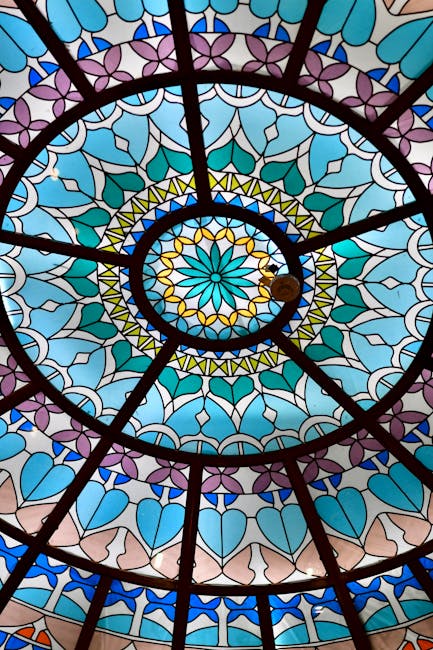
My daughter looked up at the stained glass ceiling and whispered, “Mum, it’s like being inside a sweet wrapper.” She’s five. She has no idea who Domènech i Montaner is. But she understood, instantly, that this room was made of colour and light and something magical. The Palau de la Musica Catalana is not the building you’d expect to take children to. It’s the one that surprises everyone.
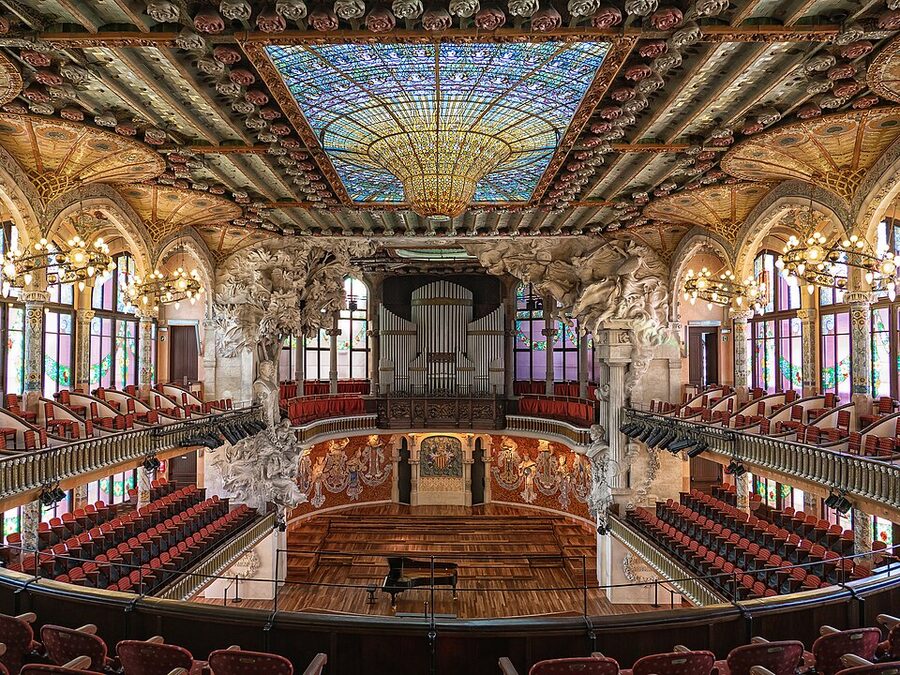
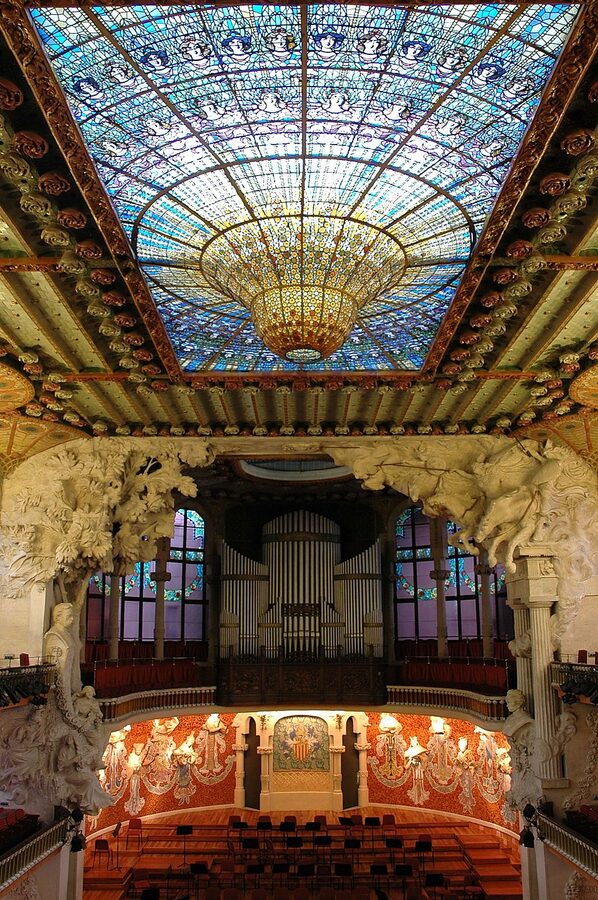
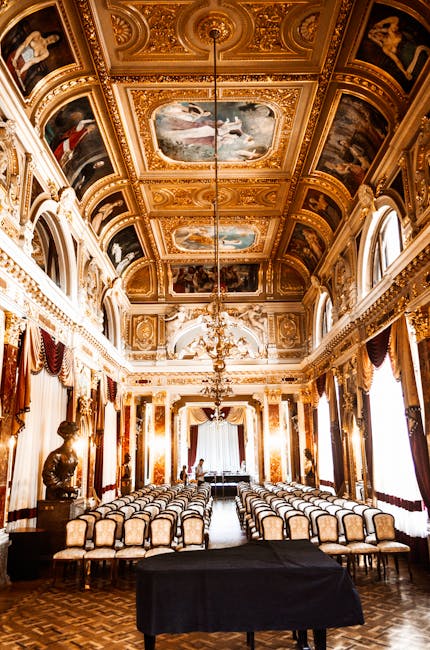
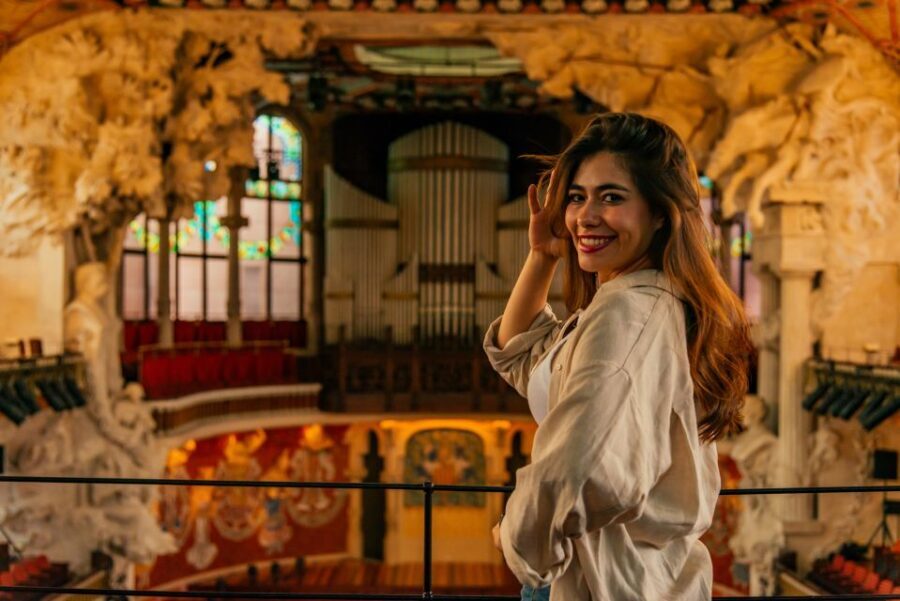
The concert hall is the most ornate room in Barcelona. Every surface is decorated — mosaics, sculptures, stained glass, carved columns. Children react to it the way they react to a fairy-tale castle. My son said it looked like “a birthday cake turned into a building.” The ceiling alone — a massive inverted dome of stained glass — stops people mid-sentence. Photo: Tudoi61, CC BY-SA 4.0, via Wikimedia Commons
The Palau is a UNESCO World Heritage concert hall in Barcelona’s Born Quarter. It was designed by Lluís Domènech i Montaner — not Gaudi, though people constantly confuse them. The building hosts classical concerts, flamenco, and family-specific performances. And the guided tour is one of Barcelona’s best-kept family secrets.
For families already working through the Gaudi trail, the Palau is the perfect complement — it shows that Gaudi wasn’t alone in creating extraordinary Modernista architecture. Here’s why you should consider it, even with young children.
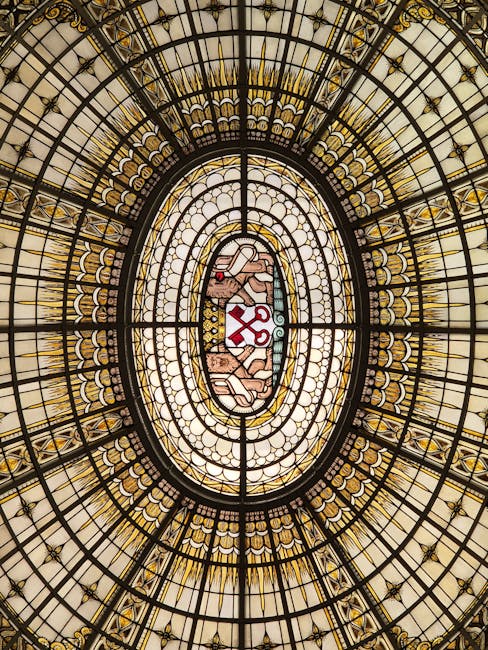
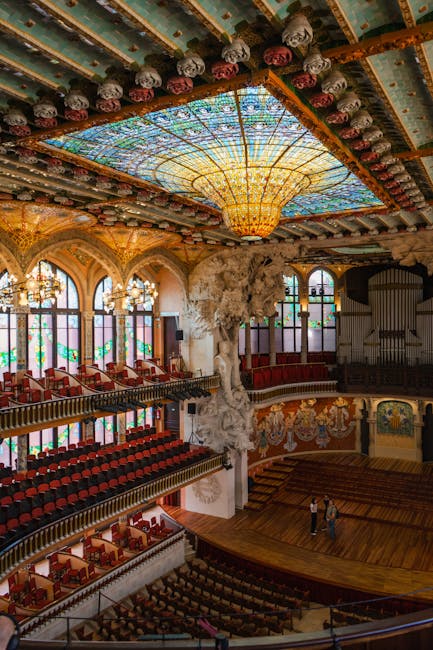
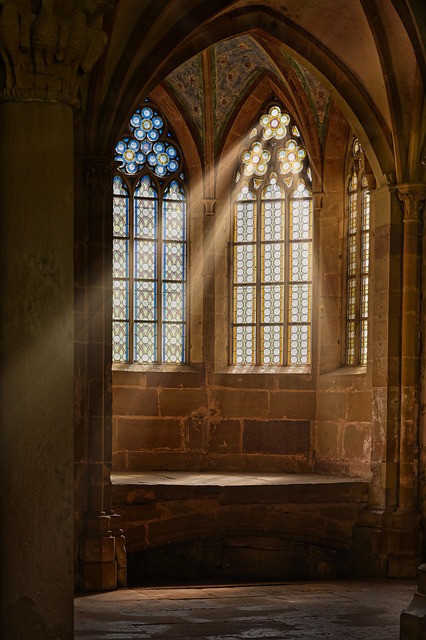
The Palau’s dome is the world’s only concert hall lit entirely by natural light. No spotlights. No electric lighting during daytime performances. The stained glass ceiling does all the work. The dome weighs 2,000 kg and appears to hang unsupported — actually an engineering illusion, supported from above. Children find this extraordinary. “How does it FLOAT?” Engineering magic. The Palau is full of moments like this where beauty and engineering meet in ways that feel impossible.The Palau hosts around 400 concerts a year. Classical, jazz, flamenco, pop, choirs, chamber music. The acoustics are legendary — musicians say the hall “sings back” to them. If your visit coincides with a family-friendly concert, the combination of live music in that setting is genuinely transformative. Check the official concert schedule before you travel.The stained glass is the star. Natural light pours through coloured glass on every side of the concert hall. The ceiling dome changes colour throughout the day as the sun moves. In the morning it’s all blues and golds. By afternoon it shifts to warmer tones. My kids kept saying “it’s changing!” as we moved through the building. It’s a live art experience, not a static museum.
Palau de la Musica Entry Ticket — $21
Self-guided visit to the concert hall. Under-10s free on certain tours. Move at your own pace. Book Now
Palau de la Musica Guided Tour — $28
50-minute guided tour. Explains the symbolism kids won’t spot alone. Families love this one. Book Now
Why the Palau Works with Children (When You’d Think It Wouldn’t)
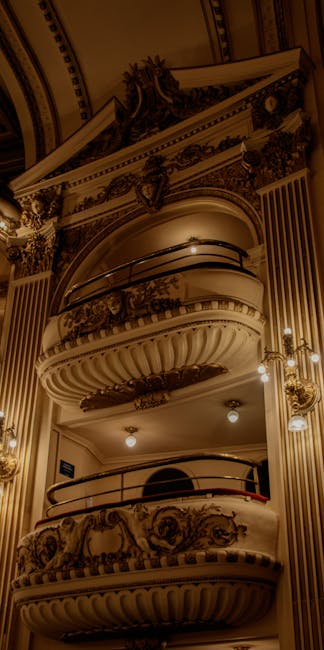
Children respond to colour and light instinctively. They don’t need to understand Catalan Modernisme to be amazed by a room that glows from every angle. The Palau works with kids precisely because it’s so visual — no reading required, no audioguide necessary, just walk in and look up. My three-year-old spent the whole visit pointing at things and saying “pretty.” That’s a review.The balconies above the stalls are where you’ll sit for concerts. Each box is decorated differently — mosaic flowers, carved cherubs, painted ceilings. Children who attend concerts here spend half their time looking at the architecture rather than the stage. That’s fine. The building and the music work together. The Palau was designed as a “palace of music” — every element contributes to the overall experience.
I know what you’re thinking. A concert hall? With a toddler? Hear me out.
The Palau isn’t like visiting a normal concert hall. You’re not sitting in darkness watching a performance. You’re walking through a building that’s essentially a giant jewellery box. Every surface explodes with colour. Mosaic pillars. Stained glass walls. Sculpted balconies. Floral ceiling tiles. It’s overwhelming in the best possible way.
The guided tour takes 50 minutes. That’s shorter than most Gaudi buildings. The guide keeps things moving. And the building is so visually stimulating that even restless children stay engaged because there’s always something new to look at.
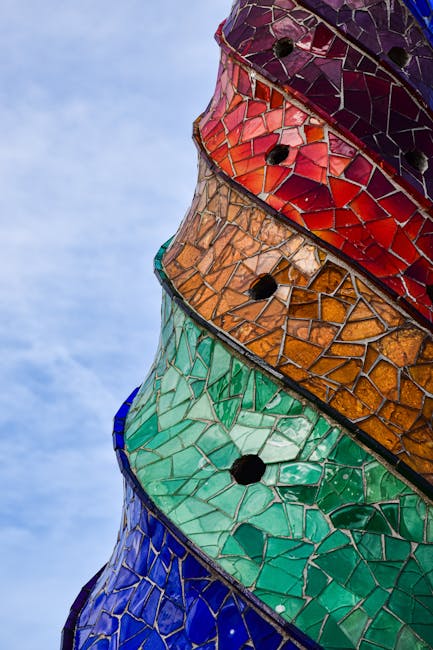
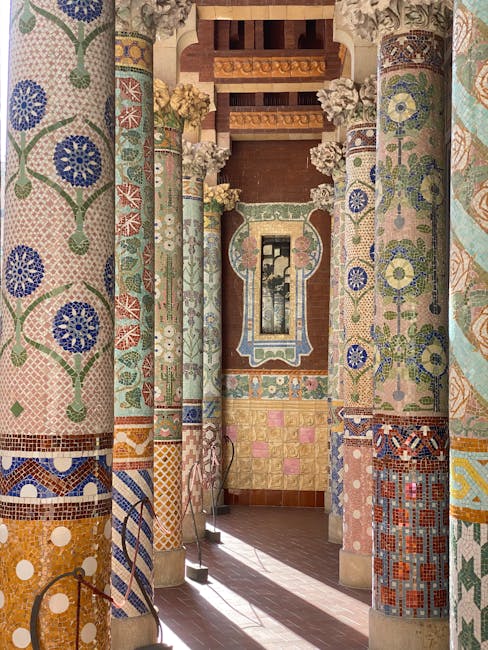
The mosaic pillars are covered in broken tile patterns similar to Gaudi’s trencadis technique. If your kids have already visited Park Guell or Casa Batllo, they’ll recognise the style immediately. “That’s like the dragon house!” my son said, pointing at a column. He was wrong (different architect, different technique) but the visual connection was real. Barcelona’s Modernisme buildings all share a DNA that children pick up on.
The Self-Guided Visit vs The Guided Tour
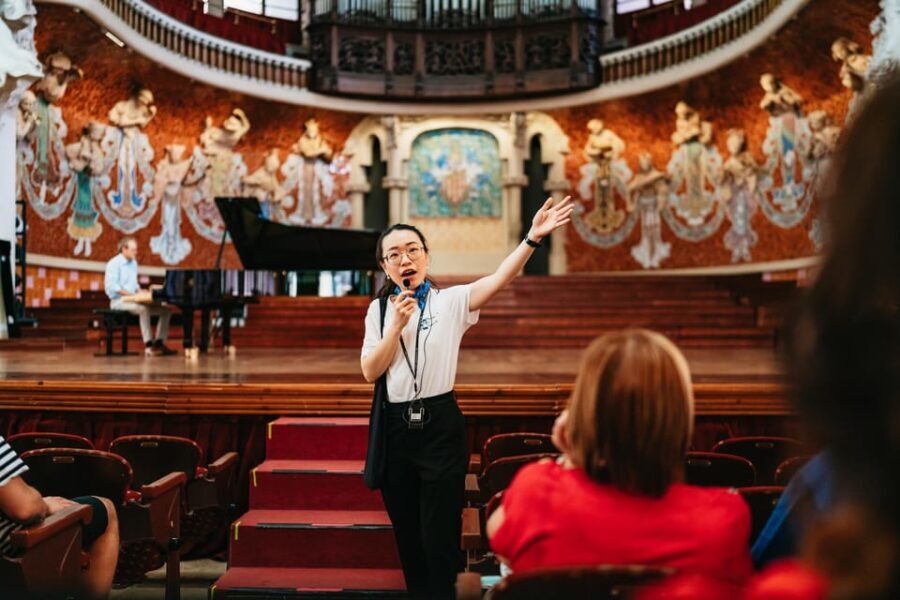
The guided tour takes you into parts of the building you can’t access alone. The main concert hall is the centrepiece, but the guide also shows you the rehearsal room, the ornate staircase, and the exterior facade details from close up. At $28 per adult (vs $21 for self-guided), the extra $7 buys you 50 minutes of context that makes the building come alive. Photo: Josep Renalias, CC BY-SA 3.0, via Wikimedia CommonsThe columns lining the concert hall are covered in mosaic flowers. Each one is unique — different flowers, different colours, different patterns. The overall effect is a stone garden surrounding the stage. Children walk between the columns looking at them individually. Ours counted 26 different flower designs before they lost interest. That counts as a successful museum visit for a five-year-old.
The self-guided entry ticket ($21) gets you into the building to explore at your own pace. You see the concert hall, the foyer, and the main staircase. It’s good value and works well if your children are young and unpredictable — leave whenever you need to.
The guided tour ($28) adds context and access. The guide explains the symbolism — the flowers represent spring, the muses on the stage represent different types of music, the stained glass represents the changing sky. Without a guide, it’s a beautiful room. With a guide, it’s a story. For families with children aged 6 and up, the tour is worth the extra cost.
The official family tour runs on specific dates and is designed for children. Check the Palau website for current schedules — it includes activities and a simplified narrative that keeps younger visitors engaged.
Every inch of the ceiling tells a story. Flowers, faces, musical instruments, mythological figures — the decoration is so dense that you could spend an hour just looking up. The guided tour points out details you’d never spot alone. My daughter found a “tiny woman playing a harp” hidden in the ceiling sculpture and was delighted with herself. The guide confirmed it was one of the nine muses. She talked about “her muse” for the rest of the day.
Family Concerts at the Palau
The Palau runs dedicated family concert programmes. These are not scaled-down adult concerts — they’re specifically designed for children, with interactive elements, visual storytelling, and shorter running times (usually 45-60 minutes). The family concert schedule is on the official website. Booking essential — they sell out quickly. If your visit coincides with one, absolutely go. Hearing music in this room is transformative.Children’s concerts at the Palau are designed for the whole family. Shorter programmes, simpler music, and often interactive elements — the conductor might ask the audience to clap along or join in. These are NOT dumbed-down adult concerts. They’re serious music performances calibrated for young audiences. Book well in advance — the good ones sell out months ahead. Worth building your holiday around if the dates align.
Beyond the building tour, the Palau hosts family concerts throughout the year. These are performances designed specifically for children — shorter, interactive, and visually engaging. The acoustics in the concert hall are extraordinary, and hearing live music in a room made of stained glass and sculpture is an experience that stays with children long after they’ve forgotten which museums they visited.
Family concerts typically run 45-60 minutes. Book online through the official site. They sell out, especially on weekends. If your Barcelona dates align with a family concert, I’d prioritise it over the building tour — you get the architecture AND the music.
The Palau also hosts a guitar trio and flamenco performance in the evenings. This is more of an adult experience, but older children (10+) who can sit through 90 minutes of performance will find the combination of flamenco in this setting genuinely memorable.
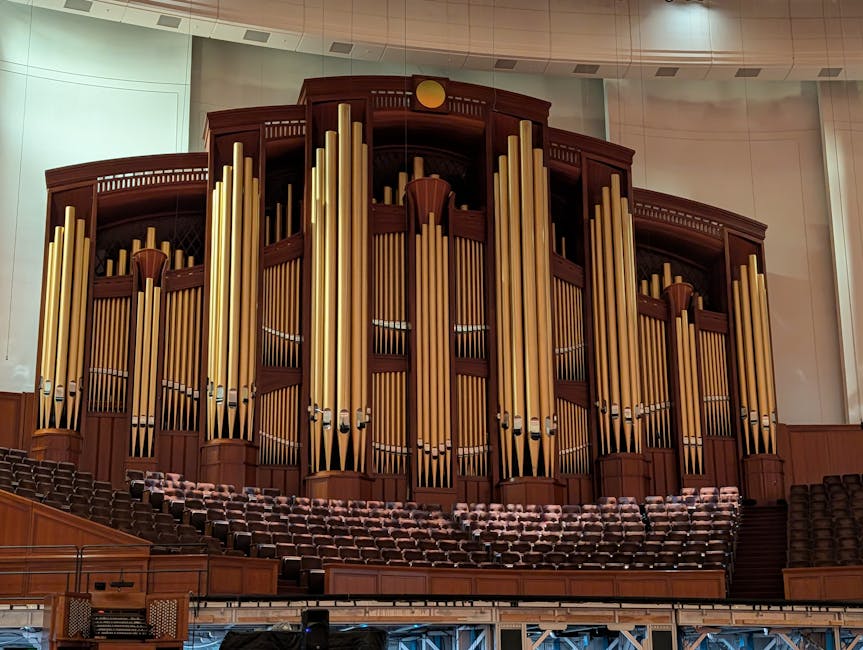
The stage has a massive pipe organ flanked by sculpted muses. Each muse represents a different musical tradition — from folk songs to opera. The organ pipes are enormous and children find them fascinating, especially when the guide explains that air is literally blown through them to make sound. My son asked if he could “try playing it.” He could not. But the question showed he was engaged, which counts.
A Bit of History
Stained glass has been used in Catalan buildings for centuries, but the Palau takes it to another level. The central skylight dome weighs 2,000 kilograms and was originally built in 1908. It was restored in the 1980s after years of neglect during the Franco era. The dome is shaped like an inverted bell — wider at the bottom than the top — which is why the light distributes so evenly throughout the hall.The stage itself has the famous horse sculptures of Pegasus. Behind the proscenium arch, two winged horse sculptures appear to leap forward into the concert space. Children love them. They’re among the most photographed details in the building. If you’re doing the guided tour, the guide will point out how the sculptures create an optical illusion — they look three-dimensional from some angles, flat from others. Clever medieval-style trickery applied to a modernist building.
The Palau was built between 1905 and 1908 by architect Lluís Domènech i Montaner for the Orfeó Català choral society. It was designed as a cathedral for Catalan music at a time when Catalan culture was experiencing a renaissance after centuries of suppression.
The building was revolutionary. It was the first concert hall in Europe to use structural steel and glass walls instead of solid stone. Natural light floods every room. The famous stained glass dome weighs two tonnes and hangs unsupported above the concert hall — a feat of engineering that was considered impossible at the time.
The exterior is as decorated as the interior. Every balcony, column, and window frame has sculptural detail — flowers, shields, musical instruments. Before going inside, spend five minutes looking at the facade from across the street. Get the kids to count how many different flowers they can spot carved into the stone. My daughter found fourteen. I found twelve. She won.
During the Franco dictatorship, the building fell into neglect. Catalan culture was suppressed and the Orfeó Català was banned. The Palau survived but deteriorated. A major restoration in the 1980s and 1990s brought it back to its original glory. It became a UNESCO World Heritage Site in 1997.
This history is worth sharing with older children. The idea that a building can be political — that music and architecture can represent a people’s identity — is powerful. My eight-year-old asked why someone would ban a choir. We had a good conversation about it afterwards.
Practical Tips for Families
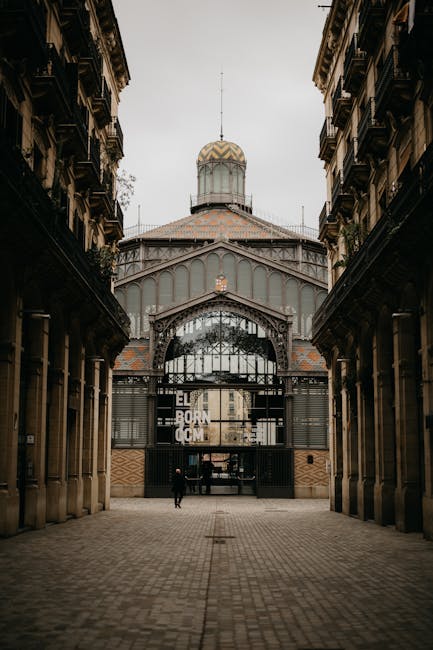
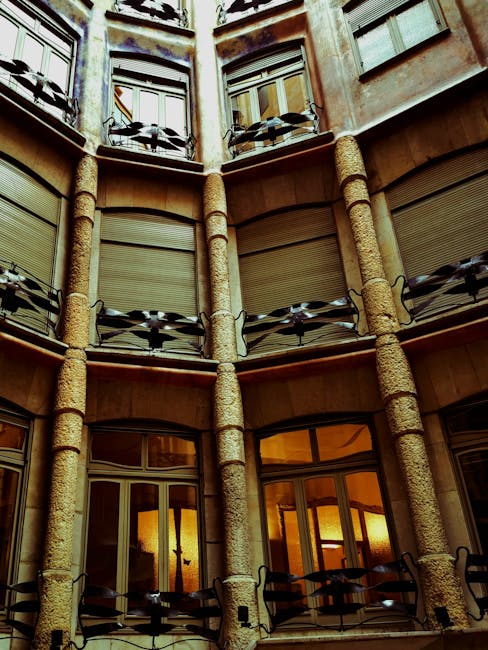
The Palau is in the Born Quarter, one of Barcelona’s prettiest neighbourhoods. Narrow medieval streets, boutique shops, and excellent restaurants. After the visit, walk around the quarter — there’s a beautiful covered market (Mercat del Born) with a glass floor showing archaeological remains, and the kids can run in the gardens behind Santa Maria del Mar church. The whole area is car-free and safe for children.The Palau is part of a broader Modernista movement in Barcelona. Walk around the Born Quarter or Eixample and you’ll see buildings from the same era everywhere — Modernista was the Catalan version of Art Nouveau. After the Palau, look up at every building you pass. The iron balconies, the stone flowers, the ornate windows — it’s Modernista everywhere. A visit to the Palau teaches children to see details they’d otherwise walk past.
Tour length: Self-guided: 30-45 minutes. Guided tour: 50 minutes. Family concerts: 45-60 minutes.
Age recommendations: The building tour works for all ages visually but is best appreciated by children aged 5 and up. Family concerts suit ages 3-10. Evening performances suit 10+.
Buggies: The building has a lift but spaces are tight. A carrier is easier for babies. The foyer and staircase are the most congested areas.
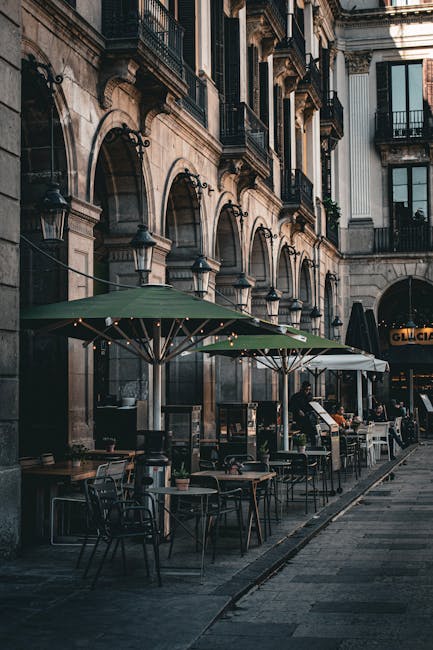
The Born Quarter around the Palau is packed with cafes and restaurants. After the tour, walk 3 minutes to Passeig del Born and find an outdoor terrace. Many are family-friendly with decent kids’ menus. The Born is more relaxed than the Gothic Quarter (just next door) and the prices are reasonable. We had our best Barcelona lunch here — patatas bravas, croquettes, and grilled fish for about 12 euros per person. Ordinary Catalan cooking at its best.
No food or drink inside. The cafe in the foyer sells drinks and pastries at reasonable prices. It overlooks the street and is a pleasant spot for a post-tour coffee while the kids have juice.
The Born Quarter is lovely in the evening. After a morning at the Palau, the neighbourhood comes alive with tapas bars and street musicians. It’s one of the most atmospheric parts of Barcelona for a family dinner — less touristy than La Rambla, more characterful than the Eixample. We always stay in this area when we visit Barcelona because everything is walkable and the kids love the medieval streets.
Photography: Allowed without flash during tours. The stained glass photographs beautifully in natural light — no filter needed. The kids will want to take photos too. Let them.
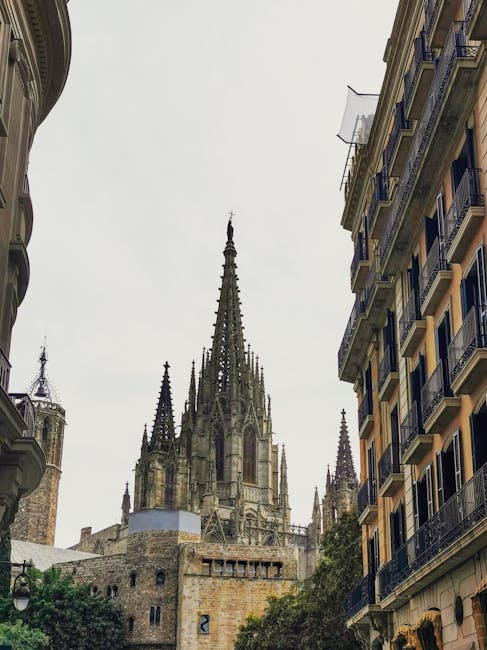
The walk from the Gothic Quarter to the Palau takes about 10 minutes through some of Barcelona’s loveliest streets. We walked from the cathedral through Placa de Sant Pere and arrived at the Palau without even trying — the Born Quarter is that compact. With kids who need to be bribed with destination promises, tell them there’s a chocolate shop on Carrer de la Princesa. There is. It works every time.
The Best Tickets for Families
1. Palau de la Musica Entry Ticket — $21
The self-guided visit is the flexible family option. Over 4,900 reviews. You explore at your own pace, which means you can leave the moment someone announces they need the loo or are “bored of looking up.” At $21 per adult, it’s cheaper than most Barcelona attractions. The building does most of the work — you just need to walk in and let the colours hit you.
Self-guided access to the concert hall with over 4,900 reviews. Move at your own pace through the foyer, staircase, and the famous concert hall. Our full review covers what you’ll see and the best time to visit for natural light. The flexible option for families with unpredictable children.
The guided tour turns a beautiful visit into a memorable one. Over 3,200 reviews. 50 minutes with a guide who reveals the hidden details — the flowers that bloom on the columns, the muses watching from the ceiling, the engineering behind the stained glass dome. For families with children aged 6+, this is the version that creates lasting memories.
A 50-minute guided tour with over 3,200 reviews. Access to areas the self-guided visit doesn’t cover, plus expert commentary on the symbolism and history. Our review explains what the guide adds. Best for families with school-age children who’ll engage with the stories behind the art.
The Barcelona Cathedral is a 5-minute walk from the Palau. If you’re combining the two, do the cathedral first (it’s free to enter during certain hours) and then walk to the Palau. The Gothic Quarter, Born Quarter, and the Palau are all within a 15-minute walking radius — you can see all three in a morning without breaking a sweat. Or a child.
The Palau is at Carrer Palau de la Musica 4-6, in the Born Quarter. Urquinaona Metro (L1, L4) is the closest station, about a 3-minute walk. Jaume I (L4) is also close, about 5 minutes.
From the Gothic Quarter, walk through Placa de Sant Pere. From La Rambla, head east through the old town — about 10 minutes on foot. The Born Quarter is pedestrianised and flat, so buggies are fine on the streets.
More Barcelona Family Guides
Barcelona’s Modernisme buildings are a treasure trail waiting to happen. The Palau is just one piece — combine it with Casa Batllo, La Pedrera, and Sagrada Familia and your kids will leave Barcelona genuinely understanding what makes this city architecturally unique. Not bad for a family holiday.
If the Palau ignited your family’s love of Barcelona’s architecture, the Gaudi trail awaits. Sagrada Familia with kids is the ultimate building experience — the tree-like columns inside echo the Palau’s organic decorations. Park Guell for families takes the mosaic artistry outdoors. And Casa Batllo with children tells the story of Saint George through architecture in a way that captures every age group. For a less structured day, the hop-on hop-off bus passes right through the Born Quarter on its Green Route.