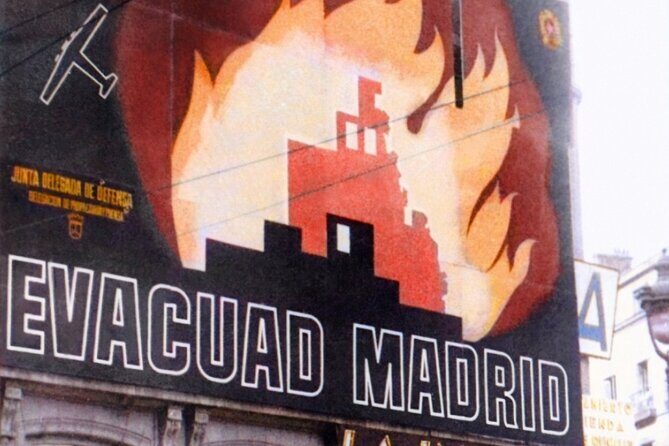
This walking tour through Madrid’s Spanish Civil War sites offers something rare: a chance to understand one of Europe’s most significant conflicts through the actual places where it unfolded. You’re not sitting in a museum; you’re standing where shells fell, where people sheltered, where history turned a corner toward fascism and dictatorship.
What makes this experience genuinely special is the caliber of the guides. These aren’t tour operators reading from scripts. Guides like Victor, Maikel, Adria, and Chato bring deep knowledge and real passion to their storytelling. They don’t just point out buildings; they explain the political complexity that led to the war, the human cost of the 900-day siege of Madrid, and how this conflict became a testing ground for World War II. Reviewers consistently praise how guides elevate the tour beyond dates and facts into something emotionally resonant and intellectually satisfying.
The second thing that stands out is the exceptional value. At roughly $3.62 per person for a group of up to 15, this might be the cheapest way to understand a crucial moment in European history. You get a local guide, exclusive materials including maps and images, and the guide’s ongoing availability for questions even after the tour ends. There’s no padding, no upselling—just straightforward education about a complex historical moment.
One consideration: this tour covers heavy subject matter. The Spanish Civil War involved aerial bombing of civilians, political purges, and the emergence of a dictatorship that lasted nearly 40 years. It’s not a cheerful stroll through Madrid’s prettier neighborhoods. If you’re looking for a lighter introduction to the city, this isn’t it. But if you want to truly understand Spain and how fascism took root in Europe, this tour fills an important gap.
- Walking Through a City Scarred by Conflict
- Madrid Under Siege: 900 Days That Changed Everything
- The Layers of War: Money, Propaganda, and Art
- The Medical Innovation Born From Desperation
- Confronting Fascism’s Monuments
- The Guides Make This Tour
- Practical Details That Matter
- Who Should Book This Tour
- The Value Equation
- Booking Logistics and Cancellation
- Should You Book This Tour
- FAQ
- What’s included in the tour price?
- How physically demanding is this walking tour?
- Can I cancel if my plans change?
- What time of year is best for this tour?
- Do I need Spanish language skills to enjoy this tour?
- How large are the groups on this tour?
- What happens if I want to learn more after the tour ends?
- The Best Of Madrid!
- More Tour Reviews in Madrid
Walking Through a City Scarred by Conflict
 1 / 6
1 / 6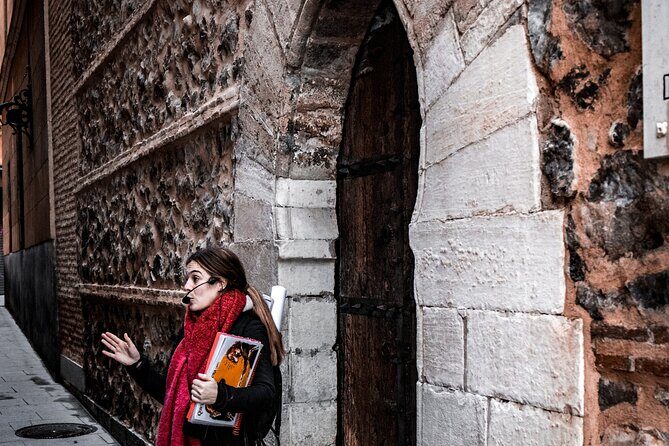 2 / 6
2 / 6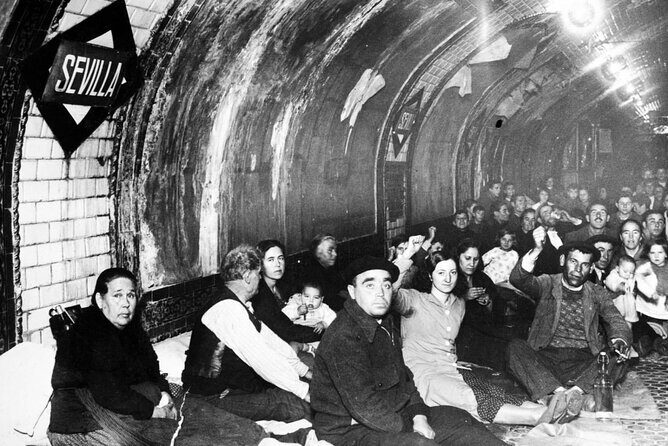 3 / 6
3 / 6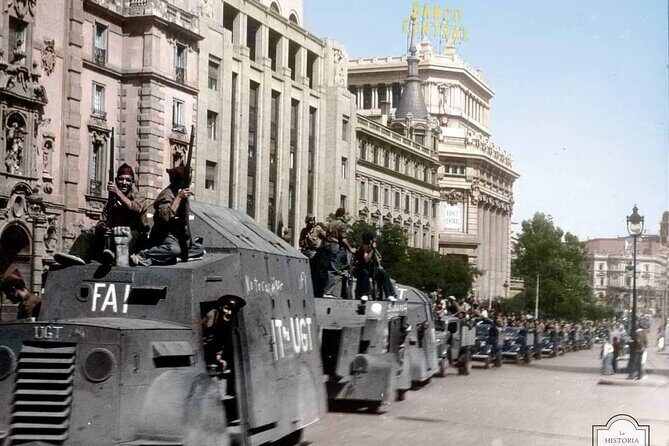 4 / 6
4 / 6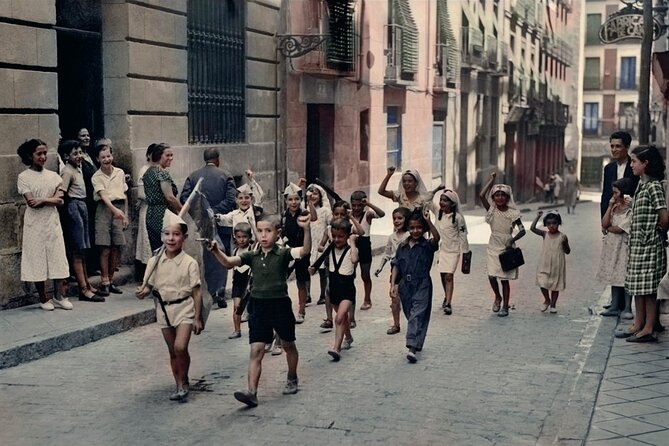 5 / 6
5 / 6 6 / 6
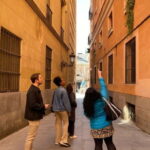
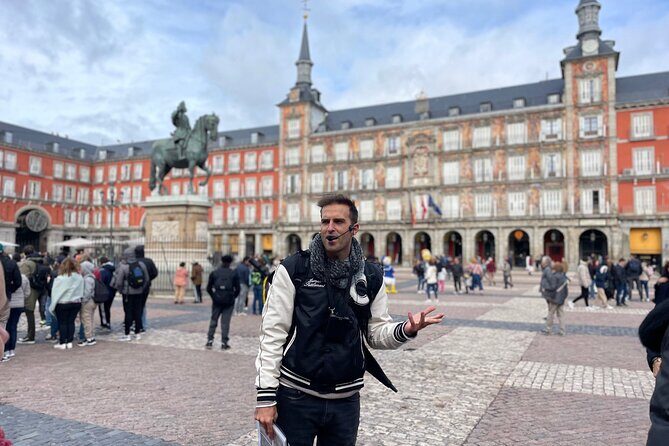
6 / 6The tour starts at Plaza del Callao, where you’ll immediately see buildings bearing the physical marks of bombardment. Your guide points out scars in the architecture—bullet holes, shrapnel damage, walls rebuilt after destruction. These aren’t museum pieces; they’re everyday buildings that Madrileños still use. Your guide explores what daily life looked like during the bombing campaign, including a fascinating detail about whether people even went to movies during wartime. It’s this human-scale storytelling that makes the history stick with you.
From there you move to Palacio del Senado, where the conversation shifts to the war’s origins. This is where guides untangle the political divisions that fractured Spain. You’ll learn how the conflict emerged, what groups were fighting, and why this particular war mattered so much to European powers watching from the sidelines. It’s genuinely complex territory—anarchists, socialists, fascists, and monarchists all played roles—but guides handle it with clarity.

👉 See our pick of the 15 Best Wine Tours In Madrid
Madrid Under Siege: 900 Days That Changed Everything
Plaza de España serves as the focal point for understanding Madrid’s brutal siege. For 900 days, the city was surrounded and under constant bombardment. Your guide walks you through what that meant: starvation, constant danger, psychological exhaustion. The plaza itself carries the weight of this history, and guides use it as a jumping-off point to discuss Francisco Franco and the military strategy that eventually defeated the Republican side. You’ll also hear period sayings and snippets of how people coped psychologically during such sustained trauma.
You can also read our reviews of more tours and experiences in Madrid.

The Layers of War: Money, Propaganda, and Art
The tour moves to Templo de Debod, an ancient Egyptian temple that seems oddly placed in Madrid but serves as a powerful backdrop for discussing the war’s financing. Who paid for the conflict? How did propaganda work on both sides? These are the questions your guide tackles while standing in front of a sculpture dedicated to those who fell. It’s a contemplative moment in the tour where you step back from specific battles and think about the machinery of war itself.
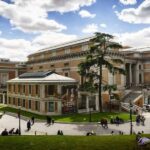
Then comes perhaps the most artistically significant stop: Paseo del Pintor Rosales. This is where guides connect Picasso’s Guernica to the actual bombing of civilians it depicts. You’re not seeing the painting here—that’s in the Prado Museum—but you’re standing in the neighborhood where the artist drew inspiration, discussing how art became a weapon against fascist narratives. Your guide also touches on the Prado Museum’s own experience during the war, how artworks were protected and moved to safety. There’s a mention of a brief Christmas truce, a moment of humanity during sustained brutality.
The Medical Innovation Born From Desperation
Cuartel General del Ejercito del Aire brings another unexpected angle: the first remote blood transfusion happened during this war. It’s a reminder that amid the destruction, people were innovating ways to save lives. Your guide discusses music as propaganda, the role of cultural narratives in warfare, and how the war’s end directly led into World War II and Franco’s dictatorship. It’s a sobering connection that helps you understand why this Spanish conflict matters to European history broadly.
Confronting Fascism’s Monuments
The tour concludes at Victory Arch (Arco de la Victoria), a monument built by Franco’s regime to celebrate the fascist victory. This is where the tour becomes genuinely thought-provoking. Your guide discusses the ongoing tension around such monuments: should they be destroyed as relics of fascism, or preserved as reminders of what happened? It’s a question Spain is still wrestling with, and it frames the entire tour’s themes about memory, history, and how societies reckon with difficult pasts.
The Guides Make This Tour
Reading through reviews, one thing emerges consistently: the guides are exceptional. Victor is described as wonderfully knowledgeable and fun. Maikel helps travelers understand not just what happened but the ideological complexity behind it. Adria brings authenticity and sensitivity, creating what reviewers call a special mood. Chato is so generous with his knowledge that he regularly goes well beyond the 2.5-hour timeframe to share more. This isn’t a tour where the guide is an afterthought; the guide is the tour.
The guides also provide personalized recommendations for what else to do in Madrid and remain available for questions after the tour ends. That ongoing access to local expertise is genuinely valuable if you’re trying to understand Spain’s modern relationship with its Civil War history.

Practical Details That Matter
The tour runs for approximately 2.5 hours and covers significant ground across Madrid’s central neighborhoods. You’ll get a mobile ticket sent to your email, and the tour is offered in English. The group size maxes out at 30 people, which keeps things intimate enough for real conversation with your guide.
Meeting starts at C. del Postigo de San Martín, 26 in the Centro district and ends at Arco de Moncloa near Metro Moncloa. That’s a linear route through the city, which means you’re not backtracking. The tour averages 16 days advance booking, so it’s popular but typically not sold out weeks in advance.
No entry fees are required at any of the stops. You’re viewing exteriors and public spaces, which keeps costs down and makes the experience accessible. The price of roughly $3.62 per person (for a group of 15) genuinely ranks among the most affordable ways to get expert historical guidance in Europe.
Who Should Book This Tour
This tour works best if you’re interested in 20th-century European history, particularly how fascism took root and spread. It’s ideal if you want to understand Spain beyond beaches and flamenco—to grasp the political tensions that still shape Spanish society. It’s also perfect if you prefer walking tours over museum visits; you’re seeing actual places rather than artifacts behind glass.
You should also book this if you have even basic Spanish language skills or curiosity. Guides often mention Spanish words and phrases from the period, and understanding them enriches the experience. It’s not required, but it adds another layer.
This tour is not ideal if you’re traveling with very young children or if you prefer lighter historical topics. The subject matter is serious and sometimes heavy. It’s also not a tour to take if you’re exhausted or pressed for time; you’ll want mental energy to engage with what your guide is sharing.
The Value Equation
At under $4 per person, you’re getting expert historical guidance, exclusive materials, and ongoing access to a knowledgeable local. Compare that to typical museum entry fees (often $15-20) or group tour pricing elsewhere in Europe, and the value is striking. You’re not paying for fancy buses or tourist infrastructure; you’re paying for knowledge and access.
The fact that guides regularly exceed the stated timeframe to share more information suggests they’re genuinely invested in your understanding, not just hitting time targets. That’s the kind of guide behavior that reflects real passion for the subject matter rather than a job.
Booking Logistics and Cancellation
Cancellation is free up to 24 hours before the tour, which removes most booking risk. You get confirmation immediately upon booking. The tour is accessible via public transportation and welcomes service animals. It’s positioned as suitable for most travelers, though the walking component and emotional weight of the subject matter are worth considering.
Should You Book This Tour
Yes, if you want to understand Spain and modern European history. The combination of guides, exceptional value, and genuine emotional weight makes this tour worth prioritizing in your Madrid itinerary. This isn’t a check-the-box tourist experience; it’s an education that changes how you think about fascism, war, and how societies remember difficult pasts.
The perfect time to book is when you’re planning a Madrid trip and know you’ll have 2.5 hours for a walking tour. Book at least a few days in advance to secure a spot, though it’s rarely fully booked that far ahead. Come with an open mind about complex history, comfortable walking shoes, and readiness to engage with one of Europe’s most pivotal conflicts.
Spanish Civil War start of 2 World War, Guernica Franco
FAQ
What’s included in the tour price?
Your tour includes a knowledgeable local guide, exclusive materials like maps and images plus audio and video content, and ongoing access to your guide for questions even after the tour ends. You also get personalized recommendations for other Madrid activities. Entry fees to any sites aren’t needed since you’re viewing exteriors and public spaces.
How physically demanding is this walking tour?
The tour covers significant ground across Madrid’s central neighborhoods over 2.5 hours, so you’ll be on your feet the entire time. There’s no information about particularly steep hills or stairs, but comfortable walking shoes are essential. Most travelers are described as able to participate, but if you have mobility concerns, it’s worth checking with the tour operator about specific route details.
Can I cancel if my plans change?
You can cancel free of charge up to 24 hours before the tour starts and receive a full refund. If you cancel less than 24 hours before, you lose your payment. Changes made within 24 hours of start time aren’t accepted, so plan ahead if something shifts.
What time of year is best for this tour?
The tour operates year-round since you’re mostly outdoors walking through neighborhoods. Spring and fall typically offer the most comfortable weather for walking in Madrid. Winter can be cold and rainy, while summer heat can make a 2.5-hour walking tour tiring. There’s no specific information about seasonal variations in tour quality or availability.
Do I need Spanish language skills to enjoy this tour?
No, the tour is offered in English and guides work with English-speaking groups. However, guides occasionally reference Spanish words and phrases from the Civil War period, which can add richness to the experience if you understand them. It’s not required but might enhance your engagement.
How large are the groups on this tour?
Groups max out at 30 people, which keeps things manageable enough for real conversation with your guide. The tour is booked on average 16 days in advance, so you’re not typically squeezed into massive crowds. Smaller groups feel more intimate and allow better interaction with your guide.
What happens if I want to learn more after the tour ends?
Guides provide their contact information and remain available for questions and follow-up conversations after the tour concludes. This ongoing access means you can ask clarifying questions about topics that interested you or get recommendations on related sites and museums to visit independently.