Milan can feel overwhelming when you’re trying to see its most famous attractions. The Duomo draws massive crowds, and getting tickets to Leonardo da Vinci’s Last Supper requires advance planning months ahead. This tour solves both problems while adding the bonus of exploring neighborhoods and churches you’d likely miss on your own. We found this experience genuinely valuable for visitors who want to maximize their time without the typical tourist hassles.
What makes this tour particularly appealing is the combination of skip-the-line access to two of Italy’s most important sites paired with small-group exploration of Milan’s lesser-known architectural gems. You’re not just hitting the major checkboxes—you’re getting a real sense of how the city developed over centuries, told by guides who clearly care about sharing their knowledge. The main consideration is that this involves substantial walking (one reviewer mentioned over 11 kilometers), so you’ll need comfortable shoes and reasonable fitness.
This experience works best for first-time visitors to Milan who want to see the absolute highlights without spending days researching logistics, couples looking for a meaningful cultural experience, and anyone who values expert guidance over wandering aimlessly through a crowded city.
- What You’re Actually Getting Here
- Breaking Down the Itinerary: Where You’ll Actually Go
- The Guide Factor: Why This Matters More Than You’d Think
- Practical Logistics That Actually Matter
- What’s Not Included (And Why That Matters)
- The Walking Reality Check
- What the Numbers Actually Tell Us
- Who Should Book This Tour (And Who Might Want to Skip It)
- FAQ
- Final Verdict
- The Best Of Milan!
- More Tour Reviews in Milan
What You’re Actually Getting Here
 1 / 6
1 / 6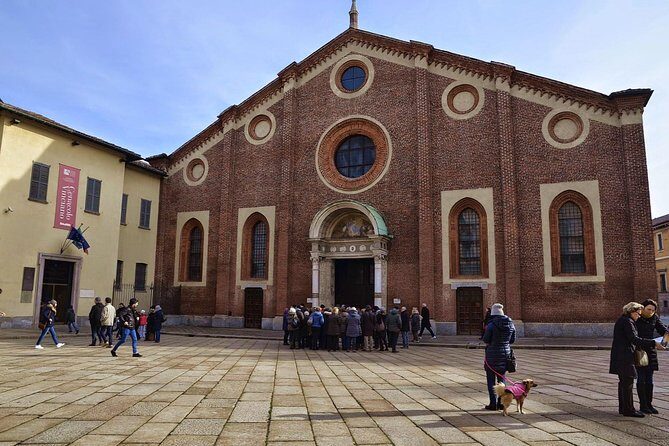 2 / 6
2 / 6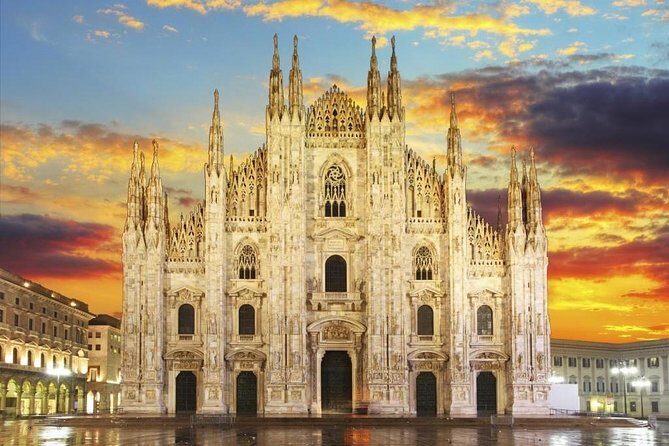 3 / 6
3 / 6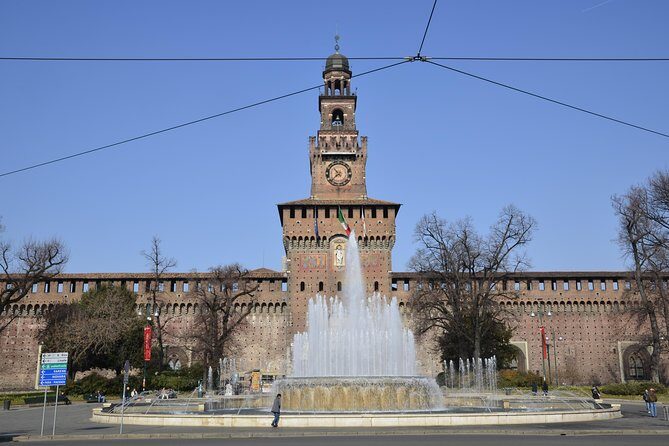 4 / 6
4 / 6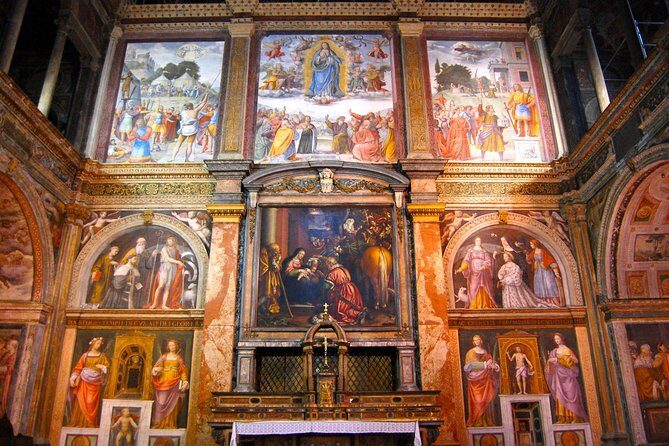 5 / 6
5 / 6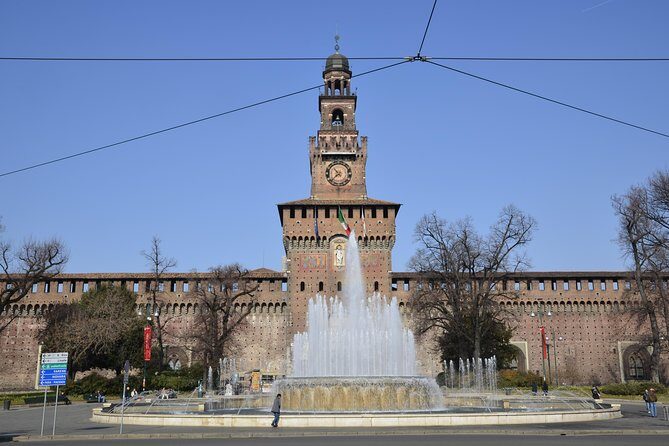 6 / 6
6 / 6At $114.28 per person, you’re looking at a moderately priced tour for a European city center experience. What distinguishes the value proposition is what’s included: direct-access tickets to both the Duomo and Leonardo’s Last Supper, which would cost you money and considerable time to arrange separately. These aren’t small perks. The Last Supper tickets alone are notoriously difficult to secure—they sell out months in advance through the official website. A guide who’s already secured these tickets and shepherded countless visitors through the process removes genuine friction from your day.
The tour runs for approximately 6 hours with a built-in lunch break, meaning you’re getting roughly 5 hours of active exploration. You’ll meet at Piazzale Luigi Cadorna at 9:30 AM and end at a different location (the operator will specify where based on the day’s routing). The small-group format is capped at 20 travelers maximum, which feels genuinely small compared to the massive tour groups that swallow up Milan’s attractions.
👉 See our pick of the Our Picks For The 15 Best Shopping & Market Tours In Milan
Breaking Down the Itinerary: Where You’ll Actually Go
The Last Supper and Santa Maria delle Grazie
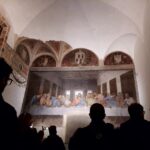
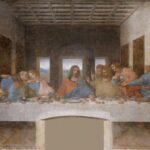
Your tour culminates with 30 minutes viewing Leonardo’s Last Supper at the Chiesa di Santa Maria delle Grazie. This is the centerpiece, the moment that justifies booking a tour for many visitors. One traveler described it perfectly: “Upon seeing it, it felt surreal to be in front of one of the best known artwork ever.” You’re not just seeing a reproduction or reading about it in a guidebook—you’re standing before a painting that’s literally changed how Western art developed.
Your guide will provide context about the restoration work, which is fascinating if you’re interested in how art conservators approach a 500-year-old fresco. The painting’s condition has improved dramatically since its restoration was completed in 1999, and understanding what went into preserving it adds another layer to the experience. This isn’t a quick photo-op situation; you’ll have actual time to absorb what you’re looking at.
The Duomo di Milano
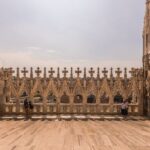
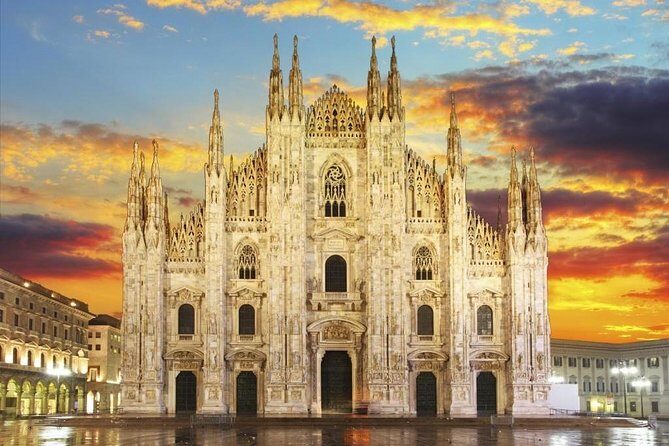
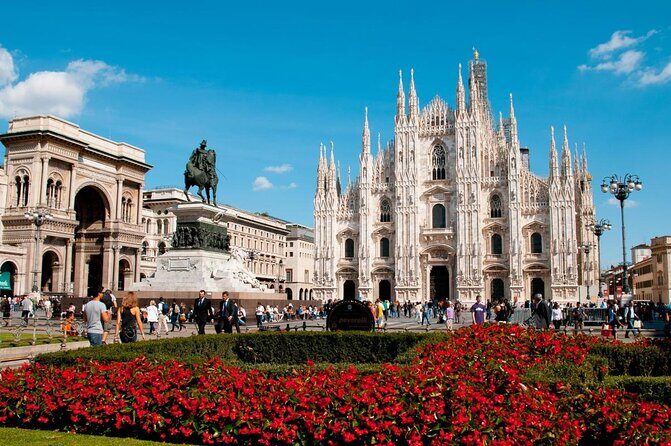
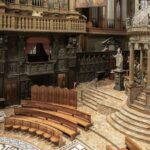
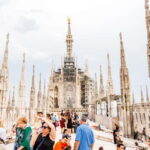
You’ll spend about an hour at the Gothic cathedral that dominates Milan’s skyline. This is where the skip-the-line ticket really pays dividends. The Duomo is the fifth-largest church in the world and took nearly six centuries to complete—it’s genuinely massive and genuinely crowded. Without your advance ticket, you could easily waste 45 minutes standing in line just to get inside.
Your guide will walk you through the interior, explaining the architectural details and historical significance that make this building important beyond just its size. One reviewer noted: “Visited the interior of the Duomo with lots of information about it past and present.” These details matter because they transform what could be a “wow, that’s big” moment into actual understanding of why this building matters to Milan’s identity and European architecture more broadly.
San Maurizio al Monastero Maggiore and Santa Maria presso San Satiro
These are the hidden gems that separate this tour from a basic “hit the highlights” experience. San Maurizio is a 16th-century church that most travelers never find, yet it contains artworks that would be centerpieces in lesser-known cities. You’ll skip the line here too, which might not seem necessary until you arrive and realize how many visitors do know about it.
Santa Maria presso San Satiro is particularly interesting because it contains Bramante’s famous optical illusion—a trompe-l’oeil choir that appears to recede into the wall but is actually completely flat. Seeing this in person and having your guide explain how Bramante created the illusion is one of those moments where you understand why people study architecture. Multiple reviewers mentioned discovering “hidden gems from the locals that you would not see” on their own, and these churches are exactly what they meant.
Castello Sforzesco, Sempione Park, and the Galleria
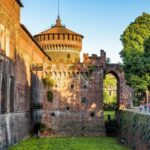
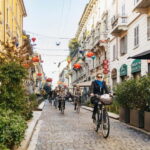
You’ll walk past or through several other major attractions depending on your guide’s routing. The Castello Sforzesco is a 15th-century fortress that’s architecturally stunning from the outside. Sempione Park provides a moment to catch your breath and see how Milanese people actually use their city (not just travelers photographing landmarks). The Galleria Vittorio Emanuele II, described in the tour notes as “one of the world’s largest shopping malls,” is more accurately one of the world’s most beautiful shopping arcades—a 19th-century covered gallery that’s genuinely worth seeing even if you’re not buying anything.
You can also read our reviews of more tours and experiences in Milan.


The Guide Factor: Why This Matters More Than You’d Think
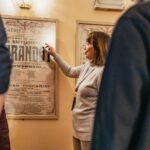
Reading through the reviews, one element stands out above everything else: the quality and enthusiasm of the guides. This tour has attracted consistently knowledgeable people who actually seem to enjoy what they do. One visitor wrote: “Kiara, our guide, gets 10 stars out of 5! She was extremely knowledgeable, humorous, and vivacious—an exceptional guide. She added ‘flare’ to the tour.” Another noted their guide was “almost everyone in a big city like Milan knew her and adored her.”
This isn’t coincidental. Tours that consistently get 4.7-star ratings across 1,500+ reviews have figured out how to hire people who genuinely care about the work. Your guide will have headsets for the group, which means you’re not straining to hear over traffic noise while standing in a plaza. They’ll answer questions, offer restaurant recommendations (multiple reviewers mentioned getting excellent lunch suggestions), and adjust pacing based on how the group is doing.
One reviewer who initially wasn’t sure about the tour said: “I did this tour as my husband was keen to do it as this is not normally my thing but I have to say I thoroughly enjoyed it and seeing Leonardo Da Vinci’s last supper is a must.” That’s the hallmark of a guide who can make the experience engaging regardless of your starting level of interest.
Practical Logistics That Actually Matter
Dress Code and What to Bring
You’ll need to cover your shoulders and knees—this is enforced at the churches on this tour. Wear layers if you’re visiting in winter; one reviewer specifically noted that “majority of this tour is outdoor.” Comfortable walking shoes aren’t optional; they’re essential. You’re covering substantial ground on foot, and Milan’s streets have plenty of cobblestones and uneven pavement.
Bring your full name and last name exactly as it appears in your identification for the Last Supper tickets. This is a security requirement, not a suggestion. You cannot bring food, liquids, knives, or anything that could be used as a weapon into the Duomo—this is worth knowing so you don’t pack something you’ll have to discard.
Timing and Lunch
The tour starts at 9:30 AM and runs for about 6 hours with roughly 1 hour dedicated to lunch. You’ll have time to eat and aren’t rushed through a meal. Multiple reviewers mentioned that guides provided restaurant recommendations and that lunch was “fantastic.” This is a nice touch because it means you’re not eating whatever the tour operator negotiated as a “partner restaurant”—you’re getting actual local recommendations.
Booking Considerations
This tour books an average of 92 days in advance, which suggests you should plan ahead but not panic if you’re booking closer to your travel date. The cancellation policy is straightforward: free cancellation up to 24 hours before the tour. The experience requires a minimum number of travelers, so if it’s canceled due to low enrollment, you’ll be offered an alternative date or a full refund.
What’s Not Included (And Why That Matters)
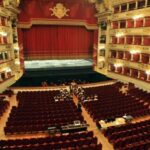
Food and drinks are not included except for the tour itself. This is actually fine because your guide will recommend lunch spots, and you’ll have an hour to eat somewhere of your choosing rather than at a predetermined restaurant. The tour does not include La Scala Theatre, which a few reviewers mentioned as a potential addition. If seeing the famous opera house interior is important to you, you’d need to book a separate ticket (though you’ll see it on the tour).
The Duomo visit includes the interior but not the terraces or rooftop, which some visitors might want to add separately for additional views of the city. These are minor limitations and don’t significantly detract from the experience, but they’re worth knowing about if you have specific interests.
The Walking Reality Check
This tour involves genuine walking—we’re talking 5+ kilometers at minimum, possibly more depending on your guide’s specific routing and how many photo stops you take. One honest reviewer noted they covered “more than 11 km of walking” and added that “justice to Milan central can only done on foot.” If you have mobility limitations, this might be challenging. The tour requires “moderate physical fitness level” according to the operator, which seems accurate.
However, multiple reviewers who were concerned about walking reported having positive experiences. One mentioned that their guide “took care of seniors in our group,” suggesting the guides are attentive to pacing and will work with people who need to move more slowly. This is the kind of detail that separates a good tour from a mediocre one.
What the Numbers Actually Tell Us
With 1,516 reviews and a 4.7-star rating, this tour has substantial feedback across a wide variety of travelers. Breaking down the reviews: 1,278 five-star reviews, 130 four-star reviews, 49 three-star reviews, 19 two-star reviews, and 40 one-star reviews. That’s roughly 84% five-star ratings, which is genuinely strong for a group tour experience. The four-star reviews typically mention minor routing inefficiencies or wished they’d included additional stops. The lower ratings are outliers, and reading between the lines, they often involve unmet expectations about what’s included rather than problems with the tour itself.
The 93% recommendation rate from travelers suggests this tour delivers what people are looking for. That’s a meaningful endorsement from actual visitors rather than marketing language.
Who Should Book This Tour (And Who Might Want to Skip It)
This tour makes sense if you’re visiting Milan for the first time and want to see the major attractions without logistics headaches. It’s excellent value if you were planning to visit the Duomo and Last Supper anyway—you’re essentially paying for the convenience of skip-the-line access and expert guidance combined.
It’s less necessary if you’re staying in Milan for several days and have time to explore at your own pace, or if you’re already experienced with Italian cities and want to discover neighborhoods off the typical tourist route. If you’re traveling with young children, the 6-hour duration and amount of walking might be challenging.
For couples, solo travelers, and small groups of friends who want a structured introduction to the city, this hits the sweet spot between independent travel and overly regimented tourism.
FAQ
How far in advance do I need to book this tour?
While the tour books an average of 92 days in advance, you don’t necessarily need to wait that long. Availability depends on the specific date you want to visit. We’d recommend booking at least 2-3 weeks ahead to ensure your preferred date is available and to allow time for the operator to process your Last Supper tickets, which require your full name exactly as it appears in your ID.
What’s the actual difference between this tour and booking the Last Supper and Duomo separately?
The main difference is convenience and guaranteed access. Booking Last Supper tickets independently through the official website often requires booking months in advance, and they frequently sell out. This tour handles that for you. You’re also getting a guided experience rather than self-guided visits, which provides historical and architectural context that enhances what you’re seeing. At $114.28, you’re paying roughly the price of individual tickets plus a guide’s time, making it competitively priced.
Is this tour suitable if I’m not particularly interested in art history?
Yes. Multiple reviewers mentioned they weren’t initially enthusiastic about touring churches and art but found themselves genuinely engaged. The guides are skilled at making the information accessible and interesting rather than academic. One visitor noted: “I did this tour as my husband was keen to do it as this is not normally my thing but I have to say I thoroughly enjoyed it.”
How much walking is involved, and can I do this tour with mobility limitations?
You’ll walk 5-11+ kilometers depending on the specific routing and your pace. The tour requires moderate physical fitness, and there will be uneven cobblestone streets and stairs. However, guides appear to be accommodating—one review mentioned the guide “took care of seniors in our group.” If you have significant mobility concerns, contact the operator (Veditalia) before booking to discuss whether they can modify the experience.
What if I’m not interested in seeing La Scala Theatre—does that affect the tour?
La Scala (the famous opera house) is not included in the tour, though you’ll pass by it. This isn’t a significant limitation because La Scala requires separate tickets and a dedicated visit to appreciate the interior. You’ll see the building during the walking portion, which is worthwhile even without going inside.
Can I eat lunch at a restaurant of my choice, or is it pre-arranged?
You choose where to eat during the 1-hour lunch break. Your guide will offer recommendations based on local knowledge, which reviewers consistently praised. This gives you flexibility to eat what you actually want rather than being locked into a predetermined restaurant.
What should I wear, and are there any restrictions I should know about?
Wear comfortable walking shoes and layers (especially in winter). You must cover your shoulders and knees at all the churches on this tour—no shorts or sleeveless tops for either men or women. Comfortable, casual clothing is fine as long as it meets the dress code. You cannot bring food, drinks, or weapons into the Duomo, so plan accordingly.
Best of Milan Experience Including Da Vinci’s The Last Supper and Milan Duomo
Final Verdict
This tour delivers genuine value for visitors who want to see Milan’s most important sites without wasting time on logistics or standing in massive queues. The combination of skip-the-line access to both the Duomo and Last Supper, paired with expert guidance through hidden architectural gems, creates an experience that’s worth the price. The guides consistently receive praise for being knowledgeable, enthusiastic, and genuinely invested in making sure visitors have a good day. With a 4.7-star rating across 1,500+ reviews, this tour has proven it can satisfy a wide range of travelers.
The main trade-off is the physical demand—you’re walking substantial distances through a city center, so you need reasonable fitness and comfortable shoes. If you’re in Milan for more than a day and have the flexibility to explore at your own pace, you might skip this and do things independently. But if you’re maximizing a short visit or want expert context for what you’re seeing, this is exactly the kind of tour that makes sense. Book it, wear the right shoes, bring your ID, and prepare to actually understand why Milan’s architecture and art matter.