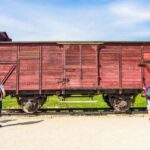
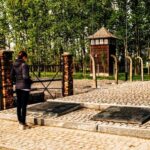
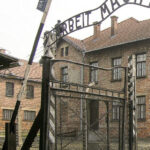
When you’re planning a trip to Krakow, visiting Auschwitz-Birkenau isn’t just another checkbox on a sightseeing list. This UNESCO World Heritage Site demands respect, careful planning, and thoughtful guidance—and this shared tour from Legendary Krakow handles all three remarkably well. We’ve found that this 7-to-8-hour experience successfully balances the emotional weight of the subject matter with practical logistics, offering solid value at $87.07 per person.
What stands out most about this tour is the inclusion of both round-trip transportation and a licensed English-speaking guide who walks you through both camps. You won’t need to figure out trains, trams, or navigation—the company handles the logistics so you can focus on the experience itself. There’s also the thoughtful pacing that many guides employ, respecting the gravity of what you’re witnessing while still providing meaningful context.
That said, the reviews reveal a real inconsistency with pickup times. Some travelers have experienced significant delays or last-minute schedule changes, which can be frustrating when you’ve planned your day carefully. The tour company does contact you the evening before with final details, but this doesn’t always prevent mix-ups.
This tour works best for history-minded travelers who want professional guidance through one of the world’s most important historical sites. You should be prepared for considerable walking, emotional intensity, and a long day. If you’re looking for a rushed, check-it-off-the-list experience, you’d be better served exploring on your own or booking a different provider.
- What Makes This Tour Worth Your Time
- The Itinerary: What You’ll Actually Experience
- The Meeting Point and Journey
- Auschwitz I: The Original Camp
- The Break and Journey to Birkenau
- Auschwitz II-Birkenau: The Killing Center
- Transportation and Logistics: The Practical Side
- Getting Around
- Timing Considerations: Where Issues Arise
- Physical Demands
- The Guides: The Heart of the Experience
- What’s Included and What Isn’t
- What You Get
- What You Need to Bring or Arrange
- Value for Money: Is .07 Worth It?
- Practical Information for Booking
- What to Know Before You Book
- Booking Recommendations
- What to Pack
- Frequently Asked Questions
- A Final Word: Is This Tour Right for You?
- More Guided Tours in Krakow
- More Tours in Krakow
- More Tour Reviews in Krakow
What Makes This Tour Worth Your Time
 1 / 5
1 / 5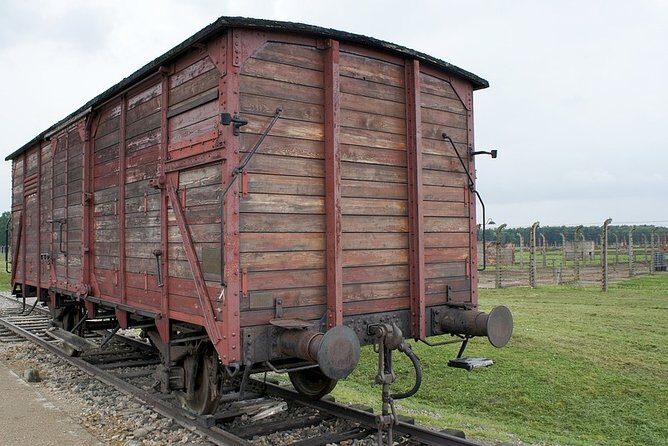 2 / 5
2 / 5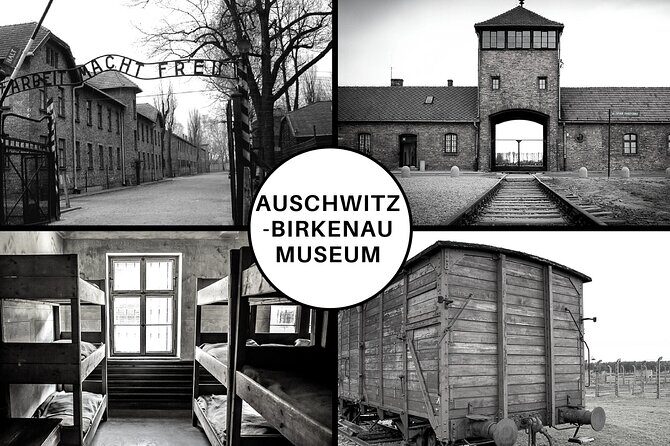 3 / 5
3 / 5 4 / 5
4 / 5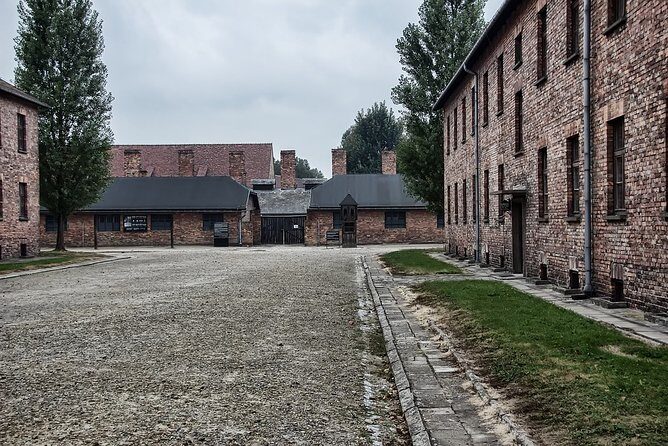 5 / 5
5 / 5Visiting Auschwitz-Birkenau independently is technically possible—you can take a train from Krakow and walk around with a guidebook. But there’s real value in what this tour provides. A guide contextualizes what you’re seeing, answers questions that guidebooks can’t, and helps you understand not just what happened, but why it matters today.
The tour includes entrance tickets to both Auschwitz I and Auschwitz II-Birkenau, saving you the hassle of purchasing them separately (and they do sell out). One traveler noted that when their pickup failed, “there were no tickets available for another three days,” which illustrates just how important it is to have your admission sorted beforehand.
The transportation component is genuinely convenient. Rather than navigating Polish train schedules or renting a car, you’re picked up from your hotel or a central meeting point near the Old Town, driven to the camps, guided through both sites, and returned to Krakow. This is particularly valuable since the camps are about 50 kilometers from the city—roughly an hour’s drive each way.
The Itinerary: What You’ll Actually Experience
You can also read our reviews of more guided tours in Krakow

The Meeting Point and Journey
Your day begins with pickup from either your hotel or a meeting point near Krakow’s Old Town, depending on which option you’ve selected. The company contacts you the evening before with your exact pickup time—this is crucial information, as departure times can vary based on when the museum schedules your entry.
During the drive to Auschwitz, your driver often provides context for what you’re about to see. One particularly thorough review mentioned that the driver “played us a 45-minute video about the history that was very helpful as when we reached the video touched on so many things we then saw.” This preparation genuinely enhances your understanding once you arrive.
The drive itself takes roughly 50 minutes to an hour through the Polish countryside. You’ll notice the landscape gradually changes as you approach Oświęcim, the town where the camps are located. The journey itself becomes part of the experience—a transition time to mentally prepare for what lies ahead.
Auschwitz I: The Original Camp
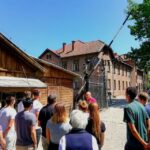
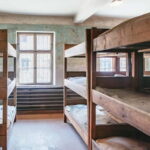
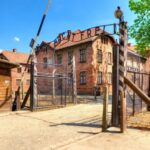
Your guide meets you at the entrance to Auschwitz I, the original camp established in 1940. You’ll spend approximately two hours here, walking through the preserved grounds and entering the prisoner blocks themselves. This isn’t a sterile museum experience; you’re walking through actual barracks where thousands of people were imprisoned.
The guide will take you to see the crematorium, the punishment cells, and the extensive photo documentation and material evidence collected by the museum. One reviewer praised their guide Mark for being “very knowledgeable and sympathetic when taking us through the history,” which speaks to the caliber of interpretation you receive.
What strikes most visitors is the scale of the place combined with its intimacy. You’re not looking at distant historical artifacts; you’re standing in the actual spaces where people lived and died. The buildings are preserved in their original state, which makes the experience visceral in a way that no photograph can convey.
The Break and Journey to Birkenau
After roughly two hours at Auschwitz I, you’ll have a 15-minute break. This is your opportunity to use facilities, grab a snack, or simply sit with what you’ve just experienced. The camps have vending machines, though one reviewer recommended bringing your own food since “the food in the restaurant is not the best.”
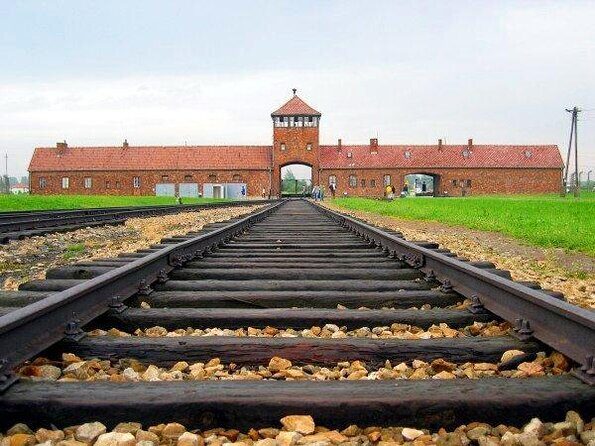
Your driver then transports you to the parking area for Auschwitz II-Birkenau, which is located about three kilometers away. From the parking area, there’s a walk to the famous Birkenau Gate where you’ll meet your guide for the second part of the tour.
Auschwitz II-Birkenau: The Killing Center
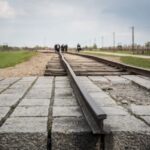
Birkenau is considerably larger than Auschwitz I, and the landscape itself is part of the experience. The vast open fields lined with barbed wire, the rows of barracks foundations, and the train tracks leading into the camp create a different emotional impact than the more compact original camp. You’ll spend approximately 1 hour and 15 minutes here.
Several reviewers noted that Birkenau felt more impactful than Auschwitz I. One traveler wrote, “Birkenau was better than Auschwitz as the latter was a very sanitised version of the situation.” The openness and scale of Birkenau, combined with its role as the killing center, creates a particularly sobering experience.
Your guide will explain the layout of the camp, the purpose of different sections, and the historical events that occurred there. The walk is substantial—one reviewer mentioned “a long, long walk from the garage where we parked,” so comfortable shoes are essential. The museum doesn’t provide details about specific distances, but “be prepared for lots of walking” is advice that appears frequently in reviews.
You can also read our reviews of more tours and experiences in Krakow


Transportation and Logistics: The Practical Side
Getting Around
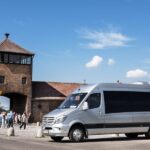
The tour includes round-trip air-conditioned transportation in a minibus. Group sizes max out at 30 travelers, which is reasonable for maintaining a sense of intimacy without feeling completely isolated. The vehicles are comfortable for the journey, though one reviewer noted the minibus felt “cramped,” which is worth noting if you’re traveling with a large family or have mobility concerns.
Your return to Krakow concludes with drop-off near the Market Square in the Old Town, or to a specific address of your choosing within the allowed range (excluding pedestrian-only and traffic-restricted areas). If you’ve booked hotel pickup, you can arrange return drop-off at your accommodation as well.
Timing Considerations: Where Issues Arise
Here’s where we need to be honest: the reviews reveal a significant weakness. While many travelers report smooth, on-time pickups, others experienced substantial delays or last-minute time changes. One reviewer booked an 8 AM tour and wasn’t picked up until 2:30 PM. Another had their departure time moved from 9 AM to 7 AM with less than 24 hours’ notice.
The company’s explanation is that the museum ultimately controls visiting times, and these are confirmed only the evening before your tour. This is genuinely outside the tour operator’s control—the museum schedules entry slots, and the company works around them. However, the tour listing could be clearer about this uncertainty upfront.
To protect yourself: confirm the previous evening that you understand the pickup time, set multiple alarms, and plan your morning accordingly. Don’t book this tour if you have a flight departing the same afternoon or other time-sensitive commitments. The company does refund quickly if something goes wrong, but that’s cold comfort if you’ve missed the experience entirely.
Physical Demands
Both camps involve significant walking on uneven terrain. One reviewer with mobility challenges noted that “it was difficult to keep up with the group” but that the guide “was extremely accommodating and did everything he could.” If you have mobility limitations, contact the tour operator in advance to discuss what to expect.
The weather matters too. The camps are outdoors, so you’ll be exposed to sun, cold, or rain depending on the season. Dress appropriately and bring sunscreen, a hat, and a jacket. The dress code expectation is modest—this is a memorial site, not a casual tourist attraction.
The Guides: The Heart of the Experience
The quality of your experience largely depends on your guide, and the reviews show this varies. Most guides receive glowing praise. One traveler described their guide Marek as delivering “calm delivery of such impactful history” that words “will not be forgotten.” Another praised their guide Anne for making “everything perfectly organized from pickup to drop off” and calling it “such a powerful experience.”
Several reviews mention guides by name—Mark, Malek, Margaret, Mike—and the consistent theme is that the best guides combine deep historical knowledge with emotional sensitivity and respect for the gravity of the subject matter. One guide was noted for speaking “with so much respect and kept us moving at a brilliant pace giving us a chance to take all areas in on our own before the other tours joined behind us.”
There’s one caveat: language can occasionally be an issue. One reviewer noted their guide “spoke good English but sometimes it was really tough to understand (even native English speakers had the same issue).” Another mentioned their guide “had a bit of a cold I think, and that was coming across the headset.” These are exceptions, but worth noting.
What’s Included and What Isn’t
What You Get
- Professional English-speaking drivers and tour guides
- Round-trip transportation from Krakow
- Entrance fees to both Auschwitz I and Auschwitz II-Birkenau
- Guided tours of both camps
- Hotel pickup or convenient meeting point
- Air-conditioned minibus
- Maximum group size of 30 people
What You Need to Bring or Arrange
Food and drinks are not included. This is more significant than it might initially sound. The camps don’t have a robust food service—one reviewer mentioned seeing only “2 vending machines to get a drink from if you are lucky,” and another noted that “with the amount of visitors you will be lucky to get near one.” Multiple reviewers recommended bringing packed lunches.
The tour is 7-8 hours total, and you’ll be walking and processing heavy historical content the entire time. Proper nutrition matters for your physical and emotional well-being. Pack sandwiches, snacks, and plenty of water.
Value for Money: Is $87.07 Worth It?
At $87.07 per person, you’re getting transportation (roughly $30-40 value), entrance fees (€17 each or about $18-20), and a guided tour with a professional guide (€15-20 value). The pricing is competitive and represents solid value, particularly if you consider the alternative of arranging transportation and entrance separately.
That said, the value depends partly on execution. When the tour runs smoothly with an excellent guide, it’s genuinely worth the price. When pickup times change significantly or the guide rushes through the experience, value diminishes. The 4.5-star rating from 729 reviews suggests most experiences fall into the positive category, but the variance in reviews is notable.
Practical Information for Booking
What to Know Before You Book
The tour is recommended by 93% of travelers, and the 4.5-star rating is based on 729 reviews. The breakdown shows that most reviewers give either 5 stars (643 reviews) or 4 stars (38 reviews), but there’s a notable tail of dissatisfied customers (26 one-star reviews). This suggests the tour is usually excellent but has real operational issues that affect some travelers.
Cancellation is free up to 24 hours before your tour. If you cancel less than 24 hours in advance, you forfeit your payment. The tour requires a minimum number of participants—if that minimum isn’t met, you’ll be offered a different date or a full refund.
Booking Recommendations
Book at least 20 days in advance if possible—this is the average booking window, and it gives the company time to plan logistics properly. When you receive your confirmation, note the contact information and don’t hesitate to reach out with questions about what to expect.
The evening before your tour, you’ll receive a call or message with your exact pickup time. This is critical information—respond promptly and confirm you understand. If the time creates a genuine conflict with other plans, contact the company immediately to discuss options.
What to Pack
- Comfortable, supportive walking shoes
- Modest clothing (this is a memorial site)
- Sunscreen and a hat
- A light jacket or rain jacket
- Packed lunch and snacks
- Water bottle
- Camera (photography is permitted)
- Small backpack (max 30x20x10cm per museum rules)
- Notebook if you like to take notes
Frequently Asked Questions
Q: What’s the difference between this shared tour and a private tour?
A: This is a shared group tour with a maximum of 30 people. Private tours would be smaller groups and typically more expensive. The shared format helps keep costs down while still providing professional guidance.
Q: Are entrance fees really included in the price?
A: Yes, the tour includes entrance tickets to both Auschwitz I and Auschwitz II-Birkenau. Some booking options explicitly include tickets, while others list them separately—check your specific option when booking. This is valuable because tickets do sell out, particularly during peak season.
Q: How much walking is involved?
A: Significant. Both camps involve several kilometers of walking on uneven terrain, with stairs in some buildings. If you have mobility limitations, contact the tour operator in advance to discuss whether this tour is suitable for you.
Q: Can I do this tour if I have limited mobility or use a cane?
A: One reviewer with a cane participated and managed with accommodations from their guide. Contact the operator in advance to discuss your specific situation. They may be able to pair you with a guide who can adjust the pace.
Q: What if my pickup time gets changed?
A: The company contacts you the evening before with your final pickup time. If the change creates a genuine conflict, call them immediately to discuss options. They do sometimes make last-minute adjustments based on museum scheduling, which is outside their control.
Q: Is the food situation really as limited as reviews suggest?
A: Yes—bring your own lunch. The camps have vending machines but limited food service. Multiple reviewers specifically recommended packing food, and several mentioned going hungry because they didn’t bring anything.
Q: How long does the actual guided portion take versus travel time?
A: The tour is 7-8 hours total. Roughly 1.5-2 hours is spent traveling to and from the camps. The remaining 5-5.5 hours is split between Auschwitz I (about 2 hours guided) and Auschwitz II-Birkenau (about 1.25 hours guided), with breaks and walking between sites.
Q: What’s the group size, and will I feel crowded?
A: Maximum 30 people per group. This is a reasonable size—large enough to share the experience with others but small enough that you’re not lost in a massive crowd. Within the camps, you may encounter other tour groups, but you’ll have your own guide and group.
Krakow: Auschwitz-Birkenau Shared English Tour and Transfer
A Final Word: Is This Tour Right for You?
This tour succeeds because it respects the significance of Auschwitz-Birkenau while handling the practical logistics of getting there and back. Most guides are genuinely knowledgeable and emotionally intelligent about the subject matter, and the inclusion of both transportation and entrance fees removes significant planning headaches. At $87.07 per person, you’re paying a fair price for convenience and professional guidance through one of history’s most important sites.
However, be aware that pickup times can shift significantly with limited notice, and the experience quality depends partly on which guide you’re assigned. Come prepared with food, comfortable shoes, and realistic expectations about the emotional weight of what you’ll witness. This tour is best suited for travelers who want expert context and don’t want to navigate transportation logistics themselves—but it’s not ideal if you have time constraints or need absolute schedule certainty. For most visitors to Krakow, this represents the best balance of value, convenience, and respectful interpretation of this crucial historical site.