Barcelona Gothic Quarter with Kids: Walking Tour Guide
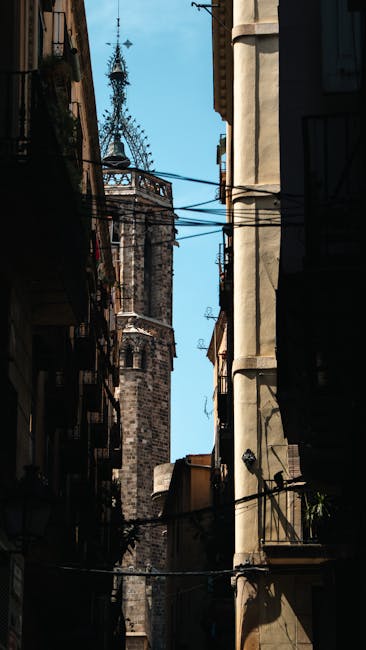
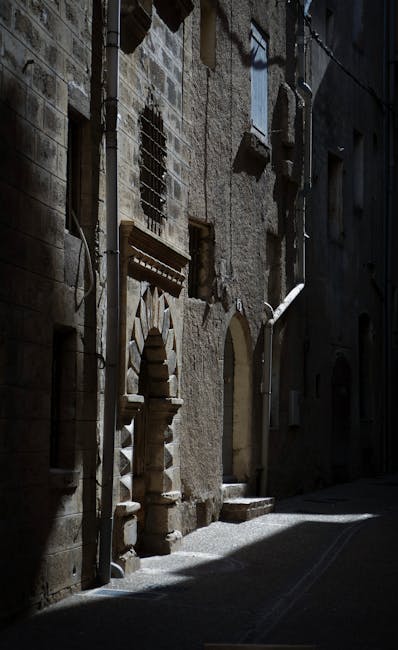
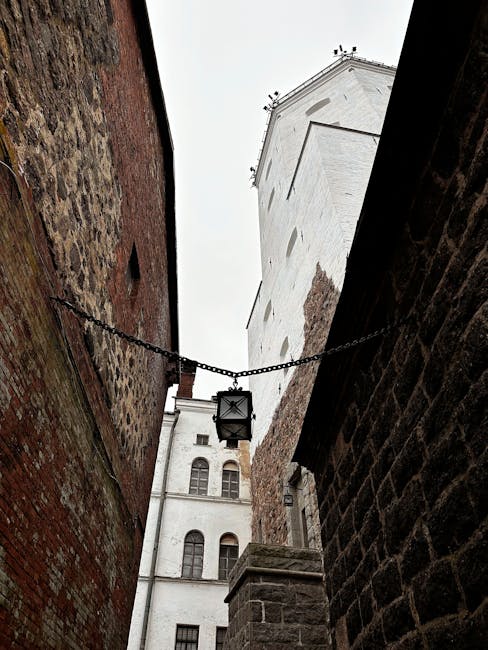
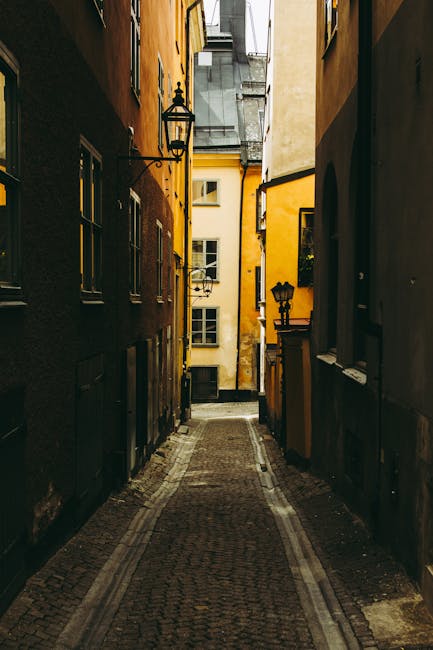
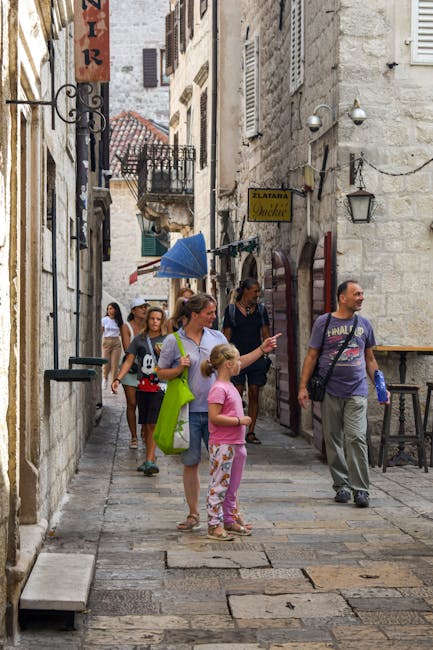
My son turned a corner in the Gothic Quarter and stopped dead. “Mum. This street is a THOUSAND years old.” He was standing in a narrow stone alley, walls towering on both sides, a single lantern casting shadows overhead. He wasn’t far off — some of these streets date back to Roman Barcelona. The Gothic Quarter is the part of the city that makes children believe they’ve time-travelled. No ticket required. Just walk in.
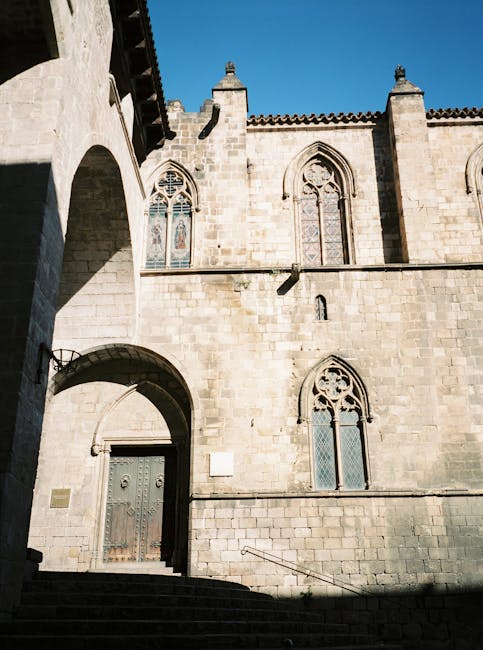
The Gothic Quarter streets are medieval in the truest sense. Stone walls, iron lanterns, overhead archways connecting buildings, and alleyways that lead to hidden squares. My kids treated the whole neighbourhood like an adventure game — running ahead to the next corner, announcing what they’d found, then racing to the next one. No museum can compete with this. The whole quarter IS the experience.
The Barri Gotic (Gothic Quarter) is Barcelona’s oldest neighbourhood. Roman walls, medieval palaces, Gothic churches, and centuries of layered history — all crammed into a maze of pedestrianised streets between La Rambla and Via Laietana. It’s free to walk through. A guided tour adds stories and structure that children love.
Here’s why it works brilliantly with families and how to make the most of it. Combined with Sagrada Familia, Park Guell, and a catamaran cruise, the Gothic Quarter gives your family the medieval history that Gaudi’s modern masterpieces don’t cover.
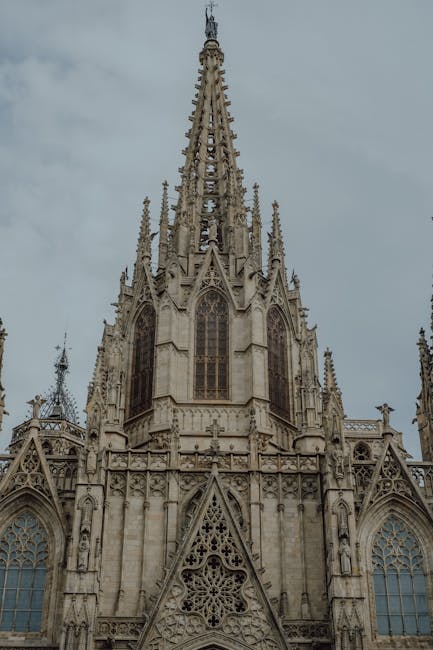
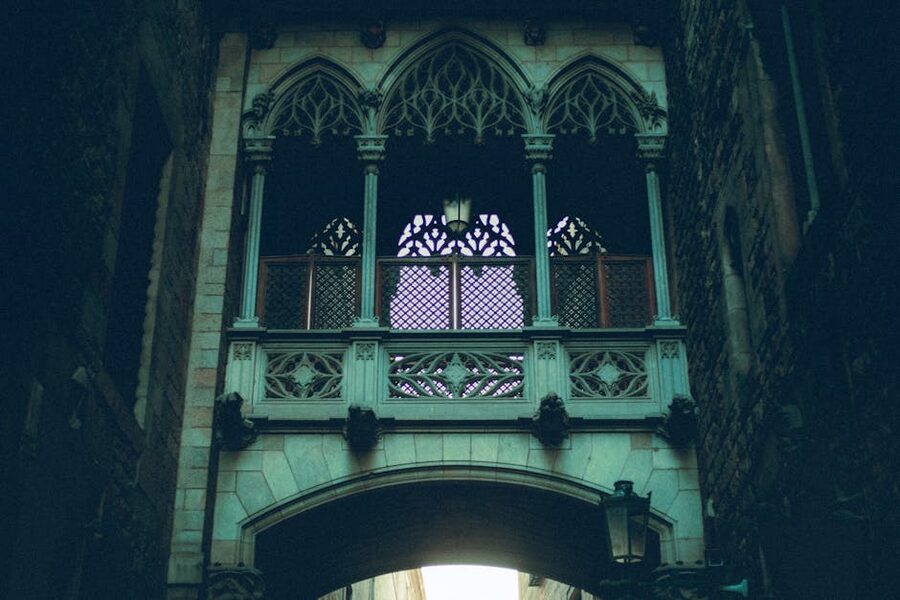
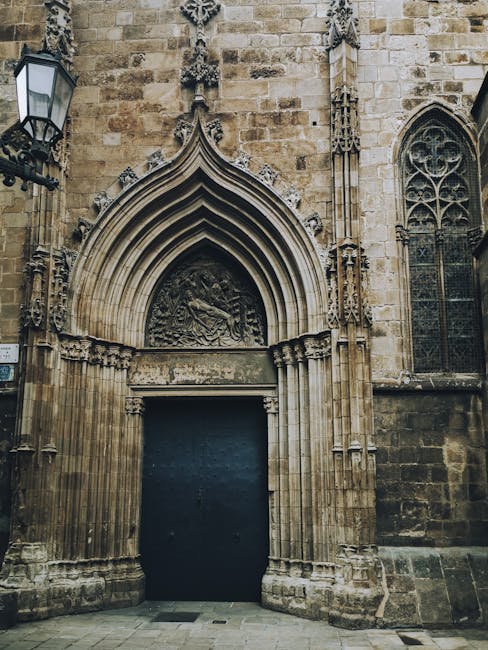
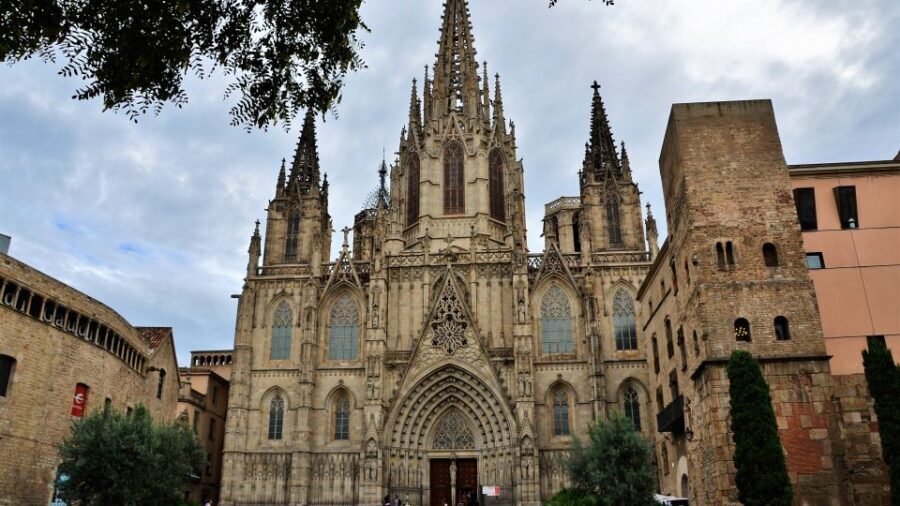
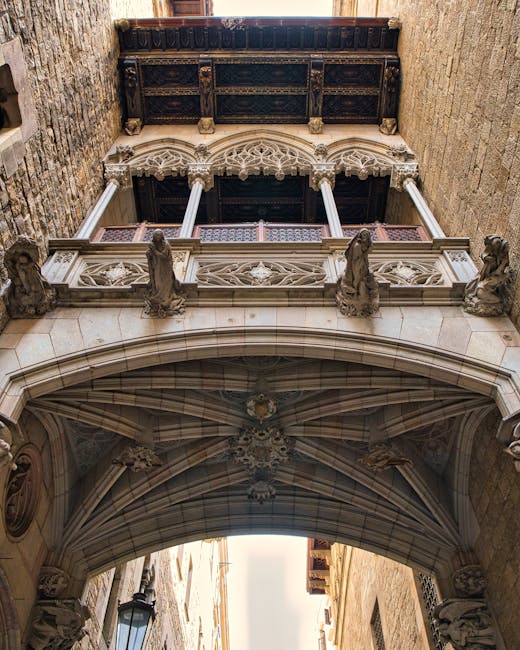
Barcelona Cathedral is the heart of the Gothic Quarter. Built between 1298 and 1420 (with the facade finished in 1913), it’s quieter and more atmospheric than its more famous Gaudi cousin. The 13 white geese in the cloister represent the age of Saint Eulalia when she was martyred. Children love counting them. Entry is free during certain hours — check the signs at the door. The rooftop terrace costs a small fee and gives excellent Gothic Quarter views.Some Gothic Quarter alleys are so narrow you can touch both walls at once. These are Roman-era streets preserved within the medieval city. The walls have layers of history visible — Roman foundations, medieval patches, modern repairs. My kids loved running their hands along the stones. Each section tells a different story. Some of the stones were laid 2,000 years ago. That’s older than almost any building in Britain. Children find the scale of time genuinely astonishing.The Pont del Bisbe (Bishop’s Bridge) is the most photographed spot in the Gothic Quarter. It’s a neo-Gothic bridge connecting two buildings over the street, and children find it properly magical. My daughter asked if a princess lived there. I said a bishop did, which was less exciting but historically accurate. The bridge was actually built in 1928 — much newer than it looks — but the kids don’t need to know that.
Gothic Quarter Ghosts & Legends Tour — $19
Ghost stories + medieval streets + 90 minutes. Kids aged 6+ will be hooked. Evening atmosphere. Book Now
Old Town & Gothic Quarter Walking Tour — $21
The daytime historical tour. 2.5 hours covering all the highlights. Good for all ages. Book Now
City Walking Tour with Local Guide — $29
A broader Barcelona walk including Gothic Quarter highlights. Local guide. Small group. Book Now
Why the Gothic Quarter Works with Kids
The streets are car-free, which is the single best thing about them for families. No traffic, no road crossings, no “hold my hand” every thirty seconds. Children can walk ahead (within sight), explore side alleys, and discover hidden squares without parents having heart attacks. It’s the safest part of Barcelona for free-range family wandering.
Three reasons. First, it’s a maze. Children love mazes. Every corner reveals something new — a tiny square, a Roman column, a street musician, a chocolate shop. The lack of any obvious route means even “getting lost” feels like an adventure rather than a problem.
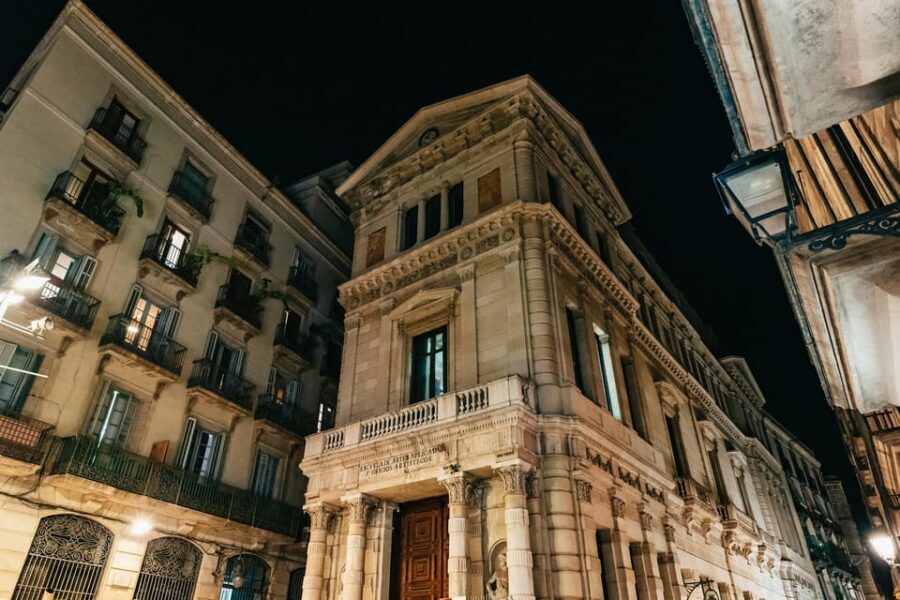
Iron lanterns light the Gothic Quarter after dark. The medieval atmosphere intensifies when the sun goes down — the stone glows warm under the lamps, shadows pool in corners, and even children lower their voices instinctively. If you’re doing the ghost tour, this is the moment it all comes together. Our kids kept pointing at shadows. “Is THAT a ghost?” Not quite. But you can see how people believed in them here.
Second, the stories are extraordinary. Roman temples buried under churches. Medieval executions in public squares. Secret passages built for bishops. Gothic gargoyles watching from rooftops. A guided tour turns these into narratives that children remember long after they’ve forgotten which museum had the paintings.
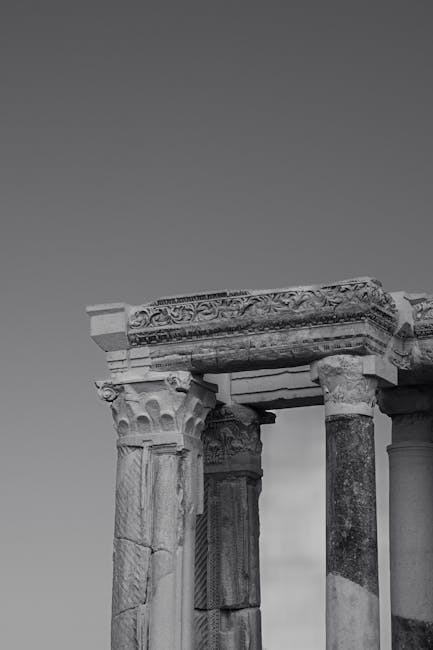
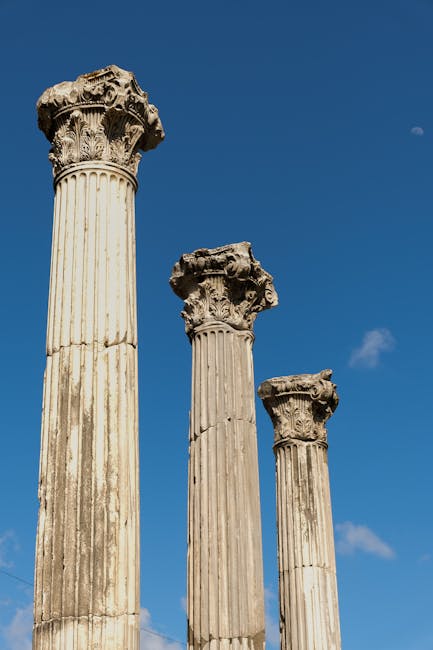
Roman columns are hidden inside a modern courtyard. The Temple of Augustus — four 2,000-year-old Roman columns — stands inside a medieval courtyard off Carrer del Paradis. You walk through a door in a wall and suddenly you’re looking at columns that were here when the Romans founded Barcelona. Free entry. My son’s jaw literally dropped. “These are REAL Roman columns?” Yes. Right here in the middle of Barcelona. It’s extraordinary.
Third, it’s free. You can explore the Gothic Quarter without spending a penny. The guided tours add value but the neighbourhood itself costs nothing. For budget-conscious families, it’s the most rewarding afternoon in Barcelona.
The Ghost Tour (Why Children Love It)
The Barcelona Cathedral is one of the ghost tour stops. The guide tells stories about the 13 white geese in the cloister (one for each year of Saint Eulalia’s martyrdom), the crypt beneath the altar, and the medieval gargoyles on the rooftop. Children find the geese hilarious and the gargoyles creepy. Both reactions are encouraged. The tour is designed to be spooky-fun, not genuinely frightening.
The Ghosts & Legends tour is the family favourite. It runs in the evening (starting around 7pm) and covers the Gothic Quarter’s darker history — medieval plagues, executions, hauntings, and legends. It costs just $19 per person.
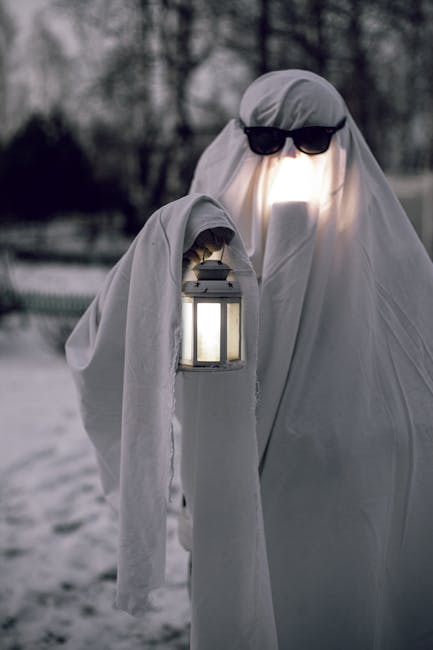
The ghost tour guides carry lanterns. It’s a theatrical touch that makes the whole experience feel like a proper medieval evening. The lantern light makes the stones glow, the shadows deepen, and your kids’ imaginations do the rest. I’ve seen children on these tours absolutely hooked — eyes wide, following every word. The guides know exactly how to pitch the spooky level for families. They’re storytellers, not horror filmmakers.
Is it too scary for kids? It depends on the child. Ages 6-8 might find some stories a bit spooky but the guides are experienced with families and adjust the intensity. Ages 8+ generally love it — they want to be scared and the Gothic Quarter’s atmosphere delivers. Under-6s won’t understand the stories and the late start time (7-9pm) is too close to bedtime.
The tour lasts about 90 minutes and covers the cathedral, Placa de Sant Felip Neri (where Civil War bomb damage is still visible on the walls), the old Jewish Quarter, and several hidden streets with specific legends attached. Bring a light jacket — the stone streets get cool in the evening.
The Daytime Walking Tour
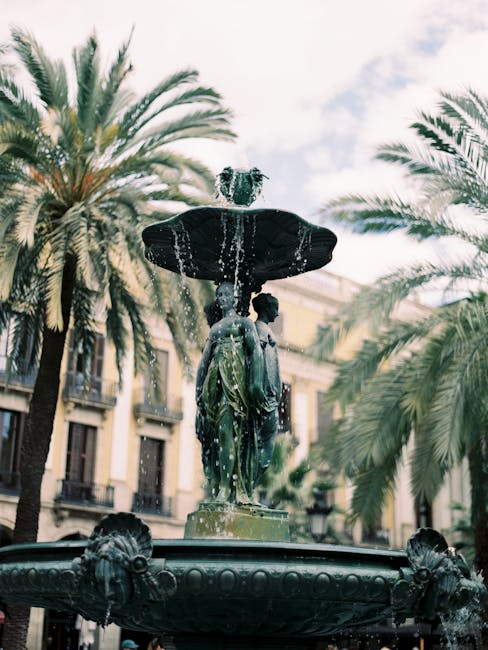
The Gothic Quarter has dozens of hidden squares. Placa Reial is the grandest — surrounded by palm trees and elegant buildings with a fountain designed by a young Gaudi (his first public commission). Placa de Sant Felip Neri is the most atmospheric — a quiet stone square with a church scarred by Civil War shrapnel. The guided tours take you to both. Without a guide, you’ll probably walk straight past Sant Felip Neri without knowing it’s there.
If your children are younger or you prefer daytime exploring, the Old Town & Gothic Quarter Walking Tour ($21) covers the same ground but with historical rather than ghostly stories. 2.5 hours including the cathedral, Placa del Rei (the medieval royal palace square), the Roman walls, and the Born Quarter.
The guides on both tours consistently receive excellent reviews for being engaging, knowledgeable, and good with children. One reviewer specifically mentioned that the guide asked the children questions throughout — making it interactive rather than a lecture. That’s the difference between a good guide and a great one.
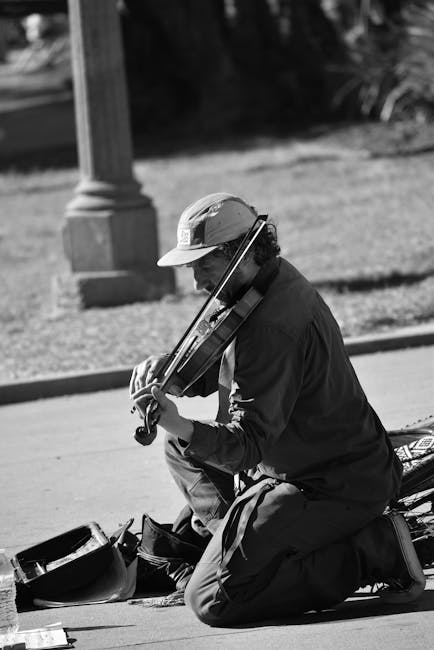
Street performers pop up throughout the Gothic Quarter. Musicians, human statues, artists — my kids were fascinated by a man who stood completely still until someone put money in his hat, then he moved like a robot. We stood watching for ten minutes. Free entertainment that you stumble upon, not plan for. Budget a few euros for tipping — the kids will want to give the performers money, which is a nice lesson in appreciating art.
Self-Guided: What to See with Kids
If you’d rather explore independently (free!), here’s the family-friendly route through the Gothic Quarter:
Start at Placa de Catalunya. Walk down La Rambla for five minutes, then turn left into the Gothic Quarter via Carrer de la Portaferrissa.
Cathedral of Barcelona. Free entry during certain hours (check the sign at the door). The cloister with its 13 geese and palm trees is the highlight for children. The rooftop terrace (small fee) gives views over the old town.
Four original Roman columns stand hidden in a medieval courtyard at Carrer del Paradis 10. These are the remains of the Temple of Augustus — built around 1 BC. They’re still in their original position, now surrounded by medieval walls built over the top. Free entry. Easy to miss. When you find them, tell the kids: these columns have been standing in Barcelona for 2,000 years. Longer than most countries have existed. My son went quiet for a minute. That doesn’t happen often.
Temple of Augustus. Four Roman columns hidden inside a courtyard at Carrer del Paradis 10. Free. Look for the small sign — easy to miss.
Pont del Bisbe. The Gothic bridge connecting the Generalitat to the Canons’ House. Best photographed from the street below.
Plaza del Rei is the medieval heart of Barcelona. Stone staircase, Gothic royal palace, and the spot where Columbus reportedly met Ferdinand and Isabella after returning from the Americas in 1493. Stand on the steps with your kids and tell them this story. Christopher Columbus. Right here. The spatial tangibility of history is what the Gothic Quarter does better than any museum. You’re standing where events happened. That’s a different kind of learning.
Placa del Rei. The medieval royal square where Columbus reportedly presented his findings from the Americas to Ferdinand and Isabella. The stone steps are impressive and children like imagining the scene.
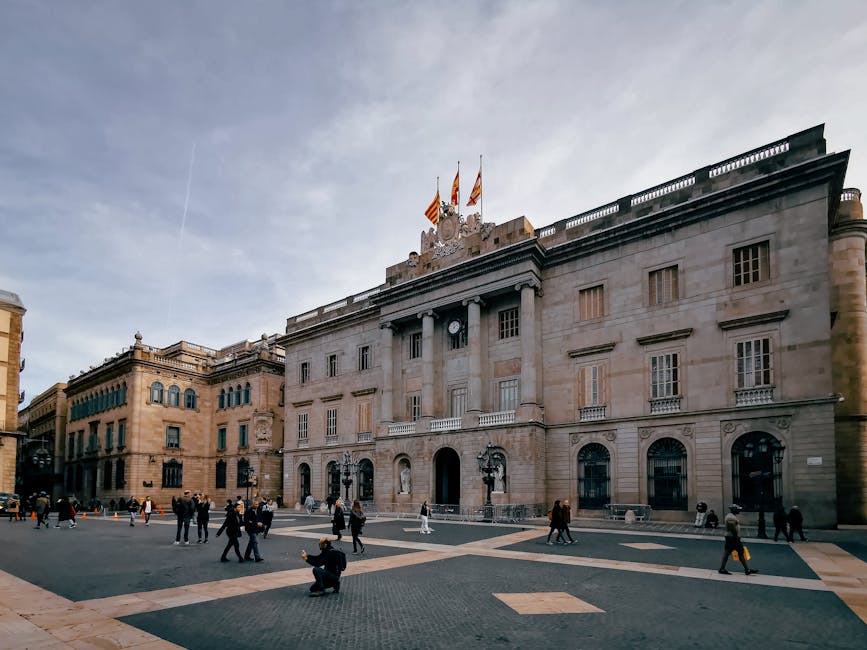
Plaza Sant Jaume is the civic heart of Barcelona. City Hall on one side, the Generalitat (regional government) on the other. The plaza dates from Roman times — it was the forum of Barcino, the Roman city. Today it’s where Barcelona celebrates festivals and demonstrates when there’s political news. If your visit coincides with a big moment (football victory, independence demo, fiesta), this is where the city gathers.
Placa de Sant Felip Neri. A quiet square with visible bomb damage on the church walls from the Spanish Civil War. Older children find the history powerful. Younger ones enjoy the fountain and the pigeons.
Stop for a drink in one of the hidden squares. The Gothic Quarter has tiny squares with cafe tables that feel like secret gardens. We found one on Placa de Sant Just that had three tables, no travelers, and the best orange juice we’d had all holiday. The kids sat on the stone steps and drew pictures while we drank coffee. These are the moments that make family travel special — not the museums, but the accidental discoveries between them.
Practical Tips
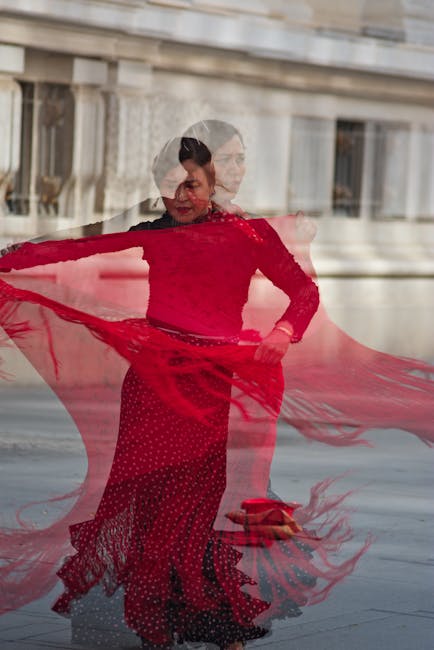
Comfortable shoes are essential. The Gothic Quarter is cobblestones, steps, and uneven surfaces. Flip-flops will destroy your feet and your mood within twenty minutes. Trainers are the only acceptable option. My daughter wore her “sparkly shoes” and complained about blisters for the rest of the day. We learned. Now we pack trainers and nothing else for old town days.Spanish hot chocolate is thicker than anything British kids have tried. It’s served in a small cup and you dip churros into it. Chocolateria San Gines (near Plaza Mayor, open since 1894) is the classic Madrid place, but the Gothic Quarter has Granja M. Viader on Carrer d’En Xucla and La Pallaresa on Carrer de Petritxol. Both are cheap, traditional, and genuinely excellent. Budget about 6-8 euros for two. Non-negotiable with children in the Gothic Quarter.Street musicians and flamenco performers are common in the Gothic Quarter. Check on Carrer de Ferran and around Placa Reial in the evenings. The performances are free (tips encouraged) and children are entranced by the rhythm and movement. My daughter tried to imitate the flamenco claps on the way home. She got absolutely nowhere. The performers make it look easy. It isn’t. Give them a euro or two if you stop to watch.
Buggies: The main routes through the Gothic Quarter work with buggies. The side alleys don’t — steps, narrow passages, and cobblestones. A carrier is better for babies if you want to explore properly.
Remnants of Barcelona’s original Roman walls are still visible around the Gothic Quarter. Look for the stone circuit near Plaça Ramon Berenguer el Gran — you can see Roman stonework at the base with medieval additions on top. The walls defended Barcino against invaders for centuries. Children find the layered construction fascinating. “That bit is Roman. That bit is medieval. That bit is 1800s.” History as geology. Layers on layers.
Pickpockets: La Rambla and the Gothic Quarter are Barcelona’s pickpocket hotspots. Keep bags zipped and in front of you. Don’t put phones in back pockets. Tell older children to keep hands on their own bags. It’s not dangerous — just be aware.
The carved detail on Gothic Quarter buildings is extraordinary. Faces, gargoyles, coats of arms, and mysterious symbols appear on doorways and lintels throughout the neighbourhood. Tell your kids to look UP as they walk. Most tourists stare at phones or the ground. The best carvings are 10-15 feet above street level. My son found a stone dragon on Carrer del Bisbe that absolutely nobody else had noticed. He was delighted with himself.
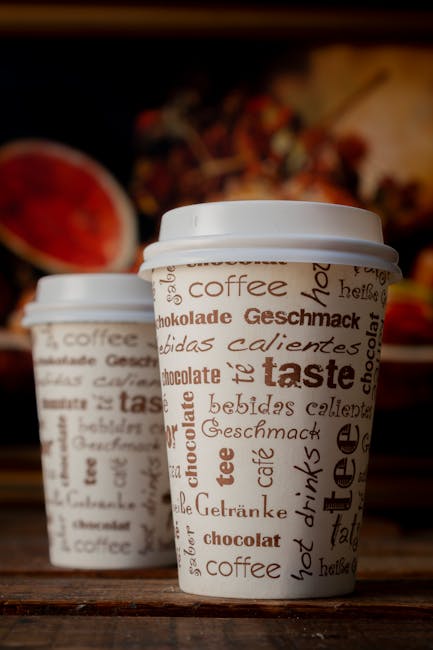
Chocolate shops: The Gothic Quarter has several excellent chocolate shops. Cacao Sampaka on Carrer del Consell de Cent and Petritxol Xocoa on Carrer de Petritxol are family favourites. Hot chocolate in Barcelona is thick — more like warm chocolate pudding than a drink. Children love it.
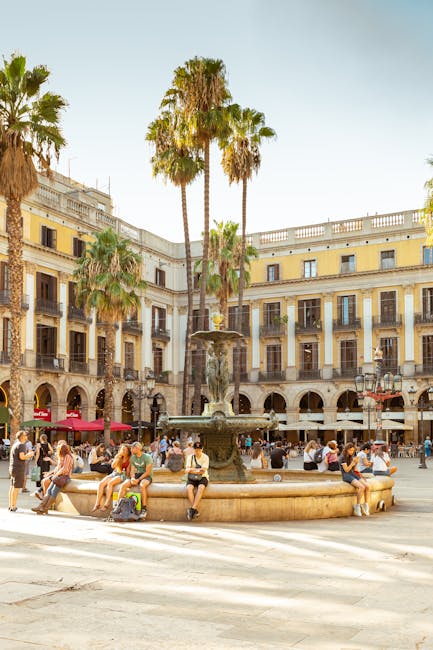
Placa Reial is the Gothic Quarter’s elegant surprise. A grand 19th-century square with palm trees, arcaded buildings, and a central fountain. The lampposts were designed by a young Gaudi (his first public commission) — look for the dragon snakes at the base. Restaurants ring the square. It’s touristy but genuinely beautiful, especially lit up at night. Children love the openness after the narrow Gothic streets.
Toilets: Use the cathedral (free with entry) or the cafes. Public loos in the Gothic Quarter are rare. Buy a coffee, use the loo. Standard Barcelona survival technique.
The Best Tours for Families
1. Gothic Quarter Ghosts & Legends Walking Tour — $19
The most fun you can have in the Gothic Quarter for $19. Over 1,400 reviews. 90 minutes of ghost stories, legends, and medieval history through atmospheric streets. Evening timing adds genuine atmosphere. Children aged 6+ eat it up. The guides know how to calibrate the spookiness — thrilling enough to be memorable, gentle enough that nobody has nightmares. We hope.
The family favourite with over 1,400 reviews. 90 minutes of spooky stories through the Gothic Quarter’s darkest corners. Our full review covers the scare factor for different ages. Best for families with children aged 6+ who like a bit of spooky fun.
The daytime alternative covers 2,000 years of history. Over 1,400 reviews. 2.5 hours from Roman Barcelona to medieval palaces to modern street art. The guides keep it accessible for all ages. At $21 per person it’s one of the cheapest guided experiences in Barcelona. Children who are too young for the ghost tour will enjoy this one — same streets, brighter atmosphere, less supernatural.
A comprehensive 2.5-hour daytime tour through the old town. Over 1,400 reviews. Covers Roman ruins, the cathedral, medieval squares, and the Born Quarter. Our review covers the full route. Best for families with younger children or those who prefer daytime exploring.
A broader city walk that includes the Gothic Quarter plus more. Over 1,300 reviews. A local guide takes you through the highlights of Barcelona’s old town — Gothic Quarter, La Rambla, and beyond. At $29 per person you get more coverage than the pure Gothic Quarter tours. Good for families on their first visit who want an overview before exploring independently.
A broader Barcelona walking tour with a local guide. Over 1,300 reviews. Covers Gothic Quarter plus surrounding areas. Our review explains the wider route. Best for first-time visitors who want a city overview with Gothic Quarter highlights included.
The Born Quarter is right next to the Gothic Quarter and has a slightly different atmosphere — more trendy, more boutiques, and home to the Picasso Museum and the Palau de la Musica. Walk between them and you’ll cover the best of medieval Barcelona in an afternoon. Add a catamaran cruise from the harbour at the bottom and you’ve got a full day.
The Gothic Quarter connects naturally to everything else we’ve covered. The Picasso Museum and Palau de la Musica are a 5-minute walk east in the Born Quarter. La Rambla leads south to the harbour and the catamaran cruises. North along Via Laietana takes you toward Sagrada Familia. And the hop-on hop-off bus starts at Placa de Catalunya, right at the Gothic Quarter’s doorstep. Everything in Barcelona connects. The Gothic Quarter is the heart of it.