After reviewing hundreds of traveler accounts and analyzing the detailed feedback from nearly 800 visitors, we’ve found this full-day excursion to be one of Munich’s most compelling historical experiences. We particularly love how the tour combines genuine historical education with breathtaking Alpine scenery—you’re not just learning about WWII history in a classroom setting, but actually standing at the locations where these events unfolded. The value proposition is genuinely strong: for under $80 per person, you get a full day of expert-guided transportation, entry to the Dokumentationszentrum Obersalzberg (including access to underground bunker facilities), and visits to three historically significant locations.
That said, there’s one important consideration worth mentioning upfront: this tour’s success depends heavily on weather conditions. Several travelers noted that fog or poor visibility can prevent access to the Eagle’s Nest itself, though the tour company does provide alternative activities when this happens. For anyone genuinely interested in WWII history, Alpine landscapes, and getting deep context about one of Europe’s most complex historical periods, this tour deserves serious consideration.
- What Makes This Tour Worth Your Time and Money
- Understanding the Itinerary: Three Distinct Experiences
- Stop One: The Eagle’s Nest (Kehlsteinhaus)
- Stop Two: Dokumentationszentrum Obersalzberg
- Stop Three: Berchtesgaden Town
- The Guide Experience: Why This Matters More Than You’d Think
- Practical Details That Actually Matter
- Who This Tour Is Actually For
- The Value Equation: Is .60 Actually a Good Deal?
- Managing Expectations: What Travelers Actually Experience
- Honest Assessment of the Weaknesses
- FAQ: Practical Questions Answered
- The Bottom Line
- More 1-Day Tours in Munich
- More Tour Reviews in Munich
What Makes This Tour Worth Your Time and Money
 1 / 8
1 / 8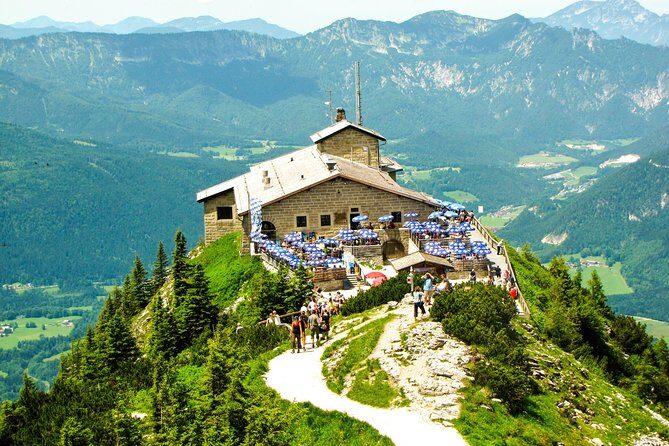 2 / 8
2 / 8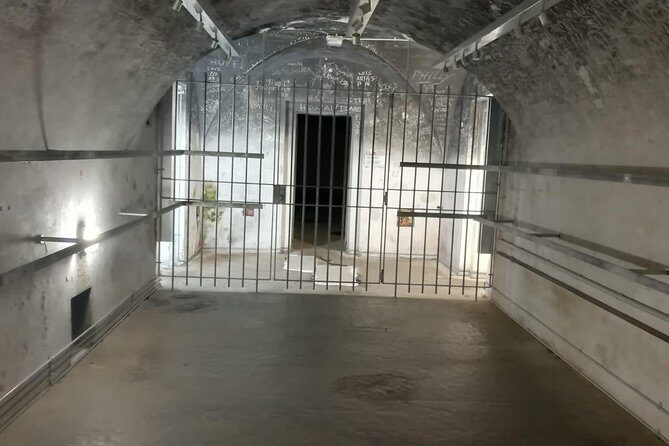 3 / 8
3 / 8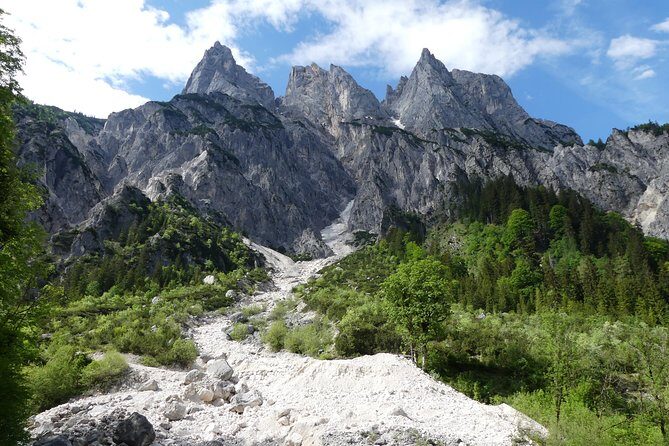 4 / 8
4 / 8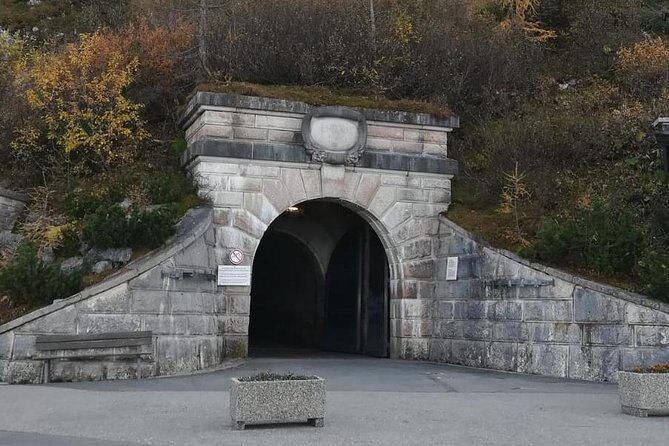 5 / 8
5 / 8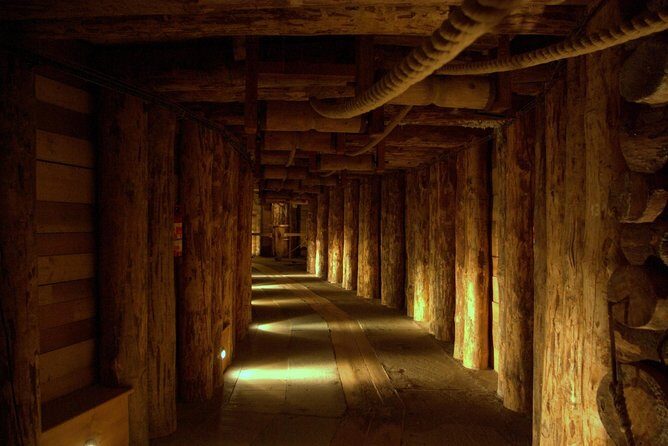 6 / 8
6 / 8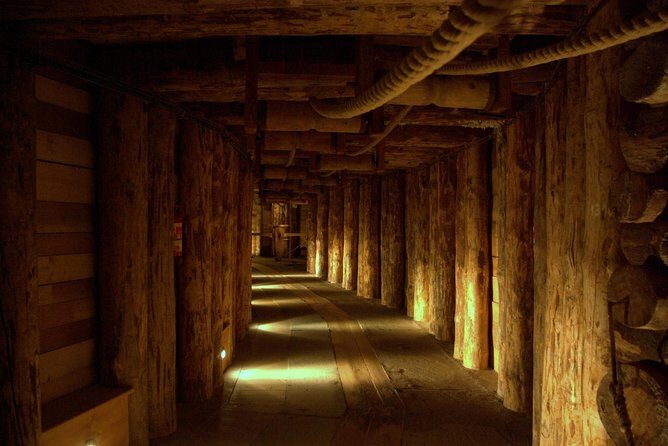 7 / 8
7 / 8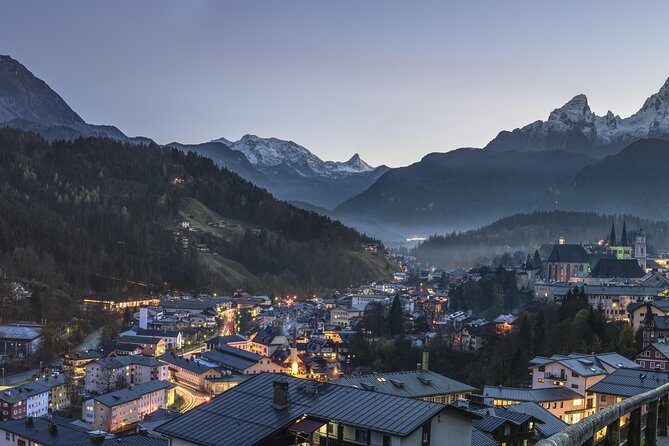 8 / 8
8 / 8This isn’t your typical bus-and-point tour. What we’re looking at here is a carefully structured 10.5-hour journey that uses transportation time as part of the educational experience. Your guide—and this matters tremendously based on the reviews—provides historical context during the two-hour drive each way, which transforms what could be tedious highway time into engaging learning.
The tour departs at 8:30 AM from central Munich (Sonnenstraße 1, right near public transit), which means you’ll start early enough to maximize daylight hours at higher elevations where weather can change quickly. The group size maxes out at 50 people, which keeps things manageable without feeling like a massive tourist cattle drive.
The price of $78.60 per person breaks down to exceptional value when you consider what’s included: a full day of air-conditioned transportation, a professional English-language guide, organized access to the Eagle’s Nest shuttle buses, and admission to the Documentation Center. You’ll need to bring cash for the special shuttle bus and elevator up to the Eagle’s Nest (approximately €32 for adults, €17 for children under 14), but this optional add-on structure actually benefits budget-conscious travelers who might want to skip it.
Understanding the Itinerary: Three Distinct Experiences
You can also read our reviews of more tours and experiences in Munich

Stop One: The Eagle’s Nest (Kehlsteinhaus)
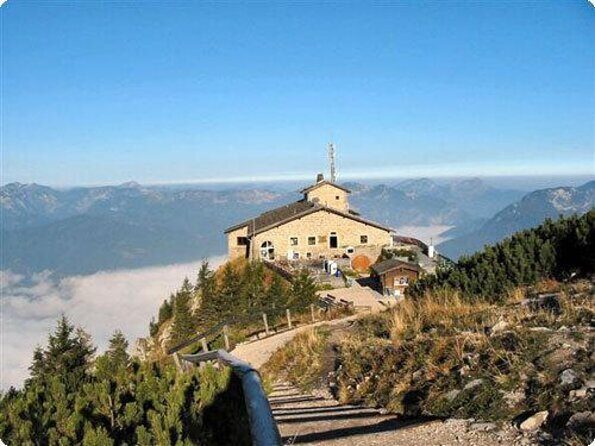
The Eagle’s Nest sits at 1,834 meters elevation and was built as a retreat for Nazi leadership. When you arrive, you’ll board a special shuttle bus that navigates one of Europe’s most remarkable mountain roads—a engineering feat in itself. The actual driving experience is memorable; the road has 28 hairpin turns and clings to the mountainside with impressive confidence-building engineering.
Once you reach the summit, an elevator carries you up another 124 meters into the building itself. The views from inside genuinely justify the effort and cost. You’re looking out over the Bavarian Alps, the Berchtesgaden region, and on clear days, you can see into Austria. As one traveler put it, “The views are beyond words,” and another noted it as “come of the most beautiful scenery they I have experienced.”
This isn’t about admiring the architecture of the building itself—visitors often note there’s surprisingly little to see inside. The Eagle’s Nest functions largely as a café and souvenir shop these days. The real value here is the perspective: standing at this elevation, you’re physically occupying a space that shaped history, which creates an emotional and intellectual connection that no textbook can replicate.
Allocate about 1.5 hours here, though you can manage with less if weather is deteriorating. The guides are skilled at reading conditions and will sometimes adjust timing to ensure you get the best light and visibility.
Stop Two: Dokumentationszentrum Obersalzberg
This is where the tour transforms from scenic sightseeing into serious historical education. The Documentation Center is the one stop where admission is included in your tour price, and it’s genuinely worth more than what you’re paying for the entire tour.
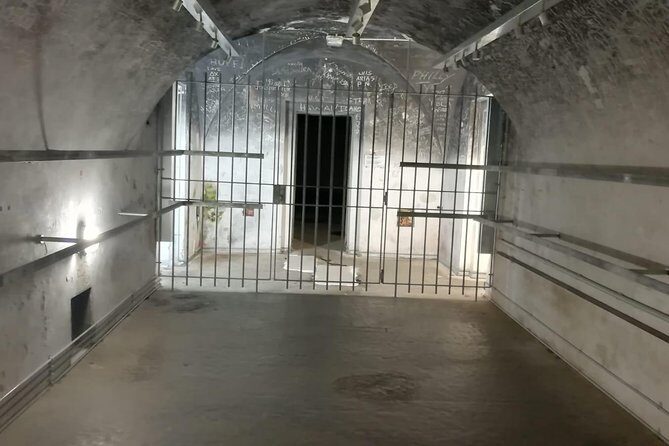
The facility provides extensive context about the Nazi leadership’s use of this mountain region as a retreat and administrative center. You’ll see interactive media displays, historical photographs, and documents that illuminate how this landscape functioned as a seat of power. But the real highlight—and what separates this from a standard museum—is access to the underground bunker system.
Walking through these tunnels creates a visceral understanding that no lecture could provide. You’re moving through actual spaces where decisions were made. One visitor described it as “an unbelievable experience,” while another noted “walking through the underground tunnel system was fascinating.” The bunker portion requires you to be reasonably comfortable in confined spaces, but it’s not claustrophobic or difficult to navigate.
Plan to spend at least an hour here, though some travelers wish they’d had more time. The museum is genuinely educational without being preachy, which is a delicate balance when addressing this particular historical period.
Stop Three: Berchtesgaden Town
Your final stop is the picturesque Alpine town of Berchtesgaden itself, though you’ll have approximately 45 minutes to explore. This is where some travelers feel slightly squeezed for time, particularly if you want to grab lunch, browse shops, or simply wander the medieval streets.
Berchtesgaden is legitimately beautiful—it has genuine character beyond the historical context. The town sits in a stunning valley setting and offers a completely different experience from the mountain-based stops. You can walk through the town center, visit the castle if time permits, grab coffee at a local café, or pick up regional souvenirs.
The tour company’s response to criticism about time here is worth noting: they position this stop less as a shopping/eating opportunity and more as a short city experience. That said, if you’re hoping to have a leisurely meal, you might want to grab something quick and simple rather than counting on a full sit-down lunch.
The Guide Experience: Why This Matters More Than You’d Think
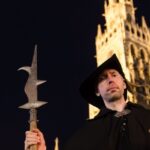
Perhaps the most consistent theme across hundreds of reviews is praise for the guides. Travelers specifically mention guides by name—Marianne, Francina, Elisabeth, Maria, Katrina, Bea, Franziska—and describe them as “knowledgeable,” “kind,” “amazing,” and “one of the best tour guides I’ve ever had.”
This isn’t coincidental. Good guides transform tours. They provide context that makes locations meaningful. They adjust timing based on weather and group energy. They answer questions authentically. One traveler noted that their guide “went above and beyond for the entire group to make sure everyone enjoyed the day,” and another appreciated how the guide “provided so many historical facts and really made the tour enjoyable.”
The guides also handle situations with grace. When weather prevented access to the Eagle’s Nest, one guide took the group to see the remaining ruins of Hitler’s Berghof in the forest instead—a more historically significant location that most travelers never visit. Another guide, dealing with a restaurant delay during lunch, adjusted the itinerary to maximize the tour experience despite the setback.

Practical Details That Actually Matter
Transportation and Comfort: The air-conditioned bus is consistently praised as clean and comfortable. The driver is part of the team, and travelers note feeling “very safe and comfortable.” One minor note: there are no USB charging points, which matters if you’re on a long day trip from Munich.
Group Size: With a maximum of 50 people, you’re not dealing with the 100+ person mega-tours that characterize some Munich excursions. This size allows for genuine interaction with your guide while still maintaining the economies of scale that keep prices reasonable.
Timing and Organization: The tour is consistently described as “well organized” with “accurate timing.” This matters because you’re dealing with shuttle buses, elevators, and weather-dependent conditions. Poor coordination could easily derail a day trip like this. The tour company clearly has this down to a system.
Weather Dependency: This deserves emphasis. Several travelers experienced fog or snow that prevented Eagle’s Nest access. The tour company’s policy is clear: the tour operates in all weather conditions, and there’s no refund if you can’t access the Eagle’s Nest due to weather. This isn’t unreasonable—you can’t control weather—but it’s important context. Statistically, you’ll have decent visibility, but it’s not guaranteed.
Cash Requirement: You must bring cash for the shuttle bus and elevator up to the Eagle’s Nest. This is non-negotiable. No credit cards accepted. Plan for approximately €32 per adult. Many travelers overlook this detail and arrive unprepared, so plan accordingly.
Who This Tour Is Actually For
This experience works beautifully for several traveler types. History enthusiasts will find genuine educational value, particularly if they have some background knowledge of WWII. The combination of physical locations, documentary evidence, and expert interpretation creates a complete picture.
Photographers will love the Alpine scenery, particularly on clear days when you can capture dramatic mountain landscapes alongside historical architecture. Families with teenagers interested in history find it engaging and age-appropriate (children under 14 pay €17 for the shuttle/elevator instead of €32).
Visitors who want to experience “real” Germany beyond Munich’s beer halls and tourist center will appreciate seeing the Bavarian countryside and smaller towns. The tour moves you beyond the city into genuine Alpine terrain.
That said, this tour might not be ideal if you’re not interested in WWII history at all. While the scenery is spectacular, a significant portion of the experience is historical interpretation. If you’re primarily seeking Alpine landscapes without historical context, you might prefer a different tour focused purely on natural scenery.
The Value Equation: Is $78.60 Actually a Good Deal?
Let’s break this down practically. The tour includes:
– Round-trip transportation from central Munich (normally €20-30 if arranged independently)
– Professional English-language guide for 10.5 hours (typically €15-20 per hour value)
– Organization of shuttle bus access to Eagle’s Nest (eliminates the hassle of figuring out logistics)
– Full admission to Dokumentationszentrum Obersalzberg (approximately €15-20 value)
You’re paying separately for the shuttle/elevator to Eagle’s Nest (€32) and lunch (not included). When you add everything up, the base tour price represents legitimate value. You’re getting expert guidance, transportation coordination, and access to a significant museum for less than a hundred dollars total.
Compare this to independently renting a car, navigating to the region, paying for parking, purchasing individual shuttle tickets, and handling museum entry—you’d easily spend more and have less expert context. The tour essentially pays for itself through convenience and expertise.
Managing Expectations: What Travelers Actually Experience
Based on reviewing hundreds of accounts, here’s what you can realistically expect:
You will see spectacular Alpine scenery. This is the consistent highlight. Clear day or not, the mountain landscape is genuinely impressive. One traveler called it “the top of the world,” and that captures the scale and drama of the location.
You will learn something substantial about WWII history. The guides provide genuine historical education. You’re not getting sanitized tourist pablum—the difficult aspects of history are addressed directly, and the Documentation Center provides extensive primary source material.
You might feel conflicting emotions. Several travelers specifically mentioned “mixed emotions” standing at the Eagle’s Nest—awe at the scenery combined with awareness of the historical context. This emotional complexity is actually valuable; it means the experience is doing what it should be doing.
You will spend significant time on a bus. Two hours each direction. This is inherent to the tour structure. Some people find this tedious; others appreciate that the guide uses this time for education and context-setting.
You might experience weather disappointment. If you’re unlucky with fog or snow, you won’t access the Eagle’s Nest itself. This is genuinely frustrating, but it’s not the tour company’s fault, and they do provide alternative activities.
You will feel rushed in Berchtesgaden. The 45-minute stop is tight for lunch plus exploration. Manage expectations here—grab something quick rather than planning a leisurely meal.
Honest Assessment of the Weaknesses
We should address the less-than-stellar reviews directly, because they reveal legitimate concerns:
One traveler gave the tour two stars because they felt it wasn’t in-depth enough for serious WWII scholars and didn’t allow sufficient time to explore the Berghof ruins or spend adequate time in Berchtesgaden. They’re not wrong—if you’re a WWII history expert, you might want a more specialized tour. The tour company’s response suggested these travelers could have skipped the Eagle’s Nest and explored independently, which is fair but also misses the point that the tour structure itself doesn’t accommodate deep exploration.
Another traveler with a one-star review was frustrated about weather preventing Eagle’s Nest access. Again, this isn’t the tour company’s fault, but it’s a real risk factor worth acknowledging.
Some travelers mentioned wishing for more time at the Documentation Center or feeling that the Eagle’s Nest itself (the building) wasn’t impressive—it’s largely empty with a café and gift shop. The real value is the location and views, not the structure itself.
These criticisms are fair. The tour is designed as a broad survey rather than a deep dive. If you want to spend hours exploring one location, this isn’t your tour.
FAQ: Practical Questions Answered
Q: Do I absolutely need to bring a passport?
A: Yes, you’ll be crossing into Austria during the drive, so a valid passport is required. This is clearly stated in the tour information, but many travelers overlook it until the last minute.
Q: Can I skip the Eagle’s Nest and do the other stops instead?
A: Absolutely. The shuttle bus and elevator fees are separate from the tour price, so you can choose not to go up. Some travelers do this specifically to have more time at the Documentation Center or in Berchtesgaden. It’s entirely your choice.
Q: What if the weather is bad and I can’t go to the Eagle’s Nest?
A: The tour operates in all weather conditions. If you can’t access the Eagle’s Nest due to fog, snow, or other weather, there’s no refund. However, guides are skilled at providing alternative activities—some have taken groups to see the Berghof ruins instead. The tour itself still happens; just the specific Eagle’s Nest portion may not be accessible.
Q: Is the tour suitable for families with young children?
A: Yes, though there are considerations. Children under 14 pay €17 instead of €32 for the shuttle/elevator. The bus ride is long (two hours each way), so very young children might struggle with the duration. The Documentation Center bunker portions are accessible but involve confined spaces. Most families with school-age children report positive experiences.
Q: How much cash should I bring?
A: At minimum, €32 per adult and €17 per child for the Eagle’s Nest shuttle/elevator. Bring extra if you plan to eat lunch or shop in Berchtesgaden. The tour company specifically notes that credit cards are not accepted for the shuttle bus fees, so this isn’t optional.
Q: What time should I arrive at the meeting point?
A: The tour departs at 8:30 AM, and you should arrive by 8:15 AM. The meeting point is Sonnenstraße 1 in central Munich, which is near public transportation. Plan accordingly—being late could mean missing the tour entirely.
Berchtesgaden and Eagle’s Nest Day Trip from Munich
The Bottom Line
This tour delivers genuine value and authentic historical education wrapped in spectacular scenery. The combination of expert guides, well-organized logistics, and meaningful historical sites creates an experience that justifies the $78.60 base price. You’re paying for convenience, expertise, and access—all of which are worth it if you’re interested in WWII history and Alpine landscapes. The 4.5-star rating across 797 reviews reflects a tour that consistently meets and often exceeds expectations. It’s best suited for history enthusiasts, photographers, and anyone wanting to understand this complex period in a location where it actually happened. Just bring your passport, bring cash, arrive early, and prepare for a long but genuinely rewarding day.