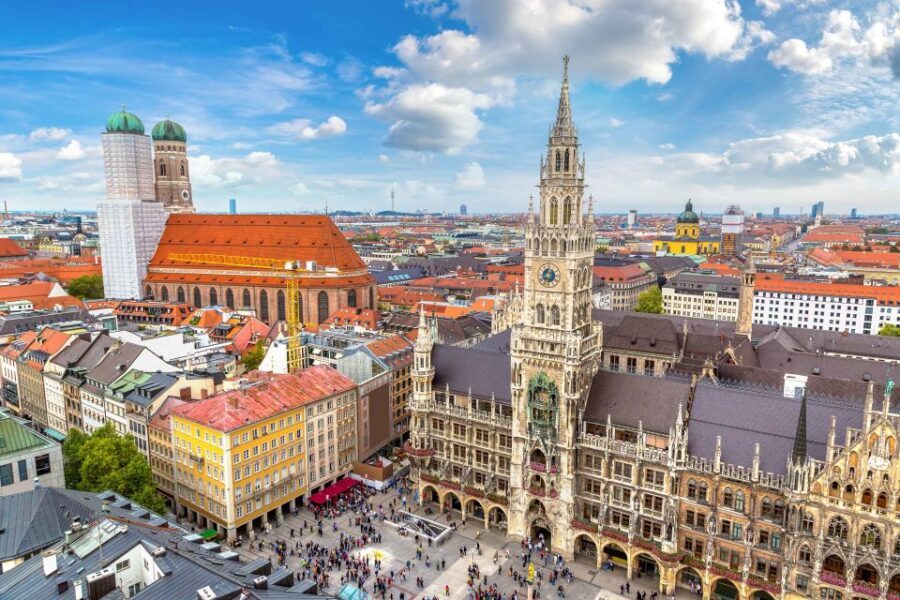
Munich’s Old Town has a knack for snapping you into the right mental gear fast. This 1.5-hour walking tour starts at Marienplatz and keeps moving through the big-name sights and the everyday city details that make Munich feel like Munich.
I like how the route stitches together politics, faith, and food culture without feeling like a textbook. You’ll see Frauenkirche and the Staatliches Hofbräuhaus area, then end at Viktualienmarkt, where it’s easy to slow down and soak up the atmosphere even if you’re not planning a long meal.
One thing to consider: it’s German-only, so if you want explanations in English, this may not be the best fit. Also, there’s no video recording allowed, which matters if you like documenting everything.
- Key highlights you’ll actually care about
- Munich Old Town on Foot: Marienplatz to Viktualienmarkt in 1.5 Hours
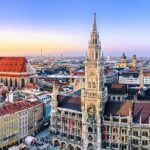
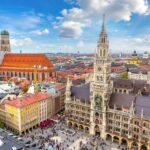
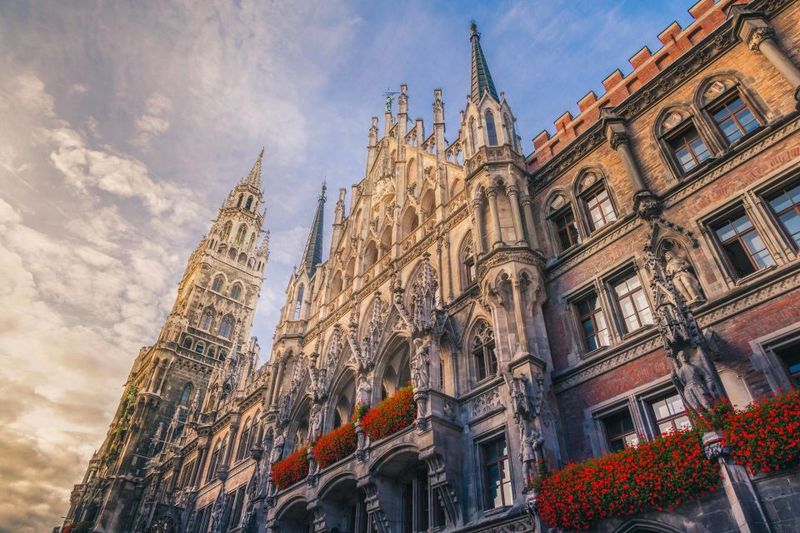
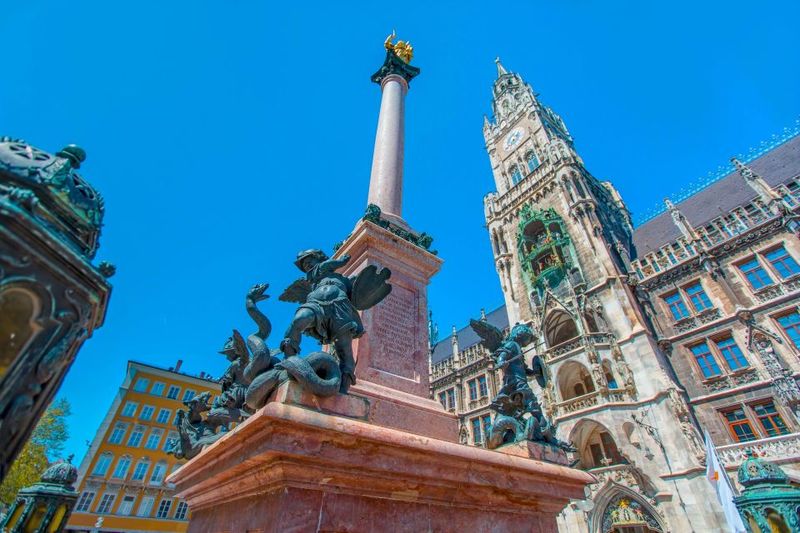
- Where the tour starts: Marienplatz by the Gothic Town Hall
- Women’s Church energy: what you’ll get from the Frauenkirche stop
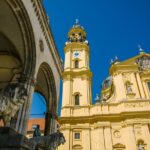
- Theatine Church: a contrasting stop that changes the feel
- Hofbräuhaus area: why Staatliches Hofbräuhaus matters beyond beer
- Fünf Höfe shopping mall: Munich’s modern pulse in the middle of the old
- Dallmayr and Schuhbeck’s: recognizable names as shortcuts to local life
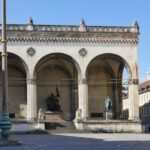
- Odeonsplatz: grand square energy with a guided story behind it
- Viktualienmarkt: the payoff zone for wandering, browsing, and beer-garden vibes
- German-speaking guide: how to get the most out of it
- Accessibility and practical rules you should note
- Timing and flexibility: booking that fits real travel days
- Is the price () a good value?
- Who this tour suits best
- A smart game plan before you go
- Should you book this Munich Old Town city walk?
- FAQ
- How long is the tour?
- What does it cost?
- Where do I meet the guide?
- Is the tour wheelchair accessible?
- What language is the tour in?
- Are food and drinks included?
- The Best Of Munich!
- More City Tours in Munich
- More Walking Tours in Munich
- More Tour Reviews in Munich
Key highlights you’ll actually care about
 1 / 10
 2 / 10
 3 / 10
 4 / 10
 5 / 10
 6 / 10
 7 / 10
 8 / 10
 9 / 10
 10 / 10
- Marienplatz start right by the Gothic Town Hall tourist info, easy to find
- Frauenkirche and Theatine Church for the “why Munich looks like this” context
- Staatliches Hofbräuhaus included, so you’re not just walking past beer-history landmarks
- Fünf Höfe shopping mall + key storefront stops for a peek at modern Munich life
- Odeonsplatz and the surrounding grand squares that shape the city’s vibe
- Viktualienmarkt with time to wander, browse stalls, or relax in a beer garden
👉 See our pick of the The 8 Most Popular Shopping & Market Tours In Munich
Munich Old Town on Foot: Marienplatz to Viktualienmarkt in 1.5 Hours
This is a practical city-walk format: short enough to fit on a tight schedule, focused enough that you’ll leave with a clearer sense of where Munich’s “main story” lives. For $23 per person, you’re paying mainly for the guide’s job: turning recognizable landmarks into something you can place in your head.
The pacing works well for first-time visitors. You get the anchors—Marienplatz, Frauenkirche, a look at the Hofbräuhaus area—then you move into the in-between parts: churches, squares, shopping streets, and finally the market zone. If you’ve got only part of a day, this kind of route helps you cover ground without feeling like you’re sprinting from one photo to the next.
And yes, the end stop is the fun payoff. Viktualienmarkt is where Munich’s “everyday” energy shows up. Even if you’re not ready to commit to a long sit-down, you can still enjoy the buzz by strolling stalls and grabbing a drink in the market’s beer-garden style atmosphere.
You can also read our reviews of more walking tours in Munich

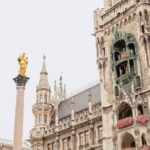
Where the tour starts: Marienplatz by the Gothic Town Hall
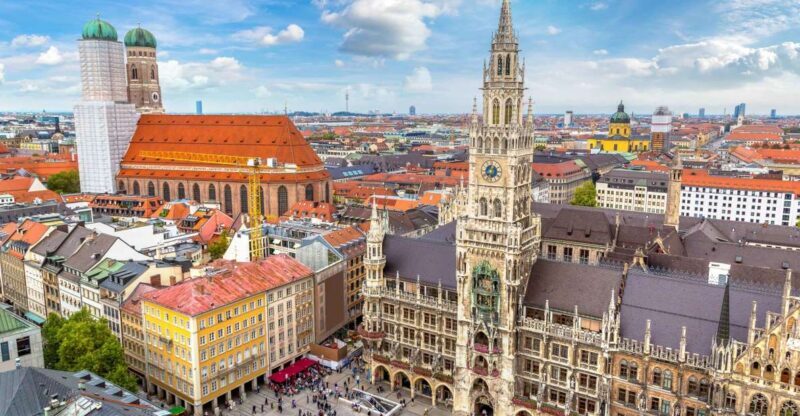
You meet at Marienplatz, right in front of the tourist information point in the Gothic Town Hall. This matters more than it sounds. Munich has lots of great squares, but meeting in a landmark, central hub makes it easier to arrive calmly and start on time.
If you’re navigating by foot, this start point is a big advantage because you can orient yourself almost immediately. You’re not guessing which side of a plaza you’re on—you’re in the main flow of the city center.
Women’s Church energy: what you’ll get from the Frauenkirche stop
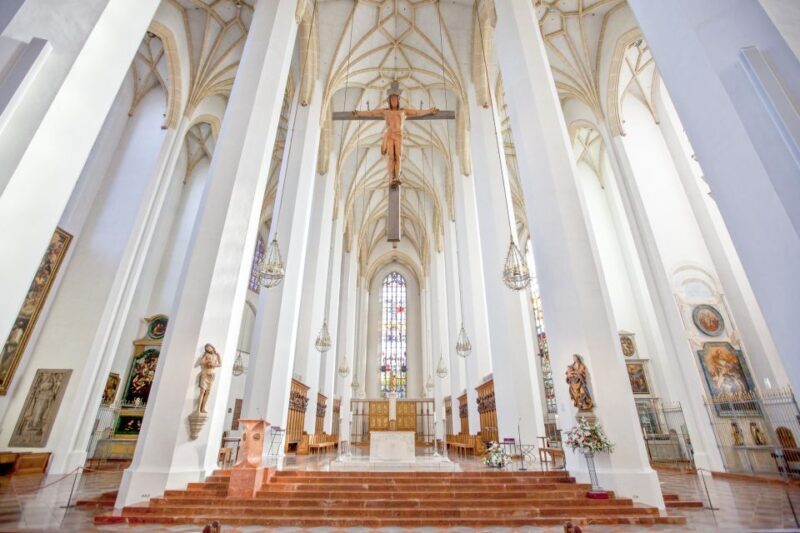
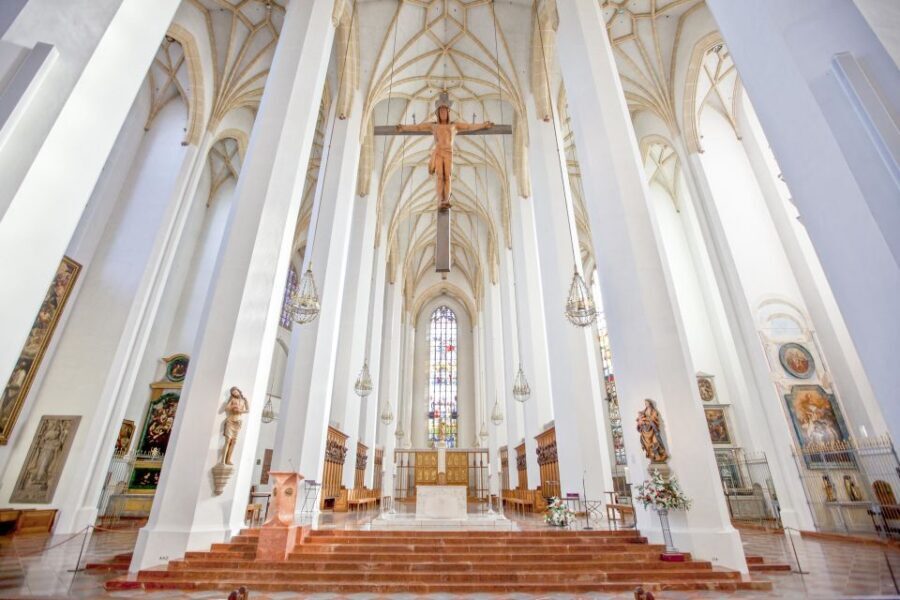
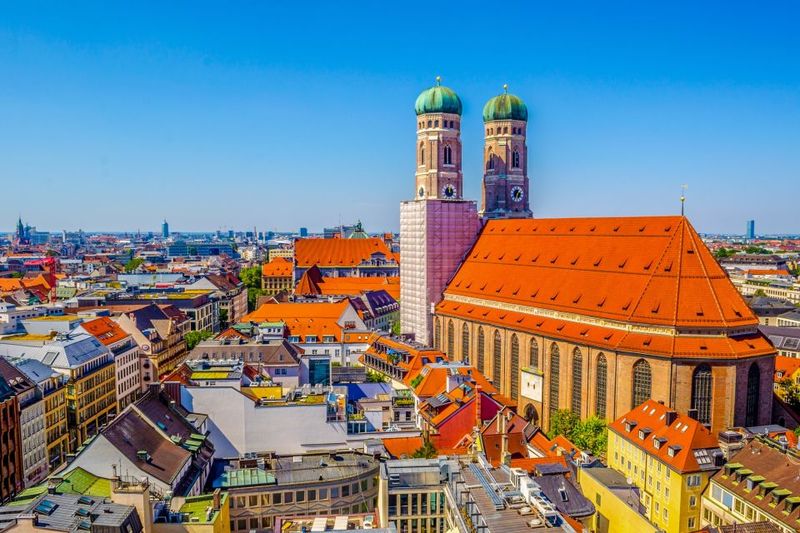
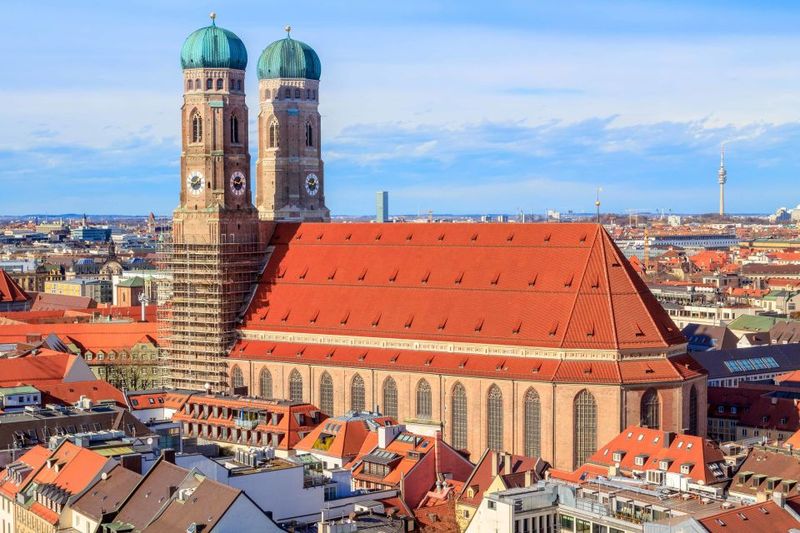
No first-time Munich walk feels complete without Frauenkirche. You’ll visit the cathedral area as part of the guided route, and the value here is less about checking off a famous building and more about understanding why it’s such a symbolic piece of the city.
When a guide points out what you’re seeing—how the building reads from different angles, how its presence fits into the city’s center—it helps you stop treating it like a backdrop. You start looking at it like a landmark with a role.
It’s also one of those stops that gives your walking tour momentum. Once you’ve got the city’s main visual anchor in mind, everything else (churches, squares, streets) starts snapping into a bigger pattern.
Theatine Church: a contrasting stop that changes the feel
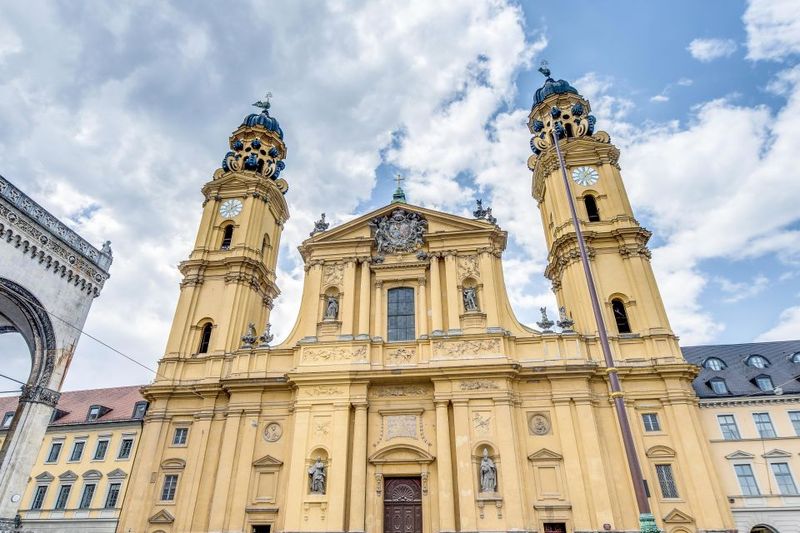
Along the way, you also visit Theatine Church. This stop is valuable because it adds texture. Munich isn’t just one style or one kind of landmark; it’s a layered place.
Even if you’re not the type who loves architecture lectures, a good guide makes this kind of stop practical. You’ll be able to notice differences faster on your own after you’ve had a guided explanation once.
Think of it like learning the “accent” of Munich’s religious and civic landscape. After this, you’ll spot meaningful details more easily when you walk past other churches later.
More Great Tours NearbyHofbräuhaus area: why Staatliches Hofbräuhaus matters beyond beer
The route includes Staatliches Hofbräuhaus. If you already know Hofbräuhaus as a name, this stop is still worth it because the guide context changes the experience from casual sightseeing to a small slice of Munich identity.
This is one of the most iconic parts of the city center, and having it as an official tour stop helps you avoid the common trap: walking by something famous without understanding what makes it culturally significant.
Also, it breaks up the “church-castle-spot” rhythm. You get a shift toward the everyday social side of the city—places where locals and visitors mingle, and where atmosphere matters as much as facts.
You can also read our reviews of more city tours in Munich


Fünf Höfe shopping mall: Munich’s modern pulse in the middle of the old
You’ll also pop into the Fünf Höfe shopping mall. That sounds like a random detour until you realize what a tour like this is doing: it’s showing you how Munich blends old-city landmarks with modern commercial life.
This stop is a reminder that Old Town isn’t frozen in time. The city’s center keeps working. It’s not only museums and churches; it’s shops, streets, and people moving through their day.
If you like to understand a city’s rhythm—where you’ll realistically shop, pause, and pass through—this kind of stop helps. You’re seeing the “now” alongside the “then.”
Dallmayr and Schuhbeck’s: recognizable names as shortcuts to local life
Along the route you pass Dallmayr store and Schuhbeck’s restaurant. These stops work as quick orientation markers. They’re famous names, yes, but the real value is that a guide can explain why they show up here and what they represent in Munich’s modern culture.
Even if you don’t plan to eat or shop at those specific places, you’ll get a better sense of the city center’s character. You’ll recognize the names later, and you’ll understand that Munich’s big brands aren’t random—they’re part of the city’s brand identity.
Odeonsplatz: grand square energy with a guided story behind it
Next comes Odeonsplatz. Squares like this are where Munich’s “official face” becomes visible: broad space, impressive architecture, and a sense of ceremony in the layout. When a guide ties it to earlier parts of the walk, it feels less like wandering and more like following a timeline.
This is the kind of stop where you can pause and take a breather—especially helpful if you’re walking from another part of the city before your tour starts. A short stop like this can reset your legs and help you keep enjoying the rest.
Viktualienmarkt: the payoff zone for wandering, browsing, and beer-garden vibes
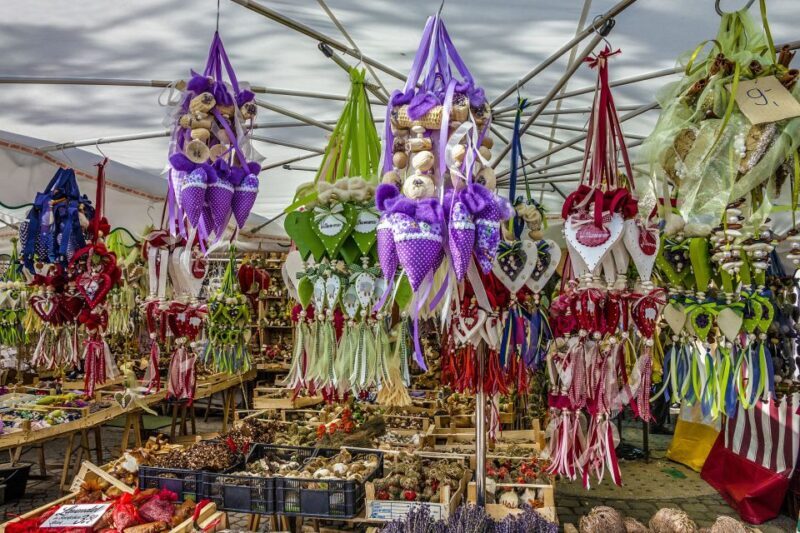
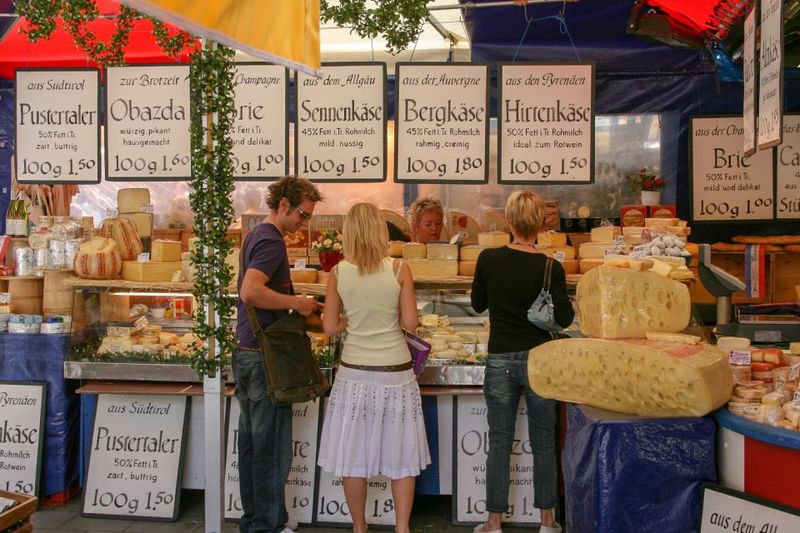
The final highlight is Viktualienmarkt. This market area is where the tour turns from “sights” to “sensations.” You’ll stroll past stalls selling flowers, cheese, spices, and other produce, and you’ll have time to enjoy the special atmosphere.
What makes Viktualienmarkt a great tour finish is flexibility. You can:
- take your time browsing stalls,
- relax in a typical beer-garden setting,
- or simply wander and watch the market energy.
Even if you’re trying to keep the day simple, it’s an easy place to slow down. A walking tour can feel like a checklist; ending at a market gives you a natural way to transition into your own plans—coffee, a snack, shopping, or just hanging out.
German-speaking guide: how to get the most out of it
This tour is led by a German-speaking guide, and that shapes the experience. If you’re comfortable with basic German, you’ll pick up more from the anecdotes and explanations. If you’re not, don’t panic—many guides still guide you through what you’re seeing with tone and context, but you’ll get the full value only if you can follow.
It also helps to know that guides can make the day feel lively even when weather turns. For example, travelers have mentioned tours staying fun and staying with the group even in rain. That’s a good sign: it suggests the guide style is practical and human, not stiff or rushed.
You might even hear standout personalities at the microphone. Names that have come up include Emanuela and Alexandra, with travelers praising their enthusiasm, humor, and ability to make Munich’s story feel personal.
Accessibility and practical rules you should note
The tour is wheelchair accessible, which is a big plus for travelers who need smoother mobility options. Still, since it’s a walking city route, you’ll want to wear comfortable shoes and plan for outdoor surfaces.
Two practical rules to keep in mind:
- No video recording is allowed.
- It’s German-only, so you’ll want to plan accordingly if you speak another language.
If you’re traveling with someone who relies on step-free movement, it’s smart to arrive early so you can coordinate at the start point without stress.
Timing and flexibility: booking that fits real travel days
You’re looking at 1.5 hours, which is ideal when you don’t want to burn your whole morning or afternoon. It’s also short enough to pair with other plans in Munich’s center—museums, a longer walk, or a market wander after.
There’s also free cancellation up to 24 hours in advance, plus reserve now & pay later. That combination is useful if you’re still juggling weather, day-trips, or train times.
And with a strong rating—4.7 from 2,304 reviews—this isn’t just a random city walk. It’s getting consistent feedback for being informative and enjoyable.
Is the price ($23) a good value?
For $23 per person, you’re paying for a guided route through high-demand central sights plus a market finish. You’re not buying admission tickets (food and drinks aren’t included), so the value is really about expertise and time efficiency.
Here’s how to think about it:
- If you would otherwise spend a full morning figuring out what to see and where to go, a guide compresses that work.
- If you like learning context, you’re getting more than photos—you’re getting stories and historical background tied to places you can revisit later.
- If you just want a casual wander, it may feel like more structure than you need.
Based on what travelers often say—especially about keeping things fun in bad weather—this looks like a solid value choice for visitors who want both orientation and a bit of entertainment.
Who this tour suits best
This experience fits best if you:
- are on a tight schedule and want central Munich coverage in 1.5 hours,
- want a guided explanation of major landmarks like Marienplatz, Frauenkirche, and the Hofbräuhaus area,
- like ending at a place where you can choose your own pace—Viktualienmarkt is great for that,
- prefer tours led in German (or you’re confident enough to follow along).
It’s less ideal if you need English commentary. It’s also not built for travelers who want to record lots of video during the walk.
A smart game plan before you go
If you want to maximize what you get from this kind of walk, do two simple things:
- Decide ahead of time what you care about most: church history, Munich culture, or market-life atmosphere.
- Wear shoes that work for uneven city surfaces and quick stops.
When the route mixes formal sights with practical city life (mall, storefronts, squares, market), you’ll enjoy it more if you mentally let each stop play its own role.
Should you book this Munich Old Town city walk?
If you want central Munich in a compact format, with a guide connecting the dots between the big sights and the everyday vibe, I’d say yes. The combination of Marienplatz, Frauenkirche, the Hofbräuhaus area, and a finish at Viktualienmarkt is a strong “first orientation” package.
Book it if you’re comfortable with German-only guidance and you’re happy to let the tour set the pace for 1.5 hours. Skip it if you need English commentary or you strongly rely on video recording. For many first-timers, though, this is exactly the kind of focused city walk that helps Munich click faster.
Munich: Old Town & Viktualienmarkt City Walk in German
FAQ
How long is the tour?
The tour lasts 1.5 hours.
What does it cost?
The price is $23 per person.
Where do I meet the guide?
You meet at Marienplatz, right in front of the tourist information point in the Gothic Town Hall.
Is the tour wheelchair accessible?
Yes, the tour is wheelchair accessible.
What language is the tour in?
The live guide speaks German. The tour is only available in German.
Are food and drinks included?
No. Food and drinks are not included, and transfers are also not included.
You can check availability for your dates here: