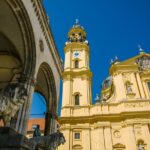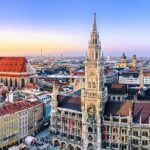
Here’s my look at the Munich: Third Reich & WWII Walking Tour, a tough-but-important 2:45 walk through places tied to Hitler’s early growth in Bavaria. You’ll move from the Hofbräuhaus area to key landmarks like Feldherrnhalle and Königsplatz, while your guide ties the story to the broader collapse Germany endured after World War I.
What I like most is how the tour stays grounded in real locations and clear context. Reviewers repeatedly praised the guides (names like Michael, Steve, Josh, Alex, and Florian came up often), and you also get a meaningful stop to learn about the White Rose Resistance Movement, not just the rise of the Nazi movement.
One caution: this is an emotionally heavy topic, and it’s still an outdoor walking experience. If you’re sensitive to WWII-era history or you struggle with cold crowds and sustained focus, plan your expectations and bring the right gear.
- Key things to know before you go
- Munich’s Nazi History Tour: Real Places, Real Context
- The Post–World War I Munich Backdrop You’ll Actually Understand
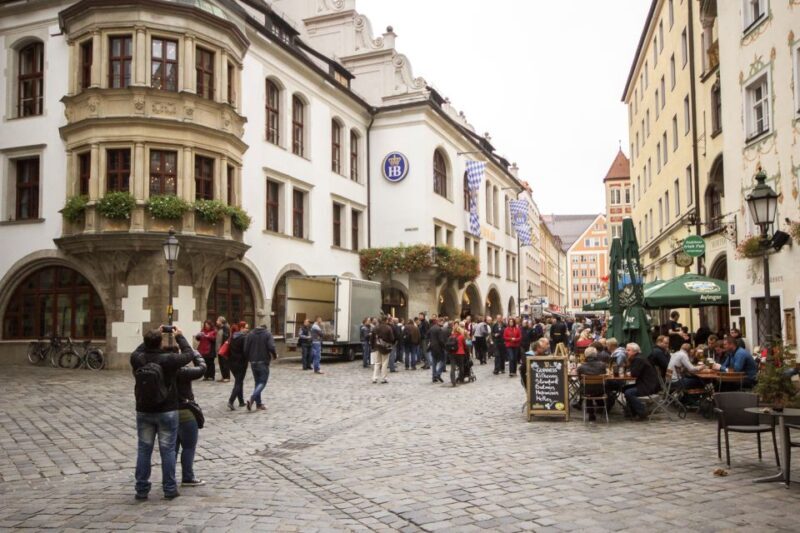
- Hofbräuhaus: Where the Movement Got a Public Stage
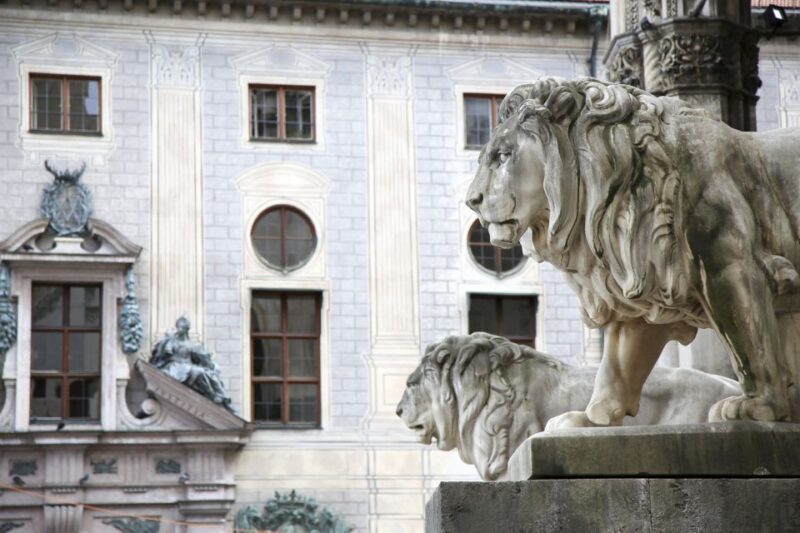
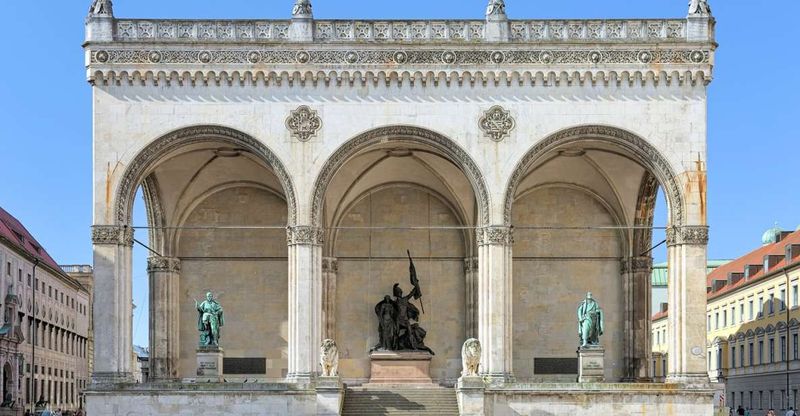
- Feldherrnhalle: The Attempt to Seize Power
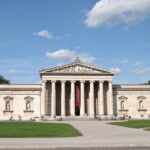
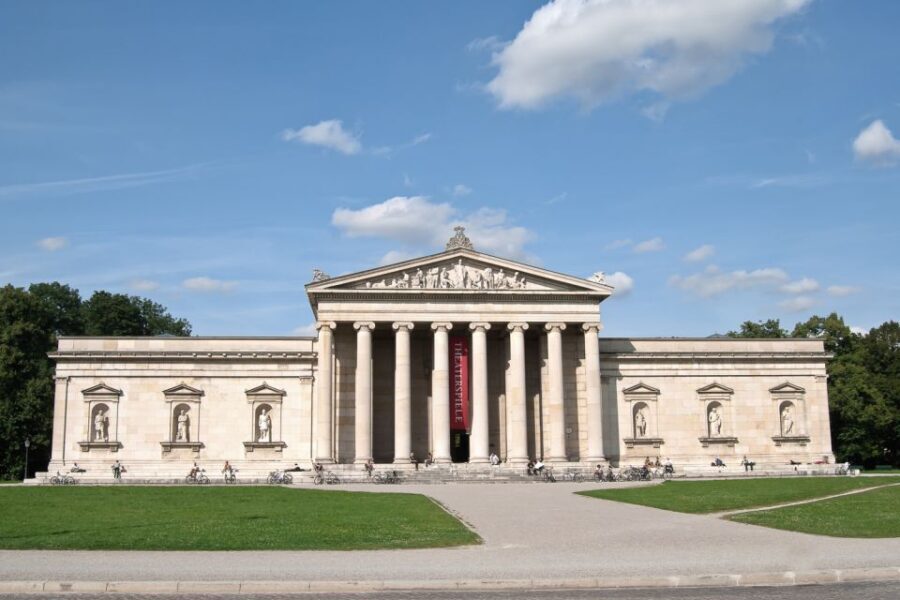
- Königsplatz: Party Rallies and Political Theater
- Hofgarten and the White Rose Resistance Movement
- How the 2:45 Tour Flows on Foot
- Guides Are the Difference: What Reviewers Keep Praising
- Voice, Weather, and Comfort: Small Things That Matter
- Price and Value: Why Can Make Sense Here
- Accessibility and Group Options
- Who Should Book This Tour (and Who Might Want a Different Fit)
- Final Thoughts: Should You Book the Munich Third Reich & WWII Walk?
- FAQ
- Is this tour in English?
- How long is the walking tour?
- What sites does the tour include?
- Does the tour cover the White Rose Resistance Movement?
- Is the tour wheelchair accessible?
- What should I bring?
- How much does it cost?
- Can I cancel for a refund?
- Is there an option to book and pay later?
- Can I book a private group?
- The Best Of Munich!
- More Walking Tours in Munich
- More Tours in Munich
- More Tour Reviews in Munich
Key things to know before you go

- 2 hours 45 minutes of walking focused on the origins of Nazism in Munich
- Hofbräuhaus, Feldherrnhalle, Hofgarten, and Königsplatz are core stops
- White Rose Resistance Movement is included as an important counterpoint
- Live English/German guides get frequent praise for clarity and engagement
- Wheelchair accessible options are available, and private groups can be arranged
👉 See our pick of the The 8 Most Popular Shopping & Market Tours In Munich
Munich’s Nazi History Tour: Real Places, Real Context
Munich is beautiful, but parts of it carry scars from the 20th century. This tour helps you connect those dots without treating history like a museum label. You walk through central sites where political momentum built in public, then follow what happened when power tried to seize itself.
The best thing about this format is that it turns background knowledge into something you can see. You’re not just hearing names and dates. You’re standing near landmarks—then your guide explains how the atmosphere and events fed the Nazi movement.
And yes, it’s dark. The point isn’t to shock you; it’s to understand how an extremist movement gained traction, and what it led to.
You can also read our reviews of more walking tours in Munich
The Post–World War I Munich Backdrop You’ll Actually Understand
The story starts before Hitler is a dictator. Germany is described as humiliated and battered after World War I, with Munich caught up in instability, hyperinflation, revolution, and political violence in Bavaria.
That “fertile soil of chaos” matters. It’s the kind of context that can get lost when you only learn WWII from a distance. Here, the tour frames the earlier years so Hitler’s rise doesn’t feel random. It feels like it was allowed to grow.
As you move through the route, expect your guide to connect street-level events to larger political shifts—how a movement forms, recruits, and builds confidence until it tries to take power.
Hofbräuhaus: Where the Movement Got a Public Stage
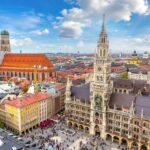
One of the major early landmarks is Hofbräuhaus, tied to the first mass meeting mentioned in the tour outline. This is where the Nazi movement’s early energy is shown as something happening in public, in a place where people could gather and listen.
This stop is valuable because it changes how you imagine “political persuasion.” It’s not just pamphlets or backroom deals. Your guide explains how mass meetings helped turn ideas into movement—how momentum grows when people show up, repeat slogans, and feel part of something bigger.
If you’ve seen Munich’s beer-hall reputation, you’ll appreciate how the tour reframes it. It’s still a landmark you’ll recognize, but now you’ll understand the darker chapter tied to it.
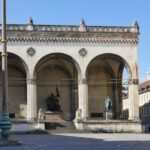
Feldherrnhalle: The Attempt to Seize Power
Next is Feldherrnhalle, associated with the tour’s mention of a failed attempt to seize power. This is one of those places where architecture and symbolism matter—because politics often uses visuals to look inevitable.
On this stop, I’d expect (and the guide experience suggests) that you’ll hear not only what happened, but what it signaled. Failures can still build reputations. They can create martyrs, myths, and a stronger “we were right all along” narrative.
That’s why this kind of stop helps: you learn how extremists can keep control of the story even when events don’t go their way.
More Great Tours NearbyKönigsplatz: Party Rallies and Political Theater
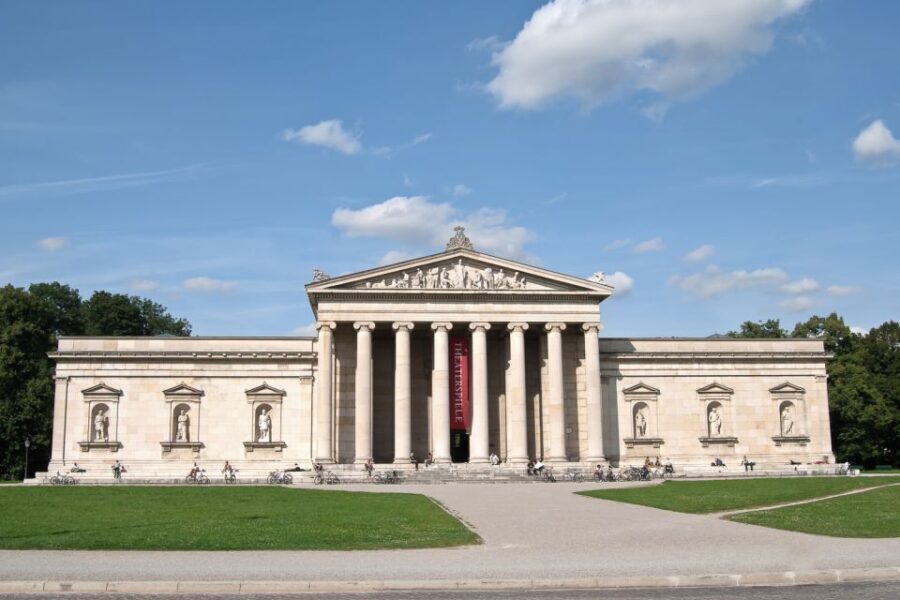
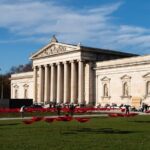
Königsplatz is another anchor point on the route. The tour specifically frames it as a site tied to Nazi party rallies, and that’s the key. This wasn’t just politics in the abstract—it was politics staged for crowds.
Standing near rally-related space helps you understand how mass politics works. Movements want scale. They want unity. They want scenes that look impressive from a distance and feel powerful up close.
This stop also makes the tour feel more “whole,” because it connects early meetings (like Hofbräuhaus) to later, more organized displays of power (like rallies at Königsplatz).
Hofgarten and the White Rose Resistance Movement
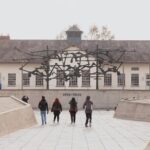
The tour makes sure you don’t leave with only the Nazi side of the story. It includes a stop in the Hofgarten area to talk about the White Rose Resistance Movement.
This is a really important balance. Learning about how the Third Reich grew can be chilling, but it can also become one-sided if you don’t hear about resistance. This stop gives you a different lens: what some people did when they refused the propaganda path.
In practical terms, this also changes the tour’s emotional arc. You start in the rise of Nazism, but you end with awareness that opposition existed—and that moral choices still mattered even when systems were crushing dissent.
How the 2:45 Tour Flows on Foot
The tour runs 2.5 hours (165 minutes). It’s designed as a focused walking circuit rather than a slow stroll with lots of long museum detours. Expect regular walking stretches, plus guided storytelling at the stops.
Several travelers noted that pacing and breaks made the experience easier to handle, even in cold weather. On winter days, you’ll feel every bit of it if you show up in the wrong layers—so I’d treat “comfortable shoes” as the minimum, not the whole list.
Also, keep in mind meeting details can vary by option booked. The key practical move: confirm your exact meeting point before you set out, especially if you’re arriving in Munich on foot.
Guides Are the Difference: What Reviewers Keep Praising
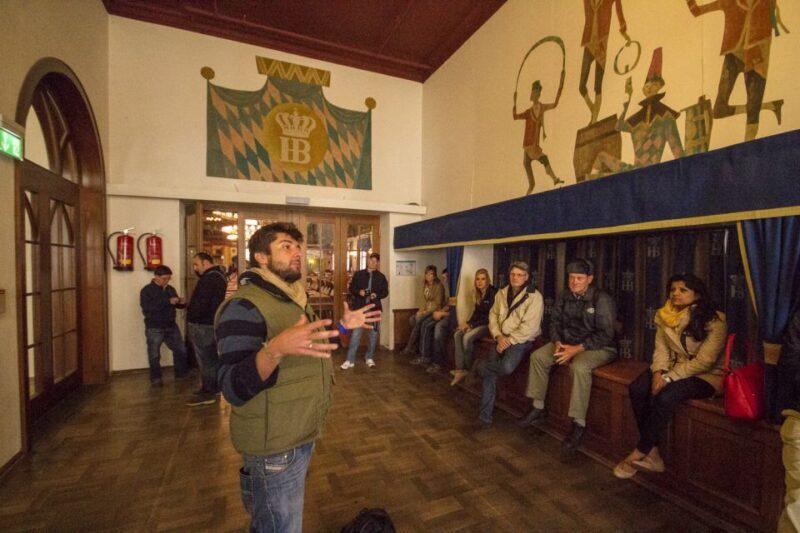
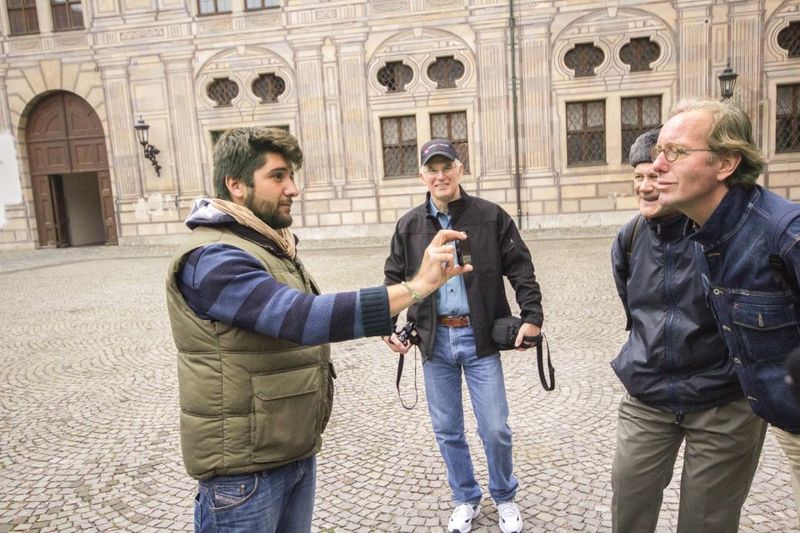
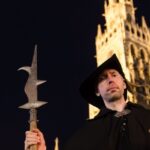
This tour’s reputation seems to rest heavily on the guides. Across many comments, you see a pattern: clear explanations, good voice projection, strong knowledge, and respectful storytelling.
Names that came up often include Michael, Steve, Steve Le, Josh, Alex, Florian, Ulrich, Danielle, Aileen, and Brigit Muller. The common thread isn’t just credentials; it’s the way they handle a complex, painful history without turning it into either a dry lecture or a spectacle.
Practical value for you: a strong guide helps you keep track of the timeline and the connections between places. Without that, these landmarks can blur into a “see the big buildings” list. With a good guide, they become a narrative you can repeat at dinner later.
Voice, Weather, and Comfort: Small Things That Matter
You’re outside. It’s Munich, and conditions can change fast—especially in winter. Reviewers mentioned cold and advised warm clothing, which is a sensible move even if you just plan to walk for a bit.
A few very specific comfort notes also appeared in feedback:
- Some guides brought hot tea for cold weather comfort.
- Other comments mentioned extra help like seat pads or cushioning on cold days, which is genuinely thoughtful when you’re pausing at sites.
That kind of care isn’t required for every tour every day, but it’s good to know what you might experience if your guide is prepared.
What to bring is simple: comfortable shoes. Then add warm layers if you’re going outside in cooler months.
Price and Value: Why $31 Can Make Sense Here
At about $31 per person, this tour can feel like good value if you want a guided, location-based history lesson. You’re paying for three things you’d otherwise have to stitch together yourself:
- a structured timeline for Hitler’s rise in Munich/Bavaria
- expert interpretation at major landmarks like Hofbräuhaus, Feldherrnhalle, and Königsplatz
- a guided counterpoint through the White Rose Resistance Movement
If you’re staying a short time in Munich, that matters. A $31 guided walk can be cheaper than piecing together multiple museum visits with limited background knowledge, especially when you’re focused on one clear theme.
That said, set expectations. This isn’t a light sightseeing add-on. It’s a heavy history tour, so the “value” comes from understanding and context, not entertainment.
Accessibility and Group Options
The tour notes wheelchair accessibility. That’s a big plus if you need an option designed with access in mind.
You can also find private group availability, which is useful if you’re traveling with family, friends, or anyone who benefits from a smaller setting for questions.
Language options listed are English and German, and you get a live guide rather than self-guided audio.
Who Should Book This Tour (and Who Might Want a Different Fit)
This works well if you:
- want a guided walking tour through major Nazi-era Munich sites
- care about the origin story of the Third Reich (not only WWII’s final years)
- want a balanced lesson that includes resistance, via the White Rose Movement
It may be less ideal if:
- you want a casual, relaxed sightseeing pace
- you’re looking for something purely cultural or uplifting
- you can’t commit to giving your guide full attention during a focused story (one reviewer directly warned that the tour requires that kind of focus)
Final Thoughts: Should You Book the Munich Third Reich & WWII Walk?
I’d book this if you’re visiting Munich and you want more than postcard history. The combination of Hofbräuhaus, Feldherrnhalle, Königsplatz, and the White Rose stop gives you a route with structure, and the consistent praise for guides is a strong sign you’ll understand what you’re seeing.
Do it with respect for the topic. Wear the right shoes. If you’re traveling in cold weather, bring warm layers. If you prefer upbeat tours, skip it. If you want clarity about how a movement rose in Munich—and what people did in response—this one is a solid use of time.
Munich: Third Reich & WWII Walking Tour
FAQ
Is this tour in English?
Yes. The tour offers live guiding in English (and also German).
How long is the walking tour?
It runs about 2.5 hours, listed as 165 minutes.
What sites does the tour include?
The tour includes stops connected to Hofbräuhaus, Feldherrnhalle, Königsplatz, and it also mentions a stop in the Hofgarten area.
Does the tour cover the White Rose Resistance Movement?
Yes. The tour includes learning about the White Rose Resistance Movement.
Is the tour wheelchair accessible?
Yes, the tour notes wheelchair accessibility.
What should I bring?
The tour suggests bringing comfortable shoes. If you’re going in cold weather, you might also want warm clothing based on traveler comments.
How much does it cost?
The price is listed as $31 per person.
Can I cancel for a refund?
Yes. Free cancellation is available up to 24 hours in advance for a full refund.
Is there an option to book and pay later?
Yes. The tour offers a reserve now & pay later option.
Can I book a private group?
Yes. Private group availability is listed.
You can check availability for your dates here: