
I like this retro bike tour because it’s a fast way to “learn the layout” of Bruges without turning the day into a walking marathon. You get about 2.5 hours on the bikes, plus a local guide who explains what you’re seeing as you roll between key squares and lesser-known streets.
What I especially like is the combo of practical comfort and good storytelling. Helmet, basket, and retro bikes are included, and you also get a poncho and umbrella for the classic Bruges weather curveballs. From the reviews, the guides really matter too—people mention Sebastian, Mercedes, Nathan, Frida/Frieda, and Lorelei as knowledgeable, friendly, and good at keeping the pace comfortable.
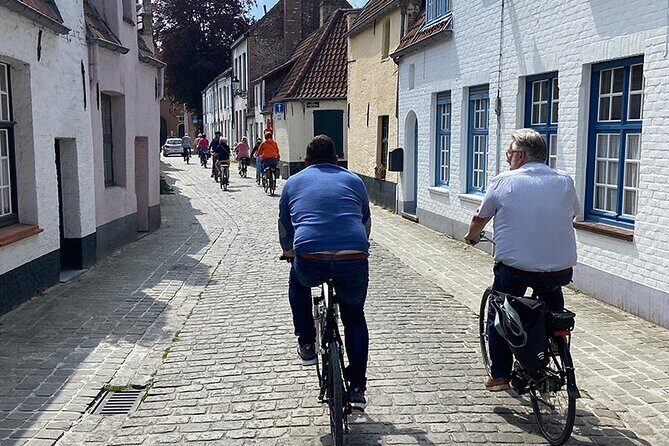
One thing to consider: Bruges can be busy and bumpy. Expect cobblestones and some interaction with cars and pedestrians (even if the ride stays relaxed), so you’ll want at least moderate bike comfort and patience in city traffic.
- Key Things to Know Before You Pedal Bruges
- Price and What You’re Actually Buying
- Meeting Point: Make It Easy on Yourself
- The Bike Setup: Helmet, Basket, Poncho, Umbrella
- Who This Tour Fits Best (and Who Might Want to Skip)
- The Pace: Relaxed but Not Silent Sightseeing
- Stop by Stop: What You’ll See and Why It Matters
- Historic Centre of Brugge and Hof Bladelin Garden
- Belfry of Bruges: The Landmark That Organizes the City
- Burg Square: Administrative and Touristic at the Same Time
- The Markt: Bruges at Its Most Alive
- The Princely Beguinage Ten Wijngaarde
- Jan Van Eyckplein and Spiegelrei Area
- Bladelin House (Hof Bladelin): City Palace Stories
- The Best Cycling Moment: Ramparts and Windmills
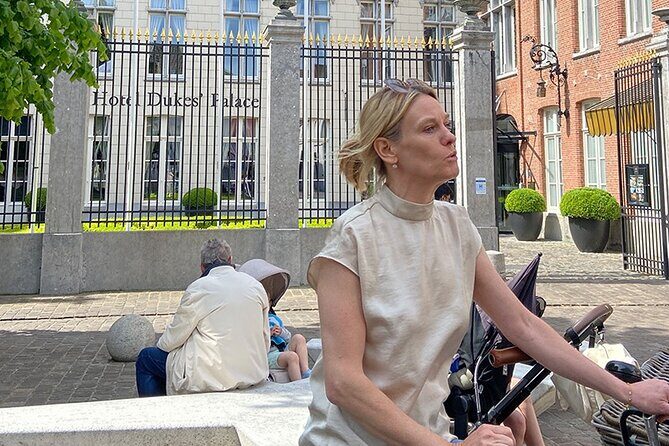
- Architecture Stop: Adornes Domain and Hotel Dukes’ Palace
- Almshouses and Mary of Burgundy: Ending with Identity
- Safety and Bike Skills: The Real-World Notes
- Stops, Hearing, and Your Photos
- Weather Moves: What Happens if It Rains
- Logistics: Mobile Ticket, English, Service Animals, Transport
- Cancellation: A Low-Stress Way to Book
- Should You Book This Retro Bike Tour?
- FAQ
- FAQ
- How long is the Bruges retro bike tour?
- What’s included with the bike rental?
- Do I need to know how to bike well?
- Where does the tour start?
- Is the tour offered in English?
- What is the cancellation policy?
Key Things to Know Before You Pedal Bruges
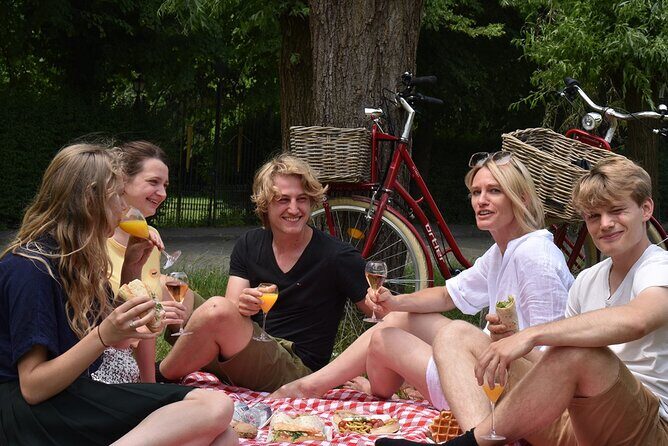
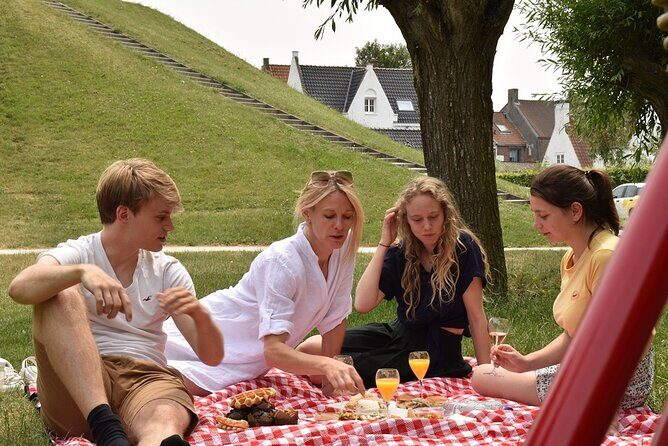
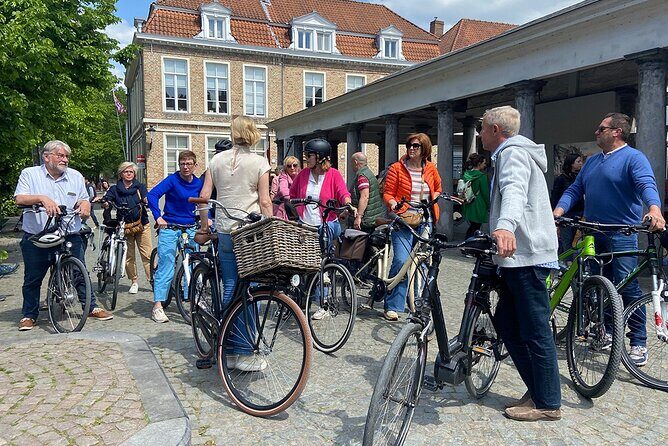
- Small group (max 14) keeps it easier for the guide to manage pace and safety.
- Retro bikes with a basket help for small bags, jackets, or a bottle of water.
- Poncho and umbrella included so you’re not stuck cutting the tour short in rain.
- A “highlights plus quiet corners” route that goes beyond only the main squares.
- Frequent guided stops at major sights plus spots many visitors skip.
- Mobile ticket in English means less hassle at check-in.
Price and What You’re Actually Buying
At $53.84 per person for roughly 2 hours 30 minutes, this isn’t a bargain-price “just get on a bike” deal. You’re paying for a guide-led route, the bike, and the gear that protects you from rain and cold. For Bruges, where everything is close but still time-consuming to walk, the value is in seeing more and understanding more during the time you have.
The small group size (up to 14 travelers) is part of why the price can feel fair. Bigger groups often mean rushed stops or long waiting. Here, the vibe seems built for steady pacing and clear guidance, with guides regularly mentioned for being attentive and informative.
Meeting Point: Make It Easy on Yourself
The tour starts at Retro Biketours Bruges, Grauwwerkersstraat 29, 8000 Brugge. Reviews note it’s about a 15-minute walk from the train station, and that it’s typically easy to find with Google Maps.
Since the tour ends back at the meeting point, plan your return logistics around that. If you’re arriving by train, give yourself a little extra buffer to find the shop and get your gear sorted before departure.
The Bike Setup: Helmet, Basket, Poncho, Umbrella
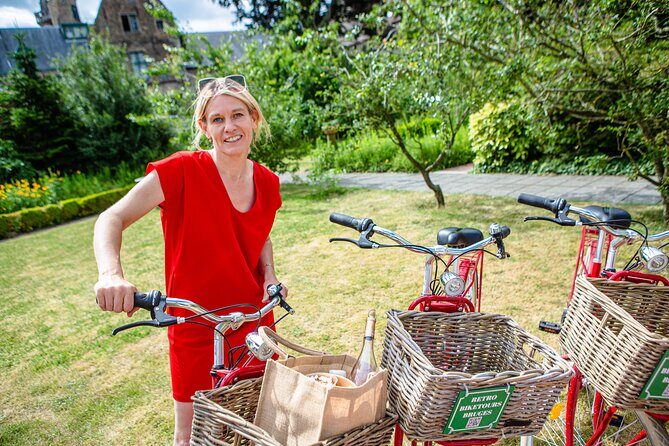
This experience includes a retro bike rental, plus a helmet and a basket. That basket sounds small, but in practice it can save you from holding everything in your hands while you ride cobblestones. It also makes it simpler to carry a light layer or water without stuffing it in a backpack.
They also provide a poncho and umbrella for weather. Reviews highlight the idea that the company is ready for changes, and one traveler mentioned being able to adjust the tour time due to the weather forecast without extra charge. That’s the kind of practical support that matters in Bruges, where rain can change your whole mood fast.
Who This Tour Fits Best (and Who Might Want to Skip)
The requirement is moderate physical fitness. You’re riding through cobblestone streets, and you’ll need to feel comfortable on a bike in a busy city setting. One reviewer said it helps if you’re used to biking around cars and pedestrians, since there’s no magic bubble of bike-only lanes.
This tour is a great fit if you want:
- An overview of Bruges in one go
- A guided explanation as you pass the big landmarks
- A route that includes tourist-famous places and quieter areas
It may be less ideal if you can’t stay comfortable biking for the full duration or you’re expecting minimal stopping and maximum riding. One less-positive review said they didn’t feel the tour suited them because it was not much riding and the group had frequent stops, plus they couldn’t hear the facilitator well. That’s a reminder that guided storytelling and frequent landmark pauses are a core part of the format.
The Pace: Relaxed but Not Silent Sightseeing
The overall rhythm seems relaxed. Many reviews mention a pace that’s easy, with stops timed to let you hear the story and grab photo moments. Guides also appear to do bike checks and keep everyone comfortable before rolling out.
At the same time, it’s not a bus tour where you do zero movement. You should expect turning, balancing on cobblestones, and staying alert around pedestrians and other bikes. One traveler even pointed out how quickly you can get near losing sight of the guide if you fall behind, which is a good reason to keep up and stay aware at junctions.
Stop by Stop: What You’ll See and Why It Matters
Below is how the tour’s main stops translate into your day. The names are the headline, but the value is what the guide helps you notice.
Historic Centre of Brugge and Hof Bladelin Garden
You start at the monastery garden of Hof Bladelin. This opening matters because it drops you into Bruges’ setting right away, before you bounce around the city squares. You’ll hear stories tied to the city’s past as you begin rolling.
The tour also includes time for what they call the Silent Bruges area, described as a secluded neighborhood that many travelers don’t reach. I like that mix at the beginning: you get the classic landmarks later, but you also get a taste of Bruges beyond the postcard loop from the start.
Belfry of Bruges: The Landmark That Organizes the City
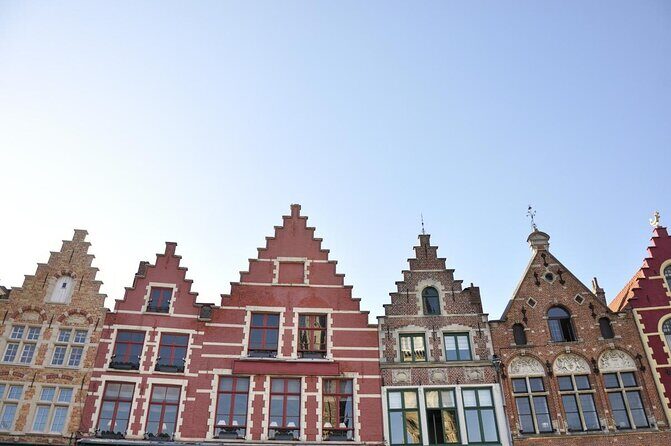
Next comes the Belfry of Bruges, a highlight that helps you visually anchor where you are. Even if you don’t go inside, standing near it gives you orientation for the historic center and explains why this kind of tower mattered to medieval civic life.
Because you’ll be on a bike, you can connect the dots faster than by walking from one end of the center to the other.
Burg Square: Administrative and Touristic at the Same Time
Then you ride to Burg Square, the administrative and touristic center of Bruges. This stop is useful because it’s where many stories connect: civic power, the layout of the historic district, and the reason the most important buildings cluster here.
It’s also a good “pause point” for photos and quick orientation. Expect the guide to set context so it stops feeling like random architecture and starts feeling like a place with a plan.
The Markt: Bruges at Its Most Alive
The Markt is the “beating heart” stop on the route. It’s busy, it’s central, and it’s exactly the kind of place where you can feel how Bruges balances history and daily life. You’ll get the visual payoff, but the guide’s job is to make it more than just a pretty square.
If you’re visiting for the first time, this is the stop where you usually start to understand why Bruges looks the way it does.
The Princely Beguinage Ten Wijngaarde
The Princely Beguinage Ten Wijngaarde is one of the most distinctive stops: the tour frames it as the only preserved beguinage in Bruges. The practical value for you is that it gives your eyes a different kind of historic scene than the main civic squares.
This is also a smart inclusion because it slows the pace a bit. You’re not just rushing past big monuments; you’re seeing a living-style community layout preserved through time.
Jan Van Eyckplein and Spiegelrei Area
You’ll pass through Jan Van Eyckplein, at the beginning of the Spiegelrei. The benefit here is that you connect Bruges’ squares to the river-side geography. Even if you’ve seen Bruges photos before, the spacing and alignment make more sense when you’re moving through it.
This stop also helps with the “I want to know where I can walk later” goal. After the tour, you’ll likely recognize streets and squares as you roam.
Bladelin House (Hof Bladelin): City Palace Stories
The route includes Bladelin House (Hof Bladelin), described as a medieval city palace. It’s also linked to things like the Medici Bank and a lace school in the tour description, which suggests the guide’s storytelling isn’t limited to kings and wars.
This is where you learn how wealth, trade, and local crafts shaped everyday life. For many travelers, that’s the difference between seeing buildings and understanding the city.
The Best Cycling Moment: Ramparts and Windmills
One of the biggest “wow” zones is the Windmills of Bruges stop, described as a ramparts ride with windmills. Reviews repeatedly praise the views from this section, including the idea that the path is scenic and provides a cooling break from the busiest parts of town.
You’ll also get a different visual rhythm—less “tight square,” more open perspective. If you want a photo that shows Bruges beyond the center blocks, this is the place to aim for it.
Architecture Stop: Adornes Domain and Hotel Dukes’ Palace
The tour continues with Adornes Domain, called an exceptional piece of architecture. Then you’ll also see Hotel Dukes’ Palace, tied to rich Dukes Palace history.
Why these stops are valuable: they help you connect Bruges’ power and style to specific buildings, not just general impressions. It turns “pretty old place” into a more solid memory.
For travelers who like art and architecture, this portion is where the tour earns its keep. You’re not just moving; you’re learning what to pay attention to when you’re back walking on your own later.
Almshouses and Mary of Burgundy: Ending with Identity
The tour wraps up around the historic center again, including a “set of almshouses” spread around the city. That sort of stop gives the tour a broader view of who lived in Bruges and what the city valued beyond ruling families and trade giants.
Finally, you’ll visit the Mary of Burgundy Statue, described as the duchess of Burgundy. This is a clean “identity” closing moment. It helps make the medieval era feel like a real cast of characters, not just a timeline.
Safety and Bike Skills: The Real-World Notes
Bruges is bike-friendly, but it’s still a city. One reviewer said there are more bikes than cars, and another warned that you still need to negotiate with cars and pedestrians. Add in cobblestones, and you have the classic Bruges combo: beautiful but not effortless.
What helps:
- Keep a steady place in the group so the guide doesn’t have to wait on you
- Stay focused at crosswalks and tight turns
- Use the basket for items you would otherwise grip in your hands
If you’re a confident rider, you’ll probably find it easy. If you’re less comfortable, the moderate fitness requirement and the cobblestone factor means you should go in with realistic expectations.
Stops, Hearing, and Your Photos
The tour includes frequent stops to share history and interesting details. That’s great for learning and for photos, but it also means you’ll be stationary often. If you’re the type who gets restless, this tour might feel slower than expected.
Also note the one mixed review about not being able to hear the facilitator. If you’re hard of hearing or sit far from the front, consider positioning where the guide’s voice carries best. In a group this size, that usually matters.
The upside is that many reviews mention great photo opportunities everywhere you went, plus photo-friendly stops with clear landmark context.
Weather Moves: What Happens if It Rains
You should assume weather can change. The provided poncho and umbrella are the obvious safety net. Less obvious is that the company appears to offer flexibility when forecasts are bad, with at least one traveler reporting they could change the time one day before without extra charge.
Still, plan like a responsible adult: bring layers and wear shoes that handle wet cobblestones. The gear helps, but you’ll enjoy the ride more if you’re prepared.
Logistics: Mobile Ticket, English, Service Animals, Transport
You’ll receive a mobile ticket, and the tour is offered in English. It’s also listed as near public transportation, which matters if you’re building a multi-day itinerary around Bruges.
Service animals are allowed, and participation is at your own risk. That’s standard language, but it’s good to know the company isn’t trying to hide the reality: you’re cycling in a live city.
Cancellation: A Low-Stress Way to Book
There’s free cancellation. You can cancel up to 24 hours in advance for a full refund, and changes within 24 hours aren’t accepted. Cut-off times are based on local experience time.
For planning, that’s useful. Bruges weather can be moody, so the ability to cancel or adjust your plans without losing money reduces pressure when you book.
Should You Book This Retro Bike Tour?
If you want a guided, low-effort way to understand Bruges fast, I’d book it. The combination of knowledgeable local guides (with names like Sebastian, Mercedes, Nathan, Frida/Frieda, and Lorelei coming up in reviews), plus the mix of major highlights and quieter areas, is exactly what most first-timers need.
Book it especially if:
- You only have a day or half-day in Bruges
- You like history explained in plain language while you move
- You want to leave with a mental map for later self-guided exploring
- You want some weather protection built in
Skip or reconsider if:
- You’re not comfortable riding on cobblestones or in busy pedestrian/cyclist areas
- You prefer minimal stops and mostly continuous riding
- You worry about hearing the guide and you know you’ll end up far back in the group
Overall, it’s strong value for money for travelers who want both sights and context, and who enjoy the idea of seeing Bruges by bike rather than just on foot.
Bruges, Guided Retro Biketour: Highlights and Hidden Gems
FAQ
FAQ
How long is the Bruges retro bike tour?
It runs for about 2 hours 30 minutes.
What’s included with the bike rental?
You get a retro bike rental, a helmet, and a basket. The tour also includes a poncho and umbrella for weather.
Do I need to know how to bike well?
You should have at least moderate physical fitness and be comfortable biking in a city environment, including cobblestone streets.
Where does the tour start?
The meeting point is Retro Biketours Bruges at Grauwwerkersstraat 29, 8000 Brugge. The tour ends back at the meeting point.
Is the tour offered in English?
Yes, it is offered in English. You’ll also receive a mobile ticket.
What is the cancellation policy?
Cancellation is free up to 24 hours before the experience start time for a full refund. If you cancel less than 24 hours before, you won’t receive a refund.