
This guided walking tour stacks three of ancient Rome’s biggest hits into one smooth morning/afternoon, with a local guide, headsets, and admission tickets included. You’ll spend about 2 hours 45 minutes on site time and walking, and the route is designed to help you move through crowds without losing the story.
I like that you’re not just looking at stones. The guide-led pacing turns the sites into a single timeline, from the arena’s bloody spectacle to the power centers on the hill and in the Forum. I also like the practical setup: Colosseum tickets and reservation fees are bundled in, and the group stays capped at 25 for a more manageable experience.
One possible drawback: it’s still a lot of walking (cobbled paths, steps, and inclines), and the Colosseum can be extremely crowded. If you’re sensitive to noise or you struggle with accents, choose your expectations accordingly.
- Key things to know before you go
- What you’re really paying for (and why it’s good value)
- The meeting point and where you end (plan your day around it)
- Tour pace and what “2 hours 45 minutes” feels like
- Colosseum: from Vespasian to the roar you can almost hear
- Colosseum reality check: crowds and noise
- Palatine Hill: where Rome’s story starts and imperial power took over
- Why Palatine Hill was such a strategic choice
- The view factor
- Roman Forum: the political center where daily life met power
- Guides: the real difference between an average and a great tour
- What to wear and bring (so Rome doesn’t punish your feet)
- Tickets, IDs, and entry rules you must follow
- What’s included vs. not included (and how to plan food)
- Getting the most out of the tour: my practical strategy
- Should you book this Colosseum & Ancient Rome guided walking tour?
Key things to know before you go
 1 / 8
1 / 8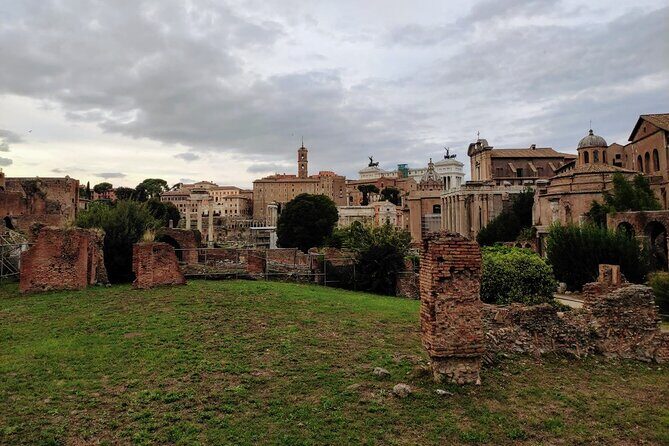 2 / 8
2 / 8 3 / 8
3 / 8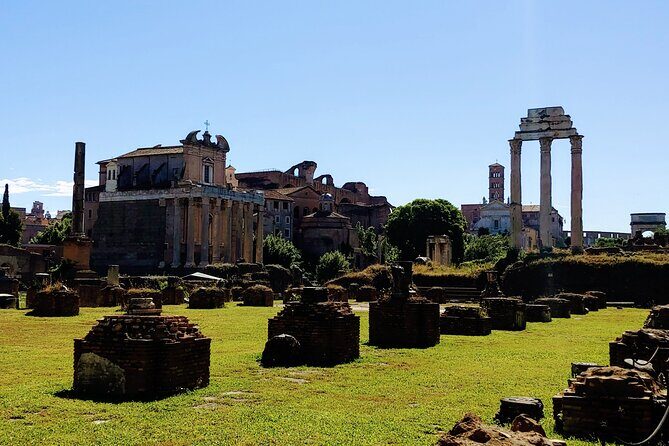 4 / 8
4 / 8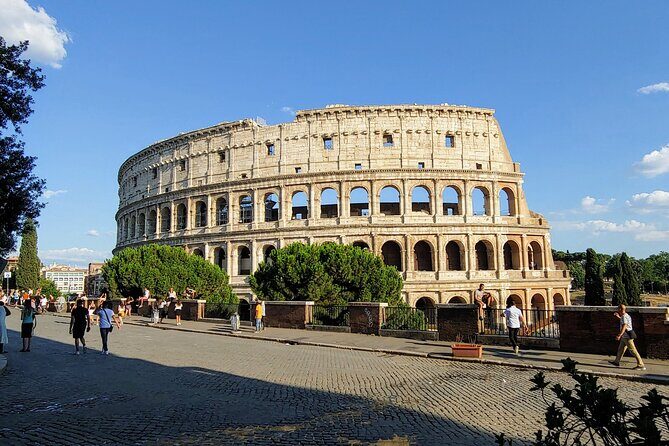 5 / 8
5 / 8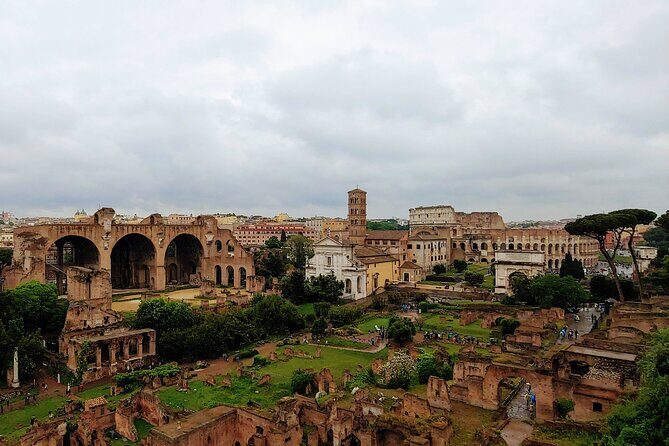 6 / 8
6 / 8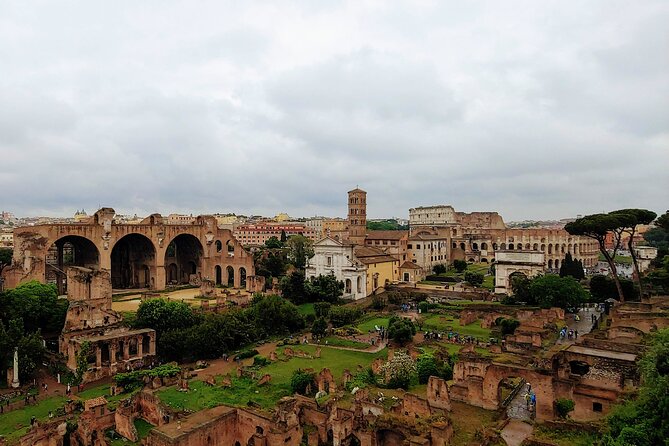 7 / 8
7 / 8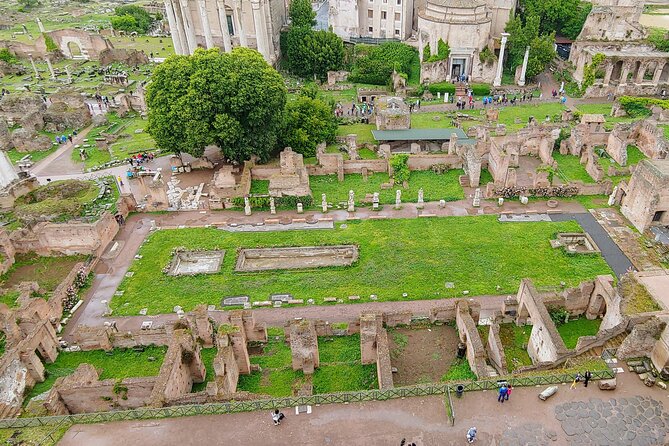 8 / 8
8 / 8- Tickets included: Colosseum entry plus reservation fee are part of the price.
- Guides make it click: Multiple guides were praised for clarity, humor, and bringing the sites to life.
- Headsets help a lot: You’ll hear the commentary even in busy spots.
- Expect stairs and uneven ground: Comfortable shoes matter.
- Small-group size: Maximum 25 travelers keeps the tour from feeling like a stampede.
- Good value for a tight schedule: You’re covering three major attractions in one visit.
What you’re really paying for (and why it’s good value)
At $65.33 per person, the tour price looks straightforward until you break down what’s included. The Colosseum portion alone lists a ticket value of €18, plus a €2 reservation fee. That means a big chunk of your money goes toward the guide, logistics, and the additional sites—rather than just paying for admission again.
If you try to self-plan this yourself, you’ll still face two realities in Rome: timed entry and crowd flow. Having a guide helps you move as a group, get through the right entry process, and spend your attention on meaning instead of searching for the next stop. And because this is a guided walk with headsets, you’re paying for understanding, not just access.
The meeting point and where you end (plan your day around it)
The start is at L.go Gaetana Agnesi, 5, 00184 Roma RM. The tour ends at the Roman Forum area (00186 Roma). That end point matters: you’ll likely be closer to other Forum-side sightseeing afterward, while you may need a short ride back to your hotel if you’re staying far from central Rome.
Also note the timing is structured. Multiple guests mention the group moving efficiently, and Colosseum entry is strict about arrival time. If you’re late, the tour experience can be impacted.
Tour pace and what “2 hours 45 minutes” feels like
The duration is listed at about 2 hours 45 minutes. In practice, expect steady walking plus a few stops for photos and breaks. Several travelers specifically mentioned steps, inclines, and cobbled pavements, so this isn’t a gentle stroll.
A good way to think about the pace: it’s designed for first-timers who want the big picture fast. If you’re the type who likes to linger in one spot for an hour, you might finish the tour feeling like you could go back for more. The upside is you’ll leave with a clear map of what’s where—and why it mattered.
Colosseum: from Vespasian to the roar you can almost hear
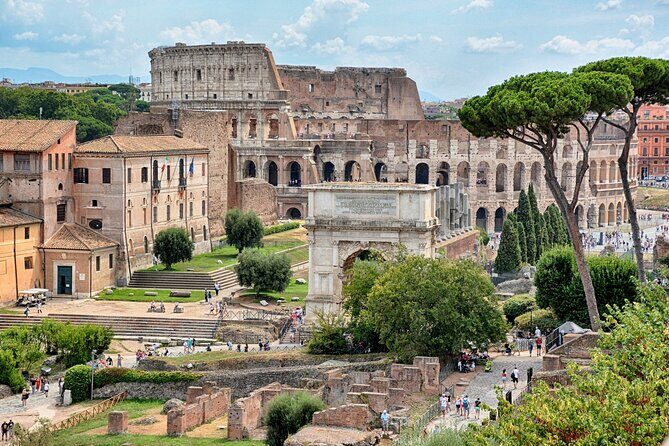
The Colosseum (also called the Flavian Amphitheatre) is the first stop. The tour frames it as the greatest entertainment venue of its era, built on the order of Emperor Vespasian between 72 and 80 AD.
Here are the details that make the place feel real rather than touristy:
- The construction used massive quantities of materials—over 1 million tons, including travertine, marble, and cement.
- The games weren’t funded by ticket sales the way we think today. They were paid for by the emperor, meant to showcase Roman power.
- Over nearly five centuries, people from across the empire came to watch gladiators and animal fights, along with criminals—an era of spectacle at a scale most of us can’t picture.
One traveler noted the access to the Colosseum floor was a highlight, which can help you understand the space instead of only viewing from above. Another praised guides who used picture books to explain key areas, which is especially helpful when you’re standing inside a ruin with layers of history.
Colosseum reality check: crowds and noise
Even with a great guide, the Colosseum is crowded. That crowd pressure is part of the experience. The tour’s headsets are a big deal here because you’ll still hear the story through the noise and movement.
If you’re not comfortable with crowds, consider going early in the day if your schedule allows. And wear shoes you trust. Several guests called out lots of walking and cobbles.
Palatine Hill: where Rome’s story starts and imperial power took over
Next up is Palatine Hill, described as the place where Rome began. You’ll hear the origin story tied to Romulus (allegedly the first king) and 753 BC, plus archaeological traces showing earlier settlement activity from the Bronze Age.
What you’ll be looking at here isn’t one single building—it’s a landscape of layers. The tour points out that today you can still see remains of the imperial palaces, which helps explain why this hill mattered long-term.
Why Palatine Hill was such a strategic choice
The tour connects geography to power:
- Palatine Hill is one of Rome’s seven hills, and it was considered ideal partly due to its central position.
- Early civilizations often chose higher ground near rivers, which gave advantages for defense and for dealing with frequent flooding.
- The hill became a residential and political stage: the place associated with the houses of kings, imperial palaces, and notable people.
The view factor
Many guides are praised for showing you how to look at the site. Even when you’re moving quickly, Palatine’s position gives you perspective on how the city would have felt in ancient times. It’s one of those stops where the photos make sense because your brain is finally orienting itself.
Roman Forum: the political center where daily life met power
The third site is the Roman Forum, presented as the core of public Roman life. It’s described as an outdoor plaza where people gathered for political and civil matters—so think of it as part courthouse, part parliament, part civic square.
What makes the Forum special on a guided tour is the translation of ruins into function. You’ll be pointing at locations and learning what they were for, including:
- Temples, basilicas, and palaces of power
- The house of the Senate (mentioned as one of the important areas you can find)
- Spaces tied to business and justice
If you’ve ever felt lost in the Forum because it looks like scattered stone, a good guide helps you “assemble” it in your head. Multiple travelers praised guides who stayed organized and kept the group together efficiently, especially in crowded conditions.
Guides: the real difference between an average and a great tour
This tour lives or dies by guide quality. And here’s what stood out from traveler feedback: people consistently praised guides and the ability to explain without drowning you in facts.
You’ll hear stories in different styles, and several guides were specifically praised by name:
- Kiara was praised for a comprehensive, comfortable pace and clear explanations at the Colosseum.
- Lumi got shout-outs for humor and using a visual aid (a book with pictures) to make the Colosseum easier to understand.
- Juliya, Adnan, and Giuseppe were praised for being knowledgeable and for making history feel understandable rather than abstract.
- Max stood out for big-picture clarity, including the Colosseum floor access.
- Sam and David Battaglino were repeatedly praised for story-based teaching and entertainment value.
- Radu and Raul were praised for keeping younger travelers engaged and explaining in a clear, approachable way.
- Alessandra was noted for warmth and keeping the tour on track.
- One traveler specifically mentioned a strategy to get up to the rails for good pictures—small logistical help that can genuinely improve your experience.
There was also a less-positive note: one guest found a guide hard to understand due to accent and felt the tour wasn’t broken into more focused stops. So if you’re sensitive to audio clarity, headsets help, but your own comfort matters too.
What to wear and bring (so Rome doesn’t punish your feet)
This is practical advice from how the experience is described by travelers: bring water, wear comfortable shoes, and expect a decent amount of stairs and inclines. The Colosseum area is full of uneven paths, and the route between stops can be step-heavy.
One reviewer even mentioned the heat (around 100 degrees) and appreciated that their guide managed shade breaks and kept the group comfortable. That kind of small attention is a big part of what makes guided walking work.
Tickets, IDs, and entry rules you must follow
This is important because the tour includes timed admission. You must provide:
- Full names of all travelers when booking.
- A valid passport or ID matching the name provided.
If names don’t match, entry can be denied for the Colosseum and Roman Forum. This isn’t a “maybe” situation; it’s a “don’t risk it” situation. Double-check spelling.
What’s included vs. not included (and how to plan food)
Included:
- Colosseum, Palatine Hill & Roman Forum tickets and fees
- Live tour guide
- Headsets
- Colosseum entrance ticket and Colosseum reservation fee
- The remaining cost covers other services
Not included:
- Food & drinks
So plan a snack and water for yourself, especially if you’re doing this in the heat. In one traveler’s experience, the guide also gave recommendations on where to eat/drink locally. That’s a bonus, but you still shouldn’t count on the tour to provide meals.
Getting the most out of the tour: my practical strategy
If you want this to feel like more than a checklist, do this:
- Arrive with one question in mind, like how the emperor controlled entertainment or how power worked in public spaces.
- Use your headsets actively. When you hear something like a “function” (justice, politics, business), try to map it onto what you’re seeing.
- Take photos during the stops, not while walking. A few reviews mention photo breaks and guides guiding people to good spots.
And if you finish wanting more: that’s normal. Three major sites in one tour means you get an orientation first, depth second. You’ll know exactly where to return.
Colosseum & Ancient Rome Guided Walking Tour
Should you book this Colosseum & Ancient Rome guided walking tour?
Book it if:
- You want three major ancient sites handled in one visit.
- You value expert guidance and want the story connecting Colosseum, Palatine Hill, and the Roman Forum.
- You like the idea of headsets in crowded areas.
- You prefer a small group (max 25) over trying to coordinate everything on your own.
Skip or reconsider if:
- You have limited mobility or you strongly dislike stairs and cobbled ground.
- You’re worried about audio clarity with accents and find it hard to follow guided narration.
- You’d rather wander slowly and spend extra time in one place.
For most visitors, this is a strong first Rome-ancient-hits experience: efficient, ticket-smart, and guided well enough that the ruins start to make sense fast.