When you’re planning a trip to Munich, you’ll encounter plenty of options for day excursions—castle tours, beer hall experiences, alpine adventures. But some experiences transcend the typical tourist itinerary. The Dachau Concentration Camp Memorial Site tour stands as one of those profoundly important journeys that travelers consistently describe as transformative and essential.
We appreciate this tour for two fundamental reasons. First, the guides genuinely know their subject matter and approach this difficult history with both expertise and sensitivity. Second, Radius Tours handles all the logistics—train tickets, bus transfers, entry fees—so you can focus entirely on understanding what you’re witnessing rather than fumbling with transportation schedules. The one consideration worth noting upfront: this isn’t a light-hearted morning activity. It’s emotionally demanding, historically heavy, and requires mental and emotional preparation.
This experience works best for travelers aged 13 and older who want to understand one of history’s darkest chapters. If you’re visiting Munich and seeking to move beyond beer gardens and palace tours, this tour offers the kind of historical education that stays with you long after you return home.
- What This Tour Actually Delivers
- Understanding the Itinerary
- The Quality of Guidance
- Practical Considerations for Your Visit
- Value Assessment
- What Travelers Actually Say
- Logistics That Actually Work
- Cancellation and Booking Flexibility
- Frequently Asked Questions
- The Best Of Munich!
- More Tours in Munich
- More Tour Reviews in Munich
What This Tour Actually Delivers
 1 / 8
1 / 8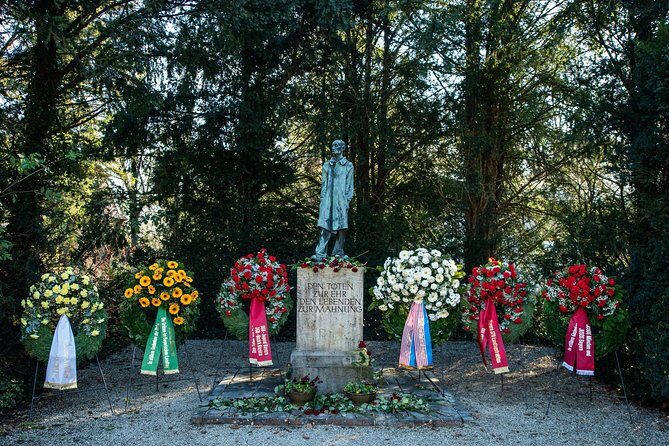 2 / 8
2 / 8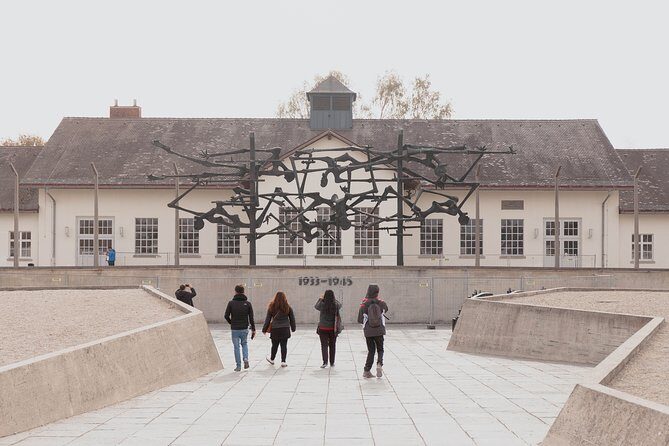 3 / 8
3 / 8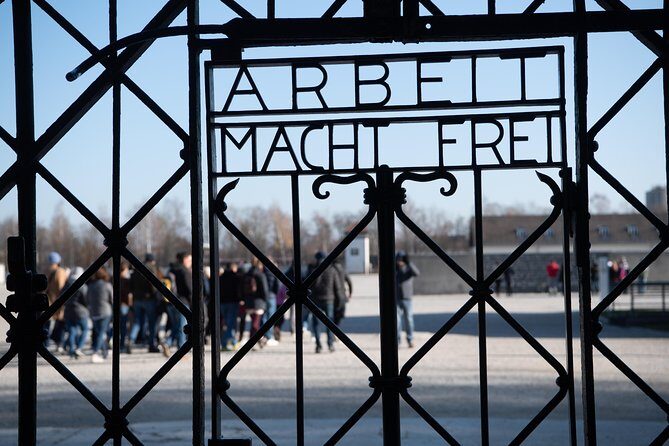 4 / 8
4 / 8 5 / 8
5 / 8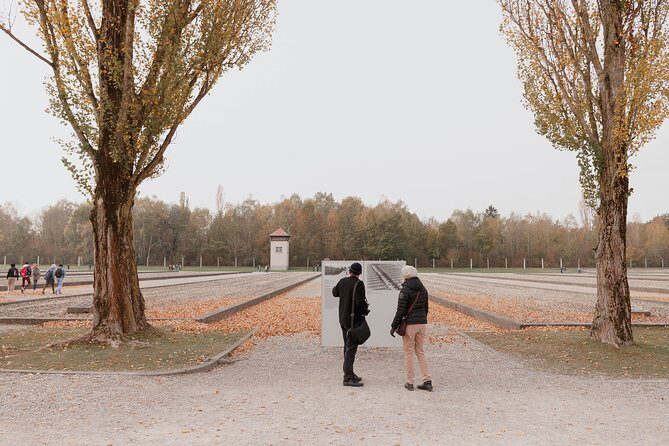 6 / 8
6 / 8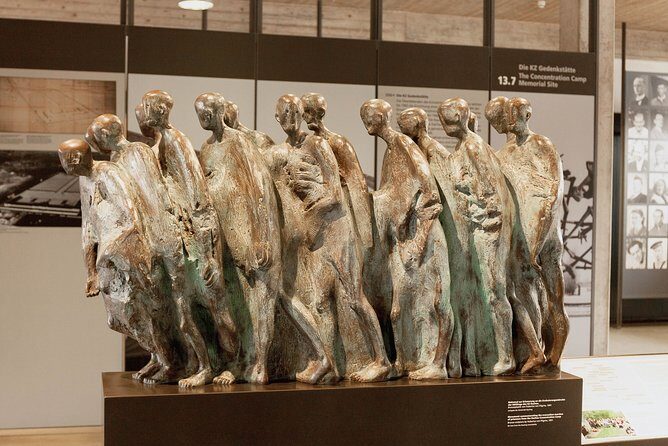 7 / 8
7 / 8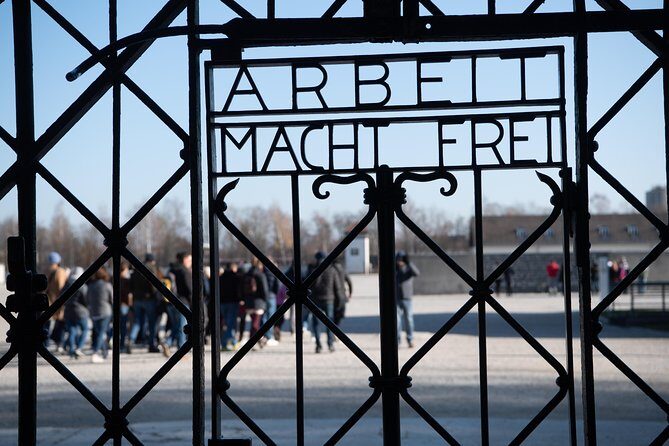 8 / 8
8 / 8The tour runs approximately five hours total, though the actual time spent at the memorial site itself stretches to around three hours. This matters because it’s enough time to genuinely absorb the space without feeling rushed, but also not so long that you’re overwhelmed by the weight of the experience. Radius Tours keeps groups to a maximum of 25 people, which means you’re not herded through like a typical mass-market operation.
The entire experience starts at Radius Tours’ office near Munich’s central train station, making it incredibly convenient. You’ll meet your guide and fellow travelers, then head directly to the local train and bus system. The company has already arranged your tickets, so there’s no confusion about which platform to use or whether you’re on the right connection. One traveler noted: “Everything was taken care of; train and bus tickets were preorganized and the tour went off without a problem.”
What you’re essentially getting is a guided education through one of the most significant historical sites in Europe, with all the transportation friction completely removed.
👉 See our pick of the The 8 Most Popular Shopping & Market Tours In Munich
Understanding the Itinerary
The Journey to Dachau
The train ride from Munich to Dachau takes roughly 20 minutes. Your guide often uses this time to provide historical context about the rise of the Nazi regime and how Dachau came to be established in 1933 as the first concentration camp in Nazi Germany. This context matters tremendously—you’re not walking into the site cold. You’re arriving with a framework for understanding what you’ll see.
Once you reach Dachau station, you’ll take a local bus to the memorial site itself. The combination of train and bus feels authentic to how visitors actually reach the site, rather than being shuttled in a tour coach. This contributes to the overall sense that you’re experiencing this place as a real historical location, not as a packaged tourist attraction.
At the Memorial Site
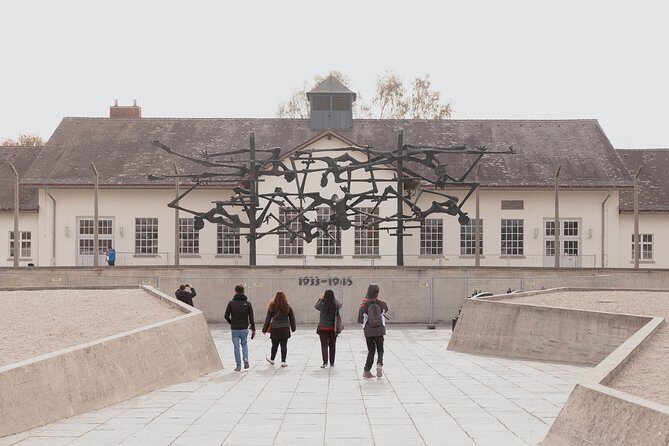
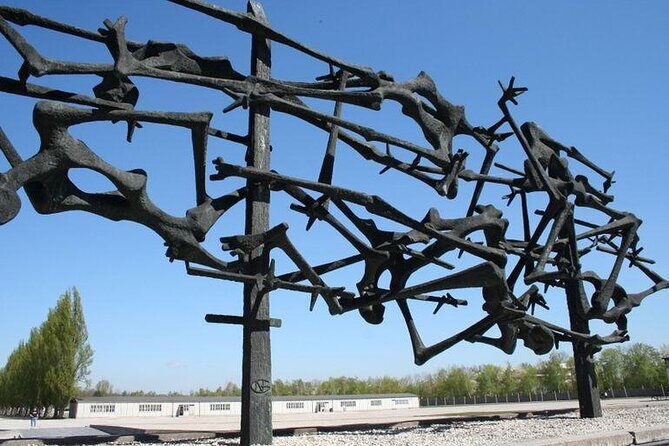
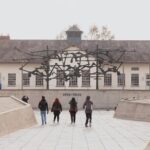
The three-hour guided tour at Dachau itself covers the exhibition center and the grounds where the camp once operated. You’ll walk through the main gate—the same gate prisoners passed through—and see reconstructed barracks and cells. The exhibition center provides crucial context about daily life in the camp, the different categories of prisoners, and the systematic horror that unfolded there.
Your guide will explain the camp’s layout and structure, helping you visualize how thousands of people were confined in these spaces. One visitor shared: “He explained in clear, thoughtful detail how the camp was structured, the different types of prisoners held there, and the horrific day-to-day realities they endured. His depth of knowledge was impressive—he answered every question thoroughly and provided context and details you won’t find in standard history books.”
The guides consistently receive praise for balancing education with emotional sensitivity. They’ll warn you before encountering particularly disturbing images or exhibits, allowing you to mentally prepare. This thoughtfulness matters when dealing with such heavy subject matter.
You can also read our reviews of more tours and experiences in Munich.



The Quality of Guidance
This tour’s 4.7-star rating across over 5,600 reviews reflects something important: the guides are genuinely skilled historians, not just people reading from a script. The reviews mention specific guides by name—Jake, Nick, Nicola, Aileen, Patricia, Matt, Keith—and nearly every mention includes phrases like “incredibly knowledgeable,” “exceptional,” and “respectful.”
One traveler described their guide Jake’s approach: “Jake was exceptionally knowledgeable about the deeply disturbing history of the memorial and delivered information thoughtfully and thoroughly throughout the entire tour.” Another noted: “She didn’t just recite facts—she told the human stories, explained the historical context, and helped us truly understand the significance of what happened there.”
What distinguishes these guides is their ability to present historical facts without sensationalizing the suffering. They help you understand the camp as a functioning institution of evil, not as a spectacle. They explain the historical forces that led to its creation and operation, which actually deepens your understanding of why this history matters today.
Practical Considerations for Your Visit
What to Bring and What to Know
The memorial site has no food or beverage facilities, so you’ll need to bring your own snacks and water. This is crucial information—you’ll be on your feet for three hours, and you’ll want sustenance. Some travelers grab something at the Munich train station before departing. One visitor wisely noted: “While there are food options out there, you won’t have time to stop and eat so take snacks with you.”
The weather in Munich can be unpredictable. One traveler mentioned visiting on a bitterly cold day, which actually added to the somber atmosphere but also meant dressing warmly was essential. Comfortable walking shoes are non-negotiable—you’ll be covering significant ground on the memorial grounds.
Age Requirements and Planning
Children under 13 aren’t permitted on this tour, and the operator requires proof of age. This policy exists because the subject matter and imagery are genuinely inappropriate for younger children. If you’re traveling with family, plan accordingly.
Group Size and Pacing
With a maximum of 25 people per tour, you’re not competing for your guide’s attention or getting lost in a sea of travelers. The guides manage the group’s pace carefully, allowing time to read exhibits and reflect at memorials while keeping things moving. This balance is harder to achieve than it sounds—too slow and people become emotionally drained; too fast and you miss crucial details.
Value Assessment
At $64.09 per person, this tour includes professional guiding, round-trip transportation via train and bus, and admission to the memorial site. That’s genuinely reasonable pricing for what you’re receiving. Consider that a self-guided visit would require you to figure out train schedules, navigate the site without context, and miss the historical narrative that makes the experience meaningful. The guides elevate this from a somber visit to an educational journey.
The tour books approximately 53 days in advance on average, suggesting it’s popular but not impossible to reserve. The 94% recommendation rate indicates that nearly everyone who takes this tour feels it was worthwhile, despite—or perhaps because of—its emotional weight.
What Travelers Actually Say
The reviews paint a consistent picture. One visitor wrote: “This is not an easy place to visit, but our guide guided us through it with incredible knowledge, sensitivity, and respect. The tour was deeply moving, powerful, and unforgettable. We left with a much deeper understanding of the history and a real sense of how important it is to remember it.”
Another traveler captured the broader significance: “It is important for us to acknowledge and understand what led to all this misery and to ensure that this is NOT repeated in any form or manner.”
Even visitors who noted the tour moved quickly rather than allowing lingering time acknowledged the value: “The guide gave good information…If you don’t mind a broad overview, this is the way to go.”
The consistent thread through reviews is that guides handle the emotional weight of the subject matter with professionalism and compassion. They’re not performing a show; they’re facilitating an important historical education.


Logistics That Actually Work
The mobile ticket system means no printing required—just show your phone at each stage. The meeting point is easy to locate near Munich’s central train station. The Radius Tours office staff are responsive (one traveler mentioned being late due to GPS confusion, and the staff helped redirect them to their group). This attention to customer service matters when you’re already dealing with the emotional demands of the experience itself.
The return journey follows the same convenient path—bus to the train station, train back to Munich. You’ll arrive back at the Radius Tours office, typically with your afternoon still ahead of you if you want to explore other parts of Munich.
Cancellation and Booking Flexibility
You can cancel up to 24 hours in advance for a full refund, which provides reasonable flexibility if your plans change. The tour requires a minimum number of participants, but given its popularity, cancellations due to insufficient bookings are unlikely.
Dachau Concentration Camp Memorial Site Tour from Munich by Train
Frequently Asked Questions
Q: Is this tour appropriate for someone visiting a concentration camp for the first time?
A: Absolutely. Many reviewers mentioned it was their first camp visit, and they found the guided experience essential for understanding the historical context. The guides are experienced at working with first-time visitors and pace the experience accordingly.
Q: How much time will I actually spend at the memorial site itself?
A: Approximately three hours. This is enough time to see the main exhibits, walk the grounds, and visit the memorials without feeling rushed, though you won’t have unlimited time to linger at every station.
Q: What if I get emotional during the tour?
A: Your guide will be sensitive to this. Reviewers consistently mentioned guides warning about difficult content ahead and checking in on group members. There are quiet spaces at the memorial for reflection.
Q: Do I need to arrange my own train tickets?
A: No. All train and bus tickets between Munich and Dachau are pre-arranged and included in the tour price. You simply show up at the meeting point.
Q: What should I eat before or during the tour?
A: There are no food facilities at the memorial, so bring snacks and water. Many travelers grab coffee or a light breakfast near the Munich train station before departing.
Q: Can I take photographs at the memorial site?
A: The provided information doesn’t specify photography policies. Contact Radius Tours directly at [email protected] or +4989543487770 for current guidelines.
Q: How physically demanding is this tour?
A: You’ll be on your feet for three hours with moderate walking. Most travelers of average fitness can participate, though the emotional weight is more challenging than the physical demands.
This tour represents one of those travel experiences that transcends typical sightseeing. It’s challenging, important, and genuinely educational—the kind of journey that changes how you understand history. The guides are knowledgeable and respectful, the logistics are handled seamlessly, and the price is fair for what you receive. If you’re visiting Munich and willing to engage seriously with this difficult history, this tour offers an essential perspective on one of humanity’s darkest chapters. It’s not comfortable or lighthearted, but it’s profoundly worthwhile.