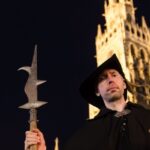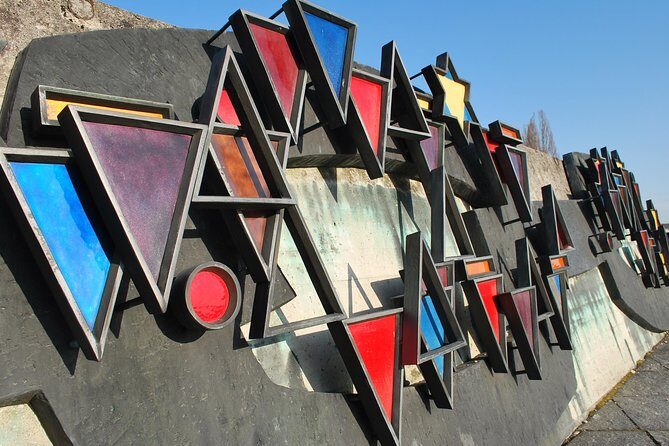
When you’re planning a trip to Munich, you’ll encounter many options for day excursions—castles, alpine villages, beer halls. But if you’re someone who believes that understanding difficult history is essential to preventing its repetition, the Dachau Small-Group Half-Day Tour from Munich deserves serious consideration. We’ve reviewed this tour extensively based on feedback from over 800 travelers, and what emerges is a picture of a thoughtfully organized, deeply educational experience that treats its subject matter with appropriate gravity.
What we particularly appreciate about this tour is its combination of practical logistics and historical depth. The operator handles all the transportation logistics for you—getting from downtown Munich via train and then bus to the memorial site—which means you can focus on learning rather than navigating unfamiliar transit systems. Beyond the mechanics, the guides demonstrate genuine expertise in WWII history, consistently helping visitors understand not just what happened at Dachau, but why it happened and how the camp fit into the broader machinery of Nazi Germany.
That said, this tour isn’t for everyone, and that’s worth acknowledging upfront. The experience is emotionally heavy. Visitors consistently describe it as “sobering,” “moving,” and “emotionally hard.” This is a place where you’ll confront the reality of one of history’s darkest chapters, and many travelers note that the weight of that experience stays with them. Plus, the memorial site doesn’t permit children under 14 on guided tours, so families with younger kids will need to plan accordingly.
This tour works best for travelers aged 14 and up who have a genuine interest in WWII history and are prepared for an emotionally challenging but ultimately meaningful experience. Whether you’re a history enthusiast, someone teaching your teenager about the Holocaust, or a person who simply believes this is important history to witness firsthand, this tour delivers genuine educational value at a reasonable price.
- What Makes This Tour Stand Out
- The Logistics: Getting There and Back
- The Dachau Experience: What You’ll Learn and See
- The Guides: Knowledge and Compassion
- What to Expect: The Practical Details
- The Value Proposition: Is It Worth Your Money?
- Practical Considerations Before You Book
- Who Should Take This Tour
- The Bottom Line
- Frequently Asked Questions
- More Half-Day in Munich
- More Tours in Munich
- More Tour Reviews in Munich
What Makes This Tour Stand Out
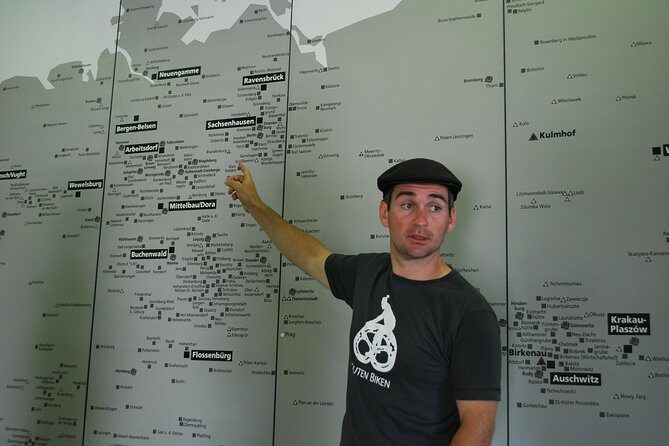
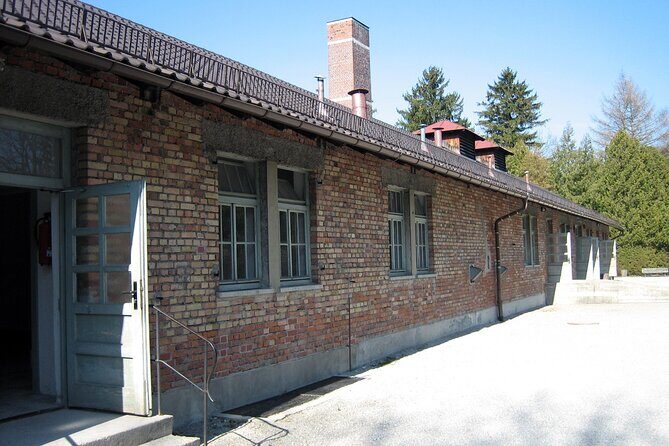
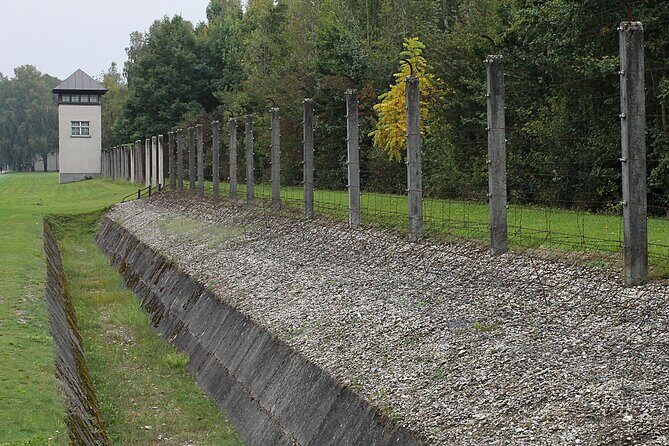
The Dachau Small-Group Half-Day Tour succeeds where many historical tours struggle: it respects both the gravity of the subject and the intelligence of its visitors. Over and over, reviewers mention that guides don’t rush through exhibits or oversimplify the history. One traveler noted that their guide “was a walking encyclopedia about Dachau and the history surrounding it,” while another observed that they “learned so much on the tour” because the pace allowed time at each exhibit without feeling rushed.
This balance matters tremendously. You’re not herded through like cattle; you’re given context, allowed moments for reflection, and given some freedom to explore on your own. One visitor reflected, “We spent enough time at each exhibit and given a few minutes to explore on our own but I never felt rushed.” That’s the mark of a guide who understands their role isn’t just to transmit information, but to create space for visitors to process what they’re learning.
The tour also distinguishes itself through its small-group format. With a maximum of 20 travelers, you’re part of a manageable group—large enough to feel like you’re getting a fair price, but small enough that guides can actually see you, hear you, and adjust the experience based on the group’s needs and questions. Reviewers consistently praised guides for being able to answer questions thoroughly and for managing group dynamics effectively, even when dealing with crowded conditions at the memorial site itself.
The Logistics: Getting There and Back
One of the biggest advantages of booking a guided tour rather than going independently is that someone else handles the transportation puzzle. You’ll meet at Marienplatz 15 in downtown Munich at 8:45 AM (arrive by then, as the tour departs promptly at 9:00 AM—don’t be late). From there, your guide leads you to the train station and handles all the transit connections to reach Dachau.
This might sound like a small thing, but it’s genuinely valuable. As one traveler reported, their guide “expertly led us through this process to minimize wait times using his knowledge of the transportation system, including things like which end of the train platforms were the best to wait.” That kind of local knowledge—knowing the best spots to stand, which bus arrives first, how to avoid unnecessary crowds—saves you time and stress. The guide even fills waiting periods with historical commentary rather than letting you stand around wondering what comes next.
The round-trip train and bus transport is included in the $60.46 price, which represents solid value when you consider what you’d pay separately for transit plus the expertise you’re getting. The tour returns you to the same meeting point, so you’re not left figuring out how to get back to your hotel.
You can also read our reviews of more tours and experiences in Munich



The Dachau Experience: What You’ll Learn and See
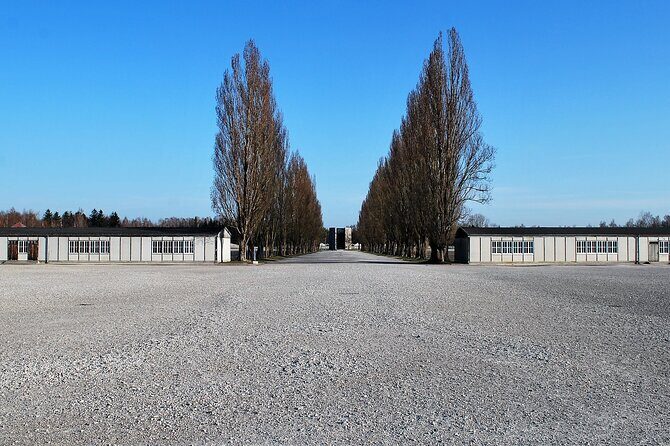
The five-hour tour covers the entire accessible public areas of the Dachau Concentration Camp Memorial Site. To understand what that means, it helps to know what the tour actually addresses. You’re not just looking at buildings; you’re learning the history that explains why those buildings exist.
The tour begins with context about the rise of Adolf Hitler and the Nazi Party throughout the 1920s, leading to his appointment as Chancellor in 1933. From there, you’ll learn about the Reichstag burning and the formation of concentration camps. This background matters because it helps you understand that Dachau wasn’t an anomaly—it was a model. The tour explains how Dachau’s structure and function influenced the design of other camps, making it central to understanding the entire concentration camp system.
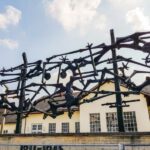
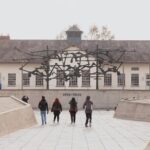
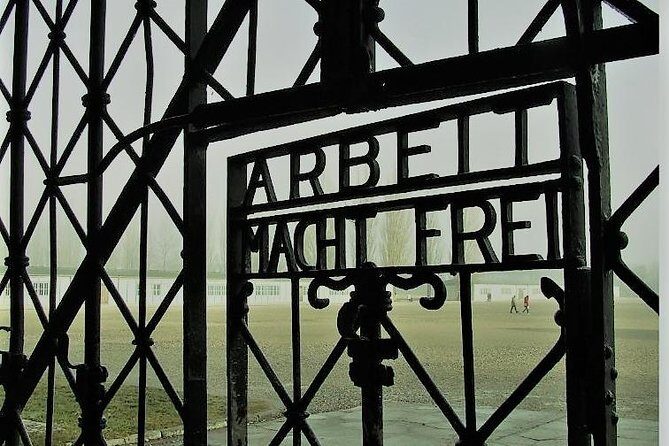
Once at the memorial site, you’ll see the Jourhaus (main gate house) with its infamous “Arbeit Macht Frei” slogan. You’ll learn about the camp’s three major phases of operation, its function as an SS training facility, and the categories of prisoners held there. The tour addresses Kristallnacht, the 1938 pogrom against Jews that brought the first major influx of Jewish prisoners to Dachau. You’ll understand how prisoners were registered, classified, and marked—the cold bureaucracy behind the horror.
One particularly valuable aspect of the tour is its explanation of the concentration camp system as a whole. Most visitors come to Dachau thinking of it as solely an extermination camp, but the tour clarifies the distinctions between concentration camps, ghettos, and extermination camps. This context helps you understand the progression of Nazi persecution and why Dachau’s role evolved over time.
The tour also covers what happened between the camp’s liberation in 1945 and the unveiling of the Documentation Center in 1965—the period when the site could have been forgotten or misused. Instead, it became a memorial, and understanding that transition helps you appreciate what you’re visiting.
One traveler with a teenage daughter who’d read extensively about the Holocaust noted something crucial: “There is truly nothing like actually stepping onto the ground. No museum can capture what it is like to walk the same area that these tragedies occurred.” That’s what distinguishes a guided tour at the actual site from reading about history in a book or even visiting a museum in another city. You’re standing where it happened. The sky above is the same sky that was there then. The town is just outside the walls, as it was then. That proximity to reality is something no video or photograph can fully convey.
The Guides: Knowledge and Compassion
If this tour has a single greatest strength, it’s the quality of the guides. Reviewers mention guides by name—James and Samuel appear repeatedly—and describe them in terms that go beyond “good” to something more like “exceptional.” One visitor wrote, “I can’t imagine a more effective tour guide for this experience,” while another observed that their guide “was so knowledgeable, not just about the history and facts of it all, but tying what happened then, to what is happening today.”
This last point deserves emphasis. Good guides don’t just recite facts; they help visitors connect historical events to contemporary concerns. That’s especially important at a place like Dachau, where the question of “how did this happen?” naturally leads to “could it happen again?” Several reviewers noted that their guides facilitated conversations about how the historical patterns they were seeing relate to current events and governance.
What also comes through consistently is the guides’ respect for the victims and the site itself. One traveler noted that their guide’s “respect and compassion for the victims was apparent in his actions and words,” while another observed that the guide “did their memory a great service.” This matters profoundly. You’re not there for entertainment; you’re there to honor the memory of those who suffered. Guides who understand that distinction create an atmosphere of appropriate solemnity without becoming depressing or exploitative.
The guides also demonstrate practical expertise in managing the tour itself. At a popular site like Dachau, you’ll encounter other tour groups, crowded exhibits, and bottlenecks. Experienced guides navigate these challenges by adjusting the route on the fly, timing stops strategically, and keeping groups moving efficiently without feeling rushed. One visitor noted that their guide “led us through a somewhat crowded site, adjusting the tour on the fly to avoid places already crowded with other groups while still ensuring we saw everything.”
What to Expect: The Practical Details
The tour lasts approximately five hours total, which includes transportation time. You should plan to be away from your hotel for about five and a half hours from the time you meet at Marienplatz until you return.
The experience involves a mixture of indoor and outdoor walking. You’ll be on your feet navigating gravel and cement paths, so comfortable walking shoes are essential—one reviewer specifically recommended this. Bring weather-appropriate clothing; you’ll be outside regardless of conditions. If you visit during winter, dress warmly. If you visit during summer, bring sunscreen and a hat.
Food and drinks aren’t included, and the memorial site itself doesn’t have extensive food options. You might grab a coffee or snack before departure at Marienplatz, though refreshments are limited during the tour itself. Budget accordingly if you need to eat lunch before or after.
The group size maxes out at 20 people, which is substantial enough to feel like a real tour but small enough that guides can manage effectively. This isn’t a 50-person bus tour where you’re jostled along with a microphone-wielding guide; it’s an actual small group where you can ask questions and get meaningful responses.
Mobile tickets are provided, so you don’t need to print anything. Just have your confirmation email handy. If you’re a student, you can select the youth price category, but you’ll need to bring a valid student ID to present on the day of the tour.
Importantly, the memorial site doesn’t allow children under 14 on guided tours, though this restriction comes from the memorial site itself, not the tour operator. If you’re traveling with younger children, you’ll need to arrange alternate care or plan a different activity.
The Value Proposition: Is It Worth Your Money?
At $60.46 per person, you’re looking at a modest investment for what amounts to expert-led education covering several hours. To put this in perspective, you’re paying less than you’d spend on a decent dinner in Munich, yet you’re getting transportation, a licensed professional guide with deep expertise, and admission to one of Europe’s most significant historical sites.
The admission to Dachau Memorial Site is listed as free in the tour details, which is remarkable—the site operates on a donation basis. So you’re essentially paying for the guide’s expertise and the organized transportation. For a solo traveler, that’s practical value. For a family or group, you’re spreading the guide’s cost across multiple people, making it even more economical.
Reviewers consistently note satisfaction with the value. One traveler described it as “Great tour, fairly priced, very informative,” while another called it “excellent and comprehensive” for a place that’s “very difficult to visit.” The fact that guides fill even waiting time with historical commentary means you’re learning throughout the entire five hours, not just during formal stops.


Practical Considerations Before You Book
The tour operates year-round and is available in English. You can book up to 53 days in advance on average, suggesting it’s popular but not impossible to schedule. There’s free cancellation up to 24 hours before departure, so you have flexibility if your plans change.
Arrive at Marienplatz by 8:45 AM for the 9:00 AM departure. The tour will not wait for late arrivals, so build in buffer time if you’re unfamiliar with Munich’s geography. The meeting point is near public transportation, so getting there from most central hotels is straightforward.
Service animals are allowed, and most travelers can participate physically, though the tour does involve walking on uneven ground. If you have mobility concerns, contact the operator beforehand to discuss what’s feasible.
The experience is rated 5.0 out of 5 stars by 811 reviewers, with 98% recommending it. That’s not just good—that’s exceptionally high. When you see ratings like that across hundreds of reviews, you’re looking at something genuinely well-executed.
Who Should Take This Tour
This tour is best suited for travelers aged 14 and up (the memorial’s requirement) who have a genuine interest in understanding WWII history and the Holocaust. It works particularly well for:
History enthusiasts who want expert context rather than self-guided wandering. Teachers or parents bringing teenagers to understand this period of history firsthand. Travelers who believe that witnessing historical sites of significance is important, even when those sites document tragedy. Anyone interested in understanding how societies can become capable of atrocity, and what that means for the present.
It’s not suitable for travelers looking for a light, enjoyable day trip. One reviewer aptly described the experience as “not enjoyable” while also calling it something “everyone should do.” There’s a distinction between enjoyable and meaningful, and this tour is decidedly the latter.
The Bottom Line
The Dachau Small-Group Half-Day Tour from Munich delivers what it promises: expert-guided education at a meaningful historical site, handled with appropriate respect and delivered by guides who genuinely care about their work. At $60.46 per person including transportation, it represents solid value for a five-hour experience that combines logistical convenience with educational depth. The consistently high ratings from hundreds of travelers—98% recommend it—reflect a tour that’s been refined through experience and executed with care. This isn’t a tour for casual travelers seeking entertainment; it’s for travelers who believe that understanding difficult history is essential, and who want that understanding guided by experts who can provide context, answer questions, and help you process what you’re witnessing. If you fit that description, this tour deserves a place in your Munich itinerary.
Dachau Small-Group Half-Day Tour from Munich By Train
Frequently Asked Questions
Q: What time does the tour start, and how early should I arrive?
A: The tour departs promptly at 9:00 AM from Marienplatz. You should arrive by 8:45 AM for check-in. The tour will not wait for late arrivals, so plan to be there with time to spare. From most central Munich hotels, getting to Marienplatz is straightforward via public transit or a short walk, so budget accordingly.
Q: Are children allowed on this tour?
A: The Dachau Memorial Site itself does not permit children under 14 on guided tours, so the minimum age for this tour is 14 years old. If you’re traveling with younger children, you’ll need to arrange alternate care or plan a different activity for that day.
Q: What’s included in the $60.46 price, and what do I need to pay for separately?
A: The price includes a fully licensed professional guide and all public transportation costs (train and bus) to and from the memorial site. Admission to Dachau is free (donation-based). Food and drinks are not included, so you should eat before departure or budget for meals separately. Refreshments can be purchased at several locations before meeting the tour.
Q: How much walking is involved, and what should I wear?
A: The tour involves a mixture of indoor and outdoor walking on gravel and cement paths. You’ll be on your feet for several hours, so comfortable walking shoes are essential. Dress appropriately for the weather—if visiting in winter, dress warmly; in summer, bring sunscreen and a hat. The experience is outdoors regardless of conditions, so check the forecast beforehand.
Q: Can I cancel if my plans change?
A: Yes, you can cancel for free up to 24 hours before the tour starts. If you cancel less than 24 hours before departure, you won’t receive a refund. Any changes made less than 24 hours before the start time won’t be accepted.
Q: How large is the tour group, and will I have time to ask questions?
A: The tour has a maximum of 20 travelers, making it a genuinely small group. This size allows guides to answer questions thoroughly and adjust the experience based on the group’s interests. Reviewers consistently noted that they had opportunities to ask questions and received detailed responses, and that guides filled even waiting periods with historical commentary.