
I really like the simple setup here: a 4-hour dolphin and whale watching cruise out of Ventry Harbour, with stops around the Blasket Islands and Dingle Bay. It’s built for wildlife spotting, but you also get a proper window into the coast and scenery around Slea Head.
Two big wins stand out to me. First, the guides are genuinely knowledgeable, with people named Vincent, John, and Jonathan showing up in guest notes. Second, you’re paying for a small-group feel plus photo opportunities—including time aimed at Europe’s westernmost point at Slea Head.
One thing to consider: you’re on open water, so a windy or rough day can cut your chances for whales (dolphins can still show up), and seasickness is real for some people. Bring warm layers and be ready for the ocean to do its thing.
- Key points before you go
- A 4-hour dolphin and whale watching cruise from Dingle that’s built for spotting
- Meet-up at Ventry pier: timing matters more than you think
- The boat experience: inside, deck, and the flying bridge for real wildlife viewing
- What wildlife you’re really hunting for (and why that matters)
- Stop-by-stop: what each part of the route is likely to give you
- Stop 1: Great Blasket Island
- Stop 2: Blasket Islands
- Stop 3: Dingle Peninsula
- Stop 4: Dunbeg Fort
- Stop 5: Slea Head Drive (photo time for Europe’s westernmost point)
- Guides and their wildlife knowledge: the reason this feels more than scenic
- Comfort and clothing: dress like the Atlantic is in charge
- What’s included, what’s not, and the value question
- Included
- Not included
- Weather cancellations and reschedules: how the company handles the sea
- Who should book this tour (and who should shop around)
- Practical tips to make your trip smoother
- Should you book the Dolphin and Whale Watching Tour from Dingle?
Key points before you go
- Small-group setup (max 12 travelers) for a calmer boat experience and more time with the guides
- M.V. Blasket Princess has indoor seating, deck seating, and a flying bridge for wildlife viewing
- Stops built around real viewing areas: Great Blasket Island, Blasket Islands, Dingle Peninsula, Dunbeg Fort, Slea Head Drive
- Slea Head is a highlight because it’s Europe’s westernmost point for standout photos
- Parking is included (pier and Ventry village), which makes the meet-up easier
- Guides focus on spotting and context, and they’ll keep searching when animals are nearby
A 4-hour dolphin and whale watching cruise from Dingle that’s built for spotting
This is a classic West Kerry afternoon: you meet at Ventry pier, cruise out on the M.V. Blasket Princess, and spend about 4 hours moving through Dingle Bay and the Blasket Islands area. The goal is wildlife first—dolphins, whales, seals, and seabirds—then scenery that feels like the end of the world (in the best way).
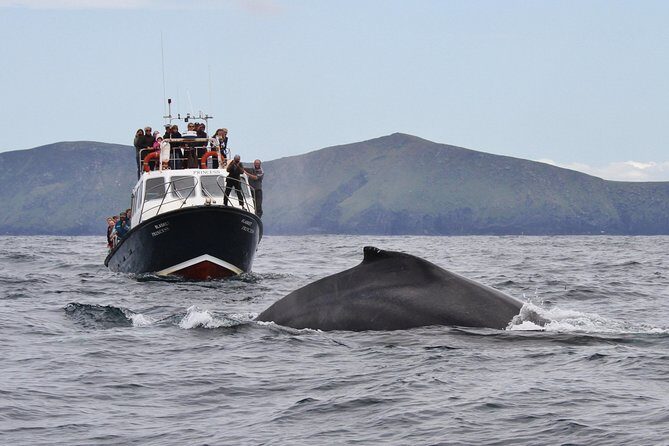
The boat setup helps you stay engaged. There’s inside seating for up to 20 and deck seating for about 20, plus a flying bridge that’s meant for wildlife viewing with room for roughly eight people at a time. Translation: you’re not stuck facing one direction the whole trip. You can rotate, warm up inside, and then head back out when the crew spots activity.
Meet-up at Ventry pier: timing matters more than you think
Your departure is 1:00 pm sharp, and the operator asks you to arrive 15 to 20 minutes early so you can park and get lined up safely. If you’re late, they won’t wait more than 5 minutes—and in a “no show” situation, there’s no refund.
The meet point is Ventry pier, Ventry Harbour, Co. Kerry, and the tour ends back at the same place. Practical note: parking is free at the pier and also in Ventry village, which removes a lot of stress if you’re driving in from Dingle.
The boat experience: inside, deck, and the flying bridge for real wildlife viewing
The M.V. Blasket Princess is set up for comfort in changeable Irish weather.
- Inside seating gives you a warm base when wind is up.
- Deck seating is where you’ll want to be for the best viewing and photos.
- The flying bridge is the “spotting” zone, designed for a smaller group at a time (about eight). It’s ideal when the crew finds dolphins or whales and you want a higher angle.
From guest feedback, there’s also a toilet on board, which makes a big difference on a 4-hour cruise. Some travelers mention feeling a bit squished, though the tour itself runs as a small group (max 12), so your comfort depends partly on the day and how passengers shift between seating areas.
What wildlife you’re really hunting for (and why that matters)
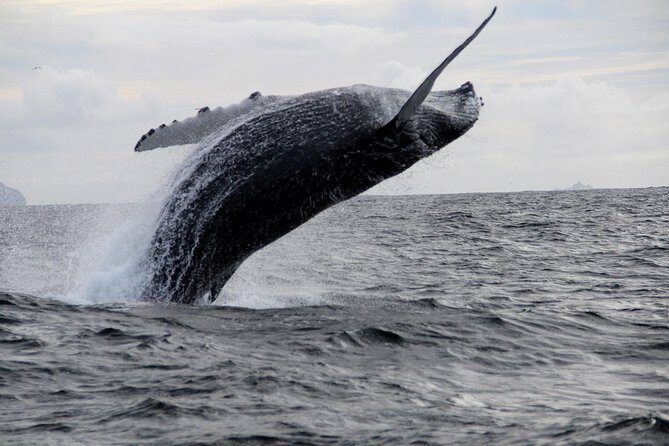
This is marketed as a dolphin and whale watching tour, but what you experience on the day depends on the ocean. Still, the pattern from guest reports is clear: you’ll almost always be looking at marine life and seabirds, with whales showing up more randomly.
Common sightings described include:
- Dolphins (often in pods)
- Seals
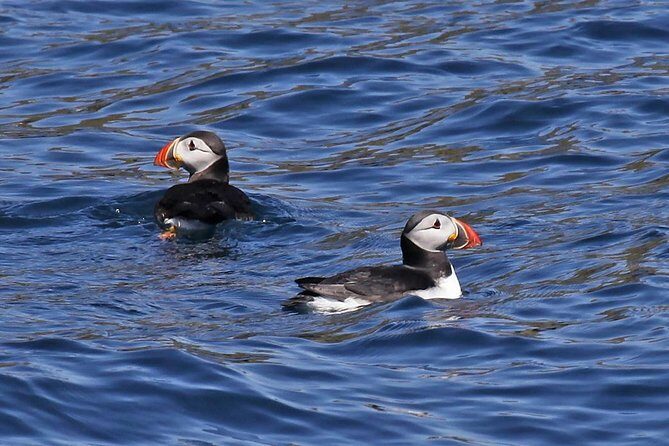
- Seabirds like puffins and other seabirds
- Whales such as minke and humpback mentioned in guest notes
Why this matters for your expectations: if you book mainly hoping for a specific whale species, you might leave frustrated on a slow day. If you’re happy to watch dolphins and seabirds and enjoy the hunt, most people rate this tour very highly because the experience is active and educational.
Also, you’re not just “looking.” Guides tend to reposition when wildlife appears, and several guest notes credit the crew for determination when whales weren’t immediately obvious.
Stop-by-stop: what each part of the route is likely to give you
Stop 1: Great Blasket Island
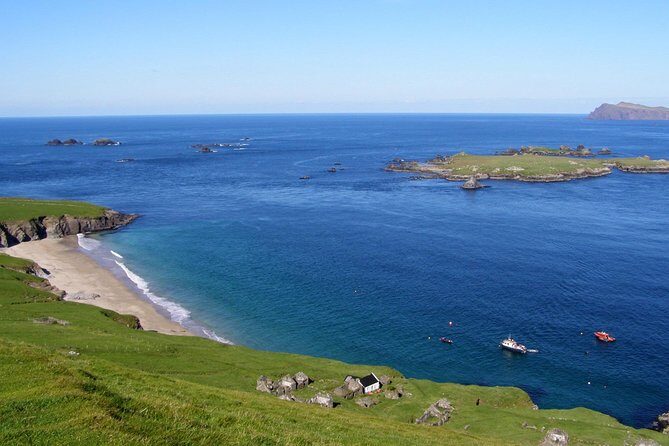
This is where the coast starts to feel dramatic fast. Great Blasket Island is a viewing landmark tied to the Blasket Islands area, and the cruise uses the surrounding waters as a wildlife-focused route. For you, that means this isn’t just a “pass by and hope” moment. It’s a targeted location where the crew can scan for movement and seabirds.
Stop 2: Blasket Islands
After Great Blasket Island, you move within the broader Blasket Islands zone. This is one of the core wildlife areas of the route. Expect more time spent watching birds, looking for seals, and tracking dolphins that travel through the bay.
If you love photography, this stretch tends to deliver variety: water texture, cliff lines, and quick changes in light as weather shifts.
Stop 3: Dingle Peninsula
The Dingle Peninsula segment is about switching gears from pure marine spotting to mixed viewing—coastline drama plus wildlife scanning. This is where you’ll get a sense of how wild the area is, and why the crew keeps moving rather than staying in one spot too long.
Stop 4: Dunbeg Fort
Dunbeg Fort is a land-and-coast moment. You’ll get guided context while you’re out on the water, linking landscape and history to what you’re seeing. Even if you’re not a “forts person,” it helps break up the cruise visually so you’re not just staring at the horizon for four hours.
Stop 5: Slea Head Drive (photo time for Europe’s westernmost point)
This is a standout for sheer “wow” factor: Slea Head, noted as Europe’s westernmost point. You’ll want your camera ready because this is exactly the kind of place where you understand why people come to West Kerry again and again.
Guides and their wildlife knowledge: the reason this feels more than scenic
What repeatedly comes through is that this tour is led by people who know how to spot animals and explain what’s going on. In guest notes, you’ll see names like Vincent (skipper mentioned often), John, and Jonathan. You might also encounter a marine biology–style guide or wildlife-focused interpretation depending on the day.
There’s also a local guide plus a professional photographer guide included. That doesn’t mean you’ll be forced into staged photos—it usually means you’ll get practical help with where to stand, what angles work, and how to capture the moment when wildlife pops up.
Bottom line: if you’ve ever been on a boat where everyone just drifts and points, this tour tries to avoid that. The vibe is active, guided, and focused.
Comfort and clothing: dress like the Atlantic is in charge
The operator’s advice is clear: dress warm, with a windproof jacket and a warm hat. Even on a sunny day, boat wind off open water can cut right through you.
If you’re prone to motion sickness, plan ahead. One traveler specifically said they wouldn’t recommend it for sea sickness sufferers, and the operator’s follow-up recommends taking anti-nausea tablets first. That’s good common sense for a cruise where the ocean can change quickly.
Also, pack smart for movement: you’ll likely move between inside, deck, and the flying bridge, so you want layers you can adjust fast.
What’s included, what’s not, and the value question
Included
- Local guide
- Professional photographer guide
- Free car parking on the pier and in Ventry village
- Mobile ticket
- English language service
Not included
- Alcohol
- Entrance fees (not that the tour promises a ticketed attraction on land)
Now the value part. At about $119 per person for roughly 4 hours, the price makes sense when you factor in small-group touring, two types of guides, and free parking that saves time and hassle. If you’re comparing to bigger, less guided tours, the difference is the “attention per person” feel. Multiple guests specifically praised the guides for knowledge and the crew for searching hard when whales weren’t instantly found.
It’s also booked fairly far ahead on average (around 38 days), which usually means demand stays strong in season. If your calendar is tight, don’t wait until the last week to lock it in.
Weather cancellations and reschedules: how the company handles the sea
This experience needs weather and sea conditions that allow safe cruising. Trips can be canceled at short notice if conditions aren’t suitable. The operator asks you to provide a mobile contact phone number with international dialing code so they can reach you quickly if anything changes.
When weather is the issue, you should expect either:
- A different date, or
- A full refund
Cancellation terms also matter for peace of mind:
- You can cancel for free up to 24 hours in advance for a full refund.
- Canceling closer than 24 hours typically means no refund.
Who should book this tour (and who should shop around)
This tour is a great match if:
- You want real wildlife searching, not a “drive-by photo stop.”
- You like guides who explain what you’re seeing.
- You’re comfortable with open water and cold wind.
It’s not suitable for children under 10 based on operator info. In guest discussions, there’s also mention of other options for younger travelers, so if you’re traveling with kids, double-check age requirements when you book.
Also, the tour calls for moderate physical fitness. You’ll be getting up, moving around the boat, and spending time outdoors in wind.
Practical tips to make your trip smoother
- Arrive early enough to park and get settled. The boat leaves at 1:00 pm sharp.
- Wear a windproof layer and bring a hat. Deck time is worth it.
- If you’re sensitive to motion, take preventative meds as suggested by the operator response.
- Bring a camera that can handle quick bursts, because dolphin and bird moments can be sudden.
- Keep your expectations flexible: dolphins and seals are more consistent than whales, but the crew will keep searching.
Dolphin and Whale Watching Tour from Dingle
Should you book the Dolphin and Whale Watching Tour from Dingle?
If you’re choosing between “another scenic boat” and a guided wildlife hunt, I’d book this—especially if you care about knowing where to look and getting solid context for what you’re seeing. The combination of guides, a small-group feel, and high rates of dolphin sightings makes it a strong value for West Kerry.
Skip or reconsider if:
- You’re extremely sensitive to sea motion and didn’t plan for it.
- You’re booking with the single goal of seeing a specific whale species every time.
- You’re traveling with kids below the stated age limit, unless you confirm a family-appropriate alternative.
On most days, you’re paying for more than a cruise. You’re paying for skilled spotting, guided interpretation, and the kind of coastline that makes Slea Head and the Blasket Islands unforgettable.