
If you’re looking for Etna in a way that feels real—not just a quick photo stop—this South Side guided summit hike is a strong choice. You’ll meet at Piazzale Rifugio Sapienza (Etna South), climb up to around 2,800–2,900 meters by cable car or 4×4, then hike across lunar-looking lava landscapes with a volcanologist who keeps things safe and understandable.
I especially like two things here: first, the guides. In past tours I’ve read, volcanologists like Antonio and Max were repeatedly praised for clear, science-based explanations and calm safety awareness. Second, the views. Even when conditions limit how far you can go, you still get big summit energy—crater rims, sweeping exposures, and that unmistakable Etna terrain.
One consideration: Etna is active, and plans can shift. One traveler said they couldn’t reach the summit because of too much vapor and gas near the main crater—still impressive, but it’s a reminder to stay flexible about how high you’ll ultimately go.
- Key highlights worth planning around
- Etna on the south side: what this hike is really like
- Meeting at Rifugio Sapienza (Etna South) and starting the climb
- Getting up to 2,800–2,900 meters: cable car or 4×4
- Gear you’ll have (and what you should bring anyway)
- The hike in plain language: what you’ll walk on
- Crater-rim trekking: Itinerario Crateri Sommitali
- Valle del Bove: the big landscape moment
- Mount Etna views and active-volcano reality checks
- Descending via Barbagallo craters and a lava-flow channel
- Lunch and breaks: how to fuel this 6-hour day
- Group size, language, and how you’ll hear your guide
- Price and value: .64 plus the €65 local transport
- Weather rules and why your plan might change
- Who should book this Etna summit hike
- Quick packing checklist for Etna south-side craters
- Should you book this tour?
- FAQ
- What time does the Etna South guided summit hike start?
- How long is the tour?
- Is the tour offered in English?
- What is included in the price?
- What is not included?
- Do I need to pay for transportation to the trail area?
- How fit do I need to be?
- Is the itinerary guaranteed to reach the summit craters?
Key highlights worth planning around
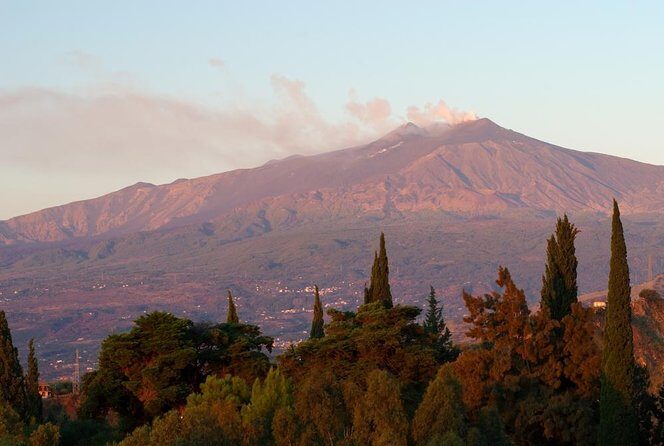
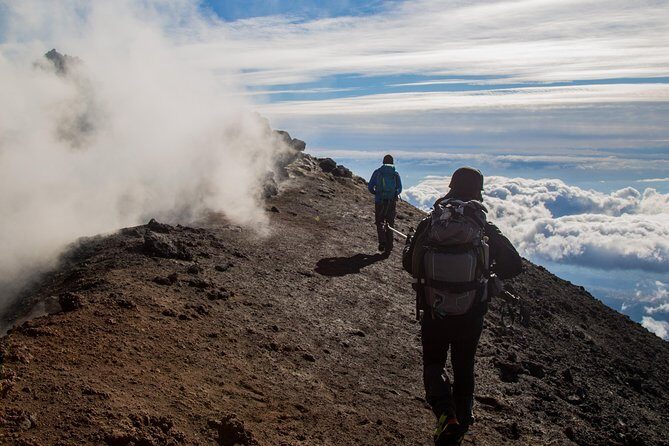
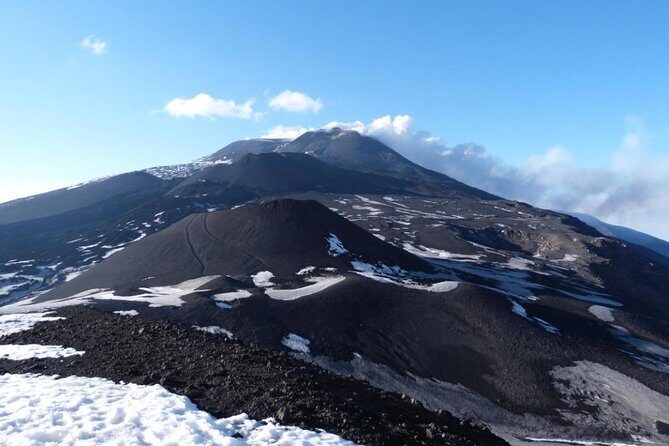
- Volcanologist-led safety and explanations from guides such as Antonio, Max, and Massimo
- Crater-rim hiking with views over the Central Crater and sightlines to the Northeast and Southeast craters
- Real volcanic ground underfoot: lava flows, gas emissions, volcanic bombs, and sulfur-rich color changes
- Provided hiking gear like helmets, boots, trekking sticks, plus windbreakers and gloves (and what to pack if you have your own)
- Active-volcano itinerary flexibility if weather or gas conditions require a route adjustment
- Small group size (max 20), which is good for comfort, though the hike can still get chatty when it’s windy
Etna on the south side: what this hike is really like
This is not a stroll. It’s a strenuous, altitude-exposed hike across uneven, often slippery volcanic surfaces—lava sand, gravel, and steep sections where trekking carefully matters. The good news: you’re not going it alone. You get a volcanological guide and a group up to 20 people, so you can focus on walking and learning instead of navigating.
Most people are moved by how the mountain looks and feels at this elevation. One review mentioned how windy and cold it can be even when conditions elsewhere seem mild, with temperatures like minus 10 and snow possible at the top. So yes, it’s a hike—but it’s also a weather-and-gear game.
Meeting at Rifugio Sapienza (Etna South) and starting the climb
You start at Piazzale Rifugio Sapienza on the Etna South side, at 8:00 am. The meeting point is listed as Ashàra Etna & Stromboli Guides there, and the activity ends back at the same meeting point.
Why this matters: starting early gives you a better chance at clearer skies and calmer winds. Also, you’ll spend less of the day exposed if weather turns. Several reviews focused on how the wind really picks up near the summit zone, so getting your timing right helps.
Getting up to 2,800–2,900 meters: cable car or 4×4
Once you meet, you move up via cable car or a 4×4 jeep to a trail area around 2,800 meters. The listing notes this “own expense” part clearly: cable car and 4×4 tickets are €65 per person, paid locally.
A practical note: some travelers felt the logistics were a little messy when bookings shifted between agencies, but most reports described things as smooth once you’re on the day’s plan. If you want peace of mind, double-check your exact start details and ticket instructions in your confirmation messages.
Gear you’ll have (and what you should bring anyway)
Included gear is a big part of the value here:
- Helmet
- Trekking boots
- Trekking sticks
- Insurance and volcanological guides
- Windbreakers and gloves are mentioned in the tour features
Not included:
- Water
- Snacks/food
- Cable car and 4×4 tickets (€65 paid locally)
- A wind jacket (the listing calls this out)
What to wear matters because Etna changes quickly. Multiple reviewers mentioned strong wind and cold, and they recommended being ready with layers, gloves, and a hat. One person even said dark clothing helps with sun exposure early on—something that’s worth remembering when the light hits the black landscape.
If you’re hiking poles-free, it’s smart to use the provided trekking sticks. The terrain can be steep on the way up and slippery on the way down.
The hike in plain language: what you’ll walk on
You’ll hike roughly 10 km total on average (based on traveler comments), over uneven volcanic ground. Reviews mention:
- deep sand and gravel
- steep, sometimes slippery descents
- lots of stop-and-look moments because the terrain is constantly changing
This tour is medium-high difficulty. That doesn’t mean extreme fitness only—one reviewer even mentioned it wasn’t as intense as expected. But it does mean you should have real hiking shoes, be comfortable with uneven ground, and expect a workout.
Crater-rim trekking: Itinerario Crateri Sommitali
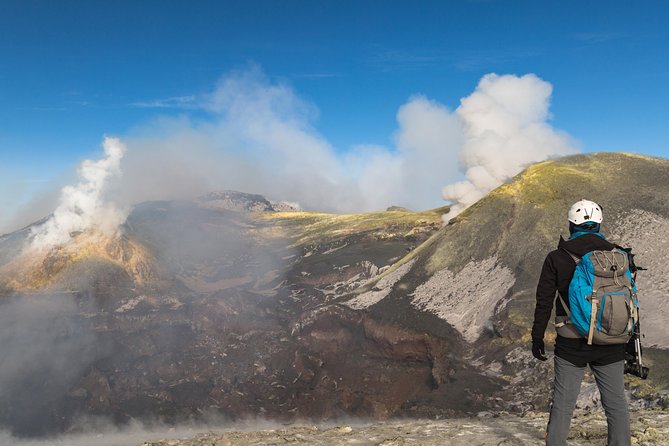
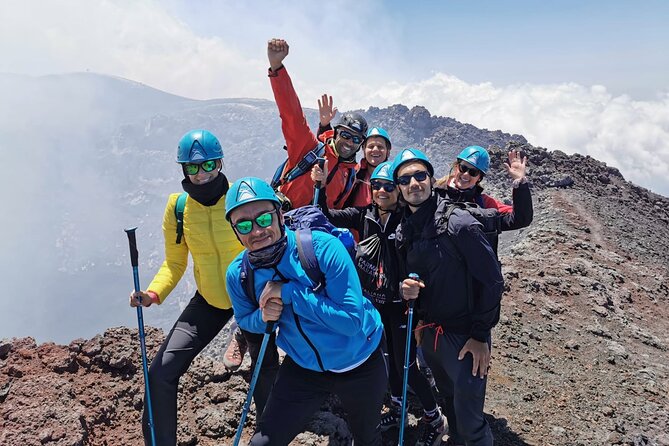
This is the signature Etna section: walking where the summit craters are close enough to feel small and awed. You move toward the Central Crater rim, with dramatic sightlines toward the Northeast Crater, and you can also see the Southeast Crater, known for recent impressive eruptions.
What makes this stop special is the combination of geology and drama. The guide points out details like gas emissions and volcanic bombs, and you also get that sparkling ground effect from sublimation of elements—especially sulfur. It’s not just scenery; it’s a live science lesson under harsh, shifting conditions.
Drawback to consider: because this is an active volcano, access can be adjusted. One traveler said they couldn’t go right to the summit due to unsafe gas/vapor conditions, so don’t assume every day delivers the exact same maximum crater access.
Valle del Bove: the big landscape moment
Next comes the Valle del Bove. Even without getting technical, this part hits you with scale. You’re looking at a vast volcanic structure—an area that feels like it belongs to another planet because lava flows and volcanic erosion create these wide, lunar shapes.
Why it’s worth it: it helps you understand that Etna isn’t one crater. It’s a whole system with different “faces” depending on where you stand and what the mountain has done over time. Guides like Antonio and Massimo were praised for blending scientific explanations with a sense of Etna’s history, which is exactly what a valley landscape like this invites.
Practical note: this part can be windy. Several reviews emphasized wind as a main discomfort. That’s also why the windbreakers/gloves matter and why you should still bring your own wind jacket if you run cold.
Mount Etna views and active-volcano reality checks
Around here, the guide’s job becomes balancing wonder with caution. You’ll admire unique volcanic environments—gas emissions, colors from chemical processes, and features left by eruptions. One review described seeing lava lakes, lava tubes, lava bombs, and spatter cones even when summit access wasn’t possible.
That’s the best mindset: you may not always get the exact same “peak moment,” but the mountain still has plenty to show. And because you’re with a volcanologist, even a day without a dramatic summit view turns into something you’ll remember as a real learning experience.
Descending via Barbagallo craters and a lava-flow channel
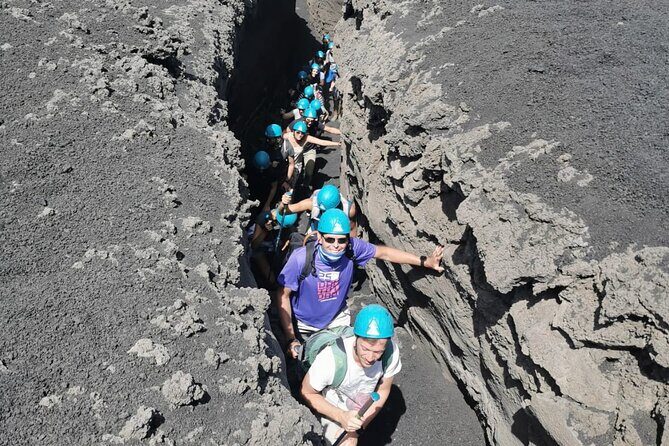
On the descent, you visit Barbagallo craters and cross a lava flow channel. This is a clever pacing choice. The climb gives you the summit drama; the descent gives you variety—different crater shapes and lava textures—and it reinforces how Etna’s pathways connect.
Why it’s good for travelers: it breaks up the mental monotony of hiking. You also keep learning while you walk, instead of switching into pure “get me down safely” mode.
Downside: descents are where many people feel the hike most. The listing doesn’t sugarcoat the difficulty, and reviews repeatedly mention slippery, uneven ground. Trekking sticks help a lot here.
Lunch and breaks: how to fuel this 6-hour day
The hike includes rest stops, and at least one reviewer specifically mentioned lunch breaks near the top and recommended bringing lunch and water (or buying something at the refugio before starting). The tour features repeated photo stops too, so don’t plan on a super-fast pace.
Because water isn’t included, I’d treat that as a serious checklist item. Carry enough for a strenuous hike in windy cold conditions. If you’re traveling in shoulder season or it looks cloudier than expected, pack extra. Etna air can feel biting once you’re at altitude.
Group size, language, and how you’ll hear your guide
The tour is offered in English, and group size is capped at 20 travelers. That’s generally a comfortable number, and I like that it keeps things manageable on narrow terrain.
Still, one traveler noted the group was a little large, to the point that you may need to position yourself toward the front to hear the guide well—especially in high wind. If you want maximum listening value, don’t hang back in the crowd during the crater explanations.
Guides you might meet (based on prior guest reports) include Antonio, Max, Philippo, Massimo, Marco, Angelo, Simon, and Fabio. Different personalities, but consistent themes: knowledge, energy, and safety emphasis.
Price and value: $78.64 plus the €65 local transport
The listed price is $78.64 per person, but the important added cost is transport up and into the trail area: €65 per person for cable car and 4×4, paid locally. That’s roughly $150 total before you even add lunch/water.
So is it worth it? In my view, it can be—because you’re paying for:
- volcanologist guidance (not just a general tour escort)
- safety gear like helmet, boots, and trekking sticks
- a hike that actually gets you into the volcanic landscape rather than staying at a viewpoint
If you compare it to self-guided options, the real value is safety + interpretation. On an active volcano, knowing what you’re seeing (and when to turn back) is the difference between a cool walk and a truly memorable Etna day.
Weather rules and why your plan might change
This experience requires good weather and it’s tied to an active volcano. The itinerary can vary if needed, especially for safety reasons like gas/vapor conditions.
What that means for you:
- You should dress for wind and cold even if the day starts sunny.
- You should keep expectations flexible about reaching the highest possible crater point.
- If visibility is poor, the guide still has a lot of terrain to use, and you’ll often get an excellent crater-and-lava experience anyway.
Several reviewers mentioned they adjusted route depending on conditions. One tour even mentioned an eruption was visible thanks to weather, which is pure luck—but it also shows what an active volcano can deliver on a good day.
Who should book this Etna summit hike
You’ll be a good fit if:
- you have moderate-to-strong hiking fitness
- you’re comfortable with uneven and slippery ground
- you want a volcanologist-led experience (science + real terrain)
- you don’t mind cold wind and changing conditions
You might reconsider if:
- you’re hesitant about altitude exposure (max around 3,000 meters is mentioned by a reviewer)
- you struggle with steep descents
- you dislike being outside for hours in cold wind
Quick packing checklist for Etna south-side craters
Based on the conditions travelers described and what’s not included, I’d plan on:
- wind jacket (since it’s not included)
- layers (it can go from warm sun to cold wind fast)
- long pants and warm socks
- gloves and hat (gloves are provided, but extras can help)
- a small backpack with water and snacks
- lunch if you don’t want to rely on refugio options
- trekking shoes with good grip
- if you run cold, bring something extra for windy breaks
Also: dark clothing may help with sun glare on black terrain, according to one reviewer, and it’s an easy comfort upgrade.
Should you book this tour?
If you want Etna as a guided volcanology hike with provided safety gear and a real chance to walk crater terrain, I’d book it—especially because so many travelers praised guides for professionalism and knowledge, and because even route variations still deliver a strong volcanic landscape.
Skip it only if your biggest priority is a low-effort outing or you can’t handle steep, uneven, possibly slippery ground. Etna gives you back what you put into it. If you come prepared, it’s one of those rare travel days where you feel like you learned something and you walked through the actual story.
Etna Volcano: South Side Guided Summit Hike
FAQ
What time does the Etna South guided summit hike start?
The tour start time is 8:00 am, meeting at Piazzale Rifugio Sapienza (Etna South).
How long is the tour?
It runs about 6 hours (approx.).
Is the tour offered in English?
Yes, the tour is offered in English.
What is included in the price?
Included items are a helmet, trekking boots, trekking sticks, insurance, and volcanological guides.
What is not included?
Not included are cable car and 4×4 jeep tickets (65€ per person paid locally), plus water, snacks/food, and a wind jacket.
Do I need to pay for transportation to the trail area?
Yes. Cable car/jeep access to the higher trail area is paid locally at 65€ per person.
How fit do I need to be?
You should have moderate physical fitness and be in good condition. The level is described as medium-high, with steep and uneven sections.
Is the itinerary guaranteed to reach the summit craters?
Access can vary because this is an active volcano and safety depends on conditions like vapor and gas. The route may be adjusted if necessary.