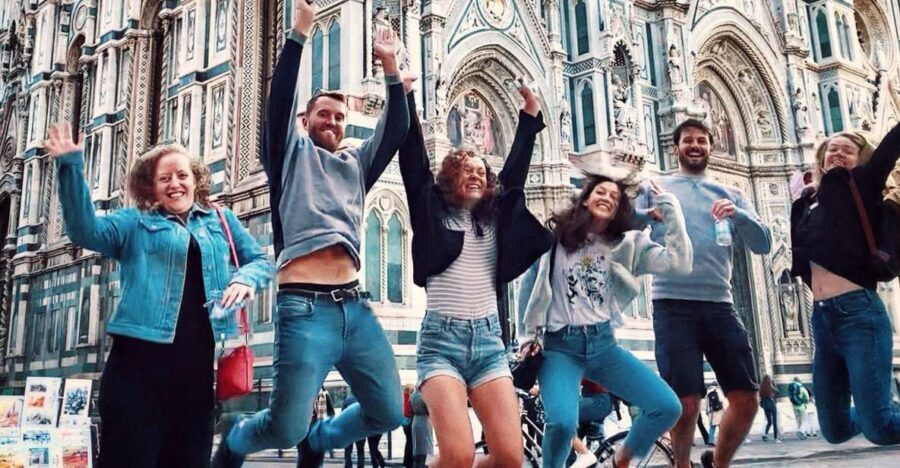
This 2-hour Florence guided walking tour gives you a clear picture of how the city became the cradle of the Renaissance, with the Medici family at the center of the plot. You start near San Lorenzo, trace Medici-era influence through major landmarks, and finish outside the Uffizi area.
I really like the way the tour turns famous buildings into living stories. Guides such as Chiara and Michele are repeatedly praised for making power, intrigue, and Renaissance ideas easy to follow, not just name-dropped. You’ll also get practical recommendations for where to eat, drink, and shop, which is exactly what helps on day one.
One consideration: this is run in a free-tour style setup, so plan on tipping the guide with cash. Multiple travelers specifically called out bringing money to reward the storytelling and service you get.
- Key things to know before you go
- Getting your bearings fast with Medici intrigue
- Meet at Florence Free Tour-Tale and find the green umbrella
- Basilica of San Lorenzo: the Renaissance-meets-Romanesque opening
- Palazzo Medici Riccardi: where the Medici story turns political
- Florence Duomo complex and Giotto’s Bell Tower from the outside
- Brunelleschi’s Dome: learning the story behind the icon
- House of Dante: connecting big names to street-level Florence
- Palazzo Vecchio and Piazza della Signoria: civic power in plain sight
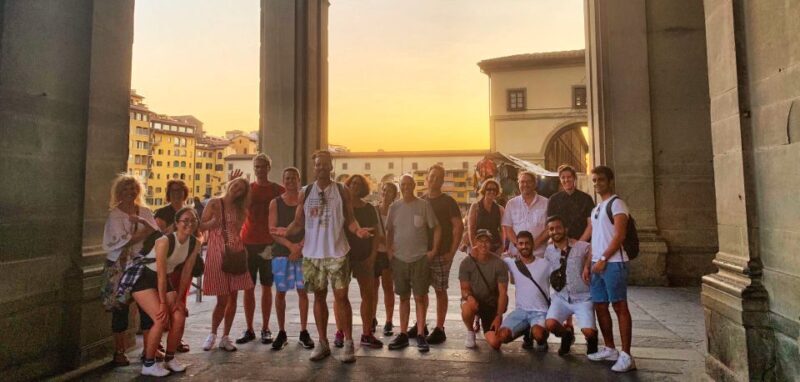
- Loggia dei Lanzi and Ponte Vecchio: the walk keeps telling the story
- Ending outside the Uffizi: plan your museum day smarter
- Guides matter: what reviewers consistently praise
- Price and tipping reality: low cost, pay-it-forward expectations
- Pace, comfort, and “rain or shine” planning
- Who this tour suits best
- Food, drink, and shopping tips that save time
- Accessibility and languages: English, Spanish, wheelchair friendly
- Should you book this Florence Renaissance and Medici Tales walking tour?
- More Walking Tours in Florence
- More Tours in Florence
- More Tour Reviews in Florence
Key things to know before you go
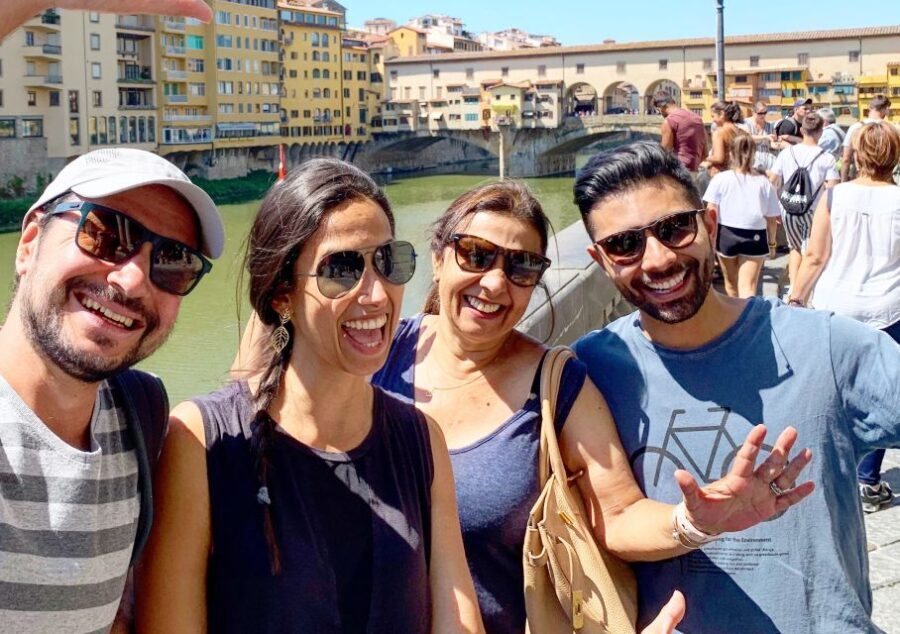
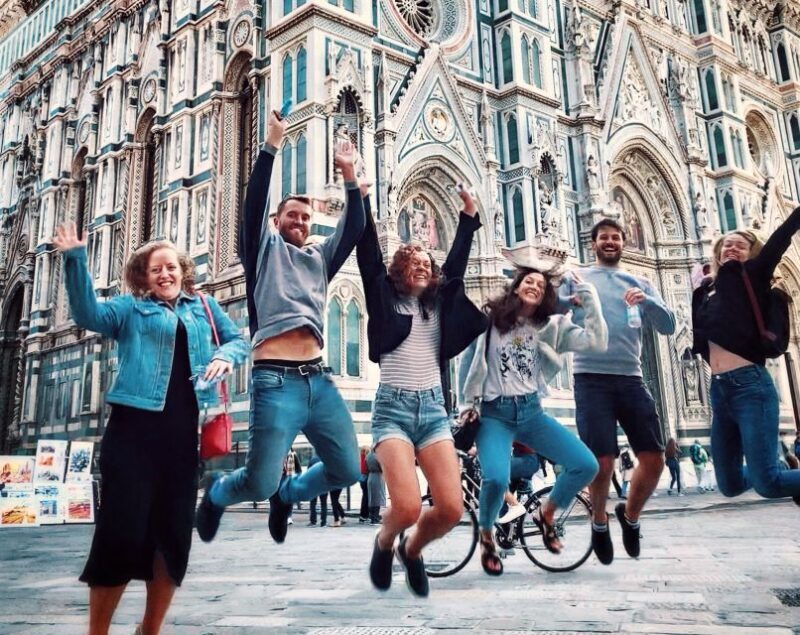
- Medici-focused storytelling that connects Florence landmarks to the people who shaped them
- Symbol spotting, where your guide helps decode what you’re looking at along the route
- Duomo area highlights, including Giotto’s Bell Tower and Brunelleschi’s Dome viewpoints from the outside
- Frequent guide praise for engaging delivery and good pacing (from Chiara to Glenda and Michele)
- Useful local tips for food, drink, and shopping at the end of the walk
- Rain or shine, plus wheelchair accessible routing for travelers who need it
Getting your bearings fast with Medici intrigue
If Florence feels like one big art postcard when you first arrive, this tour is a smart early move. In about two hours, you get the city’s big “why” (Renaissance roots) and the big “who” (the Medici) without needing to study a textbook before you leave the hotel.
What makes this work is the structure: you don’t just stand and look. The guide explains how the city’s look, symbols, and key sites connect to Medici power and the Renaissance movement. That means when you later wander on your own, you’ll have mental hooks to hang what you see on.
And the reviews hint at a real plus: this tour isn’t only for adults. One traveler noted it was their teenagers’ favorite Florence activity, which tells you the stories stay lively and the pace doesn’t talk down.
You can also read our reviews of more walking tours in Florence

Meet at Florence Free Tour-Tale and find the green umbrella
Your meeting spot is straightforward, and that matters in Florence where streets can look the same from a distance.
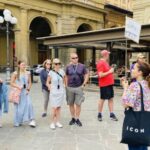
Meet at Florence Free Tour-Tale. Look for the green umbrella in front of the stairs that lead to the main entrance of the Basilica of San Lorenzo. Showing up a few minutes early helps, especially if it’s busy around the basilica.
The tour runs in English and Spanish with a live guide, and it’s designed as a walking experience (so you’ll want to be ready for steady foot movement right from the start).
Basilica of San Lorenzo: the Renaissance-meets-Romanesque opening
The walk starts at the Basilica of San Lorenzo, and your guide uses the building as a teaching tool. The tour specifically highlights the distinct mix of Renaissance and Romanesque architecture you can see as you gather at the start.
Why this opening matters: it sets you up to “read” Florence visually. Instead of waiting until you reach the Duomo, you learn early that the city’s look is layered. You’ll also hear fun facts and short explanations meant to make the Renaissance feel less abstract and more tied to real decisions people made in real places.
Expect this to be the kind of stop where you’ll notice details more carefully after your guide points them out, especially if you’re the type who likes to look for symbols and meaning.
Palazzo Medici Riccardi: where the Medici story turns political
Next comes a centerpiece stop: the Palazzo Medici Riccardi. This is where the tour leans into what travelers keep praising: the Medici tales of power and intrigue.
You’ll hear how the Medici shaped Florence and how that influence shows up in buildings tied to different generations of the family. The tour frames this as more than “famous patrons.” It’s about control—who had it, how they used it, and how art and architecture became part of their strategy.
From a traveler’s point of view, this stop does two helpful things:
- It gives you a narrative through-line, so you understand why the next places matter.
- It makes the Renaissance feel like a human drama instead of a museum label.
Florence Duomo complex and Giotto’s Bell Tower from the outside
You’ll then move into the Duomo complex area, with stops that include Giotto’s Bell Tower. Importantly, the tour focuses on sights as you walk—so think “exteriors and viewpoints,” not a ticketed deep interior plan.
One review specifically mentioned stops at the exterior of the Duomo, and that matches the tour’s general style: you’re there to orient yourself and learn how to interpret what you see, even before you spend time inside any churches or museums later.
This segment is also where “symbol decoding” really earns its keep. Your guide is guiding you to notice what you might otherwise skip: patterns, cues, and the messages behind what’s on display.
You can also read our reviews of more guided tours in Florence
- The Best tour in Florence: Renaissance & Medici Tales – guided by a STORYTELLER
★ 5.0 · 12,316 reviews

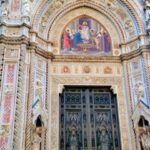

Brunelleschi’s Dome: learning the story behind the icon
No Florence walk connected to Renaissance themes is complete without Brunelleschi’s Dome. Here, the tour aims to do something practical: help you understand what you’re looking at and why it became such a long-lasting reference point for Renaissance design.
Even if you’ve seen photos, you’ll likely get more out of this stop because the guide ties the dome to the broader Florence transformation. You’re not only learning an architectural landmark name—you’re learning how it fits into the city’s Renaissance identity.
And because you’ll have just come from other Medici and political context, this dome stop often lands better. It’s harder to treat it like a random “big building” when you understand the era’s goals and ambitions.
House of Dante: connecting big names to street-level Florence
The route includes the House of Dante, which adds a different angle to the tour. Instead of focusing only on palaces and civic spaces, the walk also connects Renaissance thinking to culture and literature.
The guide’s job here is to tie Dante into the same big story: Florence’s rise, its influence, and how its most important ideas spilled into the public imagination. If you’re traveling with teens or anyone who gets bored by pure art history, this kind of stop can be a release valve without losing the theme.
Expect this to be a short but meaningful stop in the overall narrative.
Palazzo Vecchio and Piazza della Signoria: civic power in plain sight
Then you shift from family power to public authority with Palazzo Vecchio and Piazza della Signoria. These stops help explain how Florence wasn’t only about wealthy patrons. It also involved civic institutions and public spaces where decisions played out visually.
Your guide keeps the thread moving through stories and symbols, so you can understand what these “main square” locations meant beyond being pretty backdrops. It’s also a good stretch for group pacing: you see key landmarks, but you’re still walking and absorbing information.
If you’ve been wondering why Florence plazas feel so central and “important,” this part gives you context.
Loggia dei Lanzi and Ponte Vecchio: the walk keeps telling the story
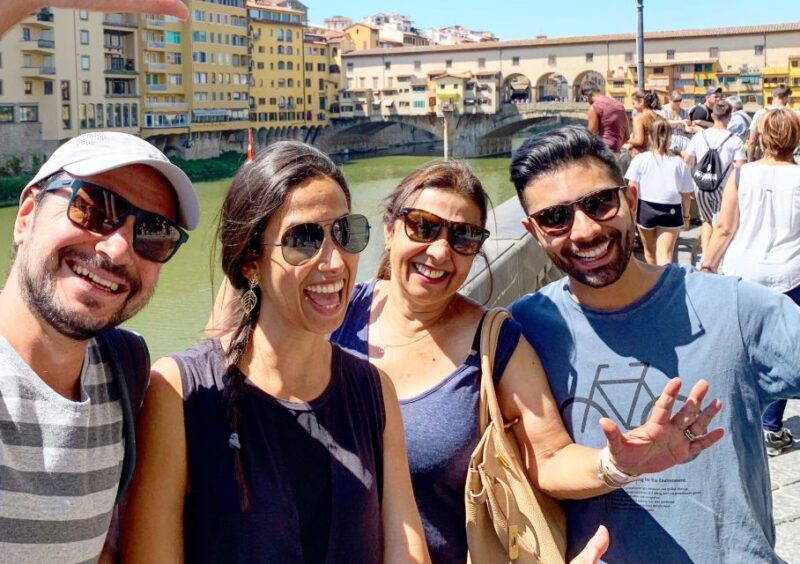
The route continues with Loggia dei Lanzi and Ponte Vecchio. These stops help the experience feel like a real walk through Florence rather than a checklist of monuments.
A big practical benefit here is mental rhythm. After palace-and-politics stops, you get spaces that feel more like everyday city life, even while the guide is still connecting the dots. That balance is one reason many travelers rate this tour highly for first-time visitors.
Also, this is the portion where you’ll likely appreciate the guide’s ability to handle real-world conditions: crowds, tight sidewalks, and the simple reality that Florence is a walking city.
Ending outside the Uffizi: plan your museum day smarter
The tour finishes outside the Uffizi Gallery area. That ending choice is smart, because it lets you use what you learned while it’s still fresh.
Just as important, the guide shares practical advice about how to eat, shop, and drink like a local. If you’re planning your afternoon or evening right after this walk, this is the part that pays off immediately.
A tip from travelers: take those recommendations seriously. You’re far more likely to have a smooth day when someone who knows the city helps you avoid tourist traps and chase options that fit your style and timing.
Guides matter: what reviewers consistently praise
The biggest pattern in the reviews is simple: the guides are good at storytelling and good at people management.
Travelers mention guides such as Chiara, Michele, Glenda, Angela, Antonio, Manuel, and Ricardo as standout narrators. The reasons repeat:
- they’re knowledgeable
- they’re prepared and answer questions
- the tour pace feels just right, not rushed
- the stories stay understandable, including for kids and teens
One review also mentioned the use of a microphone and ear pieces, which is a practical detail that can make a big difference in busy streets. Another noted the guide changed tack to accommodate off-topic questions while keeping everyone engaged.
Bottom line: you’re paying for a guide’s ability to make Florence click. The reviews suggest you’ll likely get that.
Price and tipping reality: low cost, pay-it-forward expectations
The listing price shows $2.36 per person, and the meeting point name includes Free Tour-Tale, which signals this is essentially a free-tour style model. Multiple travelers also mentioned a paid booking amount (such as 4.90 euro reported in one review) and then tipping based on satisfaction.
So here’s the practical way to think about value:
- The tour is very affordable to reserve
- But the experience’s quality depends heavily on your guide’s work
- Since travelers repeatedly recommend cash tipping, you should plan for it
One review specifically said to bring cash to tip the guide. Another called out that significant tips are expected in this model. If that’s not your style, you might prefer a fixed-price ticketed tour instead.
If you do tip, the reviews suggest you’ll feel like you got more than what you paid.
Pace, comfort, and “rain or shine” planning
This is a walking tour, and the route hits a lot of famous spots in about two hours. That’s not a slow stroll. You’ll want comfortable shoes and a water bottle.
The tour also runs rain or shine, so pack weather-appropriate clothing. Even if you hate getting wet, the “rain or shine” detail helps you decide confidently. You won’t waste a day waiting for perfect weather.
One more practical hint from travelers: busy days happen in Florence. Wear layers you can manage quickly, and expect short stops as your guide shares stories.
Who this tour suits best
I think this tour is especially strong for:
- First-time visitors who want orientation fast
- Travelers who like history as stories instead of lists
- People who care about the Medici and Renaissance ideas
- Families, including teens (at least one review called it a favorite for their teenagers)
If you already know every Renaissance timeline and want deep museum access, you might find the stops are more “overview” than “lecture.” But if your goal is to understand Florence while you’re standing in it, this tour hits the sweet spot.
Food, drink, and shopping tips that save time
The tour is not just culture. It ends with practical local advice for what to do after the walking part.
You’ll get tips on where to:
- eat
- drink
- shop
- and generally how to spend your time like a local
In a city with so many choices, that kind of guidance can prevent decision fatigue. It’s also useful if you’re traveling with kids or you don’t want to spend your evening “figuring it out” from scratch.
Accessibility and languages: English, Spanish, wheelchair friendly
The tour includes wheelchair accessibility, and it runs with live guides in Spanish and English.
That accessibility note is important. Florence can be tough for mobility, and knowing the tour is designed to be accessible means you can plan with less stress.
Florence: Renaissance and Medici Tales Guided Walking Tour
Should you book this Florence Renaissance and Medici Tales walking tour?
Yes, if you want a smart, story-led way to understand Florence fast. The guides’ repeated reputation for knowledgeable storytelling, plus the tour’s strong focus on Medici influence and Renaissance symbols, makes it a great first-day anchor.
Book it if:
- you want a guided overview of major landmarks
- you like learning through human stories and context
- you want practical local tips right after the tour
Maybe skip it if:
- you hate walking in crowds and prefer ticketed, inside-only experiences
- you dislike pay-what-you-like touring and don’t want to budget for cash tips
If you’re on the fence, my advice is simple: this is the kind of tour that can make your later Florence exploring feel smarter, not harder.
You can check availability for your dates here:More Walking Tours in Florence


More Tours in Florence
- The Best tour in Florence: Renaissance & Medici Tales – guided by a STORYTELLER
★ 5.0 · 12,316 reviews



More Tour Reviews in Florence
- Tuscany Day Trip from Florence: Siena, San Gimignano, Pisa and Lunch at a Winery
★ 5.0 · 21,634 reviews - The Best tour in Florence: Renaissance & Medici Tales – guided by a STORYTELLER
★ 5.0 · 12,316 reviews