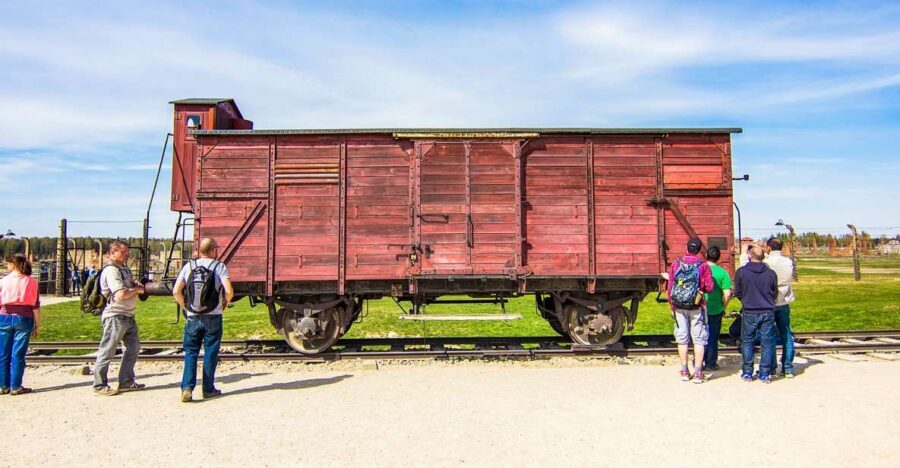
This Krakow to Auschwitz-Birkenau trip is built for one thing: getting you efficiently to the sites, then letting you spend real time inside the museum and memorial areas. It runs about 7–8 hours, uses comfortable transport, and includes entry for both Auschwitz and Birkenau so you’re not juggling tickets and schedules on your own.
Two things I really like. First, the logistics are usually smooth: a clear central meeting point, organized pickups/drop-offs, and a plan that avoids wasting hours in the ticket line. Second, visitors consistently mention knowledgeable staff—names like Ollie, Paul, Peter, Justyna, and Margaret come up often—and helpful guidance before you start walking.
One consideration: the schedule can be looser than you might hope. Departure times may shift, and once you’re at the memorial, the pace and duration are ultimately set by the visitor service—so you should plan a calmer day around this.
- Key highlights to know before you go
- Krakow to Auschwitz-Birkenau: how the day is paced
- Meeting point in Krakow: Pawia 18 K+R works, if you’re ready
- Transport to Oświęcim: comfortable coach, but your day can shift
- First stop: the 20-minute Judenrampe moment
- Auschwitz Museum: where the permanent exhibitions do the heavy lifting
- Birkenau Memorial: seeing scale, layout, and why it mattered
- Self-guided walking vs guided options: pick the learning style you want
- Booklets in 19 languages: handy when you feel overwhelmed
- “No photos here” and other rules you should respect
- Timing and duration: you might not see everything, and that’s okay
- Value for money: why can make sense for this day
- What you should plan for: food, drinks, and the real break window
- Accessibility note: not suitable for mobility impairments
- Who this day trip is best for
- People keep mentioning the staff: what that means for your day
- Should you book this Krakow Auschwitz-Birkenau tour with transportation?
- More Tours in Krakow
- More Tour Reviews in Krakow
Key highlights to know before you go
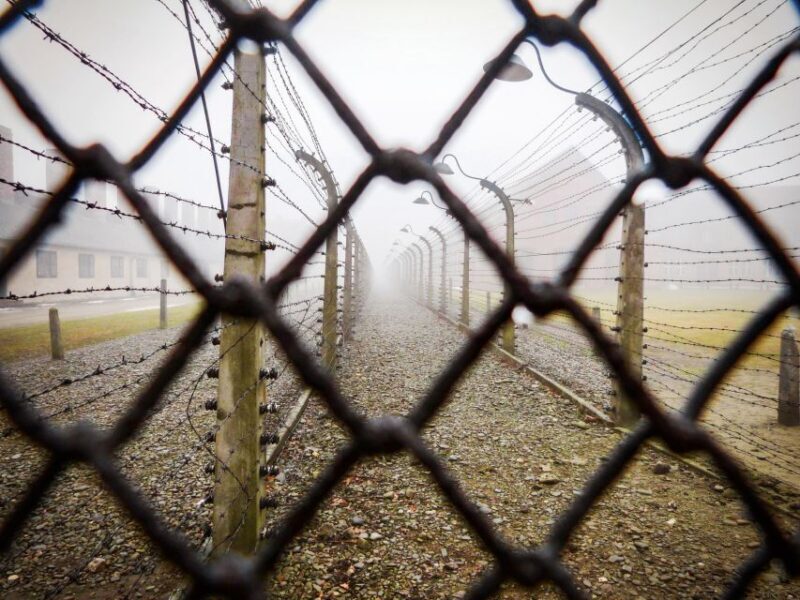
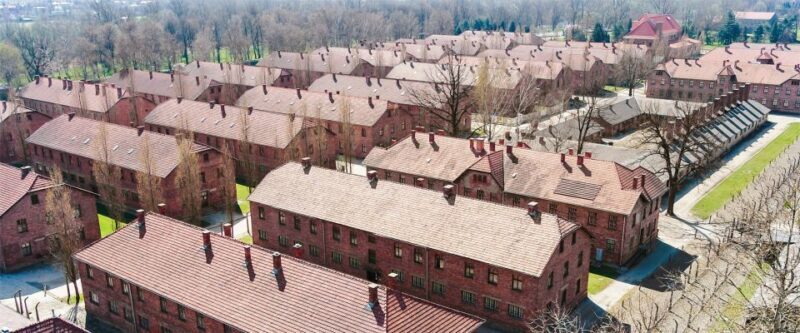
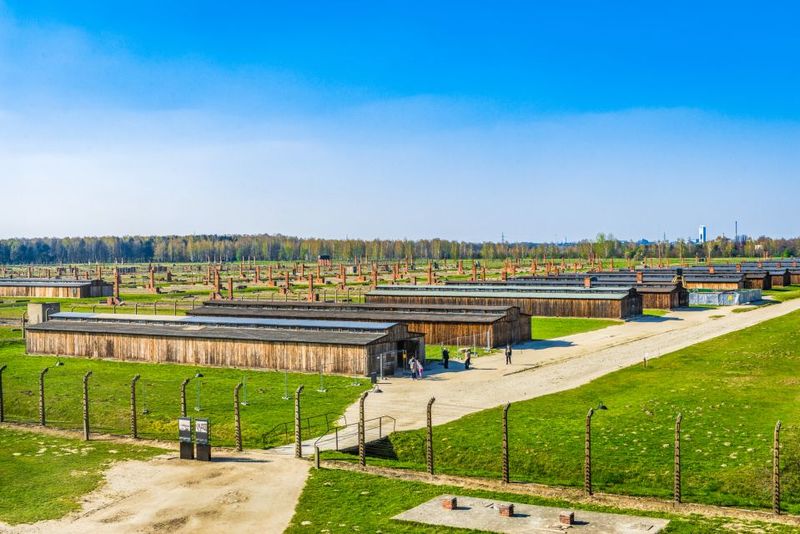
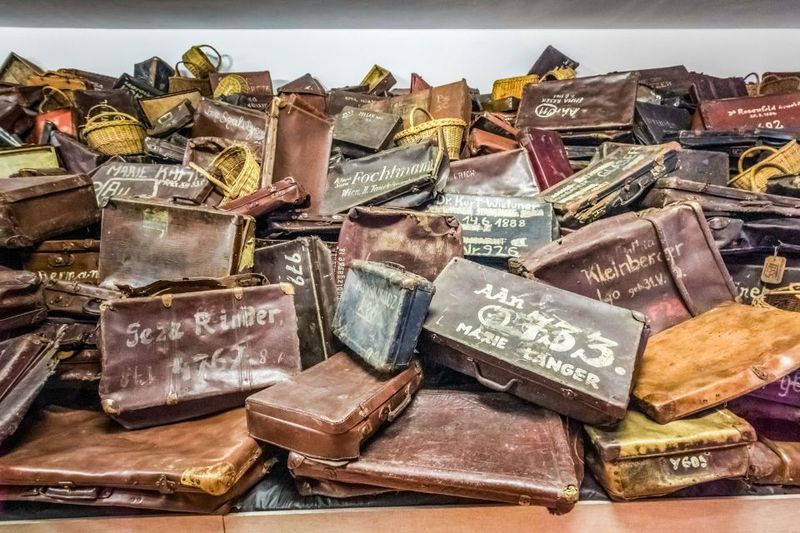
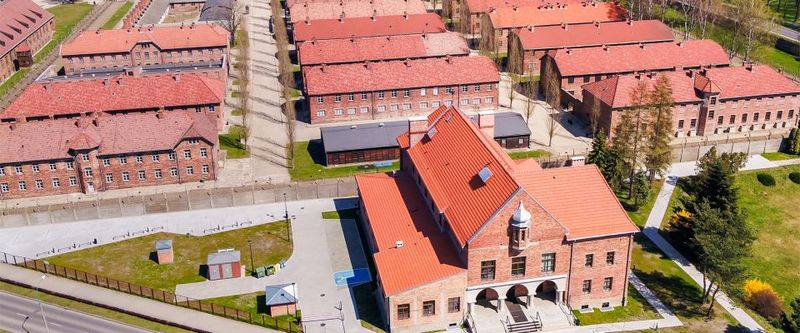
- Central Kiss & Ride pickup (Pawia 18) near the Mercure Hotel, with names called at the street K+R stop
- Air-conditioned transport for the 1.5-hour ride each way between Krakow and Oświęcim
- Judenrampe stop (about 20 minutes) before your main visit time
- Skip-the-ticket-line entry for both camps, with up to 2.5 hours allocated for your visit time
- Booklets in 19 languages to support a self-guided walk through major exhibits
- Visitor-service controlled timing, so you can’t fully control how long breaks or movements last
Krakow to Auschwitz-Birkenau: how the day is paced
This is a classic “go early, learn slowly, return before dinner” kind of trip. You’re picked up in Krakow, travel by coach to Oświęcim, then spend your time on the grounds and in the key memorial areas. The overall 7–8 hour window matters because there’s a lot to see, and you don’t want to feel rushed.
The emotional weight of Auschwitz and Birkenau is real. Most people won’t leave with a checklist feeling “done.” Instead, you’ll leave with a sense of what you saw and how big the system was. The itinerary helps by getting you there with less friction, so your brain can focus on the exhibits and history rather than logistics.
You can also read our reviews of more tours and experiences in Krakow.

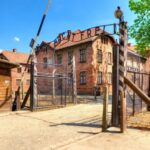
Meeting point in Krakow: Pawia 18 K+R works, if you’re ready
The pickup setup is very specific, and that’s good. You meet at the Kiss & Ride (K+R) stop on Pawia Street 18, directly opposite the Mercure Hotel. Important detail: wait on the street side, not inside the hotel or any nearby shopping area.
Tour leaders call guests by name when they arrive. They typically arrive about 5 minutes before departure or right on the departure time. That’s a small thing, but it helps explain why showing up a bit early pays off—there can be a crowd at the K+R stop at the same time.
If you’re worried about finding it: travelers mention that staff can provide quick directions when needed, including photos of the exact meeting spot. Still, plan to stand close to Pawia 18 until you’re called.
Transport to Oświęcim: comfortable coach, but your day can shift
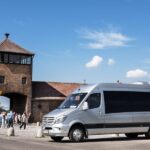
The coach ride is about 1.5 hours each way, and it’s air-conditioned. That’s not a luxury detail—it’s a practical one. Early departures can mean cold mornings in winter, and it helps you arrive calmer and ready to concentrate.
Now the timing reality. The trip operator warns that departure times may change, sometimes by several hours, due to operational or scheduling adjustments. If anything changes, you’re notified one day in advance. People also report day-before confirmation messages (like WhatsApp) and examples of pick-up times shifting.
So my advice: don’t schedule anything tight right before or right after this tour. Think of it as the anchor event of your day.
First stop: the 20-minute Judenrampe moment
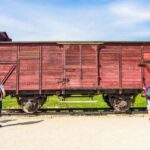
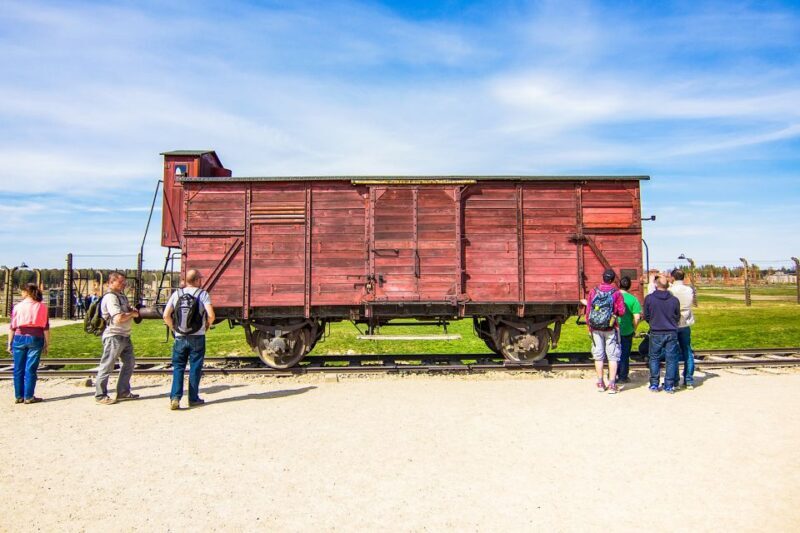
You’ll make a stop at Judenrampe for around 20 minutes. Even though it’s short, it’s meaningful because it connects you to the physical reality of transport and arrival at the camps.
This is the kind of stop where you’ll want to be mentally present. You won’t have time to wander widely or read every sign like you would on a longer museum visit. But it sets the tone and helps your later museum time make more sense.
More Great Tours NearbyAuschwitz Museum: where the permanent exhibitions do the heavy lifting
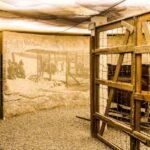
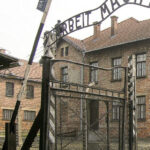
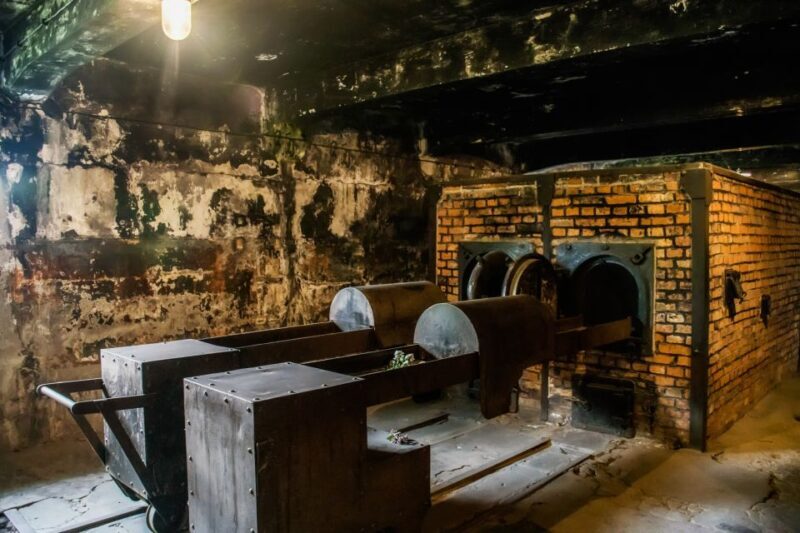
Your main museum time at Auschwitz-Birkenau is where the day becomes structured. You’ll visit permanent exhibitions meant to document the horrors of the camp and the genocide. Expect to see exhibits that explain the system and the experience of prisoners, along with surviving remnants on the grounds.
One practical note: there are places where pictures aren’t allowed. The rules also matter because this isn’t a “tour for photos.” You’ll enjoy it more if you treat your phone like a tool you keep away unless you’re sure it’s permitted.
Time is another factor. You may have up to 2.5 hours for your visit window for the camps overall (with the schedule controlled on-site). That’s enough for a serious look, but not enough to see everything slowly like you might in a multi-day trip. If you want to read every panel, you’ll need to choose what matters most to you.
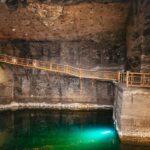

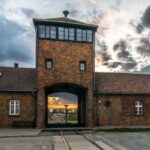
Birkenau Memorial: seeing scale, layout, and why it mattered
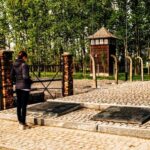
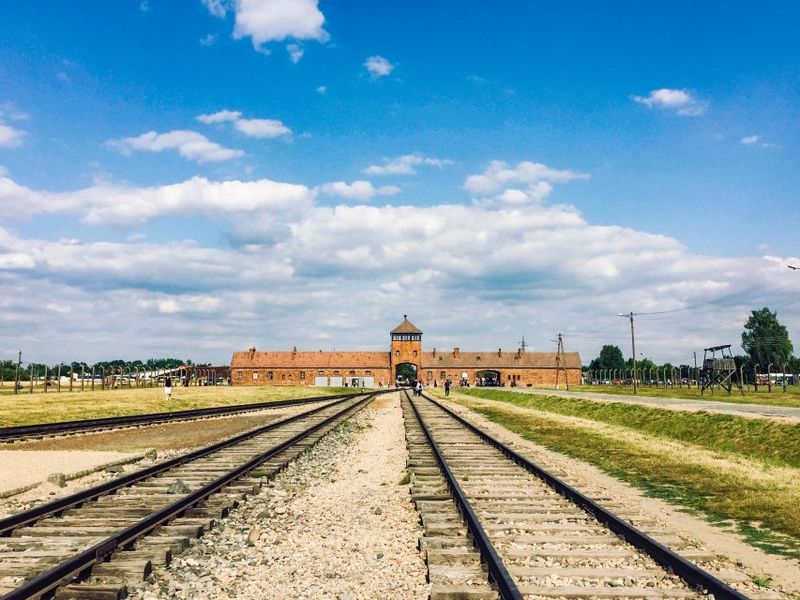
Birkenau is where scale becomes part of the message. Even if you’ve studied photos before, walking the grounds changes your understanding. This is the stop that makes it clear this wasn’t a single building or a single event—it was a vast, brutal system.
You’ll also get break time during your on-site schedule (the plan includes a 30-minute break). That break isn’t just comfort. It’s also what keeps the day from breaking you emotionally halfway through.
Some visitors say they felt they could learn well without feeling pushed, especially when the day’s timing worked out with fewer crowds during their arrival window. Since on-site timing controls much of the pace, you’ll get the best outcome when you show up patient and ready to follow instructions.
Self-guided walking vs guided options: pick the learning style you want
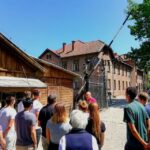
One of the best things about this booking is flexibility. You’ll have informational booklets in 19 languages, and the tour is often structured so you can move through the museum areas on your own pace. That matters because self-guided time can be calmer. You can stop where your attention lands and not where someone else thinks you should stand.
That said, guided options can be available. Travelers who chose guided service often mention a very detailed briefing and a clear sense of timing and rules. Names that come up include staff like Ollie and Justyna, who were described as knowledgeable and attentive.
If you’re traveling with teenagers or you’re the type who likes to ask questions, a guided option can feel like a cheat code for understanding what you’re seeing. If you’re the type who needs silence or time to read, self-guided is often the better match.
Booklets in 19 languages: handy when you feel overwhelmed
The included booklets are a small detail with big value. When you’re staring at history that’s hard to process, you need help connecting signs and buildings to the larger story. Having booklets available in 19 languages means you’re not stuck guessing what you’re looking at.
Some travelers end up using the booklet less because the museum already provides a lot of explanatory signage. Still, it’s there as backup, which is exactly what you want for a high-emotion site.
“No photos here” and other rules you should respect
You should expect clear site rules. A few that are explicitly part of the requirements:
- Some spots do not allow photography
- Your pace is set by the memorial visitor service once you arrive
- You must bring passport or ID
- Your booking name needs to match your ID exactly
Also, there are dress rules: sleeveless shirts are not allowed, and pets are not allowed. It’s not about comfort-chic. It’s about site requirements and access control, so dress like you’re entering a serious museum—not a nightlife plan.
Timing and duration: you might not see everything, and that’s okay
This tour can be a perfect one-day introduction, but it’s not a magic trick. Auschwitz and Birkenau are huge in meaning and scope, and up to 2.5 hours of visit time for the camps means prioritizing matters.
Many visitors say the experience is worth it even without seeing every single detail. The key is doing a steady, thoughtful walk rather than trying to rush every room. If you really want “everything,” you’ll likely need a longer stay and more time overall.
The on-site break and movement times are also controlled by the memorial. The operator can’t override the memorial’s schedule, so your best move is to mentally budget for that.
Value for money: why $38 can make sense for this day
At $38 per person, the value isn’t just the price tag. You’re getting:
- Round-trip transportation from central Krakow
- Entrance tickets to both Auschwitz and Birkenau camps
- Skip the ticket line
- Booklets in 19 languages (depending on selected option)
- Pickup/drop-off depending on the option you choose
If you try to DIY this with separate transport, separate ticket purchase, and time spent in queues, the day can quietly turn into a frustrating schedule puzzle. Here, you’re paying so you can spend your energy where it counts.
Trip quality also shows up in reviews: people repeatedly mention smooth organization, helpful driver support, and a generally organized flow that keeps the day from feeling chaotic.
What you should plan for: food, drinks, and the real break window
Food and drinks are not included. That’s normal for a day trip, but it affects what you pack and how you plan.
Still, travelers report that some drivers went out of their way with practical help, like stopping briefly on route so the group could buy snacks or drinks at more reasonable prices than at vending machines near the camps. That might not happen on every departure, but it’s a common theme in positive feedback.
So do yourself a favor: bring a plan. If you’re sensitive to waiting, consider packing a snack and water you can carry until you’re told where you can access purchases.
Accessibility note: not suitable for mobility impairments
This trip is not suitable for people with mobility impairments. That’s important. The grounds involve walking and moving through areas that may be difficult without special assistance, and the tour pacing is controlled on-site.
If mobility is a concern, it’s better to look for a different format with accessibility support rather than assuming a day trip like this will be manageable.
Who this day trip is best for
This is a strong fit if you:
- Want a one-day Auschwitz-Birkenau visit from Krakow without transport headaches
- Like structured logistics but still value self-guided time
- Want English or Polish support and the option for a guided experience
- Are comfortable following rules calmly in a high-stakes historical setting
It may not be ideal if you:
- Need a fully flexible schedule with guaranteed timing
- Are looking for a long, slow, read-everything pace
- Rely on accessibility support that this format can’t provide
People keep mentioning the staff: what that means for your day
Many travelers specifically praise staff who help the day run smoothly. Drivers and hosts named in feedback—like Ollie, Paul, Peter, Damian, Marcel, Jacob, and Margaret—are described as knowledgeable, friendly, and organized.
A few details come up repeatedly in positive experiences:
- Clear guidance at pickup and on return
- Support at security and entry instructions
- Extra help around timing so you’re not guessing what happens next
- Friendly, calm coaching that reduces stress
That matters because a day like this can feel overwhelming. When someone gives clear steps, your experience feels more controlled—and you can focus on the memorial.
From Krakow: Auschwitz-Birkenau Tour with Transportation
Should you book this Krakow Auschwitz-Birkenau tour with transportation?
If you’re choosing between doing this on your own or booking a packaged day trip, I’d lean toward booking—especially if you value skip-the-ticket-line entry and a smooth coach ride. The price is reasonable for what you get, and the inclusion of multi-language booklets helps you learn without feeling lost.
Book it if you can handle a fixed visitor-service pace and you’re ready for a heavy day. Don’t book it if you need guaranteed timing precision or mobility support.
One last practical tip before you commit: double-check that your booking name matches your ID exactly. That detail is one of the few things that can truly derail your entry—and it’s easy to prevent with a careful check.
You can check availability for your dates here: