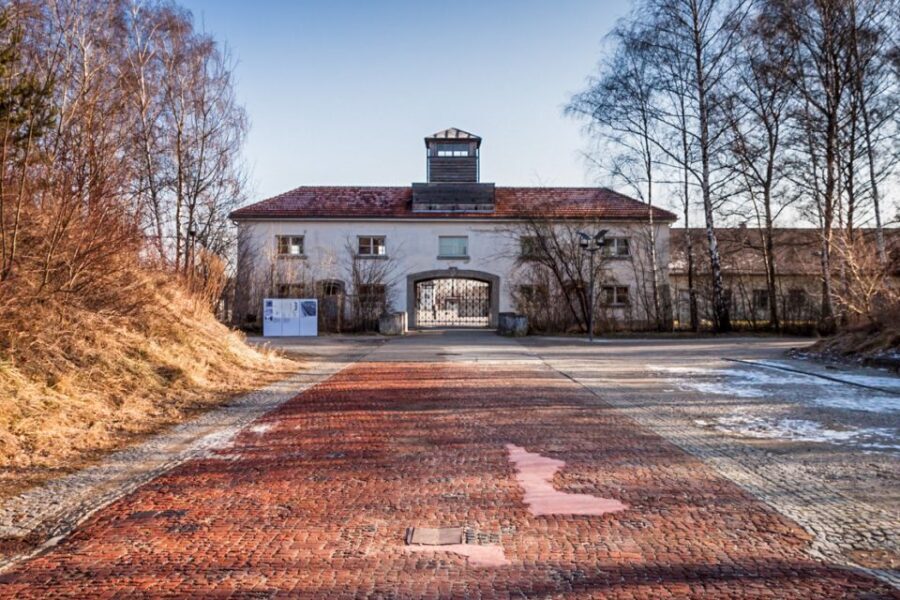
I’m going to tell you what this Munich to Dachau day trip really feels like: a tightly run public-transport route, a Memorial-qualified English guide, and a careful guided walk through one of Nazi Germany’s first and most infamous camps. You meet at Marienplatz (in front of Ludwig Beck), then head out by subway and bus before spending about half the day inside the memorial.
Two things I really like about this experience are the quality of the guidance and the clear, well-paced route. Several guides get praised in particular (Marcin, Sam, Adam, Hein, Keith, Scott), and you’ll cover the major built-in checkpoints of the camp system—like the Jourhaus with the infamous sign and the areas around the bunker and barracks—without feeling lost or rushed.
One consideration before you book: this tour is emotionally heavy and it comes with real-world limits. It’s not suitable for kids under 14, and it’s also not recommended for wheelchair users, people with mobility impairments, or those with respiratory issues. There are also strict rules (like no video recording and no eating during the tour), so you’ll want to plan ahead.
- Key things to know before you go
- Munich to Dachau: what the “full-day” really means
- Meeting point at Marienplatz (and how not to lose your group)
- Getting there by public transit: easy on paper, manageable in practice
- What you’ll see at Dachau Memorial Site: the camp’s built-in layout
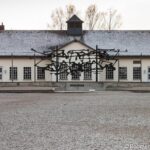
- Jourhaus and the “Arbeit Macht Frei” sign: why it hits so hard
- Bunker, barracks, and punishment spaces: learn the system, not just the story
- Pacing and group management: why guides matter here
- The short break: what you can do (and what you can’t)
- Timing reality check: no long lunch escape
- Price and value: why can make sense
- Who this tour is best for (and who should skip it)
- Emotional impact: how to prepare without overthinking it
- Small wins: what travelers seem to love most
- Should you book? My honest take
- FAQ
- How long is the Dachau Memorial Site full-day tour from Munich?
- Where do we meet in Munich?
- Is hotel pickup included?
- What language is the guide?
- Are children allowed?
- Is eating allowed during the tour?
- The Best Of Munich!
- More Full-Day in Munich
- More Tours in Munich
- More Tour Reviews in Munich
Key things to know before you go
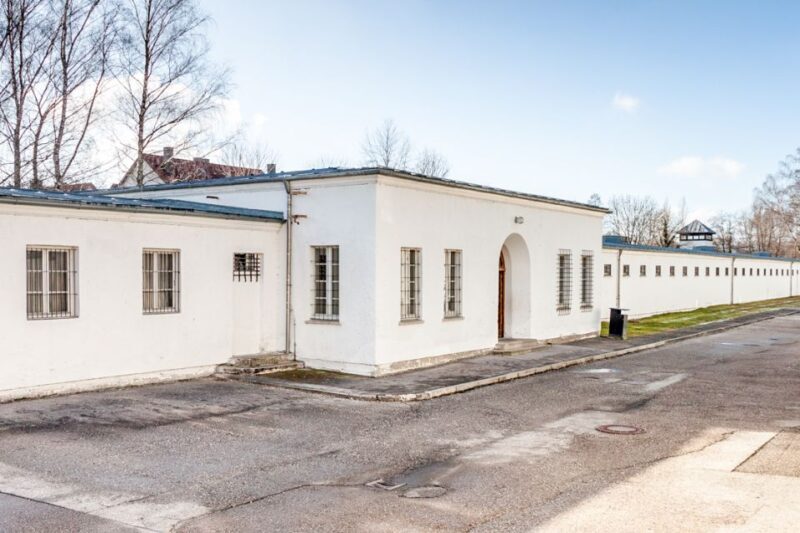
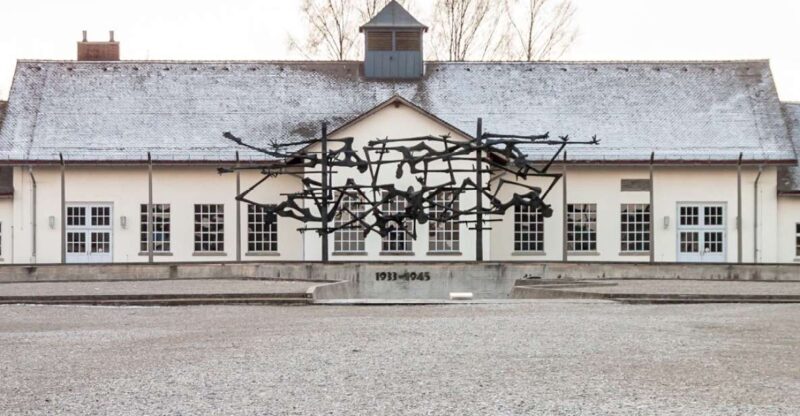
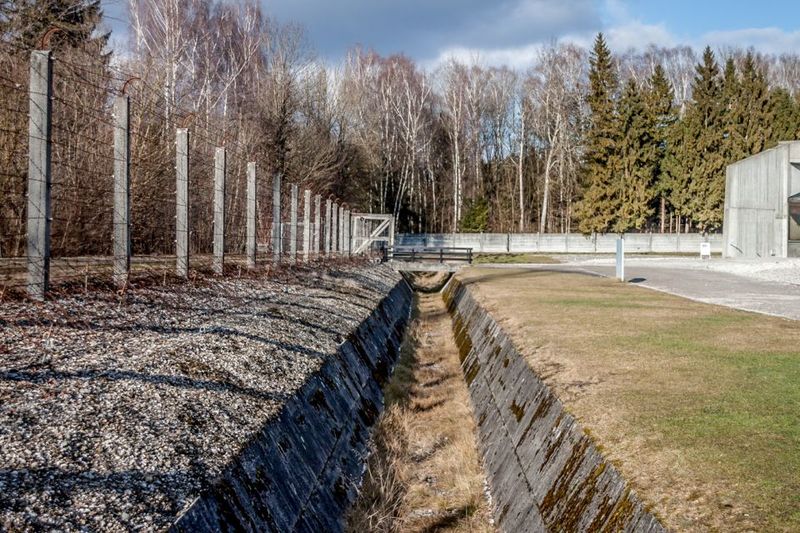
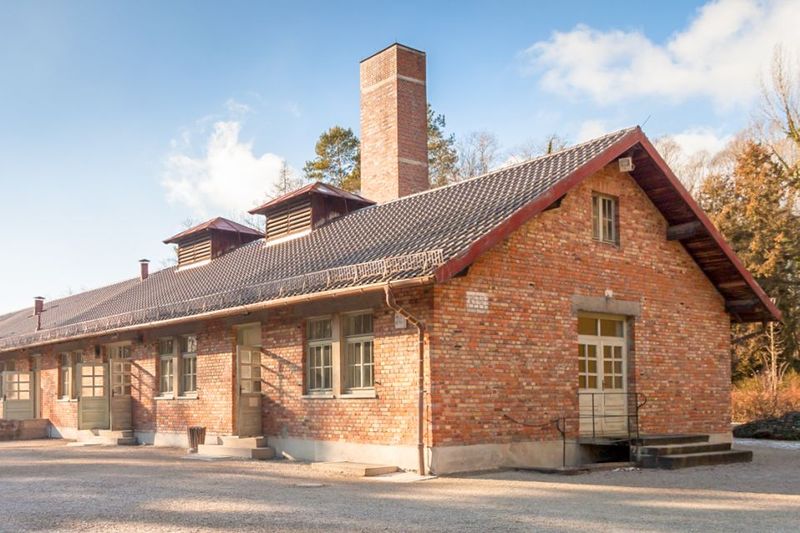
- Memorial-qualified English guide gives context on camp life and death for prisoners from 1933 to 1945
- Four hours inside the camp plus travel time—so you’re committing to a full morning/afternoon block
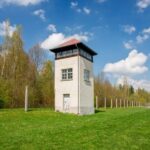
- Major sites covered include Jourhaus, entrance/gateway areas, Appellplatz, bunker, Barrack X, and more
- Short break but no food during the tour, so eat beforehand and bring water
- Strict suitability limits: not for under-14s, not for wheelchair users, and not for people with mobility/respiratory issues
👉 See our pick of the The 8 Most Popular Shopping & Market Tours In Munich
Munich to Dachau: what the “full-day” really means
This tour is built to run smoothly using public transport—subway first, then bus/coach, then train on the way back. The whole outing clocks in at 6 hours, with about 4 hours inside the Memorial Site and the rest spent traveling and regrouping with your guide.
That time balance matters. Dachau is not the kind of place you can “speed through and move on.” You’ll have a guided route designed to explain how the camp worked day to day, then you’ll have a short break, then you’ll continue with the core experience. Some travelers notice there aren’t long gaps—so it’s smart to treat it like an appointment, not a casual stroll.
You can also read our reviews of more tours and experiences in Munich


Meeting point at Marienplatz (and how not to lose your group)
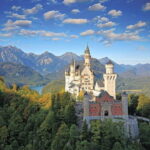
You’ll meet your guide on Marienplatz, directly in front of Ludwig Beck (Marienplatz 11). Look for a white and blue umbrella and signage for the Dachau tour.
Local-organizer chaos happens in every big city, especially near major shopping streets. The good news: the tour includes an emergency phone number if you’re running late or can’t find the meeting point, so you don’t have to play guessing games for long.
Getting there by public transit: easy on paper, manageable in practice
The schedule is simple: about 40 minutes by subway/metro, then about 10 minutes by bus/coach to reach the memorial area. On the return, expect another bus/coach leg (around 10 minutes) plus about 40 minutes by train back toward Munich.
A couple of practical notes that come up in traveler feedback:
- Some days can be crowded, so don’t wear yourself out before the tour starts.
- Your guide keeps the group together and handles timing, especially if transport has little hiccups.
If you’re the kind of traveler who likes clear logistics—this one is for you. You’re not navigating trains with a tight deadline. You just follow the plan and keep your eyes on the guide.
What you’ll see at Dachau Memorial Site: the camp’s built-in layout
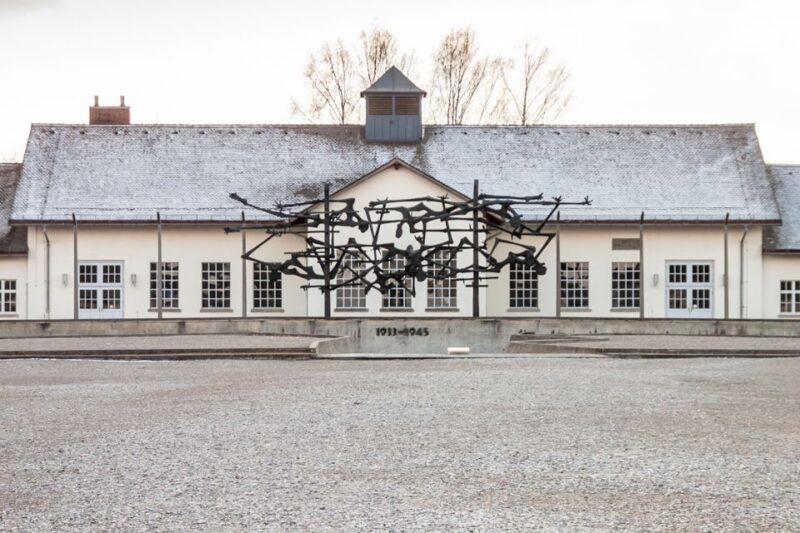
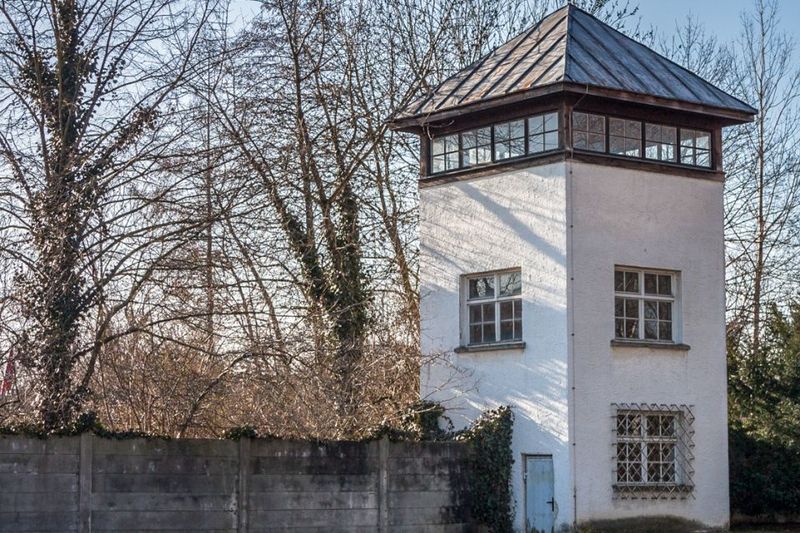
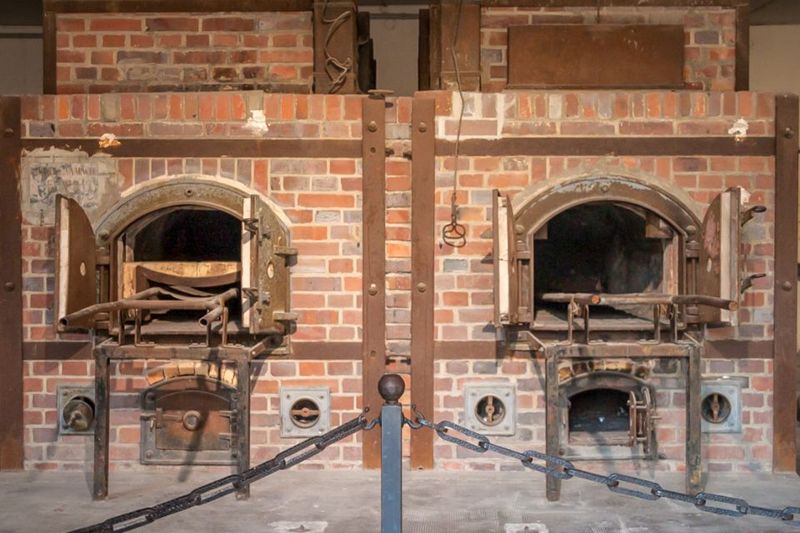
The tour is structured around the physical and administrative layout of the camp. That’s important because the camp wasn’t just “prison space”—it was a system with gates, checkpoints, daily roll-calls, detention areas, and punishment zones.
You’ll walk through key areas that help you understand the machinery of terror:
- The entrance building and gateway, the entry point that prisoners crossed
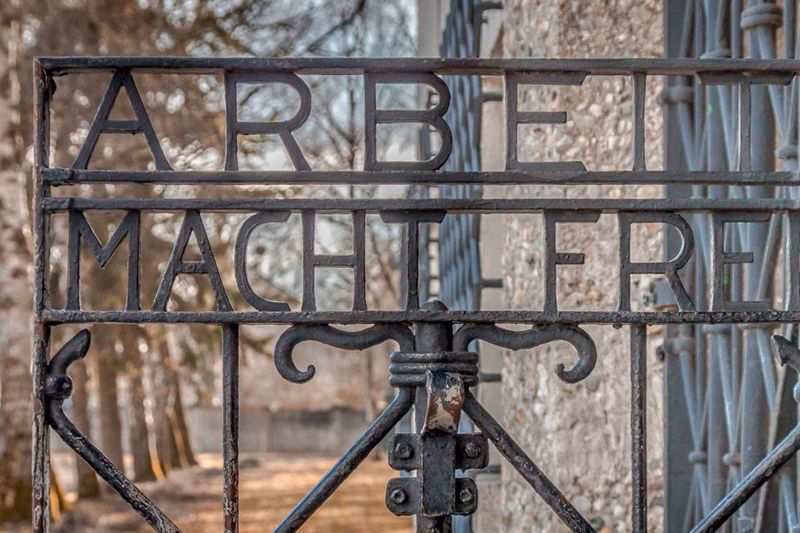
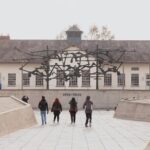
- The Jourhaus with the notorious Arbeit Macht Frei sign
- The Appellplatz (the roll-call area)
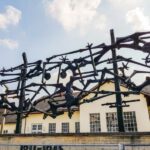
- The Bunker (detention/punishment space)
- Barrack X and other key barracks areas
- The S.S. Training Facility, often described as the School of Terror
- Plus additional buildings and exhibit areas along the guided route
Your guide doesn’t just point at structures. They explain why these locations mattered in daily operations, from registration and new arrivals to trials, torture, punishment, and the rhythm of control.
More Great Tours NearbyJourhaus and the “Arbeit Macht Frei” sign: why it hits so hard
Yes, you’ll see the sign. But the real value isn’t shock value—it’s what the guide connects it to. Standing there, you’re looking at a piece of Nazi propaganda that pretends to promise something it never delivered.
One of the best things about this tour is that the guide’s explanations make the architecture feel like evidence. The camp’s “layout logic” starts to make sense, and you can connect that logic to the timeline—Dachau’s significance as the first permanent concentration camp built by Nazi Germany and its operation across the full Nazi rule (12 years).


Bunker, barracks, and punishment spaces: learn the system, not just the story
The Bunker and the barracks are likely the areas that stay in your mind after you leave. This tour handles those zones carefully. The guides are praised for being respectful and knowledgeable, and they typically explain:
- how imprisonment was organized
- how prisoners were moved or processed
- how punishment operated as part of daily control
- what you’re looking at when you stand in the spaces
You’ll hear about how the camp evolved through multiple phases and how it expanded from early years into a mature tool of terror. If you’ve ever tried to read a plaque and then wondered what you’re supposed to infer—this is where the guide helps you connect the dots.
Pacing and group management: why guides matter here
In reviews, a recurring theme is that the tour’s emotional weight is handled with structure. Guides are repeatedly singled out for being:
- extremely knowledgeable
- clear with instructions and meeting points
- considerate about keeping the group together
- sensitive about the pace
You’ll see names like Marcin and Sam praised for knowledge and respectful delivery. Adam and Hein are also mentioned for clarity, organization, and for helping travelers absorb the material rather than just glance at displays. Another reviewer noted a small group size (max 14 people), which can make a big difference when you’re trying to hear explanations over ambient noise.
One more practical tip that came up: a guide encouraged reading text, not only looking at pictures. That’s the difference between “I visited” and “I understood.” If you can, slow down for the signs and written exhibits—even if your legs feel tired.
The short break: what you can do (and what you can’t)
You get a 15-minute break during the day trip. But there’s an important rule: it’s not permitted to eat food while on tours at Dachau. So plan like a grown-up adult with a hydration plan.
Here’s what to do:
- Eat a big breakfast before you go.
- Bring water (and snacks for before/after, since the tour itself restricts eating).
- Use restroom opportunities when they’re available rather than assuming you’ll have a long gap.
Also note the tour has a “no video recording” rule. Smoking and alcohol/drugs aren’t allowed either. If you’re used to filming everything on trips, this tour will force you to slow down and be present.
Timing reality check: no long lunch escape
With about 4 hours inside the camp, you shouldn’t expect a long lunch detour. The structure is focused: travel out, guided visit, short break, then more guided time and return to Munich.
That’s why snacks and water matter. The tour isn’t built for lingering in cafés. You’ll be thinking about what you’re seeing, and you’ll likely want your mind to stay in the same place from start to finish.
Price and value: why $51 can make sense
This tour is priced at $51 per person, and it includes train fee, bus fee, and a live guide. The “value” isn’t that Dachau is a bargain—it’s that you’re paying for coordination plus interpretation.
If you were to plan this yourself, you’d still need:
- transit time and connections from Munich
- a plan for how long you’ll spend inside
- a strategy for what to pay attention to
- someone who can explain the system clearly in English
For many travelers, the guide is the whole point. Reviews repeatedly praise the guides’ knowledge and respectful style, which suggests you’re buying the skill to make sense of what you’re walking through.
If you’re the type who likes to understand before you look, this is a good match.
Who this tour is best for (and who should skip it)
This experience is clearly designed for travelers ready to handle heavy history with guidance.
Best fit:
- Adults and teens 14+ who can handle graphic themes and serious material
- Anyone who wants a clear, structured explanation rather than self-guided confusion
- Travelers who appreciate small-group pacing and a guide who answers questions
Not a fit:
- Children under 14 (not permitted)
- Wheelchair users and people with mobility impairments (not suitable)
- People with respiratory issues (not suitable)
- Anyone who expects eating during the tour (food isn’t allowed on tours at Dachau)
Emotional impact: how to prepare without overthinking it
Dachau is one of those places where “vacation mode” disappears fast. The guide’s job is to provide facts and context while also treating the site with respect. Reviews describe the day as haunting and moving—sometimes unforgettable in a hard way.
If you want to be prepared, do it simply:
- wear comfortable shoes
- bring water
- plan your breakfast
- expect a long, serious walk with limited breaks
And if you’re anxious about handling the topic: that’s normal. What helps is having a guide who’s used to answering questions and keeping the group oriented.
Small wins: what travelers seem to love most
Even in a day like this, people find practical positives:
- guides who keep a good pace and clearly manage timing (and bathrooms when available)
- explanations that answer the questions you didn’t know you had
- the sense that a guided visit helps the site “make sense” instead of staying abstract
Several travelers also mention that they felt the tour company and guide were professional and organized from start to finish. That matters a lot when you’re heading out of Munich and returning the same day.
Should you book? My honest take
Book this tour if:
- you want a guided, structured route through major camp areas
- you prefer having a knowledgeable English guide rather than trying to piece everything together yourself
- you’re comfortable with a heavy subject and a full 6-hour commitment
Skip it (or choose a different format) if:
- you need wheelchair access or have mobility constraints
- you can’t handle the tour’s restrictions and length
- you’re traveling with kids under 14
- you’re hoping for a more casual, flexible sightseeing day with lots of stops for meals
If you can meet the requirements and you’re ready for a serious educational visit, this is a strong option. The combination of guided interpretation, clear coverage of key camp locations, and smoothly managed Munich-to-Dachau logistics is exactly what most people say they came for—and what they remember when it’s over.
From Munich: Dachau Memorial Site Full-Day Tour
FAQ
How long is the Dachau Memorial Site full-day tour from Munich?
The tour lasts 6 hours total, including travel time and a visit inside the camp. The information provided notes about 4 hours inside the camp and around 2 hours of travel.
Where do we meet in Munich?
You meet your guide on Marienplatz, in front of Ludwig Beck (Marienplatz 11). Look for a white and blue umbrella and tour signs.
Is hotel pickup included?
No. The tour does not include hotel pickup and drop-off.
What language is the guide?
The live tour guide is English.
Are children allowed?
Children aged 13 or under are not permitted. Children aged 14 and over are welcome if accompanied by parents who understand the graphic nature of the tour content, and proof of age may be required.
Is eating allowed during the tour?
No. It’s not permitted to eat food while on tours at Dachau. You’re advised to eat a big breakfast or bring something to eat on the train.
You can check availability for your dates here: