When it comes to understanding the darkest chapters of European history, visiting a concentration camp hits differently than reading about it in a textbook or watching a documentary. This guided tour to Dachau offers travelers a chance to witness one of the most important historical sites in Germany while benefiting from expert interpretation that transforms a self-guided visit into a truly meaningful experience.
We particularly appreciate two things about this tour: the caliber of guides who consistently provide context and nuance that would otherwise be missed, and the thoughtful logistics that handle the train journey for you so you can focus on learning rather than navigating Munich’s transit system. That said, potential visitors should know this is an emotionally demanding experience—the subject matter is heavy, and you’ll need emotional stamina to absorb what you’re learning.
This tour works best for adults aged 15 and older who feel ready to confront difficult history with respect and seriousness. It’s ideal for those visiting Munich who want to understand Germany’s past rather than simply enjoying the city’s beer gardens and palaces. If you’re the type of traveler who believes visiting difficult historical sites is important for understanding our world, you’ve found the right experience.
- Understanding What This Tour Offers
- The Itinerary Breakdown: What to Expect
- Meeting Your Guide on Marienplatz
- The Train Journey to Dachau
- The Heart of the Experience: Four Hours at Dachau
- What Makes the Guides Special
- Practical Considerations Before You Book
- Who Can Participate
- What to Bring and What Not to Bring
- Booking and Cancellation
- The Emotional Reality
- Value Assessment
- Frequently Asked Questions
- The Best Of Munich!
- More Full-Day in Munich
- More Tours in Munich
- More Tour Reviews in Munich
Understanding What This Tour Offers
 1 / 3
1 / 3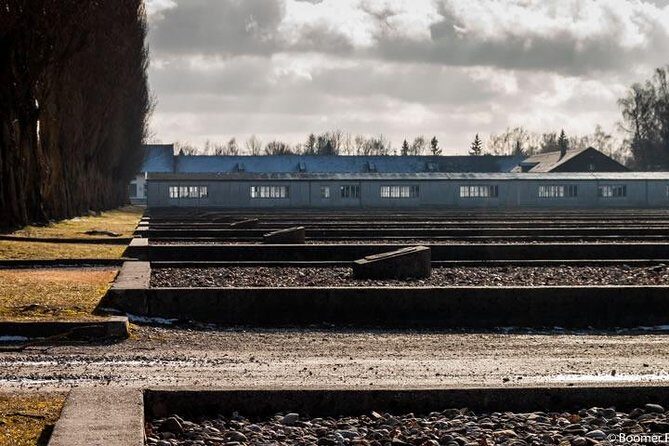 2 / 3
2 / 3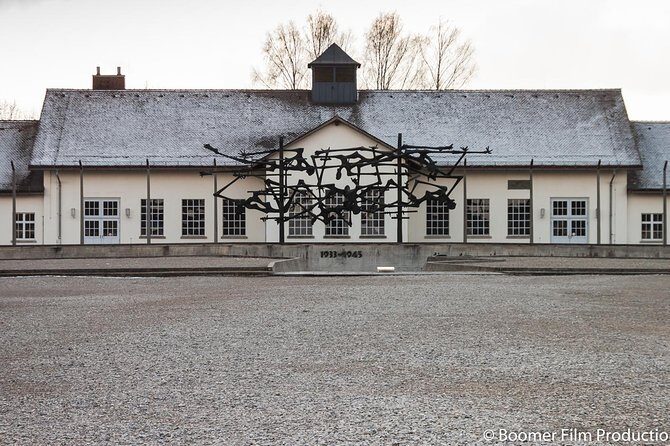 3 / 3
3 / 3At $48.98 per person for a six-hour experience that includes round-trip train transportation and a professional guide, you’re looking at genuine value. The price point is competitive when you consider that you’re not just paying for access to the memorial site—you’re paying for expert interpretation from someone who understands the historical complexities and can answer your questions thoughtfully.
The tour operates in English with small groups (maximum 30 people), which means you’ll have an intimate experience rather than feeling like you’re part of a massive tour bus operation. One traveler noted, “Our guide, Marcin, was truly top-notch. He read the group effortlessly, was exceptionally well-informed, and focused on the key details that mattered most to us, making the experience deeply personal and meaningful.”
This isn’t a light activity to squeeze into a morning before lunch at a beer hall. The six-hour duration includes travel time, but you’ll spend approximately four hours at the memorial site itself—enough time to see the major areas without feeling rushed, though as one visitor mentioned, “for me the day wasn’t actually long enough. I wanted to go round again and look at all the exhibits and read everything.”
👉 See our pick of the The 8 Most Popular Shopping & Market Tours In Munich
The Itinerary Breakdown: What to Expect
You can also read our reviews of more tours and experiences in Munich


Meeting Your Guide on Marienplatz
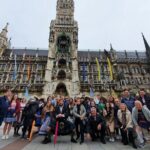
Your experience begins in the heart of Munich at Marienplatz, specifically in front of Ludwig Beck department store (Marienplatz 11). Your guide will be holding a white and blue umbrella, making them easy to spot among the crowds. This 15-minute briefing session sets the tone for the day and gives you a chance to meet your fellow travelers.
This opening matters more than it might seem. A good guide uses this time to establish rapport and explain how the day will unfold, reducing any confusion about train schedules and logistics. You’ll learn whether there’s time for questions, how the group will stay together, and what to expect emotionally.
The Train Journey to Dachau
From Marienplatz, you’ll take a shared train to Bahnhof Dachau (Dachau train station). This 10-minute transfer isn’t just logistical convenience—it’s historically significant. Your guide will likely explain that this is the original station where countless prisoners arrived before being forced to march to the camp.
Several travelers appreciated how guides handled this transition. One noted, “The tour was on public transport, you are guided onto trains and then a bus. But this isn’t an issue and the guide takes you through this.” Another mentioned that their guide “expertly kept the entire group together during train transfers and throughout the site, ensuring a smooth and stress-free experience.”
From the station, you’ll take a short bus ride that follows the route prisoners were forced to march. This journey provides geographic and emotional context that helps you understand the prisoners’ experience before you even arrive at the camp.
The Heart of the Experience: Four Hours at Dachau
This is where the tour becomes truly substantial. You’ll spend approximately four hours exploring the Dachau Concentration Camp Memorial Site, and your guide will walk you through the camp’s history, architecture, and human stories.
The tour covers several key areas:
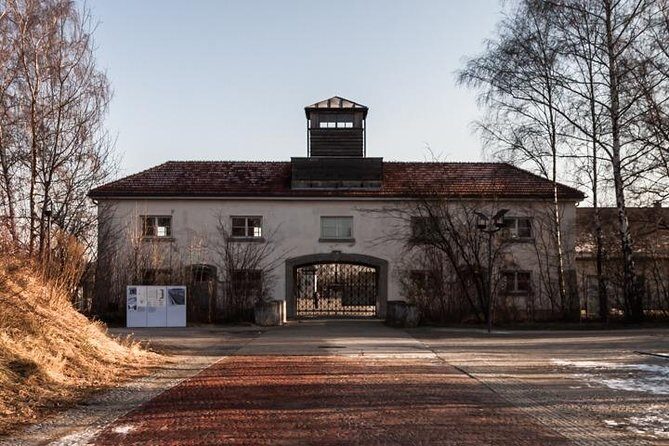
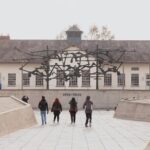
The Jourhaus is the entrance building and gateway—the first structure prisoners would have seen upon arrival. Your guide will explain the registration process and how prisoners were categorized and treated based on the Nazi regime’s twisted classifications.
The Appellplatz (roll call square) is where prisoners stood for hours during daily counts. Standing in this space with a guide explaining what happened here creates a visceral understanding that photographs can’t convey.
The barracks show you where prisoners lived in horrific overcrowding. Your guide will describe daily routines, the lack of sanitation, the starvation rations, and the diseases that swept through the camp.
The perimeter fence and guard towers illustrate the inescapability of the camp. These physical barriers represent the complete control the SS exercised over prisoners.
Barrack X, the crematoriums, and the gas chamber represent the mechanisms of death. A guide will explain these facilities without sensationalizing them, providing historical facts while maintaining appropriate solemnity.
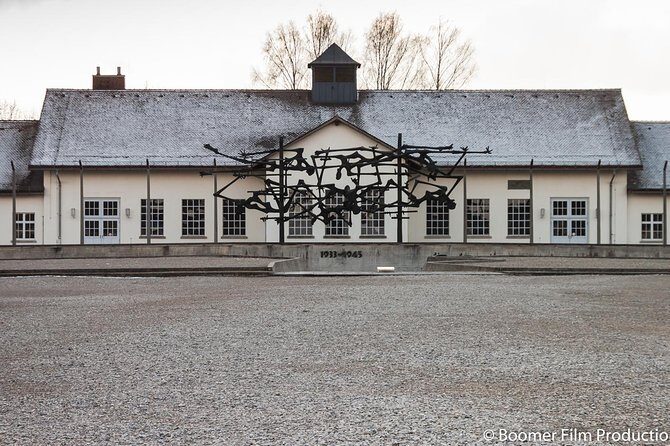
The religious memorials acknowledge the diverse backgrounds of prisoners—Catholics, Protestants, Jews, and others. The International Memorial and Nandor Glid Sculpture honor the victims from different nations.
One traveler captured the impact well: “Walking through the camp was powerful and sobering. The cold, overcast weather only heightened the atmosphere, almost transporting me back in time to when these events unfolded.”
Another visitor emphasized why a guide matters: “Anyone can do a self-guided visit, but the true value of joining a tour lies in having an experienced guide who brings history to life, provides context, and helps you truly understand what you are seeing. This tour didn’t just inform—it immersed us in history.”
What Makes the Guides Special
The reviews consistently praise specific guides by name—Adam, Marcin, Keith, Tom, Sam, Aileen—which suggests the tour company has invested in quality training. These aren’t tour guides reading from a script; they’re historians who’ve deeply studied this period.
One traveler noted that their guide provided “details that are not generally known,” while another appreciated how their guide “managed to present the heavy topics with the appropriate gravity without glorifying or brushing over anything.” A third mentioned that their guide was “knowledgeable about not just Dachau, but how the events at Dachau connected with other concentration camps throughout Europe.”
This contextual knowledge is crucial. Understanding Dachau isn’t just about understanding one camp—it’s about understanding how the Nazi system worked across an entire continent. Guides who can make these connections help you grasp the scope of what happened.


Practical Considerations Before You Book
Who Can Participate
Children must be 14 or older to participate—this is a regulation of the memorial site itself, not a tour company preference. Proof of age may be requested. This age restriction exists because the site contains disturbing historical content and requires emotional maturity to process appropriately.
The tour accommodates adults from 14 to 99 years old, and service animals are welcome. You should have moderate physical fitness since you’ll be walking around a large outdoor site for several hours.
What to Bring and What Not to Bring
Pack snacks and drinks—the tour company specifically notes that food options at Dachau are limited. You don’t want to be distracted by hunger during this important experience. The weather operates year-round, so dress appropriately for Munich’s conditions. If you’re visiting in winter, bring warm layers; in summer, sun protection.
The company cannot hold luggage during the tour, so don’t plan this for a day when you’re carrying heavy bags. If you’re staying in Munich and have luggage at your hotel, arrange to leave it there rather than trying to manage it during the tour.
Booking and Cancellation
You can cancel up to 24 hours in advance for a full refund, which provides reasonable flexibility if your plans change. Confirmation arrives at the time of booking. The tour operates in all weather conditions, though if it’s canceled due to poor weather, you’ll be offered a different date or a full refund.
On average, this tour is booked 43 days in advance, suggesting it’s popular and worth reserving early if you have specific dates in mind.
The Emotional Reality
This isn’t a cheerful day out. One traveler was direct about this: “I was emotional throughout the tour, so it’s important to know that this is a heavy and intense experience. If you’re visiting with children, I highly recommend planning something light or uplifting afterward.”
Another visitor described it as “brutal, but necessary experience to see what actually happened—instead of just reading about it or watching a documentary.” The word “brutal” appears in multiple reviews, not as a criticism of the tour but as an acknowledgment of what the subject matter demands.
Yet visitors consistently recommend it anyway. One traveler wrote, “Everyone human alive should take this tour. It is an emotional experience.” Another noted, “This is about the victims of this and not the villains mostly. You will see how these people were treated, experiments they underwent and how everyday life was, if you can call it a life. A MUST EXPERIENCE.”
The consensus is that understanding this history, while difficult, is essential. As one visitor put it, “Overwhelming experience that is imperative to have knowledge of the past in order to not repeat the past.”
Value Assessment
At under $50 per person, this tour costs less than many casual day trips from Munich. You’re getting round-trip transportation, a professional English-speaking guide, access to the memorial site, and four hours of expert interpretation. Compare that to self-guiding yourself while trying to navigate Munich’s transit system and figure out what you’re looking at—there’s clear value in the guided experience.
One traveler summed it up: “This tour didn’t just inform—it immersed us in history… This is a must-do for anyone visiting Munich. It’s really good value for money.”
The tour company, InMunich Tours, has built a strong reputation with nearly 900 reviews averaging 5.0 stars. The consistency of praise across reviews suggests this isn’t luck—it’s the result of thoughtful tour design and guide training.
Full-Day Dachau Concentration Camp Memorial Site Tour from Munich
Frequently Asked Questions
Q: How do I find my guide on Marienplatz?
A: Your guide will be holding a white and blue umbrella at the meeting point in front of Ludwig Beck department store (Marienplatz 11). Look for this distinctive marker when you arrive.
Q: Can I cancel if I change my mind?
A: Yes, you can cancel up to 24 hours before the tour starts for a full refund. If you cancel less than 24 hours before, the full amount is forfeited. Changes made less than 24 hours before are not accepted.
Q: What if the weather is bad?
A: The tour operates in all weather conditions, so you should dress appropriately. However, if the tour is canceled due to poor weather, you’ll be offered either a different date or a full refund.
Q: Can I bring my luggage with me?
A: No, the tour company cannot hold luggage during the tour. If you have bags at your hotel, arrange to leave them there rather than trying to manage them during the experience.
Q: How much time do I spend actually at the camp?
A: You’ll spend approximately four hours at the Dachau Memorial Site itself. The remaining two hours of the six-hour tour includes travel from Munich and back.
Q: Is there food available at the memorial site?
A: Food and drink options at Dachau are limited. You should bring snacks and water to sustain yourself during the four hours at the site.
Q: What’s the maximum group size?
A: Groups are limited to a maximum of 30 travelers, ensuring a more intimate experience than large tour bus operations.
Q: Can children participate?
A: Children must be at least 14 years old. This is a regulation of the Dachau Memorial Site. Children 12 and under are not permitted. Proof of age may be requested.
Q: How far in advance should I book?
A: On average, this tour is booked 43 days in advance, suggesting popular dates fill up. Booking several weeks ahead is recommended to secure your preferred date.
Q: What should I wear?
A: Dress appropriately for Munich’s weather conditions. You’ll be walking outdoors for several hours, so comfortable walking shoes are essential. In winter, bring warm layers; in summer, bring sun protection.
This tour represents one of the most important historical experiences available from Munich—a chance to understand a crucial and devastating period of human history through expert interpretation and direct engagement with the physical site where these events occurred. While emotionally demanding, it’s consistently praised by travelers as essential and transformative. At under $50 per person with professional guides, convenient transportation, and small group sizes, it offers exceptional value for anyone willing to invest a day in confronting difficult history. Book this tour if you believe understanding the past is crucial to building a better future, if you want to honor the victims by truly learning their stories, and if you’re visiting Munich and want to do more than simply enjoy its famous attractions.