There’s something about standing at a place where history’s darkest chapters unfolded that changes how you understand the world. This guided tour of Dachau, departing from central Munich, offers exactly that kind of transformative experience—and it does so with remarkable sensitivity and scholarly depth.
We’ve reviewed this tour based on nearly 1,000 traveler experiences, and what strikes us most is the consistency of praise for how the guide handles an inherently difficult subject. This isn’t a rushed, checkbox-style memorial visit. Instead, you get a carefully paced exploration led by a memorial-licensed guide who brings historical context to every stone, every building, and every artifact you encounter.
What we particularly love about this experience is the small group size (capped at just 15 people) combined with the expert knowledge of the guide, which means you actually get to absorb what you’re learning rather than getting swept along in a sea of travelers. The logistics are also remarkably well-handled—you’re guided through Munich’s efficient train system and escorted the entire way, so you can focus on the history rather than figuring out which platform to catch.
The main consideration worth noting upfront: this is emotionally demanding. As one traveler put it, “This is a difficult look at a horrible time in our history,” and you should approach it with that understanding. It’s not a tour to book if you’re looking for something light or uplifting. You’ll need moderate walking ability and comfortable shoes, and the experience involves exposure to weather.
This tour is ideal for anyone serious about understanding WWII history, educators, history students, or thoughtful travelers who believe certain historical sites deserve to be experienced with proper context and respect rather than as casual tourist checkboxes.
- The Essentials: What You’re Getting for Your Money
- Meeting Point and Logistics: Starting Your Journey
- The Main Event: Three Hours at Dachau Memorial
- The Emotional and Educational Impact
- Group Size and Personal Attention
- Practical Considerations: Walking, Weather, and What to Bring
- The Return Journey
- The Guide: Why Consistency Matters
- Is This Tour Worth Your Time and Money?
- Frequently Asked Questions
- The Best Of Munich!
- More Guided Tours in Munich
- More Tours in Munich
- More Tour Reviews in Munich
The Essentials: What You’re Getting for Your Money
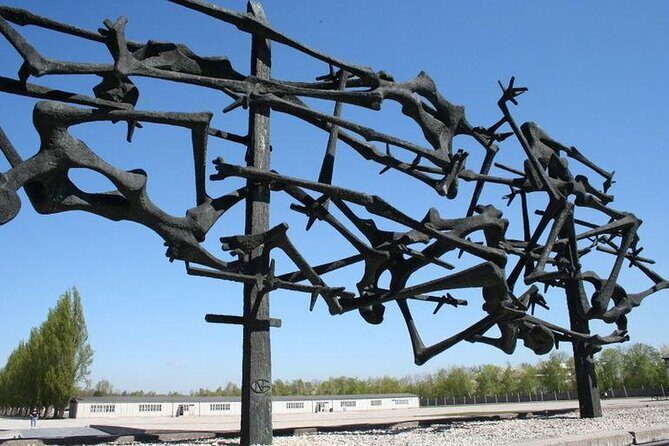
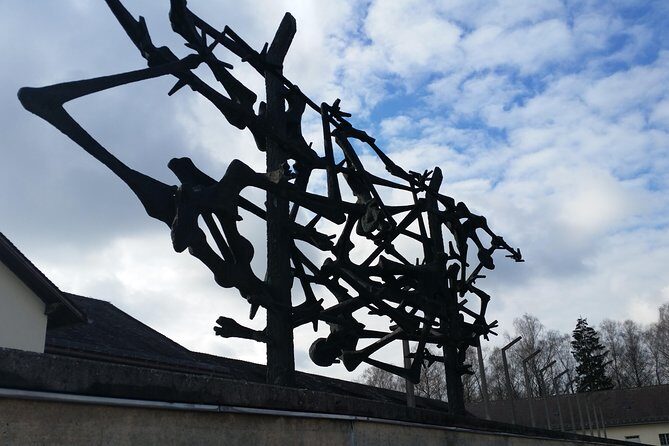
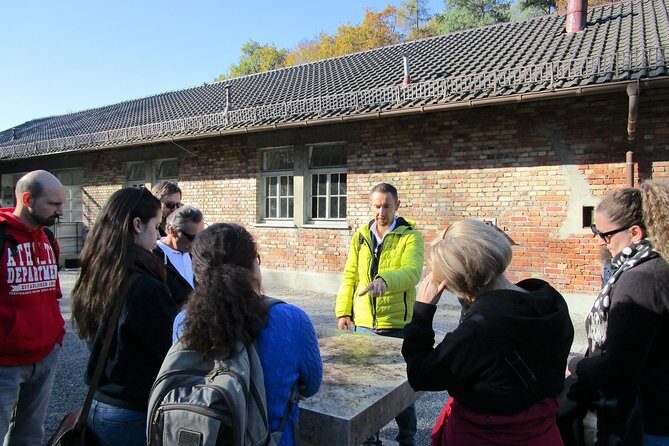
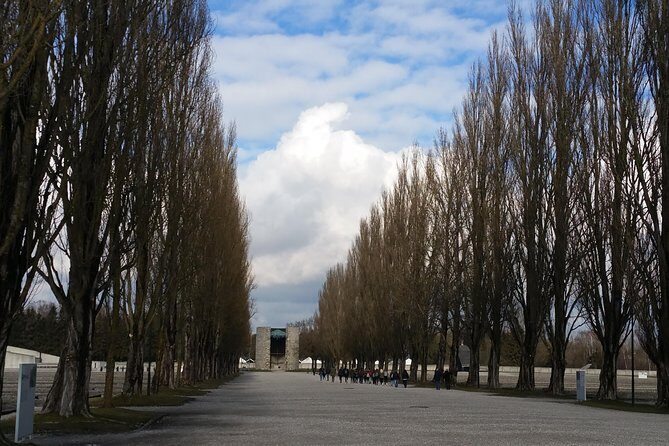
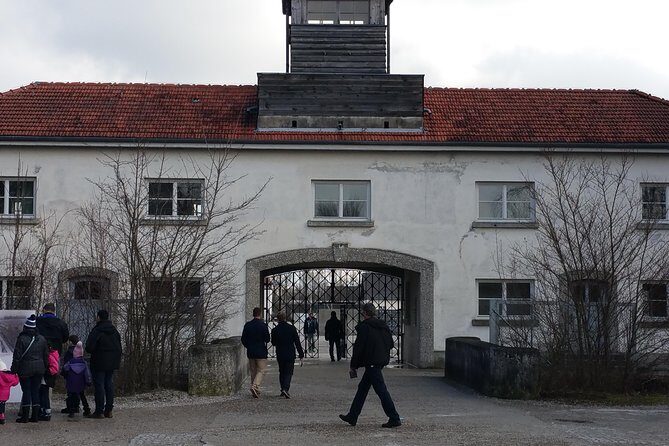
At $90.70 per person, this five-hour experience includes round-trip train transportation from Munich, admission to the memorial site, and the services of a licensed guide—which actually represents solid value when you break down what’s included. You’re not paying extra for transportation separately, and the guide fee covers three hours of expert commentary at the site itself.
The tour operates year-round in all weather conditions, and you’ll receive a mobile ticket for easy check-in. The company offers free cancellation up to 24 hours before departure, which provides good flexibility if your plans change.
One thing that becomes clear from reading traveler feedback is that this tour consistently books about 57 days in advance, suggesting it’s popular enough that you should plan ahead rather than trying to book last-minute. During slower seasons (like January), you might even find yourself in a very small group—one reviewer noted they had just two people plus the guide, which allowed for deeper conversation and personal attention.
👉 See our pick of the The 8 Most Popular Shopping & Market Tours In Munich
Meeting Point and Logistics: Starting Your Journey
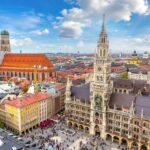
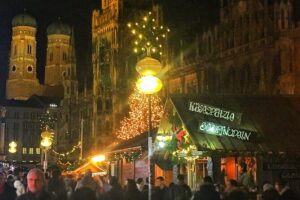
You’ll meet outside the Tourist Information Centre on Marienplatz in central Munich at 8:50 AM for a 9:00 AM departure. The guide carries a black and white placard reading “Dachau Memorial Tour,” so spotting your group is straightforward. Marienplatz is Munich’s most recognizable square, making it an easy location to find and a logical starting point for a morning tour.
The meeting location matters because it’s right in the heart of Munich, accessible by public transportation, and doesn’t require hotel pickups (which would add time and cost). You’re essentially meeting in one of the city’s most convenient spots, then heading straight to the train station together.
The 20-minute train ride to the town of Dachau is included in your tour price, and here’s where the guide’s expertise becomes immediately valuable. Rather than fumbling with ticket machines or wondering if you’re on the right platform, your guide handles the logistics and explains the journey. Several travelers specifically mentioned appreciating how the guide “explained the travel process” and made “getting over to Dachau via train seamless.”
You can also read our reviews of more guided tours in Munich


The Main Event: Three Hours at Dachau Memorial
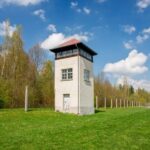
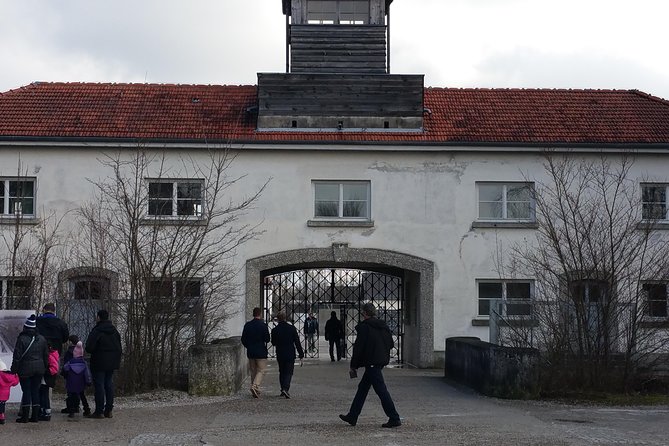
This is where the tour truly distinguishes itself. You’ll spend three hours at the Dachau Concentration Camp Memorial Site with a guide who’s licensed specifically to lead tours at this location. That credential matters—it means the guide has received specialized training in handling the historical and emotional weight of the site.
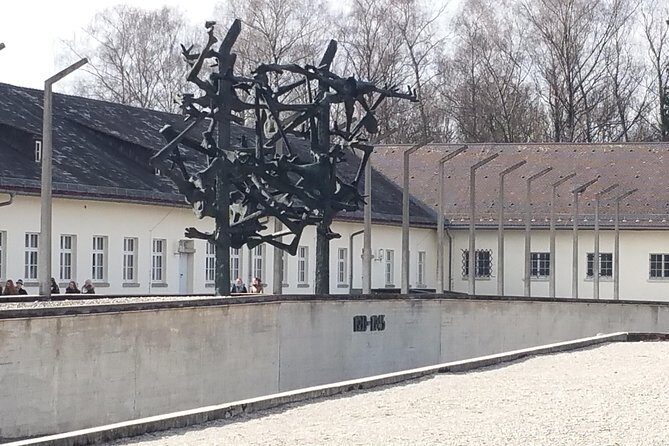
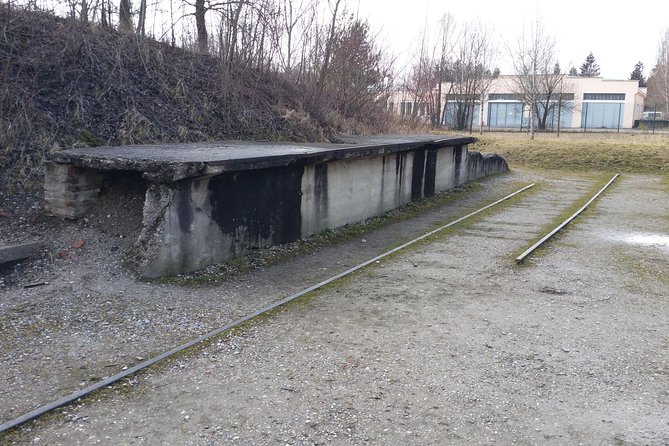
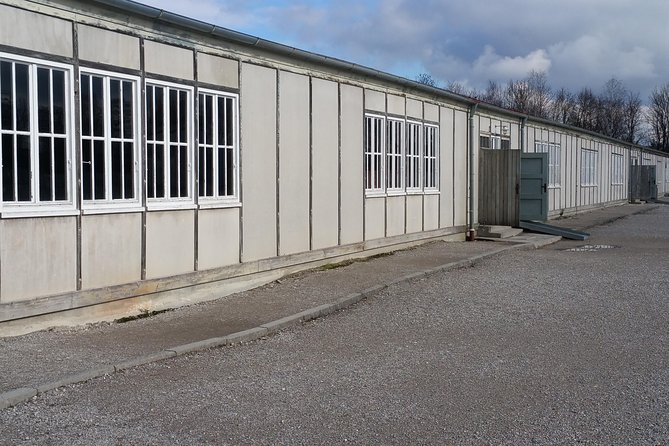
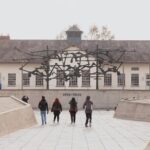
The tour covers all significant areas of the camp: the barracks where prisoners were housed, the crematorium and gas chamber, the bunker punishment block where solitary confinement was practiced, and the maintenance building. But here’s what elevates this beyond a simple “here’s the building, here’s what happened” approach: your guide provides historical context at each location, helping you understand not just what these structures were, but what daily life actually looked like for prisoners.
One traveler described how the guide “brought the history to life” and provided “vivid descriptions of life in the Camp.” Another noted that the guide “balancing history and narrative during the trip while providing freedom to explore on your own” created the right mix of guided learning and personal reflection.
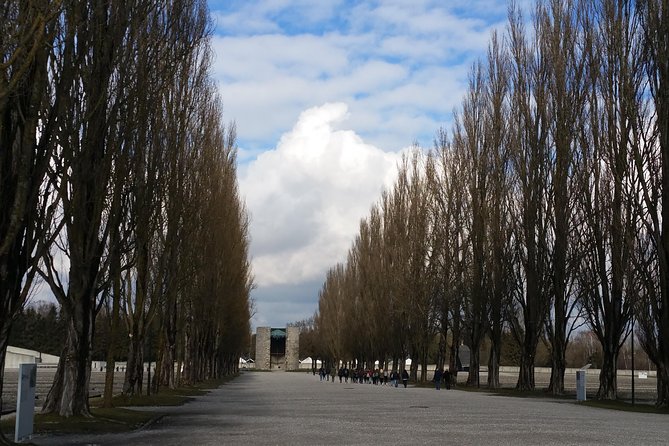
The museum exhibition at Dachau is substantial—so substantial that one family found an hour allocated for self-guided museum time “perfect” while still wishing they’d had more, realizing “you could get lost in the plaques, descriptions and films.” The guide typically spends about two hours walking the outdoor memorial grounds, then allocates roughly one hour for museum exploration. This structure allows you to absorb the guide’s explanations outdoors before diving into the more detailed historical materials inside.
What makes this approach work is that it doesn’t overwhelm you with information all at once. You get grounding in the site’s history and significance from the guide, then you have space to read detailed plaques and watch exhibitions at your own pace. As one traveler noted, the guide provides “a TLDR version throughout his guided tour,” which actually enhances rather than replaces the museum experience.
The Emotional and Educational Impact
Reading through nearly 1,000 reviews, a clear pattern emerges: people describe this tour as “moving,” “emotional,” “sobering,” and “depressing”—yet they recommend it universally. The distinction is important. This tour doesn’t shy away from the gravity of what happened at Dachau (the first Nazi concentration camp, which operated for 12 years and held tens of thousands of prisoners). Instead, it treats the subject with appropriate seriousness.
One traveler captured this well: “Dachau itself was incredibly emotional — it’s heartbreaking to see the tragedy that happened there. The experience was well-organized and deeply moving.” Another reflected that “it is difficult subject matter, it is important,” acknowledging both the emotional weight and the historical necessity of understanding this period.
The guide’s approach seems to balance education with compassion. Rather than sensationalizing suffering, the tour focuses on historical facts, personal narratives, and the significance of the site as a memorial. Several reviewers specifically praised how the guide navigated “a sensitive subject brilliantly” and presented information “in a way that was engaging and a topic of conversation for days.”
Several travelers noted that they recommended doing this tour early in their Munich visit, as it’s “very somber and upsetting, but…a really important experience that everyone should have.” One reviewer mentioned heading to the Hofbrauhaus afterward to “lighten up” after the powerful experience—a practical note that the tour does take an emotional toll, and you might want to plan something lighter afterward.
Group Size and Personal Attention
With a maximum of 15 travelers per tour, this experience avoids the overwhelming feeling of massive tour groups. One reviewer specifically noted: “The group was small—only 15—so it was very easy.” Another praised how “he limits he size of his groups so he can properly guide everyone through this important, complex place.”
This cap on group size means you’re not competing with 50 other people for the guide’s attention or jockeying for position to see displays. You can actually hear explanations clearly, ask questions, and have moments of quiet reflection without being swept along in a crowd. During slower seasons, groups are even smaller—one traveler had a private tour with just one other person.
Practical Considerations: Walking, Weather, and What to Bring
The tour requires a moderate amount of walking and exposure to weather. You’ll be outdoors for a significant portion of the three hours at the site, so appropriate footwear and clothing matter. One traveler specifically recommended “comfortable shoes, even proper hiking/walking shoes,” noting you’ll be outside for most of the tour.
The tour operates in all weather conditions, so pack accordingly. Bring water or other refreshments before arriving at the memorial—one traveler noted that “you can’t eat or drink inside the memorial (it’s frowned upon and disrespectful),” so plan to have eaten before or bring supplies to consume before entering the site.
Children under 14 are not permitted on the tour, which keeps the group focused on serious historical education rather than trying to accommodate family dynamics.


The Return Journey
Around 2:00 PM, your guide escorts you back to central Munich via the same train system. You can either return to the original meeting point at Marienplatz or depart at Munich’s main train station if that’s more convenient for your afternoon plans. This flexibility matters if you have other activities or connections planned.
The return journey takes about the same 20 minutes as the outbound trip, and you’ll arrive back in central Munich with most of your afternoon still available. Several travelers mentioned being able to enjoy Munich’s Old Town afterward, so you’re not losing the entire day to the tour.
The Guide: Why Consistency Matters
If you’ve read this far, you’ve probably noticed that nearly every review mentions the guide by name and praises specific qualities. That’s not coincidental. The guide for this tour appears to be the tour operator himself, and he’s clearly invested in doing this work exceptionally well.
Reviewers describe him as “extremely knowledgeable,” “passionate,” “compassionate,” “professional,” and “well-spoken.” One traveler noted that “you could tell he was very knowledgeable of the subject matter” in a way that went beyond simply having memorized facts. Another said the guide “wanted to make sure we came away with a deep understanding of what happened at Dachau and we did.”
What’s notable is that the guide seems to understand the pedagogical value of balancing guided instruction with personal exploration. Multiple reviewers appreciated that he “provided freedom to explore on your own” and “allocated time for the excellent museum exhibition” rather than trying to control every moment of the experience.
Is This Tour Worth Your Time and Money?
Based on nearly 1,000 reviews with a perfect 5.0 rating and 100% recommendation rate, the data clearly suggests yes—if you’re interested in WWII history and willing to engage seriously with a difficult subject.
The value proposition breaks down like this: you’re paying for expert-guided access to a historically significant site, round-trip transportation, and three hours of commentary from someone genuinely knowledgeable about the camp’s history and significance. You’re not just walking around on your own trying to piece together what happened; you’re getting historical context that transforms a series of buildings into a coherent narrative of what occurred.
The small group size enhances value by ensuring you actually absorb what you’re learning rather than being lost in a crowd. The logistics handling (trains, platforms, timing) means you can focus on the experience rather than logistics. The guide’s expertise means you leave understanding not just facts, but the human dimensions of what happened.
For solo travelers, couples, or small groups interested in understanding this crucial period of history, this tour offers what you might call a “must-do” experience in Munich—not because it’s fun or entertaining, but because it’s important and done exceptionally well.
Guided Dachau Concentration Camp Memorial Site Tour with Train from Munich
Frequently Asked Questions
How early should I arrive at the meeting point?
Plan to arrive at least 10 minutes early. The guide will be at the Tourist Information Centre on Marienplatz at 8:50 AM with a black and white placard. Since this is one of Munich’s busiest squares, arriving early gives you time to locate the exact spot without rushing.
What if I’m not very physically fit? Can I still do this tour?
The tour requires moderate physical fitness and involves a moderate amount of walking, both at the memorial site and around the town of Dachau. There’s no elevator access to some areas, and you’ll be standing and walking for several hours. If you have mobility concerns, contact the tour operator beforehand to discuss what’s involved.
Can I bring children on this tour?
No. Children under 14 are not permitted on this tour. The tour operator has set this age restriction because the content is emotionally and historically intense, and the experience is designed for mature audiences who can engage seriously with the subject matter.
What should I eat before the tour?
Have a proper breakfast before meeting at 8:50 AM. You won’t be able to eat or drink inside the memorial site (it’s considered disrespectful), and the tour doesn’t include breaks at cafes. Plan to eat before 9:00 AM so you have fuel for the three-hour site visit and return journey.
Is the train ride included in the price?
Yes. The $90.70 price includes round-trip train transportation from Munich to Dachau. You don’t need to purchase separate tickets; your guide handles the logistics.
What happens if the weather is bad?
The tour operates in all weather conditions. Dress appropriately for cold, rain, or whatever conditions Munich is experiencing that day. Bring a jacket and waterproof layers if rain is forecast.
Can I cancel if my plans change?
Yes. You can cancel up to 24 hours before the 9:00 AM start time for a full refund. If you cancel less than 24 hours before, you forfeit your payment.
How much free time do I have to explore on my own?
You’ll spend approximately two hours with the guide covering the outdoor memorial areas, then have about one hour to explore the museum exhibition at your own pace. This gives you time to read detailed historical information and watch films without feeling rushed.
What’s included and what’s not?
Included: memorial-licensed guide, round-trip train transportation, admission to the memorial site. Not included: food and drinks, hotel pickup and drop-off. You’re responsible for getting to Marienplatz and providing your own meals.
Bottom Line
This tour deserves its perfect rating. It’s not entertainment—it’s education delivered with expertise and respect at one of history’s most significant sites. The small group size, guide, included transportation, and thoughtful pacing create an experience that genuinely helps you understand what happened at Dachau rather than just seeing the buildings. At $90.70, you’re paying for professional expertise and logistics that make a difficult subject manageable and meaningful. Book this if you’re serious about understanding WWII history, willing to spend an emotional morning, and want to explore one of Germany’s most important memorials with someone who knows it deeply. It’s exactly the kind of tour that sticks with you long after you return to Munich.