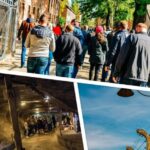
In this review, I’m using the tour details and what travelers consistently report so you can decide fast. This is a 90-minute visit to Schindler’s Factory Museum in Kraków with a skip-the-line ticket, or you can add an English-speaking guide.
What I like most is the way the tour frames the museum around daily life in Kraków under Nazi occupation, not just Oskar Schindler. And the English guides tend to be strong storytellers—names you’ll hear mentioned include Natalia, Wojciech, Marta, and Foki—so the museum’s photos, artifacts, and film materials land with context. The main drawback to consider: the schedule can feel a bit rushed in a busy museum, and once the group leaves, latecomers may not be able to enter, with tickets being non-refundable.
- Key things to know before you go
- Schindler’s Factory Museum: what this experience really includes
- Skip-the-line entry: how to save real minutes in a very busy museum
- The 90-minute path through Kraków’s WWII timeline
- Guided or ticket-only: when a guide is worth the extra cost
- How the best guides make the museum feel clear and human
- Ghetto passages and reconstructed rooms: what to expect emotionally (and physically)
- Is this really about Schindler, or about the whole city?
- Stunning documentary visuals: photos, film, and multimedia that hit fast
- Price and logistics: is good value?
- Timing rules you should take seriously (they affect your visit)
- What to bring and how to avoid entry problems
- Accessibility and group flow inside the museum
- Pair it with other Kraków WWII sights for context
- Who should book this tour (and who might choose solo)
- Should you book Schindler’s Factory now?
- FAQ
- How long is the Schindler’s Factory Museum experience?
- What does the skip-the-line ticket include?
- Is there a guided tour option, and is it in English?
- Is the museum accessible for wheelchair users?
- Do I need to bring identification?
- What happens if I’m late?
- Are the starting times exact?
- What is the cancellation policy?
- More Tickets in Krakow
- More Tours in Krakow
- More Tour Reviews in Krakow
Key things to know before you go
- Skip-the-line entry helps you beat the crunch: you get straight inside, which matters at a packed top attraction.
- English guided tours are real context: travelers highlight guides like Natalia, Wojciech, and Marta for clear explanations.
- It’s about Kraków during the occupation: you’ll follow a chronological story of wartime life, not a quick Schindler-only stop.
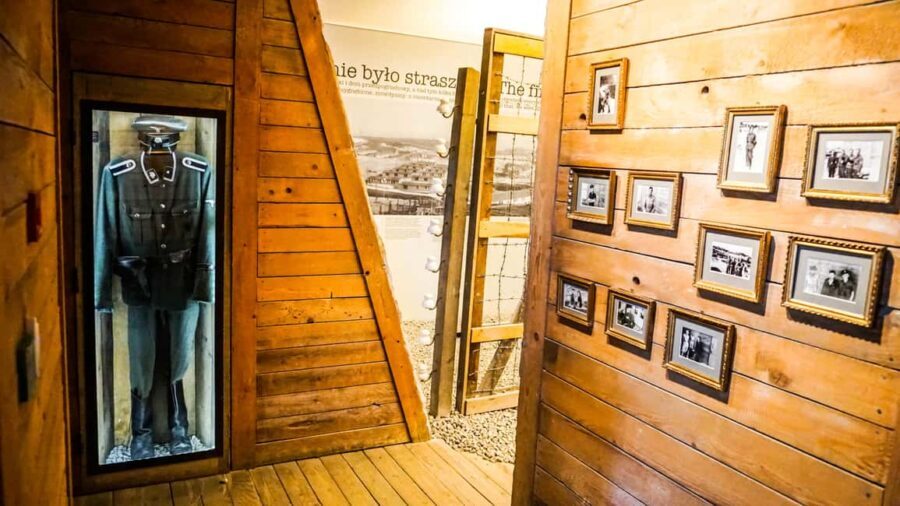
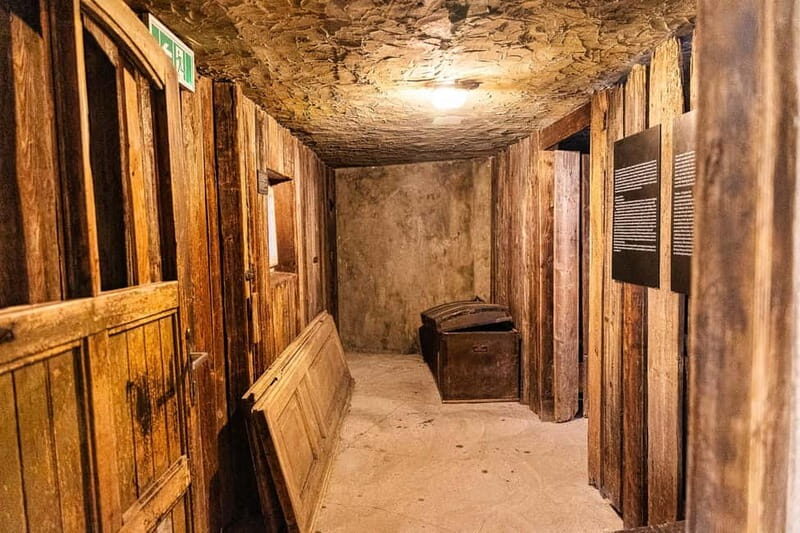
- Reconstructed interiors and ghetto passages: you’ll walk through tight, moving “rooms” designed to show how people lived.
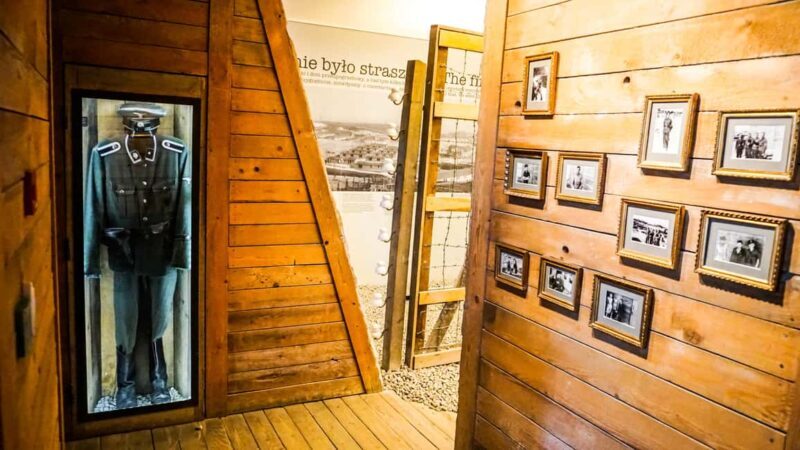
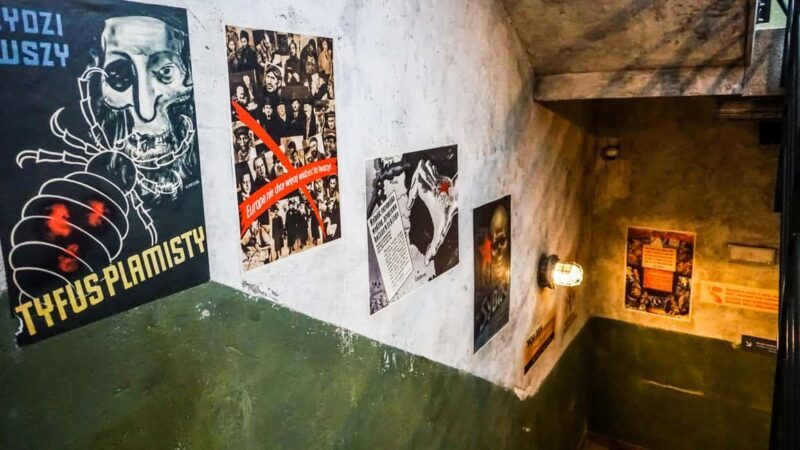
- Multimedia + documentary material: plan for documentary photographs, eyewitness accounts, and film materials.
- Timing rules are strict: approximate times, a 90-minute window, and no refunds if you miss the group.
Schindler’s Factory Museum: what this experience really includes
This is one of Kraków’s most important WWII-focused museums, and it’s built to teach through atmosphere and evidence. Your entry covers access to the exhibition in the former Oskar Schindler enamel factory building, where the story is presented in a chronological way: Kraków before the worst years, life during Nazi occupation, and how the city shifted toward liberation.
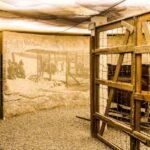
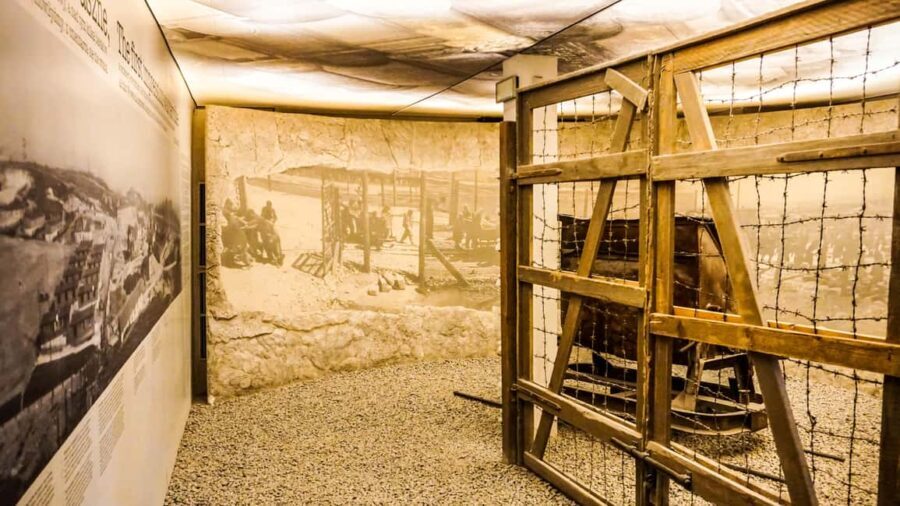
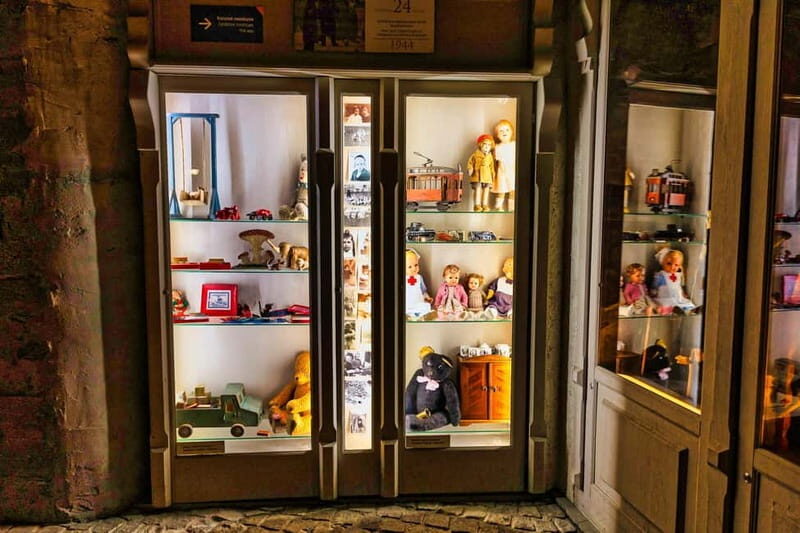
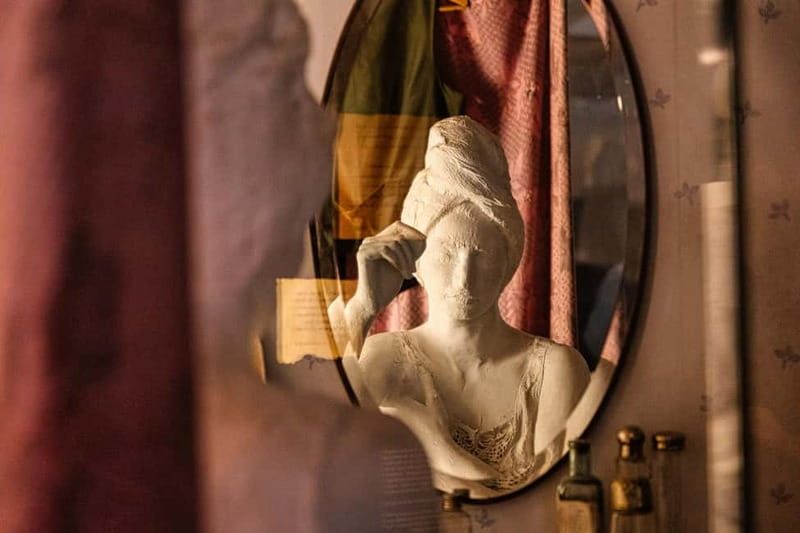
The core experience includes multimedia displays, reconstructed interiors, and ghetto passages. That means you’re not only reading panels—you’re moving through staged spaces and paired visuals designed to help you understand how occupation changed daily life. Oskar Schindler and the people he saved remain a key thread, but the museum’s story stretches beyond one man to the wider city.
If you choose the guided option, you’ll get a live English guide for the 90 minutes. That’s a big deal here, because the museum packs a lot into relatively little time.
You can also read our reviews of more tours and experiences in Krakow


Skip-the-line entry: how to save real minutes in a very busy museum
Even if you’re not usually bothered by crowds, this museum is popular, and the line can take time. The skip-the-line ticket is there for a reason: it helps you convert your visit into museum time instead of waiting outside.
In practical terms, you’ll start the experience as a group at the scheduled time (with approximate start times). Several travelers specifically mentioned that skipping the long queue was worth paying for—especially when sessions are booked solid.
One more thing: the museum can include tight corridors and small rooms, and tours run back-to-back. When you’re in a guided group, getting in on time also helps your guide keep the pace and the route logical.
The 90-minute path through Kraków’s WWII timeline
The exhibition is built as a story you follow in sequence. Expect to move through the “why it happened here” logic first, then into how occupation reorganized everyday life—work, movement, fear, and survival. Then the tour brings you toward the city’s transformation as the war progresses and ends.
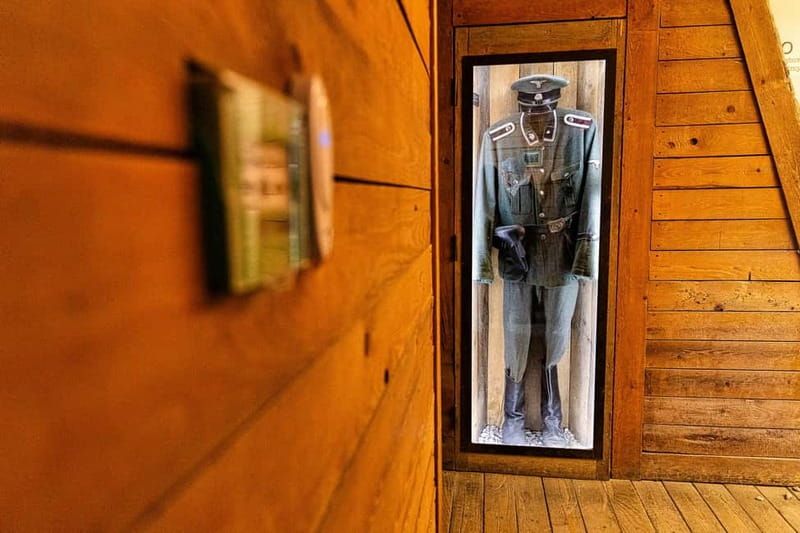
What tends to stick with visitors is that it doesn’t treat WWII as a distant event. The museum uses documentary photographs, eyewitness accounts, and film materials to ground the story in human reality. Some visitors also mention how the museum feels designed around “tight passageways and rooms,” which makes you slow down, even if the clock wants to keep moving.
Because it’s 90 minutes, you’re not expected to absorb every detail like you would on a slow self-guided afternoon. Think of it as the best way to build a framework quickly—then you can decide if you want extra time on your own afterward.
Guided or ticket-only: when a guide is worth the extra cost
You have two choices:
- Skip-the-line entrance only
- Entrance plus a live English guided tour
If you’re deciding between them, here’s the simple rule I’d use: if you want clarity and context fast, book the guide. Many travelers said the guided tour helped them avoid missing key parts of the exhibition that you might overlook on your own.
Guides in English also help you connect what you’re seeing—photos, objects, staged interiors—to the bigger wartime situation in Kraków. People repeatedly praised guides for answering questions and explaining the narrative in a way that feels understandable instead of like a list of facts.
Ticket-only can work if you’re the type who likes to read every label and take your time. But inside this museum, time slots and crowd flow mean a guide often gives you the most “bang for your 90 minutes.”
More Great Tours NearbyHow the best guides make the museum feel clear and human
The museum’s content is heavy. The difference between a good visit and a great one is usually delivery: pace, structure, and how well the guide explains what you’re looking at.
Travelers mention that the stronger guides keep things organized and easy to follow. Names that come up include Natalia, Wojciech (also spelled Wojciech/Wojtek in feedback), Marta, and Foki. People highlight that these guides were knowledgeable and comfortable answering questions, and that they made the timeline feel coherent.
A few visitors also noticed tradeoffs: some guides kept a brisk pace, and in one case a group guide moved quickly enough that guests had to catch up. So if you’re the kind of traveler who wants lots of slow stops and longer discussion, consider whether you’d rather visit on your own for flexibility.
You can also read our reviews of more guided tours in Krakow


Ghetto passages and reconstructed rooms: what to expect emotionally (and physically)
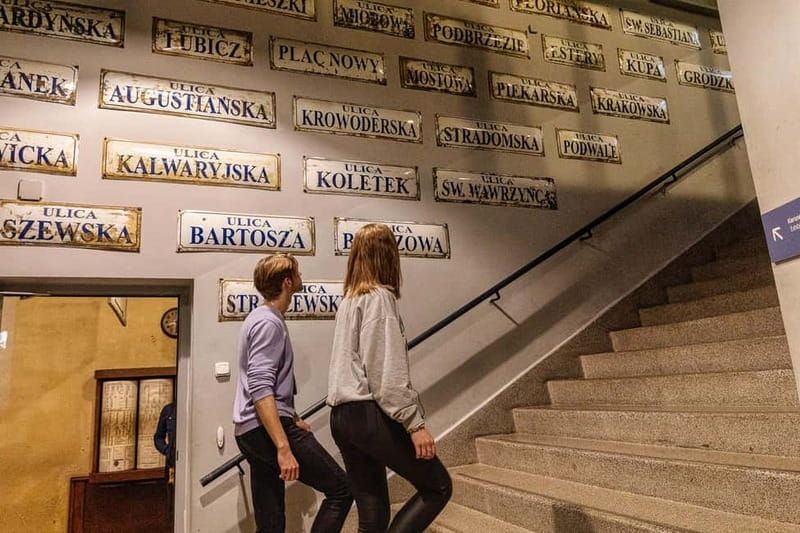
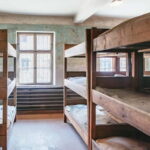
One of the standout components is the movement through reconstructed spaces and ghetto passages. This is not a museum that sits quietly behind glass panels. It uses the design of the building and staged settings to help you “walk through” how space itself changed under occupation.
A practical note: museum interiors can be crowded, and corridors can be narrow. Travelers talked about the building being busy and sometimes feeling rushed, which is not surprising when many groups are touring in the same general windows.
So go in knowing two things:
- You’ll likely experience a “guided route feeling,” not an open wandering museum.
- You should plan your energy level. This is meaningful history, and the emotional weight is real.
If you want to move carefully, arrive a bit earlier to settle in before your group leaves.
Is this really about Schindler, or about the whole city?
From what visitors describe, this tour is not just a Schindler highlight reel. Yes, Oskar Schindler and the people he helped remain important, but the overall focus is on life in Kraków under Nazi occupation and how the city changed through the war.
Several travelers specifically appreciated that it wasn’t only about Schindler. They liked the city context: what ordinary people faced, how occupation reshaped daily routines, and how Kraków’s wartime reality unfolded over time.
That balance is part of what makes it valuable. If you’re visiting Kraków expecting a quick factory story, this may surprise you—in a good way—because it turns the museum into a broader understanding of the city’s experience.
Stunning documentary visuals: photos, film, and multimedia that hit fast
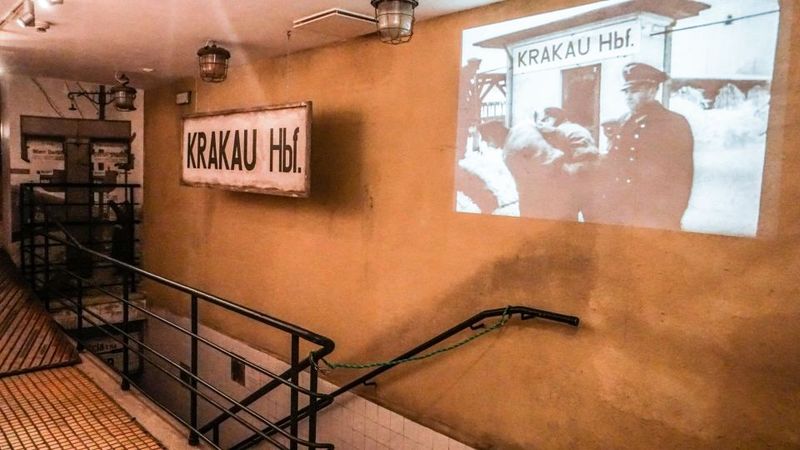
People keep calling out the museum’s media—documentary photographs, eyewitness accounts, and film materials—because they do what good history should: they bring you closer to the people who lived it.
Some visitors also mention that the museum includes enough audio/visual and reconstructed elements that a solo visit can feel like information overload without a guide to organize it. With a guide, those media pieces become anchors in a timeline instead of a pile of content.
If you’re a visual learner, you’ll likely enjoy how the exhibition uses multiple formats to tell its story quickly and clearly.
Price and logistics: is $25 good value?
At $25 per person for skip-the-line entry (and guided option available), the value mostly comes from two things:
1. Time saved: you avoid waiting outside.
2. Context delivered: with the guided version, you get explanations that help you understand what you’re seeing.
One traveler noted that guides sometimes offer tickets at a lower price in person, but the tradeoff is availability. In other words, booking ahead can cost a bit more, but it helps you secure a spot when sessions fill up.
So I’d frame the value this way:
- If you hate lines and want structure, the skip-the-line part is worth it.
- If you want a guided narrative and Q&A, the guided option often feels like the best use of the 90 minutes.
Timing rules you should take seriously (they affect your visit)
This is where travelers get tripped up.
- The tour duration is listed as 90 minutes, and starting times are approximate.
- Once your group has departed, latecomers generally can’t join.
- Tickets are non-refundable.
- The museum may run on its schedule, so exact time is not guaranteed.
It’s not meant to be harsh, but the museum runs many groups and doesn’t have endless flexibility. If you’re traveling with kids, managing mobility needs, or moving between sights, build in a buffer.
If you have a tight day plan, don’t schedule this as a last-minute afterthought. Put it near the start of your museum window so you can handle delays.
What to bring and how to avoid entry problems
Plan to bring a form of ID—passport or ID card—because museum staff check details. The name and surname on your ticket must match what’s on your document. If they don’t match, entry may be denied.
Also, make sure you’re ready at the meeting point before the group leaves. Since latecomers may not be able to join, it’s worth treating the start time as real, even though it’s approximate.
And since this is a live guided experience, it helps if you’re wearing comfortable shoes. You’ll be walking through the exhibition route in a busy building.
Accessibility and group flow inside the museum
This experience is listed as wheelchair accessible. That’s good news if you use a mobility device, since the exhibition is inside and designed for structured movement rather than outdoor walking between sites.
That said, museums can still be crowded, and group logistics matter. Some visitors mention trouble hearing when groups overlap, so if you’re sensitive to noise or crowds, you might prefer smaller groups or a quieter time slot when possible.
Pair it with other Kraków WWII sights for context
A lot of travelers book Schindler’s Factory before tackling heavier sites later in the day or during their trip planning. One visitor even said doing this museum before Auschwitz helped build appreciation for the wider challenges and context.
In Kraków, you may also want to pair it with another WWII-adjacent stop that broadens your picture of daily life and culture. Even within your same day, I’d treat Schindler’s Factory as your “set the timeline” moment—then add a second museum or neighborhood walk to round out how Kraków felt before and after the worst years.
Who should book this tour (and who might choose solo)
This tour is a strong fit if you:
- Want a clear WWII framework in a limited amount of time
- Like documentary evidence and multimedia history
- Appreciate a guide who can explain what you’re seeing
- Hate wasting time in queues
You might consider skipping the guided option if you:
- Prefer to read slowly and look longer at individual artifacts
- Want maximum flexibility if you’re easily distracted by crowds
- Don’t like fast pacing (some people reported the tour felt rushed)
Either way, skip-the-line entry is usually a win. The museum is popular, and time matters in the physical spaces.
Should you book Schindler’s Factory now?
If you want the most efficient, most understandable visit to Schindler’s Factory Museum, book it. The best reason is simple: you’re paying for structure—skip-the-line entry plus a guide that helps connect the museum’s photos, film, and reconstructed scenes into one timeline.
Book the guided option if you’d rather not guess what you’re looking at and you want a knowledgeable English guide with the ability to answer questions. Consider the ticket-only option if you’re a slow reader and want to spend extra time without group pressure.
One last practical tip: arrive early enough that you’re not fighting time. Once the group leaves, the museum rules and non-refundable ticket policy don’t leave much room for stress.
Krakow: Schindler’s Factory Ticket and Guided Tour Option
FAQ
How long is the Schindler’s Factory Museum experience?
The duration is listed as 90 minutes.
What does the skip-the-line ticket include?
The skip-the-line entrance ticket is included, helping you enter without waiting in the standard queue.
Is there a guided tour option, and is it in English?
Yes. A live guided tour is available and the guide is listed as English.
Is the museum accessible for wheelchair users?
The experience is listed as wheelchair accessible.
Do I need to bring identification?
Yes. You should bring a passport or ID card, and the name on your ticket must match your document.
What happens if I’m late?
Once the group has departed, latecomers will not be able to join, and tickets cannot be refunded.
Are the starting times exact?
Starting times are approximate and may change due to museum or site scheduling.
What is the cancellation policy?
This activity is non-refundable.
You can check availability for your dates here: