
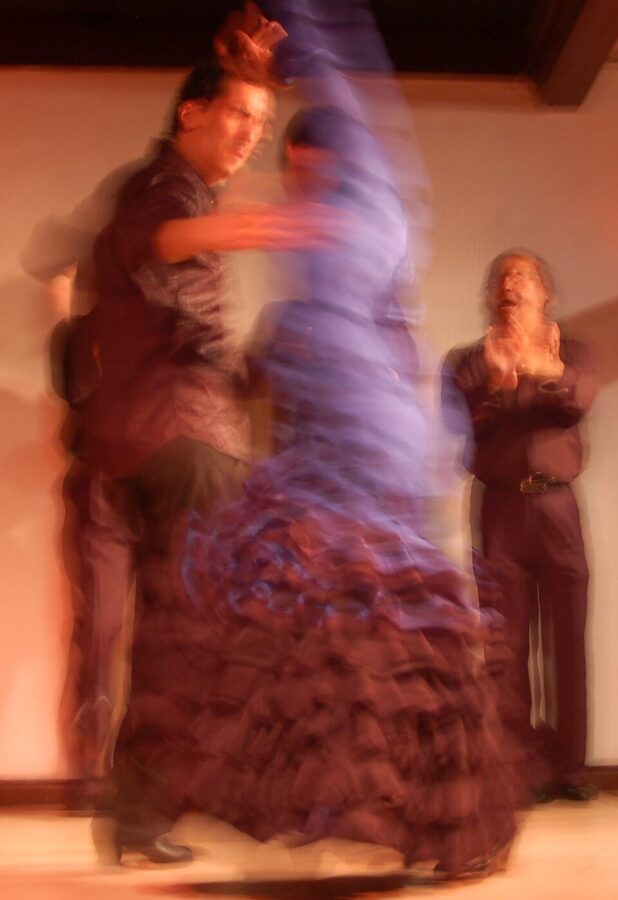
My daughter was seven when she saw her first flamenco show, and about 20 minutes in she leaned over and whispered, “why is she so angry?” The guitarist had just hit a crescendo, the bailaora was stamping like she was trying to break through the floor, and the audience was going absolutely silent in that way you only ever see at proper flamenco. It was the best question anyone had asked me all trip, and I realised mid-answer that flamenco actually explains itself brilliantly to kids — you just need the right show.
In a Hurry? Our Family Picks
Most-booked family-friendly show: “Emociones” Live Flamenco Performance ($34) — 1 hour, intimate venue, works for kids 7+. The headline option with nearly 13,000 reviews.
With food and flexible timing: Madrid Live Flamenco Show at Torres Bermejas ($33) — with optional tapas or full dinner for families who want to turn it into a proper evening.
Budget-friendly small tablao: La Cueva de Lola flamenco show with drink ($38) — smaller venue, earlier show times, good for younger kids.
- In a Hurry? Our Family Picks
- Is flamenco actually OK for kids?
- What actually happens at a flamenco show
- Madrid’s flamenco scene explained
- The famous venues
- Our top picks to book
- 1. “Emociones” Live Flamenco Performance —
- 2. Live Flamenco Show with Food and Drinks (Torres Bermejas) —
- 3. La Cueva de Lola Flamenco with Drink —
- The premium option: Corral de la Moreria
- Getting there and timing
- Food and drink
- What to prep your kids for
- Pairing a flamenco show with the rest of your Madrid day
- Dinner before or after?
- Madrid flamenco vs Seville or Granada
- A short history (for the kids who ask)
- Practical tips from actual visits
- What if it rains?
- Before you book, an honest list
Is flamenco actually OK for kids?
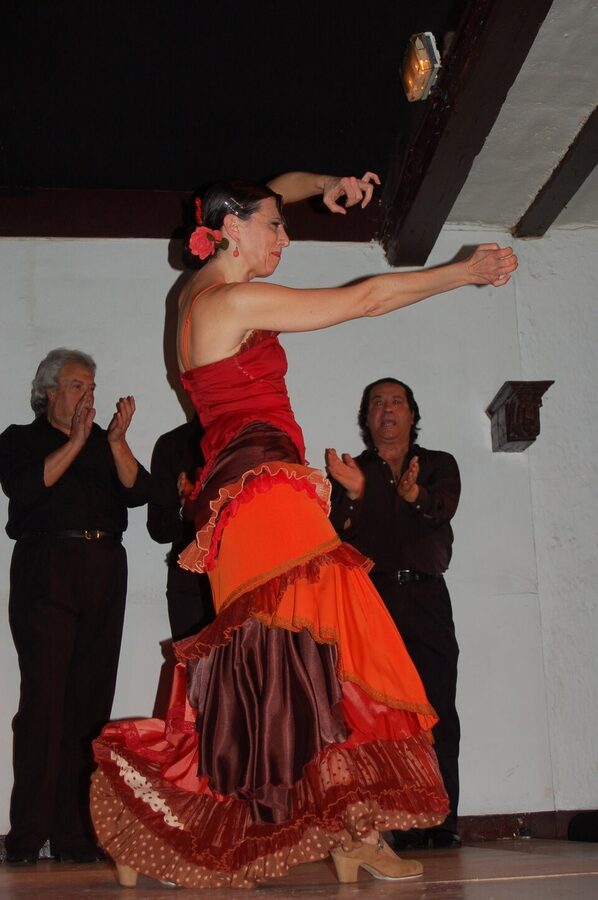
Short answer: yes, with caveats. Flamenco is loud, emotional, and sometimes late at night. The dancers stomp, shout, and sing in a way that can surprise a child who’s expecting a polite theatre performance. But it’s also visually stunning, musically rich, and short enough to hold most kids’ attention for 60-90 minutes.
Here’s our rough age guide based on doing shows with our own kids and watching other families at venues over the years:
Under 5: probably too young. The emotional intensity tends to startle small children and the venues are mostly dark. A few family-specific flamenco shows (the Flabaret “Chaotic Tavern” show and Matadero Flamenco Kids programmes) do cater to this age, but the mainstream tablao experience isn’t designed for it.
5-7: workable if you pick the right venue. Go for a 1-hour show, early slot (7pm or 8pm), and sit near the stage. Avoid dinner shows which run 2-3 hours and include stretches of quieter singing that small kids can’t sit through.
8-12: the sweet spot. Old enough to appreciate the music, young enough to be genuinely wowed by the physical performance. Most tablaos welcome this age group without issue.
Teens: full experience. Pick any venue, any timing. Consider the Corral de la Moreria (more on that below) if they’re interested in the cultural depth.
What actually happens at a flamenco show
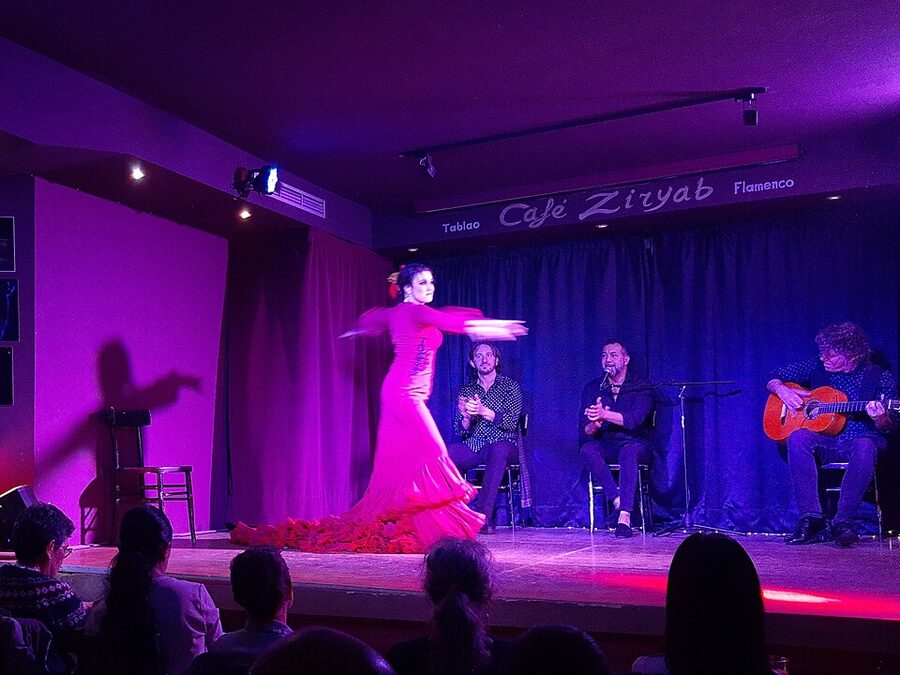
A typical 1-hour show has four or five pieces, each with its own name and mood. The structure usually goes something like this:
Opening number — usually a group piece, full company on stage, big dramatic opening. Gets everyone’s attention. Usually an up-tempo rhythm like bulerías or tangos.
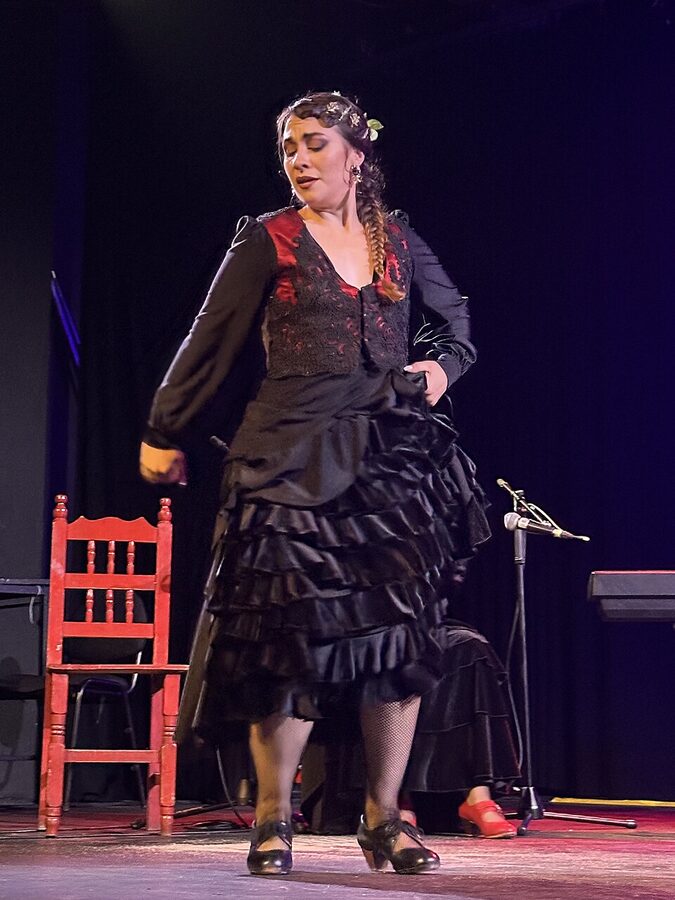
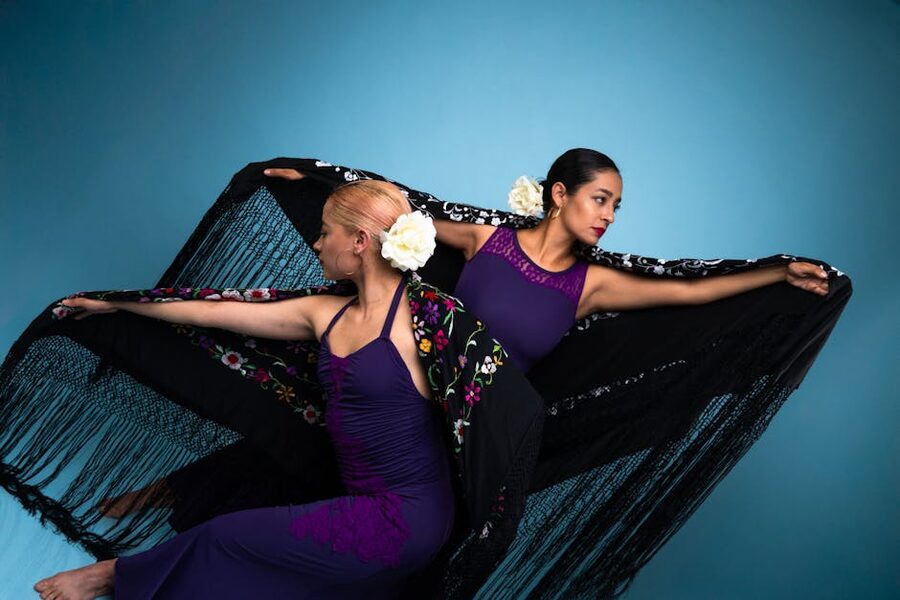
Solo dance — one bailaora (female dancer) or bailaor (male) takes the spotlight for 10-15 minutes. This is where kids either get hooked or get bored. If your child is going to love flamenco, this is when it happens.
Singer’s piece — the cantaor (singer) performs without dance, often seated. This is the quietest part of the show and honestly the hardest sell for young kids. The singing is deliberately raw, often in a minor key, and sung in Andalusian Spanish so even Spanish-speaking kids sometimes can’t follow the words. Budget 10 minutes here; it’s when children get fidgety.
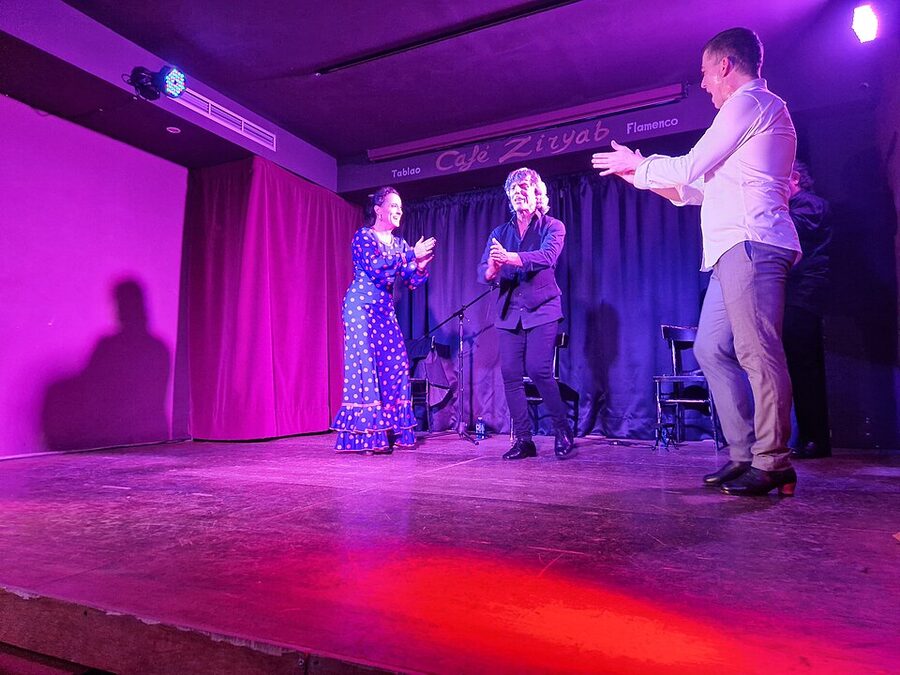
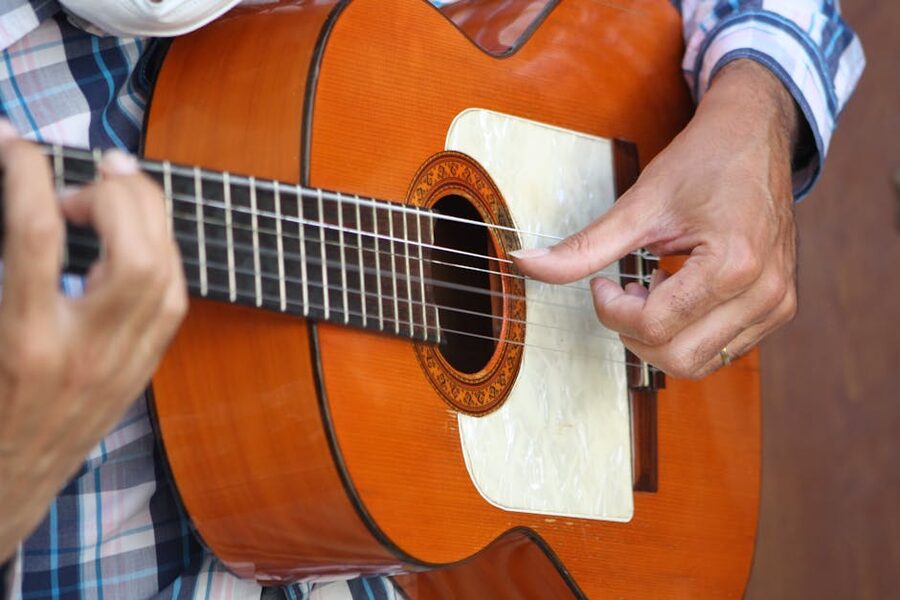
Guitar piece — often a short instrumental showcase for the tocaor (guitarist). Usually beautiful, melodic, and a good breather between the intense dance numbers.
Closing ensemble — back to the full company for a finale, usually faster and more celebratory than the opening. Lots of clapping, heel-stomping, sometimes group palmas (hand-clapping rhythms) with the audience joining in.
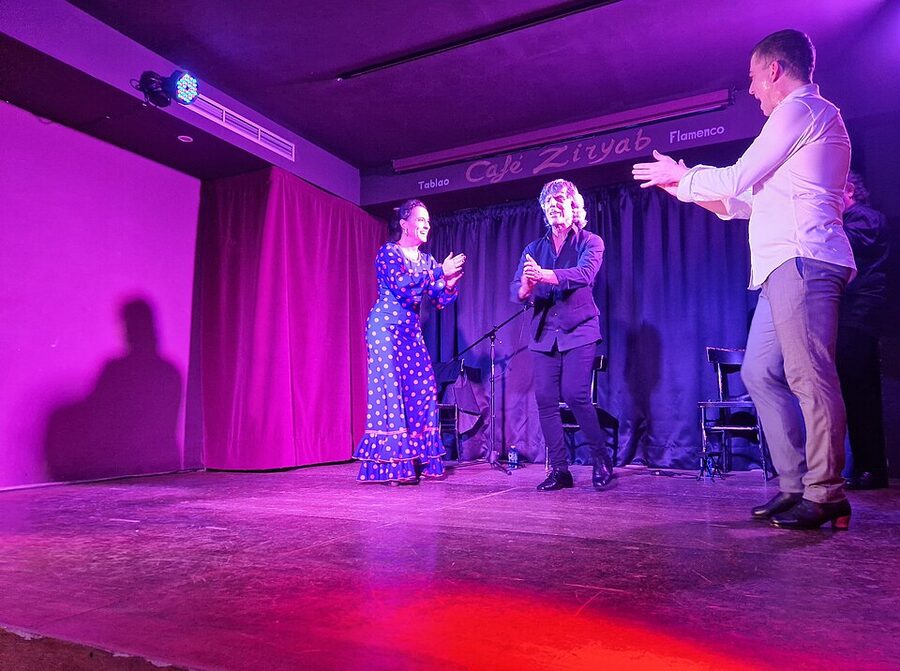
The whole thing runs 55-75 minutes for a standard show, longer if you’ve added dinner. The dinner shows are usually 2-2.5 hours total (dinner served first, show after) and we’d honestly skip them for younger kids — sitting through a full Spanish dinner with small children is a lot, and by the time the show starts at 10pm they’re running on fumes.
Madrid’s flamenco scene explained
Flamenco isn’t originally from Madrid — it comes from Andalusia (Seville, Granada, Cádiz, Jerez). But Madrid has had professional flamenco venues since the 1950s, and the city is home to some of the best performers in the world because most professional flamenco careers need a Madrid stint to take off.
There are three types of venue you’ll encounter:
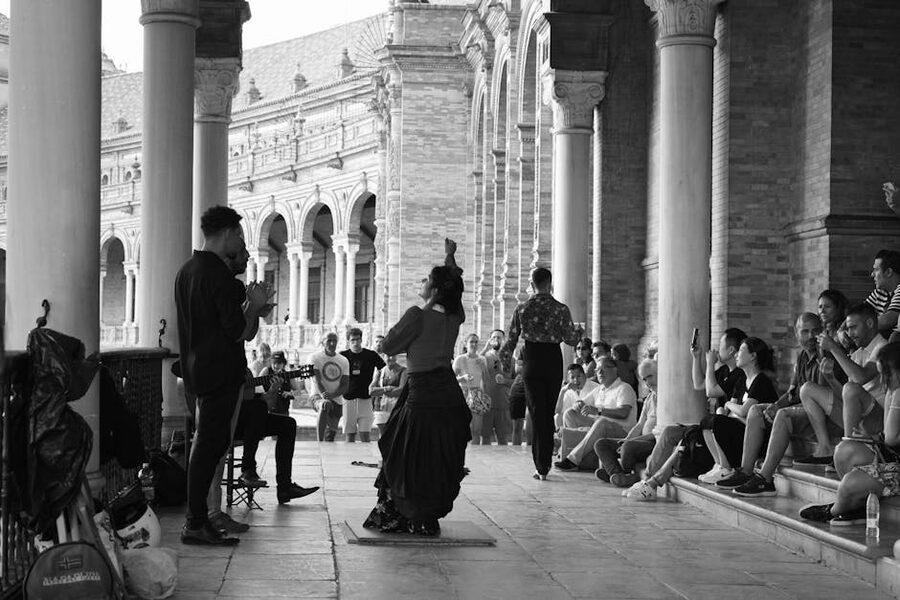
Tablaos — small intimate venues with 50-100 seats around a small stage. Drinks are usually included in the ticket, sometimes tapas, sometimes a full dinner. The audience is close enough to see the sweat on the dancer’s forehead. This is the authentic Madrid flamenco experience and the one we’d recommend with kids — small space keeps attention, short show format, and you can feel the rhythm in your chest. Prices: €30-€60 for show only, €70-€100 with dinner.
Theatres — larger venues doing flamenco as concert-style performance. Bigger productions, more dancers, fancier staging. The atmosphere is less intimate but the production values are higher. Prices: €25-€45.
Dinner clubs — combining a full restaurant meal with a flamenco show. These tend to be longer (2-3 hours total) and pricier. Great for couples, harder with kids unless they’re 10+ and up for a late night.
The famous venues
Madrid has half a dozen tablaos with serious reputations. Worth knowing even if you end up booking something else:
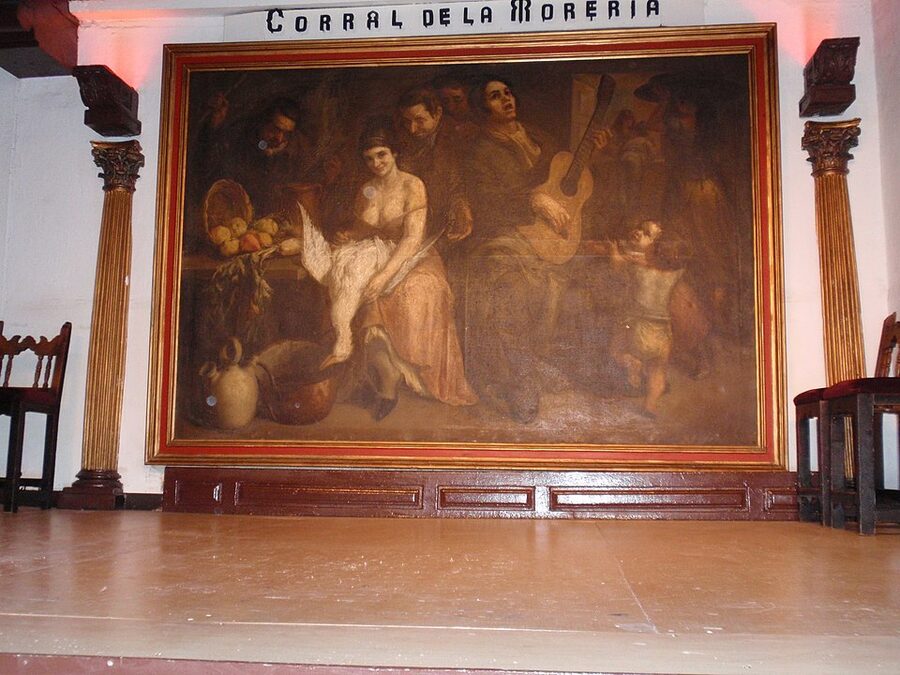
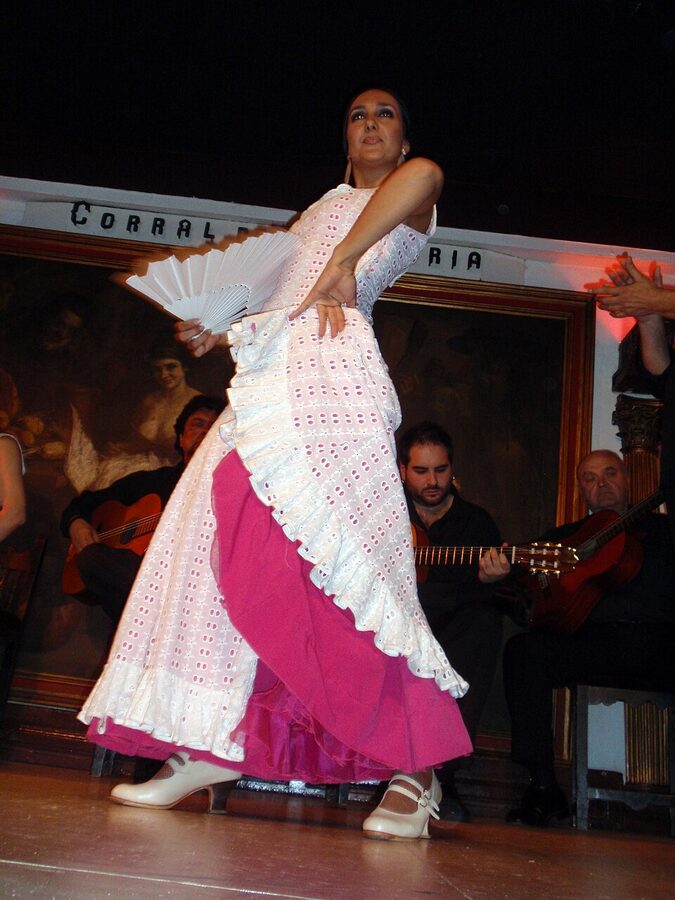
Corral de la Moreria — the most famous tablao in the world. Open since 1956, Michelin-star restaurant attached, performers have included all the greats (Antonio Gades, Camarón de la Isla, current headliner Blanca del Rey). Premium prices, premium experience. Dress code is smart casual. Works with kids 10+.
Cardamomo — one of the most-booked tablaos on tour sites, near Plaza Santa Ana. High production values, shorter show format, decent kid-friendliness. Their “early show” at 7pm is designed for families and tourists with small children.
Torres Bermejas — the “Live Flamenco Show with Food and Drinks Options” tour is here. Good mid-range option, tapas add-on works well for families who want dinner without the formality.
Las Tablas — near Plaza de España, good for families because the 8pm show ends around 9pm which is early enough that kids can still go to bed at a reasonable hour.
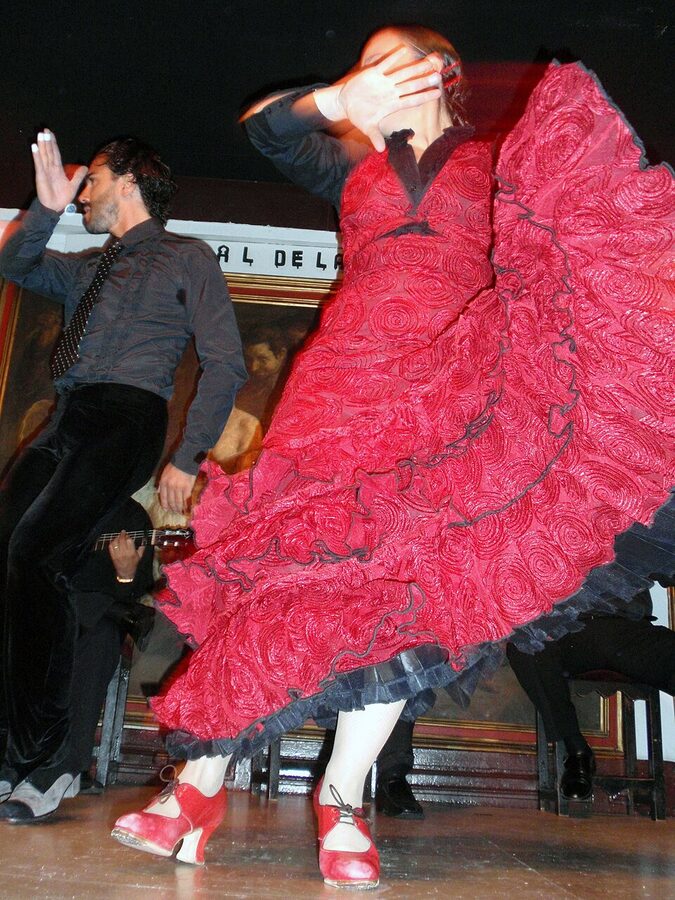
La Cueva de Lola — smaller venue in Lavapiés, good budget option, earlier show times suit families. The tablao feels like someone’s front room, which some kids find magical.
Our top picks to book
1. “Emociones” Live Flamenco Performance — $34
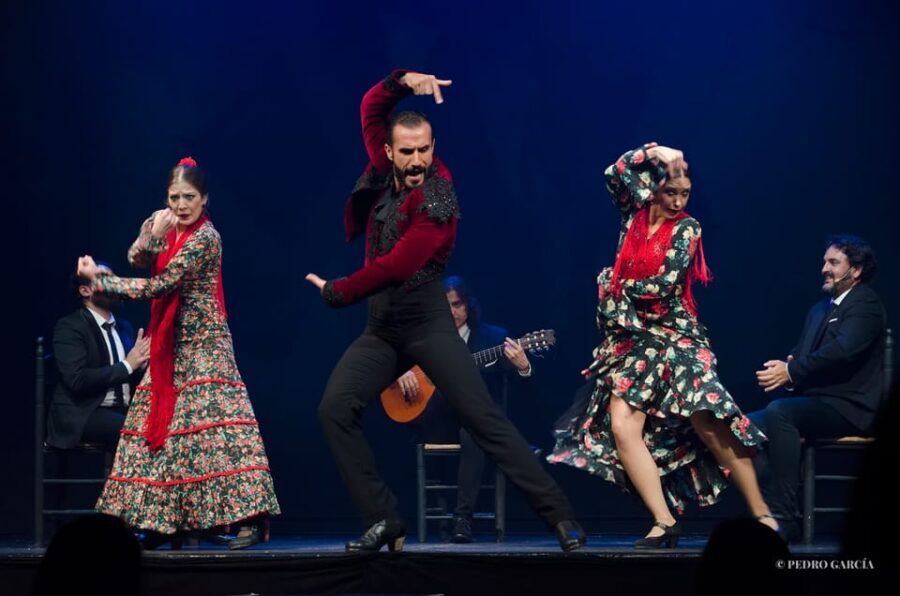
The Emociones show is the one we’d book first for a family new to flamenco. It’s short enough that a 7-year-old can sit through it, intimate enough to feel the rhythm, and the 4.8 rating is earned — performers vary night to night but the floor never drops below excellent. Our full Emociones review covers which time slots are quieter and what the kids’ drink options actually include. Works best for ages 8+. Under-12s are welcome but there’s no dedicated kid pricing.
2. Live Flamenco Show with Food and Drinks (Torres Bermejas) — $33
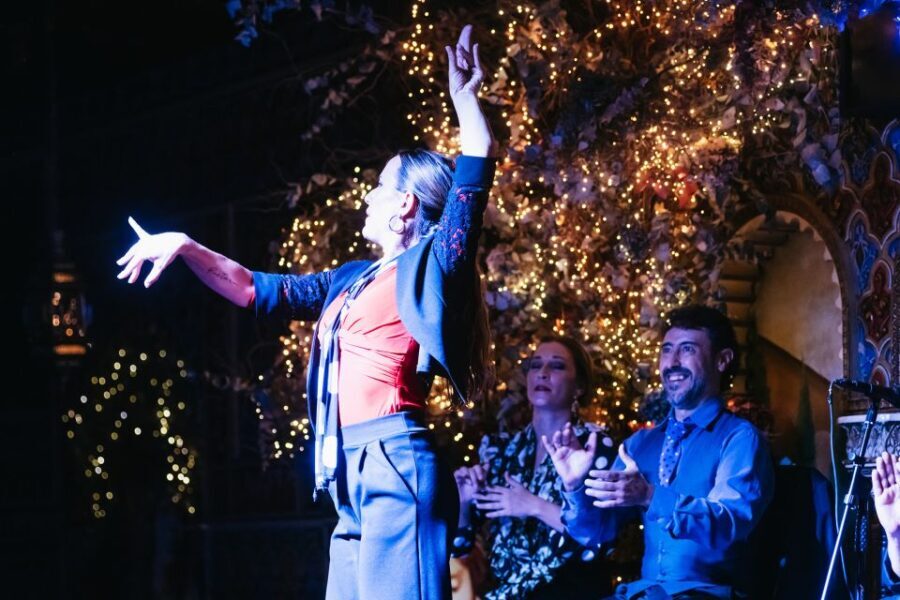
Torres Bermejas is a classic Madrid tablao with Moorish-style tiled interior (very photogenic, kids love the patterns). The booking lets you choose show-only, show + drink, show + tapas, or show + dinner — pick based on what the kids will manage. The Torres Bermejas review has more on what each food tier includes. 1-hour show, 7pm and 9pm slots. Works for ages 7+; the earlier slot with tapas is our family default.
3. La Cueva de Lola Flamenco with Drink — $38
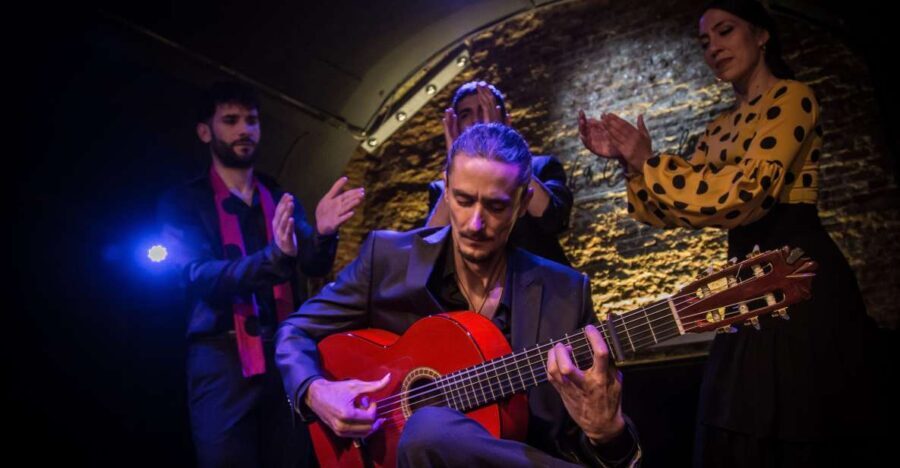
La Cueva de Lola sits in Lavapiés, a slightly grittier neighbourhood than central Madrid — which means shorter queues, smaller crowds, and a more authentic feel. The room holds maybe 60 people; you’re never more than 4 metres from a dancer. Our La Cueva de Lola review is honest about what’s included and what isn’t (the drink is one drink, not unlimited). Good for 6+ because of the small venue size.
The premium option: Corral de la Moreria
If your teen is seriously into dance or music, or you want one proper “wow” evening with older kids, book the Corral de la Moreria. It’s the most famous tablao in the world, it’s got a Michelin-star restaurant attached, and the performers are genuinely the best of the best. Our Corral de la Moreria review breaks down whether the dinner upgrade is worth it (for adults yes, for kids probably not — the menu is very adult-focused).
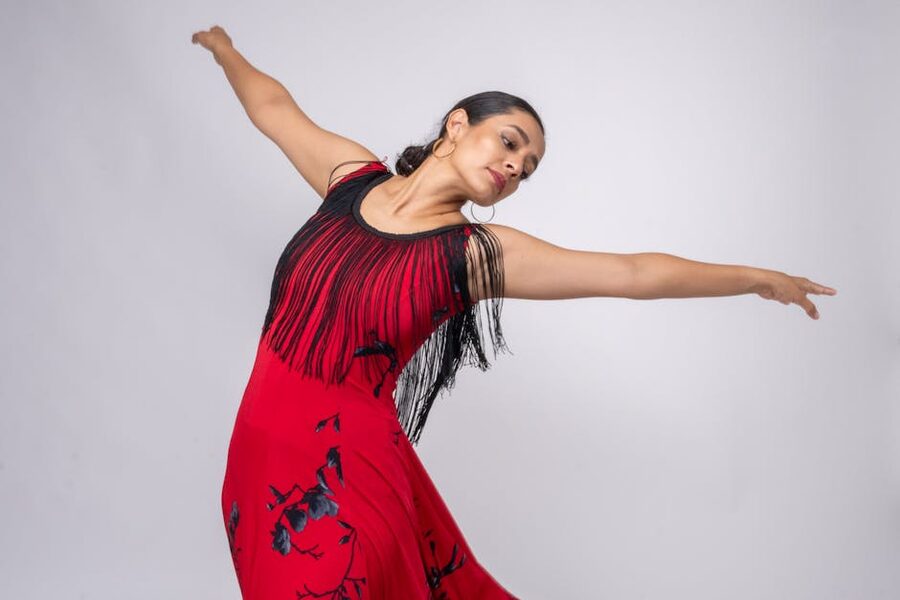
Prices at Corral start around €60 for show only; dinner adds another €100-150 per person. Book online a week or more ahead. It’s not the cheapest flamenco evening in Madrid, but for a teen who’s going to remember one cultural experience from the whole trip, it’s the right one to spend money on.
Getting there and timing
Most Madrid tablaos are in the old centre — within 15 minutes’ walk of Plaza Mayor, Sol, or the Royal Palace. Metro stops Ópera (Lines 2 and 5), Sol (Lines 1, 2, 3), and La Latina (Line 5) cover most venues.
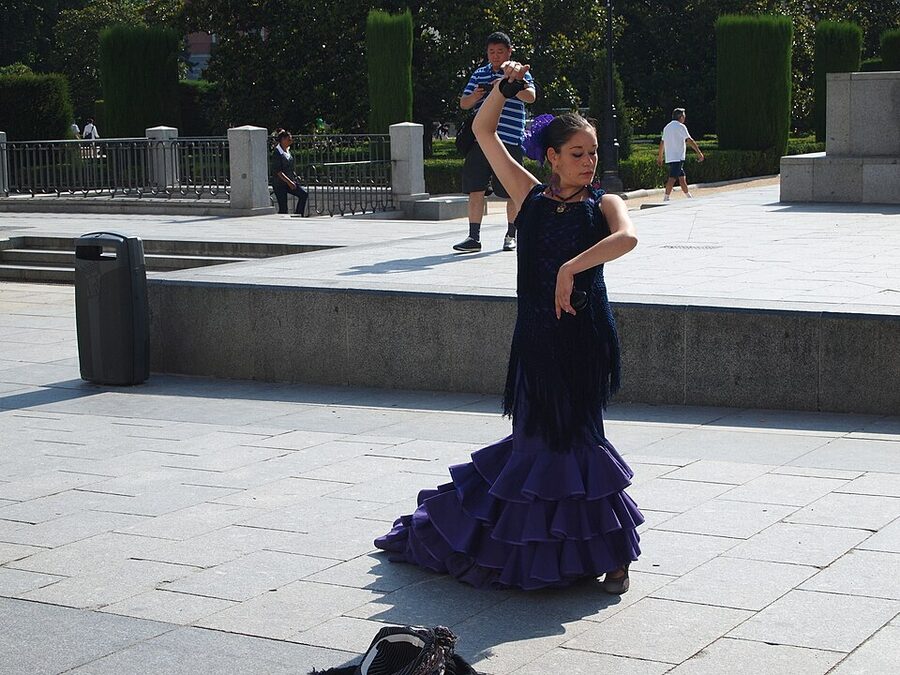
Timing for families. Spanish evenings run late. The “early” show in most tablaos is 7pm, with the main show at 9:30pm or later. Pick the 7pm slot with kids — you’ll be out by 8:30, home for a late dinner, kids in bed by 10pm. The 9:30pm slots run to 11pm and that’s too late for most primary-age children.
Reservations. Always book in advance — at least a day, ideally three. The best venues sell out on weekends. Online booking through GetYourGuide or Viator includes free cancellation up to 24 hours ahead, which is useful if a kid comes down with a cold.
Dress code. Smart casual is more than enough at most tablaos. Jeans and a nice top for adults, no sportswear. At Corral de la Moreria, men wear jackets (you can rent one at the door if you didn’t pack) — elsewhere in Madrid nobody cares. Kids can wear whatever they’re comfortable in.
Food and drink
Most show-only tickets include one drink (a cocktail, wine, beer, or soft drink). This is usually brought to you at the start of the show. There’s sometimes a small snack included too; sometimes not.
If you’re bringing kids, have them eat before the show. Even with a tapas upgrade, the food arrives slowly and isn’t really aimed at children. A proper dinner at 6pm at a casual restaurant near the tablao, then the show at 7pm, is the format that works for us.
Kid drink options. Most tablaos include a soft drink option — Coca-Cola, Fanta, or bottled water. Some have specific kids’ drink menus but you’ll need to ask at booking. Don’t assume your child will get a juice without asking.
What to prep your kids for
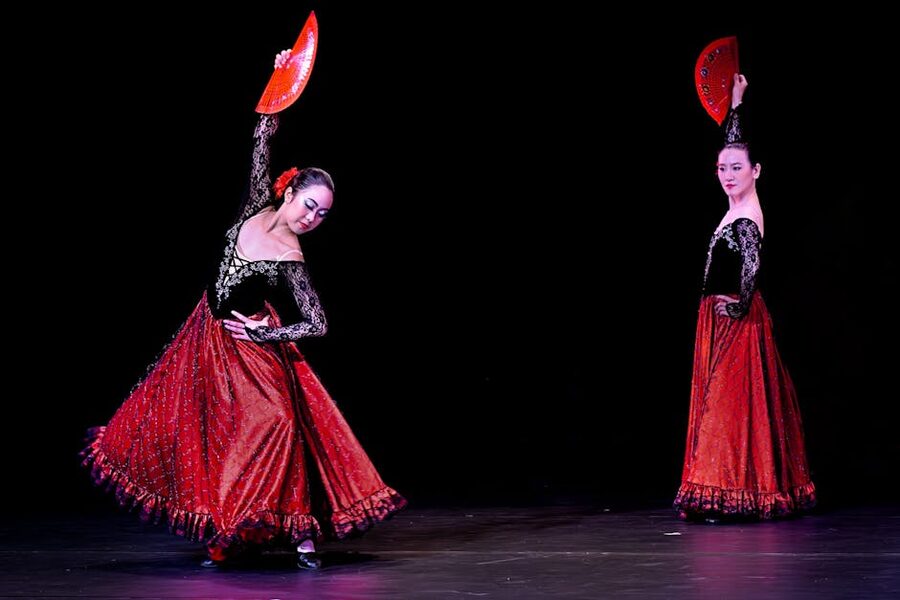
A 10-minute pre-show briefing makes a big difference. Things we tell our kids before their first flamenco:
It’s going to be loud. The heel-stomping, the clapping, the shouted olés. This isn’t ballet. Warn them so the first big moment doesn’t startle them.
The singing isn’t pretty like pop songs. Flamenco cante (singing) is raw, sometimes cracked, sometimes almost painful sounding. That’s on purpose — it’s meant to sound like emotion, not melody. Kids who expect Disney-style singing will be confused. Kids who know it’s coming will find it interesting.
You sit still, no talking, no phones. Tablaos take this seriously. Phones out for photos during the finale is usually fine; talking during the show is not. It’s a good discipline-setting opportunity, honestly — kids learn that some experiences require stillness.
Clapping is part of it. The audience claps palmas along with some sections, and shouts olé at dramatic moments. Kids love doing this once they understand it’s encouraged. Tell them before the show and they’ll be looking for their cue.
You can leave if you need to. Tablaos are small but they all have a back exit. If your child is genuinely distressed (too loud, too dark, needs the toilet) you can slip out between pieces without embarrassment. We’ve never seen anyone judge a parent making an exit.
Pairing a flamenco show with the rest of your Madrid day
A flamenco show is the perfect end-of-day activity because it’s short, seated, and reasonably late. The question is what to do before.
A low-energy afternoon works best. The Royal Palace with kids pairs brilliantly — it’s a 15-minute walk from most tablaos and the palace tour finishes around 5pm, leaving time for an early dinner before a 7pm show. Our Madrid hop-on hop-off bus guide is another good same-day option — mostly seated, easy on tired legs, good for saving energy for the evening.
Avoid doing this on a day you’ve also done a stadium tour, theme park, or big day trip — kids will be wrecked. Zoo or Warner Park days should be flamenco-free evenings. Order pizza to your hotel instead.
Dinner before or after?
Our strong preference is dinner before the show, not after. Madrid restaurants serve dinner from 8pm and most kid-friendly places are full of tourists by 9pm. If you eat at 5:30 or 6pm — early by Spanish standards but normal by everyone else’s — you beat the crowds, get full tables, and are out in time for a 7pm or 8pm show.
Good pre-flamenco restaurants in Madrid’s tablao district include Casa Ciriaco (traditional Spanish, family-friendly, near the Royal Palace), La Bola (Madrid’s famous cocido chickpea stew, kids’ portions available), and if you’re near Lavapiés, any of the tapas bars on Calle Argumosa.
Madrid flamenco vs Seville or Granada
You might be wondering whether to save the flamenco experience for Andalusia — Seville and Granada are the birthplaces of the art form, after all. Honest take:
Madrid has the polish, the production values, and the best professional performers because this is where they come to make a career. Shows are shorter, tighter, and predictable in quality. The downside: it can feel slightly packaged, like watching a Broadway version of something that’s meant to be improvised.
Seville and Granada have more authenticity — flamenco is genuinely part of the daily fabric of Andalusia, especially in Granada’s Sacromonte cave venues. Performances can be rougher, more variable, but when they hit, they’re unforgettable. The tradeoff: you need to pick the venue carefully because there are more tourist-trap options.
If you’re doing a Madrid-only trip, book flamenco in Madrid. You’ll get a very good show. If you’re doing a longer Spain trip, save your one flamenco evening for Seville or Granada’s Sacromonte caves. Both approaches work.

A short history (for the kids who ask)
Flamenco originated in southern Spain (Andalusia) in the late 1700s and early 1800s. It came out of a melting pot of Spanish folk music, Romani (Gitano) musical traditions, Moorish vocal styles from centuries of Muslim rule, and some Jewish and sub-Saharan African influences. It was originally performed in private — at family gatherings, in bars, in courtyards — and was considered rough, lower-class music until the late 19th century.
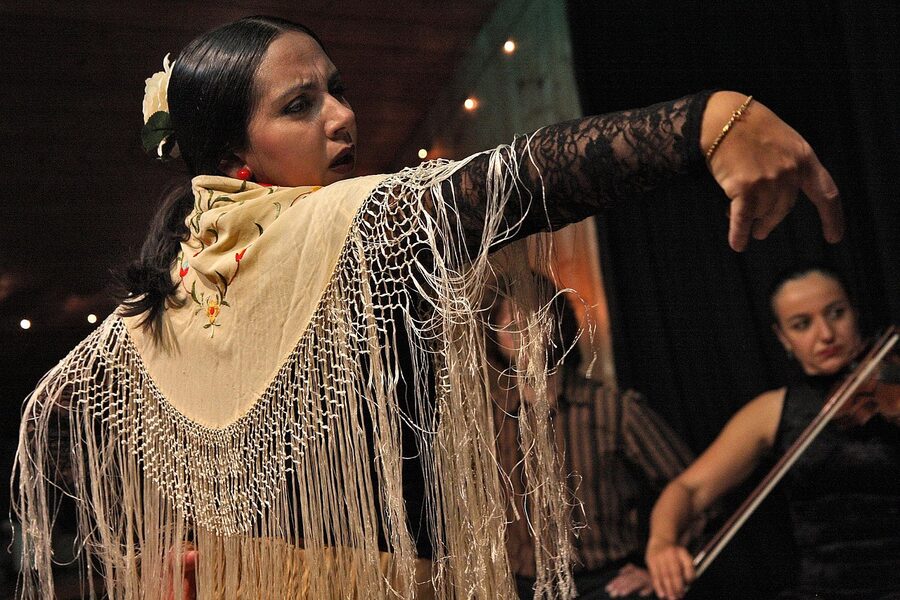
In the mid-1800s, the first cafés cantantes (singing cafés) opened in Seville and Madrid where flamenco was performed publicly for paying audiences. This is when it started getting professional, and the key elements — cante (song), baile (dance), toque (guitar) — settled into the form we know today.
The 20th century saw flamenco go international via recordings and tours. Figures like Carmen Amaya (dancer), Paco de Lucía (guitarist), and Camarón de la Isla (singer) took the form to global audiences from the 1940s onwards. In 2010, UNESCO declared flamenco an Intangible Cultural Heritage of Humanity — meaning it’s officially recognised as a cultural treasure of Spain and humanity generally.
Madrid’s tablao scene dates mostly from the 1950s and 1960s. Corral de la Moreria opened in 1956 and is considered the grandfather of them all.

Practical tips from actual visits
Book early. Top tablaos sell out for weekend shows 4-5 days in advance, sometimes longer in summer. Book as soon as you know your Madrid dates.
Arrive 20 minutes early. Seating in tablaos is usually first-come-first-served within your ticket tier. Arriving early means front-row access; arriving late means you’re at the back. With kids, front is much better.
Bring tissues. Flamenco can be emotional — the singing especially. Parents sometimes cry. Kids sometimes cry. It’s fine. Have tissues.
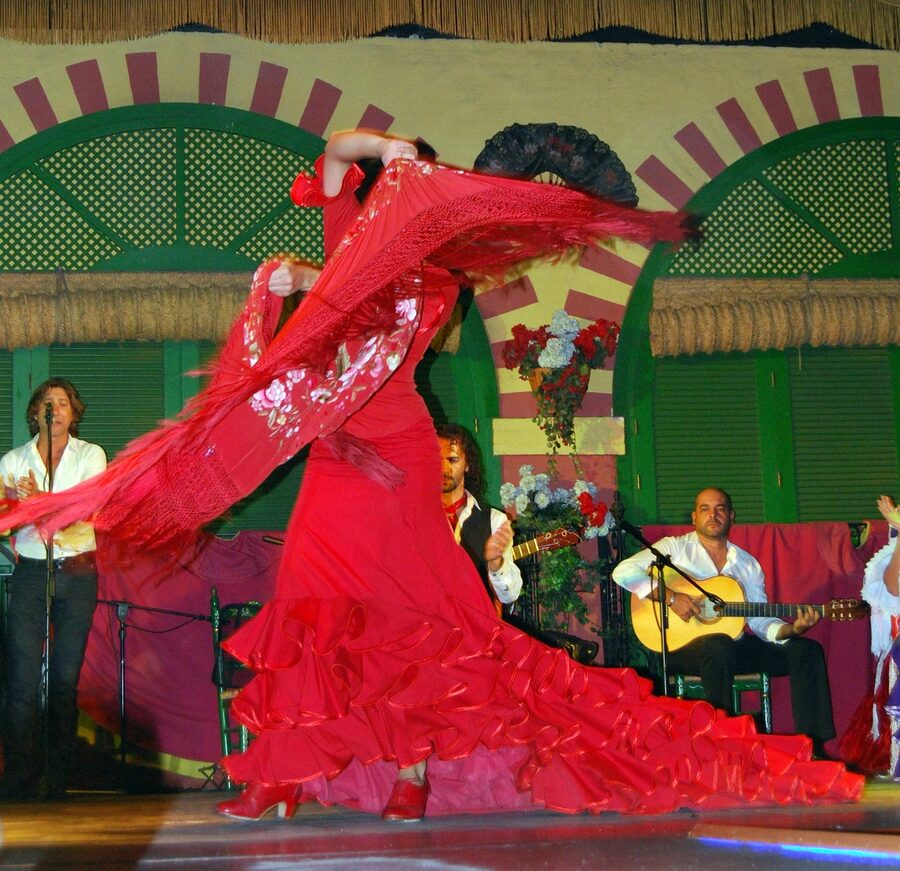
Take photos at the end, not during. Most tablaos allow cameras during the final number only. Phones out any earlier gets you a stare from staff. Respect the rule — the no-photo policy during the main show keeps the atmosphere.
Clap along at the end. Audiences usually clap palmas rhythmically during the finale. Kids love this bit. Don’t worry about getting the rhythm perfectly right; everyone’s doing approximate.
Olé is optional but adds to the vibe. A well-timed shout of “¡Olé!” during a big moment is part of flamenco tradition. Teens especially love being told they can do this.
Accessibility. Most central tablaos are in old buildings with steps. Call the venue or check the GetYourGuide listing if you have specific accessibility needs. Corral de la Moreria has ramp access; many of the smaller Lavapiés tablaos do not.
What if it rains?
Flamenco is entirely indoors — the show is completely unaffected by weather. The only wet bit is your walk to and from the tablao. Madrid rain tends to be brief and sharp; most tablaos are within 5-10 minutes of a metro station.
Actually, rainy evenings are arguably the best time for flamenco. The streets are quieter, the atmosphere more focused, and kids tend to sit through indoor shows better when it’s miserable outside anyway.
Before you book, an honest list
Book a flamenco show if: your kids are 6+ and you want one evening of genuine Spanish culture. It’s the only truly Spanish evening activity in Madrid that works for families.
Pick the 1-hour format if: under 10. Pick the dinner format only if kids are 10+ and you’re happy with a late night.
Pick Corral de la Moreria if: you’ve got teenagers who’ll appreciate the depth and you want one “proper” night out with them.
Skip it if: kids are under 5, or you’re doing a lot else on the same day. Flamenco needs a bit of energy to appreciate; tired children won’t get it.
Save it for Seville/Granada if: you’re doing a longer Spain trip and want the most authentic setting. But honestly, Madrid flamenco is very good.
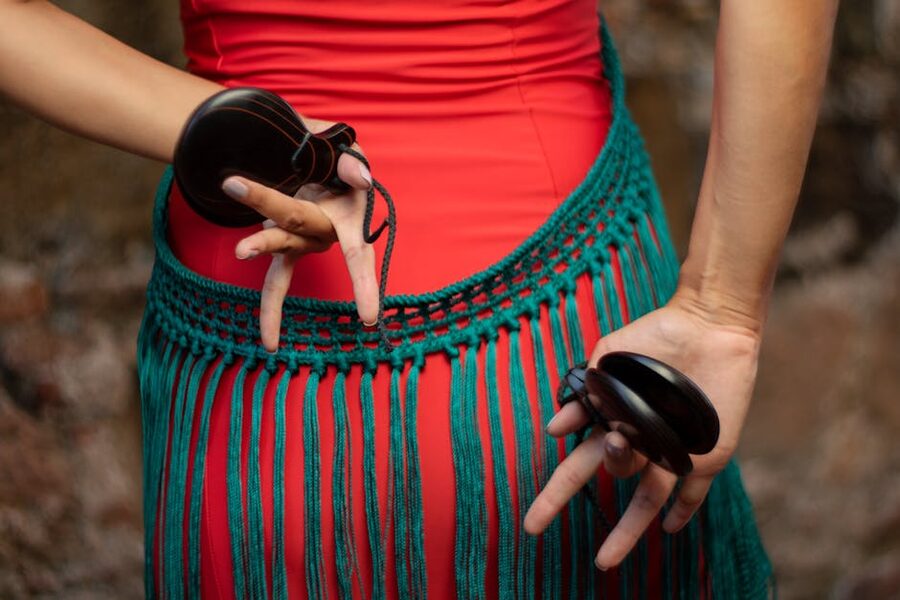
One last thing: after the show, most tablaos sell small souvenirs — castanets, little fan replicas, sometimes mini-dresses for dolls. If your kid has been entranced, €10 on a set of castanets is money well spent. They’ll clatter around with them for weeks, which is a nice souvenir of one specific evening in Madrid.
Book the 7pm show, arrive twenty minutes early, sit close to the stage. The rest sorts itself out.