Royal Palace Madrid for Families: Visiting with Kids

My daughter looked at the Throne Room ceiling and whispered, “Mum, is this where the queen lives?” No. The Spanish royal family hasn’t lived here since 1931. But the Royal Palace of Madrid is maintained as if they might come back at any moment. Every chandelier lit. Every surface polished. Every room more elaborate than the last. It is, without exaggeration, the most lavishly decorated building I’ve ever taken children into. And they were mesmerised.
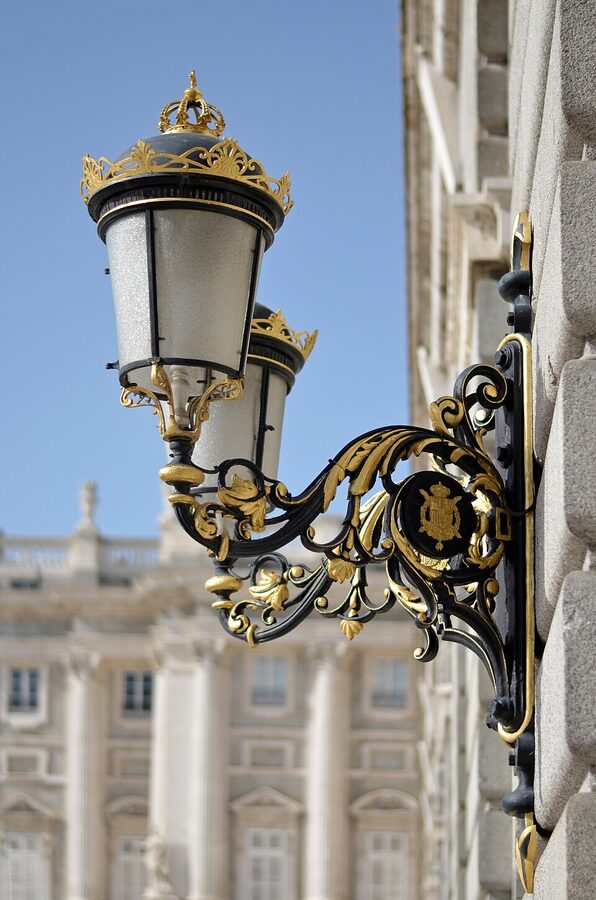
Royal Palace of Madrid seen from the main plaza
The Royal Palace of Madrid is the largest functioning royal palace in Europe. It has 3,418 rooms. You won’t see all of them — the tour covers about 50 — but even 50 rooms of gold ceilings, crystal chandeliers, and hand-painted frescoes is enough to overload the senses. My son counted the chandeliers. He lost count at twelve. In a single corridor. The scale is genuinely staggering and children react to it with wide eyes and open mouths. Photo: Selbymay, CC BY-SA 3.0 es, via Wikimedia Commons

The Palacio Real sits in the heart of Madrid, overlooking the Manzanares valley with the Cathedral of Almudena next door. It’s used for state ceremonies but nobody lives here. That means you can walk through it — throne rooms, ballrooms, dining halls, and private royal apartments — at your own pace.

Here’s what families need to know about visiting with children.
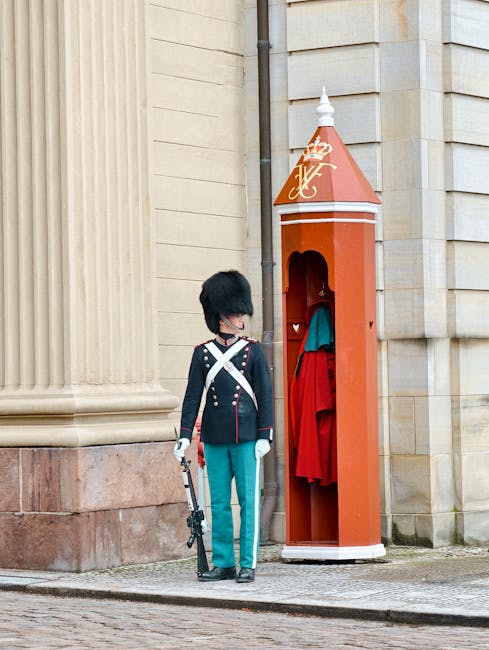
Guard ceremony in a palace courtyard with columns
The changing of the guard happens every Wednesday and Saturday at noon (except July-September and during bad weather). If your visit coincides with it, get to the Plaza de la Armeria by 11:30am for a good spot. The ceremony involves horses, uniforms, drums, and marching — children are transfixed. Even my three-year-old who normally can’t stand still watched the whole thing without fidgeting. It’s free and it’s spectacular.

Short on Time? Here Are Our Top Picks

Royal Palace Fast-Access Admission — $26
Self-paced entry. Under-5s free. Over 13,000 reviews. The essential ticket for families.
Book Now
Expert Guided Tour with Skip-the-Line — $46
2-hour guided tour. The guide brings the rooms alive with royal stories. Best for ages 6+.
Book Now
Skip-the-Line Guided Tour — $42
Highest-rated at 4.9 stars. Headsets included. Compact and family-friendly format.
Book Now

What It’s Actually Like Inside with Children
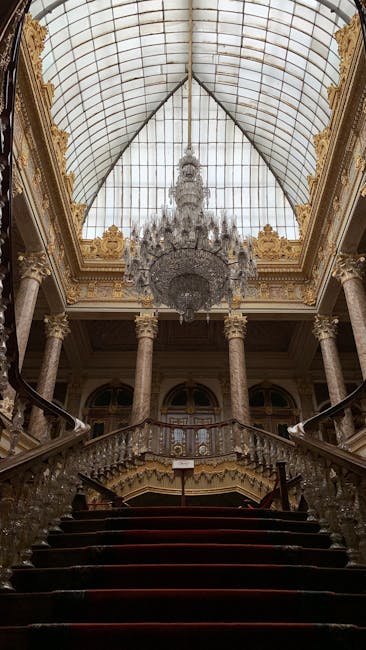
Grand marble staircase with columns in a European palace
The main staircase sets the tone immediately. You walk in and look up at a double marble staircase with painted ceilings soaring above. My daughter said “it’s like a castle in a film.” She’s right — it looks exactly like the kind of grand palace staircase you see in period dramas. Children instinctively stand up straighter. Something about the space demands it. Even the toddler stopped running.

The visit follows a one-way route through the palace’s state rooms. You start with the grand staircase, move through the reception halls, the throne room, the private royal apartments, the banquet hall, and finish at the porcelain room and the Royal Chapel. The route takes about 90 minutes at a comfortable family pace.

Every room is more extravagant than the last. The ceilings are painted with frescoes by Tiepolo and Mengs. The walls are covered in silk, velvet, and hand-painted wallpaper. The floors are marble, parquet, and mosaic. Children notice the scale before anything else — these rooms are enormous, and the decoration covers every surface from floor to ceiling.
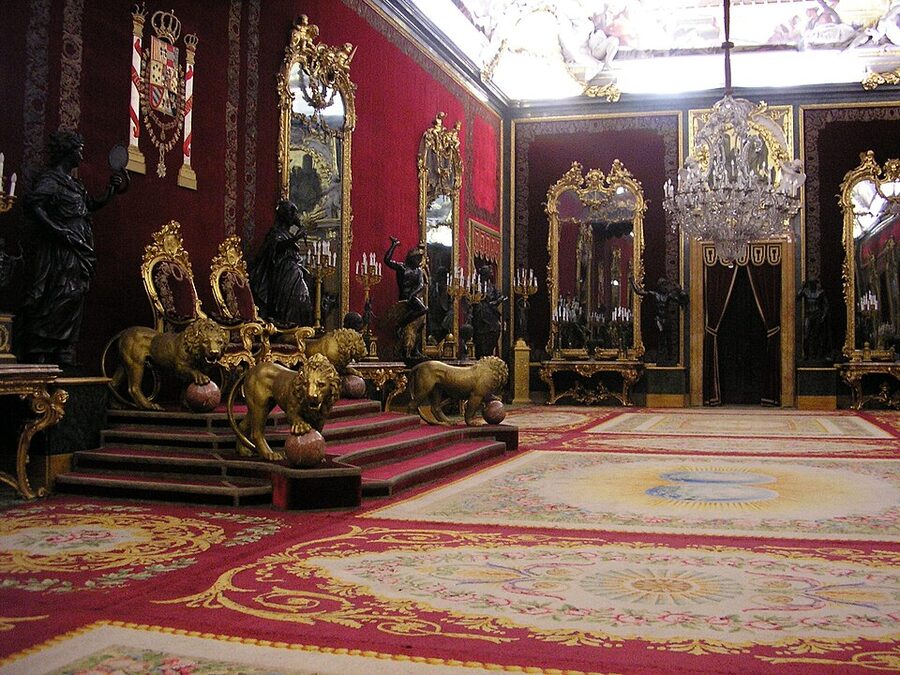
Throne Room (Salon del Trono) inside the Royal Palace of Madrid
The Throne Room is the centrepiece. Two crimson thrones under a canopy, surrounded by mirrors, gold lions, and a Tiepolo ceiling that represents the glory of Spain. My son asked if he could sit on the throne. He could not. But the room genuinely makes you feel like you’re in the presence of power. Even children sense the formality. The throne is flanked by four golden lions and my daughter named all four. They were all called “King.” Naturally.

The Rooms Children Love Most

Enormous crystal chandelier hanging in an ornate palace ballroom
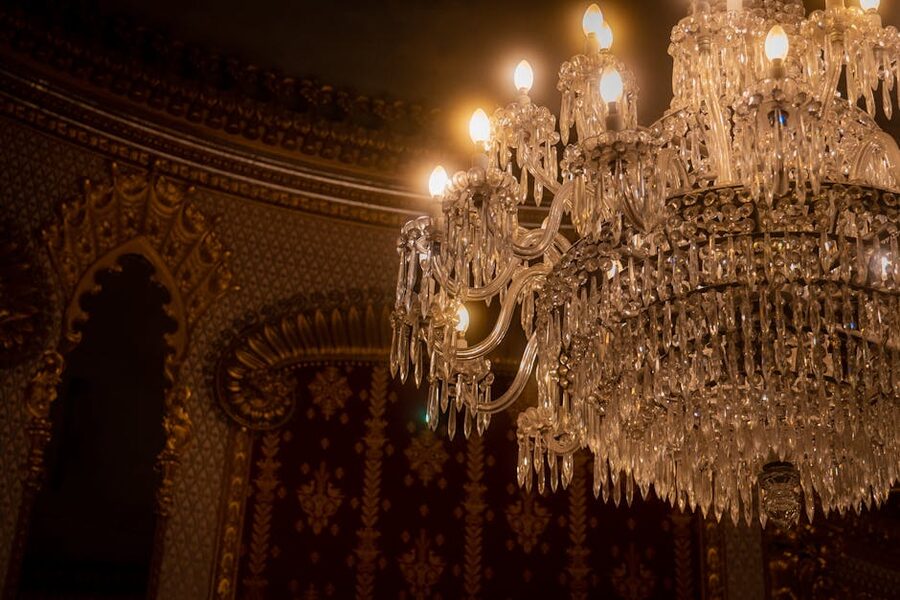
The chandeliers alone are worth the visit. Some of them hold over 100 candles (now electric) and weigh several tonnes. They hang from ceilings painted with mythological scenes — gods, angels, battles, clouds. My son asked what would happen if one fell. I said we’d probably notice. The chandeliers are cleaned by hand once a year. I cannot imagine that job.

The Throne Room. The most dramatic room in the palace. Crimson thrones, mirrored walls, golden lions. Children understand immediately that this room is Important with a capital I.

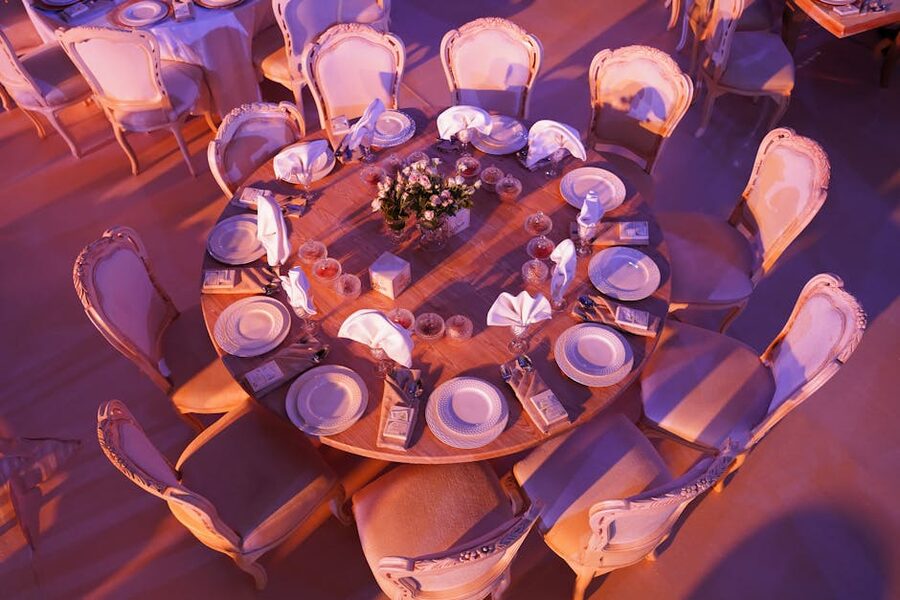
The Banquet Hall. A dining table that seats 145 people. The china, crystal, and silverware are laid out as if dinner is about to be served. Children’s reaction: “Who washes up?” Fair question.
Grand banquet hall with long formal dining table in a palace
The Banquet Hall table stretches the entire length of the room. 145 place settings with individual crystal glasses, silver cutlery, and hand-painted china. My daughter counted the chairs on one side. She got to 38 before she got bored. My son was more interested in the ceiling — Mengs’ fresco shows the Triumph of Christianity, which he interpreted as “a fight between angels and monsters.” Close enough.

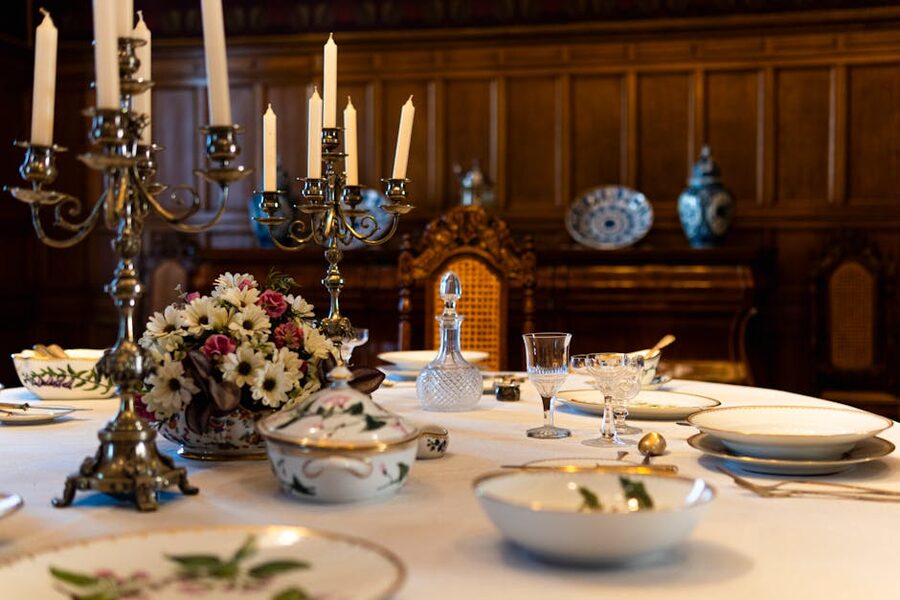
The Porcelain Room. Walls entirely covered in porcelain panels from the Buen Retiro factory. It looks like the inside of a jewellery box. Children are fascinated by the idea that the walls are made of something you normally eat off.
Room decorated entirely with ornate porcelain in a palace
The Porcelain Room is one of the most photographed rooms in Spain. Every surface — walls, ceiling, columns — is covered in delicate porcelain panels showing fruits, cherubs, and garlands. My daughter said it looked “like a room made of sweeties.” The craftsmanship is extraordinary. Each panel was individually modelled and fired in the 18th century. Children instinctively want to touch it. They can’t. But pointing out the tiny details — a monkey here, a bird there — keeps them engaged without grabbing.

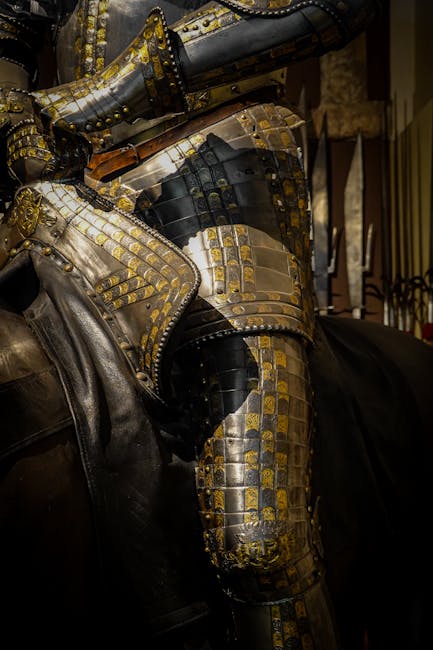
The Royal Armoury. Below the palace, the Royal Armoury houses one of the finest collections of arms and armour in Europe. Suits of armour for kings, swords used in actual battles, a full set of jousting armour for a horse. Children (especially those aged 6-12) find it genuinely thrilling. My son said it was better than any museum he’d ever been to.
Medieval armour and weapons displayed in a palace armoury
The Royal Armoury has armour belonging to Charles V and Philip II. Full plate armour for both rider and horse, ceremonial swords, jousting lances, and battle shields. My son spent 30 minutes here and would have stayed longer. He was particularly fascinated by the child-sized armour made for young princes. “They had to learn to fight when they were MY age?” Yes. Different times. The armoury is sometimes a separate visit — check when you buy your ticket.

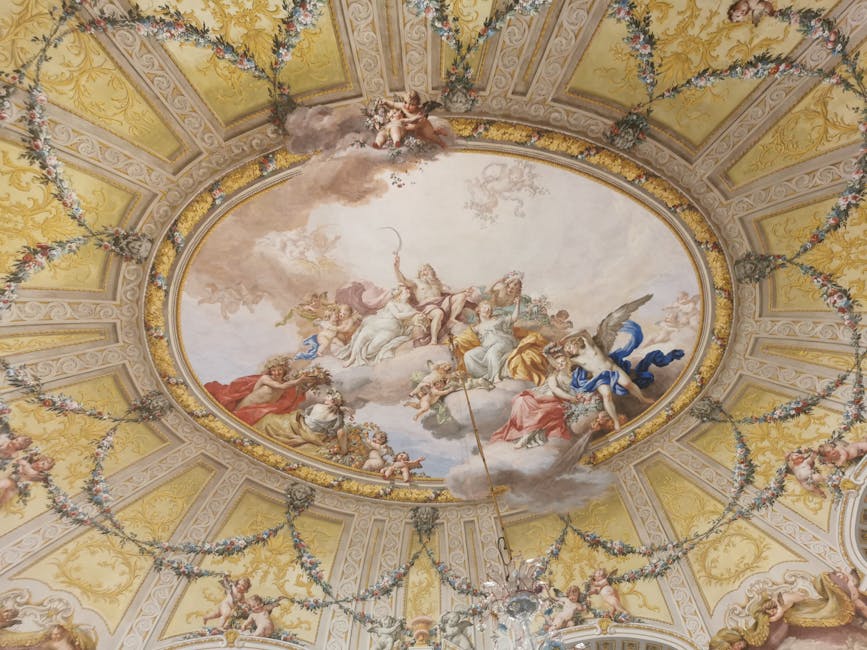
The Ceiling Frescoes. Everywhere. Every room has a painted ceiling. Tiepolo’s work in the Throne Room and Guard Room is extraordinary — angels, clouds, mythological figures swirling overhead. Tell the kids to look up in every room. They’ll spot different things every time.
Ornate painted ceiling fresco inside a European palace
The ceiling frescoes are worth more time than most visitors give them. Stand in the centre of each room and look directly up. The perspective tricks are extraordinary — painted columns blend seamlessly into real ones, painted skies open up into apparent infinite space. Children notice the illusions before adults do. “Mum, the ceiling isn’t flat!” My daughter spotted the trompe l’oeil architecture before I did. Children are better at seeing what’s actually there.

When to Visit (This Matters)

Ornate palace corridor with gold trim and mirror reflections
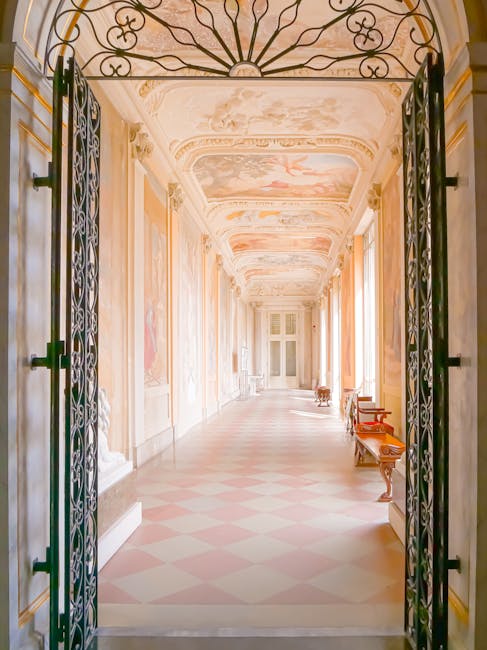
The corridors between rooms are galleries in themselves. Mirrored walls, gold mouldings, and paintings everywhere. Don’t rush through them — some of the most impressive pieces are in the connecting hallways, not the main rooms. My son found a tiny painting of a dog in a corridor that nobody else was looking at. He decided it was the best thing in the palace. He has a point. Sometimes the small details matter more than the grand gestures.

The palace closes for state ceremonies with little notice. Always check the official website before booking. Closures can happen on any day and they’re not always announced far in advance.

Best time: Weekday mornings, 10-11am. The first hour is quietest. By midday the tour groups arrive and the state rooms feel crowded. In summer, morning visits also avoid the worst of the Madrid heat — the walk from Opera Metro to the palace is fully exposed.

Avoid: Saturday mornings during the changing of the guard. The guard ceremony is brilliant but the palace queue afterwards is brutal — everyone who watched the ceremony then goes inside.

Free entry hours: The palace offers free entry in the last 2 hours before closing (typically 4-6pm in winter, 6-8pm in summer). It’s crowded and rushed. With children, pay the $26 and go in the morning with space to breathe.
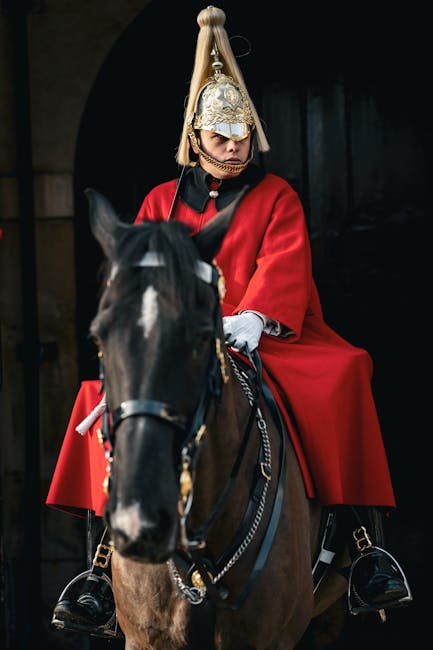
Royal guard in ceremonial uniform on horseback
The mounted guards are a highlight even without the full ceremony. You’ll often see guards on horseback at the palace gates during regular hours. Children love the horses, the uniforms, and the serious expressions. Mine asked if the guard was “actually a real soldier or just pretending.” He’s real. The Royal Guard are serving military personnel. The horses are trained to stand perfectly still. Both things impressed my children equally.

A Bit of History (Why Children Should Care)
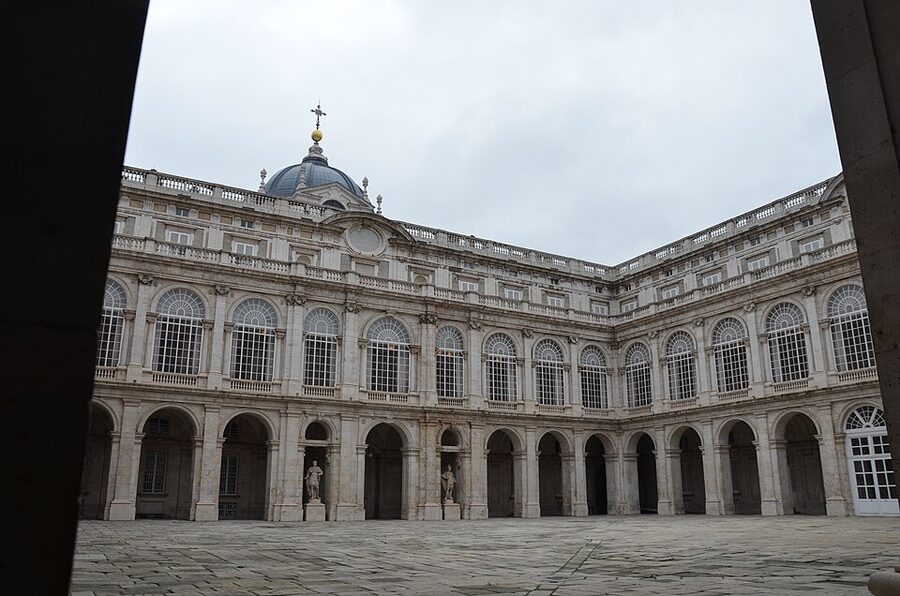
Aerial view of the Royal Palace of Madrid and surrounding plaza
The palace was built after the old Alcazar burned down on Christmas Eve 1734. The story goes that the fire started in a painter’s studio and destroyed the entire building in a single night — along with thousands of paintings by Velazquez, Titian, and Rubens. The current palace was built over 26 years on the same hilltop site. Tell your children the fire story. They’ll remember it. The idea that Christmas Eve destroyed a castle and hundreds of masterpieces hits differently when you’re standing where it happened. Photo: Steven Lek, CC BY-SA 4.0, via Wikimedia Commons

The Royal Palace stands on a site that’s been home to power since the 9th century, when the Moors built a fortress here overlooking the Manzanares valley. After the Christian reconquest, the Alcazar became the seat of the Spanish monarchy. Then it burned to the ground on Christmas Eve 1734.

Philip V commissioned the new palace with one instruction: build it entirely from stone. No wood. He never wanted another fire. The result is the building you see today — 135,000 square metres of stone, marble, and stucco, decorated with some of the finest art in Europe.

The palace took 26 years to build (1738-1764). Charles III was the first king to live in it. He brought Tiepolo from Venice to paint the ceilings. The frescoes you see in the Throne Room are Tiepolo’s — among the last great Baroque ceiling paintings ever made.

The monarchy moved out in 1931 when Alfonso XIII left Spain during the transition to the Second Republic. No Spanish king has lived here since. Juan Carlos I chose the more modest Zarzuela Palace when the monarchy was restored in 1975. The Royal Palace is now used exclusively for state ceremonies — and for travelers like us, wandering through rooms that were once the centre of an empire.
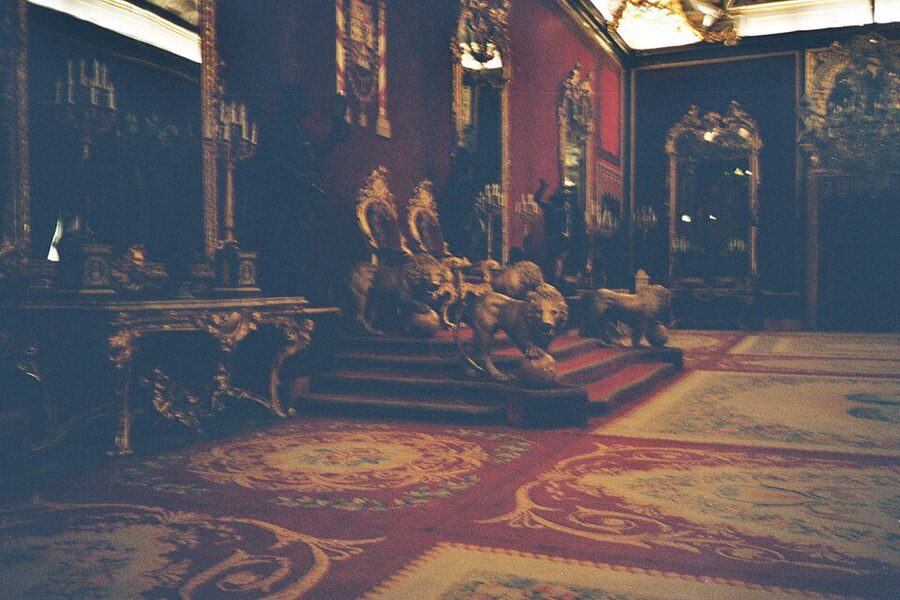
Royal thrones inside the Throne Room of Palacio Real Madrid
The thrones are replicas of the originals, which were damaged during the Napoleonic occupation. The room itself is original — Tiepolo’s ceiling, the velvet walls, the Venetian mirrors. Napoleon’s brother Joseph briefly sat on these thrones when he was installed as King of Spain in 1808. Tell the kids that story — a French emperor put his own brother on the Spanish throne and the entire country revolted. It’s the kind of history that makes sense to children because the outrage is obvious.

The Cathedral of Almudena

Exterior of the Almudena Cathedral in Madrid
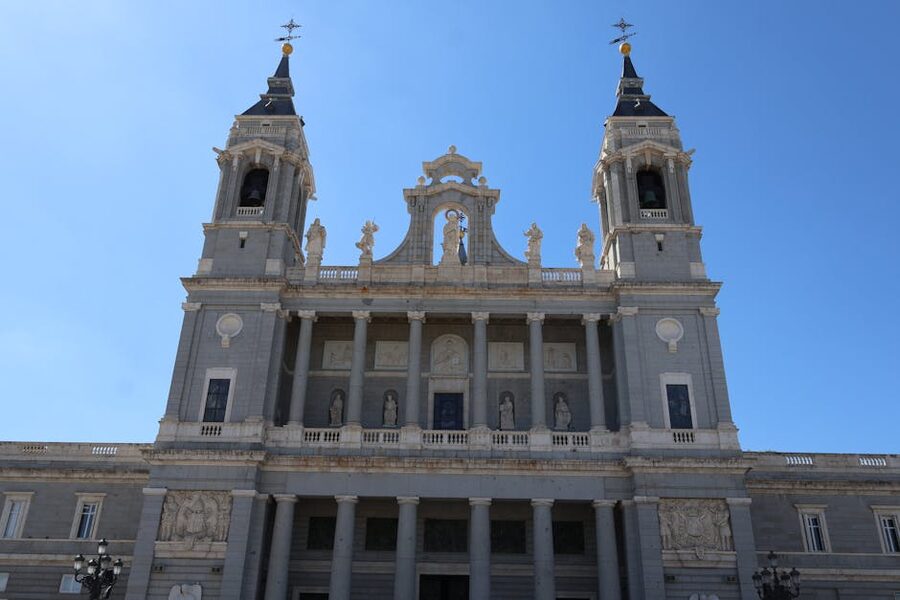
The Cathedral of Almudena sits right next to the palace and you can visit it for free (donations encouraged). It took over a century to build — started in 1883, not consecrated until 1993. The interior is surprisingly modern compared to Barcelona’s Gothic cathedral. Children find the colourful ceiling paintings interesting but the main draw is the crypt, which has stone columns and a more medieval atmosphere. Five minutes from the palace entrance. Worth a quick visit.

The Cathedral of Almudena is directly adjacent to the palace — you’ll see it from the courtyard. Entry is free (donations suggested). It’s a relatively modern cathedral (consecrated in 1993) with a colourful painted ceiling that’s different from the stone Gothic cathedrals elsewhere in Spain.

For families, the most interesting part is the crypt below the main church. It has a Romanesque feel — low stone arches, dim lighting, and a peaceful atmosphere. Children who’ve visited churches in Barcelona will notice the difference immediately. The crypt takes about 15 minutes and provides a nice contrast to the ornate excess of the palace.

The Palace Gardens
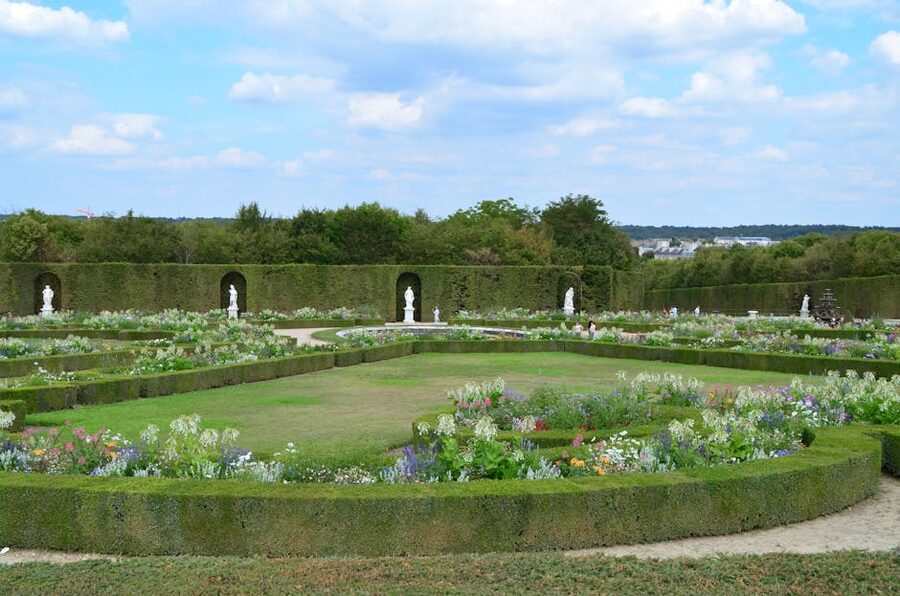
Formal palace garden with clipped hedges and a central fountain
The Sabatini Gardens sit on the north side of the palace. Formal hedges, fountains, and a view of the palace’s north facade. Free entry. The gardens are peaceful, shaded, and perfect for letting children run after the structured palace visit. We packed sandwiches and had a picnic on the grass. The kids chased pigeons while we looked at the palace from below. One of those accidental family moments that costs nothing and feels perfect.

Two gardens flank the palace. The Sabatini Gardens to the north are formal — clipped hedges, fountains, and statues. The Campo del Moro to the west is more like a park — lawns, mature trees, and pathways leading down to the river.

Both are free. Both are essential after the palace visit. Children need to run after 90 minutes of “don’t touch.” The Sabatini Gardens are right there — you walk out of the palace and they’re next door. The Campo del Moro is a longer walk but bigger and more varied.

For families with buggies, the Sabatini Gardens are flat and accessible. The Campo del Moro involves some steep paths. Both have benches and shade.
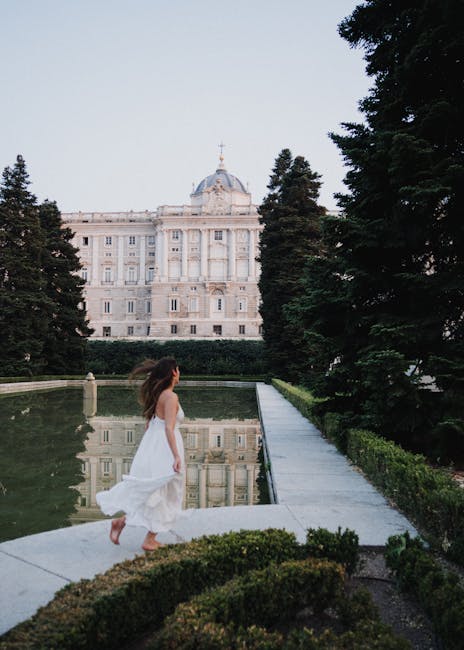
Sabatini Gardens with Royal Palace of Madrid visible behind
The view of the palace from the Sabatini Gardens is the best free photo opportunity in Madrid. The north facade is less photographed than the main plaza approach but arguably more beautiful — the stone glows warm in afternoon light and the gardens frame it perfectly. Bring the camera. This angle doesn’t appear in most guide books but it’s the one all the locals use.

Practical Tips for Families

Children exploring rooms inside a palace museum
Set expectations before you go in. “We’re going to see where the king used to live. The rooms are full of gold and crystal and paintings. We can look at everything but we can’t touch anything.” This speech, delivered in the queue, saved us multiple incidents inside. Children do better in look-don’t-touch environments when they know the rules before they enter. Even our three-year-old managed it with only two interventions.

Allow 90 minutes to 2 hours. The palace has about 50 rooms on the tour route. At a family pace with stops for looking up at ceilings and debating which room is the most extravagant, 90 minutes is comfortable. The armoury adds another 30-45 minutes.

Under-5s enter free. Children aged 5-16 get a reduced rate. EU citizens aged 5-16 enter free with ID. The $26 adult ticket includes fast-access entry — essential because the regular queue can be 30-45 minutes in peak season.

Buggies. Allowed inside the palace. The route is flat (all on one floor for most of the state rooms). Lifts available between levels. The buggiest challenge is the final staircase down to the exit — staff will help you carry it if needed.

Audio guide. Available for about $4 extra. Useful for adults. Children won’t use it — the rooms are so visually overwhelming that any audio commentary gets ignored. Save the money and just look.

Security. Airport-style bag checks at the entrance. Have your ticket QR code ready on your phone. The process is quick but adds 5-10 minutes to your arrival time.

No photography in most rooms. Some corridors allow it. The main state rooms don’t. This frustrates children who want to photograph everything. Tell them to remember their favourite room and draw it later. We did this and my daughter’s drawing of the Throne Room is now on our fridge at home.
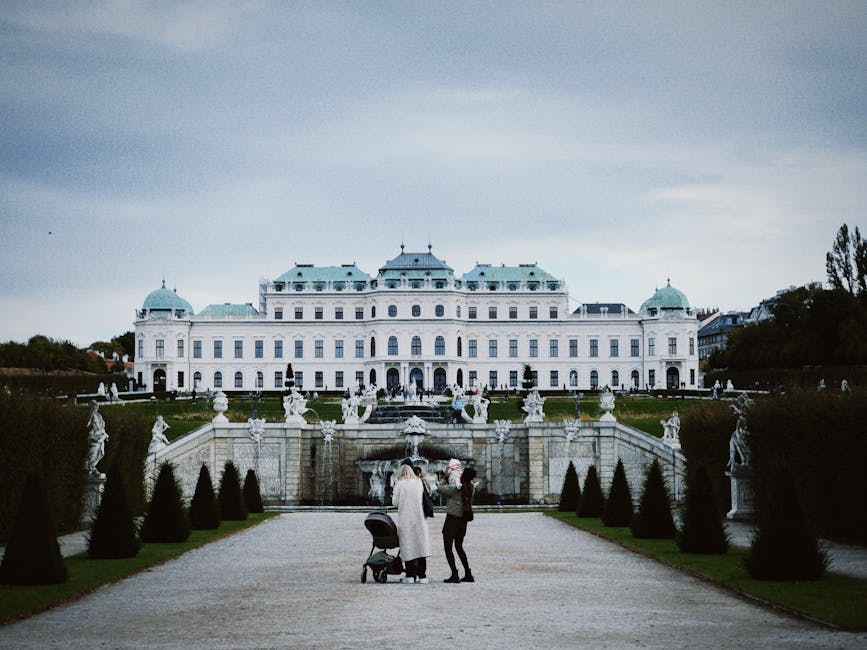
Family with children visiting a grand European palace
The palace is surprisingly manageable with children. The route is linear (no getting lost), the rooms are temperature-controlled (no sweating in summer), and the staff are accustomed to families. We saw pushchairs, toddlers, and babies throughout. It’s not a hushed museum — it’s a palace that welcomes families. The only real challenge is keeping hands off the velvet ropes. Every child wants to touch them. Every child is told no. The cycle continues.

Getting There

Madrid Opera plaza square
Opera Metro station is the closest, about a 5-minute walk. You come up the escalators into Plaza de Isabel II, walk west through Plaza de Oriente (where there’s a lovely garden with statues of Spanish kings), and the palace entrance is right there. The walk is flat, tree-lined, and pleasant. From Puerta del Sol (Madrid’s centre) it’s about a 10-minute walk downhill. With a buggy, stick to the main roads — the cobbled streets near the palace are bumpy.

Opera Metro station (L2, L5) is the closest stop, about a 5-minute walk to the palace entrance. From Puerta del Sol, walk west through Plaza de Oriente — about 10 minutes on foot. The approach through Plaza de Oriente is beautiful and gives you the palace’s best facade.

Taxis from central Madrid cost about 5-8 euros. The palace is well-known — every driver can find it. Drop-off is on Calle de Bailén, the main road running past the palace.

What to Do After the Palace

Madrid skyline at golden hour sunset
Madrid at golden hour is gorgeous. After the palace and gardens, walk east through the old town to Puerta del Sol for dinner. The streets between the palace and Sol are full of tapas bars, churrerias (the kids will demand churros with chocolate), and lively plazas. The evening light catches the sandstone buildings and the whole city glows. One of those family travel moments that doesn’t need planning — just walk and see what you find.

The palace is at the western edge of old Madrid. After your visit, the best family route is east through the old town:

Plaza de Oriente → Beautiful formal square with gardens, statues of Spanish kings, and the Royal Theatre. Children can run in the gardens while you get a coffee.

→ Plaza Mayor (10 minutes walk). Madrid’s most famous square, surrounded by arcaded buildings. Touristy but genuinely impressive. The kids will want to watch the street performers.

→ Puerta del Sol (5 minutes further). Madrid’s centre. The statue of the bear and the strawberry tree is here — children love finding it. From Sol you can reach Retiro Park, the Prado, or Gran Via on foot.

Chocolatería San Ginés — near Plaza Mayor. Churros with thick hot chocolate. Open since 1894. Non-negotiable with children. Queue is long but moves fast. Budget 6-8 euros for two people.
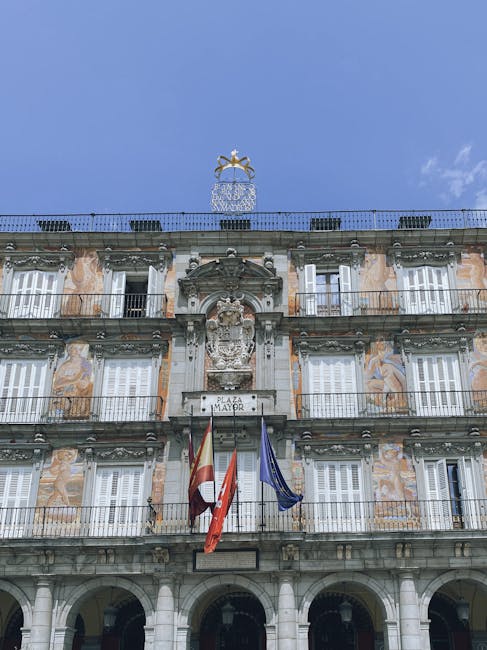
Historic Plaza Mayor square in Madrid with arcaded buildings
Plaza Mayor is a 10-minute walk from the palace. The arcaded square hosts street performers, portrait artists, and overpriced cafe terraces. Don’t eat here (expensive and average). Do sit on the central steps and people-watch for ten minutes — it’s free and the kids find the human statues endlessly entertaining. Then walk to San Gines for churros. That’s the proper family route through old Madrid.

The Best Tickets for Families

1. Royal Palace Fast-Access Admission — $26
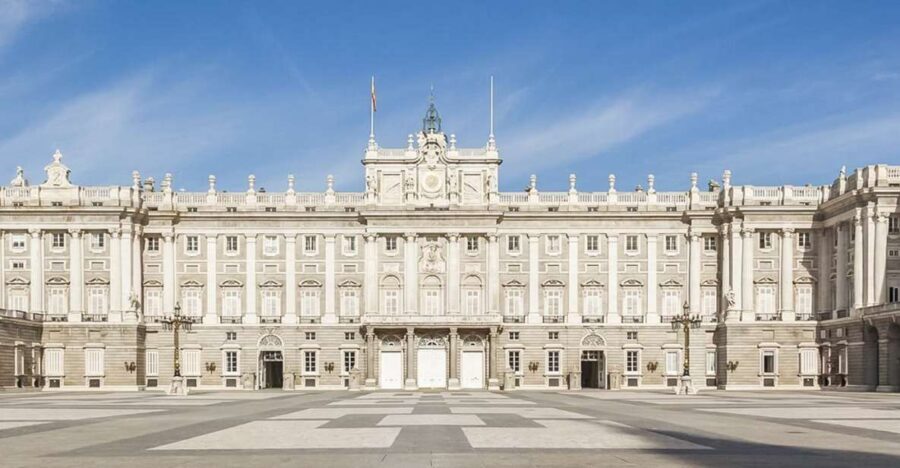
Royal Palace Madrid fast access admission
Over 13,800 reviews — the most popular palace ticket in Spain. Fast-access entry means you skip the main queue (which can be 30-45 minutes in summer). Self-paced visit through all the state rooms. Under-5s free. At $26 per adult it’s genuinely excellent value for a palace that rivals Versailles. Mobile voucher — no printing needed. The smart choice for families who want flexibility and savings.

The essential ticket with over 13,800 reviews. Fast-access entry, self-paced visit through all state rooms. Under-5s free. Our full review covers the route and what to see first. The obvious first choice for all families — affordable, flexible, and no queue.

2. Expert Guided Tour with Skip-the-Line — $46
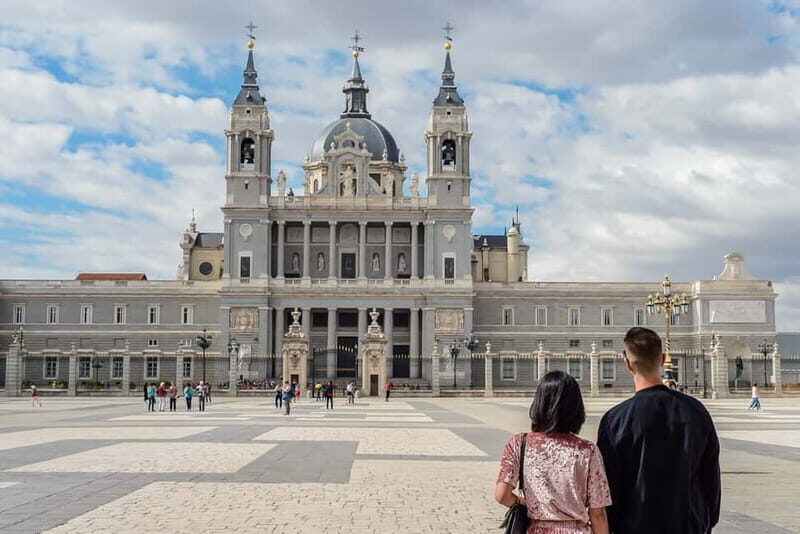
Royal Palace Madrid expert guided tour
Over 8,400 reviews — the most popular guided palace tour. Two hours with an expert guide who brings the rooms alive with stories of kings, wars, fires, and intrigue. Skip-the-line entry via a separate entrance. The guides consistently get praised for being engaging with families. At $46 per adult, the $20 premium over the basic ticket buys you someone who knows which rooms children react to and which stories make their eyes go wide.

A 2-hour expert-guided experience with over 8,400 reviews. Skip-the-line entry, headsets, and a guide who makes Spanish royal history accessible. Our review explains what the guide adds for families. Best for families with children aged 6+ who’ll engage with the stories.

3. Skip-the-Line Guided Tour — $42
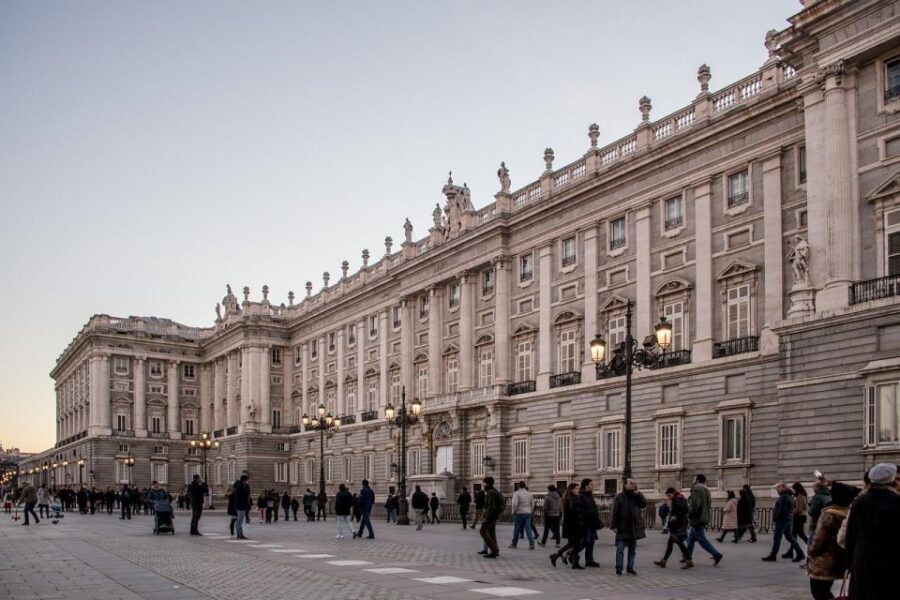
Royal Palace Madrid skip the line guided tour
The highest-rated option at 4.9 stars with over 3,100 reviews. A more compact guided tour with headsets so you can hear the guide clearly even in crowded rooms. At $42 per adult it’s slightly cheaper than option 2 and consistently gets exceptional reviews for guide quality. Good for families who want a guided experience but in a shorter, more focused format. The headsets make a genuine difference when you’re trying to listen with a toddler asking “what’s that?” every ten seconds.

The highest-rated palace tour with over 3,100 reviews. Skip-the-line, headsets included, compact format. Our review covers the headset experience and guide quality. Best for families who want expert guidance in a slightly shorter format.

More Madrid Family Guides
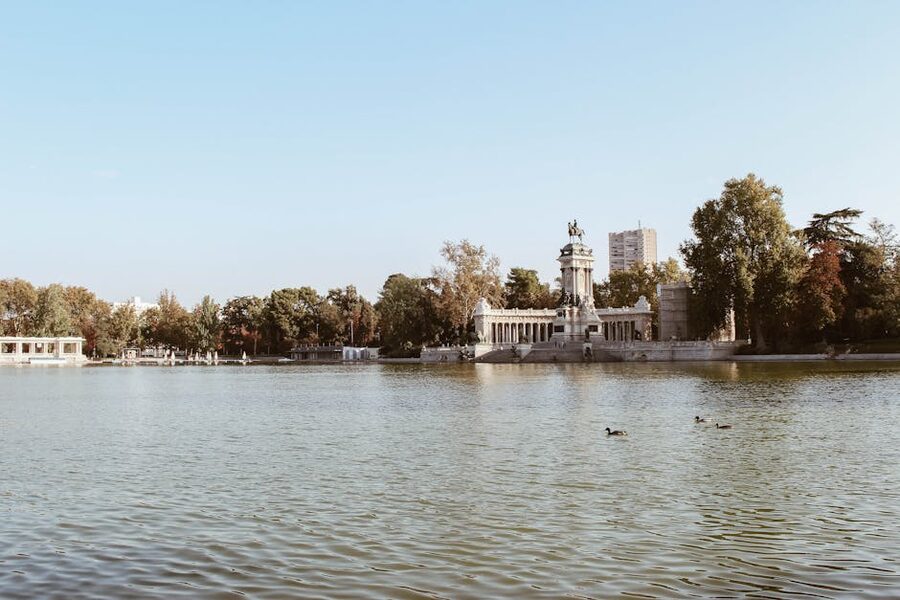
Rowing boats on the lake in Retiro Park Madrid
Retiro Park is the perfect afternoon after a palace morning. Rowing boats on the lake (about 6 euros for 45 minutes), the Crystal Palace (free, stunning), playgrounds, puppet shows on weekends, and enough green space to exhaust any child. It’s about 20 minutes from the Royal Palace by Metro or a 30-minute walk through the old town — passing Plaza Mayor, Sol, and the Prado along the way. That walk is a Madrid highlights tour in itself.

The Royal Palace is the crown jewel of Madrid’s family attractions, but the city has much more. The Prado Museum with kids is a 20-minute walk east — the art collection rivals the Louvre and under-18s enter free. For football fans, the Bernabeu Stadium Tour is in a completely different league but equally impressive in its own way. A Toledo day trip takes you to a dramatic medieval city just 30 minutes by high-speed train — a castle, a cathedral, and narrow streets that children find as exciting as any theme park. And Retiro Park is Madrid’s answer to Central Park — rowing boats, playgrounds, and the Crystal Palace glinting in the afternoon sun. Madrid deserves more than a layover. It deserves a week.