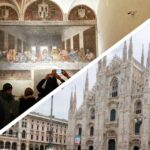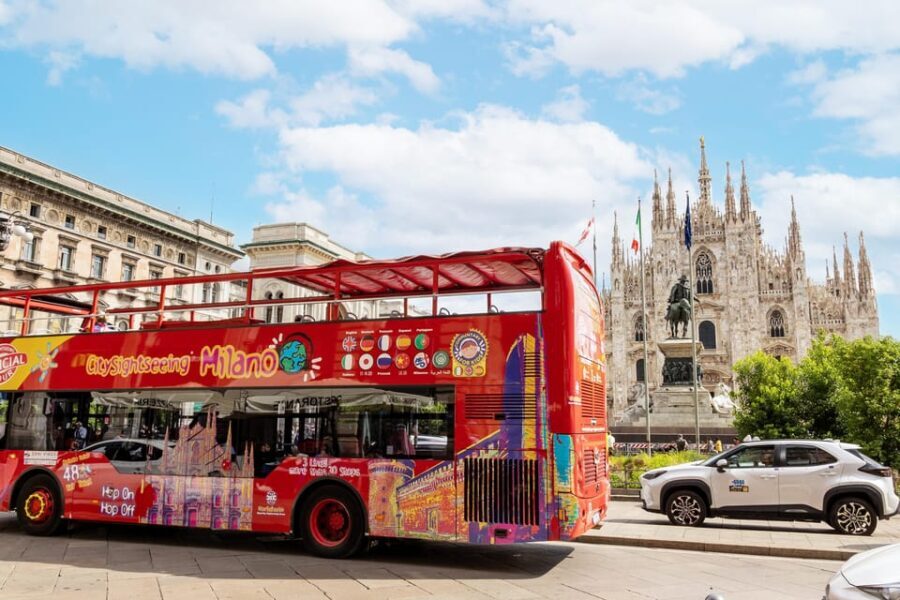
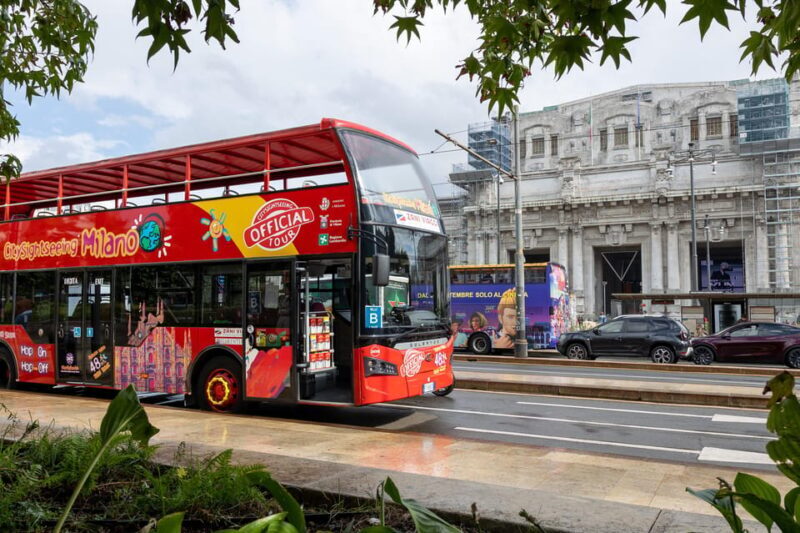
If you want a fast, low-stress way to get your bearings in Milan, this hop-on hop-off bus is a solid choice. You’ll ride an open-top panoramic loop system with four connected lines, hitting the Duomo area, Castello Sforzesco, Brera, Navigli, and even the San Siro zone, depending on your route.
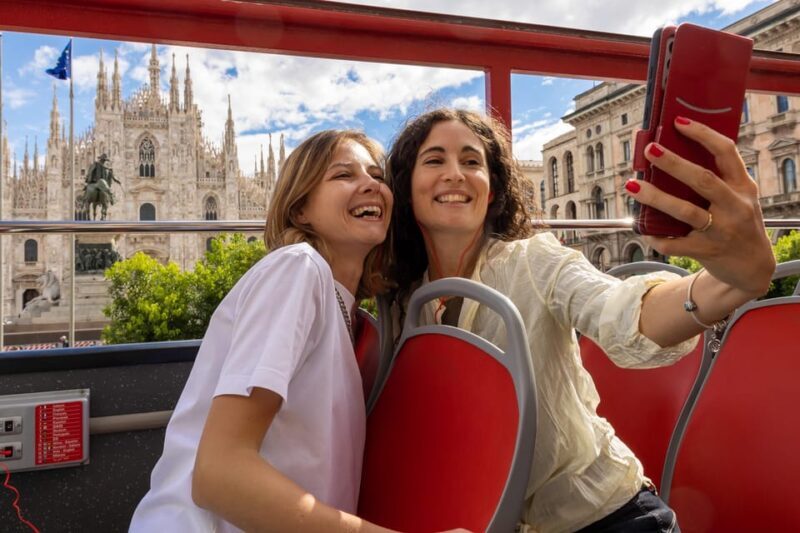
What I like most is the combo of stunning views from the top deck and an audio guide that helps you place what you’re seeing as you go. It’s also easy to use because the buses run frequently and the stops are straightforward.
One thing to consider: Milan traffic can slow things down, and that can stretch the wait time between buses when you transfer lines.
- Key takeaways before you ride
- The Milan hop-on hop-off experience in plain terms
- How the four bus lines work (and why it matters)
- Where to start: Foro Bonaparte vs Piazza Duomo
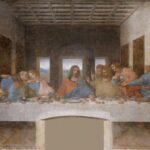
- Line A: Castello, Cenacolo, and the Duomo axis
- Line B: Duomo out to Porta Venezia and the station zone
- Line C: Sforza-area green spaces to San Siro
- Line D: Navigli canals, Piazza XXIV Maggio, and Brera
- The audio guide: 10 languages and a kids version
- Onboard Wi‑Fi and maps: what they’re good for
- Timing and frequency: what to expect in real Milan traffic
- Comfort and practicalities on the bus
- Value for money: how turns into real sightseeing time
- Free walking tour in the app (and how to use it)
- Important schedule notes and possible disruptions
- A quick reality check: similar tours and ticket mix-ups
- About the wine comment people mention (and what it likely means for you)
- Should you book this Milan hop-on hop-off bus?
- The Best Of Milan!
- More City Tours in Milan
- More Guided Tours in Milan
- More Tour Reviews in Milan
Key takeaways before you ride
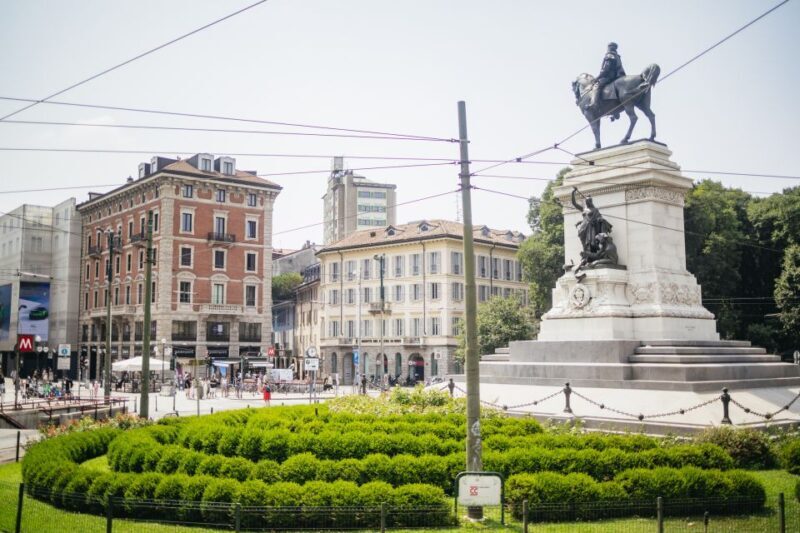
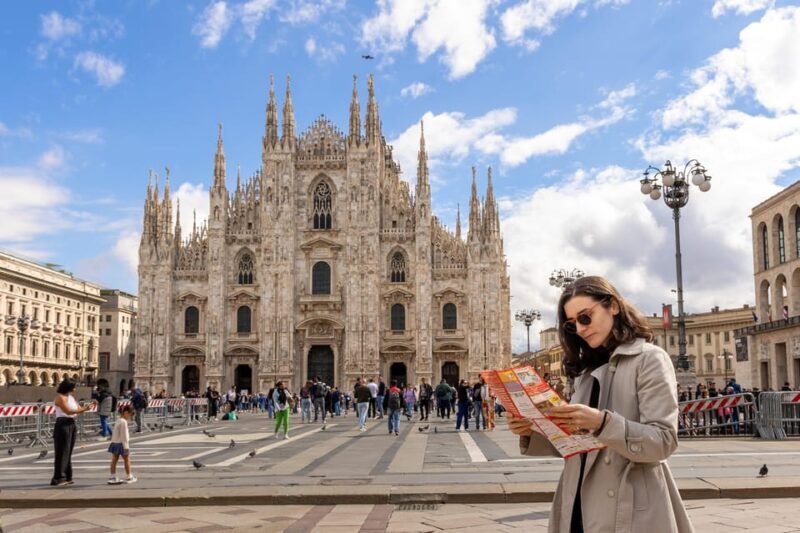
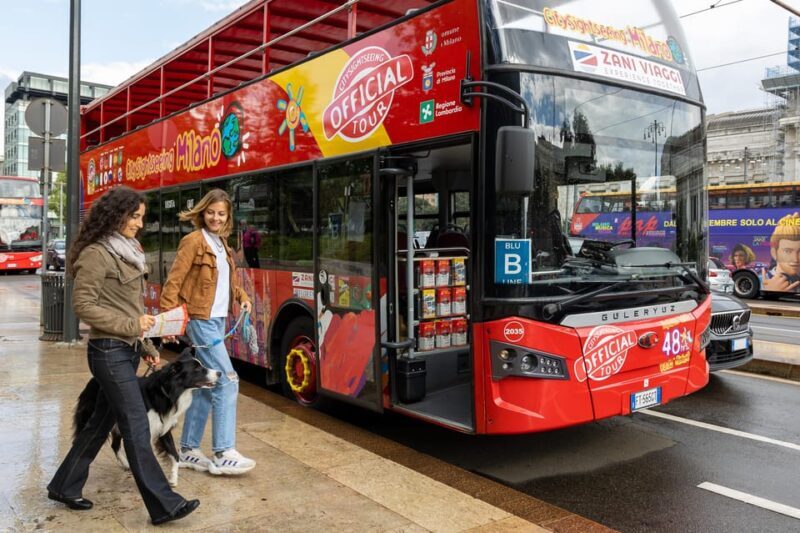
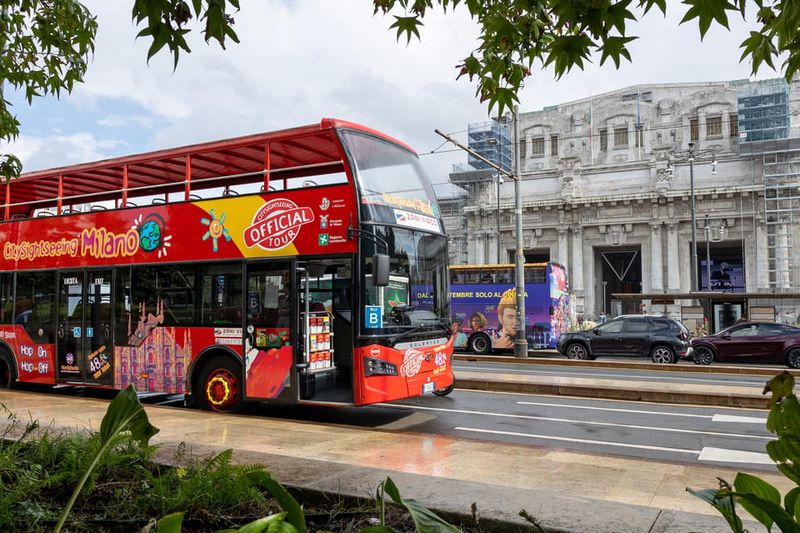
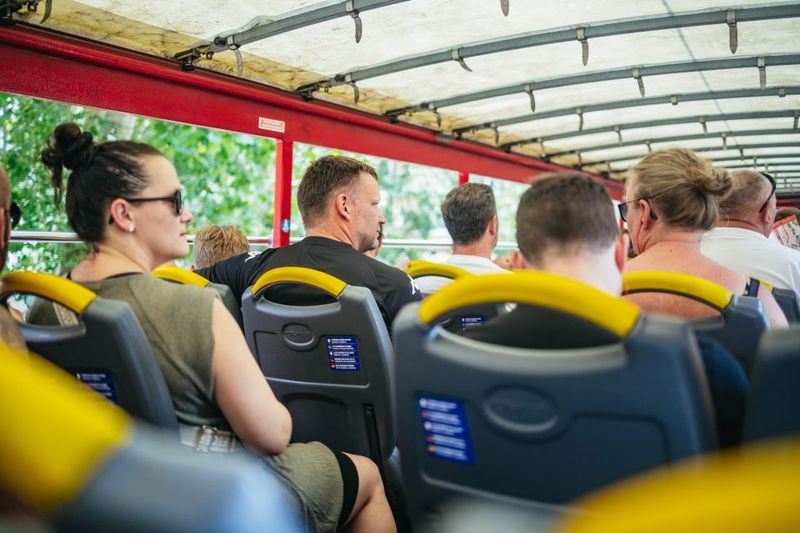
- Four connected lines on one ticket let you mix areas without backtracking
- Open-top sightseeing gives you great skyline views from street level to big squares
- Audio in many languages, plus a children’s version, helps you learn without joining a group tour
- Hop off strategically to turn one bus ride into a full sightseeing plan
- Plan for city traffic on transfers, especially near the Duomo and busy transfer stops

👉 See our pick of the Our Picks For The 15 Best Shopping & Market Tours In Milan
The Milan hop-on hop-off experience in plain terms
This is one of those city options that works best early in your trip. Milan is big enough that walking nonstop gets tiring fast, and public transport is great but not always fun when you’re figuring out neighborhoods. The bus helps you see the layout: where grand sights sit, how areas connect, and what you’ll want to return to on foot.
For the traveler, the real win is choice. You can do one line all the way through, or hop off for 30 minutes to an hour, then come back on another loop. Several riders said this helped them see a lot in just a day or two, especially if they didn’t have many vacation hours.
And yes, the views matter. Milan from the bus looks different than it does from inside buildings or from narrow streets. You’ll get wide angles—cathedral frontage, broad avenues, and the big squares that make Milan feel so sleek.
You can also read our reviews of more guided tours in Milan

How the four bus lines work (and why it matters)
Your ticket gives access to four separate but connecting bus loops (Lines A, B, C, and D). That means you can treat the bus like a set of neighborhood routes rather than one long track.
Instead of guessing where to go first, you can match a line to the vibe you want:
- Duomo and central monuments? Choose the lines that repeatedly stop around the core.
- Castello and classic Milan landmarks? Pick the lines that hit Castello early.
- Brera and the artistic side of town? Use the line that includes Brera.
- Canal-side Milan and the energy of Navigli? That’s covered on the line that runs through Navigli.
In practice, the best strategy is not to ride everything in one marathon session. Most people enjoy Milan more when they use the bus as a connector, then walk the blocks that look interesting once they’re in the right zone.
Where to start: Foro Bonaparte vs Piazza Duomo
You’ll want to check your first stop before you leave your hotel, because it can save time.
- Lines A, C, and D: first stop is Foro Bonaparte
- Line B: first stop is Piazza Duomo
One traveler warned that Foro Bonaparte is huge, and the stop location can feel vague if you only have a photo of the area. Their advice is simple: use the map provided with your ticket, and look for the info/ticket area rather than wandering randomly through the plaza. If you’re arriving on foot, give yourself extra time the first day.
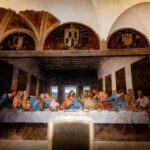
Line A: Castello, Cenacolo, and the Duomo axis
Line A is the most “iconic Milan” oriented. It’s built around a corridor of famous landmarks, so it’s a good first loop if you want immediate highlights.
Key stops on Line A include:
- Castello
- Cadorna
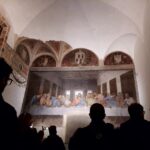
- Cenacolo
- Corso Magenta
- Duomo
- Monte Napoleone
- Manin
- Moscova
Why this line is useful: it connects the city’s medieval/royal landmarks to the grand central shopping streets. You can ride through for the big views, then hop off near the Duomo to explore on foot—or jump on again when you’re done to reposition yourself without tiring your legs.
A practical tip: if you want to linger near major sights, plan for crowds. Around the Duomo, you can expect hectic street energy. One review even mentioned customer service handling the area’s chaos, which is exactly when having staff nearby helps.
More Great Tours NearbyLine B: Duomo out to Porta Venezia and the station zone
Line B starts in the Duomo area, then stretches toward other central neighborhoods. Stops include:
- Duomo
- Monte Napoleone
- Manin
- Repubblica
- Palazzo Lombardia
- Stazione Centrale
- Buenos Aires
- Porta Venezia
- San Babila
This line works well if you like the Milan mix: sleek business architecture paired with lively walking streets. It also makes sense if you’re staying near transit or want an easy route that moves you between major districts without multiple transfers.
If you’re the type who uses a hop-on bus to get oriented before booking museum or food plans, Line B is a strong choice because it passes through areas that feel different from block to block.
You can also read our reviews of more city tours in Milan

Line C: Sforza-area green spaces to San Siro
Line C is the long one, and for many people it’s the “wow, that’s far” loop. You’ll see more of the city’s breadth, and it’s the line that includes several major stops tied to the western side and big stadium territory.
Stops on Line C include:
- Castello
- Triennale
- Arco della Pace
- City Life
- Casa Milan
- Mico – Congress Centre
- Lotto – Montebianco
- Lido
- Ippodromo
- Stadio San Siro
- Lotto – Monterosa
- Buonarroti
- Pagano
- Conciliazione
- Parco Sempione
Why ride this line: San Siro looks huge from the bus, and Parco Sempione gives you a breather if you want some green space. You also get a sense of how Milan modernizes as you move away from the older core.
A small note: multiple riders mentioned that some sights repeat across circuits. Line C can feel like that too if you stay on too long. The fix is simple: hop off when you find a neighborhood you like, rather than trying to force every stop into a single day.
Line D: Navigli canals, Piazza XXIV Maggio, and Brera
If you want Milan’s more relaxed, character-filled side, Line D is one to target. It includes:
- Castello
- Cadorna
- Cenacolo
- Navigli
- Piazza XXIV Maggio
- Duomo
- Monte Napoleone
- Brera
This line makes sense when you’re aiming for the classic “canals and nightlife streets” Milan feel. Navigli and Brera are both places you’ll want to walk slowly, not rush through from the bus window.
One practical reality: busy transfers can get crowded. A few reviews mentioned buses being packed when switching lines. So if you’re going during peak hours, aim to transfer at a less rushed time when you can, or expect to stand briefly while the bus loads.
The audio guide: 10 languages and a kids version
The audio guide is included, and it’s available in 10 languages: Spanish, Chinese, English, French, German, Italian, Russian, Portuguese, Japanese, and Arabic. There’s also a special children’s audio commentary, which is a nice touch for families who want everyone to stay engaged.
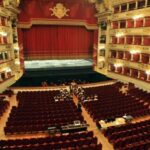
In terms of learning, the commentary covers both big landmarks and “small detail” topics—factual notes about places like the Opera House and Castello Sforzesco, plus local food stories. The info includes mentions of Cotoletta alla Milanese and the history of panettone, so even if you only get off for short walks, you’ll connect what you’re seeing with what you might eat later.
One caution from reviews: a few passengers reported that audio didn’t work at certain seats. The helpful workaround mentioned was switching seats to find one where the audio plug/headphone system worked. If audio matters to your day, check it early after you board so you’re not stuck listening to silence later.
Onboard Wi‑Fi and maps: what they’re good for
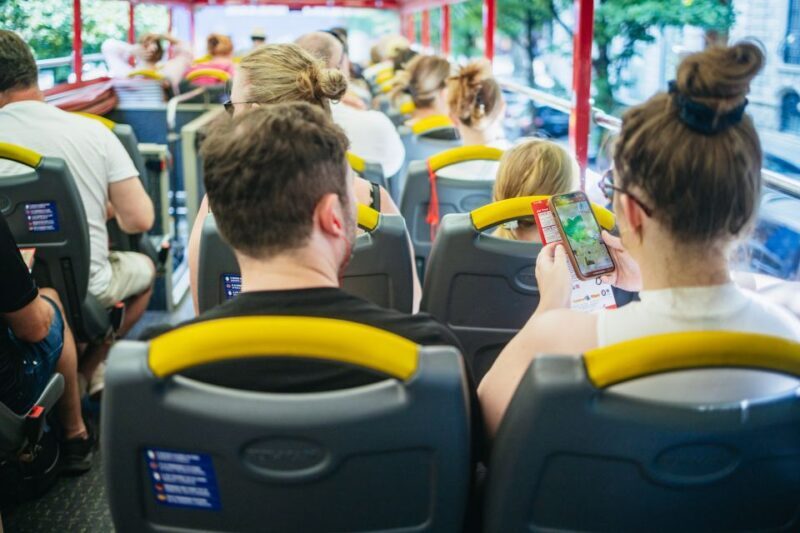
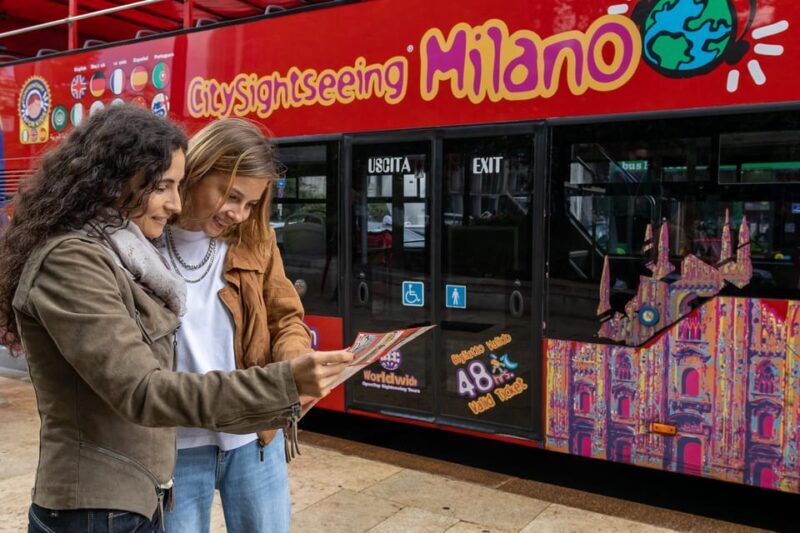
You get Wi‑Fi onboard and a city tour map. That combination is underrated. It helps you:
- plan which stops you care about most before you hop off
- confirm walking connections from a stop area to a destination you already have in mind
- avoid guesswork if you’re waiting for a transfer
Also, one review suggested checking whether a stop is near your accommodation so you can turn the bus into a kind of free shuttle. Even if you still walk some, less “first mile” hassle is always a win.
Timing and frequency: what to expect in real Milan traffic
In theory, hop-on hop-off buses are designed for smooth hopping. In reality, Milan is busy. Multiple reviews mentioned that traffic lights and city congestion can delay the buses, and that wait times between transfers may feel long—someone even said about 50 minutes.
So my practical advice:
- Don’t stack two “must be there” plans right after a transfer.
- If you’re visiting a timed attraction, treat the bus as your getting-there tool, not your guarantee.
- If you only have one full day, choose one or two lines and do them well. Reviews also suggest that 24 hours may be enough for many travelers, while 48 hours gives you more breathing room.
Comfort and practicalities on the bus
Most riders described the ride as easy and comfortable, with buses showing up often enough to keep the day moving. Many also praised staff as friendly and professional.
There were also mixed mentions about equipment quirks:
- Some people said audio didn’t work for certain seats
- A couple said you may hear occasional speaker issues, though they were able to work around it
- A few mentioned the sense that transfers can happen at busier times, making the bus packed
If you’re sensitive to these details, the best move is simple: start with a quick seat check for audio, then settle in. If something isn’t right, don’t wait—ask staff or switch seats right away.
Value for money: how $26 turns into real sightseeing time
The price listed is $26 per person, and the main question is what you can actually get for that.
Here’s the value logic I see:
- Four lines cover major Milan districts without you planning complex routing from scratch
- Hop-on hop-off access means you can spend your time where you care most, not where your legs can handle
- The audio guide adds context as you ride, so you’re not just traveling—you’re learning
- Wi‑Fi and maps reduce navigation stress
One rider even described it as a great way to see a lot of places when you don’t have enough days. That’s the heart of the value: it helps you compress your orientation into a manageable timeframe.
Bonus value for weekends in summer: if you buy the 72h rate valid for the weekend (Saturday and Sunday) from June to September, the Milan Night Tour is included. That’s a meaningful add-on if your schedule matches the dates.
Free walking tour in the app (and how to use it)
The package includes a free walking tour in the mobile app, offered in 5 languages. Walking tours are where the bus can’t do the last mile.
If you’re the type who likes to connect dots—architecture to neighborhood life—use the walking tour after one loop on the bus. You’ll already recognize streets and landmarks, and the walking part will feel more personal and less “random stroll.”
Important schedule notes and possible disruptions
Travel plans sometimes need flexibility, and the provider builds in some.
- You can cancel up to 24 hours in advance for a full refund
- There’s a reserve now & pay later option, so you can keep plans flexible
- For the Winter Olympic Games, there may be disruptions: Green Line Stop n.2 will be closed during the long period of the Games
- On Saturday February 21, Stop Castello may be suspended
These don’t mean you should skip the bus. They just mean you should check your specific travel date and plan your stops accordingly.
A quick reality check: similar tours and ticket mix-ups
One reviewer warned that there are two different companies that organize similar tours, and this one is the original. That’s a good reminder to book with the correct operator and make sure your voucher and meeting instructions match what you see on the ground.
Another review mentioned an issue where the information office didn’t work and it took time to change vouchers into tickets. If your plans run tight, arrive a bit early rather than at the last possible moment—especially on busy days.
About the wine comment people mention (and what it likely means for you)
You asked me to pay attention to excellent wine selection. One review in the list mentioned both winery settings being beautiful and included countryside presentations. That reads like a separate countryside-style experience rather than the core Milan hop-on hop-off city loops described here.
So here’s the practical takeaway: this bus tour is for Milan neighborhoods and landmarks. If you want wine, keep an eye on optional add-ons or other day trips tied to your booking, but don’t assume wine stops are part of the city loop itself.
Milan: City Sightseeing Hop-On Hop-Off Bus with Audio Guide
Should you book this Milan hop-on hop-off bus?
If you’re asking whether this is worth it, I’d book it if:
- You want easy orientation in your first 1–2 days
- You’d rather choose your stops than follow a rigid guided group schedule
- You value an included audio guide in multiple languages
- You want a practical way to see a wide slice of Milan without wearing out your feet
I’d think twice if:
- You have extremely tight timed plans that depend on exact bus timing
- You’re easily frustrated by delays caused by heavy traffic
- You’re hoping the bus will replace walking for every sight (it won’t; Brera and Navigli reward strolling)
My final advice: use the bus like a planning tool. Pick one or two lines for your big targets, hop off to explore the neighborhoods you like, and return when you need repositioning. Do that, and the $26 price starts to make sense fast.
You can check availability for your dates here: