
When you’re planning a Mt. Fuji day trip from Tokyo, you face a familiar traveler’s dilemma: join hundreds of people on a standard bus tour with rigid timing, or go it alone and navigate Japan’s train system while stressed about logistics. This private tour offers a genuinely appealing middle ground that deserves serious consideration if you value both comfort and flexibility.
We particularly appreciate two things about this experience. First, the door-to-door luxury pickup from your Tokyo hotel means you actually get to relax before your day even begins—no early-morning scramble to a train station, no figuring out which platform you need. Second, the itinerary balances the famous photo stops everyone wants with lesser-known villages and viewpoints, which suggests the operator understands that the best Mt. Fuji experience goes beyond just the postcard shots.
One thing worth considering: at 10 hours total, this is a full day of activity. While that sounds like a lot, it’s actually reasonable given the distance from Tokyo and the number of stops included. Just don’t expect a leisurely pace—you’ll be moving between locations with purpose.
This tour works best for photography enthusiasts, families who want comfort without the stress of public transportation, and travelers who appreciate having a guide handle the driving while they focus on the scenery.
- The Real Value Proposition: Why Private Makes Sense Here
- Breaking Down the Itinerary: What You’ll Actually See
- What’s Included, What’s Not, and Why It Matters
- Practical Considerations: Timing, Group Size, and Flexibility
- The Cancellation Policy: Real Flexibility
- Who Should Book This Tour, and Who Might Choose Something Else
- Comparing the Value to Similar Options
- Final Thoughts on the Experience
- Frequently Asked Questions
The Real Value Proposition: Why Private Makes Sense Here
 1 / 8
1 / 8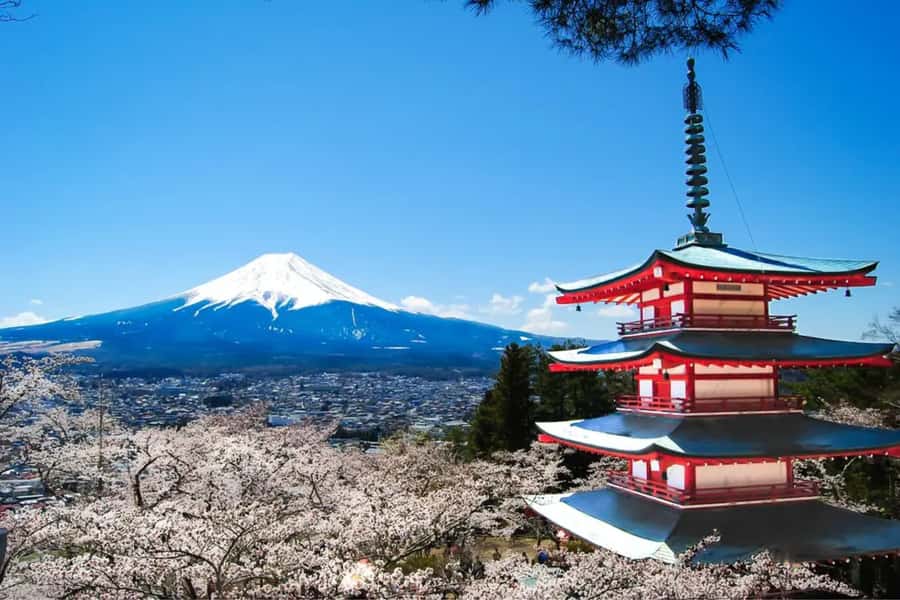 2 / 8
2 / 8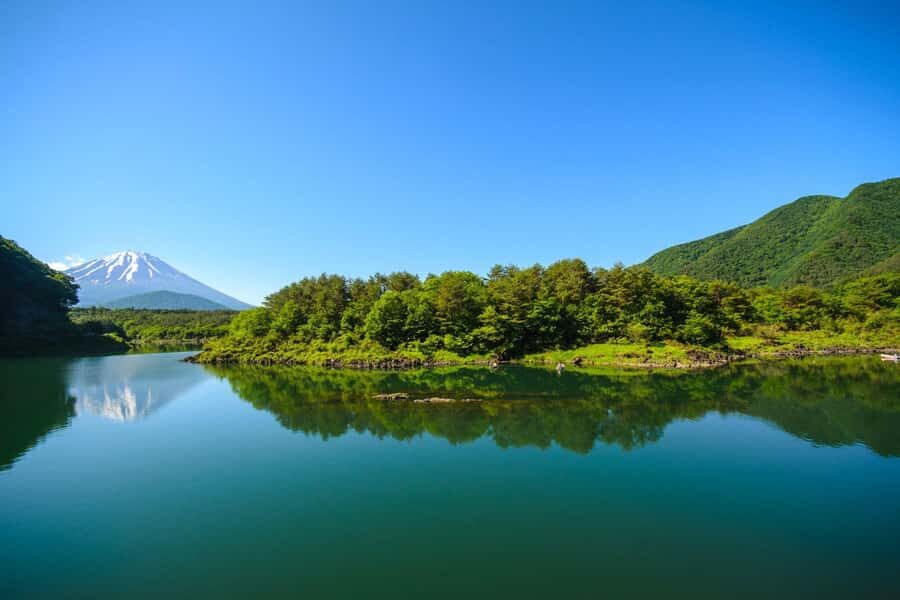 3 / 8
3 / 8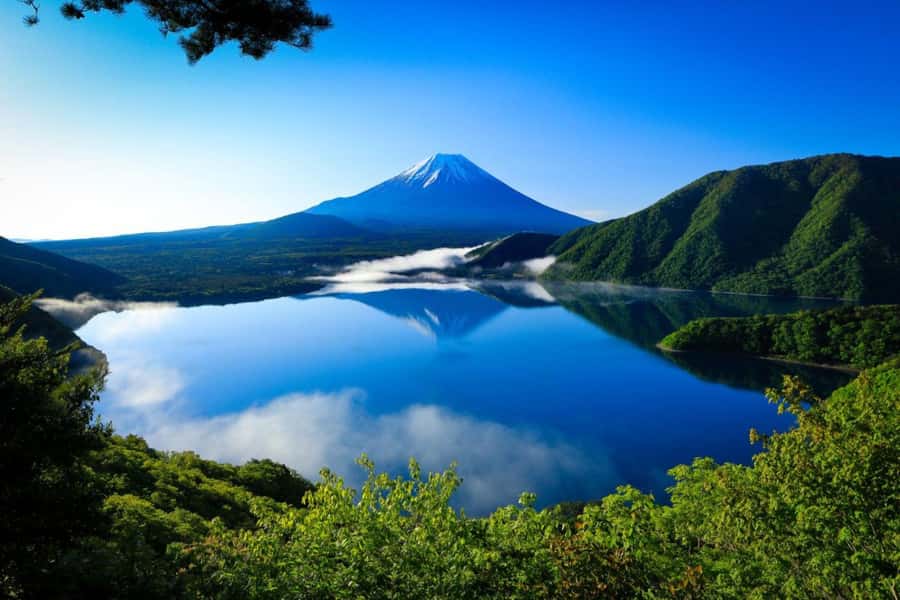 4 / 8
4 / 8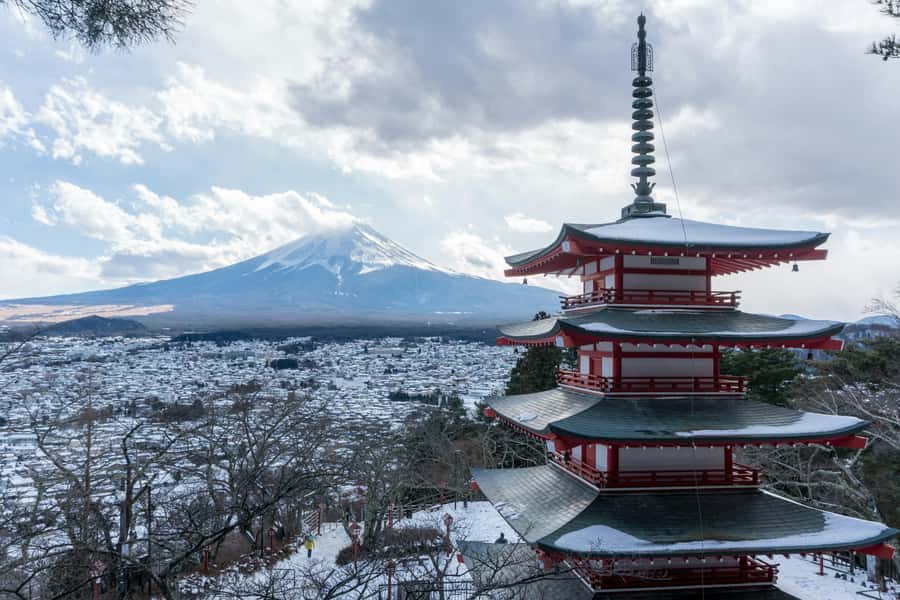 5 / 8
5 / 8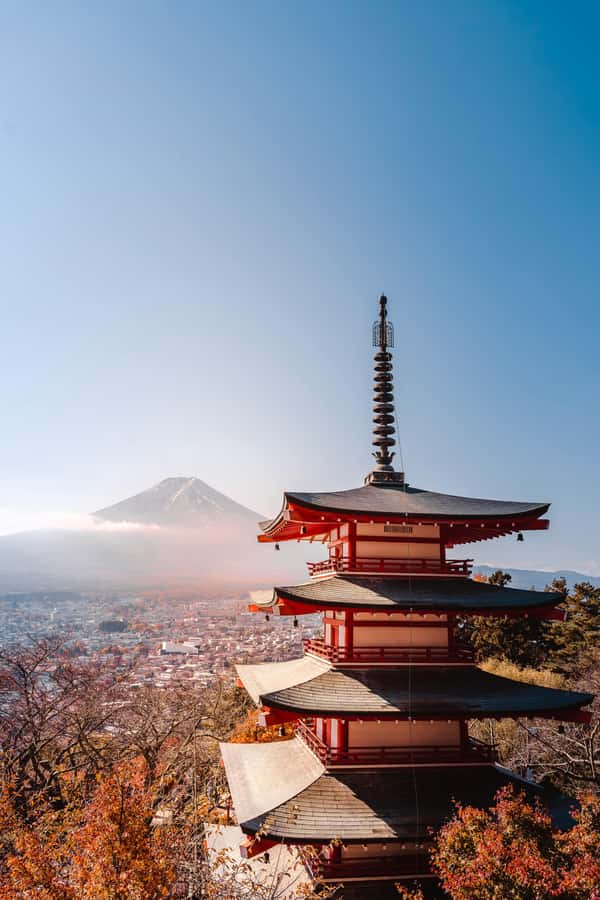 6 / 8
6 / 8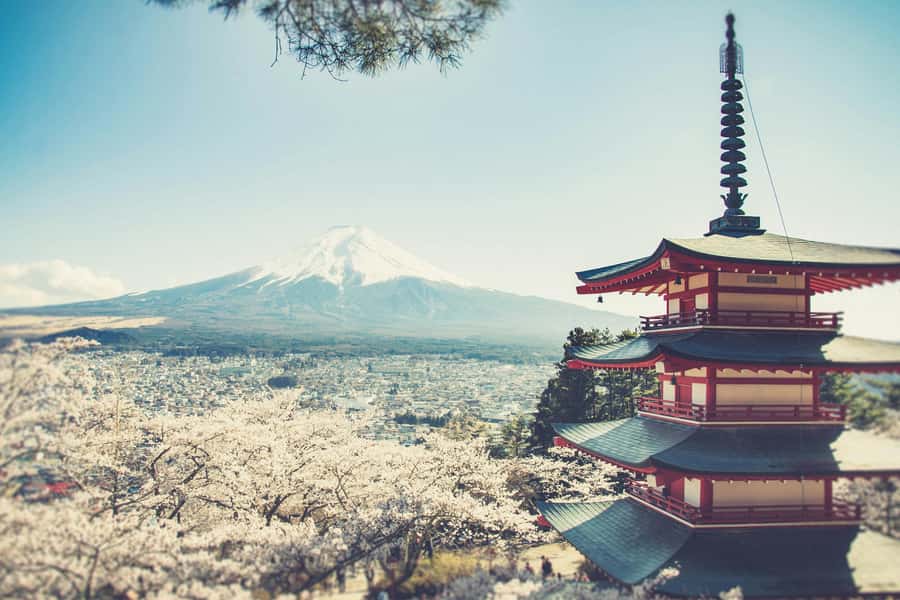 7 / 8
7 / 8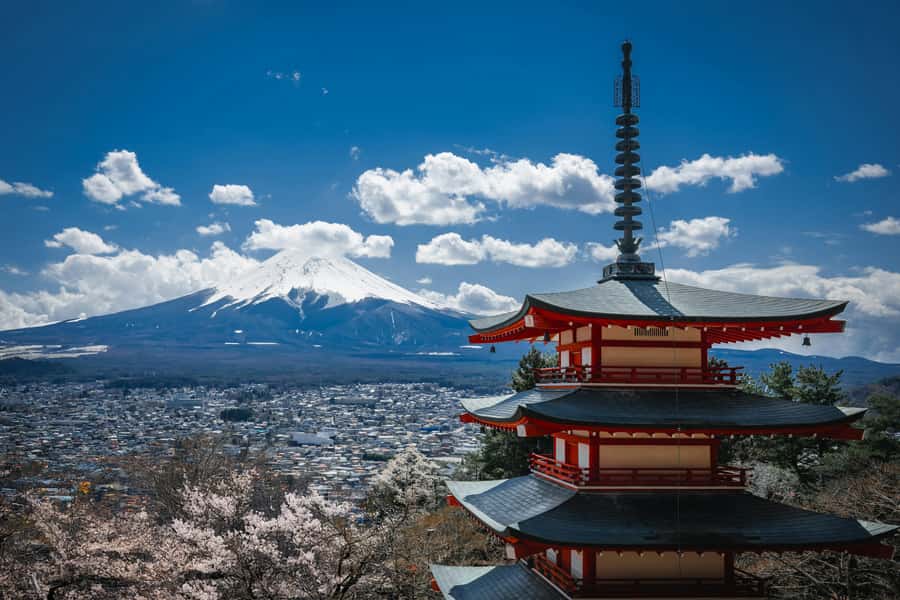 8 / 8
8 / 8At $499 for a group of up to five people, you’re looking at roughly $100 per person if you’re traveling with four others. Compare that to typical group tours (usually $80-120 per person) and you might wonder if the private option is worth the premium. Here’s where the math gets interesting.
When you book a group tour, you’re paying for efficiency—the operator gets 40 people on a bus and spreads costs across everyone. But you’re also paying with your time and flexibility. You’ll stop when the guide decides, for as long as the guide decides. You’ll eat lunch at the designated restaurant. If you want to spend an extra 20 minutes at a viewpoint because the light is perfect, you can’t.
A private tour inverts that equation. You’re paying more per person, but you’re buying back control. The guide works for your group, not the other way around. You want to spend 45 minutes at Chureito Pagoda instead of 15? Done. You’d rather skip Gotemba Outlets and grab lunch at a local spot instead? The driver adjusts. This flexibility alone justifies the cost for many travelers, especially photographers and families with young children.
The vehicle itself—a premium Toyota Alphard—matters more than it might seem. These are genuinely comfortable cars with good climate control and space to spread out. After a long morning of walking and climbing, having a pleasant environment for the drive between stops actually affects your overall experience. You’re not wedged next to strangers; you’re with your own group in a car that feels more like a luxury shuttle than a tour bus.
You can check availability for your dates here:Breaking Down the Itinerary: What You’ll Actually See
Chureito Pagoda: The Most Famous View in Japan
Your day starts with a scenic drive from Tokyo toward the Fuji Five Lakes region. The first major stop is Chureito Pagoda, and this deserves explanation because it’s become so famous it’s almost a cliché—but there’s a reason millions of people have this exact image on their phone.
The pagoda sits on a hillside overlooking Lake Kawaguchiko with Mt. Fuji rising behind it. The approach involves climbing the “Sakuya-hime” steps, which sounds more dramatic than it is—we’re talking a moderate uphill walk, not a serious hike. The reward is immediate: you get that iconic view where the red five-story pagoda frames the snow-capped peak of Mt. Fuji. On a clear day, it’s genuinely one of the most photogenic spots on Earth.
The thing about this stop is timing matters enormously. Morning light, midday light, and afternoon light all create different moods. With a private guide, you can coordinate your visit to match the light conditions you want. Group tours hit this spot at fixed times, which might mean harsh midday sun or already-departing afternoon light. Your guide knows this terrain and can position you accordingly.
Oishi Park and the “Reverse Fuji” Reflection
The next stop, Oishi Park, sits on the shores of Lake Kawaguchiko and offers something different from the pagoda view. The park is known for seasonal blooms—cherry blossoms in spring, red maple in fall—and for the possibility of capturing Mt. Fuji’s reflection in the still water of the lake, often called the “Reverse Fuji.”
This is another photography opportunity, but it’s also a chance to simply walk around and breathe the mountain air. The pace here feels different from the pagoda stop. You’re not climbing; you’re strolling through a park, and there’s something restorative about that. Your guide can point out the best spots for reflections and explain what you’re seeing, but there’s also time to just enjoy the landscape without constant instruction.
The Panoramic Ropeway: 360-Degree Views
The Mt. Kachi Kachi Ropeway ascends 1,075 meters via cable car to Fujimidai Station, and this is where the tour shifts from photography stops to genuine mountain experience. You’re not climbing Mt. Fuji itself—that’s a separate multi-day commitment. Instead, you’re using a cable car to reach a high vantage point that offers what the tour description accurately calls “360-degree” views.
From the observation deck, you see Lake Kawaguchiko spread out below, the surrounding mountains, and Mt. Fuji dominating the landscape. The perspective here is different from ground level—you’re seeing how massive the mountain actually is relative to everything around it. On clear days, this is genuinely spectacular. On cloudy days, you might see less, but the cable car ride itself is scenic regardless of conditions.
This stop typically involves 45 minutes to an hour of time in the area, which is enough to ride the ropeway up, spend time at the observation deck, and ride back down without feeling rushed.
Oshino Hakkai: A Step Back in Time
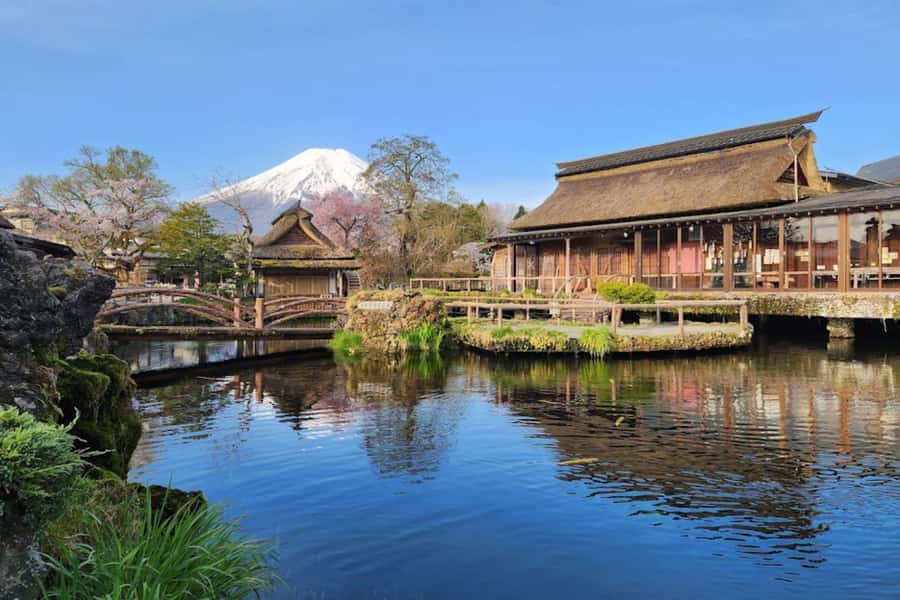
Oshino Hakkai is a UNESCO World Heritage site that represents what rural Japan looked like before modernization swept through. The village features traditional thatched-roof houses, crystal-clear ponds fed by snowmelt from Mt. Fuji, and a genuinely preserved sense of old Japan. This is the part of the tour that goes beyond the typical “famous views” itinerary.
Walking through the village, you’ll see how people actually lived in these mountain communities. The water in the ponds is so clear you can see the bottom, and it’s cold enough to be refreshing on a warm day. There are small shops selling local snacks and crafts, and you’re free to explore at your own pace with your guide available for context and recommendations.
What makes this stop valuable is that it breaks up the day with something different. You’ve done major photo ops; now you’re experiencing a place where people actually live (though it’s certainly a tourist destination too). It’s a reminder that Mt. Fuji tourism isn’t just about the mountain itself—the entire region has culture and history worth exploring.
Mt. Fuji 5th Station: Above the Clouds
The 5th Station is the highest point accessible by car on Mt. Fuji. You don’t climb; you drive up to approximately 2,300 meters elevation. The experience here depends heavily on weather, which the tour description honestly notes.
On a clear day, you’re standing above most of the clouds looking at the mountain from a completely different perspective. There are shrines, shops, and a genuine sense of altitude. The air is noticeably thinner, and the landscape looks almost alien compared to sea-level Japan. On a cloudy or hazy day, visibility might be limited, but you’re still at elevation experiencing the mountain environment.
The tour includes this stop as “weather permitting,” which is realistic. Your guide will make the call based on conditions, and if visibility is poor, they might spend less time here or suggest spending it elsewhere. This is where having a knowledgeable local guide actually saves you from wasting time at a cloudy viewpoint.
Gotemba Premium Outlets: Shopping with a View
The final stop is optional, and this is worth understanding. Gotemba Premium Outlets is Japan’s flagship outlet mall with over 200 international brands. You can see Mt. Fuji in the background while shopping, which is admittedly a surreal experience—where else can you buy discounted designer goods with a snow-capped volcanic peak as your backdrop?
This stop works well if you actually want to shop. If you don’t, your guide will happily skip it and head back to Tokyo, or suggest an alternative lunch spot instead. This flexibility is exactly what you’re paying for with a private tour.
What’s Included, What’s Not, and Why It Matters
The tour includes pickup and drop-off from your Tokyo hotel, which eliminates the logistics nightmare of getting to and from Mt. Fuji. It includes the vehicle, driver, fuel, parking, and tolls—essentially, everything related to transportation is covered. Your guide speaks English and can provide information and context throughout the day.
Meals are not included, which is worth planning for. A 10-hour day means you’ll want lunch, and possibly snacks. Your guide can recommend local restaurants, but you’re responsible for costs. This is actually standard for private tours and keeps the price reasonable—if meals were included, the per-person cost would be notably higher.
The tour includes “casual travel snapshots,” which means your guide will take photos of you at various stops. This isn’t a professional photography service, but it means you’ll have pictures of your group at famous spots without having to ask random travelers to take photos.
What you need to bring is straightforward: comfortable walking shoes (you’ll do moderate walking at several stops), a camera, and weather-appropriate clothing. Mt. Fuji weather changes rapidly, so layering is smart even if it’s warm in Tokyo.
Practical Considerations: Timing, Group Size, and Flexibility
The 10-hour duration is accurate and includes driving time. You’re not hiking for 10 hours; you’re experiencing Mt. Fuji and its surroundings for 10 hours total. This typically means a 7:00 or 8:00 AM pickup from your hotel, with return around 5:00 or 6:00 PM. Exact times depend on your hotel location and traffic, but your guide will coordinate this with you when you book.
The group size—up to five people—is important. This is small enough that you feel like you have a private guide, but large enough to share costs if you’re traveling with friends or family. Five people in a Toyota Alphard is comfortable; you’re not cramped. If you’re traveling solo or as a couple, you’re still getting the full private experience, but the per-person cost is higher.
The customization angle is significant. The itinerary shown is the standard route, but your guide can adjust based on your interests. If you’re serious about photography, you can spend more time at the best light locations. If you have young children who tire easily, you can skip certain stops or shorten the ropeway visit. This responsiveness to your group’s needs is what separates private tours from group experiences.
The Cancellation Policy: Real Flexibility
You can cancel up to 24 hours in advance for a full refund. This is genuinely valuable because Mt. Fuji weather is unpredictable. If a typhoon is forecast or visibility is terrible, you can cancel without penalty. You can also book now and pay later, which lets you secure your spot without committing funds immediately.
This matters because it removes the “what if the weather is bad” anxiety. You’re not locked into paying for a tour you might not want to do.
More Great Tours NearbyWho Should Book This Tour, and Who Might Choose Something Else
This tour makes sense if you:
Want to see Mt. Fuji and its famous viewpoints without navigating public transportation. You have a group of 2-5 people who want to travel together comfortably. You value flexibility and want to adjust the itinerary based on your interests or energy levels. You’re interested in photography and want to time your visits for good light. You want a knowledgeable local guide without the hassle of planning.
You might consider a group tour if you:
Are traveling solo and want to meet other travelers (group tours attract more social interaction). Are on a very tight budget and want to minimize per-person costs. Prefer a set itinerary with no decisions to make. Don’t mind being on a bus with 30-40 other people.
You might skip Mt. Fuji tours entirely if you:
Are hiking Mt. Fuji itself—that’s a different experience altogether and takes 2-3 days. Only want to see Mt. Fuji from Tokyo (you can do that from certain viewpoints without a day trip). Are in Japan for a very short time and need to prioritize other regions.
Comparing the Value to Similar Options
The tour listing includes links to similar Mt. Fuji experiences, which is useful context. Other private Mt. Fuji tours in the Tokyo area typically range from $400-600 per group, so this sits in the middle of the market. The inclusion of the ropeway, multiple viewpoints, and a village visit suggests good value compared to simpler tours that might just hit the pagoda and a lake viewpoint.
Group tours cost less per person (usually $80-120), but remember you’re getting fundamentally different experiences. The private tour is worth the premium if flexibility and comfort matter to you. The group tour is better value if you just want the highlights and don’t mind crowds.
Final Thoughts on the Experience
This Mt. Fuji private day tour delivers genuine value for travelers who want comfort, flexibility, and a comprehensive experience of the region around Japan’s most iconic mountain. The itinerary balances famous photo stops with less-crowded cultural sites, the vehicle is genuinely comfortable, and the ability to customize your day based on your interests and energy levels is worth the premium over group tours. At $499 for up to five people, you’re looking at $100 per person in a group of five—comparable to a group tour but with significantly more control over your experience.
The tour works best for families wanting comfort without logistics stress, photography enthusiasts who need flexibility with timing and light, and travelers who appreciate having a knowledgeable local guide handle navigation while they focus on experiencing the landscape. If you value your time and want to see Mt. Fuji without the crowds and rigid schedules of mass-market tours, this is a smart choice.
Mt. Fuji Private Day Tour: Luxury Car, Pagoda & Hidden Gems
Frequently Asked Questions
Q: What time does the tour start and end?
A: Tours typically start with a 7:00-8:00 AM pickup from your Tokyo hotel and return around 5:00-6:00 PM, depending on your hotel location and traffic. Exact times are confirmed when you book.
Q: Is lunch included in the price?
A: No, meals are not included. However, your guide can recommend local restaurants at various stops, and you’re free to eat wherever you’d like during the tour.
Q: What happens if the weather is bad?
A: You can cancel up to 24 hours in advance for a full refund if weather conditions are poor. Your guide will also adjust the itinerary based on real-time conditions—for example, spending less time at the 5th Station if visibility is limited.
Q: Can I skip the Gotemba Outlets stop?
A: Yes, absolutely. The outlets are listed as optional. If you don’t want to shop, your guide will either skip this stop entirely or suggest an alternative, like a local lunch spot instead.
Q: How much walking is involved?
A: Moderate walking at multiple stops. The Chureito Pagoda climb is a gentle hillside walk, Oishi Park is a casual stroll, and the ropeway involves walking to and from the cable car station. The 5th Station walk depends on how much you want to explore, but it’s not a serious hike.
Q: Can the itinerary be customized?
A: Yes, the tour is fully customizable. You can adjust stops, timing, and pacing based on your interests and energy levels. Discuss your preferences with your guide when you book.
Q: What should I bring?
A: Comfortable walking shoes, a camera, and weather-appropriate clothing. Mt. Fuji weather changes rapidly, so layering is recommended even if it’s warm in Tokyo.
Q: How many people can fit in the vehicle?
A: The tour accommodates up to 5 people. The Toyota Alphard is spacious enough for this group size to be comfortable, with room to spread out between stops.
Q: Can I book this tour last-minute, or do I need to reserve in advance?
A: You can book now and pay later, which gives you flexibility. Availability depends on the guide’s schedule, so booking a few days in advance is recommended during peak seasons. The 24-hour cancellation policy means you can secure your spot without immediate payment.
You can check availability for your dates here: