
If you want a Paris food night that’s more than just eating, this cooking class is a strong bet. You’ll either jump straight into a hands-on French 3-course dinner session, or go for the longer option that starts with a market visit in the Latin Quarter for ingredients you’ll cook with.
Two things I really like about it: you get clear, practical instruction from an experienced guide (many guests mention chefs like Luc, Frédéric, Paolo, or Luke), and the meal lands as something you actually learn to recreate, not just watch. Plus, wine and pairing are part of the experience, not an afterthought.
One thing to consider: the longer, market-included evening can run late, and you should be ready for a full cooking-and-dining block. Also, dietary needs are limited—vegan or dairy-free diets aren’t accommodated in regular classes—so plan accordingly.
- Key Highlights at a Glance
- The Two Ways to Do This Evening (4.5 vs 6 Hours)
- Where You Meet in Paris: Mabillon and a Smooth Start
- Small Group Cooking: Why Max 12 Travelers Matters
- Latin Quarter Market Visit: Shopping With a Purpose (When Included)
- Building Your 3-Course Dinner Like a Paris Cook
- Hands-On Cooking: Techniques You Can Actually Use at Home
- Eating What You Cook: Dinner, Wine, and Cheese Pairing
- The Culture Talk After Dinner: Traditions, Customs, and Dining Rhythm
- Value Check: What You’re Paying For at 2.74
- Logistics and Rules You Should Know Before Booking
- Who This Is Best For (And Who Might Skip It)
- Book It or Skip It? My Straight Answer
- FAQ
- FAQ
- How long is the Paris evening cooking class?
- Does this include a visit to a food market?
- Is the class offered in English?
- What does the wine include?
- Is there an age limit?
- Can the class accommodate vegan or dairy-free diets?
- Where do I meet for the tour?
Key Highlights at a Glance
 1 / 5
1 / 5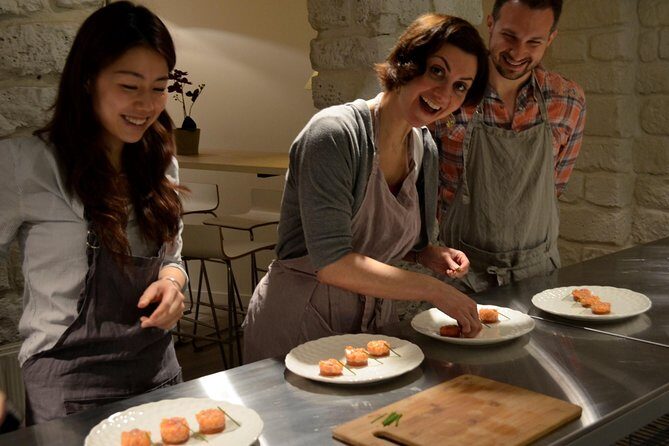 2 / 5
2 / 5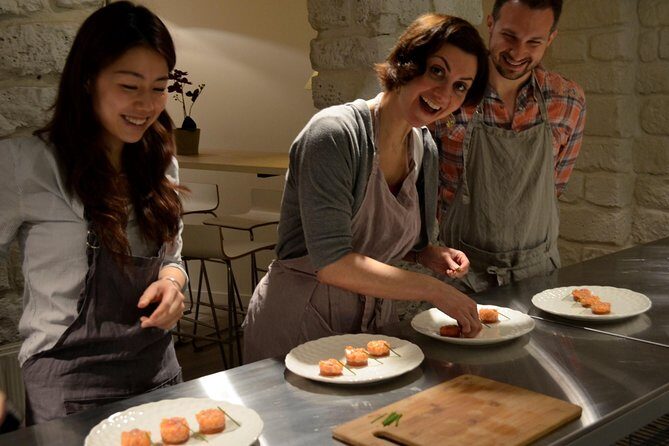 3 / 5
3 / 5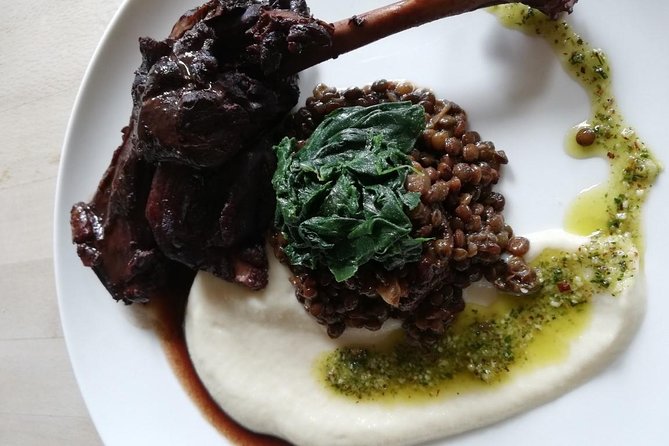 4 / 5
4 / 5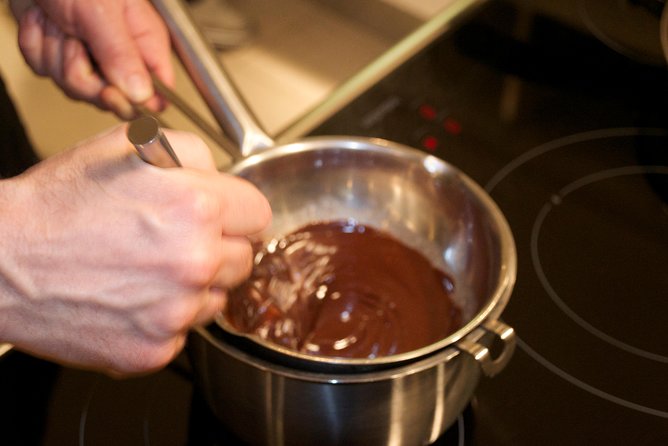 5 / 5
5 / 5- Latin Quarter market visit (optional): wander stalls with your instructor and buy ingredients with purpose
- Small group size (max 12): more personal attention, easier questions, better pace
- Hands-on cooking of a 3-course menu: starter, main, dessert you’ll eat together
- Wine and pairing included: you’ll have white and red with your meal plus cheese pairing
- Recipes sent electronically: take the plan home so you can cook it again
The Two Ways to Do This Evening (4.5 vs 6 Hours)
You’ll see two class lengths, and choosing the right one is usually the difference between a quick, satisfying dinner class and a full evening that feels like a mini food journey.
If you choose the shorter format (about 4.5 hours), you’ll head to the cookery school early evening, meet your instructor, and start with planning your 3-course menu, then cook.
If you choose the longer format (about 6 hours), you get the extra step that many travelers love: an open-air market visit in the Latin Quarter to pick up ingredients first. Then you cook for about 2 hours and sit down for the meal.
If you’re on a tight schedule, the shorter class makes sense. If you want the “Paris food night” feeling—shopping, smelling, bargaining your way through the market rhythm—go for the longer version.
Where You Meet in Paris: Mabillon and a Smooth Start
The activity starts in the Mabillon (75006) area, and it ends back near the meeting point. You’ll be close to public transportation, which matters because you’re likely to combine this with other evening plans.
There’s also an important detail: there can be two departure points depending on which option you select, so check the address in your voucher. That small step can save you stress right before class.
You’ll also get a mobile ticket, and you’ll receive confirmation at the time of booking, which helps if you’re coordinating multiple reservations.
Small Group Cooking: Why Max 12 Travelers Matters
This is capped at 12 travelers, and that’s a big deal in a cooking class.
With smaller groups, you can actually hear your instructor, ask questions while they’re demonstrating, and get help if your technique is off. Guests consistently mention guides who stay patient and interactive, including chefs like Paolo and Luc, and that kind of teaching style is easier to pull off when the kitchen isn’t overcrowded.
You’ll also meet fellow travelers in a way that’s not forced—shared chopping, shared cooking tasks, then shared table time. Several guests highlight the social side as part of the value, not just the food.
Latin Quarter Market Visit: Shopping With a Purpose (When Included)
If you choose the 6-hour option, your evening begins with a market stop in the Quartier Latin. You’ll wander with your instructor and pick out ingredients for the dishes you’ll make.
This part is less about checking a tourist box and more about learning the logic behind French cooking choices: why certain produce works, what ingredients you should look for, and how chefs build a menu around what’s available.
A practical note: one guest mentioned it can be harder to hear during a busy Saturday market visit. If you’re sensitive to noise or you hate repeating yourself, just keep that in mind and know your instructor will guide you through the shopping and planning.
Even if you’re not a big foodie, the market visit tends to be memorable because it connects directly to your dinner. You’re not only tasting later—you’re helping choose what ends up on the plate.
Building Your 3-Course Dinner Like a Paris Cook
Before you start cooking, you’ll plan the meal. The format is simple but effective: your instructor helps you map out a 3-course menu, then you go to work.
The sample menu gives you a clear idea of what “French dinner class” means here:
- Starter: salmon tartare with yuzu
- Main: Parisian-style coq au vin
- Dessert: poached peach, raspberry coulis, and homemade vanilla ice cream
Even if menus change with the season, the skill set stays similar: balancing flavors, using classic French technique steps, and making components that feel “restaurant” even when you’re in a classroom kitchen.
One of the best parts of this planning stage is that it gives you context. You start cooking with a reason for each step, not just a list of instructions.
Hands-On Cooking: Techniques You Can Actually Use at Home
The cooking time is about 2 hours, and it’s structured so you’re not standing around. You’ll prep, cook, and build your dishes with your instructor guiding you throughout.
A few things travelers seem to love here:
- You get technique, not just recipes. Guests mention learning practical methods and how to handle ingredients more confidently.
- You’re working in stages. The class is paced so you can keep up, then finish with enough time to enjoy dinner.
- You’re encouraged, not judged. Several reviews describe guides who stayed funny and supportive, even when participants had little experience.
One standout detail from guest stories: instructors are comfortable teaching “fear factor” tools. One person mentioned using a mandoline, and the guide made it feel safer and more manageable. That kind of hands-on confidence is exactly what you want from a class like this.
Also, you’ll have required equipment and attire provided, so you aren’t showing up wondering what apron you need or what gear you forgot.
Eating What You Cook: Dinner, Wine, and Cheese Pairing
After cooking, you’ll sit down for your 3-course dinner with the people in your group. This is where the class payoff shows up.
Wine is included, and the data is clear: you’ll have white and red wine with your meal, described as the equivalent of about half a bottle per person. Guests often bring up the wine positively, and for many travelers that makes the evening feel like a complete experience.
There’s also a cheese pairing component. You’ll sample one French cheese and learn about food-and-wine pairing—why the pairing works and what to listen for in flavor.
Bottom line: you’re not leaving right after cooking. You’re fed, you’re tasting, and you’re learning how the flavors fit together.
The Culture Talk After Dinner: Traditions, Customs, and Dining Rhythm
After you finish your meal, your host shares insights into traditions and customs related to French culture and cuisine.
This is the “why it matters” section. It turns the evening from cooking class into a small slice of how French dining works—how ingredients are valued, how meals are structured, and how people talk about food.
It’s not a museum lecture. It’s more like conversation, which tends to land well after dinner when everyone’s relaxed and curious.
Value Check: What You’re Paying For at $252.74
At around $252.74 per person, this isn’t the cheapest activity in Paris. But it also isn’t priced like a generic demo.
Here’s what you’re actually getting in the total package:
- Professional instruction in a small group (max 12)
- Ingredient shopping in the Latin Quarter (if you choose the longer option)
- A complete 3-course dinner you prepare yourself
- Wine included (white and red with your meal)
- A cheese pairing moment
- Electronic recipes for later cooking
- A complimentary Drop-Stop tool for a cleaner pour at home
When I think about value for this kind of experience, I look for three things: skill you can reuse, meal quality, and how “whole” the experience feels. This checks those boxes because you do the shopping (optional), you do the cooking, and you do the eating and pairing as part of one flow.
It also helps that the format is English-only. You’re not paying extra just to figure out translation.
Logistics and Rules You Should Know Before Booking
A few practical details can shape your experience:
- Language: classes are only offered in English
- Minimum age: 12 years old
- Unaccompanied children: not accepted
- Drinking age: 18 years (wine is included as part of the dinner experience)
Dietary restrictions are the big one. You can advise specific dietary requirements at booking, but the data is direct: vegan or dairy-free diets can’t be accommodated in the regular classes. If you’re dairy-free or vegan, you’ll want to look for another option.
You’ll also want to keep in mind that departures can differ depending on option selected, so read your voucher carefully.
Who This Is Best For (And Who Might Skip It)
This works especially well for:
- Travelers who want a skill-based food experience, not just tasting
- Couples and friends looking for a fun group dinner night
- People who enjoy wine pairing and want an easy, guided way to learn
- Anyone who wants to leave with recipes and technique they can repeat
You might want to skip or reconsider if:
- You need strict vegan or dairy-free accommodation (not available in regular classes)
- You dislike longer evenings, since the market-inclusive format can take you from early evening to later dinner time
- You want a purely silent, self-guided activity—this is interactive by design
Book It or Skip It? My Straight Answer
I’d book this if you want a Paris evening that feels like a real dinner, with instruction that helps you cook the same dishes again later. The combination of guides, a practical market ingredient hunt (on the longer option), and an actual sit-down meal with wine and cheese pairing is the recipe for a very memorable night.
If you’re sensitive to dietary limitations or you’re expecting a cheap, casual snack session, then it may not match what you want. But for the price, you’re getting a structured, hands-on, small-group experience that leaves you fed and confident.
Paris Evening Cooking Class French Dinner and Market Visit Option
FAQ
FAQ
How long is the Paris evening cooking class?
The class is approximately 6 hours for the full option. There’s also a shorter class option of about 4.5 hours.
Does this include a visit to a food market?
It includes a market visit if you select the option that adds it. The market visit is in Paris’ Latin Quarter (Quartier Latin).
Is the class offered in English?
Yes. The classes are only offered in English.
What does the wine include?
Wine is included with the meal, described as the equivalent of about half a bottle of wine per person, with both white and red wine.
Is there an age limit?
The minimum age is 12 years. The minimum drinking age is 18 years.
Can the class accommodate vegan or dairy-free diets?
The data says vegan or dairy-free diets cannot be accommodated in the regular classes.
Where do I meet for the tour?
The start location is Mabillon, 75006 Paris. There may be two different departure points depending on the option selected, so check the address in your voucher.