
There’s something special about a tour that treats your interests like they actually matter. After reviewing hundreds of traveler experiences with this private Mt. Fuji and Hakone tour operated by Live Nippon, we’ve found a genuine standout in the crowded field of Tokyo day trips. The tour’s flexibility to shape your day around what excites you, combined with genuinely guides who know where to find the best light for photos and the most authentic lunch spots, makes this feel less like following a script and more like exploring with a well-connected local friend.
What we particularly appreciate is the logistical ease of it all—hotel pickup and dropoff mean you’re not navigating Tokyo’s train system with luggage or figuring out how to get to the mountain. You’re simply collected from your hotel and returned there, with a full day of mountain scenery in between. The private vehicle experience also means you’re not jockeying for position on a crowded tour bus or waiting while 40 other travelers take their photos.
One thing to keep in mind: this tour depends on weather, and Mt. Fuji doesn’t always cooperate. Clear days reveal the iconic symmetrical peak in all its glory, but cloudy days happen. The tour company is upfront about this, noting that poor weather cancellations are met with either a rebooking or full refund—not a refund you can argue about later.
This experience works best for couples, small families, and groups of friends who want flexibility without the hassle of self-driving in an unfamiliar region. If you’re traveling with elderly relatives or anyone who tires easily, the private vehicle setup means you can adjust pacing and skip activities without affecting anyone else’s itinerary.
- Understanding the Value: What 7 Actually Gets You
- The Itinerary: Flexibility Meets Strategic Planning
- Mt. Fuji: The Mountain Itself
- Lake Kawaguchiko: Where Views Meet Activity
- Mt. Fuji 5th Station: As High as You Can Drive
- Oshino Hakkai: The Village That Feels Undiscovered
- Arakurayama Sengen Park and the Chureito Pagoda: The Iconic Shot
- Hakone: Lake Ashi and the Pirate Ship
- The Guides: Why This Tour Works
- Practical Considerations: What to Know Before Booking
- Group Size and Dynamics
- The Value Proposition: Who Should Book This
- Honest Limitations and Considerations
- Logistics: Getting Started
- Frequently Asked Questions
Understanding the Value: What $497 Actually Gets You
 1 / 6
1 / 6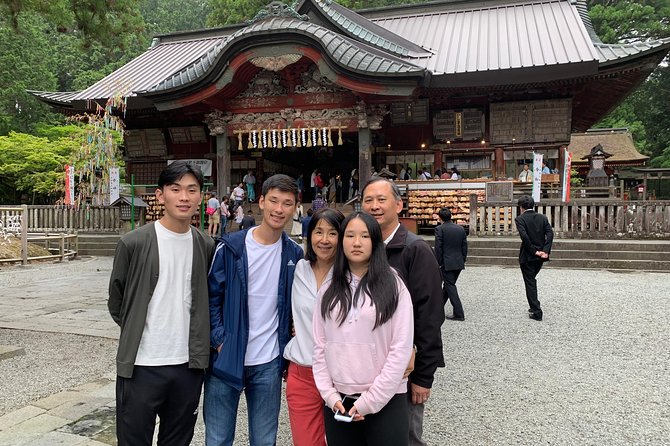 2 / 6
2 / 6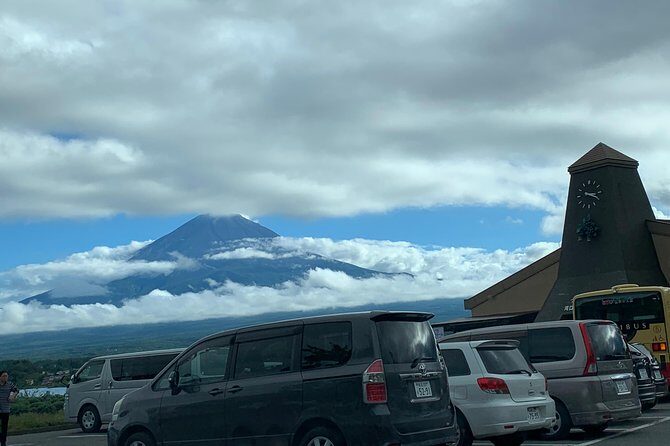 3 / 6
3 / 6 4 / 6
4 / 6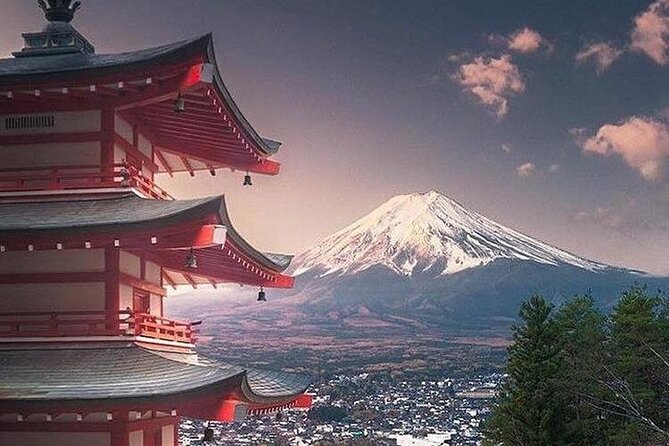 5 / 6
5 / 6 6 / 6
6 / 6For up to five people, $497 breaks down to roughly $100 per person for a full 10-hour private tour with hotel transport, a licensed English-speaking guide, and a properly insured commercial vehicle. This is genuinely fair pricing in Tokyo’s tour market, especially when you consider that you’re not sharing your guide or vehicle with strangers.
The inclusions tell you this is a legitimate operation: commercial driving permit holders, green-plate licensed vehicles (which matters—the company specifically warns against unlicensed “white plate” vehicles), and commercial insurance. These details might sound dry, but they mean your safety and comfort aren’t being cut corners on to shave costs.
What you’re paying for is primarily transportation, expertise, and flexibility. Admission tickets to activities—the Lake Kawaguchi ropeway, Lake Ashi pirate cruise, Mt. Fuji 5th Station—cost extra. Lunch is on you. But the base tour handles the hardest part: getting you safely to multiple stunning viewpoints and explaining what you’re looking at with genuine knowledge.
The Itinerary: Flexibility Meets Strategic Planning
The beauty of this tour is that you’re not locked into a rigid route. Live Nippon offers two main itinerary options—Mt. Fuji and Hakone, or Mt. Fuji and surrounding areas—but within those frameworks, your guide helps you choose what appeals to you based on interests, energy levels, and weather conditions.
Mt. Fuji: The Mountain Itself
Your day typically begins with pickup from your Tokyo hotel around 8 a.m. The drive south takes roughly two hours, giving you time to settle in and discuss the day’s possibilities with your guide. You’re heading toward Japan’s most iconic peak, visible on clear days from Tokyo itself but far more impressive when you’re close enough to feel its presence.
The mountain appears differently from each vantage point around its base, and your guide knows this geography intimately. One traveler with our guides noted, “He knew exactly where and when to go to get the best views of Mount Fuji, and his timing was perfect.” This isn’t luck—it’s the result of guides doing this work repeatedly and understanding light, crowds, and seasonal changes.
Lake Kawaguchiko: Where Views Meet Activity
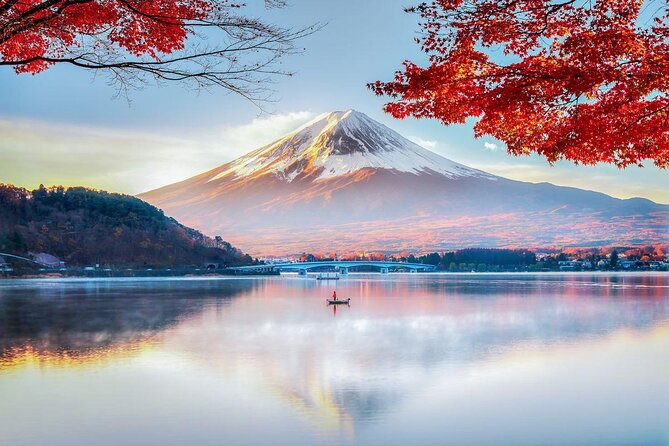
The second-largest lake in the Mt. Fuji area offers several ways to experience the mountain. The Kachi Kachi ropeway ascends the mountainside, providing elevated perspectives where Mt. Fuji dominates the horizon. On clear days, the reflection in the lake below creates the kind of view that explains why Japanese artists have been painting this scene for centuries.
Alternatively, you can take a cruise on Lake Kawaguchi itself. Many travelers choose the ropeway for the photo opportunities and the mild thrill of the ascent. One group reported spending quality time here, noting the flexibility to linger as long as they wanted without feeling rushed. The lake area also has restaurants and shops, so if you’re hungry, your guide can recommend where locals actually eat rather than tourist traps.
Mt. Fuji 5th Station: As High as You Can Drive
The 5th Station represents the highest point accessible by vehicle on Mt. Fuji. It’s a significant milestone—historically, this is where climbers would begin their ascent to the summit. Today, it’s a viewpoint and rest area where you can feel the mountain’s scale and altitude.
One important caveat: this stop isn’t guaranteed. Bad weather, maintenance work, or road conditions can close it without warning. Your guide will know on the day whether it’s accessible and will adjust your itinerary accordingly. This isn’t the tour company being cagey—it’s just the reality of a mountain that doesn’t always cooperate with tourist schedules.
Oshino Hakkai: The Village That Feels Undiscovered
This small village sits in a scenic setting with eight ponds fed by Mt. Fuji’s spring water runoff. It’s the kind of place where you can actually imagine rural Japan before tourism, though tourism has certainly found it. The ponds are remarkably clear, and the views of Mt. Fuji framed by traditional buildings give photographers genuine opportunities.
What makes Oshino Hakkai special is its authenticity. It’s not a reconstructed theme park or overly commercialized attraction—it’s a real village where people live and work. You’ll find food vendors and souvenir shops, but the experience doesn’t feel manufactured. One traveler mentioned Oshino as a highlight, appreciating the chance to see this quieter side of the Mt. Fuji region.
Arakurayama Sengen Park and the Chureito Pagoda: The Iconic Shot
This five-story pagoda perched on a hillside with Mt. Fuji rising in the distance is arguably the most photographed angle of the mountain. Reaching it requires climbing 398 steps, which your guide will mention upfront so you can decide if it’s worth the effort.
Here’s where the private tour advantage becomes obvious: you’re not competing with hundreds of other travelers for the same photo angle. Your guide knows the best times to visit to avoid crowds and can position you for the light and composition that will make your photos actually look like something worth keeping.
The shrine itself, Arakura Sengen Shrine, dates back centuries and was a traditional starting point for Mt. Fuji pilgrims. Your guide can explain the cultural significance rather than just pointing and saying “take a picture.”
Hakone: Lake Ashi and the Pirate Ship
If you choose the Mt. Fuji and Hakone itinerary, you’ll venture into the neighboring region famous for its scenic lake and hot springs. Lake Ashi (also called Hakone Lake) offers a completely different perspective on Mt. Fuji, often framed by forested mountains and water.
The Hakone pirate ship is exactly what it sounds like—a themed cruise boat styled like a 17th-century galleon. It’s touristy, yes, but it’s also genuinely fun and provides an extended period of viewing Mt. Fuji from the water. One traveler described the lake boat trip as a highlight of their day, appreciating both the novelty and the extended photo opportunities.
The Hakone area also includes the historic Hakone Shrine, dating to 757 A.D., and the Owakudani Valley, known for its volcanic activity and black eggs boiled in the geothermal hot springs (the shells turn black from the sulfur). These stops provide variety—you’re not just looking at Mt. Fuji from different angles, you’re experiencing the region’s geology, history, and culture.
The Guides: Why This Tour Works
This is where the reviews become genuinely illuminating. Nearly every single positive review mentions the guide by name and describes specific qualities: knowledge, patience, flexibility, good English, helpfulness. This isn’t accidental—Live Nippon clearly trains and vets their drivers and guides.
One traveler wrote: “Israr was extremely knowledgeable, friendly, and genuinely passionate about the area, which made the entire day feel special rather than rushed or generic.” Another noted: “He was patient, attentive, and always made sure I was comfortable and enjoying the experience.” These aren’t generic tour company responses—they’re specific observations about how the guide actually behaved.
Multiple reviews mention guides making restaurant recommendations that turned out to be memorable. One group appreciated that their guide “recommended a memorable and tasty restaurant” and accommodated dietary restrictions. Another traveler noted the guide’s recommendation for ice cream at a final stop was “terrific.” These small moments—knowing where locals actually eat, understanding dietary needs, suggesting a perfect ending to the day—are what separate a good tour from one that feels like you’re just being herded through checkpoints.
The guides also seem genuinely interested in timing and logistics. Several travelers mentioned their guide’s ability to plan the route to avoid crowds or time visits for the best light. One reviewer noted their guide “was able to plan our day so that we avoid most other tour groups.” That’s not something every guide thinks about or cares enough to do.
Practical Considerations: What to Know Before Booking
Vehicle Comfort and Size Options: The tour offers multiple vehicle sizes depending on your group. This matters more than it might sound—a comfortable vehicle for a 10-hour day makes a genuine difference, especially if anyone in your group has mobility concerns or simply prefers more space.
Timing and Pace: The tour runs approximately 10 hours total, hotel to hotel. This is genuinely a full day. You’re looking at roughly two hours of driving each way, leaving about six hours for actual sightseeing. Your guide helps you make the most of this time, but it’s important to understand that you’re not leisurely exploring—you’re hitting multiple locations and making strategic decisions about where to spend your time.
Weather Dependency: Mt. Fuji visibility is never guaranteed. Clear days feel almost miraculous—multiple reviewers mentioned seeing Mt. Fuji “fully visible” as a special occurrence. Cloudy days still offer views and activities, but they’re not the postcard-perfect experience. The tour company handles cancellations due to poor weather by offering rebooking or refunds, which is fair, though it’s worth noting that “unexpected bad weather” negative reviews won’t be accepted as complaints (meaning the company views weather as outside their control, not their responsibility).
Activity Costs Add Up: The base tour price doesn’t include admission to most attractions. The ropeway, lake cruises, 5th Station access, and other activities require additional payment. Budget another $50-100 depending on what you choose to do. This isn’t hidden—it’s clearly stated—but it’s worth factoring into your overall cost.
Lunch and Food: Lunch isn’t included, but your guide can recommend restaurants. Multiple travelers specifically praised their guide’s food recommendations, suggesting you should ask for suggestions rather than wandering into something random. Several mentioned enjoying lunch at “good familial restaurant[s]” or traditional spots their guide knew.
Group Size and Dynamics
The maximum group size is five people, which is genuinely intimate. You’re not waiting for a full bus to load up or competing for your guide’s attention. If you’re traveling as a couple or with one other couple, you have the guide’s focus. If you’re a family of five, you still maintain that private experience.
One traveler booked this tour “the night before” for a party of seven (they likely split into two groups or adjusted), appreciating the availability and customization. The point: Live Nippon seems to accommodate group needs with some flexibility, though the standard tour is designed for groups up to five.
The Value Proposition: Who Should Book This
This tour makes sense if you’re visiting Mt. Fuji from Tokyo and want to avoid the hassle of public transportation, navigating in Japanese, or renting a car in an unfamiliar country. The $497 price for up to five people is competitive when you factor in transportation, expertise, and the logistical ease of hotel pickup and dropoff.
It’s particularly valuable if you’re traveling with people who tire easily, have mobility concerns, or simply want a more comfortable experience than public buses offer. The flexibility to customize your route and pacing based on your group’s interests—not some predetermined schedule—is genuinely useful.
It’s less ideal if you’re an ultra-budget traveler and every dollar counts, since activity costs add up. It’s also not ideal if you have very specific hiking ambitions beyond the 5th Station—this is a scenic viewing tour, not a climbing expedition.
Honest Limitations and Considerations
One traveler encountered a genuine frustration: they were supposed to visit the iconic pagoda as their final stop, but it was closed for maintenance. Their guide didn’t mention this closure until they were heading in that direction, meaning they could have adjusted their itinerary earlier. The reviewer noted they would have opted to do Hakone instead if they’d known upfront.
This points to one potential weakness: communication about known closures or changes should ideally happen before you start your day, not when you’re already en route to a location. It’s a fair criticism, though it’s worth noting this is one negative review among nearly 1,900 positive ones, suggesting it’s not a systemic issue.
Weather, as mentioned, is always a factor. Some days you’ll see Mt. Fuji in perfect clarity; other days it’ll be partially obscured or hidden entirely. You can’t control this, and the tour company can’t either, but it’s worth acknowledging that your “perfect Mt. Fuji photo” isn’t guaranteed.
Logistics: Getting Started
Confirmation is received at the time of booking. The tour meets at Tokyo Station Hotel (or your own hotel for pickup), and you can cancel free up to 24 hours before the experience. If you cancel less than 24 hours out, you forfeit payment. The company is clear about weather-related cancellations being handled separately—if poor weather makes the tour inadvisable, you’ll be offered a different date or full refund.
The driver-guides speak English, so communication shouldn’t be an issue. Multiple reviews specifically praise English proficiency, noting guides who spoke “perfect English” or had “excellent” English skills.
Private Tour to Mt. Fuji and Hakone (Fully Licenced Operator)
Frequently Asked Questions
Q: What’s included in the $497 price?
A: The base price covers private transportation, a commercial-licensed English-speaking driver-guide, hotel pickup and dropoff, and a 10-hour tour. It does not include admission tickets to activities (ropeway, lake cruises, 5th Station), lunch, or the Mt. Fuji entrance fee (2,800¥ per group). Activity costs typically add another $50-100 depending on what you choose.
Q: How many people can fit in the vehicle?
A: The tour accommodates up to five people in the standard group size. Live Nippon offers multiple vehicle sizes, so you can choose what works for your group. The $497 price applies to groups of up to five.
Q: Is Mt. Fuji visible every day?
A: No. Visibility depends on weather conditions. Clear days offer stunning views; cloudy or rainy days may obscure the mountain partially or completely. Your guide will work with conditions and adjust activities accordingly. If poor weather makes the tour inadvisable, you can reschedule or receive a full refund.
Q: How long is the drive from Tokyo?
A: The drive to the Mt. Fuji area takes approximately two hours each way, leaving roughly six hours for sightseeing at various locations. The total tour duration is approximately 10 hours, hotel to hotel.
Q: Can I customize the itinerary?
A: Yes. The tour offers flexibility to adjust your route based on your interests. You can choose between the Mt. Fuji and Hakone itinerary or the Mt. Fuji surrounding areas itinerary, and within those options, your guide helps you decide which specific stops and activities suit your group best.
Q: Are the guides knowledgeable about the area?
A: Yes. Reviews consistently praise guides for their knowledge about Mt. Fuji, the surrounding region, cultural sites, and local recommendations. Guides can explain the history of shrines, the geography of the mountain, and where to find the best photo angles and authentic restaurants.
Q: What if I have dietary restrictions or special needs?
A: Your guide can recommend restaurants and accommodate dietary preferences when choosing where to eat. Multiple reviews mention guides successfully accommodating vegetarian diets and other dietary needs. Communicate these when booking or confirming your tour.
Q: Is lunch included?
A: No, lunch is not included. However, your guide can recommend restaurants, and reviews suggest guides know good local spots rather than just tourist traps. Budget for lunch separately, though prices are reasonable in the Mt. Fuji area.
Q: What’s the cancellation policy?
A: You can cancel free up to 24 hours before the tour for a full refund. Cancellations within 24 hours forfeit payment. If the tour is canceled due to poor weather, you’ll be offered a different date or full refund.
This private Mt. Fuji tour genuinely delivers on its promise of flexibility, expertise, and hassle-free access to one of Japan’s most iconic destinations. With consistently excellent guides, hotel pickup and dropoff, and the ability to shape your day around your interests, it offers solid value at $497 for groups up to five. The main variable is weather—Mt. Fuji doesn’t always cooperate with travelers—but the tour company handles this fairly. It’s an ideal choice for travelers who want to experience the mountain region without navigating public transportation, dealing with large tour groups, or self-driving in an unfamiliar area. If you’re based in Tokyo and want to see Mt. Fuji properly without the logistics headache, this tour deserves serious consideration.