I like this tour because it mixes Split food with Diocletian’s Palace context while you actually eat at places locals return to. It’s built around five stops in the old town area, plus a short history walk so you’re not just collecting snacks with no sense of place.
What I really like is how small-group it is (up to 12) and how the tastings are structured so you don’t leave hungry. And several guides mentioned by travelers, like Ivana and Marina, come across as true local food-and-history pros.
One consideration: it’s not suited for vegans (and the tour notes it’s not for vegetarian either), though they say they can accommodate many other allergies and preferences if you message after booking.
- Key Things You’ll Notice on This Split Food Tour
- Getting Your Bearings in Diocletian’s Split (Without Making It a Separate Tour)
- The Value Question: Is 5.12 a Smart Split Deal?
- Small Group Comfort (And Why Max 12 Matters)
- What You Eat: The Five-Stop Tasting Flow
- Stop One: Charcuterie Board and Dalmatian Salty-Savory Basics
- Stop Two: Black Risotto with Adriatic Cuttlefish Ink
- Stop Three: Pasticada with Gnocchi and a Rakija Shot
- Stop Four: Burek, a Balkan Street-Style Snack
- Stop Five: Gelato or Sorbet, with a Lavender Recommendation
- How the History Walk Feels in Real Life
- Guides: The Real Secret Sauce (Ivana, Marina, Dino, and More)
- Dietary Needs and Allergy Handling: What They Say They Can Do
- Wine, Water, and the Rakija Moment
- Logistics That Affect Your Day
- Weather, Cancellations, and the Peace-of-Mind Stuff
- Who Should Book This Tour (And Who Might Skip)
- Should You Book Split One Bite At A Time?
- More Food & Drink Experiences in Split
- More Tours in Split
- More Tour Reviews in Split
Key Things You’ll Notice on This Split Food Tour
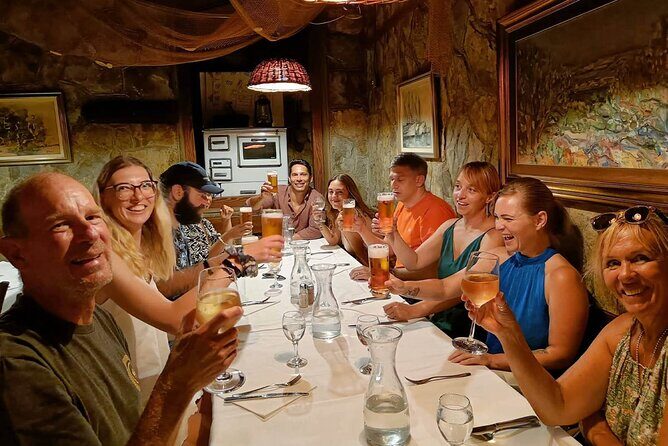
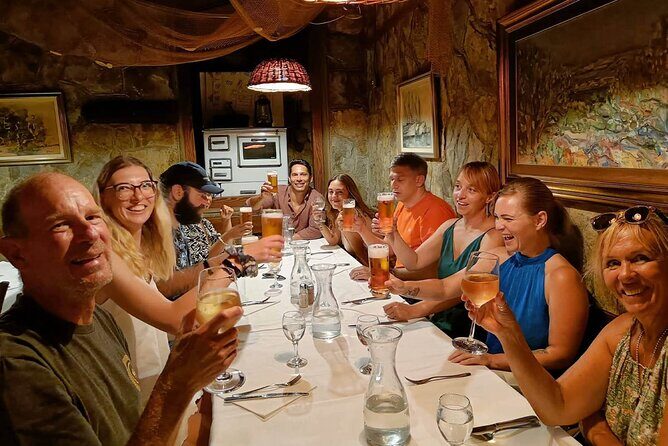
- Five real local eateries instead of a quick “market sampling” loop
- Rakija shot included, plus a mix of salty, savory, and sweet bites
- Diocletian’s Palace area sightseeing paired with why those dishes make sense here
- Ports to curb hunger: you get enough at each stop that the tour feels like a full meal
- Guides you can ask questions to, often praised for history knowledge and warm hosting
- A take-home guidebook to keep your restaurant search going after the tour
Getting Your Bearings in Diocletian’s Split (Without Making It a Separate Tour)
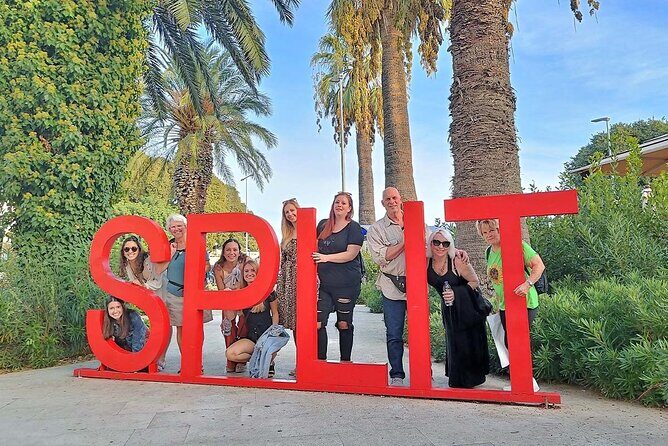
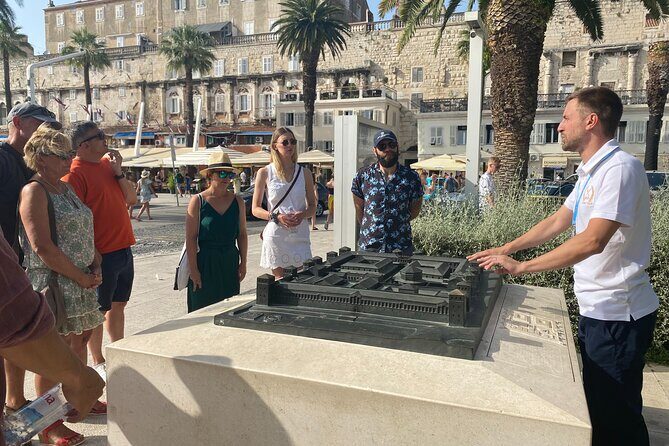
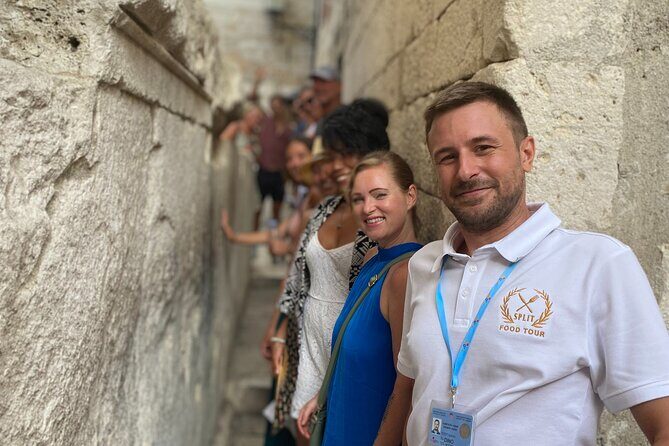
This is a walking food experience, not a bus tour. You start in the Grad area of Split (meeting point is listed at Split sign 21000), and the route is designed so each tasting stop is tied to what you’re seeing outside the doors.
That matters in a city like Split because the old town and Diocletian’s Palace can feel like a maze if you’re wandering alone. Here, you get just enough history to make the streets and architecture click, then you convert that understanding into what people eat today.
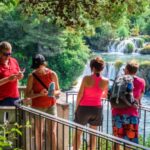
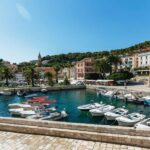
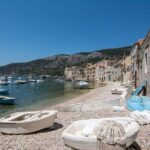
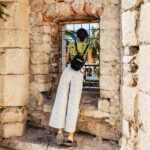
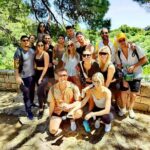
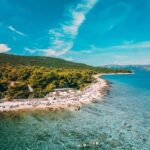
And yes, travelers repeatedly call out the visuals. You’ll get plenty of chances for photos while you move between eateries and landmarks, but the walking stays manageable for a 4-hour outing.
You can also read our reviews of more food & drink experiences in Split

The Value Question: Is $145.12 a Smart Split Deal?
$145.12 for about 4 hours sounds like a lot until you break down what’s included. You’re paying for:
- Food at five different establishments
- A history/sightseeing walking tour
- A local licensed guide
- Water during the tour
- A shot of rakija
Most “food tours” only give you a few tiny tastes. This one is built so you’re eating full, distinct courses: charcuterie, seafood, meat, a pastry snack, and gelato or sorbet.
So the value isn’t only the quantity. It’s also the access. Multiple reviews mention you would not easily find these spots on your own, which is exactly what you’re trying to buy when you book a guided food plan in a tourist-heavy city.
Small Group Comfort (And Why Max 12 Matters)
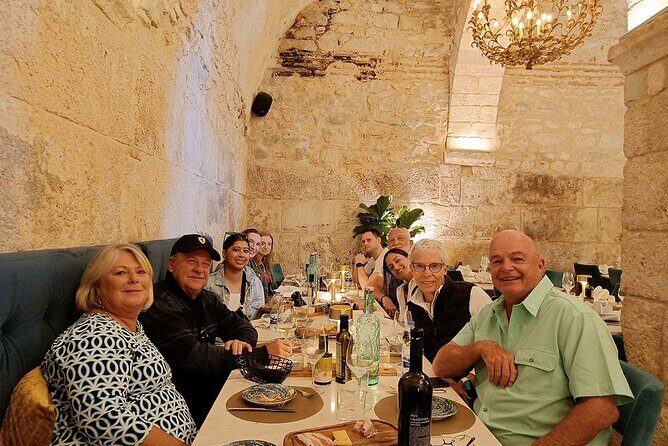
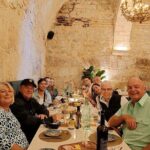
The group size cap is 12 travelers. That’s a sweet spot. Big enough to meet fellow food lovers, small enough that your guide can keep an eye on timing and answer questions without turning the whole thing into a lecture hall.
In the reviews, people describe the experience as feeling friendly and well paced, with guides who are easy to listen to and quick to respond. That lines up with the group size: it’s easier to maintain a relaxed tempo when you’re not herding dozens of people down narrow old streets.
What You Eat: The Five-Stop Tasting Flow
The meal structure is one of the best parts. It’s not “one bite, next stall, repeat.” It’s five stops that each feel like a real break in the day.
The tour also notes that items may vary due to seasonality and availability, so don’t expect every stop to match the menu exactly all year. But you can expect the same overall rhythm and local focus.
Stop One: Charcuterie Board and Dalmatian Salty-Savory Basics
The opening is a charcuterie board featuring Dalmatian prosciutto, pancetta, cheese, olives, and a selection of salts. It arrives with home-made bread and olive oil.
Why this works as a first stop: it sets the flavor map for the rest of the tour. You taste the salty, cured side of Dalmatian cuisine right away, then your guide can connect those tastes to the region’s food habits and history.
From traveler feedback, the charcuterie gets singled out as a standout at least once per set of reviews. Even people who later call out one dish as uneven still praise the first board.
You can also read our reviews of more tours and experiences in Split

Stop Two: Black Risotto with Adriatic Cuttlefish Ink
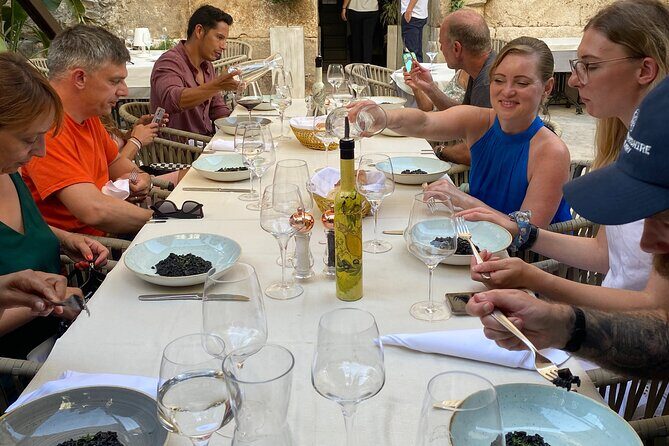
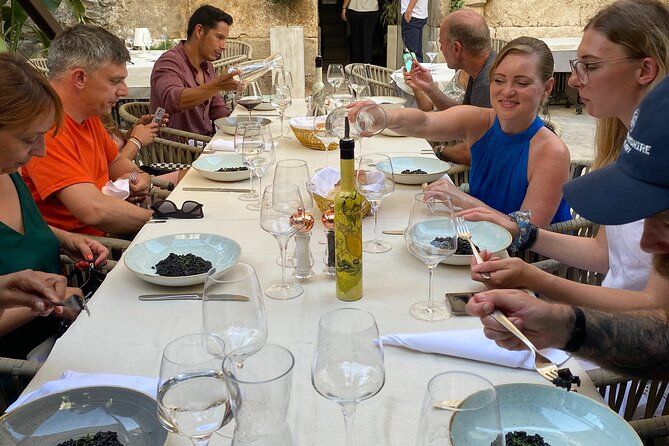
Next up is black risotto, made with Adriatic cuttlefish and cuttlefish ink, served with local bread and olive oil.
This is the “adventurous but still very Croatian” stop. The ink gives the dish its signature look and deep flavor, and the guide’s commentary helps you understand why local ingredients show up in local ways.
One review did mention the squid ink risotto being undercooked to their taste, which is a good reminder that restaurant prep can vary. Still, many others called it delicious, and plenty of travelers highlight it as a favorite part of the tour. If you’re curious about cuttlefish flavors, this is the stop to look forward to.
Stop Three: Pasticada with Gnocchi and a Rakija Shot
Then comes pasticada, a Dalmatian beef pot roast dish, served with home-made gnocchi and peka bread, plus a shot of rakija.
This is where the tour leans into “you’re eating a meal,” not grazing. Pasticada tends to be slow-cooked and comforting, and the gnocchi and bread make it feel substantial.
The rakija shot is included for a reason: it’s part of the cultural food-drink pairing many visitors want to understand, and it gives a clear finish point before the next walk.
A practical note: the tour states the minimum drinking age is 18, so keep that in mind if you’re traveling with younger folks.
Stop Four: Burek, a Balkan Street-Style Snack
After the heavier dish, you get a lighter reset with burek. It’s described as a thin, flaky dough with filling options.
Burek is a great choice on a walking tour because it’s satisfying without weighing you down. It also gives you a taste of the broader Balkan neighborhood food culture that overlaps with Dalmatian habits.
From a planning standpoint, this stop also makes timing easier. Instead of another full sit-down-style course, you get a pastry snack that keeps the energy up for the final sweet moment.
Stop Five: Gelato or Sorbet, with a Lavender Recommendation
Finish with gelato (or sorbet). You choose flavors, and if available, the guide recommends the unique local flavor of lavender.
This ending is smart. Salt and smoke early, seafood and meat mid-tour, then a floral sweet finish. Even travelers who call certain savory bites just “okay” still tend to enjoy the overall arc, and the sweet stop is often where the tour feels complete.
How the History Walk Feels in Real Life
You’ll hear commentary along the route connecting what you see to what you taste. The tour description calls out strolling the cobblestone streets connected to Emperor Diocletian’s palace, which is a UNESCO World Heritage Site.
In the reviews, guides like Ivana, Marina, Dino, and Tea are praised for being historian-level helpful without drowning you in facts. Travelers say the history tied directly to the restaurants and dishes, not just random dates.
One traveler did mention some overlap with an earlier history tour they took. That’s worth considering if you’ve already booked a full-length Diocletian’s Palace history visit. This tour doesn’t replace a deep history tour. It works best as the history you need to understand why the food fits the city you’re standing in.
Guides: The Real Secret Sauce (Ivana, Marina, Dino, and More)
The guide quality is consistently the strongest theme in the reviews. People repeatedly describe guides as knowledgeable, warm, and funny in a natural way, with the ability to answer questions on the spot.
Names that appear often include:
- Ivana, described as an excellent local foodie and historian
- Marina, praised for energy, context, and a fun pace
- Dino, noted for mix of city history and food perspective
- Tea and Yvonne, mentioned for being informative and easy to enjoy
Even when a dish didn’t land perfectly for someone, the guide and the venue choices generally still kept the experience worthwhile. That’s a strong sign the tour is built around people, not just menus.
Dietary Needs and Allergy Handling: What They Say They Can Do
The tour isn’t suited for vegans and it states it’s not suited for vegetarian diets. But it does say they can accommodate most dietary restrictions and/or food allergies, including nut allergies, shellfish allergies, pescatarians, and gluten-free diets.
They also ask you to message after booking if you have food allergies or dietary restrictions. That’s your chance to make sure the guide and restaurants can plan around you.
If you’re pescatarian, you might find the seafood element easier than the meat stops, but the tour says they can make substitutions in many cases. Just don’t assume it will be fully vegetarian-style—this is still built around local meat and traditional dishes.
Wine, Water, and the Rakija Moment
Water is provided throughout the tour. A shot of rakija is included.
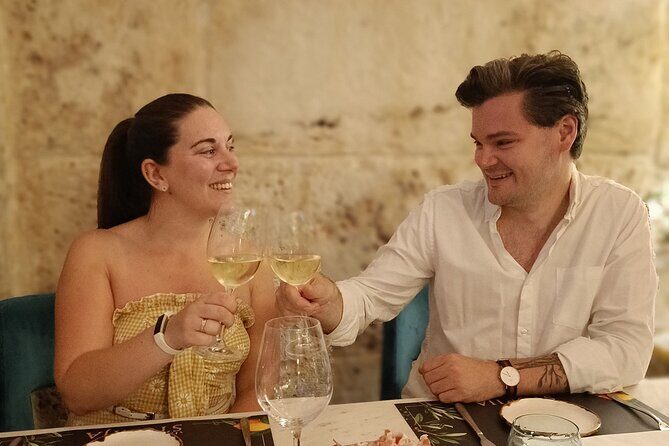
About wine: one review explicitly mentions wine being delicious, but wine isn’t listed as included in the tour details you provided. The most reliable takeaway is this: you’re getting the rakija shot for sure, and some meals may also involve wine at the restaurant level. If you care about wine specifically, ask questions during the tour or check what’s offered at your meal stop.
Logistics That Affect Your Day
Here are the practical pieces that shape the experience:
- Duration: about 4 hours
- Walking: included, no need to book a separate city-history tour
- Meeting point: Split sign 21000, Grad, Split, Croatia
- End point: returns to the meeting point
- Mobile ticket: provided
- Language: offered in English
- Weather: requires good weather, and if poor weather cancels it, you’ll get a different date or a full refund
- Near public transportation: helpful if you’re also sightseeing on your own
In other words: plan your schedule so you’re free for a half-day walk, and don’t book it as the last thing you do before a long transfer. Weather matters.
Weather, Cancellations, and the Peace-of-Mind Stuff
The cancellation policy is free cancellation up to 24 hours before the experience starts. If you cancel later than that, the amount you paid won’t be refunded.
If the tour is canceled due to poor weather, you’ll be offered a different date or a full refund. It’s good to see weather built into the rules, since Split weather can change fast and old town walking doesn’t love rain.
Who Should Book This Tour (And Who Might Skip)
This tour is a strong match if you:
- Want authentic local food stops without hunting for them
- Like your travel guided by someone who knows the story behind what you eat
- Are comfortable walking for a few hours and eating a true sequence of dishes
- Appreciate a mix of history + food in one go
You might skip it if:
- You need a fully vegan or vegetarian itinerary (the tour says it isn’t suited)
- You already booked an extensive palace-history tour and you only want food (you may feel some overlap)
If you’re on a first visit to Split, this is often a great way to get oriented fast, taste your way through local specialties, then use the guidebook recommendations to keep exploring on your own.
Split Food Tour: Discover Split One Bite At A Time
Should You Book Split One Bite At A Time?
Yes, if you want a small-group, food-forward tour with real local context. The main reasons to book are simple:
- Reviews consistently praise guides who connect dishes to Split’s culture
- Travelers call out stunning scenery and palace-area sightseeing during the route
- People mention excellent food variety across the five stops, enough to leave you full
- Several travelers specifically mention wine as part of the good meal energy, even though the guaranteed included item is the rakija shot
- The overall pricing often feels like good value because you’re eating at five full establishments, not just tasting
My practical tip: message about your dietary needs right after booking, even if the tour says it can accommodate many restrictions. And if you’re a seafood fan, go in hungry and ready for the black risotto stop.
If your goal is to taste Split the way locals actually eat between history landmarks, this is a solid bet.