
When you’re planning a Dublin trip, the question of how to efficiently understand the city’s complex and fascinating history often feels daunting. The Little Museum of Dublin’s famous guided tour solves this problem in a way that feels refreshingly different from the typical museum experience. What we appreciate most about this tour is how the guides transform what could be a dry historical overview into an genuinely entertaining performance—complete with humor, storytelling, and genuine passion for Dublin. We also love that you’re guaranteed admission without being locked into a specific time slot, giving you flexibility in your itinerary.
The main consideration is that the museum itself is genuinely small, spread across three floors of a Georgian townhouse. If you’re expecting vast galleries and hours of wandering, you might feel a bit cramped. That said, this compact size is actually part of the appeal.
This experience works best for travelers who want to quickly grasp Dublin’s historical and cultural identity, families looking for an engaging activity that doesn’t require marathon museum hours, and anyone who’s skeptical about traditional museums but still wants to understand a destination’s story.
- What Makes This Tour Different from Typical Museum Experiences
- The Location and Setting: A Georgian Gem on St. Stephen’s Green
- Breaking Down the Tour Experience: What You’ll Actually See and Learn
- The Guide Experience: Why This Tour Succeeds Where Others Might Fall Flat
- Timing and Logistics: Making the Most of Your Visit
- The Real Value Proposition: What You’re Actually Paying For
- What to Expect: Managing Realistic Expectations
- The Booking Process and Cancellation Flexibility
- How This Tour Fits Into a Larger Dublin Itinerary
- Frequently Asked Questions About the Little Museum of Dublin Tour
- The Best Of Dublin!
- More Museum Experiences in Dublin
- More Tickets in Dublin
- More Tour Reviews in Dublin
What Makes This Tour Different from Typical Museum Experiences
 1 / 4
1 / 4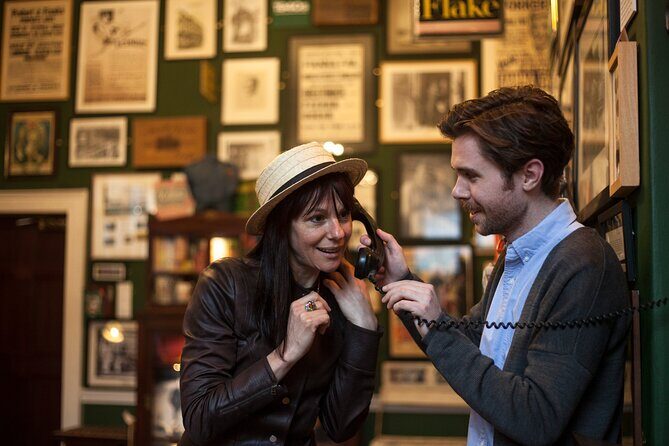 2 / 4
2 / 4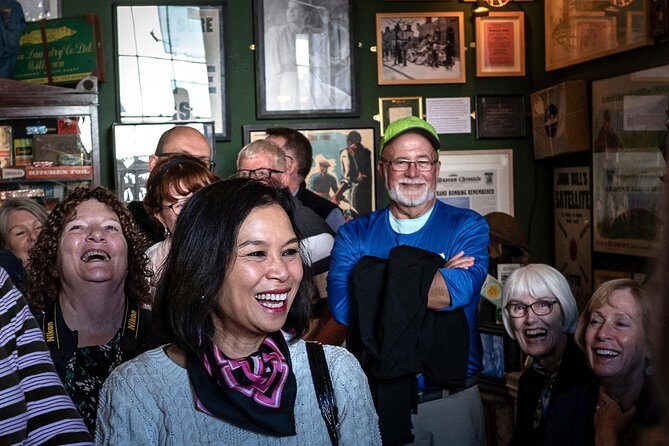 3 / 4
3 / 4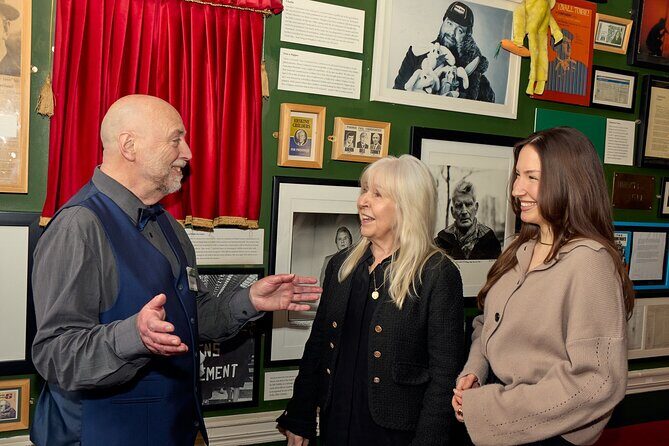 4 / 4
4 / 4Walking into the Little Museum of Dublin isn’t like entering most cultural institutions. Instead of being handed a pamphlet and sent on your way, you become part of what visitors consistently describe as a theatrical experience. The guides here—and this point comes through repeatedly in visitor reviews—aren’t just people who memorized facts about Irish history. They’re storytellers who understand that the best way to remember information is to feel something while learning it.
One visitor described it perfectly: “This was a fabulous tour. Our tour guide, George, was knowledgeable and very funny. Highly recommend!” What George and his colleagues do is weave together Dublin’s history—from ancient times through modern day—in a way that feels personal and immediate. You’re not learning about abstract historical events; you’re hearing stories about actual Dubliners and their contributions to their city.
The atmosphere is deliberately informal. With a maximum of 10 travelers per group, you’re never part of a massive crowd being herded through exhibits. This size also means the guide can interact with you directly, adjust the pace based on the group’s energy, and create moments that feel spontaneous rather than rehearsed.

👉 See our pick of the Discover 6 Great Shore Excursions In Dublin
The Location and Setting: A Georgian Gem on St. Stephen’s Green
The Little Museum occupies 15 St. Stephen’s Green, which itself is worth understanding. St. Stephen’s Green is Dublin’s most famous public square, surrounded by historic buildings and perfectly positioned for exploring the city’s cultural heart. The museum sits in a beautifully preserved Georgian townhouse—the kind of intimate, human-scaled building that tells you something important about Dublin’s character.
This location matters practically, too. The museum is near public transportation, making it easy to reach whether you’re staying in Temple Bar, around the Liffey, or elsewhere in the city center. You can easily incorporate this into a morning or afternoon of exploring nearby attractions like St. Patrick’s Cathedral, Trinity College, or the shops along Grafton Street.
The Georgian townhouse setting creates an entirely different feeling from a modern museum building. You’re walking through rooms that feel like someone’s home, which makes sense—these rooms once were homes. One visitor captured this beautifully: “The Georgian home, displays, stories, and humor told a great story of Irish history.” The architecture itself becomes part of the education, showing you how Dublin’s wealthy lived while the guides explain what was happening in the city outside those windows.
You can also read our reviews of more tours and experiences in Dublin



Breaking Down the Tour Experience: What You’ll Actually See and Learn
Your tour begins when you arrive at the museum entrance on St. Stephen’s Green. After a brief check-in, you’ll be gathered with your small group and introduced to your guide. This is where the experience immediately feels different—instead of being handed a headset, you’re meeting a real person who’s genuinely excited to share their knowledge.
Over the next 30 minutes to an hour (the duration varies slightly depending on your guide and group energy), you’ll move through the three floors of the townhouse. The museum doesn’t follow a strict chronological path; instead, it tells Dublin’s story through carefully curated objects, artifacts, and displays that visitors have donated over the years. This grassroots collection approach—the fact that much of what you’re seeing was given by actual Dubliners—adds an authentic layer you won’t find in most museums.
The guides connect these objects to larger stories. You might see a simple item—a piece of clothing, a letter, a photograph—and suddenly you understand something about Dublin’s cultural movements, its role in Irish independence, or how ordinary people lived through extraordinary times. As one visitor noted, “It was a very fun presentation more than it is a museum…very fun and educational too!”
One special highlight is Tara’s Palace, one of the world’s largest dollhouses. This isn’t a random curiosity—it’s an actual work of art and craftsmanship that tells you something about Irish creativity and attention to detail. There’s also a room dedicated to U2, the Dublin rock band that became a global phenomenon. For music fans or anyone interested in how Dublin influenced contemporary culture, this section adds a modern dimension to the historical narrative.
The guides also seem to enjoy adding personal touches. Several reviews mention guides breaking into song, telling corny jokes, and genuinely interacting with visitors. One person wrote, “Very informative and interesting overview of Dublin’s history presented in a Georgian townhome by personable and engaging guides with a truly Irish gift for storytelling.” This isn’t hyperbole—the ability to tell stories is genuinely part of Irish cultural tradition, and these guides embody that.
The Guide Experience: Why This Tour Succeeds Where Others Might Fall Flat
If you’re going to spend an hour in a museum, the quality of your guide makes all the difference. The reviews consistently praise specific guides by name—Emma, George, Saul, Sean, Pauline, Fionn, and others—and describe them with genuine enthusiasm rather than generic politeness.
What stands out is that these guides seem to actually care about whether you leave with a real understanding of Dublin. One visitor wrote about their guide: “Emma was hilarious and gave not just a tour, but a genuinely enthralling performance. She was absolutely phenomenal and this little museum is one that would be a big mistake to miss.” This level of performance doesn’t happen by accident. These guides are trained to engage, to read the room, and to adjust their delivery based on who’s in front of them.
The humor element is particularly important. Museums can feel serious and formal, which can actually work against learning—people get tired, they stop listening, they check their phones. By making the experience funny, the guides keep your attention engaged. You’re more likely to remember information you laughed about than information you passively received. Several visitors specifically mentioned learning “corny jokes” and “dancing,” which suggests the guides aren’t afraid to be a bit silly in service of making history feel alive.
The knowledge base is also clearly solid. Multiple reviews mention guides being “knowledgeable,” “informative,” and providing “fascinating stories.” You’re not getting surface-level tourist information; you’re getting people who genuinely know Dublin’s history and can explain not just what happened, but why it matters.
Timing and Logistics: Making the Most of Your Visit
The tour itself runs 30 minutes to an hour, which is actually a perfect length. It’s long enough to cover significant ground and give you real insights into Dublin’s story, but short enough that you don’t experience museum fatigue. One visitor specifically noted this: “It is only about 30 minutes, which was just the right amount of time, though we had ample time afterwards to stay and see anything we wanted.”
This is an important detail. You’re not being rushed out the door. After the guided portion, you have time to linger, look more closely at artifacts that caught your interest, and absorb what you’ve learned. The museum doesn’t feel like a conveyor belt experience.
The booking system gives you flexibility. You prebooking guarantees your admission without locking you into a specific time slot, which is valuable when you’re traveling and your schedule might shift. You know you have a space reserved, but you have some flexibility in when you actually take the tour. This is a practical advantage over some attractions where you must commit to an exact time.
The museum uses mobile tickets, which means you can book everything on your phone and don’t need to print anything or carry physical tickets. For modern travelers, this is the standard we expect, and it’s good to see it implemented here.
The Real Value Proposition: What You’re Actually Paying For
At $21.77 per person, this tour is genuinely affordable for what you’re getting. To understand the value, consider what you’re actually receiving: admission to a curated museum collection, a guided tour from a knowledgeable and entertaining guide, and an hour of your time that results in a meaningful understanding of a major European city.
Compare this to other Dublin attractions. You could pay more for walking tours that cover similar ground but with less depth. You could pay significantly more for other museums that might be larger but less engaging. The fact that 98% of travelers recommend this tour suggests people genuinely feel they got value for their money.
One visitor specifically mentioned “good value for money too,” and this comes up repeatedly. When people are satisfied with what they paid, they tend to mention it. The price-to-experience ratio here is genuinely favorable, especially when you consider that you’re getting professional guides who’ve clearly invested in becoming excellent at what they do.
You can also read our reviews of more museum experiences in Dublin



What to Expect: Managing Realistic Expectations
One honest review mentioned: “I was surprised it was a guided tour, and Guide was fun and funny! Museum was full of so many things and sadly we didn’t have the time to view them all!” This is worth understanding before you book. The museum is small and densely packed with artifacts. You won’t see everything in detail, but that’s actually okay—you’re getting a curated introduction guided by someone who knows what’s important to understand.
If you’re someone who needs to spend hours examining every artifact in a museum, this might feel rushed. But if you want to understand a city’s character and history in a way that’s both fun and informative, the pacing works perfectly. The guide is essentially helping you understand what matters most, rather than leaving you to figure that out yourself.
Service animals are allowed, which is important for travelers with accessibility needs. The tour is described as suitable for most travelers, though the three-floor layout in a historic building might present challenges for people with significant mobility limitations.
The Booking Process and Cancellation Flexibility
Booking is straightforward through the online system. You’ll receive confirmation immediately upon booking, and you can use your mobile ticket to check in. If your plans change, you have a 24-hour cancellation window for a full refund, which provides reasonable flexibility without being so loose that the museum can’t plan appropriately for group sizes.
The fact that tours typically book 24 days in advance suggests these experiences are popular and worth planning ahead for, but you might find availability with shorter notice, especially if you’re flexible about timing.
How This Tour Fits Into a Larger Dublin Itinerary
Many travelers book this tour as a starting point for their Dublin visit, and that’s smart. Spending an hour understanding Dublin’s history and character early in your trip helps everything else you see make more sense. When you later visit St. Patrick’s Cathedral, walk through Temple Bar, or explore the Guinness Storehouse, you’ll have context for understanding what you’re seeing.
Other visitors combine this with nearby attractions like the Book of Kells at Trinity College, the Liffey River cruise, or walking tours of specific neighborhoods. The Little Museum’s compact size and efficient delivery make it easy to fit into a day without feeling like a major time commitment.
The Little Museum of Dublin Famous Guided Tour
Frequently Asked Questions About the Little Museum of Dublin Tour
How long is the actual guided tour?
The guided portion runs approximately 30 minutes to 1 hour. However, you’ll have additional time after the guided section to explore the museum at your own pace, so plan for a total visit of around 1.5 to 2 hours if you want to spend time looking around afterward.
What’s the maximum group size, and does it feel crowded?
Groups are capped at a maximum of 10 travelers, which keeps things intimate. Based on visitor feedback, this size allows guides to interact directly with visitors and create a more personal experience than you’d get with a large tour group.
Can I choose a specific time for my tour, or is it flexible?
You prebooking guarantees your admission without being locked into a specific time slot. This gives you flexibility in your schedule while ensuring you have a reserved space. You’ll need to check available times when booking.
Is this tour suitable for families with children?
Yes. Multiple reviews mention this being good for all ages, and one visitor specifically noted it would be wonderful for families. The entertaining guide style and relatively short duration make it engaging for younger visitors who might get bored in traditional museums.
What if I need to cancel my booking?
You can cancel up to 24 hours before your tour time for a full refund. If you cancel within 24 hours of your scheduled tour, you won’t receive a refund. Make sure to cancel by the local Dublin time cutoff if you need to change your plans.
Is the museum accessible for people with mobility challenges?
The museum is spread across three floors of a historic Georgian townhouse. While service animals are allowed and most travelers can participate, the multi-floor layout in a historic building may present challenges for people with significant mobility limitations. It’s worth contacting the museum directly if you have specific accessibility concerns.
What kind of artifacts and exhibits will I see?
The collection includes donated artifacts from Dubliners, historical objects related to the city’s history, Tara’s Palace (one of the world’s largest dollhouses), and a dedicated room about U2, the famous Dublin rock band. The exhibits aren’t arranged in strict chronological order but tell Dublin’s story thematically.
How do I get to the Little Museum, and what’s the parking situation?
The museum is located at 15 St. Stephen’s Green in Dublin 2, near public transportation. St. Stephen’s Green is Dublin’s central square, making it easily accessible by bus, tram, or walking from most central Dublin locations. The reviews don’t mention parking, but Dublin city center parking is typically limited and expensive—using public transit is recommended.
Do I need to book in advance, or can I just show up?
While the tour information states it’s booked an average of 24 days in advance, you should check availability online. Tours do sell out, so booking ahead is recommended, especially during peak travel season. However, you might find same-day or next-day availability depending on the season.
What’s included in the $21.77 price, and are there additional costs?
Your ticket price includes admission to the museum and the guided tour. The reviews don’t mention any additional fees or charges, so the price you see should be what you pay. Mobile tickets are provided, so there are no printing or delivery fees.
The Bottom Line: Why This Tour Deserves to Be on Your Dublin Itinerary
The Little Museum of Dublin’s famous guided tour succeeds because it understands something fundamental about how adults actually learn and retain information: we remember experiences far better than facts. This tour doesn’t just tell you about Dublin; it makes you feel something about Dublin through humor, storytelling, and genuine human connection. At under $22 per person, you’re getting professional guides who’ve clearly invested in mastering their craft, admission to a thoughtfully curated collection, and an hour that will genuinely enhance your understanding of the city you’re visiting. Whether you’re a history enthusiast, a casual traveler, or someone who typically avoids museums, the consistent praise from nearly 3,000 visitors suggests you’ll leave feeling like you’ve discovered something special—which, frankly, is exactly what a good museum experience should deliver.