When you’re planning a trip to Munich, certain experiences transcend typical sightseeing. This Third Reich Walking Tour sits in that category—it’s the kind of afternoon that fundamentally changes how you understand a city and a crucial period of history. Based on nearly 4,300 traveler reviews and a solid 4.5-star rating, this tour has earned its reputation as one of Munich’s most impactful experiences.
- What Makes This Tour Worth Your Time
- The Tour at a Glance
- Breaking Down the Itinerary: What You’ll Actually See
- The Guides: The Real Heart of This Experience
- Practical Details That Matter
- What Travelers Actually Learned and Valued
- The Value Equation: Is It Worth Your Money?
- Potential Limitations
- Frequently Asked Questions
- Final Thoughts
- The Best Of Munich!
- More Walking Tours in Munich
- More Tours in Munich
- More Tour Reviews in Munich
What Makes This Tour Worth Your Time
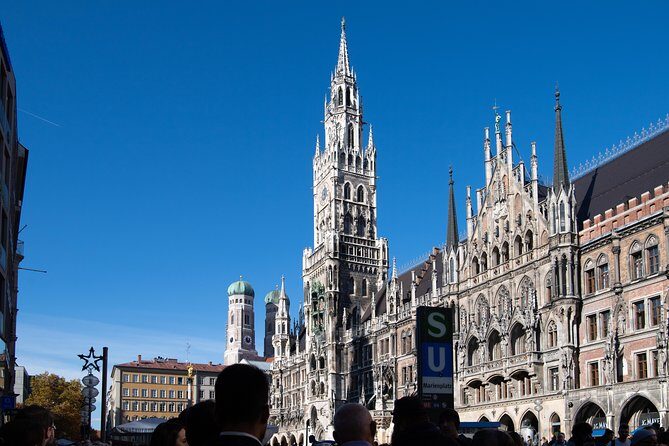
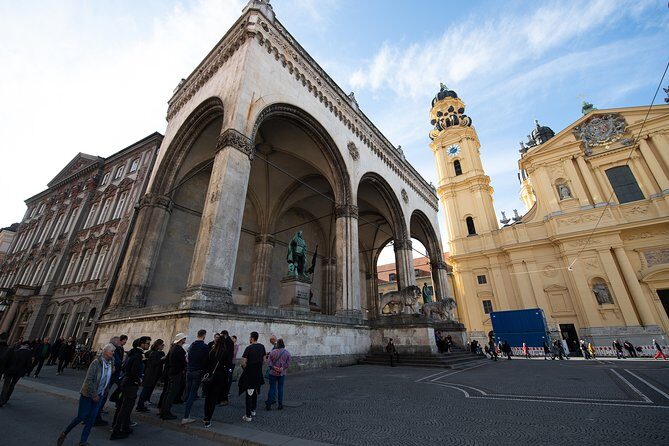
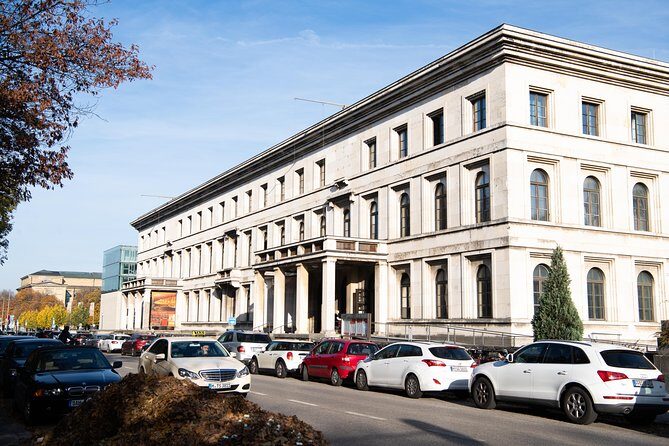
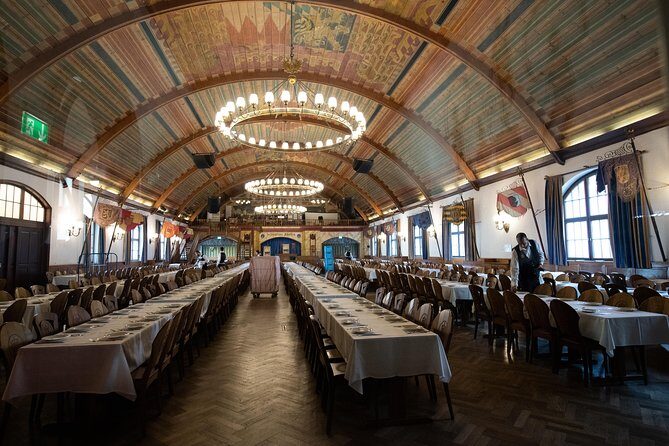
The immediate appeal of this tour lies in two things we appreciate: first, the guides genuinely know their material and care about how they present it. Travelers consistently mention that their guides brought passion and depth to the subject matter, with one history major noting she “still learned a lot” despite having read extensively on the period. Second, the tour takes you to actual locations where history unfolded—you’re not just hearing about events in a classroom setting, but standing where Nazi rallies occurred, where political movements gathered momentum, and where resistance memorials now stand.
That said, there’s one consideration worth noting upfront. This tour covers heavy subject matter in a relatively compact timeframe. A few travelers mentioned wishing they’d had more time to absorb the information or a written outline to take home. If you’re looking for a superficial overview, this might feel rushed. But if you’re genuinely interested in understanding how extremism took root in a major European city, you’ll find the pacing works well.
This experience suits anyone interested in 20th-century history, students of political movements, or travelers who want to understand modern Germany’s relationship with its past. You don’t need to be a history buff—the guides meet people where they are—but you should come with a genuine curiosity about the subject matter.
👉 See our pick of the The 8 Most Popular Shopping & Market Tours In Munich
The Tour at a Glance
At $45.95 per person for a 2.5-hour walking tour with a professional guide, you’re looking at roughly $18 per hour of expert-led education. That’s reasonable value for what amounts to a university-level history lesson with your professor walking you through the actual locations discussed. You’ll get a mobile ticket for easy check-in, and the tour accommodates a maximum of 25 people, keeping groups small enough for real interaction.
The experience runs entirely on foot through Munich’s center, starting at Radius Tours near Dachauer Strasse and concluding at Marienplatz. The tour operates in English and is offered year-round, though you’ll want to dress appropriately—several travelers mentioned bundling up, as you’re outside for the entire duration regardless of weather conditions.
You can also read our reviews of more walking tours in Munich


Breaking Down the Itinerary: What You’ll Actually See
The Opening: Orientation at Radius Tours
Your 2.5 hours begin with a brief check-in at the tour company’s office. This gives you a moment to settle in and get a sense of your guide and fellow travelers. It’s a small touch, but having a defined meeting point in a foreign city removes one layer of travel stress.
Königsplatz: Where the Party Gathered
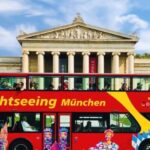
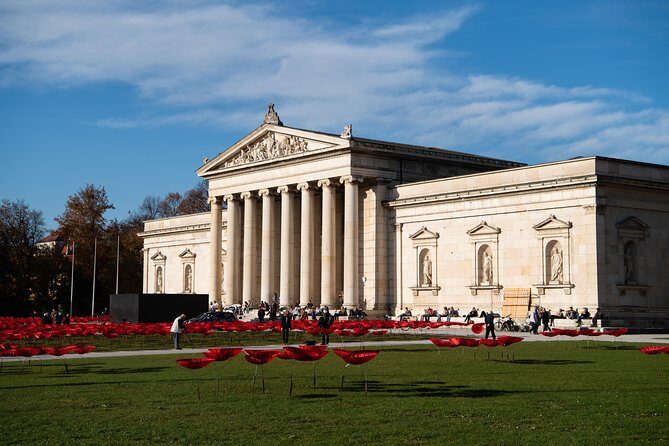
Your first significant stop is Königsplatz, a square that held enormous symbolic importance to the Nazi regime. Rather than just pointing at buildings, your guide will explain what made this location significant to the movement’s ideology and how it functioned in their propaganda strategy. You’re learning not just what happened, but why certain spaces mattered to the narrative the regime was constructing.
Odeonsplatz: The Center of Demonstrations
This 30-minute stop is the tour’s longest, and for good reason. Odeonsplatz served as a gathering place for Nazi Party marches and ceremonies. Your guide will help you visualize how this elegant Munich square was transformed into a stage for mass political theater. One traveler noted that guides like Michael were “brilliant” at connecting these physical spaces to broader historical patterns, helping you understand not just isolated facts but how they fit into a larger narrative.
Hofbräuhaus: Where Politics Happened Over Beer
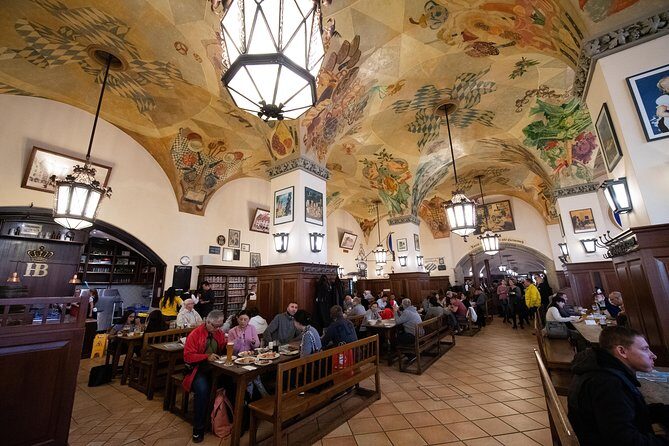
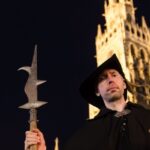
Yes, Munich’s famous beer hall played a role in Nazi history. The Hofbräuhaus wasn’t just a place where people drank—it was a political space where the movement organized and recruited. Understanding this context adds a layer to the beer hall culture you might experience elsewhere in Munich. One guide brought historical photos to show how these familiar spaces looked decades ago, creating a powerful visual bridge between past and present.
Old Town Hall: The Seat of Local Power
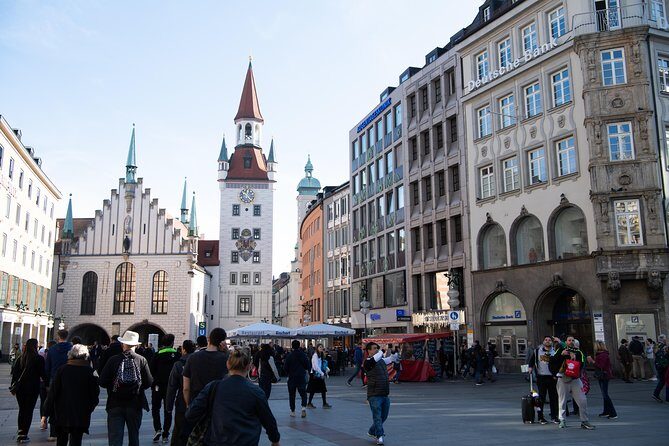
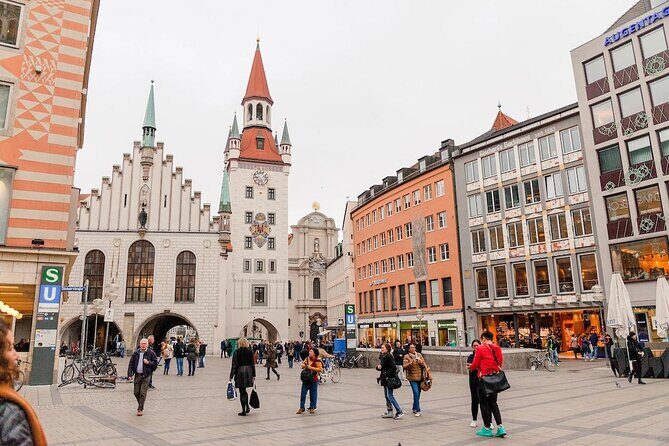
This stop connects you to Munich’s municipal history and how local institutions were affected by and eventually absorbed into the Nazi system. It’s a smaller building than you might expect, but that’s part of what makes it effective—it reminds you that this wasn’t just about grand architecture, but about how ordinary civic institutions were transformed.
Marienplatz: Coming Full Circle
The tour concludes at Munich’s central square, one of the city’s most vibrant and beautiful spaces. Ending here is meaningful—it’s a reminder that this city survived, rebuilt, and moved forward. You’ll have time to grab coffee, explore further, or simply sit with what you’ve learned.
The Guides: The Real Heart of This Experience
What separates this tour from a self-guided walk is the guides themselves. Based on dozens of reviews, Radius Tours employs people who treat this subject matter with appropriate gravity while remaining engaging teachers. One traveler described her guide as “thoughtful”—she even took a poll of the group to see if everyone wanted a bathroom and coffee break halfway through, and the group voted yes. That kind of attentiveness matters when you’re processing difficult historical content.
Guides mentioned by name in reviews include Michael, Jake, Keith, Nik, Aileen, Scott, Paul, Steve, Michelle, and Alex. The consistency of praise across different guides suggests this isn’t about one exceptional person, but rather a company culture that hires thoughtfully and trains well. A retired high school librarian and history major reported that she “still learned a lot” and found the experience “so much better than a textbook.”
Several reviews mention guides bringing historical photographs to show how locations looked during the Nazi era. This visual comparison—then and now—is powerful. One traveler noted that guides “went way above a normal tour guide to inform travelers,” suggesting they’re not simply reciting a script but actively engaging with the material.
Practical Details That Matter
Weather Considerations
This is an entirely outdoor walking tour, which means you need appropriate clothing. Munich can be cold and gray, particularly in winter. One traveler’s only complaint was that she wished she’d dressed warmer. Budget an extra 10 minutes of your morning to check the forecast and dress accordingly. The tour does operate in various weather conditions, but if conditions become genuinely unsafe, you can reschedule or receive a refund.
Booking Timing and Availability
Travelers book this tour on average about 29 days in advance, which suggests you should plan ahead but don’t need to reserve months out. With 93% of travelers recommending it and a 4.5-star rating from over 4,000 reviews, availability during peak season might be limited. That said, one traveler got lucky booking a solo tour during a slower season, which became a more personalized experience with one of the guides.
Group Size and Dynamics
With a maximum of 25 people, you’re getting something between a private tour and a large group experience. This size allows for questions and interaction without the chaos of a 60-person bus tour. Most reviews mention “our guide” and refer to group dynamics positively, suggesting the groups feel manageable and engaged.
Physical Requirements
You’ll be on your feet for 2.5 hours walking through Munich’s city center. You don’t need to be an athlete, but basic fitness helps. The tour is described as accessible to “most travelers,” and service animals are allowed, though the company should be contacted beforehand if you have mobility concerns.
What Travelers Actually Learned and Valued
Reading through reviews, certain themes emerge repeatedly. First, people appreciate learning context they couldn’t have discovered alone. A traveler who’d “read a great deal on this period” still found the tour valuable. A history major noted she “still learned a lot” despite her background. This suggests guides aren’t just listing facts but explaining how and why things happened.
Second, travelers value guides who can handle uncomfortable questions openly and honestly. One reviewer specifically praised her guide for answering questions “openly and honestly, as uncomfortable as some may have been.” This matters because the history of the Third Reich inherently involves difficult moral questions. A guide willing to engage seriously with those questions elevates the experience beyond mere sightseeing.
Third, people appreciate guides who find appropriate ways to make heavy content engaging. One traveler noted that her guide “made it very interesting and a little less heavy, considering the subject matter.” This isn’t about making light of serious history, but about presenting it in ways that keep people engaged and thinking rather than numb.


The Value Equation: Is It Worth Your Money?
At roughly $45 per person, you’re paying for expertise, guided access to historically significant locations, and professional interpretation of complex history. You could certainly walk these streets on your own with a guidebook, but you’d miss the context that transforms a walk into an education. One traveler put it well: “You have a chance to relive history or actually experience these locations decades later!” That’s what you’re paying for—the lived experience of standing in these places with someone who can explain their significance.
The tour’s 93% recommendation rate from nearly 4,300 travelers suggests the pricing hits a sweet spot—high enough to attract serious guides and companies, low enough that it feels accessible to regular travelers.
Potential Limitations
One reviewer wished the tour had been longer, noting that “if you’re anything beyond a surface level fan, it’d be nice to have at least 2 more hours.” This is fair feedback. If you’re a serious history scholar planning to spend days on this topic, you might want to combine this tour with a visit to the White Rose Museum or a longer specialized tour. But for most travelers seeking a solid introduction and the experience of these locations, 2.5 hours is well-calibrated.
The tour’s reliance on good weather is worth noting. If conditions become poor, the company will offer you a different date or full refund. Plan accordingly, and check the forecast before your booked date.
Frequently Asked Questions
How much does the Third Reich Walking Tour cost?
The tour costs $45.95 per person. This includes the 2.5-hour guided walk with a professional guide. You’ll receive a mobile ticket at the time of booking, so there’s no need to print anything or worry about physical vouchers.
What time does the tour start and how long does it last?
The tour lasts approximately 2 hours and 30 minutes. Specific start times aren’t listed in the tour details, so you’ll want to confirm your exact departure time when you book or in your confirmation email.
Is this tour suitable for children?
The tour data doesn’t specify age restrictions or recommendations. Given that it covers dark historical content and involves 2.5 hours of walking and standing, you’ll want to contact Radius Tours directly to discuss whether specific ages would be appropriate and comfortable with the material.
What if I need to cancel my booking?
You can cancel up to 24 hours before the tour for a full refund. If you cancel within 24 hours of the start time, your payment is forfeited. Any changes made less than 24 hours before the tour won’t be accepted.
Where exactly does the tour start and end?
The tour begins at Radius Tours office located at Dachauer Str. 4, 80335 München, Germany. It concludes at Marienplatz in central Munich, leaving you in the heart of the city to continue exploring or grab refreshments.
Are there bathroom breaks during the tour?
The tour data doesn’t mention scheduled bathroom breaks, though one review specifically praised a guide for taking a poll and offering a mid-tour coffee and bathroom break. It’s reasonable to expect this might be possible, but you should confirm with your guide at the start of the tour.
What language is the tour offered in?
The tour is offered in English. Reviews confirm that guides are easy to understand and speak clearly, even for non-native English speakers in the group.
Is this tour wheelchair accessible?
The tour is described as suitable for “most travelers,” but it’s an entirely outdoor walking tour through city streets covering several kilometers. If you have mobility concerns, contact Radius Tours directly at [email protected] or +49 89 5434877740 to discuss your specific needs.
What should I wear for this tour?
Dress for the weather and come prepared to walk for 2.5 hours. Several reviews specifically mention bundling up warmly, as the tour takes place entirely outdoors regardless of conditions. Comfortable walking shoes are essential, and you might want to bring a water bottle and small backpack for personal items.
Third Reich Walking Tour Munich
Final Thoughts
This tour delivers on its promise to educate while respecting the gravity of its subject matter. With nearly 4,300 positive reviews and guides who consistently earn praise for their knowledge and sensitivity, the Third Reich Walking Tour represents genuine value for travelers interested in understanding Munich’s complicated history. You’ll spend 2.5 hours on your feet learning from professionals who care about how they present this material, visiting actual locations where history unfolded, and gaining context that transforms a simple walk into meaningful education. Whether you’re a history enthusiast or simply someone who believes understanding the past matters, this tour earns its place on your Munich itinerary. Come prepared for heavy subject matter and cool weather, bring an open mind, and you’ll walk away with insights that stick with you long after you leave Munich.