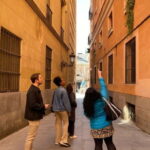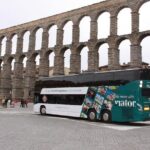
There’s something about Toledo that makes history feel less like dusty textbooks and more like walking through a living, breathing story. This full-day excursion from Madrid proves that sometimes the best day trips are the ones where someone else handles the logistics while you focus on soaking everything in. We’ve reviewed countless guided experiences, and this particular Toledo tour stands out for delivering genuine value without cutting corners on the essentials.
What makes this tour genuinely worthwhile is the combination of comprehensive coverage and reasonable pricing. For $81.20 per person, you’re getting round-trip transportation from central Madrid, a bilingual guided walking tour through one of Spain’s most historically significant cities, and admission to three major attractions—the Cathedral, the Synagogue of Santa María la Blanca, and the Church of Santo Tomé. That’s legitimate value for a full 8-hour experience.
The main consideration worth mentioning upfront: this is a group tour, typically running with around 40-50 travelers. That’s not necessarily a drawback—in fact, many visitors appreciate the shared experience and the way guides use individual audio devices to keep everyone connected despite the winding medieval streets. However, if you’re someone who finds large groups draining or if you have significant mobility challenges, you’ll want to read carefully through our detailed breakdown below.
This tour works best for history enthusiasts who want context alongside their sightseeing, travelers based in Madrid with limited time, and anyone curious about the intersection of Christian, Jewish, and Muslim history in Spain. If you’re the type who prefers exploring independently or moving at a breakneck pace, you might find the structured itinerary and group dynamics less appealing.
- What You’re Actually Getting: Breaking Down the Value
- The Itinerary: A Carefully Sequenced Journey
- Plaza de Zocodover: The Heart of the City
- Catedral Primada: The Architectural Masterpiece
- Synagogue of Santa María la Blanca: History Beyond Religion
- Church of Santo Tomé: The Overlooked Gem
- The Walking Experience: What to Realistically Expect
- The Bilingual Format: A Feature or Complication?
- Group Size and Audio Equipment
- Guide Quality: The Real Variable
- Timing and Logistics
- Practical Considerations for Decision-Making
- Who Should Book This Tour (And Who Shouldn’t)
- FAQ: Practical Questions Answered
- The Bottom Line
- The Best Of Madrid!
- More Tours in Madrid
- More Tour Reviews in Madrid
What You’re Actually Getting: Breaking Down the Value
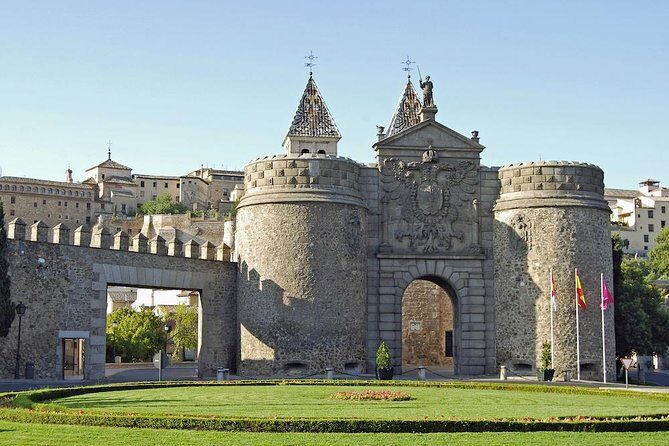
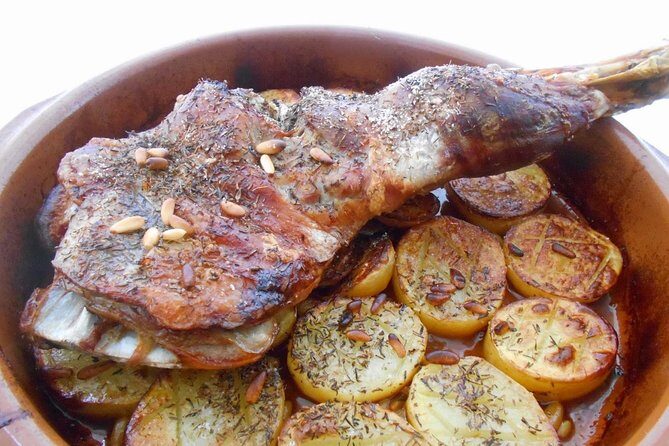
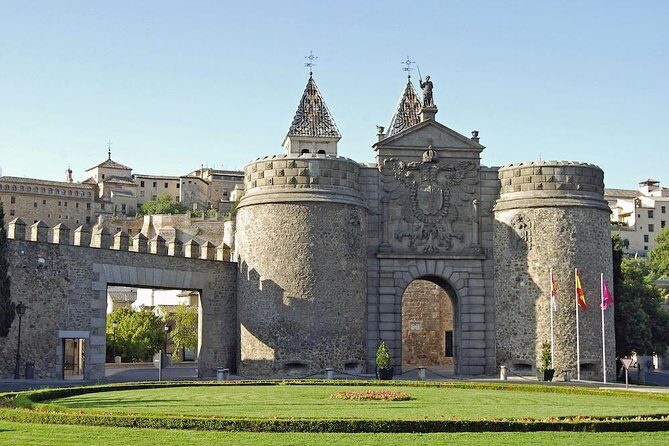
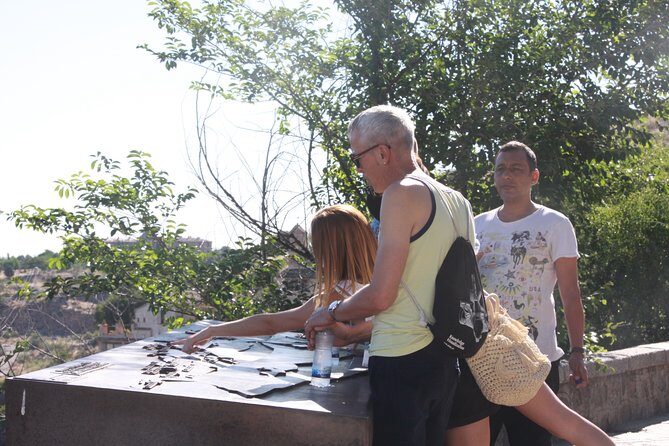

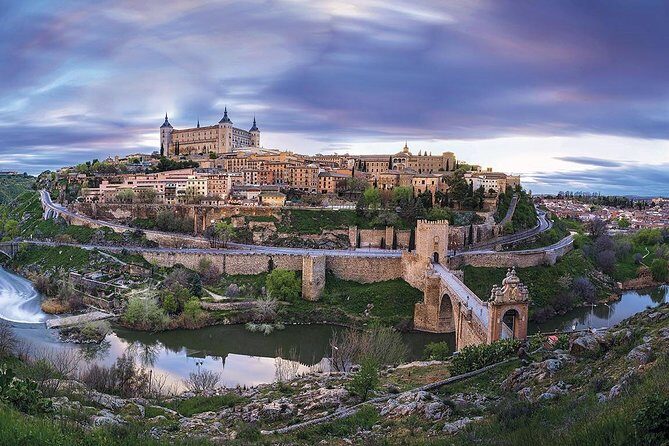
At $81.20 per person, this tour includes more than most travelers realize when they first book. The round-trip transportation alone saves you the hassle of navigating Spanish buses or rental cars on unfamiliar roads. You depart from a central Madrid location (C. de San Bernardo, 7) at 9:00 am, which means no predawn alarm clocks or complicated logistics. The bus itself is described as comfortable, and based on traveler feedback, the drivers (like Rafael, mentioned specifically in reviews) prioritize smooth, safe journeys.
But transportation is just the foundation. The real value lies in having a guide translate Toledo’s complexity into comprehensible narratives. One seasoned traveler noted, “We travelled with this company in California, and now in Spain,” suggesting that Fun and Tickets maintains consistent quality across multiple locations. Another visitor who’s clearly done substantial travel elsewhere observed, “Best guide we have had in some time and we are avid travelers.”
The three admission tickets are pre-included, which means no scrambling to buy tickets at each location or standing in separate lines. You walk up, and entry is already arranged. That’s efficiency that adds up quickly when you’re working with limited daylight hours.

👉 See our pick of the 15 Best Wine Tours In Madrid
The Itinerary: A Carefully Sequenced Journey
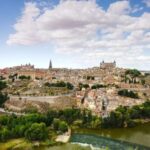
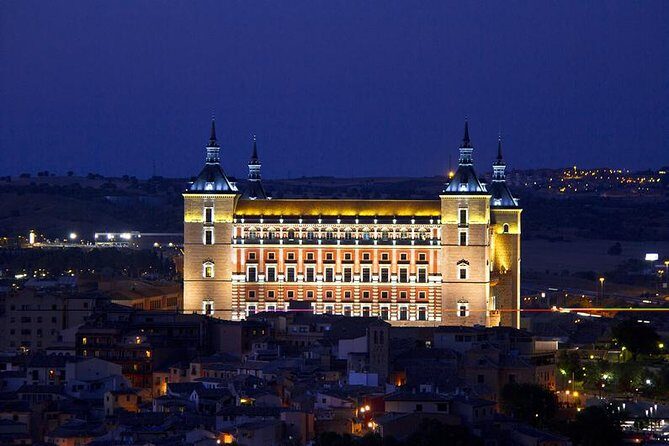
The tour opens with a bus-based panoramic overview of Toledo before the group disembarks for walking explorations. This approach makes sense—you get your bearings from elevation before diving into the narrow streets.
You can also read our reviews of more tours and experiences in Madrid.


Plaza de Zocodover: The Heart of the City
Your first stop is the Plaza de Zocodover, the historic nerve center of Toledo. During the reign of Felipe II, portions of this square were redesigned by Juan de Herrera, one of Spain’s most accomplished architects. You’ll spend about 30 minutes here, which gives you time to actually observe the architecture and grab a coffee or water if needed. This square has functioned as Toledo’s main gathering place throughout most of its history, and standing there, you understand why—it’s positioned perfectly within the medieval layout, and the surrounding buildings tell stories spanning centuries.
Catedral Primada: The Architectural Masterpiece
The Cathedral of Toledo is allocated a full hour, and travelers consistently emphasize that this time is well-spent. The Catedral Primada is the seat of the Metropolitan Archdiocese of Toledo and represents one of Spain’s most important religious structures. One visitor described it as “awe inspiring,” while another noted the “detailed architecture, profound history and stunning art.”
What makes the cathedral special isn’t just size or age—it’s the convergence of artistic movements. The building incorporates Gothic, Renaissance, and Baroque elements, and if your guide is knowledgeable (and most reviews suggest they are), you’ll understand how each period contributed to the final structure. The Cathedral also houses works by El Greco, the artist most associated with Toledo, along with pieces by Velázquez and Caravaggio. One traveler specifically mentioned appreciating “so many great art pieces we got to see from el Greco, Velasquez, and Caravaggio.”
Synagogue of Santa María la Blanca: History Beyond Religion
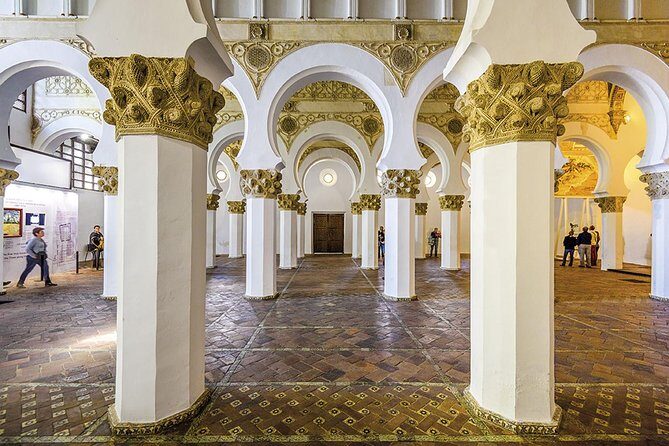
The Synagogue of Santa María la Blanca gets 30 minutes of the itinerary. Built in 1180 according to an inscription on a beam, it’s disputably considered the oldest synagogue building in Europe still standing. Now owned and operated by the Catholic Church, it functions as a museum and national monument.
We should address something directly: a few travelers felt disappointed that the building is now a church rather than an active synagogue with Jewish artifacts. That’s fair feedback, but it’s also important context. The structure itself tells a story about Spain’s medieval religious complexity—a time when Christians, Jews, and Muslims coexisted, sometimes peacefully, sometimes not. The architecture remains stunning regardless of current use, and your guide should explain the historical significance of the building’s transformation.
Church of Santo Tomé: The Overlooked Gem
Santo Tomé Church receives 30 minutes and often gets overlooked in favor of the Cathedral, but it’s worth your attention. Founded after King Alfonso VI’s reconquest of Toledo in the 11th century, it was constructed on the site of an earlier mosque. The church is famous for housing El Greco’s “The Burial of Count Orgaz,” one of his masterworks. If you appreciate art history or architectural evolution, this stop provides crucial context about how different religious traditions literally built upon each other in medieval Toledo.
The Walking Experience: What to Realistically Expect
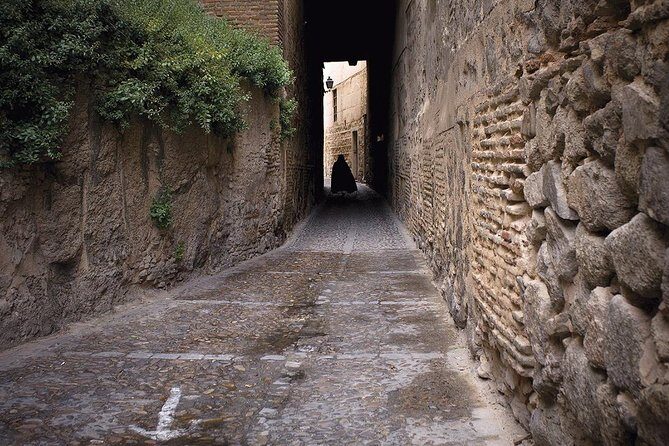
Here’s something multiple travelers emphasized: Toledo is extremely hilly, and this tour involves substantial walking, much of it uphill. One visitor who gave a five-star rating still felt compelled to note: “Toledo is extremely hilly and this tour requires a lot of walking, most of it uphill. If you or your guests have a hard time with this, please stop to consider if this is the right tour for you.”
Another traveler mentioned, “Lots of walking but worth every step,” suggesting that while the physical demands are real, they’re manageable for most people with reasonable fitness levels. The uneven surfaces and stairs are part of the medieval charm—these streets weren’t designed for modern comfort—but they’re also part of what makes Toledo authentic.
If you have mobility challenges, arthritis, or difficulty with stairs, this tour might frustrate you. The company does offer private tours as an alternative, which could be customized to your needs, but this particular group experience involves genuine hiking through a hillside city.
The Bilingual Format: A Feature or Complication?
The tour operates in both English and Spanish, with guides delivering information in both languages. This is explicitly stated in the tour description, though one traveler felt blindsided by this format. Her concern was legitimate: “having a tour where everything was repeated almost like an echo for several hours was annoying and gave me a headache.”
However, for travelers who understand only English, or only Spanish, or who are traveling with family members who speak different languages, this bilingual approach is genuinely valuable. The company’s response to this complaint is worth considering: the dual-language format allows people of different nationalities to have shared experiences while also giving them time to photograph, absorb information, and rest between explanations without feeling rushed.
Most travelers don’t mention the bilingual aspect as a problem, suggesting it works well for the majority. If you’re fluent in both languages and find code-switching exhausting, it’s worth noting as a potential consideration.
Group Size and Audio Equipment
The tour operates with approximately 40-50 people per departure. That’s large, but the company uses individual radio devices with headphones, which allows everyone to hear the guide clearly despite the narrow medieval streets. One traveler appreciated this setup: “We had devices with earphones so we could hear our guide.” Another noted, “Using headphones in larger groups helps ensure everyone can hear the explanations clearly.”
The audio equipment does occasionally draw criticism. One visitor mentioned “low quality audio devices,” while another noted some difficulty hearing “because some of the audio was hard to hear.” These seem to be occasional issues rather than consistent problems, and the company appears responsive to feedback.
The group size means you won’t feel like you’re getting personalized attention, but it also means the tour operates regularly (you can book just 33 days in advance on average, suggesting frequent departures), and you’ll have built-in social interaction if you’re traveling solo.
Guide Quality: The Real Variable
Here’s where the reviews become genuinely informative. Guide quality appears to be the single biggest variable in tour satisfaction. Several guides are mentioned by name with effusive praise: Beatrice (or Beatriz), Arantxa (sometimes spelled Arantxa), Rafael, Oscar, and others receive specific commendations for being knowledgeable, engaging, and patient.
Beatrice specifically appears multiple times: “She was fun, happy, positive and engaging. We learned SO MUCH about Spain, Toledo and art,” and “She was organized, pleasant and knowledgeable. Best guide we have had in some time and we are avid travelers.”
Arantxa also receives consistent praise: “She was affable and knowledgeable and did a great job of catering to our needs,” and “Tour guide Arantxa was very knowledgeable and patient in answering questions. She was very professional and warm.”
A few travelers reported guides with accents they found difficult to understand, but this is somewhat subjective—one person’s accent challenge is another person’s authentic cultural experience. The company’s response is reasonable: guides are professional and official, and if you’re struggling to understand, you should ask them to speak more slowly.
Timing and Logistics
The 8-hour duration includes transportation time, so you’re looking at roughly 5-6 hours of actual Toledo exploration. Departing at 9:00 am means you’re back in Madrid by late afternoon, leaving your evening free. The meeting point in central Madrid (near public transportation) is convenient if you’re staying in the city center.
One traveler mentioned having “time for lunch and some souvenir shopping,” suggesting there’s built-in free time beyond the structured stops. This flexibility is valuable—you’re not watching the clock at every location, but you also have breathing room to grab food or explore independently.
Practical Considerations for Decision-Making
What’s Included: Round-trip transport, bilingual guided walking tour, panoramic bus tour, and admission to three major attractions. Food and drinks are not included, so budget accordingly.
What’s Not Included: Meals, gratuities, and any shopping or additional activities.
Cancellation: You can cancel up to 24 hours before departure for a full refund, which is generous and low-risk.
Best Time to Visit: One traveler specifically mentioned visiting “in the offseason” and finding the city beautiful with fewer crowds. Winter months might offer a less chaotic experience, though the hilliness could be more challenging in poor weather.
Who Should Book This Tour (And Who Shouldn’t)
This tour is genuinely excellent for first-time visitors to Toledo who want context and efficiency. If you’re based in Madrid with limited time, it’s one of the most practical ways to see the city. History enthusiasts will appreciate guides who actually know their material. Art lovers will find the Cathedral and Santo Tomé Church worthwhile.
This tour is less ideal for travelers who prefer moving at their own pace, people with significant mobility limitations, or those who find group experiences draining. If you want an intimate experience or need a completely customized itinerary, the company’s private tour options might serve you better.
FAQ: Practical Questions Answered
Q: How far in advance do I need to book?
A: On average, travelers book about 33 days in advance, but availability varies by season. You can cancel up to 24 hours before departure if plans change.
Q: Is this tour accessible for people with mobility challenges?
A: The tour involves substantial walking, mostly uphill, through medieval streets with uneven surfaces and stairs. If you have significant mobility limitations, you should carefully consider whether this is suitable or explore the company’s private tour options instead.
Q: What language is the tour conducted in?
A: The tour is bilingual, conducted in both English and Spanish. Everything is explained in both languages, which some travelers find valuable and others find repetitive depending on their language fluency.
Q: Do I need to buy admission tickets separately?
A: No, admission to the Cathedral, Synagogue of Santa María la Blanca, and Church of Santo Tomé are all included in the tour price.
Q: Will I have time to eat during the tour?
A: The 8-hour tour includes built-in free time, and travelers report having opportunity for lunch. Food and drinks are not included in the price, so you’ll need to budget separately and know where to eat.
Q: How large are the tour groups?
A: Groups typically include 40-50 people. Individual audio devices with headphones help everyone hear the guide despite the group size.
Q: What should I wear for this tour?
A: Comfortable walking shoes with good grip are essential due to the substantial uphill walking and uneven medieval streets. Weather-appropriate clothing is important, especially since Toledo is exposed and hilly.
Q: Can I take photographs during the tour?
A: Yes, and the bilingual format actually provides built-in time for photography while the guide is speaking to the other language group.
Q: Are there any bathroom breaks during the tour?
A: The itinerary includes stops at major attractions where facilities are available, though this isn’t explicitly detailed in the tour description. It’s reasonable to ask your guide about bathroom availability when the tour begins.
Toledo Tour from Madrid: Cathedral, Synagogue & St. Tome’s Church
The Bottom Line
This tour delivers genuine value for travelers wanting to understand Toledo’s historical significance without getting lost in medieval streets or spending hours researching opening hours and admission prices. The $81.20 price point is fair for what’s included—transportation, professional guidance, and three major attraction admissions. Guide quality varies, but most travelers report knowledgeable, engaged guides who make the experience worthwhile. The group size and bilingual format work well for most people, though they’re worth considering if you have specific preferences. The physical demands are real and shouldn’t be underestimated, but they’re part of what makes Toledo authentic. If you’re a first-time visitor to Toledo based in Madrid, reasonably fit, and interested in history and art, this tour is a smart, efficient choice that consistently delivers positive experiences.