If you’re planning a trip to Dublin and you’re the type who gets genuinely excited about the stories behind great music, this tour deserves serious consideration. We’ve reviewed countless cultural experiences across Ireland, and Windmill Lane Recording Studios stands out as one of those rare attractions that delivers exactly what it promises—and then some. What makes this tour genuinely special is the combination of authentic access to a working studio and guides who actually understand the technical and creative sides of recording. The one thing worth noting upfront: this experience isn’t housed in Dublin’s main tourist district, so you’ll need to plan accordingly.
This tour is perfectly suited for music enthusiasts of all levels, from casual listeners who appreciate good songs to aspiring musicians and engineers who want to understand how records actually get made. Even if you’re not a devoted music fan, the interactive elements and engaging guides make this worth your time.
- The Real Deal: What Sets This Tour Apart
- Breaking Down the One-Hour Experience
- Location, Timing, and Logistics
- Value for Money: What You’re Actually Getting
- The Guides Make All the Difference
- Who Should Book This Tour (And Who Might Skip It)
- Practical Considerations
- Frequently Asked Questions
- The Bottom Line
- The Best Of Dublin!
- More Tour Reviews in Dublin
The Real Deal: What Sets This Tour Apart
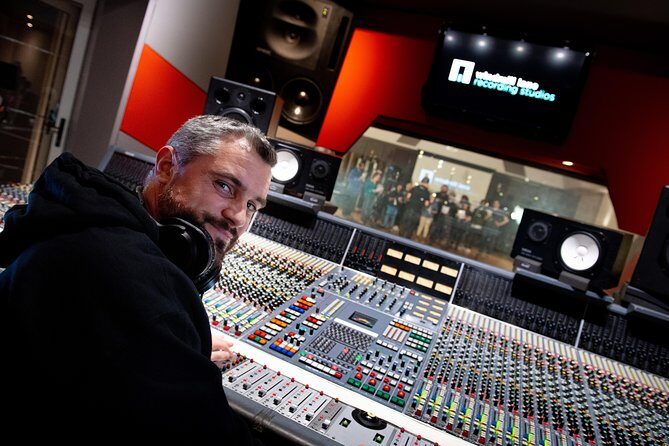
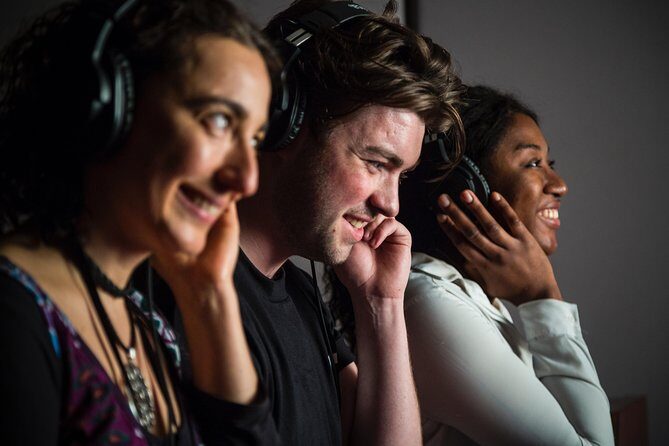
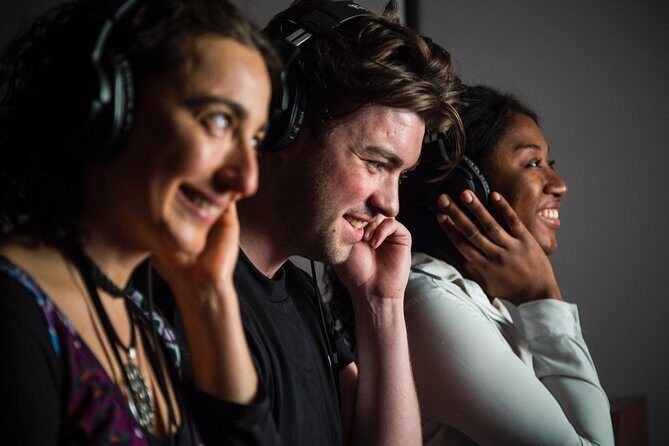
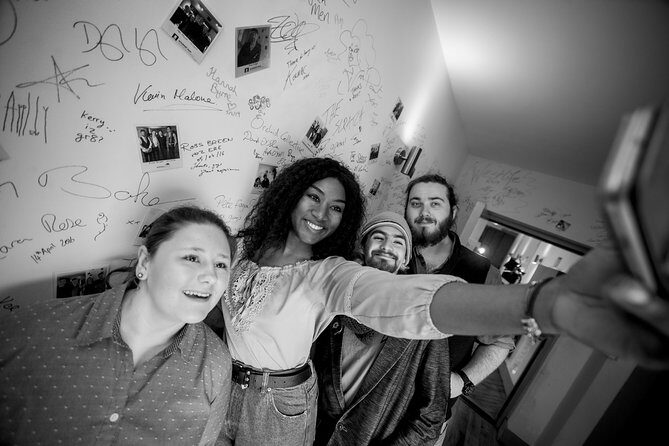
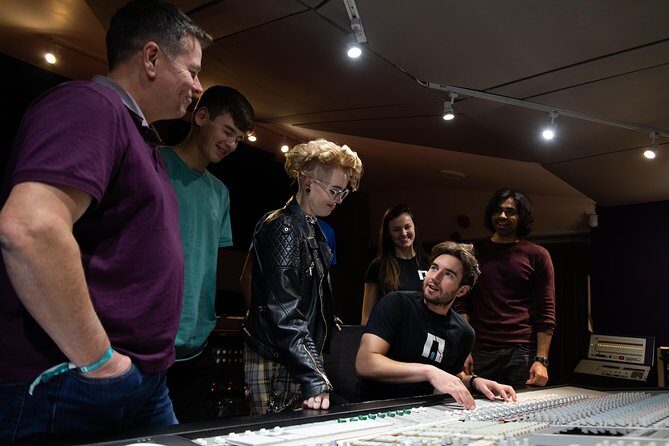
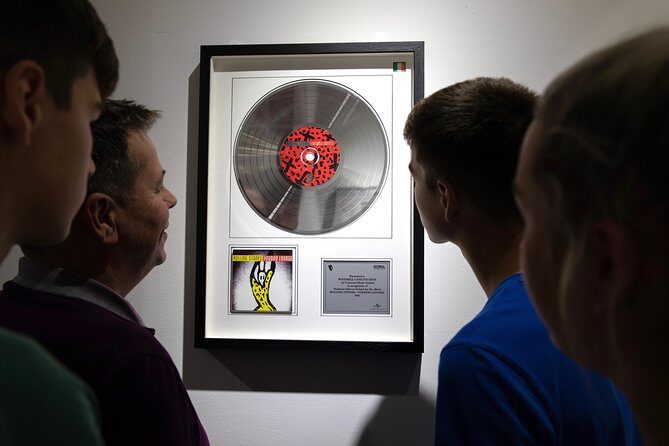
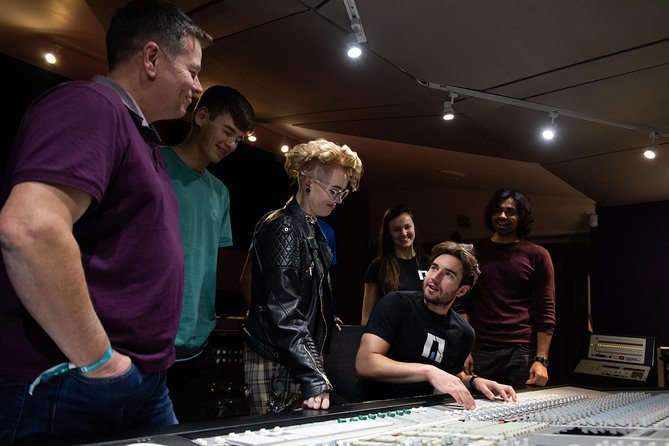

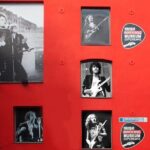
One of the first things you’ll notice from the reviews is a consistent theme—this is a working recording studio, not a museum. That distinction matters more than you might think. You’re not walking through a preserved time capsule; you’re entering a space where albums are actively being created. One traveler mentioned that “Bruce Springsteen was in the very same studio we visited just two weeks before,” which perfectly captures what makes this experience feel alive and current.
The studio has hosted some genuinely legendary artists over the years, and your guide will share the history of these recordings with real passion and knowledge. What comes through repeatedly in the reviews is that guides here aren’t just reading from a script—they’re music professionals who can answer technical questions and share anecdotes that bring the place to life.

👉 See our pick of the Discover 6 Great Shore Excursions In Dublin
Breaking Down the One-Hour Experience
The tour runs for approximately one hour, which might sound brief, but it’s actually well-calibrated. You’re getting quality over quantity here, and the experience is structured to maximize engagement rather than exhaust you with information overload.
Exploring the Studios Themselves
You’ll get a guided backstage tour through multiple studios (reviewers mention seeing three different studios), and this is where the magic starts to feel tangible. You’re not behind velvet ropes looking at things from a distance—you’re actually in the spaces where recordings happen. The mixing boards alone are worth seeing; one reviewer’s comment about the “massive” mixing board with a laughing emoji captures the awe factor perfectly. These aren’t small consumer-grade setups; you’re looking at professional-grade equipment that represents decades of recording technology.
Understanding the History and the Artists
Your guide will walk you through the studio’s significant history and the artists who’ve recorded here. This isn’t just a list of names—the guides weave together stories and context that help you understand why these recordings mattered. As one traveler noted, “the history and artists within those walls was awe inspiring.” The guides often have personal connections to these stories, which makes the experience feel genuine rather than rehearsed.
The Interactive Elements
Here’s where the tour goes beyond typical sightseeing. You’ll get a demonstration of how a recording session actually works, which transforms abstract knowledge into something tangible. The tour includes what’s called “Meet the Virtual Band,” where you’ll see the process in action, and then—this is the highlight for many—you get to mix your own session.
This hands-on mixing component is what keeps coming up in reviews as a turning point. One traveler said, “We were allowed to see everything and even mix ourselves,” as if they couldn’t quite believe they’d been given such access. It’s one thing to understand recording theory; it’s another to actually manipulate a mixing board and hear how your adjustments change the sound. Even if you have zero experience, the guides walk you through it in a way that feels achievable and fun.
The Sound Demonstration
Several reviewers specifically mentioned enjoying “the sound demonstration,” which apparently includes some fascinating insights into how sound itself works and affects us. One person noted this was “very interesting” even for non-musicians, suggesting it’s educational without being overly technical.
You can also read our reviews of more tours and experiences in Dublin.



Location, Timing, and Logistics
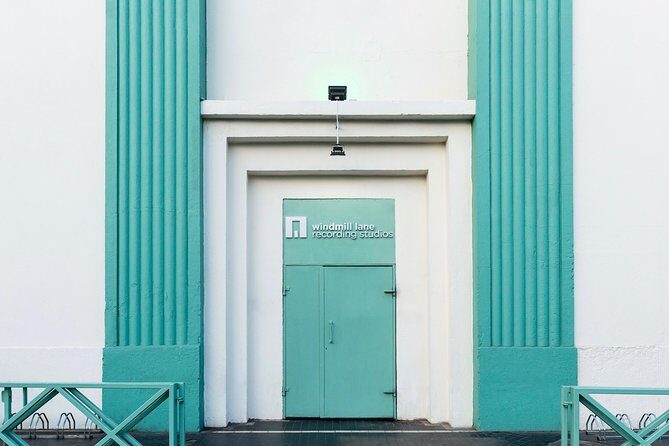
The tour starts at 20 Ringsend Road in Dublin 4, which is genuinely outside the main tourist center. This might initially feel inconvenient, but multiple reviewers actually saw it as a positive. One traveler wrote, “Don’t let the location on the map deter you, either. Windmill Lane Recording Studio is an easy, direct 20-30 min walk from the Trinity College area and is a perfect way to see a different and less tourist-y part of Dublin.”
This is valuable context. You’re not just getting a tour; you’re also exploring a more authentic part of Dublin. The location is near public transportation if you prefer not to walk, and the neighborhood itself offers a glimpse into residential Dublin rather than the heavily touristed Temple Bar area.
The tour accommodates a maximum of 15 travelers, which is genuinely small. This isn’t a cattle-car experience where you’re herded through in a large group. With groups this size, your guide can actually interact with you, answer questions, and adjust the pace based on the group’s interests.
Value for Money: What You’re Actually Getting
At $31.44 per person, you’re looking at a very reasonable price point for what’s included. Your admission to the studio is built into the ticket—there are no hidden fees or upsells. One reviewer explicitly stated, “The BEST way to spend $$ on a tour in Dublin!” which speaks to the value calculation.
Consider what you’re getting: access to a professional recording studio, a guide (often someone with industry experience), hands-on interaction with professional equipment, and time to actually participate in the mixing process. Compare that to other Dublin attractions, and the pricing becomes even more attractive. You’re paying less than a fancy lunch for an experience that’s genuinely unique.
The booking information suggests this tour books an average of 33 days in advance, which means popular time slots fill up. Given the small group size (max 15 people), this makes sense. The mobile ticket system means you’ll have your confirmation immediately and can access everything through your phone.
The Guides Make All the Difference
What emerges most strongly from the reviews is the quality of the guides. Multiple reviewers mentioned specific guides by name—Marie, Maria, Ross, Naomi—and praised them enthusiastically. One traveler noted, “Thanks to our guide for this incredible experience,” suggesting that personal connection and expertise genuinely elevated the tour.
What’s particularly interesting is that some guides bring real industry credentials. One reviewer mentioned, “Maria, our tour guide is in the music industry so this was a 100% authentic working recording studio tour.” Another noted, “Maria was a highly experienced composer to engineer so could take on the more technical questions from the group which was fascinating.” This isn’t a situation where you get a generalist tour guide who’s been given a script—you’re getting people who actually work in music.
Who Should Book This Tour (And Who Might Skip It)
Absolutely book if: You have any genuine interest in music, you’re curious about how recordings are made, you want an interactive experience rather than passive sightseeing, or you’re traveling with musicians or music students who would geek out on the technical aspects.
Probably book if: You want something genuinely different from the typical Dublin tourist trail, you appreciate hands-on learning experiences, or you’re looking for something that works for both adults and teenagers.
You might skip if: You have zero interest in music or recording, you need a tour that’s directly in the city center with no walking required, or you’re looking for a massive group tour where you can blend into the background.
Practical Considerations
The tour requires a moderate fitness level, which really just means you should be comfortable standing and walking through studio spaces. It’s not a strenuous hike or anything demanding. Service animals are allowed, which is worth noting if you’re traveling with an assistance dog.
The cancellation policy is straightforward: free cancellation up to 24 hours before your tour. This gives you flexibility to adjust if your plans change, though you should obviously book in advance to secure your preferred time slot.
Mobile tickets mean you can store everything on your phone—no need to print or worry about losing paper tickets. This is particularly nice given that you’ll have your hands free to take photos and participate in the mixing experience.
Frequently Asked Questions
How far in advance should I book this tour?
The tour books an average of 33 days in advance, and with a maximum group size of 15 people, popular time slots do fill up. We’d recommend booking at least 2-3 weeks ahead, especially if you’re visiting during peak tourist season (May through September).
Can I take photos during the tour?
The reviews mention “lots of photo opps” and travelers taking pictures, so photography appears to be welcome. The specific policies about recording audio or video aren’t mentioned in the tour details, so it’s worth confirming with the studio directly if you plan to do anything beyond standard photography.
What if I’m not very technical—will I still enjoy the mixing part?
Absolutely. Multiple reviewers specifically noted that non-technical people enjoyed the experience. One traveler said, “Even for people who don’t know much about music, it’s a nice experience.” The guides walk you through the mixing process, so you’re not expected to arrive with expertise.
Is this tour suitable for kids?
The reviews mention families and specifically children enjoying it. One reviewer brought their son and noted he “really nerded out on the technical aspects,” suggesting it works well for curious teenagers and older kids. For very young children, the one-hour duration and standing involved might be challenging, but this isn’t explicitly stated as restricted.
What’s the cancellation policy if my plans change?
You can cancel free of charge up to 24 hours before your tour. Cancellations made less than 24 hours before the start time forfeit the full amount, so just build in that buffer when planning.
How do I get to the studio from central Dublin?
The address is 20 Ringsend Road, Dublin 4. It’s approximately a 20-30 minute walk from Trinity College area, or you can use public transportation. The area is near public transit, so you have flexible options for getting there.
Windmill Lane Recording Studios – Visitor Experience
The Bottom Line
This tour deserves a spot on your Dublin itinerary, especially if you have any connection to music or curiosity about how creative work actually happens. With a perfect 5.0 rating across 885 reviews, 100% recommendation rate, guides who are often industry professionals themselves, and an interactive experience that goes beyond typical sightseeing, you’re getting genuine value at a reasonable price. The location outside the main tourist zone is actually an advantage—it gives you a more authentic Dublin experience while you’re learning about one of the city’s most important cultural institutions. Book it in advance to secure your preferred time, arrive ready to engage with the guides and equipment, and prepare to come away with a deeper appreciation for the craft of recording music.