This Auschwitz-Birkenau guided tour from Krakow isn’t a typical sightseeing experience, and that’s precisely why you should consider it. The tour handles one of history’s darkest chapters with the respect it demands, combining seamless logistics with knowledgeable guidance that helps you truly understand what happened here. You’re picked up directly from your hotel, driven to the memorial sites, guided through both camps by a licensed museum expert, and returned to your accommodation—all without fighting ticket lines or navigating the complexity alone.
What I love about this tour is how it removes friction from a visit that requires emotional and mental preparation. The hotel pickup eliminates stress, the headphones system lets you move at a thoughtful pace while hearing your guide’s commentary, and the small group size (capped at 25 people) means you’re not herded through like cattle. Several travelers mention how guides like Barbara and Anna brought genuine passion and empathy to their work, helping visitors grasp not just what happened, but why it matters that we remember.
The main consideration is physical: this involves substantial walking with uneven terrain, multiple buildings, and numerous steps. If mobility is a concern, you’ll want to think carefully about whether this tour works for you, as the pace can feel rushed for some visitors and the museum’s layout isn’t particularly accessible.
- What Makes This Tour Different
- Getting There and Back
- Inside Auschwitz: What You’ll Actually See
- The Practical Details That Matter
- Who This Tour Suits Best
- Understanding the Value
- The Emotional Reality
- Communication and Organization
- Should You Book This Tour?
- FAQ
- What’s included in the tour price?
- How early do I need to arrive for pickup?
- Will I have time to eat during the tour?
- How much walking is involved?
- What should I bring with me?
- Can I cancel if plans change?
- How large are the groups?
- What language is the tour conducted in?
- How should I prepare mentally for this visit?
- What if I have questions during the tour?
- The Best Of Krakow!
- More Guided Tours in Krakow
- More Tours in Krakow
- More Tour Reviews in Krakow
What Makes This Tour Different
 1 / 5
1 / 5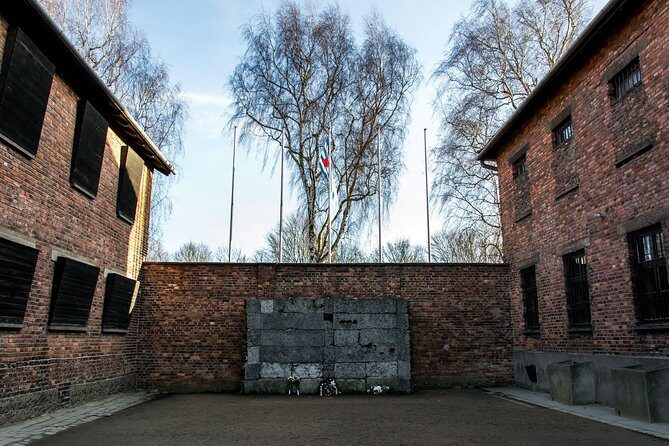 2 / 5
2 / 5 3 / 5
3 / 5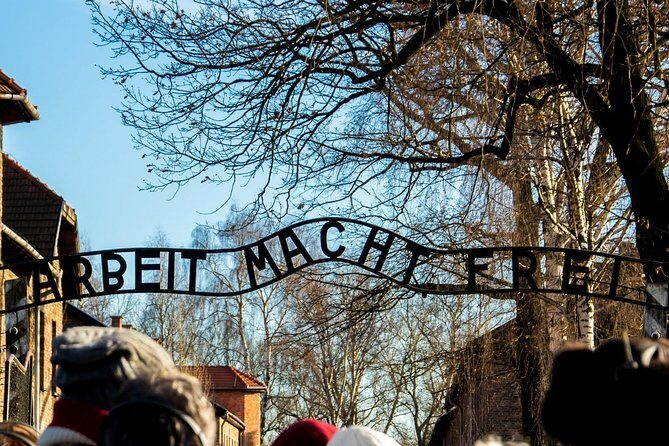 4 / 5
4 / 5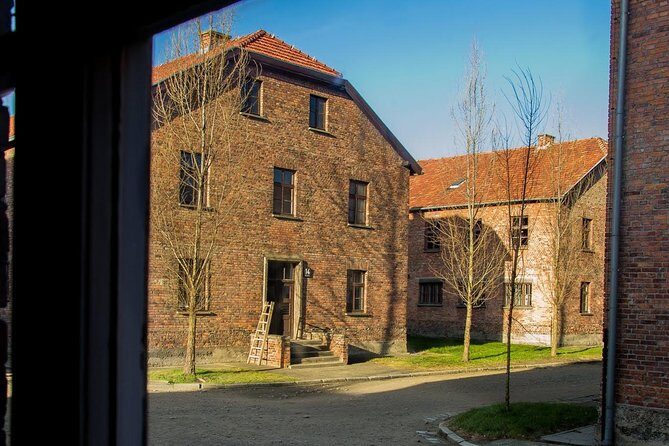 5 / 5
5 / 5Hotel pickup saves you from logistical headaches. Instead of figuring out buses, booking separate tickets, or arriving at Auschwitz overwhelmed, a driver collects you from your accommodation between 7:30 and 9:30 in the morning. You’ll get your exact pickup time the day before, and drivers consistently arrive on schedule. This small detail matters more than it sounds—you arrive mentally prepared rather than frazzled.
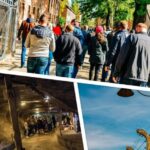
The headphones system changes how you experience the camps. Rather than straining to hear a guide in a large group, you wear headphones tuned to your guide’s microphone. This lets you actually look at the exhibits, read the placards, and absorb the weight of what you’re seeing without constantly repositioning yourself to hear. Guides typically have 20+ years of expertise, and travelers consistently praise how guides like Anna and Barbara speak with both knowledge and genuine emotion.
You skip the entry ticket chaos. Auschwitz-Birkenau requires advance booking, and during peak season the queues are brutal. This tour includes your admission, so you walk past the crowds and straight through. The drive from Krakow takes roughly 75 minutes, giving you time to settle your thoughts before arrival.
The tour covers both camps thoroughly. You’ll spend around three and a half hours visiting Auschwitz and Birkenau, with transportation between them included. One traveler noted the guide gave them an hour at each location—enough to see the main buildings and grasp the scale, though some history enthusiasts felt time constraints prevented seeing every open building. You’re not rushing through in two hours, but you’re also not spending an entire day here.

👉 See our pick of the Our Picks For The 12 Best Spa & Hot Springs Experiences In Krakow
Getting There and Back
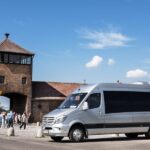
The round-trip transport is genuinely convenient. A comfortable air-conditioned minivan or coach collects you from hotels, apartments, or hostels. Drivers like Thomas, Peter, and Lucas earn consistent praise for being polite, punctual, and knowledgeable about the journey ahead. One traveler mentioned their driver Lucas was “helpful and knowledgeable,” while another noted how Thomas escorted them through security at Auschwitz itself—small gestures that reduce anxiety.
The drive itself takes about an hour and fifteen minutes each way. Some tour operators show a documentary during the minivan ride, which several visitors found “a brilliant idea” for building context before you arrive. If you’re hungry, you can pre-order a lunch box delivered to your vehicle for a small extra fee—reviewers mentioned these were generous and delicious.
The return journey gives you time to process. You’re not jumping back on a crowded tour bus; you’re riding back to Krakow with the same small group, often in quiet reflection.
You can also read our reviews of more guided tours in Krakow


Inside Auschwitz: What You’ll Actually See
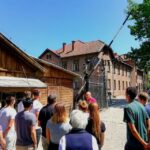
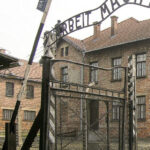
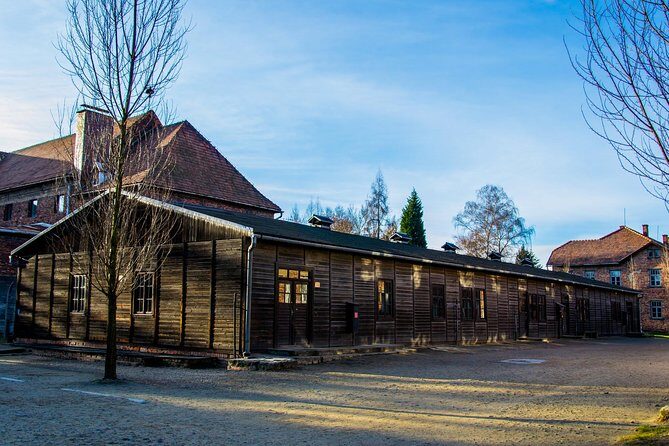
Auschwitz Main Camp is where most people spend their time initially. The buildings are preserved as they were—barracks, gas chambers, execution walls, storage rooms filled with the belongings of victims. Your guide will explain the camp’s layout, its brutal daily operations, and the systematic processes that made it a factory of death. Guides bring this history alive not through sensationalism but through careful explanation and evident respect for those who suffered here.
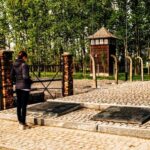
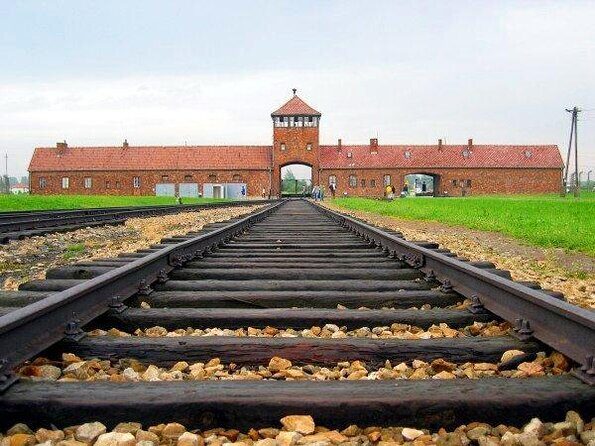
Birkenau is the larger, more visually overwhelming of the two camps. The sheer scale hits you—row after row of barracks foundations, the railway tracks leading to the crematoriums, the vastness of it. One traveler described it as “a visual shock” despite having visited before. Your guide walks you through the site, explaining the different sections and what they were used for. Many people find Birkenau harder to process than the main camp, precisely because of its scale and the openness of it.
The experience isn’t presented as a spectacle. Guides speak respectfully, often with visible emotion. Several visitors mentioned guides seemed almost humbled by their responsibility to tell this story accurately. You’re not being entertained; you’re being educated in the presence of a memorial to millions.
The Practical Details That Matter
Wear comfortable shoes. This isn’t optional advice—it’s essential. You’ll walk several kilometers across uneven ground, up and down steps, on gravel and concrete. Multiple travelers emphasized this, and one who didn’t prepare adequately regretted it. Bring water too, especially in warmer months, as there’s limited shade.
Your bag must meet specific size limits. The museum won’t allow backpacks or bags larger than 30x20x10 centimeters. This is a security measure, not a suggestion. Plan accordingly—a small daypack or crossbody bag works fine.
Bring your ID or passport. Guards check these at the entrance. Without valid identification, you won’t get in, regardless of your ticket. Keep it easily accessible.
The tour typically runs 7 hours total, including transport and the guided portion. You’re looking at roughly 3.5 hours actually at the camps, with 2.5 hours in transit. Plan your day accordingly—you won’t have time for other activities.
Groups max out at 25 people. This is small enough that you don’t feel like one of hundreds, but large enough that you’re not getting a private tour experience. It’s a practical middle ground.
Who This Tour Suits Best
This tour works beautifully for first-time visitors to Auschwitz who want context and don’t want to navigate logistics independently. If you’re interested in World War II history but find it overwhelming to visit alone, having a guide transforms the experience from traumatic to educational.
It’s also ideal for families with teenagers and adults. Several families brought teenagers (ages 13-19) and found the guides pitched their explanations at a level that resonated across ages. One family noted their children were “transfixed” by the guide’s presentation.
History enthusiasts should know that while the tour is thorough, some visitors felt time constraints prevented them from seeing every open building or spending as much time reading placards as they’d have liked. If you’re deeply invested in every detail, consider booking a private guide instead, which allows you to set your own pace.
This tour is not ideal if you have significant mobility challenges. The terrain is uneven, there are many steps, and the pace can feel rushed for anyone moving slowly. The operator acknowledges this isn’t accessible for everyone and suggests private tours for those who need a slower pace.
Understanding the Value
At $30 per person, this tour is genuinely affordable. You’re getting transport from your hotel, skip-the-line entry, a licensed museum guide for 3.5 hours, headphones, and return transport. In most European cities, a half-day guided tour costs more. The question isn’t whether it’s cheap—it’s whether the convenience and guidance justify the cost. For most visitors, the answer is yes.
What you’re really paying for is peace of mind and context. Yes, you could book your own ticket and take a bus. You could show up without a guide. But you’d miss the explanations that transform a visit from overwhelming to meaningful. You’d navigate security lines and transportation confusion. Guides like Barbara, who travelers noted had been doing this for 25 years, carry knowledge and emotional intelligence that you simply can’t get from a guidebook.
You can also read our reviews of more museum experiences in Krakow

The Emotional Reality
I need to be direct: this tour is not enjoyable in the traditional sense. You won’t leave feeling uplifted or energized. Multiple visitors used words like humbling, upsetting, harrowing, and haunting. One traveler noted “not a bird to be seen or heard on either visit”—the place carries a weight that’s palpable.
That said, visitors consistently describe it as essential. “Everyone should visit,” multiple people wrote. “So we don’t forget.” The tour operator and guides approach this responsibility seriously, and that professionalism helps you process an impossible subject matter. You’re not being manipulated emotionally; you’re being given facts and context, and your emotions respond naturally.
Preparing beforehand helps. Several visitors mentioned watching documentaries before their visit made the experience more meaningful. You might consider doing the same—it gives you framework for understanding what you’ll see.
Communication and Organization
The operator communicates clearly before your tour. You’ll get your exact pickup time the day before. They operate heavily through WhatsApp (+48 504 091 617), and multiple visitors praised their responsiveness. One traveler noted “constant communication with Artur,” another mentioned the operator had “excellent communication.”
The tour runs every day of the week, with pickup windows between 6:30 and 10:00 AM depending on the season. The operator confirms your booking at time of purchase and will contact you with specifics.
Cancellation is flexible—you can cancel up to 24 hours in advance for a full refund. Less than 24 hours, and you lose your money. This is standard for tours of this type.
Should You Book This Tour?
Book this if you’re visiting Krakow and haven’t experienced Auschwitz-Birkenau. The combination of convenient logistics, knowledgeable guidance, and respectful presentation makes it the easiest way to visit one of history’s most important sites. You’ll spend roughly $30 and 7 hours, and you’ll understand why this memorial matters.
Don’t book if mobility is a significant concern—the terrain and pace won’t work for you. Consider a private guide instead, which costs more but lets you move at your own speed.
Skip this if you’re looking for a fun, energizing day activity. That’s not what Auschwitz is. But if you’re looking for something meaningful, educational, and emotionally significant, this tour delivers exactly that.
The 4.7-star rating from 448 reviews isn’t inflated hype. Visitors consistently praise the guides’ knowledge, the drivers’ professionalism, and the overall organization. The handful of critical reviews mention rushing and one instance of a rude driver—real issues, but exceptions rather than the rule.
Book in advance if you can. The tour is popular, and peak season fills up. You’ll get your pickup time confirmed the day before, and from there, the logistics are handled. You just show up at your hotel ready to spend a day confronting history head-on.
Auschwitz Birkenau Guided Tour Small Group with Hotel Pick up
FAQ
What’s included in the tour price?
Hotel pickup and drop-off, entry tickets to both Auschwitz and Birkenau, a licensed museum guide for the 3.5-hour tour portion, headphones rental, and round-trip transportation in an air-conditioned minivan or coach. Food and drinks are not included, though you can pre-order a lunch box for an additional fee.
How early do I need to arrive for pickup?
Your driver will contact you the day before with your exact pickup time, which falls within the 7:30-9:30 AM window (or 6:30-10:00 AM depending on season). You should be ready at your hotel or accommodation at that time. The driver will collect you from the front desk or outside your building.
Will I have time to eat during the tour?
The tour itself doesn’t include a formal meal break, though there is typically a brief rest period between visiting the two camps. You can pre-order a lunch box through the operator for a small additional cost, which will be waiting for you in the vehicle. Alternatively, you might bring your own snacks, though options at the memorial sites themselves are limited.
How much walking is involved?
You’ll walk several kilometers across both camps, with uneven terrain, gravel paths, and numerous steps. Most visitors describe it as substantial but manageable if you wear proper footwear. If you have mobility concerns, this tour may not be suitable—the operator recommends private tours for those who need a slower pace.
What should I bring with me?
Bring your passport or ID (required for entry), comfortable walking shoes, water, and a small bag no larger than 30x20x10 centimeters. Sunscreen and a hat are useful in warm months. Leave large backpacks behind or check with the operator about storage options.
Can I cancel if plans change?
Yes, you can cancel up to 24 hours before your scheduled pickup time for a full refund. Cancellations made less than 24 hours before the experience begins result in forfeiture of your payment.
How large are the groups?
Groups are capped at 25 people, which keeps things manageable without feeling like a massive tour. You’ll be with the same small group for transport and share a licensed museum guide at the camps.
What language is the tour conducted in?
The tour is offered in English only. Your guide will speak English fluently, and the headphones system ensures you can hear clearly throughout.
How should I prepare mentally for this visit?
Many visitors found it helpful to watch documentaries about Auschwitz or World War II before their visit. This gives you context for what you’ll see and helps the experience feel more meaningful rather than overwhelming. Expect the visit to be emotionally heavy—that’s normal and appropriate.
What if I have questions during the tour?
Your guide welcomes questions and multiple visitors mentioned guides answered inquiries willingly and confidently. The headphones system allows you to communicate with your guide, and there’s typically time for discussion between the two camp visits.