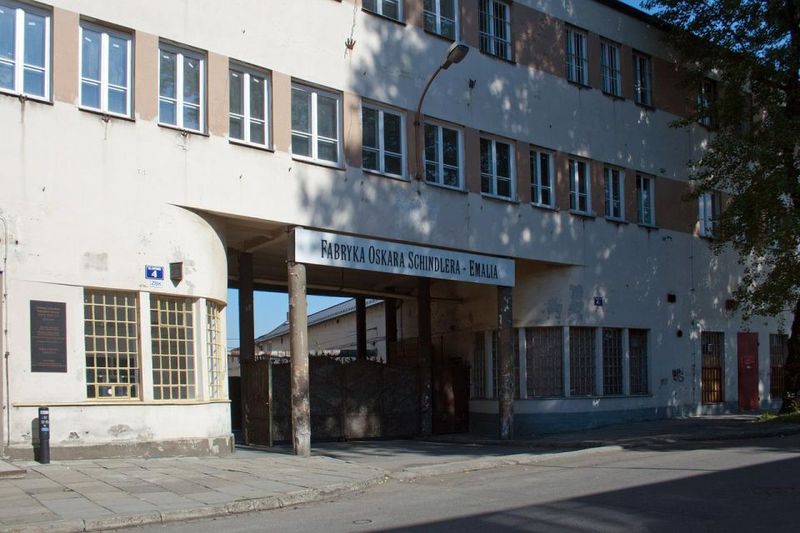
Krakow’s Schindler’s Factory guided tour is a structured, English-language way to understand what life meant under Nazi occupation—far beyond a single name. You start at the Fabryka ’Emalia’ Oskara Schindlera site, then move through permanent exhibits that build a timeline of wartime Krakow.
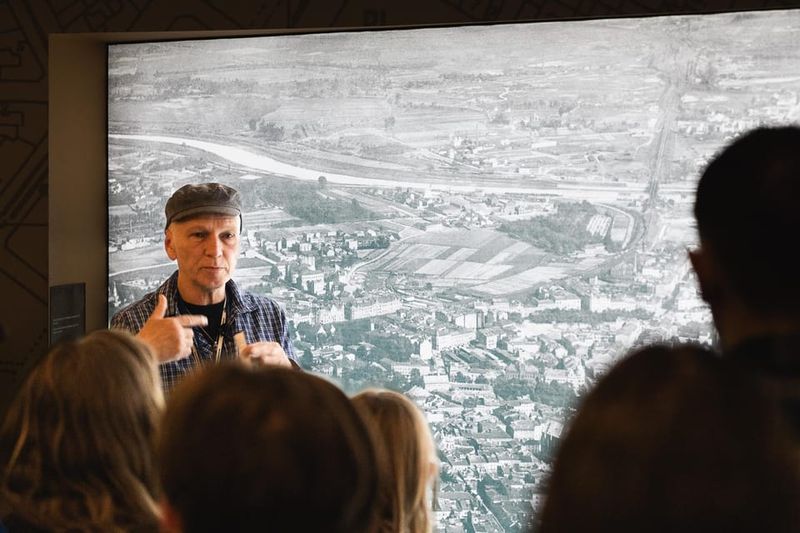
What I like most is how much a strong guide can change the whole experience. Many visitors mention guides such as Wojciech Marchut, Magda, Kinga, and Marta for clear, sensitive storytelling that connects artifacts to real human choices and fear.
The main thing to consider is time. With a 90-minute visit, some people feel the pace tight—especially if you want to linger and read everything slowly. Add the fact that it’s non-refundable and you’ll want to plan your arrival carefully.
- Key things to know before you go
- Entering the Factory: Why This Tour Hits Differently
- Meeting Point and Getting In: The 15-Minute Rule Matters
- The 90-Minute Structure: What You’ll Do During the Tour
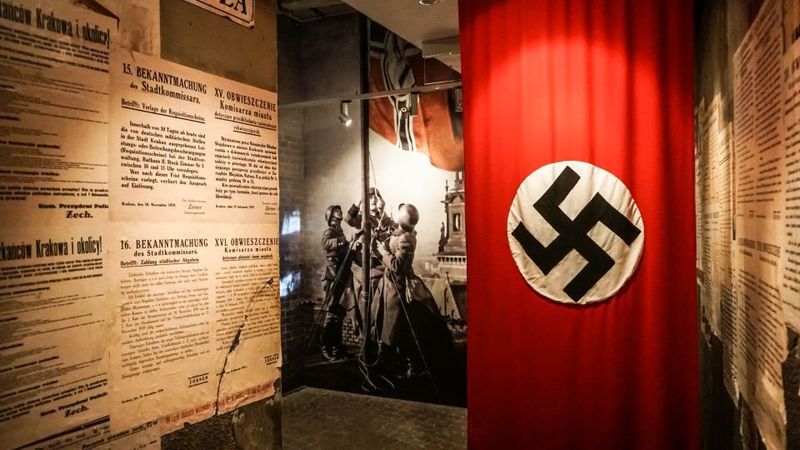
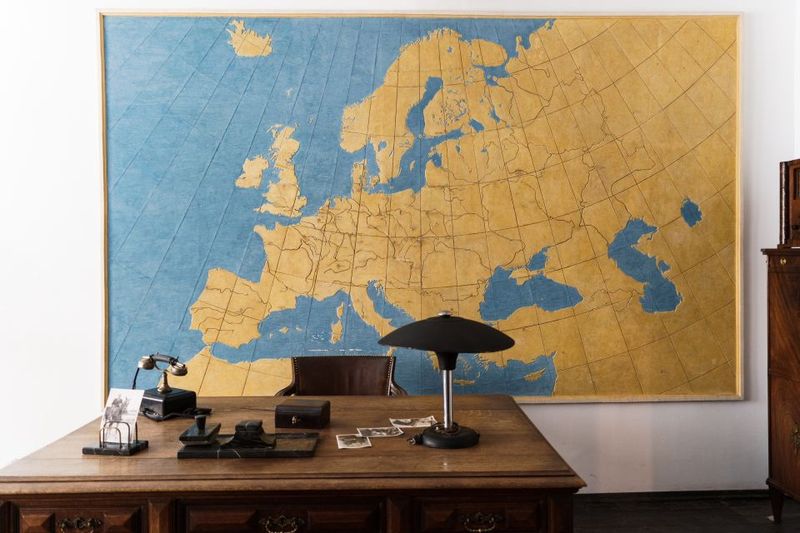
- What You’ll See: Factory Narratives and Wartime Scenes
- Multimedia Inside the Exhibits: Good for Clarity, Not a Replacement
- The Guide Makes the Difference: English, Licensed Expertise, and Real Storytelling
- Headphones, Lockers, and Bathrooms: Small Details That Save Your Visit
- Crowds and Pacing: When the Experience Can Feel Tight
- Non-Refundable Policy and Late Entry: Plan Like It Matters
- Price and Value: What Buys You (and Why the Guide Matters)
- The 3-Day Museum Pass Option: 22 Museums, One Digital Card
- Rules of the Visit: What You Can’t Bring
- Who Should Book This Tour (and Who Might Not)
- Should You Book Schindler’s Factory Guided Tour?
- The Best Of Krakow!
- More Guided Tours in Krakow
- More Tours in Krakow
- More Tour Reviews in Krakow
Key things to know before you go
 1 / 10
 2 / 10
 3 / 10
 4 / 10
 5 / 10
 6 / 10
 7 / 10
 8 / 10
 9 / 10
 10 / 10
- Start at Schindler’s Factory main gate with a guide holding an Oskar Schindler Guided Tour sign
- 90 minutes, English live guide with a licensed expert in WWII Krakow history
- Skip the ticket line and access permanent exhibits right away
- Headphones are available so you don’t miss the guide’s narration
- Bag deposit on site if you need somewhere safe for luggage
- Optional 3-day museum pass: a digital card for entry to 22 Krakow museums, no transport included

👉 See our pick of the Our Picks For The 12 Best Spa & Hot Springs Experiences In Krakow
Entering the Factory: Why This Tour Hits Differently
Schindler’s Factory is one of those places where the layout does part of the teaching for you. The guided format matters here because you’re not just scanning objects—you’re learning how occupied Krakow worked day to day. The story isn’t only about Oscar Schindler; it’s about the city’s people, the limits placed on them, and the small “normal” routines that kept going until they couldn’t.
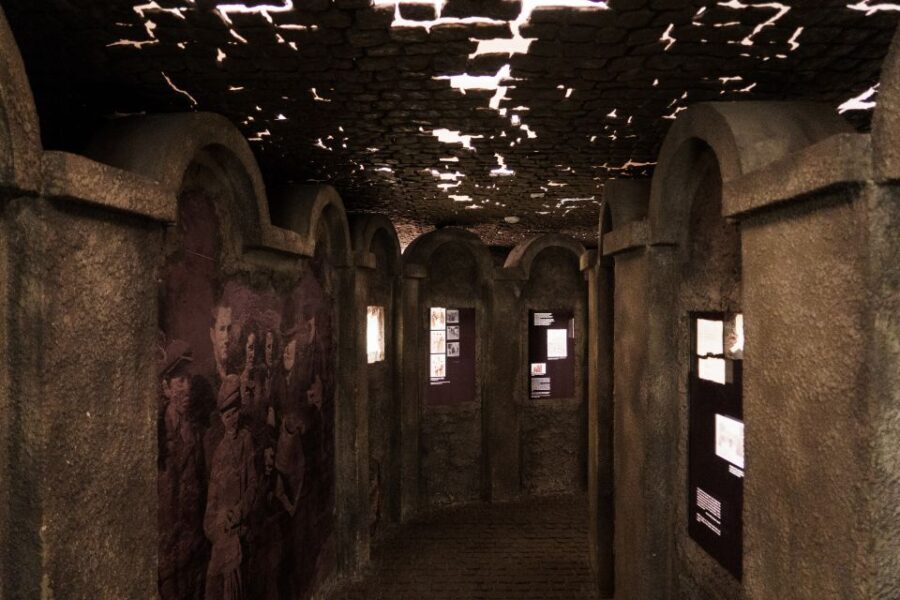
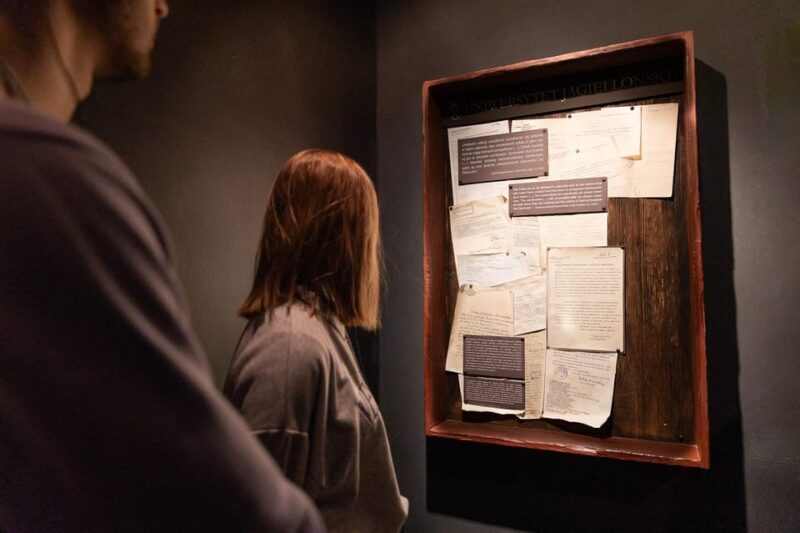
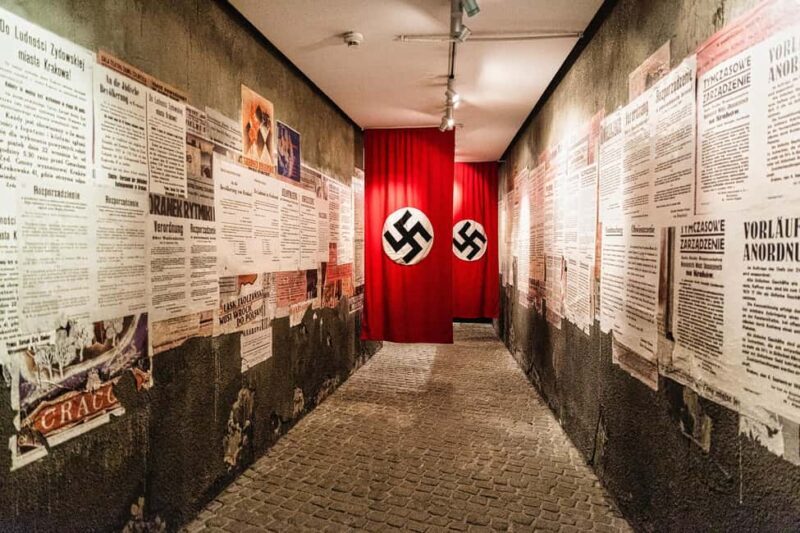
During the tour, you’ll follow a chronological path through exhibits that help you imagine the experience of wartime Krakow: stepping into a typical apartment in the ghetto, moving through narrow passages, and seeing how everyday items could carry meaning even when fear was constant. It’s heavy material, but a good guide can keep the flow human and understandable.
If you prefer museums that come with context and a roadmap, this is your kind of visit.
You can also read our reviews of more guided tours in Krakow


Meeting Point and Getting In: The 15-Minute Rule Matters
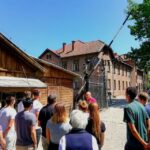
This tour is designed to be straightforward, but timing is strict. You meet in front of the main gate to the Schindler’s Factory entrance. Your guide will be holding a sign that says Oskar Schindler Guided Tour with the start time.
Two practical notes that people consistently run into:
- If you arrive more than 15 minutes late, you may be denied entry and there are no refunds.
- The experience runs on site flow, so you can’t treat it like an “anytime” museum ticket.
So give yourself a little buffer. Krakow can be easy to navigate, but you’re dealing with museum entry lines, crowds, and people finding the meeting flag area.
The 90-Minute Structure: What You’ll Do During the Tour
The guided portion is 1.5 hours, paced to cover key sections without turning it into a marathon. The format is essentially a guided walk through permanent exhibits, supported by museum multimedia and documentary film elements.
You can think of it as three layers:
- First, the city before and during occupation: how Krakow changed, how people lived, and what rules tightened around them.
- Next, the ghetto experience and imprisonment/resistance realities: narrow spaces, constant danger, and choices made under impossible pressure.
- Finally, liberation and aftermath: the bittersweet relief of the period that followed, including what it meant for survivors and witnesses.
Because it’s chronological, you’re less likely to feel lost when you encounter artifacts that otherwise might look like “just objects.” The guide connects them to time, place, and behavior under occupation.
What You’ll See: Factory Narratives and Wartime Scenes
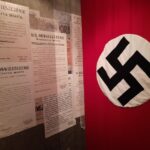
Even if you’ve heard of Schindler through books or film, this museum reframes the factory as a window into occupied Krakow. The emphasis is on how the war shattered lives—and how people held onto dignity and spirit in the smallest ways.
A few guided-tour touchpoints you should expect to hear about:
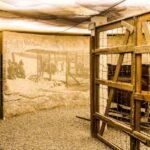
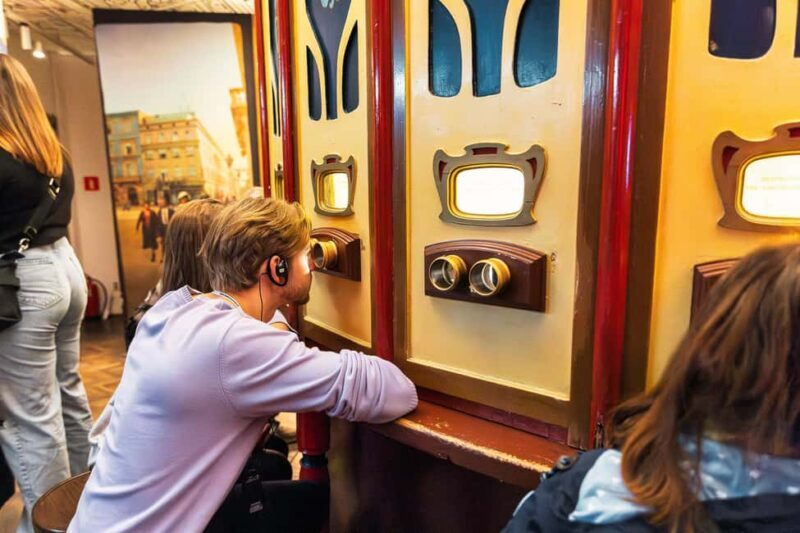
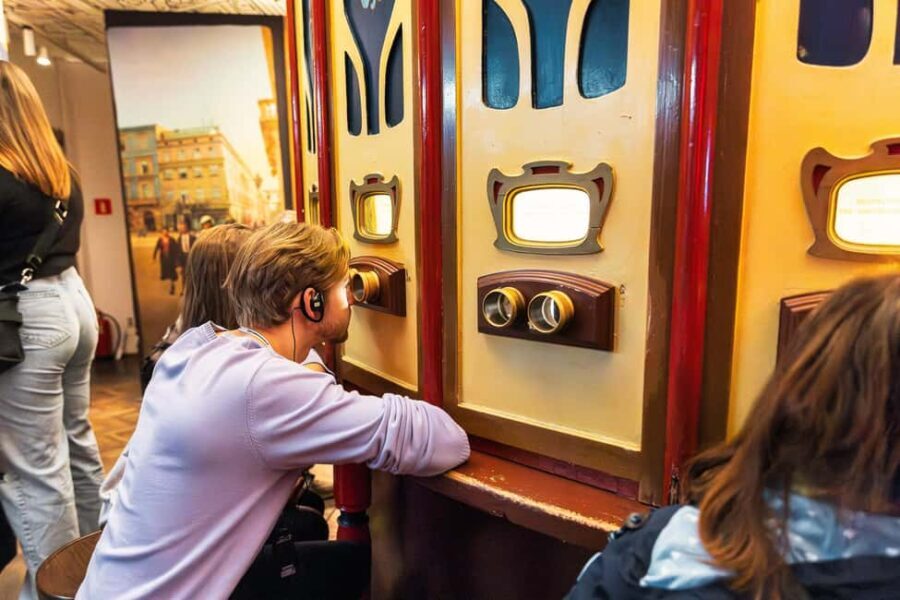
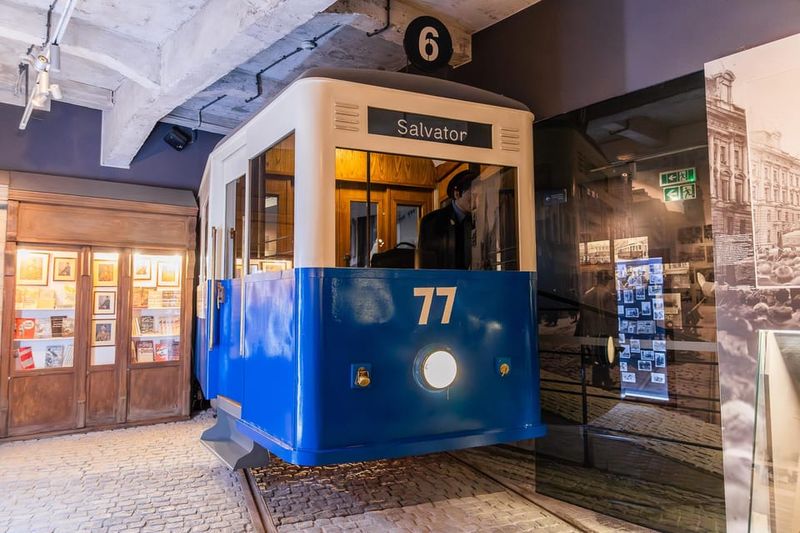
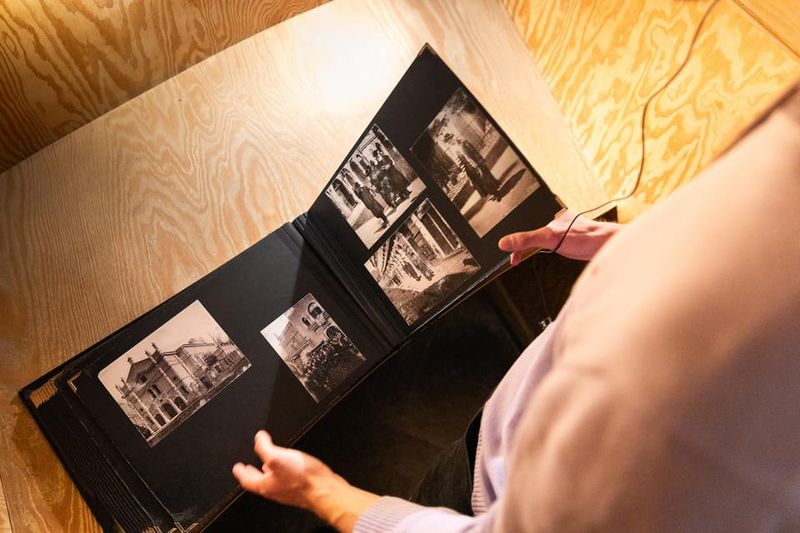
- Scenes that help you visualize everyday locations, like a photographer’s shop and tram travel through the cityscape.
- A look at what a typical Jewish apartment in the ghetto might have represented in daily life.
- Resistance and imprisonment themes presented with attention to how people coped, hid, endured, or tried to survive.
This matters for value. Without a guide, you can still walk through and absorb a lot—but many travelers feel you miss the “why” behind what you’re seeing. The guide turns scattered scenes into a timeline you can hold in your head.
More Great Tours NearbyMultimedia Inside the Exhibits: Good for Clarity, Not a Replacement
The museum includes multimedia shows and film documentaries, and that can be a real help if you learn best when facts are paired with visuals. These segments typically keep the atmosphere grounded in real history, not just text panels.
That said, the best guides don’t hand you the story on a screen and walk away. They use the multimedia moments as anchor points, then explain what the objects and documents are saying.
So if you’re the type who thinks you’ll “just watch the videos,” you’ll probably get more from this tour if you treat the multimedia as a support, not the whole experience.

The Guide Makes the Difference: English, Licensed Expertise, and Real Storytelling
A huge part of the success here is the guide. Many visitors specifically praise guides who combine factual depth with clarity and sensitivity. Names that come up often include Wojciech Marchut, Magda, Kinga, Marta, and Wojtek.
You’ll hear examples of how guides handle:
- Hard topics without turning them into emotional noise
- Clear explanations of sections you might otherwise skim
- Time for questions, which can be especially valuable when you’re trying to understand how events connected
One traveler even noted that their guide used personal experience in the way they talked about the war period. That’s not something you should expect every time, but it’s a good reminder: a skilled guide can make the material feel connected to lived reality.
If you want the museum to make sense, plan for the guided version. It’s the difference between visiting a collection and understanding a story.
Headphones, Lockers, and Bathrooms: Small Details That Save Your Visit
Krakow museums are often practical puzzles. This one gives you a bit of help:
- Headphones are provided, which helps you catch the guide even in busier rooms.
- There’s a deposit onsite option for belongings if you bring a bag that you’d rather not carry through galleries.
- Toilets are available at the entrance area and partway through the tour route.
It sounds basic, but these details change how relaxed you feel. You can focus on the exhibits instead of juggling bags or hoping you’re not going to “miss your stop.”
Crowds and Pacing: When the Experience Can Feel Tight
This is a popular stop, and some days feel busy. A few people mention it being crowded or chaotic at certain points. Also, a couple travelers wished there had been a chance to re-walk sections afterward, because they wanted more time to read posters or look at photos carefully.
So here’s the realistic approach:
- Come prepared to take the guided route as the main event.
- If you’re the type who loves to read every line, consider building in extra time on your own after the tour. The guided portion is not designed for slow study.
If the schedule can be flexible, aiming for a time slot when you’re not rushing to your next stop can make a big difference.
Non-Refundable Policy and Late Entry: Plan Like It Matters
Two policy points can affect your decision:
- The activity is non-refundable.
- If you arrive later than 15 minutes before the tour starts, you may be denied entry and refunds won’t be issued.
That’s not meant to be harsh—it’s how many guided museum operations protect their start time and group flow. But it does mean you should double-check your logistics when booking.
I’d treat it like an appointment, not a walk-up ticket.
Price and Value: What $58 Buys You (and Why the Guide Matters)
At about $58 per person for a 90-minute guided tour, you’re paying for expert interpretation, not just access. For many travelers, that’s the best value part of the whole day.
Here’s why:
- Permanent exhibits can be read at your own pace, but the guided version connects artifacts to history and sequence.
- The tour includes professional English guidance and helps you understand context that you might otherwise miss.
- You also get access without doing the full ticket-line process thanks to skip-the-line entry.
If you’re only going to visit one WWII-themed museum in Krakow, a guided tour like this usually makes the learning stick. If you’re going to do multiple museum stops across the city, you may prefer the museum pass option (below) so you can spread your time out.
The 3-Day Museum Pass Option: 22 Museums, One Digital Card
If you select the museum pass option, you get a digital card valid for three days, allowing entry to 22 Krakow museums. It doesn’t require exchanging anything at the point of entry.
Important practical detail: this pass does not include transportation. You still handle walking, transit, or taxis on your own.
Some of the included stops you can plan around:
- The Princes Czartoryski Museum (home to Lady with Ermine by Leonardo da Vinci)
- MOCAK
- Galicja Jewish Museum
- Museum of the Home Army dedicated Gen Emil Fieldorf Nil
- Arsenal
- Kościuszko Mound
Even if you’re primarily here for WWII history, this can be smart value. Krakow is compact enough that hopping between museums can work, and the pass can prevent you from making last-minute decisions based on queue length or single-ticket prices.
The key is to be realistic with your time. Pick a few museums you genuinely care about, then use the pass to fill in the rest.
Rules of the Visit: What You Can’t Bring
The visit has clear rules:
- Drones are not allowed.
- Alcohol and drugs are not allowed.
If you’re traveling light, you’ll have an easier time moving through the site. If you bring a backpack or larger bag, plan to use the onsite deposit option.
And because the subject is painful, you might find it helpful to arrive mentally ready. This place asks for attention.
Who Should Book This Tour (and Who Might Not)
This tour is a strong fit if you:
- Want licensed English guidance that explains occupied Krakow rather than just listing dates
- Learn best when stories are connected to objects
- Are visiting once and want maximum meaning from the time you have
It may feel less ideal if you:
- Prefer totally self-paced museum wandering with no time limit
- Need lots of quiet time to read every panel slowly
- Are very sensitive to emotionally intense material and don’t feel you’ll get enough control over pacing with a fixed tour duration
For many people, though, that fixed structure is exactly what makes the experience manageable.
Krakow: Schindler’s Factory Guided Tour
Should You Book Schindler’s Factory Guided Tour?
If you want a museum visit that teaches you what you’re seeing, I’d book it. At 90 minutes, the guide helps you turn exhibits into a coherent wartime picture, and many travelers specifically credit guides like Wojciech Marchut, Magda, Kinga, and Marta for making the story clear and compelling.
Choose this tour rather than a self-guided ticket if you care about context, sequence, and understanding life in occupied Krakow—not just the headline story.
Book it with confidence if you can arrive on time. Don’t book it if your schedule is uncertain, because the non-refundable policy and late-entry risk are real.
If you do book it, consider pairing it with a few museums from the 3-day pass so you can keep exploring Krakow with fewer ticket decisions and more continuity across your days.
You can check availability for your dates here: