
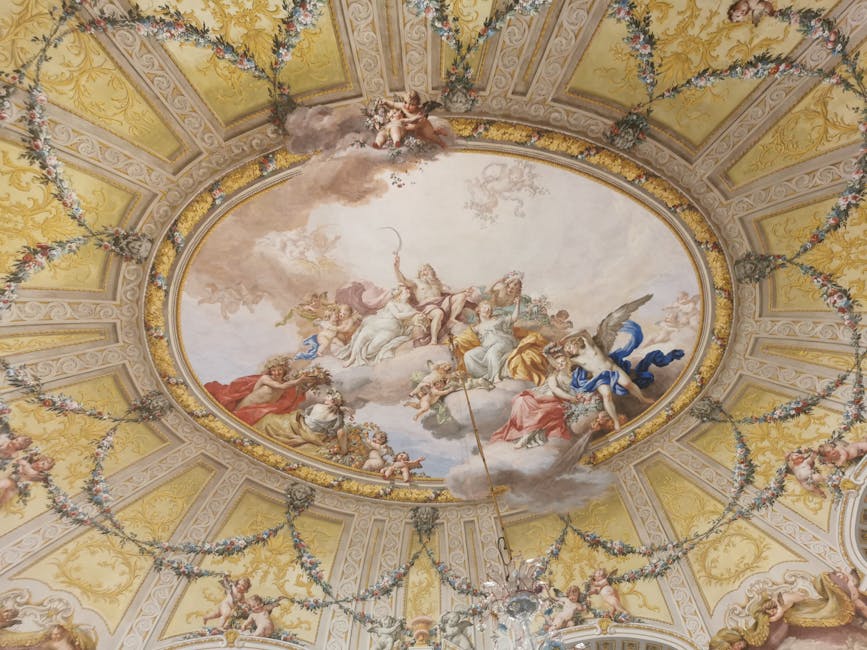
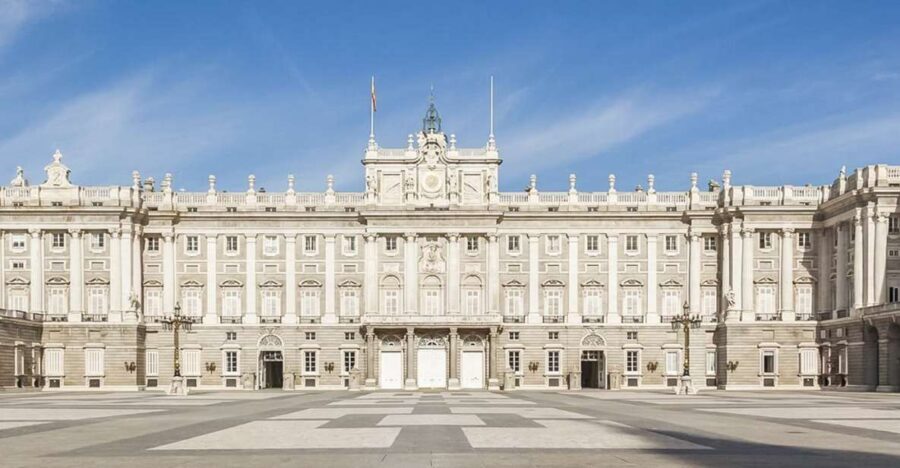
My daughter looked at the Throne Room ceiling and whispered, “Mum, is this where the queen lives?” No. The Spanish royal family hasn’t lived here since 1931. But the Royal Palace of Madrid is maintained as if they might come back at any moment. Every chandelier lit. Every surface polished. Every room more elaborate than the last. It is, without exaggeration, the most lavishly decorated building I’ve ever taken children into. And they were mesmerised.
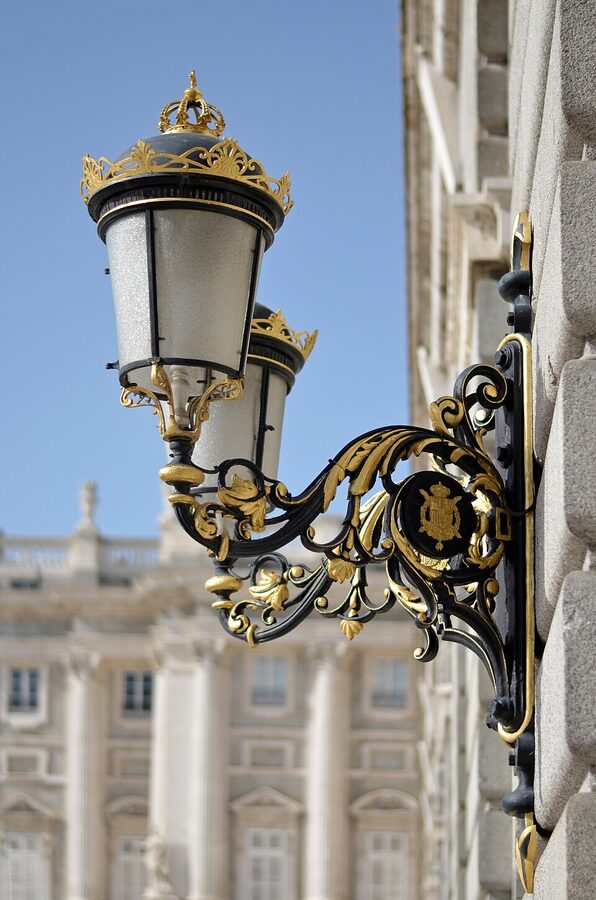
The Palacio Real sits in the heart of Madrid, overlooking the Manzanares valley with the Cathedral of Almudena next door. It’s used for state ceremonies but nobody lives here. That means you can walk through it — throne rooms, ballrooms, dining halls, and private royal apartments — at your own pace.
Here’s what families need to know about visiting with children.
- Short on Time? Here Are Our Top Picks
- What It’s Actually Like Inside with Children
- The Rooms Children Love Most
- When to Visit (This Matters)
- A Bit of History (Why Children Should Care)
- The Cathedral of Almudena
- The Palace Gardens
- Practical Tips for Families
- Getting There
- What to Do After the Palace
- The Best Tickets for Families
- 1. Royal Palace Fast-Access Admission —
- 2. Expert Guided Tour with Skip-the-Line —
- 3. Skip-the-Line Guided Tour —
- More Madrid Family Guides
Short on Time? Here Are Our Top Picks
Self-paced entry. Under-5s free. Over 13,000 reviews. The essential ticket for families.
Book Now
2-hour guided tour. The guide brings the rooms alive with royal stories. Best for ages 6+.
Book Now
Highest-rated at 4.9 stars. Headsets included. Compact and family-friendly format.
Book Now
What It’s Actually Like Inside with Children
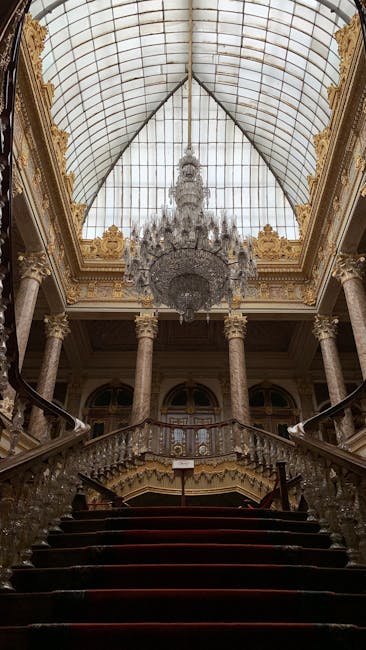
The visit follows a one-way route through the palace’s state rooms. You start with the grand staircase, move through the reception halls, the throne room, the private royal apartments, the banquet hall, and finish at the porcelain room and the Royal Chapel. The route takes about 90 minutes at a comfortable family pace.
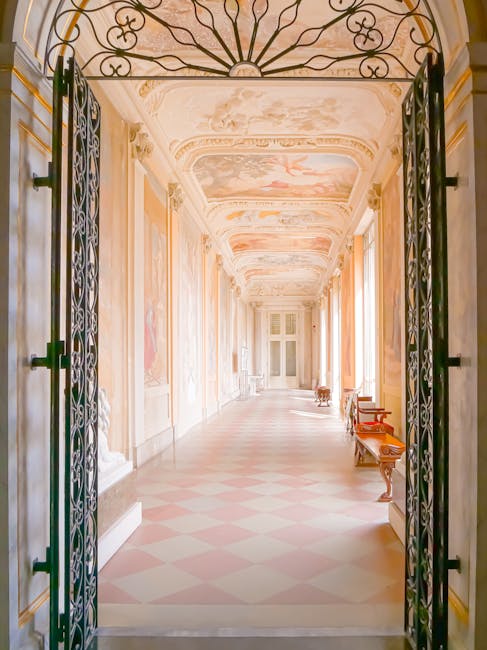
Every room is more extravagant than the last. The ceilings are painted with frescoes by Tiepolo and Mengs. The walls are covered in silk, velvet, and hand-painted wallpaper. The floors are marble, parquet, and mosaic. Children notice the scale before anything else — these rooms are enormous, and the decoration covers every surface from floor to ceiling.
The Rooms Children Love Most
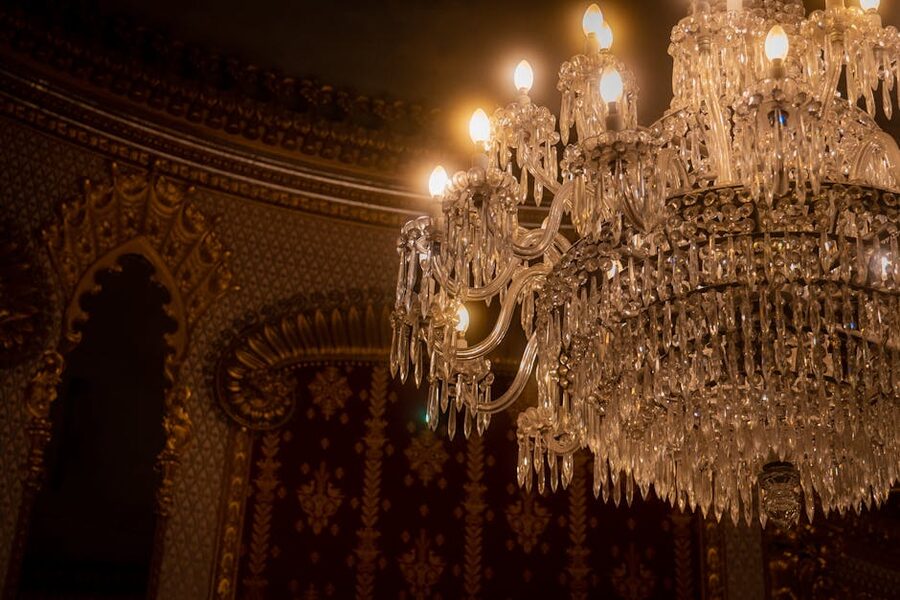
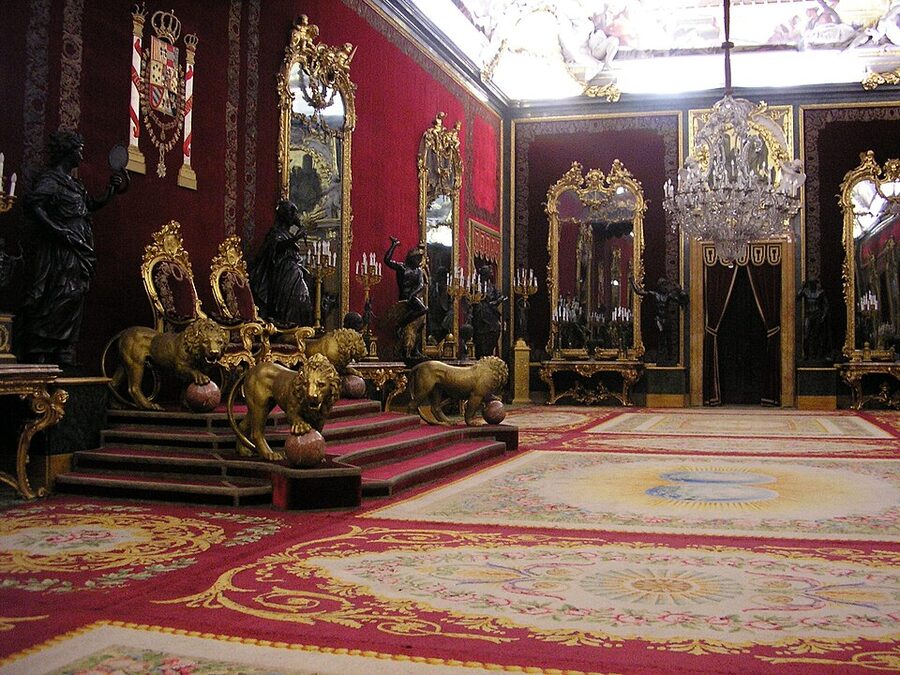
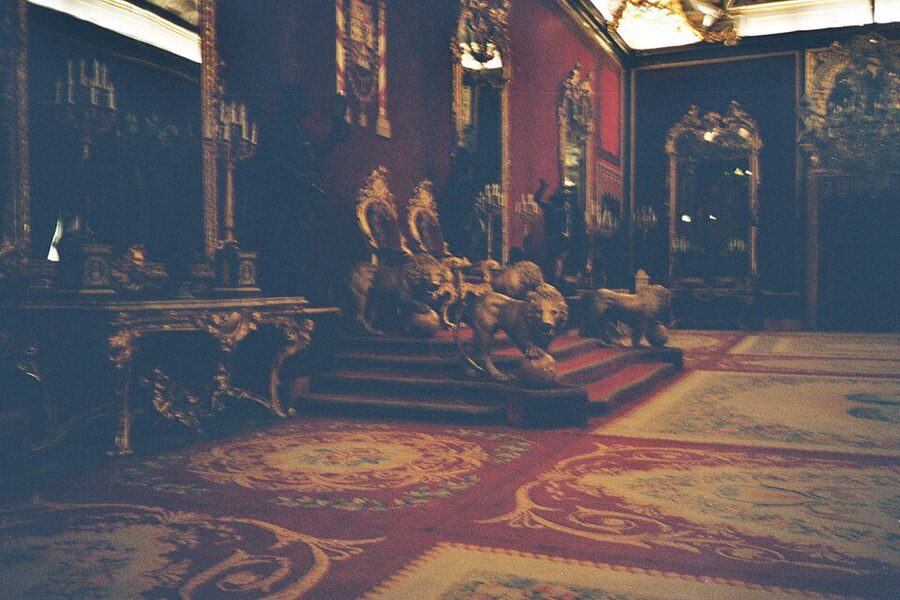
The Throne Room. The most dramatic room in the palace. Crimson thrones, mirrored walls, golden lions. Children understand immediately that this room is Important with a capital I.
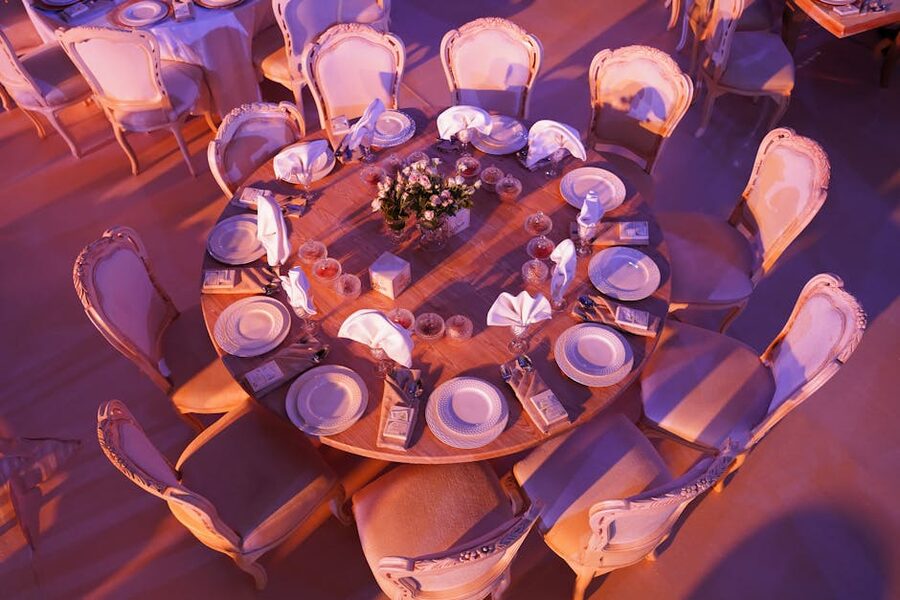
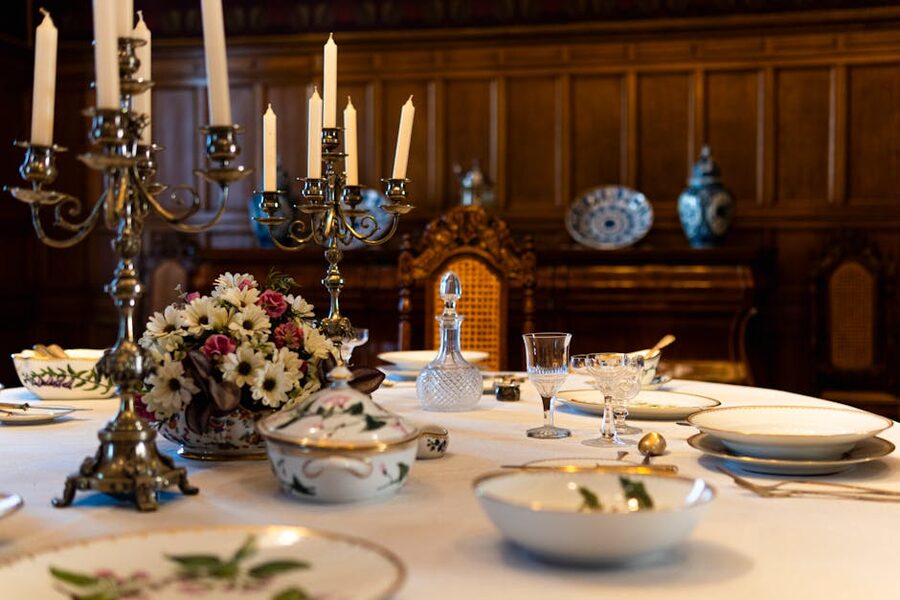
The Banquet Hall. A dining table that seats 145 people. The china, crystal, and silverware are laid out as if dinner is about to be served. Children’s reaction: “Who washes up?” Fair question.
The Porcelain Room. Walls entirely covered in porcelain panels from the Buen Retiro factory. It looks like the inside of a jewellery box. Children are fascinated by the idea that the walls are made of something you normally eat off.
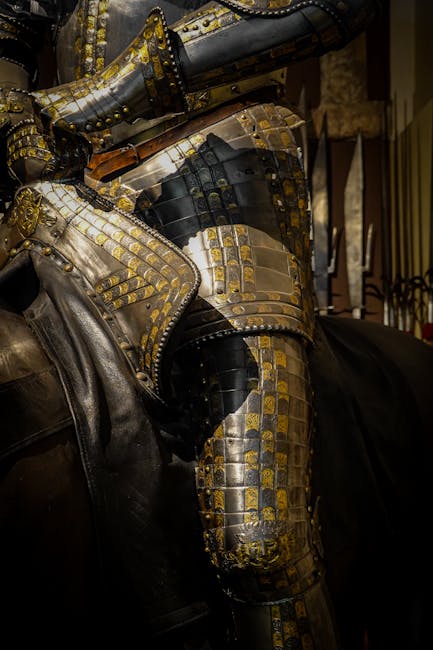
The Royal Armoury. Below the palace, the Royal Armoury houses one of the finest collections of arms and armour in Europe. Suits of armour for kings, swords used in actual battles, a full set of jousting armour for a horse. Children (especially those aged 6-12) find it genuinely thrilling. My son said it was better than any museum he’d ever been to.
The Ceiling Frescoes. Everywhere. Every room has a painted ceiling. Tiepolo’s work in the Throne Room and Guard Room is extraordinary — angels, clouds, mythological figures swirling overhead. Tell the kids to look up in every room. They’ll spot different things every time.
When to Visit (This Matters)
The palace closes for state ceremonies with little notice. Always check the official website before booking. Closures can happen on any day and they’re not always announced far in advance.
Best time: Weekday mornings, 10-11am. The first hour is quietest. By midday the tour groups arrive and the state rooms feel crowded. In summer, morning visits also avoid the worst of the Madrid heat — the walk from Opera Metro to the palace is fully exposed.
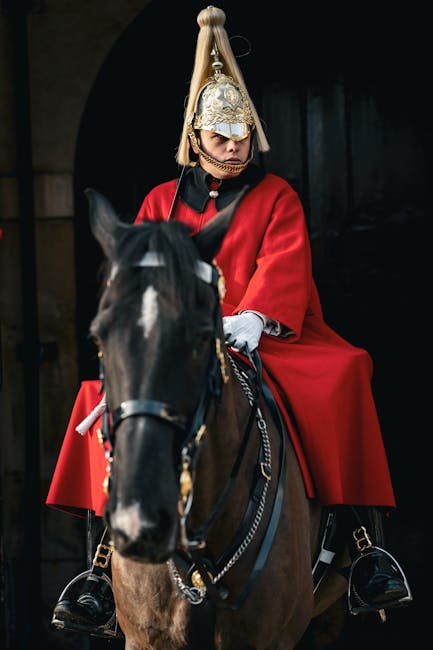
Avoid: Saturday mornings during the changing of the guard. The guard ceremony is brilliant but the palace queue afterwards is brutal — everyone who watched the ceremony then goes inside.
Free entry hours: The palace offers free entry in the last 2 hours before closing (typically 4-6pm in winter, 6-8pm in summer). It’s crowded and rushed. With children, pay the $26 and go in the morning with space to breathe.
A Bit of History (Why Children Should Care)
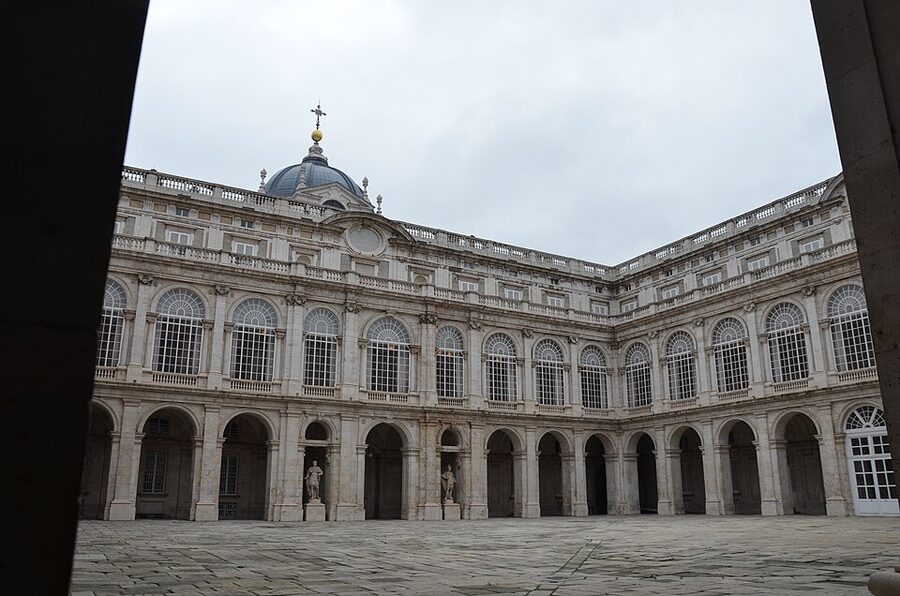
The Royal Palace stands on a site that’s been home to power since the 9th century, when the Moors built a fortress here overlooking the Manzanares valley. After the Christian reconquest, the Alcazar became the seat of the Spanish monarchy. Then it burned to the ground on Christmas Eve 1734.
Philip V commissioned the new palace with one instruction: build it entirely from stone. No wood. He never wanted another fire. The result is the building you see today — 135,000 square metres of stone, marble, and stucco, decorated with some of the finest art in Europe.
The palace took 26 years to build (1738-1764). Charles III was the first king to live in it. He brought Tiepolo from Venice to paint the ceilings. The frescoes you see in the Throne Room are Tiepolo’s — among the last great Baroque ceiling paintings ever made.
The monarchy moved out in 1931 when Alfonso XIII left Spain during the transition to the Second Republic. No Spanish king has lived here since. Juan Carlos I chose the more modest Zarzuela Palace when the monarchy was restored in 1975. The Royal Palace is now used exclusively for state ceremonies — and for travelers like us, wandering through rooms that were once the centre of an empire.
The Cathedral of Almudena
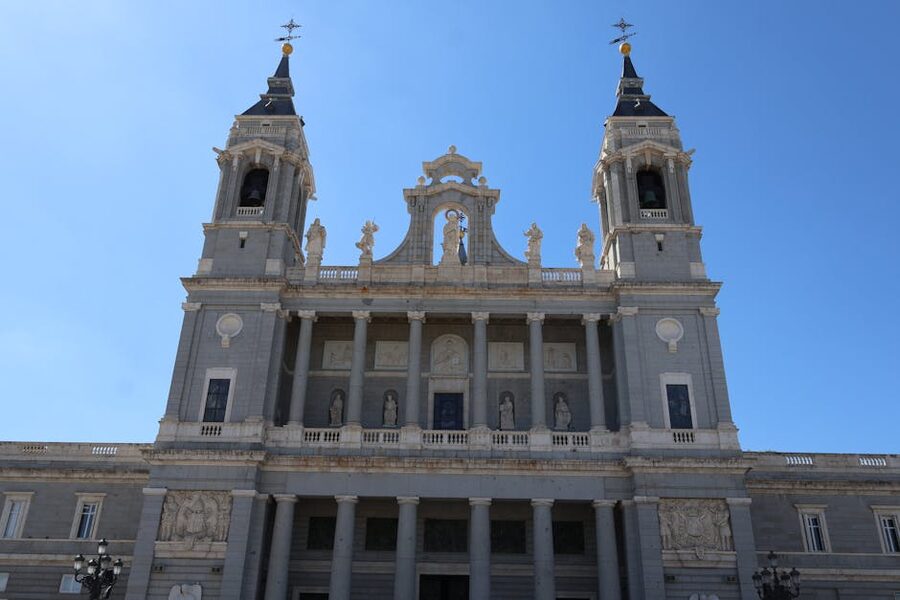
The Cathedral of Almudena is directly adjacent to the palace — you’ll see it from the courtyard. Entry is free (donations suggested). It’s a relatively modern cathedral (consecrated in 1993) with a colourful painted ceiling that’s different from the stone Gothic cathedrals elsewhere in Spain.
For families, the most interesting part is the crypt below the main church. It has a Romanesque feel — low stone arches, dim lighting, and a peaceful atmosphere. Children who’ve visited churches in Barcelona will notice the difference immediately. The crypt takes about 15 minutes and provides a nice contrast to the ornate excess of the palace.
The Palace Gardens
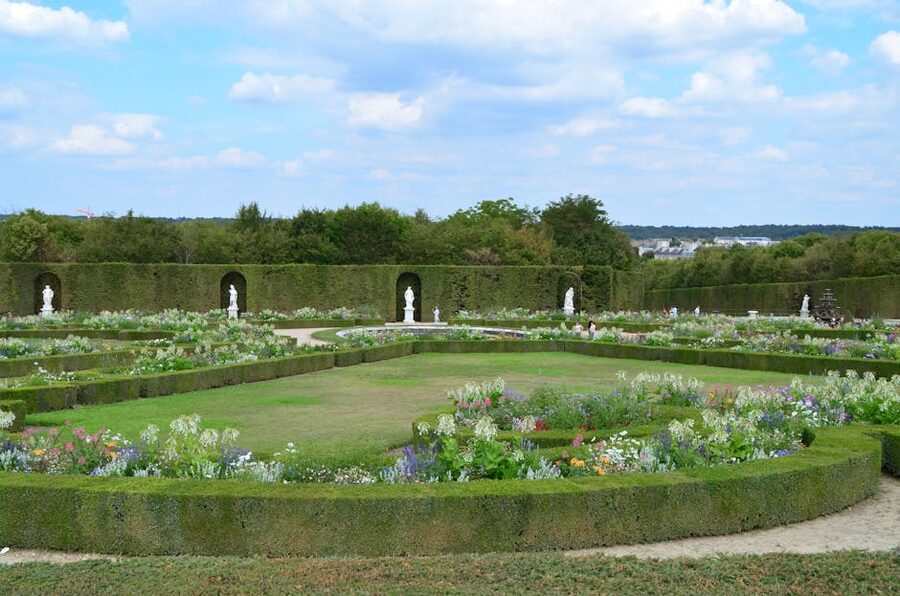
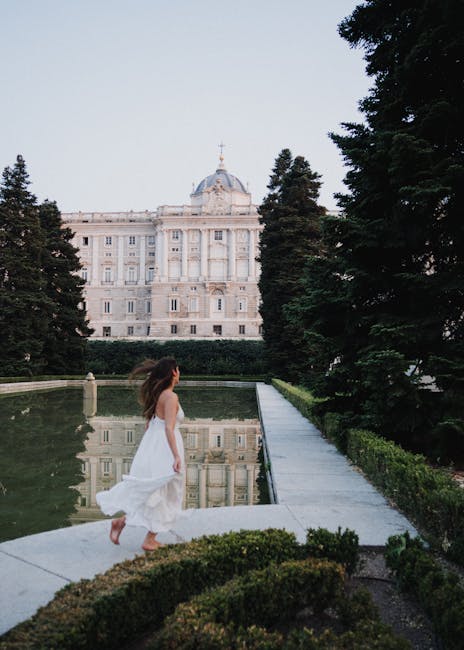
Two gardens flank the palace. The Sabatini Gardens to the north are formal — clipped hedges, fountains, and statues. The Campo del Moro to the west is more like a park — lawns, mature trees, and pathways leading down to the river.
Both are free. Both are essential after the palace visit. Children need to run after 90 minutes of “don’t touch.” The Sabatini Gardens are right there — you walk out of the palace and they’re next door. The Campo del Moro is a longer walk but bigger and more varied.
For families with buggies, the Sabatini Gardens are flat and accessible. The Campo del Moro involves some steep paths. Both have benches and shade.
Practical Tips for Families
Allow 90 minutes to 2 hours. The palace has about 50 rooms on the tour route. At a family pace with stops for looking up at ceilings and debating which room is the most extravagant, 90 minutes is comfortable. The armoury adds another 30-45 minutes.
Under-5s enter free. Children aged 5-16 get a reduced rate. EU citizens aged 5-16 enter free with ID. The $26 adult ticket includes fast-access entry — essential because the regular queue can be 30-45 minutes in peak season.
Buggies. Allowed inside the palace. The route is flat (all on one floor for most of the state rooms). Lifts available between levels. The buggiest challenge is the final staircase down to the exit — staff will help you carry it if needed.
Audio guide. Available for about $4 extra. Useful for adults. Children won’t use it — the rooms are so visually overwhelming that any audio commentary gets ignored. Save the money and just look.
Security. Airport-style bag checks at the entrance. Have your ticket QR code ready on your phone. The process is quick but adds 5-10 minutes to your arrival time.
No photography in most rooms. Some corridors allow it. The main state rooms don’t. This frustrates children who want to photograph everything. Tell them to remember their favourite room and draw it later. We did this and my daughter’s drawing of the Throne Room is now on our fridge at home.
Getting There

Opera Metro station (L2, L5) is the closest stop, about a 5-minute walk to the palace entrance. From Puerta del Sol, walk west through Plaza de Oriente — about 10 minutes on foot. The approach through Plaza de Oriente is beautiful and gives you the palace’s best facade.
Taxis from central Madrid cost about 5-8 euros. The palace is well-known — every driver can find it. Drop-off is on Calle de Bailén, the main road running past the palace.
What to Do After the Palace

The palace is at the western edge of old Madrid. After your visit, the best family route is east through the old town:
Plaza de Oriente → Beautiful formal square with gardens, statues of Spanish kings, and the Royal Theatre. Children can run in the gardens while you get a coffee.
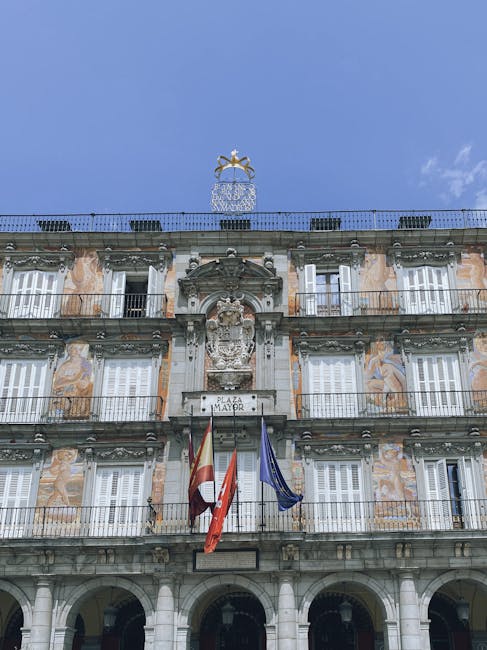
→ Plaza Mayor (10 minutes walk). Madrid’s most famous square, surrounded by arcaded buildings. Touristy but genuinely impressive. The kids will want to watch the street performers.
→ Puerta del Sol (5 minutes further). Madrid’s centre. The statue of the bear and the strawberry tree is here — children love finding it. From Sol you can reach Retiro Park, the Prado, or Gran Via on foot.
Chocolatería San Ginés — near Plaza Mayor. Churros with thick hot chocolate. Open since 1894. Non-negotiable with children. Queue is long but moves fast. Budget 6-8 euros for two people.
The Best Tickets for Families
1. Royal Palace Fast-Access Admission — $26
The essential ticket with over 13,800 reviews. Fast-access entry, self-paced visit through all state rooms. Under-5s free. Our full review covers the route and what to see first. The obvious first choice for all families — affordable, flexible, and no queue.
2. Expert Guided Tour with Skip-the-Line — $46
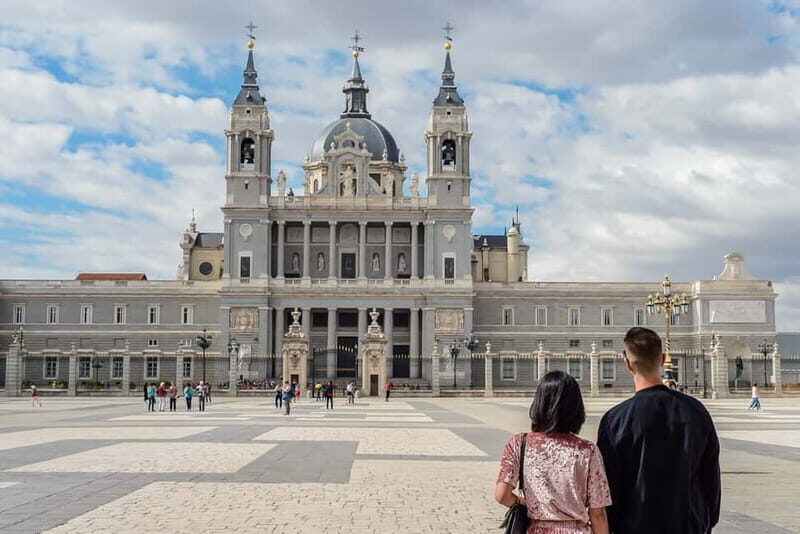
A 2-hour expert-guided experience with over 8,400 reviews. Skip-the-line entry, headsets, and a guide who makes Spanish royal history accessible. Our review explains what the guide adds for families. Best for families with children aged 6+ who’ll engage with the stories.
3. Skip-the-Line Guided Tour — $42
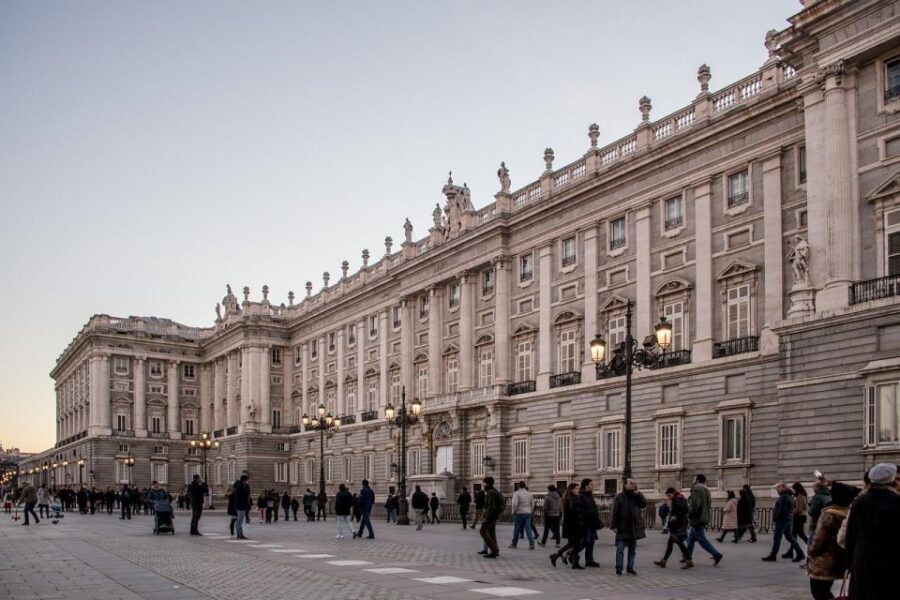
The highest-rated palace tour with over 3,100 reviews. Skip-the-line, headsets included, compact format. Our review covers the headset experience and guide quality. Best for families who want expert guidance in a slightly shorter format.
More Madrid Family Guides
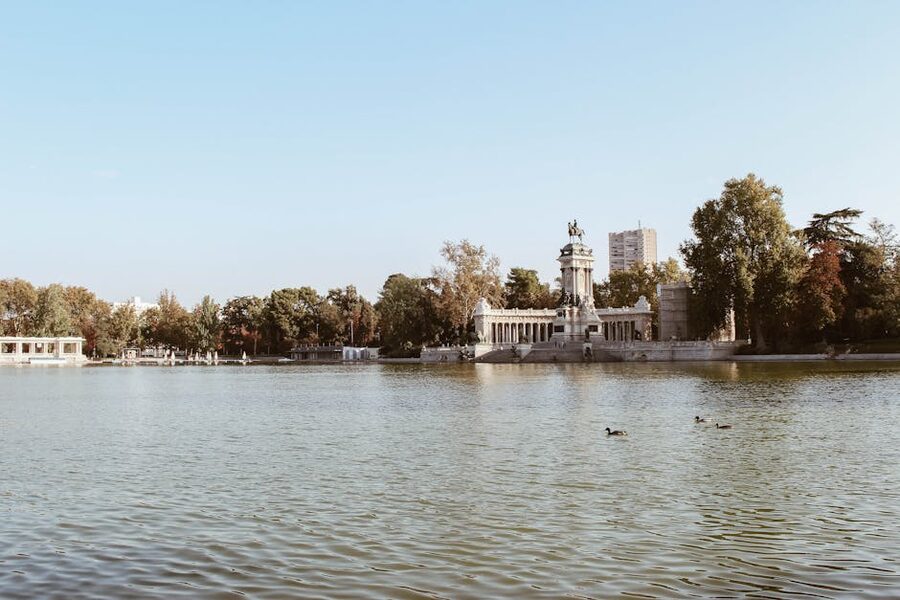
The Royal Palace is the crown jewel of Madrid’s family attractions, but the city has much more. The Prado Museum with kids is a 20-minute walk east — the art collection rivals the Louvre and under-18s enter free. For football fans, the Bernabeu Stadium Tour is in a completely different league but equally impressive in its own way. A Toledo day trip takes you to a dramatic medieval city just 30 minutes by high-speed train — a castle, a cathedral, and narrow streets that children find as exciting as any theme park. And Retiro Park is Madrid’s answer to Central Park — rowing boats, playgrounds, and the Crystal Palace glinting in the afternoon sun. Madrid deserves more than a layover. It deserves a week.