Prado Museum with Kids: A Family Guide to Madrid Art
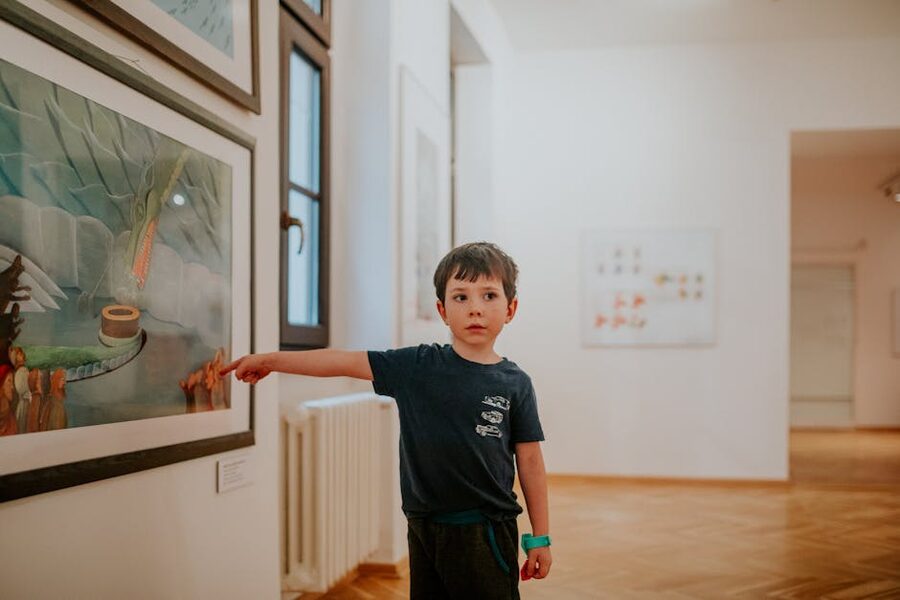
I expected resistance. “An art museum? With paintings? Can’t we go to the park?” My eight-year-old was not enthusiastic. Forty-five minutes later he was standing in front of Goya’s “Saturn Devouring His Son” with his mouth hanging open. “Mum. That man is EATING someone.” Yes. Yes he is. Welcome to the Prado. Spain’s greatest art museum turns out to be surprisingly brilliant for children — not despite the dark, dramatic paintings, but because of them.
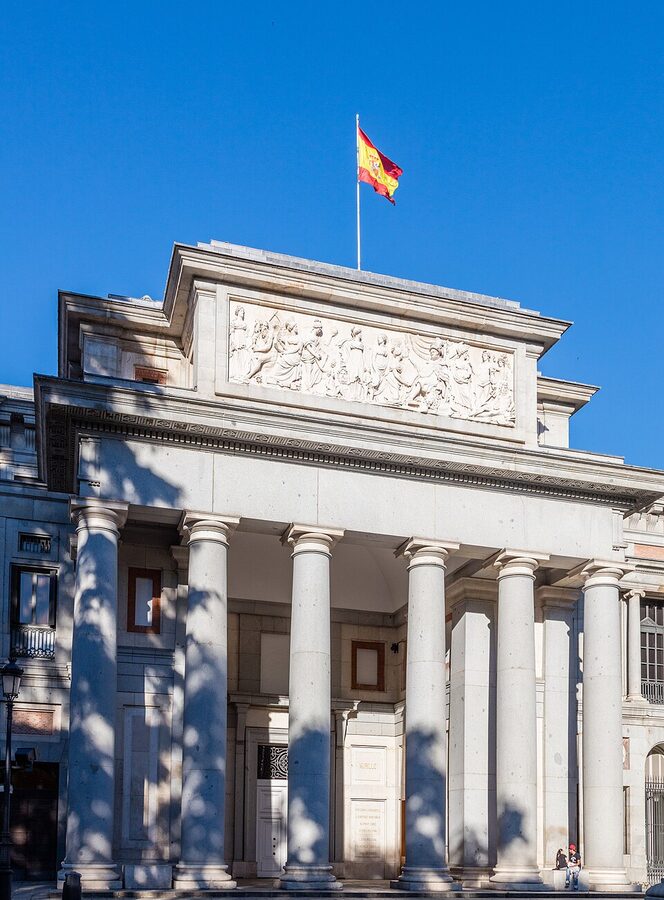
The Prado is one of the world’s greatest art museums. Over 8,000 paintings and 700 sculptures, spanning seven centuries of European art. That sounds overwhelming with children, but the trick is to NOT try to see everything. Pick 10-15 paintings. Spend 2-3 minutes at each one. Ask the kids what they see. You’ll be done in an hour and they’ll remember more than you’d believe. Photo / Wikimedia Commons (CC BY-SA 4.0)
The Museo del Prado houses one of the finest art collections on earth — Velazquez, Goya, El Greco, Bosch, Rubens. It’s not an obvious family choice. But with the right approach (short visit, dramatic paintings, questions not lectures), it can be genuinely memorable for children. The museum also offers free entry for under-18s, making it one of Madrid’s best-value family experiences.
Combined with the Reina Sofia (Guernica) and the Thyssen, the Prado completes Madrid’s “Golden Triangle of Art” — three museums within a 10-minute walk of each other. Here’s how to make the Prado work with your lot.
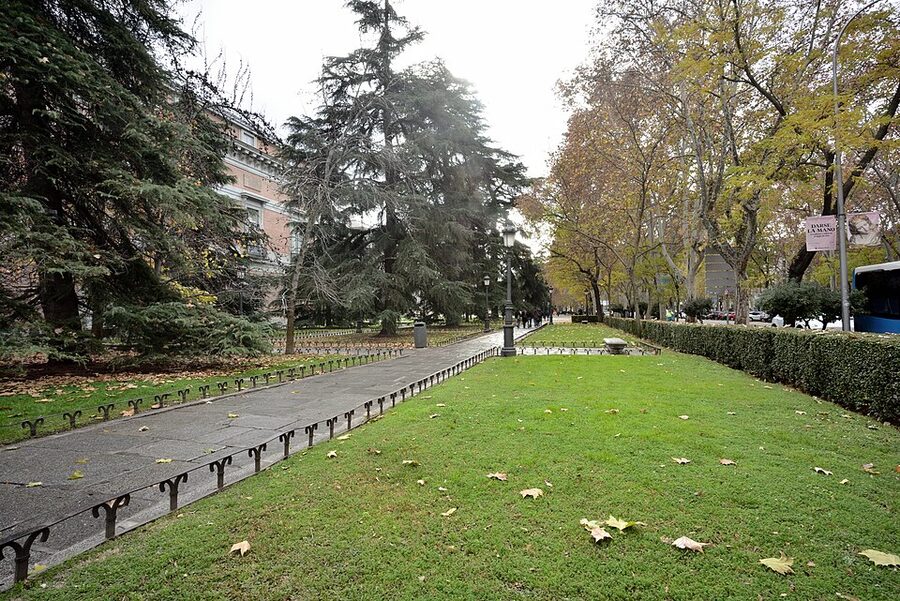
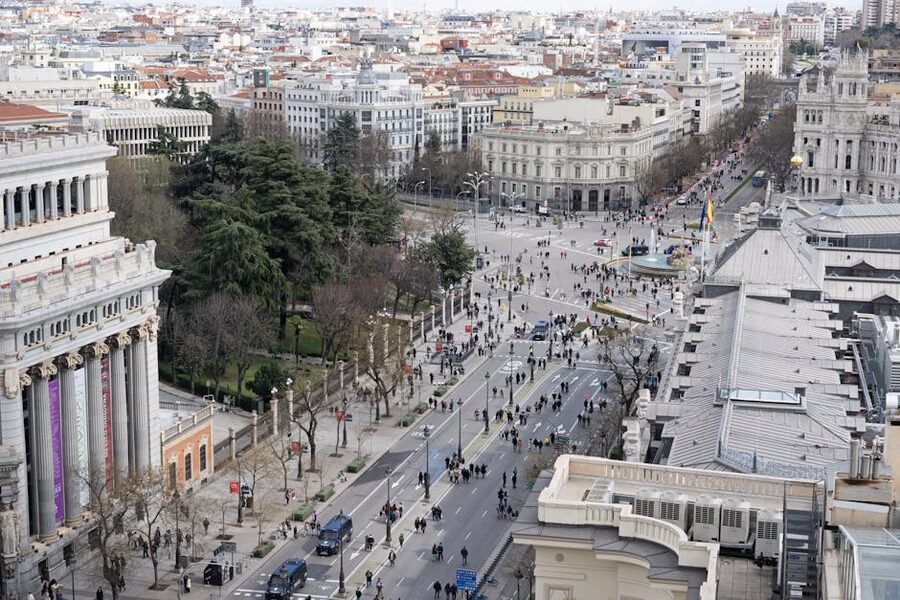
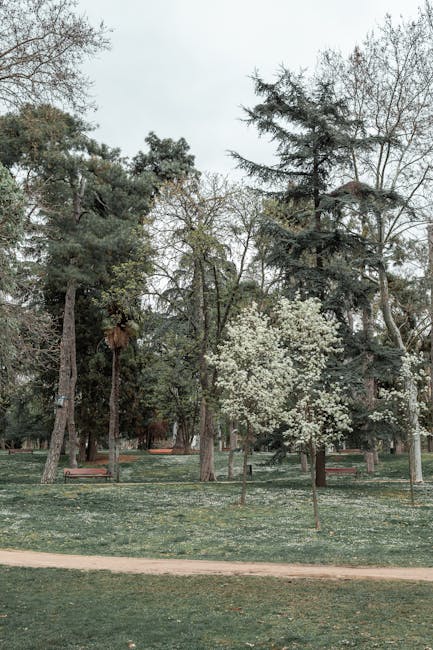
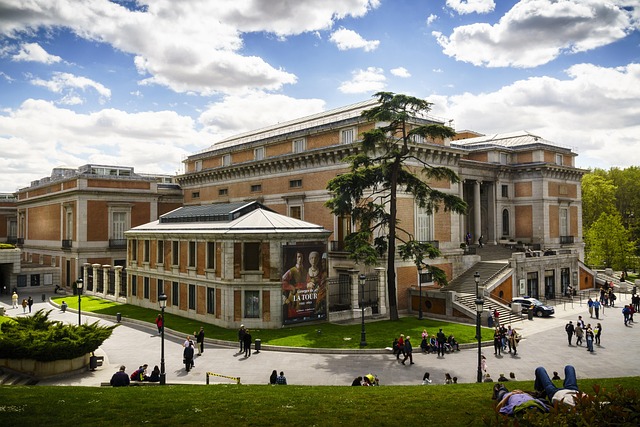
The Prado sits on the Paseo del Prado boulevard, surrounded by gardens and tree-lined paths. The Royal Botanical Garden is right next door — perfect for a post-museum run-around. The building itself is grand and imposing, which either excites or intimidates children depending on their temperament. My daughter said it looked like “a giant’s school.” Not wrong. Photo / Wikimedia Commons (CC BY-SA 4.0)The walk down Paseo del Prado is part of the experience. This tree-lined boulevard was designed in the 18th century as Madrid’s cultural spine — the Prado at one end, Atocha station at the other, the Reina Sofia in between. The mature plane trees cast welcome shade in summer. In spring the fountains run and families gather on the benches. It’s arguably Madrid’s most civilised street.
Prado Museum Entry Ticket — $21
Self-paced visit. Under-18s free. Over 20,000 reviews. The essential ticket. Book Now
Guided Tour with Fast Access — $28
A guide picks the highlights so you don’t wander aimlessly. 90 minutes. Best value guided option. Book Now
Small Group Tour with Optional Tapas — $53
Intimate group size plus post-museum tapas. Makes it a proper family experience. Book Now
The Kid-Friendly Prado: Paintings That Work
Don’t try to see everything. The Prado has over 8,000 works and you’ll be here for days if you attempt a full tour with children. Instead, pick 10-15 paintings from the list below and head straight for them. Spend 2-3 minutes at each. Ask the kids what they think is happening in the painting. You’ll be surprised by their observations — children see things adults miss because they’re not trying to be clever about it.
The Prado is too big for children. Don’t try to see everything. Instead, head for these paintings that reliably engage young audiences:
Goya’s “Black Paintings” — Saturn eating his son, the witches’ sabbath, the dog half-buried in sand. Dark, weird, and unforgettable. Children aged 7+ find them thrilling in a horror-story way. Under-7s might find them too intense — use your judgment.
Velazquez’s “Las Meninas” — The most famous painting in the museum. A princess, her ladies-in-waiting, a dog, a dwarf, and a painter painting the painting you’re looking at. Children love the optical puzzle. “Who is the artist painting?” leads to a conversation that genuinely teaches them about perspective.
Bosch’s “The Garden of Earthly Delights” — A triptych packed with bizarre creatures, impossible landscapes, and scenes that children will stare at for ten minutes finding new details. It’s like a Renaissance Where’s Wally. They’ll point at things you’ve never noticed.
Ask questions, don’t lecture. “What do you think is happening here?” works infinitely better than “This was painted by Velazquez in 1656 and it represents…” Children engage when they feel like their opinion matters. My son said Las Meninas was “a painting of people looking at people looking at people” which is genuinely a valid art historical interpretation.
Rubens’ battle scenes — Horses, swords, armour. If your children like action, these deliver. The scale is enormous and the drama is unmistakable.
El Greco’s elongated figures — “Why are all the people so stretchy?” is a question that leads to a fascinating conversation about artistic style. Children notice El Greco’s distortions immediately.
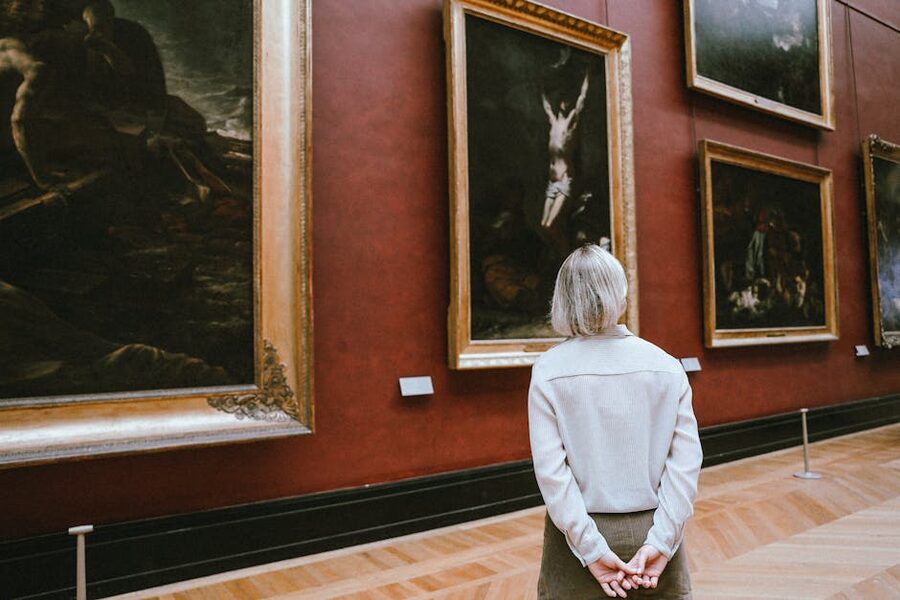
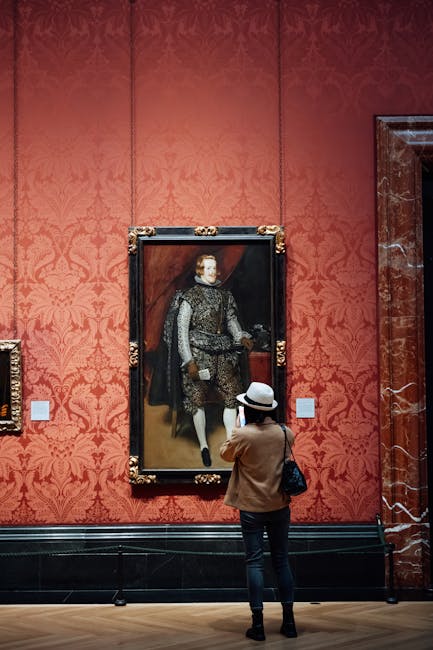
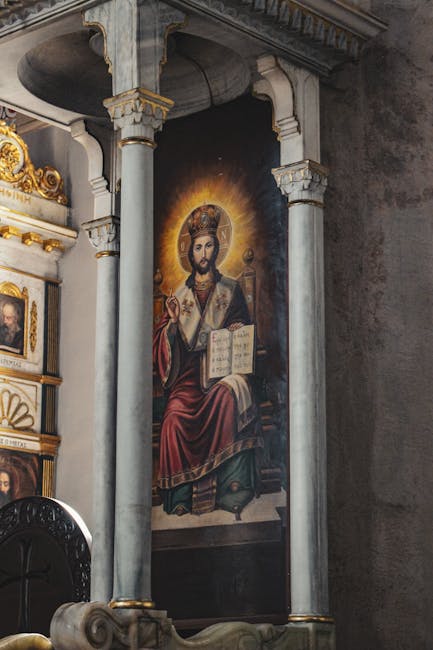
Portraits are the secret weapon for engaging children. Every portrait is of a real person — often a child or young person — and children are naturally curious about other children. “Who is that? How old are they? What are they wearing? Why are they holding a dog?” These are all legitimate art questions that open up huge conversations about history, fashion, and social class. My son spent ten minutes studying a young Spanish prince in a Velazquez portrait. Ten. Minutes.Goya’s Black Paintings room is dimly lit deliberately. The paintings were originally on Goya’s own farmhouse walls and are intentionally dark and disturbing. Children find the low lighting atmospheric rather than scary — they move through quietly, noticing details. My daughter said the room “felt like a ghost story.” Exactly right. Goya painted these at the end of his life, deaf and isolated. The darkness is the point.Still life paintings are underrated for children. Fruit, flowers, bread, dead rabbits, chocolates, cheese. These are paintings of ordinary things, which means children can connect with them directly. “I know what that is!” My son identified every fruit in a 17th-century still life — and learned that some fruits (pomegranates, figs) have been painted for centuries because they were special back then. Food history lesson by accident.Religious paintings dominate the Prado and children don’t always engage with them. Tip: pick one or two, explain the story behind them simply (“this is the story of a man who was very brave”), and move on. Don’t force children to look at 40 crucifixion scenes. The Prado has enough non-religious art to fill a family visit even if you skip the religious rooms entirely. My kids preferred the horses and the dogs in historical paintings. Which is fine.Velazquez painted horses better than almost anyone. His equestrian portraits of Spanish royalty and noblemen show the horses in extraordinary detail — muscles, coat patterns, expressions. Children who love horses are transfixed. Point out that the horses are almost always more detailed than the riders. Velazquez loved horses. It shows. Ask the kids which horses they’d want to ride. Get them invested in the painting through their own interests.
Free Entry for Under-18s
Everyone under 18 enters the Prado for free. This is the detail that makes the Prado extraordinary family value. A family of four (two adults, two children under 18) pays just $42 total — the cost of two adult tickets. Compare that to most European museums charging full price for children over 5 and the Prado looks incredibly generous. There’s also free general entry every evening from 6-8pm (get there by 5:30pm to beat the queue).
Under-18s enter free. Always. No reduced rate, no child ticket — just free. This makes the Prado one of Madrid’s best-value family attractions. Two adults pay $21 each. The children walk in free. Total: $42 for the entire family.
There’s also free general entry every evening from 6-8pm (Monday to Saturday) and 5-7pm on Sundays. The catch: it’s crowded. With young children, the free evening slot is stressful because the galleries are packed. If you can afford the $21 per adult, book a morning visit and have space to breathe.
Guided Tour or Self-Guided?
A guided tour is worth the investment with children aged 7+. The guide takes you directly to the highlights, explains each painting’s story, and keeps the visit to 90 minutes — the perfect length before attention wanders. Without a guide, you’ll spend 20 minutes working out which room Las Meninas is in and the children will be bored before you find it. Guides cost $28-53 per adult. Under-18s are still free for entry — you only pay for the guide fee.
Self-guided works if you do the homework. Know which paintings to find. Use the free Prado app (download before you go) to navigate. Keep the visit under 60 minutes. Leave while the children are still engaged. This approach is best for families with children under 7 who can’t handle a guided group.
Guided tour is better for families with children aged 7 and up. The guide eliminates the navigation problem, tells stories that keep children engaged, and structures the visit so you see the highlights without the filler. The $28 “Guided Tour with Fast Access” option is the best value — you skip the ticket queue and get 90 minutes of expert guidance.
The Prado’s audioguide costs $5 extra and is available in 12 languages. Children aged 9+ can use it independently. Under-9s tend to get bored of the commentary quickly. If you’re doing a self-guided visit with older children, the audioguide is worth the extra cost — it covers 250 paintings so you can choose which ones to listen to rather than reading labels. Download the Prado app before you go instead if you want free commentary on your phone.
A Bit of History: The Prado Building
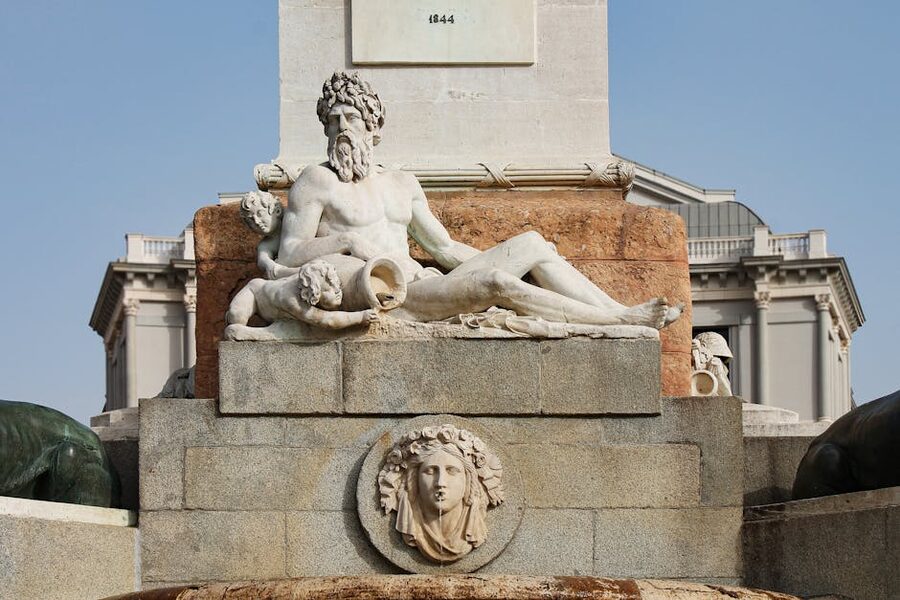
The Fountain of Neptune sits outside the Prado. Built in 1786, it shows the god Neptune riding a chariot pulled by seahorses. It’s the gathering point for Atletico Madrid fans after trophy wins (Real Madrid celebrate at Cibeles). Children love the sea creatures and the drama of the composition. If you’re waiting for the museum to open or letting the kids burn off energy after, the fountain is the obvious meeting point.
The Prado building opened in 1819 but wasn’t designed as a museum. Charles III commissioned it in the 1780s as a natural history museum — part of his plan to transform Madrid into an Enlightenment capital that could rival Paris and London. The Spanish Civil War interrupted everything and the building was repurposed when Ferdinand VII founded the Royal Museum of Paintings in 1819.
The collection is built on the Spanish royal family’s private art collection — accumulated over 400 years by kings who were genuine art patrons. The Habsburg kings (Charles V, Philip II, Philip IV) commissioned the major Velazquez and Titian works. The Bourbon kings added the Goyas and the French paintings. The whole thing became public property in the 19th century.
Tell your older kids this: the paintings you’re looking at were once owned by individual kings. They hung in royal bedrooms and dining rooms. Velazquez painted Las Meninas for Philip IV’s private apartments. Now millions of people see them every year. That journey — from private treasures to public heritage — is interesting in itself.
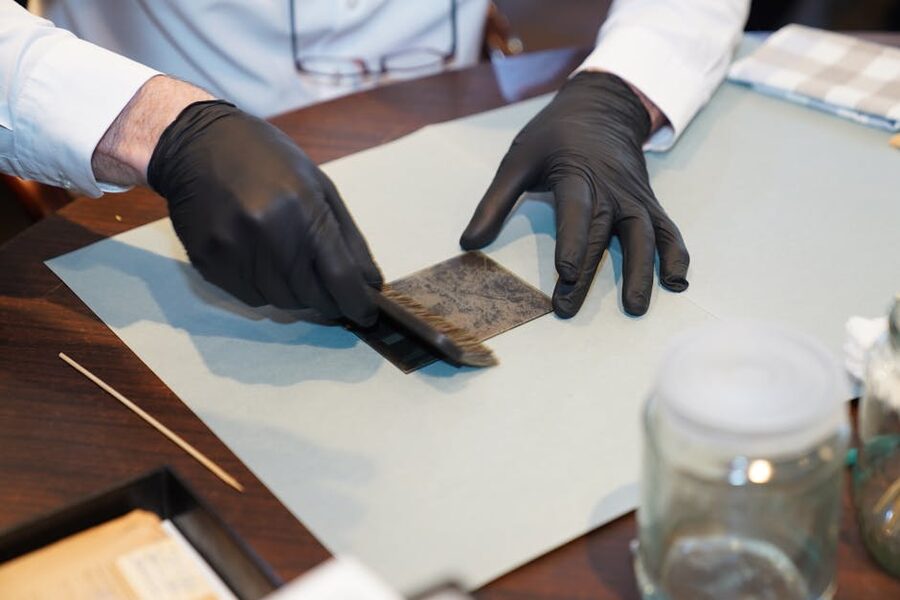
The Prado has a world-class conservation department. Paintings that look pristine today have been carefully restored over decades. Some galleries occasionally show “before and after” panels where you can see how a painting looked when it arrived — yellowed, cracked, or damaged — and what it looks like after restoration. Children find this genuinely interesting. “They CLEAN paintings?” Yes. Very carefully. Over years. It’s a real job.
Practical Tips
The Royal Botanical Garden is right next door to the Prado. After the museum, let the kids run here. It costs about 6 euros per adult (children free) and has shaded paths, a greenhouse, and enough space to decompress after an hour of “don’t touch the paintings.” We spent 45 minutes in the gardens after the Prado and it was exactly the reset everyone needed before lunch.
Allow 60-90 minutes. Guided tours are 90 minutes. Self-guided with children: 45-60 minutes is realistic. Don’t force it. Leave while they’re still interested and the memory will be positive.
Bags and buggies. Large bags must be checked at the cloakroom (free). Buggies are allowed but the galleries can be crowded. A carrier is easier for babies.
No photography. No photos of the artwork inside the Prado. Children find this frustrating. The gift shop sells postcards of every major painting — buy a few and let the kids “collect” their favourites. It’s a nice souvenir and a memory aid.
The cafe. There’s a restaurant and a cafe inside the museum. Both are decent and reasonably priced by Madrid standards. The cafe terrace overlooks the gardens.
Best time to visit. Weekday mornings. The museum gets progressively busier from lunchtime onwards. The free evening slot is the worst time for families — crowded and rushed.
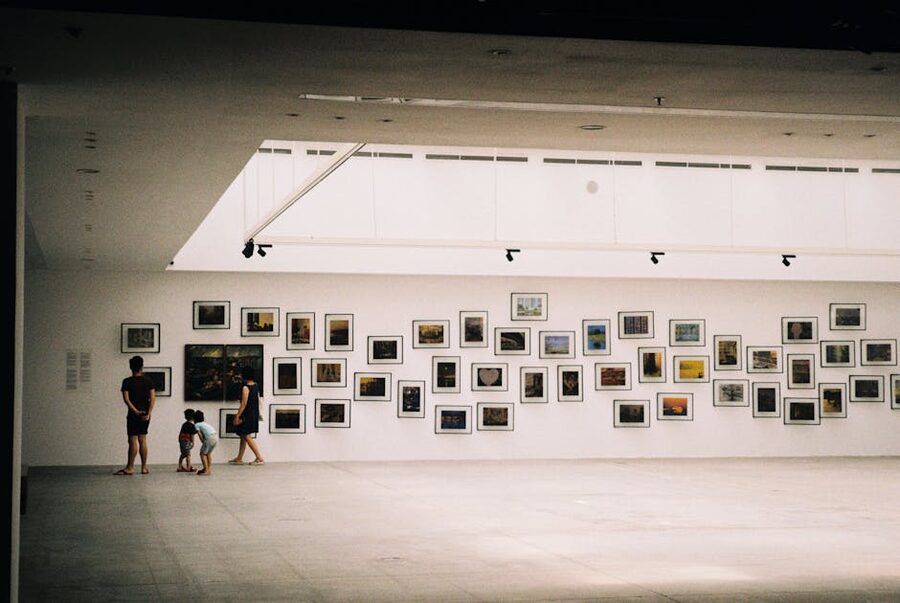
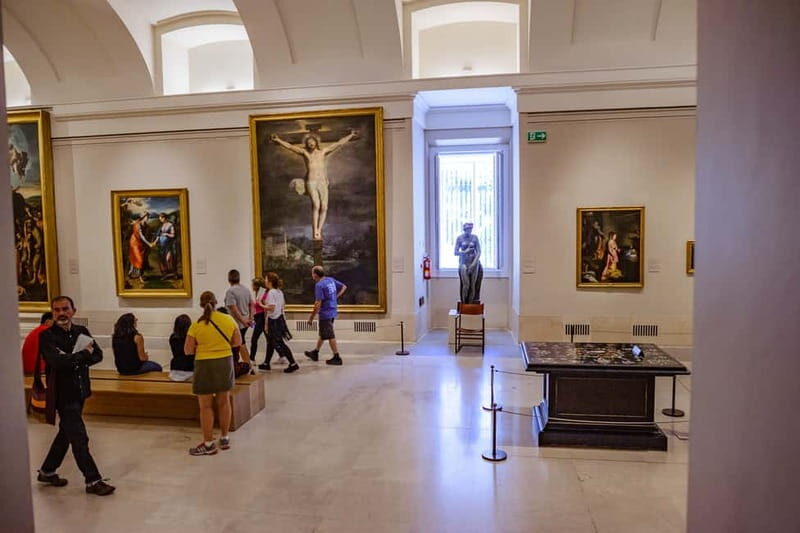
The paintings in the Prado are enormous. Floor-to-ceiling canvases that fill entire walls. Children respond to scale — a small painting on a screen is forgettable, but a 3-metre battle scene in a gilded frame is unforgettable. The Prado’s collection was built for royal palaces, which means everything is designed to impress at massive scale. It works on children exactly as it worked on kings.Use the benches strategically. Most Prado galleries have benches in the middle of the room. Sit down for the big paintings — Las Meninas, the Garden of Earthly Delights, the Goyas. Looking UP at a large painting is more impressive than looking across at one. Children’s necks get sore after 30 minutes of gallery walking. Bench time is actually prime viewing time. Every gallery guide does this. You should too.The security guards at the Prado are more approachable than they look. If your child asks a specific question (“where is the dog painting?”), most guards are happy to point you in the right direction. Spanish is best but many speak English. They know the collection intimately — they’ve been standing in those rooms for years. My son asked one where the Goya Black Paintings were and got a detailed tour plan from a smiling guard.
The Golden Triangle of Art
Madrid’s Golden Triangle is three museums within 10 minutes’ walk. The Prado (this one, classical art), the Reina Sofia (modern art, home of Guernica), and the Thyssen-Bornemisza (private collection covering 700 years). Combo tickets are available. With children, pick two maximum — three museums in one day is too much. The Prado plus the Reina Sofia covers the breadth of Spanish art without overwhelming the kids.
The Prado is one corner of Madrid’s “Paseo del Arte” (Art Walk). The other two corners are the Reina Sofia (modern art, Guernica) and the Thyssen-Bornemisza (private collection, excellent variety). A combined ticket saves about 30% if you plan to visit all three.
With children, I’d pick two. The Prado covers classical art (1000-1800). The Reina Sofia covers modern art (1900-today, with Guernica as the headline). The Thyssen is broader but less focused. Do the Prado and the Reina Sofia — under-18s are free at both, so you’re paying for two adult entries totalling about $35.
Goya is the bridge between classical and modern art. He painted formal royal portraits in the Prado tradition, then invented modern art with his Black Paintings. If your kids see his range — commissioned court paintings AND nightmarish personal works — they start understanding that art changes, and that artists change. That’s a genuine art history lesson built into a single Prado visit. You don’t need the Reina Sofia to see where modern art comes from. Goya already did it.
The Best Tickets for Families
1. Prado Museum Entry Ticket — $21
Over 20,000 reviews — the most popular museum ticket in Madrid. Self-paced access to the entire collection. Under-18s free. At $21 per adult, a family of four pays just $42 total. Skip-the-line entry with mobile voucher. This is the flexible option for families who want to control their own pace. Pair it with the free Prado app for navigation and commentary.
The essential Prado ticket with over 20,000 reviews. Self-paced, full access, under-18s free. Our full review covers the best galleries for families. The obvious first choice for all families visiting Madrid.
2. Prado Museum Guided Tour with Fast Access — $28
The best-value guided option. Over 1,700 reviews. 90 minutes with an expert guide who takes you straight to the masterpieces. Fast access means no queue. At $28 per adult (under-18s still free for entry), the guide adds just $7 over the standard ticket. That $7 buys you someone who knows exactly which paintings children react to — Goya’s monsters, Bosch’s weird creatures, Velazquez’s optical puzzles. Worth it.
Expert-guided 90-minute tour with fast access. Over 1,700 reviews. The guide navigates straight to the highlights. Our review explains the guided experience. Best for families with children aged 7+ who want structure and stories.
3. Small Group Prado Tour with Optional Tapas — $53
Art followed by tapas — the proper Madrid experience. Over 2,400 reviews. Small group guided tour of the museum, then optional tapas at a local restaurant. The tapas section turns the visit into a full family outing rather than just a museum stop. For families who want to combine culture with food (which is all families, let’s be honest), this is the complete package.
Small group tour plus optional post-museum tapas. Over 2,400 reviews. Our review covers both the art and the food. Best for families who want the full Madrid culture-and-food experience in one booking.
The Prado is on Paseo del Prado. Banco de Espana Metro (L2) or Atocha Renfe (L1) are both about a 5-minute walk. From Puerta del Sol (Madrid’s centre), walk south through the Paseo del Prado — about 15 minutes on foot. Taxis from anywhere in central Madrid cost 5-8 euros.
The museum is next to the Royal Botanical Garden and a short walk from Retiro Park. A morning at the Prado followed by an afternoon in Retiro (rowing boats, playground, Crystal Palace) makes one of Madrid’s best family days.
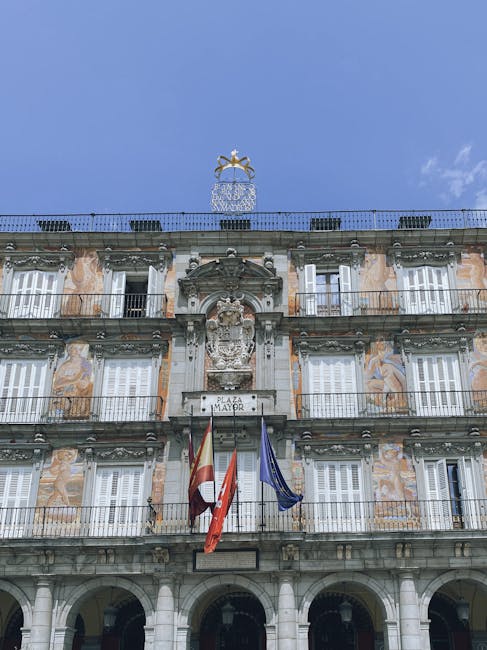
Madrid’s Plaza Mayor is a 15-minute walk from the Prado and one of Spain’s most impressive squares. The arcaded buildings, the central statue, and the open space make it a natural family gathering point. We sat at a cafe on the square after the Prado and watched the street performers. Overpriced coffee. Incredible atmosphere. Fair trade.
The Prado works brilliantly as half a day. Here’s how to pair it with other Madrid attractions:
Prado + Retiro Park: Museum morning (10-12pm), lunch at a Paseo del Prado cafe, Retiro Park afternoon (rowing boats, playground, Crystal Palace). The most relaxed family day in Madrid.
Prado + Royal Palace: Prado in the morning, Royal Palace in the afternoon. Two of Madrid’s grandest buildings, linked by art and royal history. About 25 minutes apart by Metro.
Prado + Reina Sofia: Classical in the morning, modern in the afternoon. Both under-18s free. Break for lunch in between — the walk from Prado to Reina Sofia is 8 minutes through the tree-lined boulevard.
Prado + Toledo: Tuesday at the Prado, Wednesday a Toledo day trip. Both cover Spanish history and art but in very different formats. Great for a longer Madrid visit.
More Madrid Family Guides
Children who engage with one great museum tend to engage with the next. If the Prado lands with your kids, the Reina Sofia is the natural next step — Picasso’s Guernica is a painting that stops adults AND children in their tracks. Art breeds art curiosity. Spend 90 minutes at the Prado today, and you’re building the habit of looking at paintings. That’s a genuine gift to give your children.
The Prado is part of Madrid’s “Golden Triangle of Art” along with the Reina Sofia Museum (home of Guernica) and the Thyssen-Bornemisza. For a different kind of Madrid day, the Bernabeu Stadium Tour gives football fans their fix. The Royal Palace of Madrid is the other headline family attraction — grander than Buckingham Palace and surprisingly child-friendly. And a Toledo day trip takes you to one of Spain’s most dramatic medieval cities, just 30 minutes by high-speed train. For older children interested in more medieval Spain, Segovia and Avila combine a Roman aqueduct with complete medieval walls. And the Madrid hop-on hop-off bus ties everything together — it stops near the Prado on both routes.