Bernabeu Stadium Tour for Families: Madrid with Kids
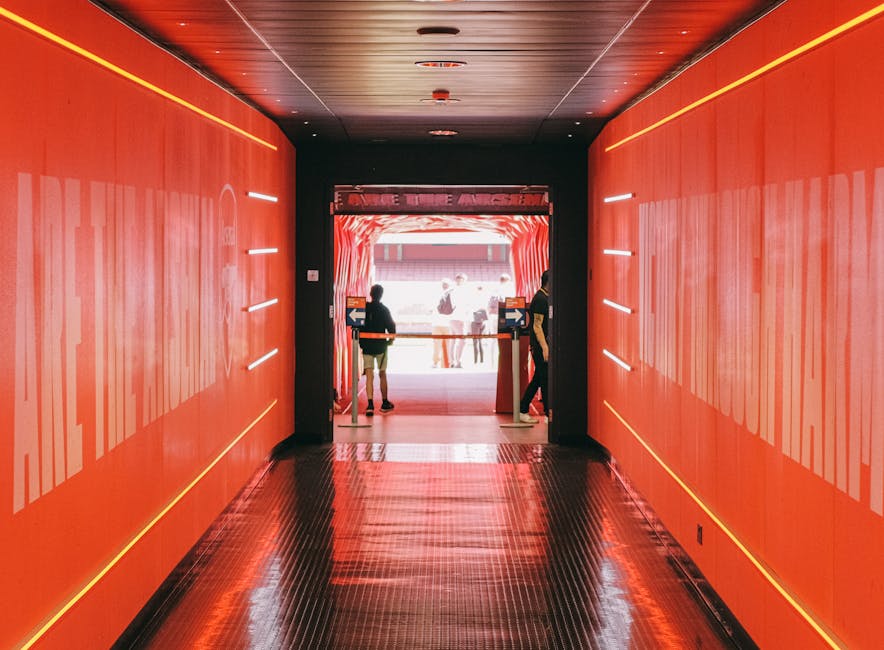
My son walked into the Bernabeu and went completely silent. Not “quiet.” Silent. He stood at the tunnel entrance, looked out at 80,000 empty seats, and his eyes filled with tears. “Mum. This is where they play.” He’s nine. He talks constantly. But for about thirty seconds he just stood there with his mouth open. That’s what the FC Barcelona Museum does to football-mad children. It turns them silent. Which, for any parent, is worth the ticket price alone.
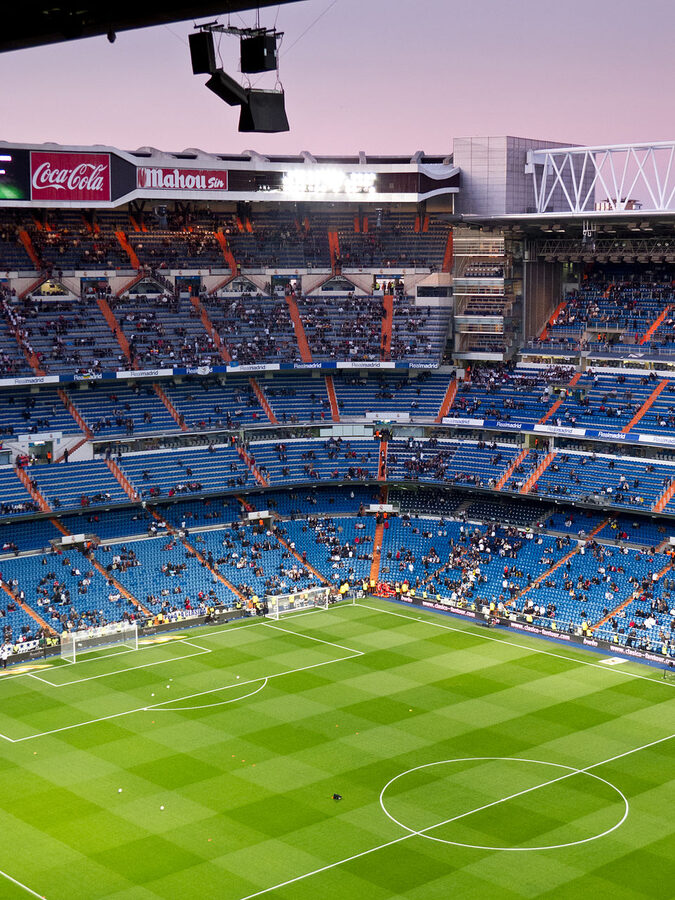
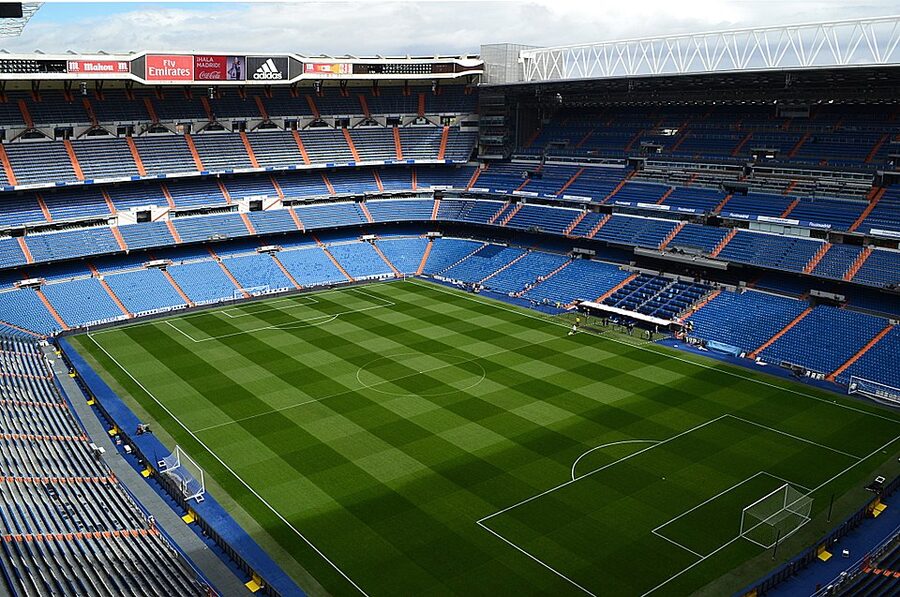
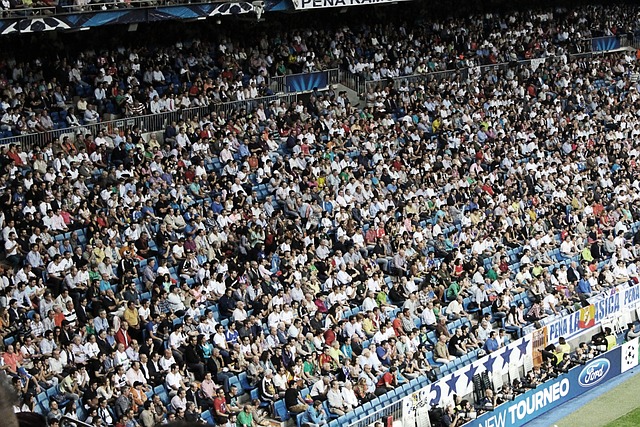
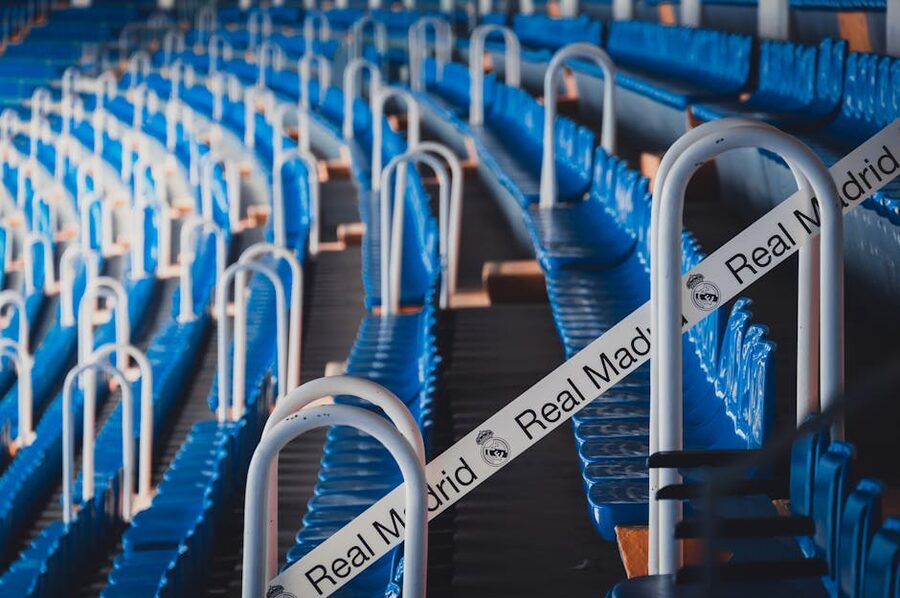
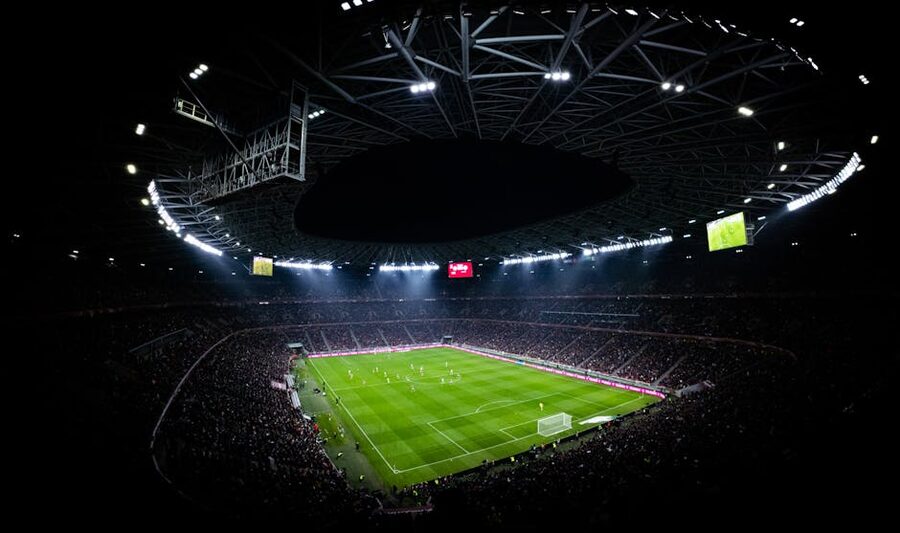
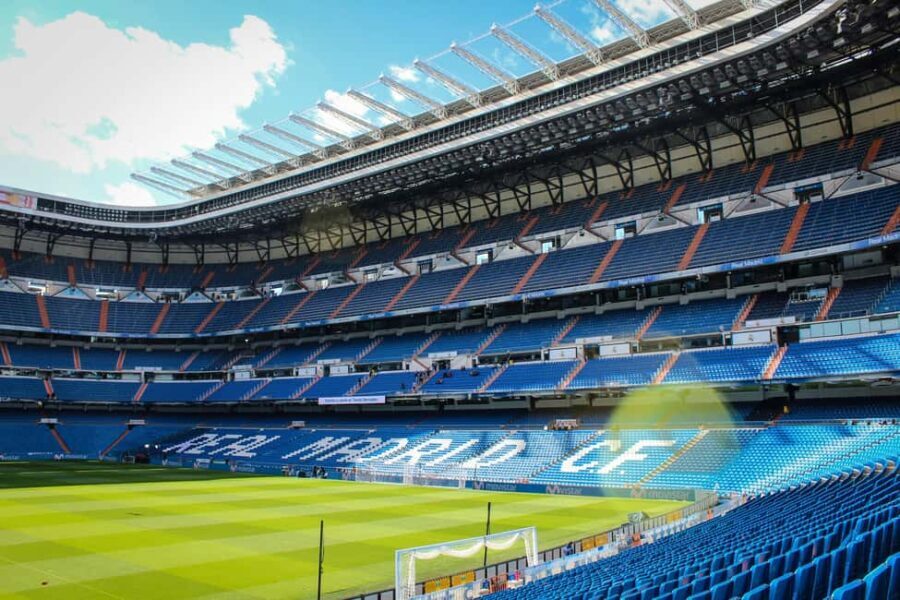
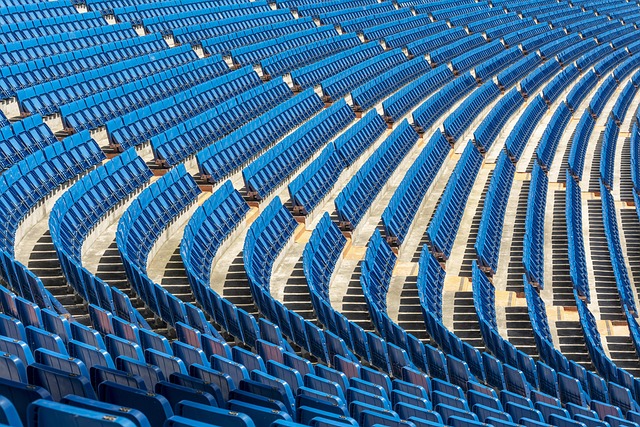
The Bernabeu holds 81,000 people and the scale is genuinely overwhelming. The new renovation has added a retractable roof and a 360-degree screen that wraps around the inside. Even empty, it feels enormous. With a crowd on match day, it’s deafening. We did the stadium tour first, then came back for a match two days later. My son says it’s the best thing he’s ever done. He’s nine. He’s done Disneyland. The Bernabeu won. Photo / Wikimedia Commons (CC BY-SA 3.0)
The Santiago Bernabeu is Real Madrid’s home stadium and one of the most famous football grounds on earth. The Tour Bernabeu takes you through the trophy room, the players’ tunnel, the pitch-side area, and a museum covering the club’s 120+ year history. For football families, it’s non-negotiable. For everyone else, the sheer scale of the building is impressive regardless.
Combine it with the hop-on hop-off bus Madrid (which stops right outside), and you’ve got a half-day that covers both football glory and urban sightseeing without any walking between them. Here’s what families should know.
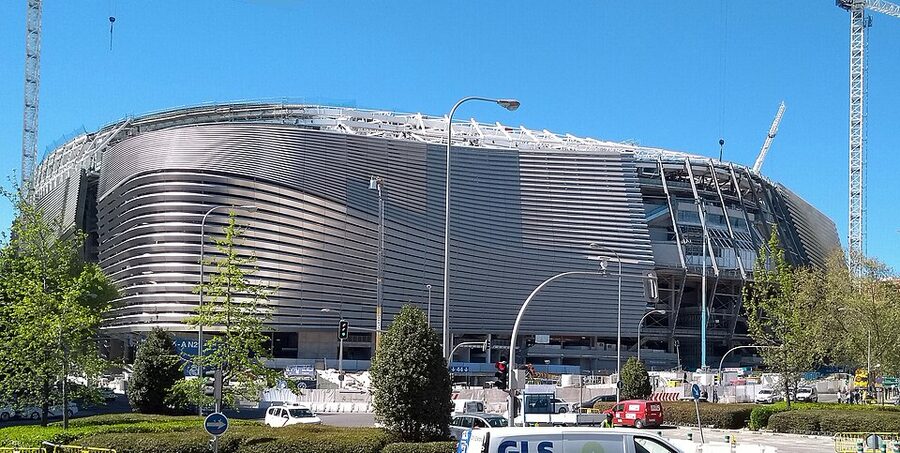
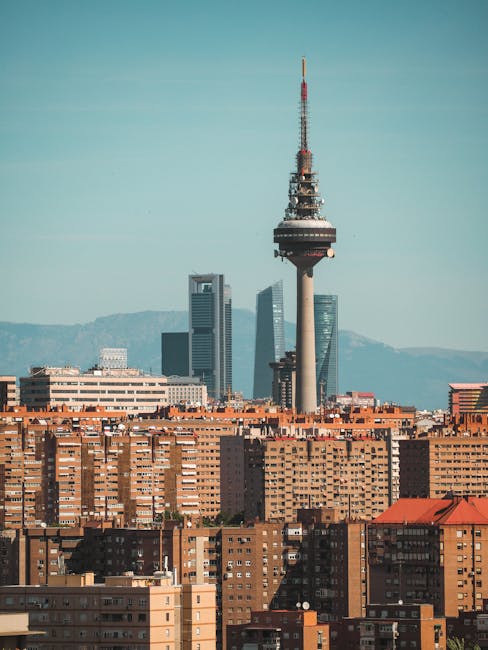
The Bernabeu renovation was a multi-year, €1.7 billion project that transformed a classic stadium into one of the most high-tech sporting venues on earth. The new exterior is wrapped in metallic panels that change colour, the roof retracts, and the pitch can be rolled away underground to expose a concert stage. Children find this fact mind-boggling. “The GRASS goes away?” Yes. Underground. On rails. Engineering can do anything these days. Photo / Wikimedia Commons (CC BY-SA 4.0)The Bernabeu sits right on the Paseo de la Castellana, one of Madrid’s main boulevards. It’s not tucked away in a suburb like some stadiums — it rises out of the city centre like a spaceship. The nearest Metro stop (Santiago Bernabeu, L10) is literally underneath the stadium. You come up the escalators and the building is right there. With kids, this is the easiest stadium to reach in Europe. Photo / Wikimedia Commons (CC BY-SA 3.0)
Tour Bernabeu Entry Ticket — $41
Self-guided tour. Trophy room, tunnel, pitch view. Over 21,000 reviews. The essential ticket. Book Now
Guided Tour of Bernabeu Stadium — $66
Expert guide adds stories and access. Good for families who want context. Book Now
Bernabeu Guided Tour with Megafan Upgrade — $69
Premium access and extras. For serious Real Madrid fans. The deluxe family experience. Book Now
What the Tour Bernabeu Includes
Real Madrid have won the Champions League fifteen times. Every single trophy is on display. The trophy room is vast — rows of silver cups, golden balls, and championship plates stretching the length of the room. My son knew the year of every Champions League win. My daughter counted the shiniest ones. Both were engaged. Different reasons, same result.
The standard Tour Bernabeu is self-guided and takes about 90 minutes to 2 hours. You move through the stadium at your own pace, following a route that covers the panoramic views from the top of the stadium, the trophy room, the museum area, the players’ tunnel, and the pitch-side experience.
The new stadium renovation has added high-tech elements — interactive screens, immersive video rooms, and a 360-degree wrap-around screen experience. Children find the tech sections thrilling. The combination of physical stadium access and digital immersion makes this feel more like a modern exhibition than a traditional stadium tour.
The Champions League trophy is the centrepiece of the trophy room. Real Madrid have won it a record 15 times, and every version of the trophy is on display — from the smaller 1950s cups to the modern “big ears” trophy. My son spent ten minutes just staring. He knows all fifteen years by heart. That’s the kind of obsessive knowledge only an eight-year-old football fan can have. I left him to it and took photos.Walking through the player tunnel is the single best moment of the whole tour. Your kids walk the exact path the players take on match day. The tunnel narrows as you approach the pitch. The light changes. The noise of the multimedia follows you. And then you step out and see 99,000 seats stretching in every direction. My son’s reaction was worth every penny we’d spent.The dressing rooms are recreated as they look on match day. Shirts hung by numbered lockers (you’ll see squad names you recognise), tactical boards on the walls, massage tables ready. Children peer in through the glass and imagine the players getting ready. My son said “this is where Bellingham puts his bag.” Possibly. Probably. Either way, his face was illuminated.
The Stadium Renovation: What’s New
The retractable roof is the showpiece of the renovation. It opens and closes in 15 minutes and can host matches in any weather. The 360-degree wraparound video screen is the largest in any sports venue in the world. Children find the tech genuinely exciting — not just “a stadium” but a futuristic entertainment space. The tour walks you through all the new features with interactive screens explaining how everything works.
The Bernabeu reopened in December 2023 after a three-year renovation. The changes are dramatic. The old concrete exterior is now wrapped in metallic panels that light up at night. The roof retracts. A 360-degree wraparound screen. An underground pitch that rolls away for concerts. Four new restaurants. A rooftop skywalk (in development).
For families, the renovation makes the tour more dynamic than it was before. More interactive screens. More tech. More space. If you visited the old Bernabeu pre-2023, this is a completely different experience. Worth going back for.
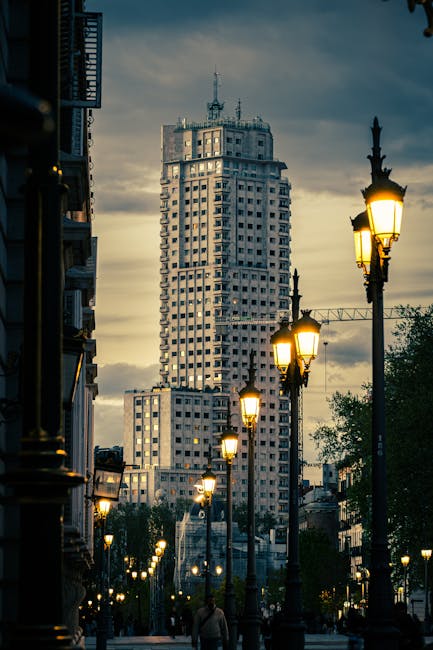
From outside, the new Bernabeu looks like a spaceship. Wrapped in curved metal panels that reflect the light, it’s unlike any other football stadium. The old brown concrete bowl is gone. In its place is what looks more like a futuristic sports arena than a classic European football ground. My son said it looked “like Thor’s hammer.” Not a bad comparison. The stadium is impressive even if you don’t go inside.
Is It Worth It for Non-Football Families?
Even without football knowledge, the scale impresses. 81,000 seats. A retractable roof. A pitch maintained to the standard of a bowling green. The architecture alone — the curved concrete, the sweeping tiers, the engineering — is genuinely interesting for children who’ve never thought about how buildings work. My daughter (zero football interest) said the inside of the stadium “looked like the inside of an egg.” She was fascinated by the shape, not the sport.
If nobody in your family cares about football, this isn’t a must-do. It’s good — the multimedia experience and the stadium itself are impressive regardless — but it won’t have the same emotional impact as it does for football fans.
If even one person in the family is football-mad (child or parent), book it. The enthusiasm is infectious. For families splitting their time between sporting experiences and cultural ones, the Bernabeu pairs brilliantly with the Prado Museum with kids or the Royal Palace — football glory in the morning, art or royal history in the afternoon.
Let your football-mad child wear their jersey on the tour. The staff are used to this. Other visitors smile. Your child feels like they’re genuinely part of the football world for a few hours. My son wore his Real Madrid shirt (bought especially for the trip) and the tour guide asked him about his favourite player. He was beaming. Small things. Big memories.
A Bit of History: Real Madrid and the Bernabeu
Real Madrid has existed since 1902. They’ve won La Liga 36 times, the Champions League 15 times, and been named FIFA Club of the 20th Century. The Bernabeu is their temple. Santiago Bernabeu himself — the club president after whom the stadium is named — rebuilt Real Madrid after the Spanish Civil War and drove the club to become the dominant force it is today. Tell your older kids this story. Football isn’t just about current players. It’s about 120 years of history, and this building is where most of it happened.
Real Madrid was founded in 1902 by a group of football enthusiasts who’d discovered the sport from English migrants. The club grew steadily and got its “Royal” (Real) prefix from King Alfonso XIII in 1920.
The Bernabeu stadium opened in 1947, built on the site of an earlier ground destroyed during the Spanish Civil War. It’s named after Santiago Bernabeu, the club president who commissioned it and led Real Madrid through its most successful period — the 1950s and 1960s, when they won the first five European Cups in a row.
The stadium has been renovated multiple times. The 2019-2023 renovation is the biggest in its history, transforming it from a 20th-century football ground into one of the most high-tech sporting venues on earth.
If you can get tickets to a match, do it. The stadium tour is impressive. A live match is transformative. 81,000 people singing “Hala Madrid” before kickoff is an experience children never forget. Tickets are hard to come by for big matches but availability opens up for less glamorous opposition. Check the official Real Madrid website about 4-6 weeks before your visit. Family areas have great sightlines and are well-behaved crowds.
What to See Inside (The Tour Route)
Match-worn shirts from every era are displayed throughout the museum. Zidane, Ronaldo, Modric, Kroos — every Real Madrid legend is represented. My son found Vinicius Jr’s shirt and stood in front of it for five minutes taking photos from every angle. If your kids have favourite players, the shirt collection alone is worth the entry price.
The tour follows a set route that takes about 90 minutes to 2 hours. Here’s what you’ll see in order:
The panoramic viewpoint. Top of the stadium. First impression of the scale. Wind, views, photos.
The trophy room. Every La Liga, Copa del Rey, Champions League, and international trophy Real Madrid has ever won. Hundreds of them. Overwhelming.
The historical section. Timelines, match footage, legendary players’ stories. Children with some football knowledge engage deeply. Others skim.
The stadium interior. Standing pitchside, looking up at the stands. The moment everything becomes real.
The dressing room recreation. Shirts hung in lockers, match-day preparation visible through glass.
The player tunnel walk. The emotional peak. Children walk where the players walk.
The dugout area. Sit in the coach’s seat. Photos from the bench. View of the pitch from the manager’s perspective.
Match days transform the stadium. If you’re visiting Madrid during the season (August to May) and Real Madrid have a home fixture, check ticket availability. Family-friendly fixtures (midweek Copa del Rey games, early-season La Liga games against smaller teams) are the easiest to get into and more affordable. The atmosphere at even a “minor” fixture beats most major sporting events elsewhere.
The multimedia rooms. Interactive screens, touchscreens, video installations. Kids love these sections.
The stadium model. Scale model showing how the renovation works. Retractable roof explained.
The gift shop. The last stop. The children will want everything. Bring your wallet.
Practical Tips
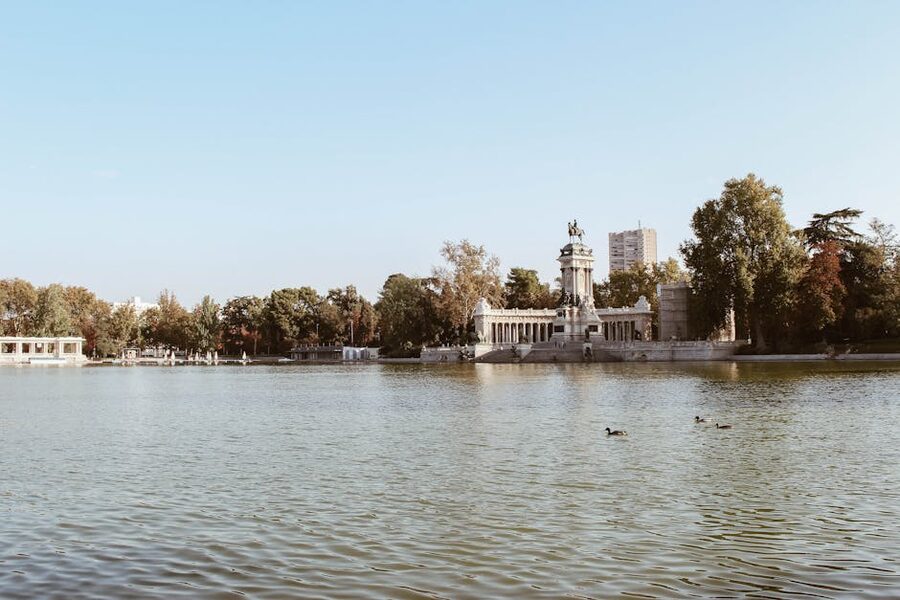
Retiro Park is about 20 minutes south by Metro and makes the perfect afternoon after the Bernabeu. Rowing boats on the lake, the Crystal Palace, playgrounds, and ice cream stands — everything a family needs after a morning of football history. We rowed around the lake for 30 minutes and the kids argued about who was steering. Nobody fell in. Win.
Allow 90 minutes to 2 hours. Football fans will want the full 2 hours. Non-fans can do it in 60-90 minutes.
No match-day tours. The stadium tour is closed on match days and often on the day before. Check the Real Madrid fixture list before booking. Midweek visits are safest.
The gift shop is enormous and your children will want a shirt. Official Real Madrid shirts cost 80-100 euros. Smaller items — keyrings, scarves, mini footballs — are 10-25 euros. Set a budget before you walk in.
Official shirts cost 80-100 euros. Unofficial versions in the streets outside are 15-20 euros. The unofficial ones look the same but the badges aren’t authentic. Your call. We bought the official one because it was a special occasion. It still fits him two years later. If you’re on a tighter budget, the unofficial versions wear just as well and no one can tell the difference on a playground in Yorkshire.
Food. There’s a cafe inside the stadium complex. Prices are standard tourist rates. Better food options exist on the streets around the stadium — try the cafes on Calle de Concha Espina for more reasonable prices.
Under-5s enter free. Children aged 5-14 get a reduced rate. Adults pay the full $41 for the standard ticket.
Book the skip-the-line option. The ticket office queue on match-eve and weekends can be 45 minutes. Online tickets via GYG or Viator let you walk straight in.
The pitch is maintained to the exact standards of the Premier League and La Liga. Children peering over the barrier at the touchline can see the grass up close. The quality is extraordinary — perfectly trimmed, impossibly green. My son reached out to touch it. Staff politely reminded him that was a no. The grass is off-limits even on tour days. Understandable, but a disappointment for a nine-year-old who wanted to say he’d walked on the Bernabeu pitch.
Getting There
Madrid’s Metro makes getting to the Bernabeu effortless. Santiago Bernabeu station (Line 10) is right underneath the stadium. From central Madrid (Sol or Gran Via) it’s about 15 minutes with one change. Alternatively, buses run along the Castellana boulevard and stop near the stadium. With kids, the Metro is fastest and least stressful.
Santiago Bernabeu Metro station (Line 10) is directly beneath the stadium. From Puerta del Sol (centre) take L1 to Plaza de Castilla and change to L10, or L3 to Nuevos Ministerios and change. About 15 minutes total.
The Paseo de la Castellana is Madrid’s modern business district. Walking from the Bernabeu back toward the city centre takes you through the financial quarter — glass skyscrapers, corporate offices, and a complete contrast to the old town. My kids found it interesting as a geographical lesson. “Madrid has old bits and new bits, and this is the new bit.” Simple but accurate. The Madrid hop-on hop-off bus covers this route on its modern loop.
Taxis from the city centre cost about 8-10 euros. The stadium is on the Paseo de la Castellana, one of Madrid’s main boulevards — every taxi driver knows it.
The Madrid hop-on hop-off bus has a stop directly at the Bernabeu on its modern route. If you’ve bought a 24 or 48-hour bus pass, this is the easiest way to arrive — and you can combine it with a visit to the Prado, the Royal Palace, or Retiro Park on the same day.
The Best Tickets
1. Tour Bernabeu Entry Ticket — $41
Over 21,000 reviews — the most popular stadium tour in Spain. Self-guided access to the full stadium including the trophy room, panoramic views, players’ tunnel, and interactive museum. Under-5s free. At $41 per adult, it’s comparable to Camp Nou and you get the recently renovated stadium experience. Online booking essential — skip the ticket office queue.
The essential Bernabeu experience with over 21,000 reviews. Self-guided tour covering the full stadium. Our full review covers what the renovation has added. The obvious first choice for all football families visiting Madrid.
A guide adds the stories that the self-guided tour misses. Over 1,400 reviews. Learn about the legendary goals, the tactical decisions, the dressing room dynamics. For families with children aged 8+ who want more than just looking at trophies, the guided tour turns a visit into a football education. The guides are genuine fans who can answer every question your kids throw at them.
Expert-guided tour with deeper access and context. Over 1,400 reviews. Our review explains what the guide adds. Best for families with older children who want stories and history alongside the stadium access.
3. Bernabeu Guided Tour with Megafan Upgrade — $69
The premium option for die-hard Real Madrid families. 873 reviews. Everything in the guided tour plus additional access areas and exclusive content. At $69 per adult it’s the most expensive option, but for families where Real Madrid is a genuine passion, the extras are worth it. My son would have paid twice that. Fortunately, he doesn’t have a credit card.
The premium experience with exclusive extras. 873 reviews. Our review covers what the Megafan upgrade includes. Best for families where someone bleeds white — the upgrade is for genuine fans, not casual visitors.
The Bernabeu sits in northern Madrid, about 15 minutes by Metro from the main cultural attractions. A half-day at the stadium followed by a Royal Palace or Prado Museum visit works brilliantly. Football in the morning, culture in the afternoon. Children get the adrenaline hit first, then the more reflective experience second. Sequence matters.
The Bernabeu works best as half a day. Here are the combinations that work for families:
Bernabeu + Royal Palace: Stadium in the morning, the Royal Palace of Madrid in the afternoon. Both are grand, both impress children, and the contrast between modern sporting glory and historical royal grandeur makes for a genuinely interesting day.
Bernabeu + Prado: Morning at the stadium, afternoon at the Prado Museum. Works well if you want to balance sporting adrenaline with Spanish culture. Under-18s are free at the Prado.
Bernabeu + Reina Sofia + Retiro Park: Early morning stadium tour, then take the hop-on hop-off bus south to the Reina Sofia Museum for Guernica, then Retiro Park to decompress with rowing boats.
Bernabeu + Toledo: Tuesday Bernabeu tour, Wednesday Toledo day trip. Two very different days that both genuinely impress children.
More Madrid Family Guides
Madrid is a brilliant family city that most people overlook in favour of Barcelona. The Bernabeu is just the start. The Prado Museum, the Royal Palace, Toledo day trips, Retiro Park — Madrid has enough to fill a full week without repeating anything. And the food is extraordinary. We ate better in Madrid than anywhere else in Spain. The kids agree, which is the highest praise.
The Bernabeu is your Madrid football fix. For the rest of the city’s family highlights, the Prado Museum with kids makes art accessible even for young children (and under-18s are free). The Royal Palace of Madrid is grander and more child-friendly than you’d expect. The Reina Sofia houses Guernica — the painting that stops children in their tracks. A Toledo day trip takes you to one of Spain’s most dramatic medieval cities, 30 minutes by high-speed train. And Segovia and Avila are the natural next day trip — two more fortress cities with Roman aqueducts and medieval walls. Madrid rewards families who give it more than a layover. Give it the time it deserves.