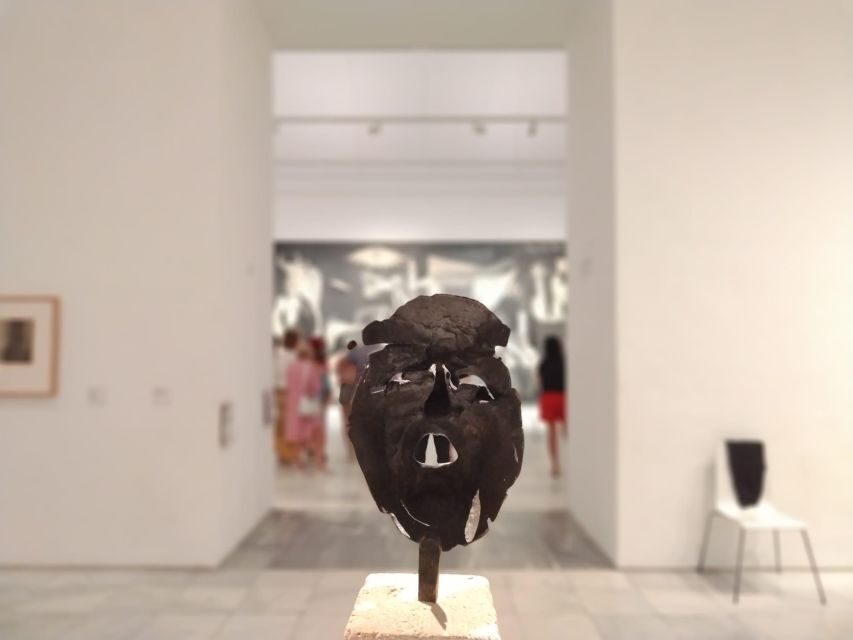
My eight-year-old stood in front of Guernica and didn’t say anything for about a minute. Then: “Mum, why are the people screaming?” That’s the power of Picasso’s most famous painting. It’s 3.5 metres tall and nearly 8 metres wide. It shows the bombing of a Spanish town during the Civil War. The horse is screaming. The mother is holding her dead child. A lightbulb blazes like an eye above it all. No child needs to understand art history to feel what this painting is about. They look at it and they know. Something terrible happened here.
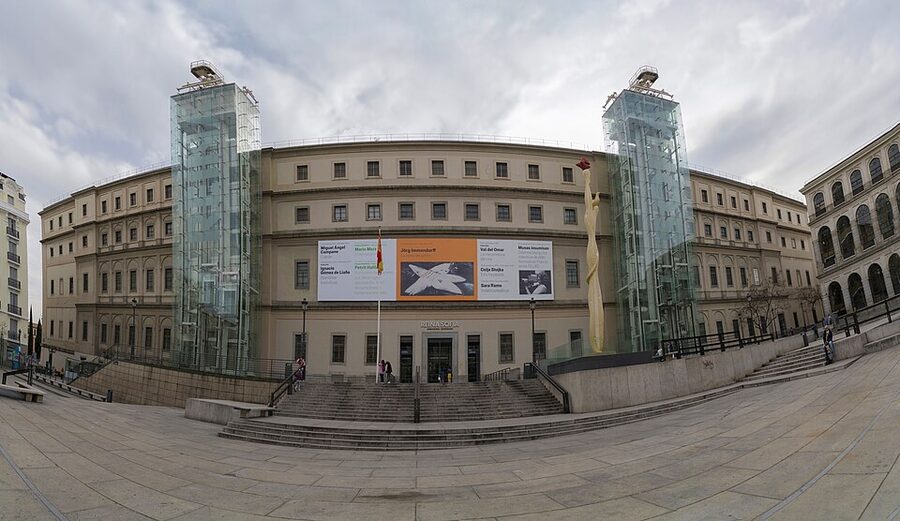
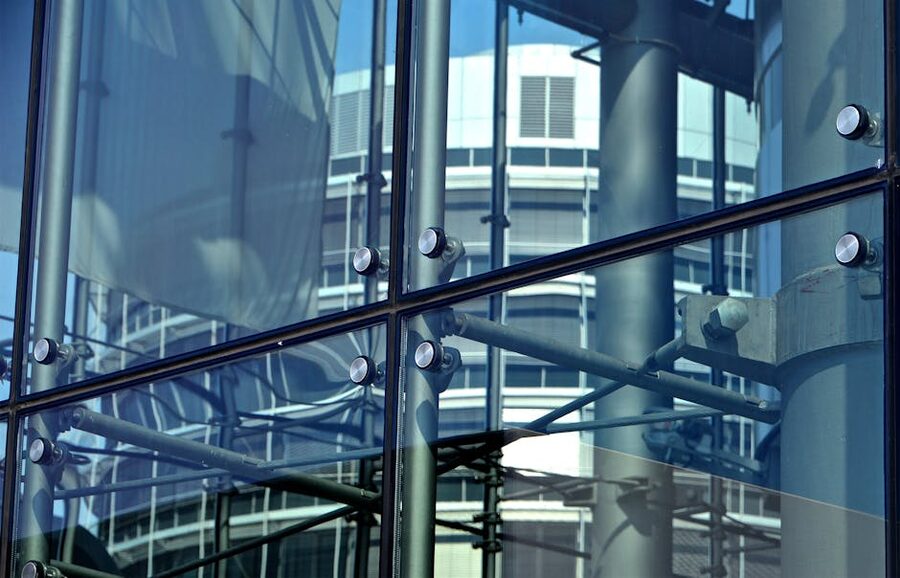
The Reina Sofia is Spain’s national museum of modern and contemporary art. The building is an 18th-century hospital converted into a museum in 1992, with a dramatic Jean Nouvel extension of glass and steel. The exterior glass elevators are the first thing children notice — and honestly, riding up in a transparent box on the outside of a building is exciting enough to count as a separate attraction. My daughter said they were “space lifts.” She wasn’t wrong. Photo: CC BY-SA 4.0, via Wikimedia Commons
The Museo Reina Sofia houses Guernica — Picasso’s response to the aerial bombing of the Basque town of Guernica in 1937. It’s the most important painting in Spain and one of the most powerful anti-war images ever created. But beyond Guernica, the museum holds works by Dali, Miro, and hundreds of other 20th-century artists. The official site runs dedicated family visits and workshops.
Is it worth taking children to a modern art museum? Yes. Here’s why and how.
Modern art is more accessible to children than you’d think. Classical paintings require knowledge to appreciate. Modern art requires reactions — and children have plenty of those. “That’s weird.” “I could do that.” “Why is the face sideways?” These are all valid responses. The Reina Sofia’s collection is full of art that provokes exactly these reactions. Children who’d be bored in the Prado are often fascinated in the Reina Sofia because the art is strange enough to demand a response.
Reina Sofia Museum Entrance Ticket — $14
Self-paced visit. Under-18s free. Over 8,700 reviews. The budget-friendly essential. Book Now
Reina Sofia Guided Tour — $38
Expert guide explains Guernica and the key works. Makes the art make sense for kids. Book Now
Small Group Tour — $59
Maximum 6 people. Most personal experience. Highest rated at 4.9 stars. Check Availability
Guernica: Preparing Children for the Most Important Painting in Spain
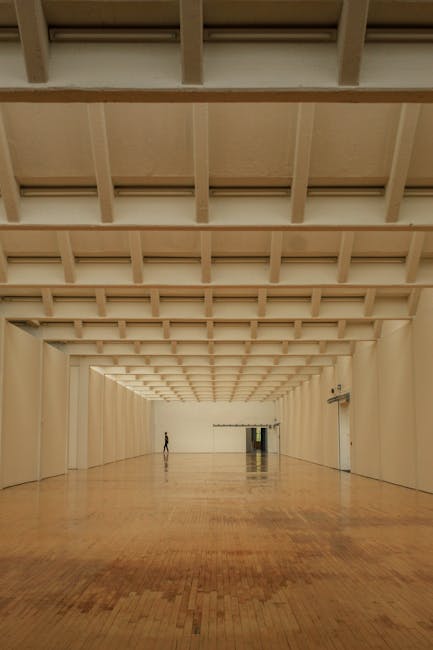
Guernica is not like other paintings. It’s enormous — 3.49 x 7.76 metres — and it fills an entire wall. The room it hangs in is designed so that Guernica is the only thing you see when you enter. Children react physically to it. They step back. They go quiet. The painting is in black, white, and grey — no colour — which makes it feel more like a photograph than a painting. More real. More raw. There’s nothing pretty about Guernica. That’s the point.
Guernica is the reason most people visit the Reina Sofia. It deserves preparation, especially with children.
What to tell them beforehand: In 1937, during the Spanish Civil War, German planes bombed a small town called Guernica on a market day. Hundreds of civilians were killed. Picasso was in Paris when he heard the news. He was already planning a painting for the World’s Fair. He scrapped his original idea and painted Guernica in six weeks. It’s his response to what happened. It’s not a painting of the bombing — it’s a painting of how the bombing felt.
What children notice first: The horse screaming. The bull. The mother holding her dead baby. The severed arm holding a sword. The lightbulb/sun at the top. Every element is symbolic. The horse represents the people. The bull represents Spain (or brutality — scholars disagree). The lightbulb is the media spotlight. The broken sword is resistance.
Don’t over-explain. Let them look. Then ask: “What do you think happened here?” Children’s answers are often more perceptive than adult art criticism. My son said “everyone is broken” which is, genuinely, one of the best descriptions of Guernica I’ve ever heard.
The Spanish Civil War (1936-1939) is the context for Guernica. It was a brutal conflict that divided families and destroyed communities. Franco won and ruled Spain as a dictator until 1975. Guernica was painted to show the world what was happening. Picasso refused to let it be displayed in Spain until democracy was restored. It finally arrived at the Reina Sofia in 1992. That story — the painting that waited 55 years to come home — is one children understand. Art as protest. Art as witness. Art that matters.
What Else to See with Children
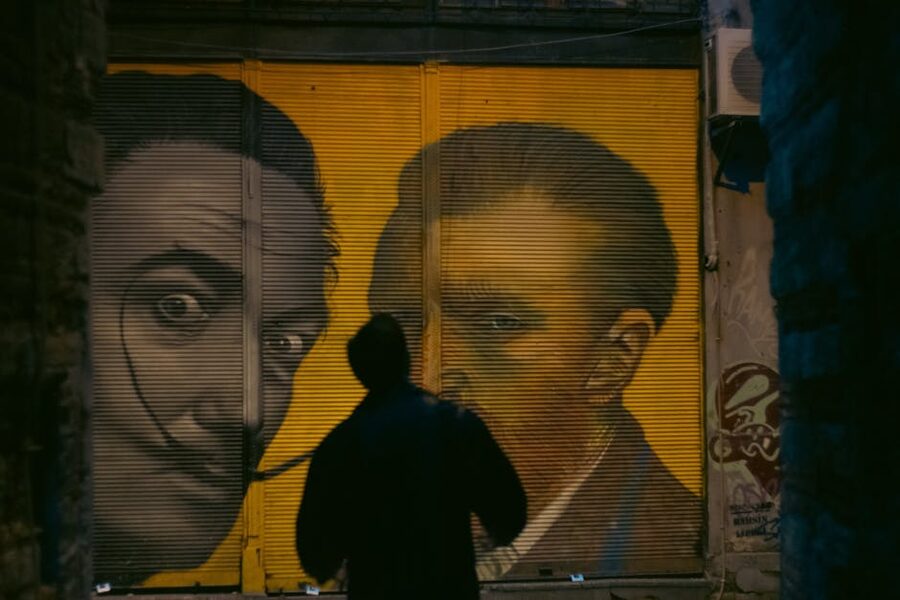
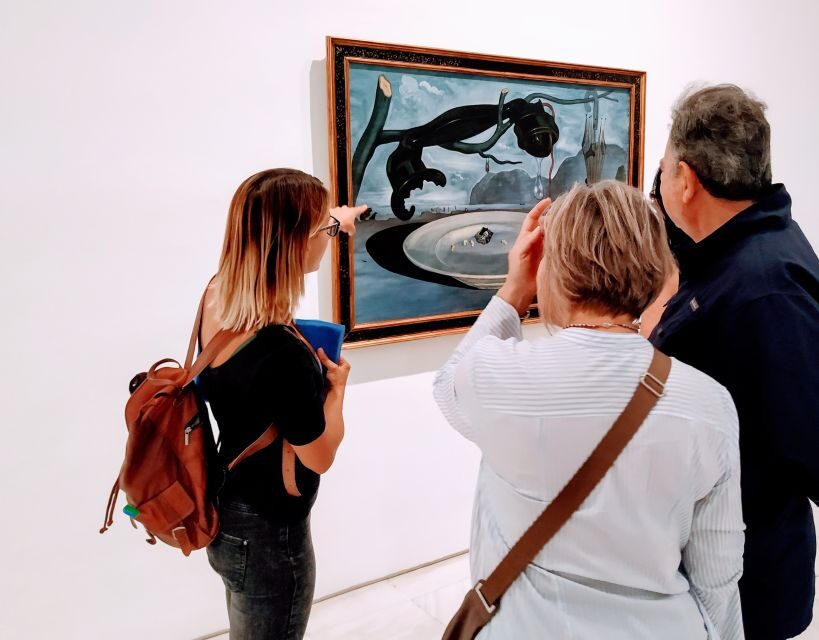
Dali’s surrealist paintings are the other family highlight. Melting clocks, elephants on stick legs, landscapes that make no sense. Children love Dali because he painted dreams — and children understand dreams. “Why is the clock melting?” “Because it’s a dream and in dreams things melt.” They get it. Dali is the most child-friendly artist in the museum because he’s the weirdest, and children appreciate weird in a way that adults sometimes forget to.
Guernica is the centrepiece but the museum has four floors of 20th-century art. Here’s what works for families:
Dali’s surrealist works. Melting clocks, impossible landscapes, dream imagery. Children react to Dali because his paintings look like the inside of someone’s imagination. “That makes no sense” is the correct response. Dali would have approved.
Moving between galleries keeps children engaged. The Reina Sofia’s layout helps — different artists in different rooms means constant variety. You walk from Picasso’s angular cubism into Dali’s melting surrealism into Miro’s colourful shapes. Each room is a different visual world. Children who’d get bored in one style for 90 minutes stay interested when the style changes every 10 minutes. Variety is the trick.
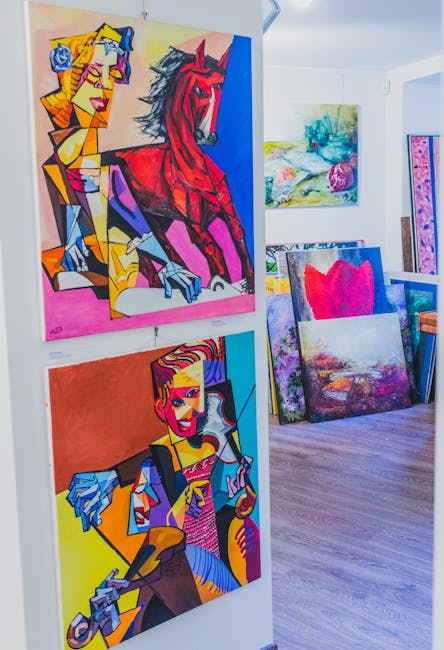
Miro’s colourful abstractions. Bold colours, simple shapes, a visual language that children read instinctively. Miro’s works look like children’s drawings made enormous — which makes children feel validated. “I could do that” means they’re engaging with it.
Cubist paintings show objects from multiple angles at once. Faces with both eyes on the same side. Bodies made of geometric shapes. It’s the kind of art that makes children say “that’s not how people look” — which is the perfect starting point for a conversation about why artists break the rules on purpose. Picasso and Braque invented Cubism because they wanted to show everything about a subject at the same time. Children think this is either brilliant or silly. Both responses are encouraged.
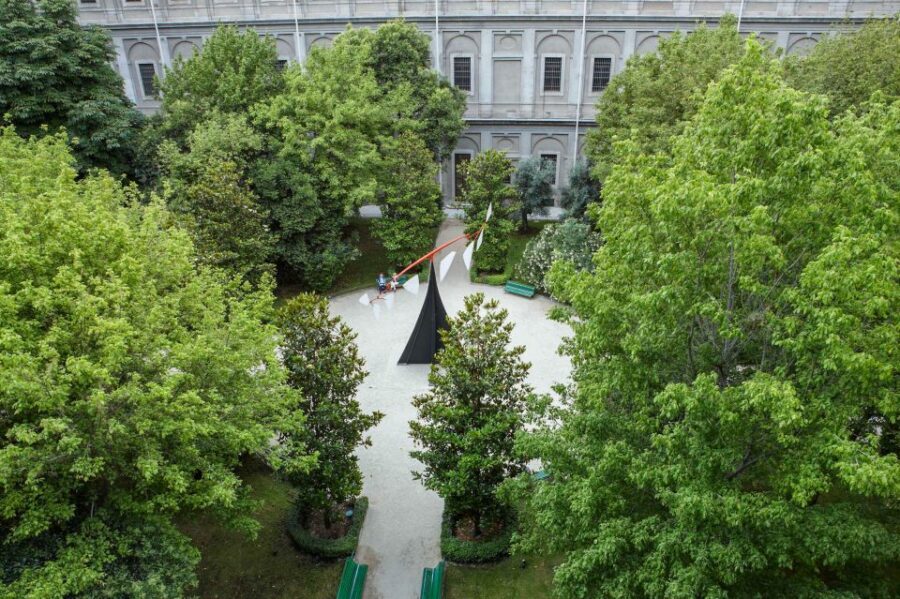
The sculpture garden. The Nouvel extension has outdoor spaces with sculptures that children can walk around (and sometimes sit on). After the intensity of Guernica, the sculpture courtyard provides a physical and emotional break.
The glass elevators. Not art, but children will want to ride them multiple times. They’re transparent and attached to the outside of the building. The views of Madrid from the top floor are excellent. Let the kids ride up and down while you catch your breath.
The sculpture courtyard is the decompression zone. After Guernica and the heavy 20th-century history, children need outdoor space. The courtyard between the old building and the Nouvel extension has sculptures, benches, and trees. We sat here for fifteen minutes while the kids ran between the sculptures. It’s not officially a playground but children treat it as one. Nobody stopped them. The museum understands that families need breaks.
Free Entry for Under-18s (and Free Evening Hours)
Everyone under 18 enters the Reina Sofia for free. Same policy as the Prado. A family of four pays just $28 total (two adult tickets at $14 each). There’s also free general entry every evening from 7-9pm (Monday and Wednesday-Saturday) and 12:30-2:30pm on Sundays. The free slots are crowded but functional. If you can afford the $14, buy a morning ticket and have the Guernica room to yourself.
Under-18s enter free. Adults pay $14. That makes the Reina Sofia one of Madrid’s cheapest family experiences — and arguably the most impactful per euro.
Free general entry hours: Monday and Wednesday-Saturday 7-9pm, Sunday 12:30-2:30pm. The museum is closed on Tuesdays. The free evening slot is the most popular — expect queues and crowded galleries. For families, the morning is better: quieter, more space around Guernica, and the light in the galleries is nicer.
The Museum Building Itself
The Jean Nouvel extension is a masterpiece of modern architecture. Glass, steel, and a dramatic cantilevered roof that seems to float above the courtyard. Children find the contrast between the old hospital building and the new extension fascinating — “why is half of it old and half new?” Because great museums evolve. The old building holds the permanent collection. The new building hosts temporary exhibitions and the library. Together they make one of Europe’s most architecturally interesting museum spaces.
The original building is a converted 18th-century hospital — the Hospital General de Madrid. The stone corridors and courtyard have a completely different atmosphere from the art inside. The Nouvel extension (2005) added glass, steel, and a dramatic floating roof. Children notice the contrast immediately.
The glass elevators on the exterior of the old building are the museum’s most recognisable feature. They were added in 1988 and designed by Ian Ritchie. They’re functional (they take you between floors) and spectacular (you can see Madrid from inside them). Children will want to ride them repeatedly. Let them.
The temporary exhibition spaces in the Nouvel building host large-scale installations. These change regularly and are often the most engaging part of the museum for children — interactive, immersive, and designed to provoke responses. Check the museum website before your visit to see what’s on. Some temporary shows are more family-friendly than others. When we visited, there was a sound installation that the kids walked through three times.
A Bit of History: Why Guernica Matters
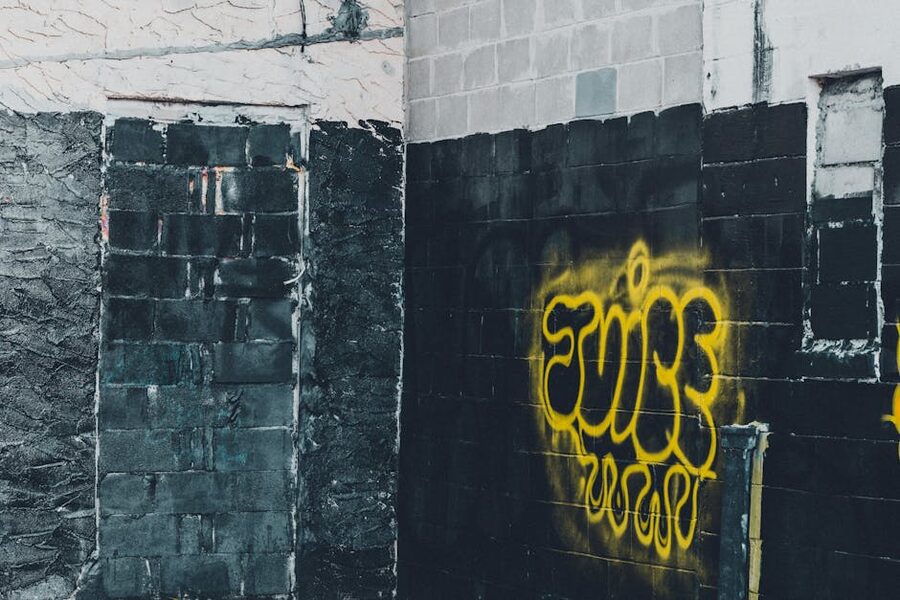
The Reina Sofia connects historical art to modern culture. Street art, protest art, political art — the museum’s collection shows how artists have always responded to the world around them. Guernica is the most famous example, but the connection between Picasso’s protest painting and the street art your children see on Madrid’s walls is direct. Art as a voice for people who can’t speak loudly enough. That’s a lesson worth more than any classroom.
On 26 April 1937, German and Italian warplanes bombed the Basque town of Guernica at the request of Franco’s Nationalist forces. It was market day. The town was full of civilians. The bombing lasted three hours. Between 150 and 1,600 people were killed (estimates vary widely). The town was largely destroyed.
Picasso was living in Paris and had been commissioned to create a mural for the Spanish Republic’s pavilion at the 1937 World’s Fair. When he heard about Guernica, he abandoned his original concept and spent six weeks creating what would become the most famous anti-war painting in history.
Guernica toured the world for decades. Picasso stipulated that it should not return to Spain until democracy was restored. Franco died in 1975. The painting arrived in Spain in 1981 and moved to the Reina Sofia in 1992.
This story — the bombing, the painting, the exile, the return — is powerful for children. It teaches them that art can be a witness, a protest, and a memorial all at once. And it teaches them that some things are worth waiting 55 years for.
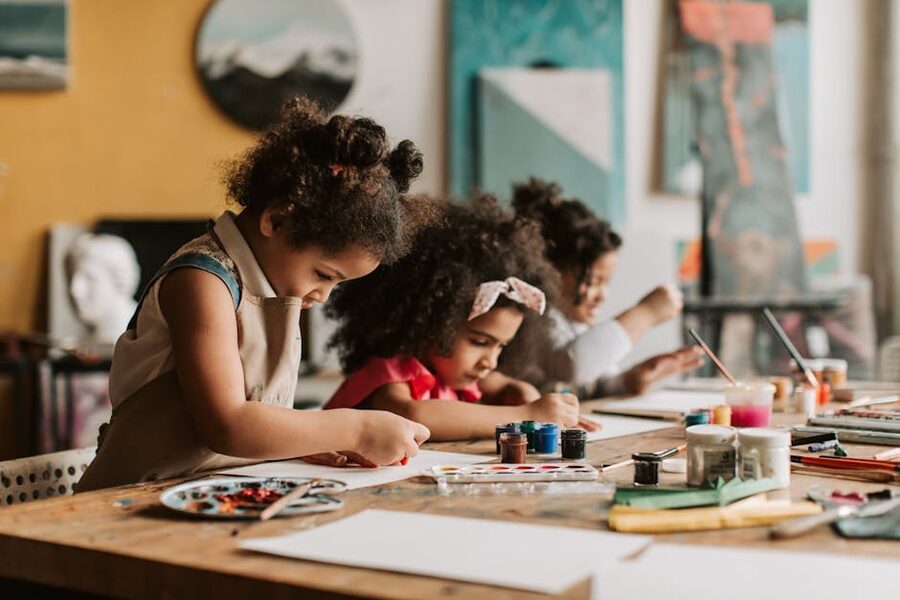
After seeing Guernica, let the children draw. The museum has a family space with art materials, and the Retiro Park nearby has benches where kids can sit and sketch. We gave our children sketchbooks after the visit and asked them to draw “the painting that stayed in their head.” My son drew the horse. My daughter drew the lightbulb. Neither drawing was technically good. Both told me something about how the painting affected them. That’s what art education looks like when it works.
Practical Tips for Families
The museum cafe has a terrace in the Nouvel courtyard. Good coffee, reasonable prices, and enough space for families. We stopped here halfway through our visit — the kids had juice, we had coffee, and everyone reset. Museum visits with children work best in two halves separated by a break. Trying to push through without stopping guarantees a meltdown. The cafe break is not a luxury. It’s a survival strategy.
Allow 60-90 minutes. Guernica alone takes 15-20 minutes. The Dali and Miro rooms another 20-30 minutes. The sculpture garden 10-15 minutes. Don’t try to see everything — four floors of modern art is too much for any child. See Guernica, Dali, Miro, and leave. Less is more.
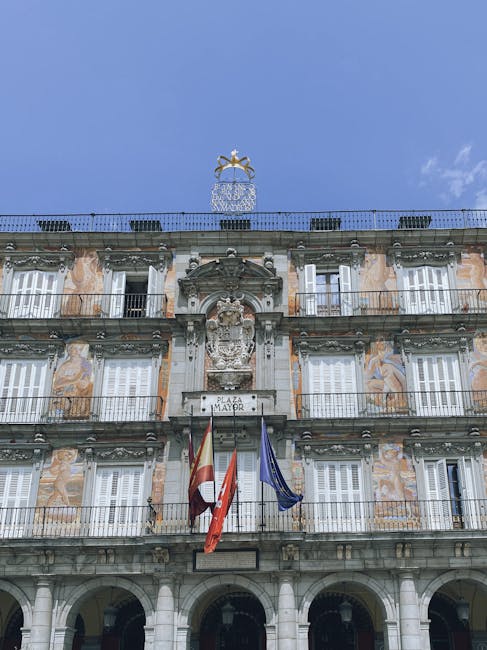
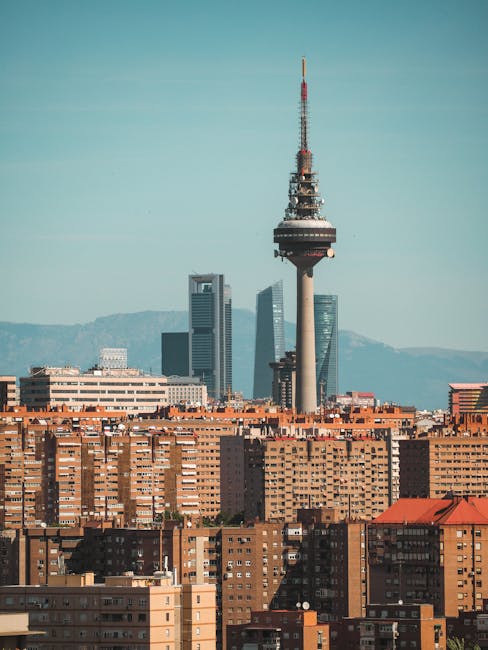
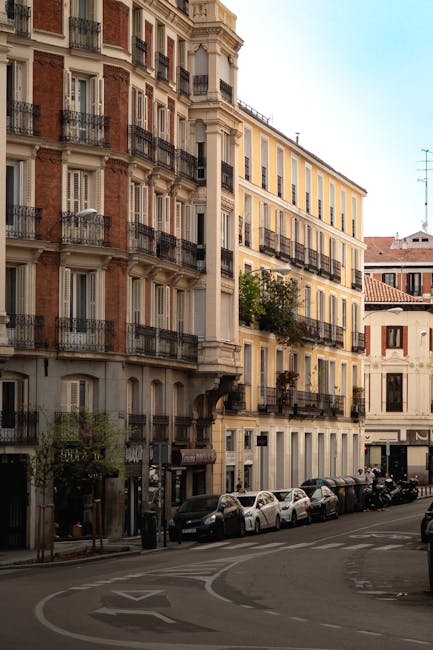
The walk from Puerta del Sol to the Reina Sofia takes about 15 minutes through Madrid’s old town. Pass through Calle de Atocha — one of the city’s oldest streets — and you’ll see traditional shops, churrerias, and cafe terraces along the way. It’s a pleasant stroll with children and the gradual change from busy commercial centre to museum district prepares everyone for a shift in pace. The walk works as a transition. By the time you arrive at the museum, the city buzz has faded and you’re ready for art.Combine the museum with a Madrid walking route. Start at Plaza Mayor for a family photo, walk south through the old town past the tapas bars, arrive at the Reina Sofia by 11am. After the museum, walk to Atocha station for the tropical garden, then east to Retiro Park. That’s a full family day that covers history, art, nature, and turtles — without using public transport once. The walking keeps the kids moving. The stops keep them interested.Madrid’s skyline tells the same story as the Reina Sofia — old and new side by side. Habsburg palaces next to glass towers. Medieval squares next to modern art museums. The city doesn’t choose between its past and its future. It keeps both. That’s what makes Madrid so interesting for families — every walk shows you contrasts. The Reina Sofia, sitting in an 18th-century hospital with a 21st-century glass extension, is Madrid in miniature.Post-museum tapas is the correct sequence. After the Reina Sofia, walk into Lavapies or up to the Barrio de las Letras for lunch. The literary quarter has tapas bars on every corner — many with outdoor terraces where children can people-watch while you decompress. A plate of patatas bravas, some croquetas, a glass of wine for you and a juice for them. That’s the family Madrid experience that guidebooks should lead with but never do.
No photography of Guernica. Photography is not allowed in the Guernica room. Security guards enforce this actively. Tell the children before you enter. The rest of the museum allows photography without flash.
Buggies. The museum has lifts and is fully accessible. Buggies are allowed throughout. The corridors are wide. The glass elevators fit buggies comfortably.
The gift shop has Guernica reproductions, postcards, art books, and Dali-themed merchandise. A small Guernica poster (about 5 euros) makes a good souvenir and a talking point when you get home.
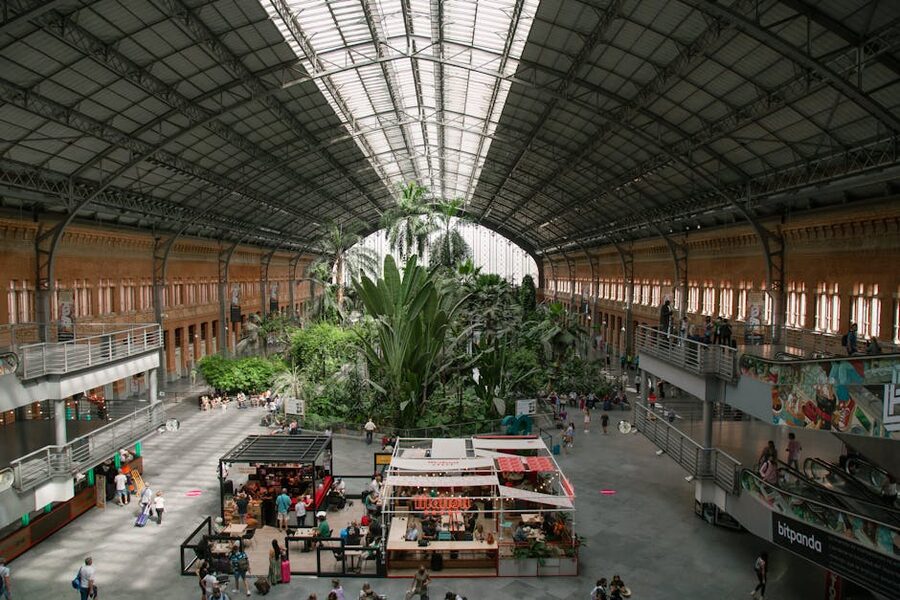
Combine with Atocha station. Madrid’s Atocha train station is a 5-minute walk from the Reina Sofia. Inside the station is a tropical botanical garden with turtles in a pond. Free. Children love it. Visit after the museum for a complete change of pace.
Atocha station’s tropical garden is one of Madrid’s best free attractions. A full botanical garden inside a train station — palm trees, tropical plants, and a pond with terrapins. The kids spent twenty minutes watching the turtles. Free entry. Air conditioned. And it’s literally next door to the Reina Sofia. After heavy art, this is the palate cleanser every family needs. The juxtaposition of Guernica and turtles is surreal enough that Dali would have approved.
Getting There
The Reina Sofia sits on the border between Lavapies and Atocha. Lavapies is Madrid’s most multicultural neighbourhood — colourful streets, international restaurants, street art on every wall. After the museum, walk north into Lavapies for lunch. The Indian, Chinese, and Middle Eastern restaurants here are excellent and half the price of the tourist areas. My kids had curry for lunch in Madrid. They thought this was hilarious. The curry was outstanding.
Atocha Metro station (L1) is the closest, about a 2-minute walk. The museum’s main entrance is on Calle de Santa Isabel. From Puerta del Sol (Madrid’s centre) it’s about a 15-minute walk south through the old town.
The museum is on the Paseo del Arte, the same boulevard as the Prado and the Thyssen-Bornemisza. All three museums are within a 10-minute walk of each other. A morning at the Reina Sofia and an afternoon at the Prado with kids covers Spain’s two greatest museums in a single day.
The Neighbourhood After the Museum
Retiro Park is a 10-minute walk from the Reina Sofia. After the museum, walk east to the park for the Crystal Palace (free entry, stunning glass building by the lake), rowing boats, playgrounds, and space to run. The combination of Reina Sofia in the morning and Retiro Park in the afternoon is one of Madrid’s best family days — culture first, nature second. The kids get art and exercise. You get art and a bench.
The Reina Sofia is surrounded by three of Madrid’s best family neighbourhoods:
Retiro Park (10 minutes east). Rowing boats on the lake, the Crystal Palace (free), puppet shows on weekends, playgrounds, and enough green space to exhaust any child. The perfect afternoon after a museum morning.
Lavapies (5 minutes north). Madrid’s most diverse neighbourhood with international food, street art, and a neighbourhood atmosphere that’s completely different from the tourist centre. Excellent affordable lunch options.
Atocha station (2 minutes south). The tropical garden with turtles. Free. Essential post-museum decompression for children.
The Best Tickets for Families
1. Reina Sofia Museum Entrance Ticket — $14
Over 8,700 reviews — the most popular modern art museum ticket in Spain. Self-paced access to the entire collection including Guernica. Under-18s free. At $14 per adult, a family of four pays just $28 total. Mobile voucher entry — no printing needed. The smart choice for families who want to see Guernica and a few other highlights without a structured tour. Go at your pace, leave when the kids are done.
The essential ticket with over 8,700 reviews. Full access to the permanent collection including Guernica, Dali, and Miro. Under-18s free. Our full review covers the family-friendly route through the galleries. The obvious first choice for all families at an unbeatable price.
A guide transforms the Guernica experience for families. 659 reviews. Without a guide, you see a powerful painting. With a guide, you understand why the horse is screaming, what the bull represents, and why Picasso painted it in black and white. For children aged 7+, the guided context makes Guernica unforgettable rather than just impressive. At $38 per adult (under-18s still free for entry), the guide fee is genuinely worth it.
Expert-guided tour through the highlights including detailed Guernica context. 659 reviews. Our review explains what the guide adds for families. Best for families with children aged 7+ who want to understand the art, not just see it.
The most personal experience at 4.9 stars. Maximum 6 people means your family might be the only participants. The guide adapts to your children’s ages and interests. At $59 per adult it’s the premium option, but for families who want a private-feeling experience at a group price, it’s excellent value. The small group size means children can ask questions without being drowned out by a crowd. That intimacy makes all the difference in front of Guernica.
Ultra-small group (max 6) with the highest rating at 4.9 stars. 363 reviews. Our review covers the intimate group experience. Best for families who want a semi-private guided visit at a fraction of private tour costs.
Madrid’s art museums are world-class but the city is much more than museums. After the Reina Sofia, walk through the evening streets to a tapas bar for dinner. The kids will be processing what they saw. Don’t push them to talk about it. Let it settle. The best conversations about Guernica happen later — at dinner, on the plane home, sometimes weeks afterwards. Art works on its own schedule.
The Reina Sofia sits on the same boulevard as the Prado Museum with kids — a 10-minute walk north. Together they cover 700 years of Spanish art in a single day. For a completely different Madrid experience, the Royal Palace offers grandeur and history that complement the museum’s modern edge. And for day trips, Toledo and Segovia and Avila take you to medieval fortress cities where the history you’ve seen in paintings becomes three-dimensional. Madrid is a city that rewards families who bring curiosity. The Reina Sofia is where that curiosity gets its sharpest education.