
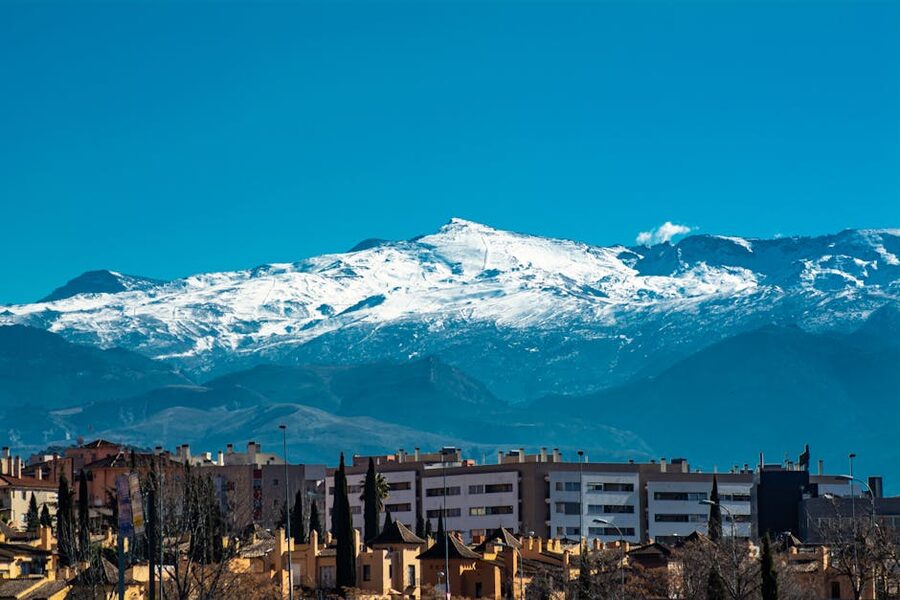
Our 10-year-old’s highlight of a week in Spain wasn’t the Alhambra or the beach — it was a 4×4 safari up Sierra Nevada, 2,500 metres above Granada, where we saw ibex, picked wild thyme, and ate a packed lunch at a viewpoint where the Mediterranean was visible on the horizon. The Sierra Nevada safari is the best-kept family secret in Andalusia and a proper “wild Spain” experience you can’t get anywhere else on the tourist trail.
In a Hurry? Our Family Picks
Most-booked 4×4 safari: Sierra Nevada Safari up to 2500 meters ($88) — 6-7 hours, 4×4 tracks, 1,600+ reviews, 4.9 rating. Our top pick for families.
Viator private 4×4 version: Private 4WD Sierra Nevada Safari ($103) — 7-hour private group version with same route, slightly more expensive but smaller group.
Hiking alternative: High Sierra Nevada Hiking Experience ($69) — 7-hour guided hike for families with older kids who’d rather walk than drive.
- In a Hurry? Our Family Picks
- What a Sierra Nevada safari actually is
- What the safari covers
- 1. Pickup and approach (30-45 min)
- 2. Pradollano ski village (10-15 min stop)
- 3. 4×4 track section (2-3 hours of stopping and driving)
- 4. Picnic lunch (45-60 min)
- 5. Alpujarra villages (45-60 min, some tours)
- 6. Return to Granada (1.5 hours)
- Our top picks to book
- 1. Sierra Nevada Safari up to 2,500m —
- 2. Private 4WD Sierra Nevada Safari (Viator) — 3
- 3. High Sierra Nevada Hiking Experience —
- When to go
- What to wear and bring
- Age-by-age guide
- Pairing with the rest of Granada
- What you see on the safari (specific highlights)
- Safari alternatives
- A short history
- Practical tips
- What if the weather turns bad?
- Before you book, an honest checklist
What a Sierra Nevada safari actually is
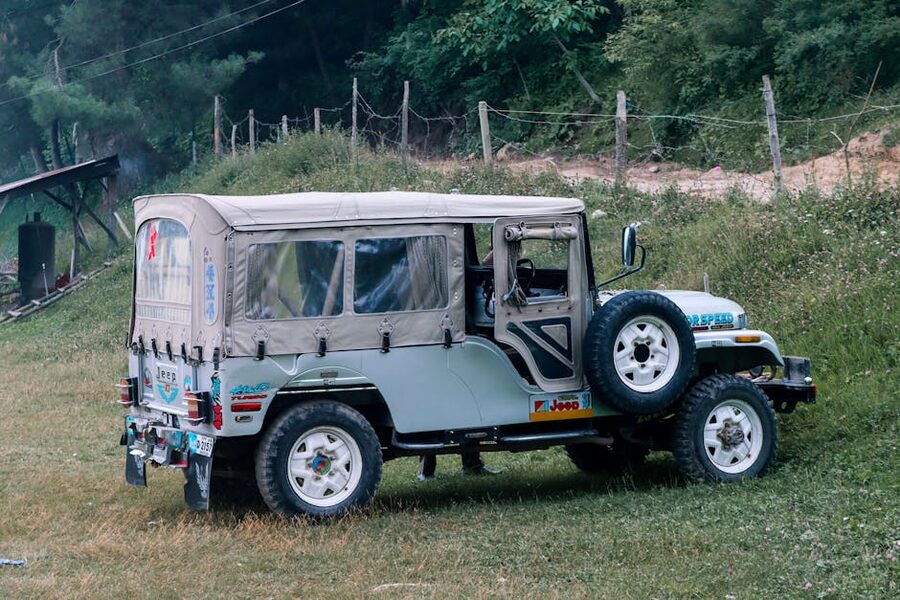
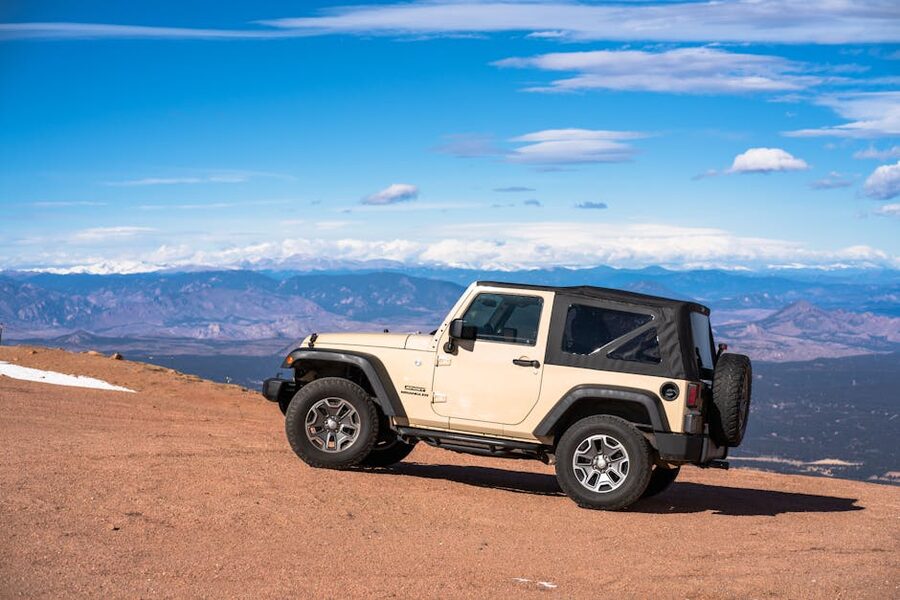
The safari isn’t wildlife-focused despite the name — it’s a 4×4 driven tour up dirt tracks and mountain roads that ordinary cars can’t take. You cover ground you’d never reach on a regular Granada day trip, see proper mountain wilderness, and get views that’d take 6 hours of hiking to earn on foot.
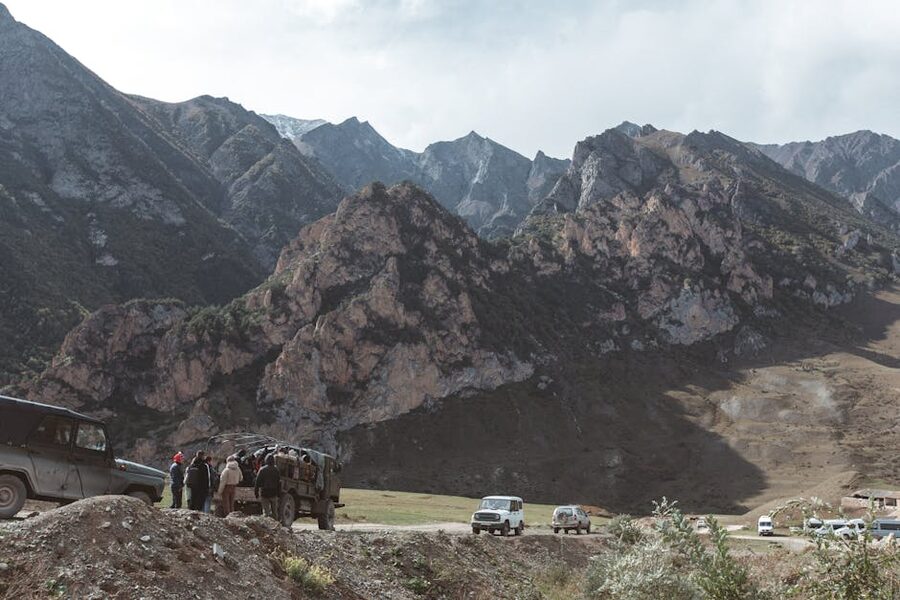
Three things specifically that make it kid-friendly:
The 6-7 hour format is broken into 4-5 driving segments of 30-45 minutes each. Kids get out of the vehicle at every stop. No endless driving boredom.
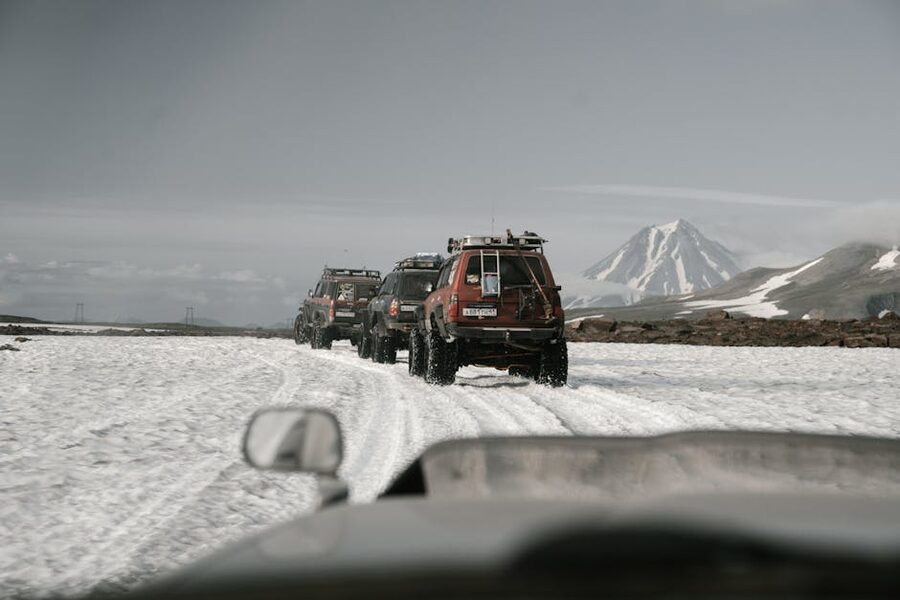
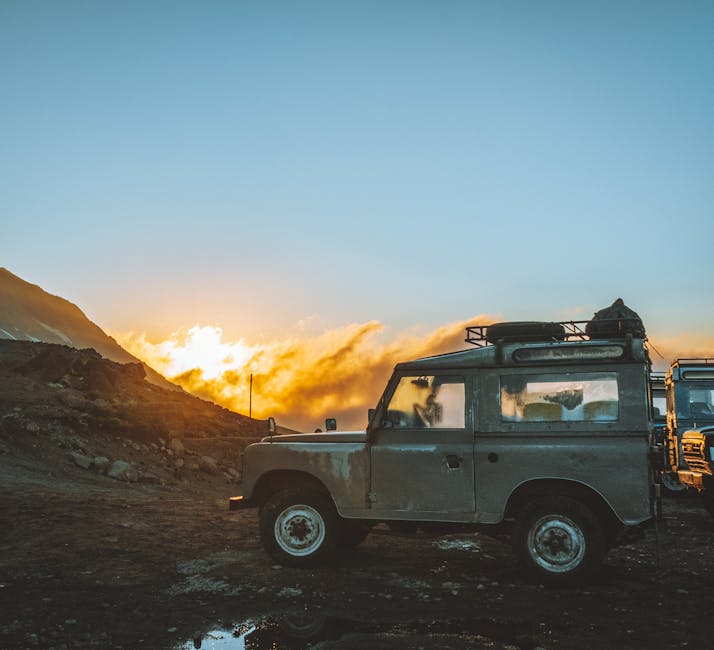
The 4×4 element is inherently fun for kids. Most children who’ve only ever been in normal cars or buses are genuinely wowed by riding in a proper offroad vehicle on rocky tracks.
The scale is unlike anything else in Andalusia. Sierra Nevada is a legitimate high-mountain range — kids who’ve only seen English hills or French Alps foothills get a different sense of what “mountain” means.
What the safari covers
Routes vary by operator and season, but a typical 6-7 hour Sierra Nevada safari covers roughly:
1. Pickup and approach (30-45 min)
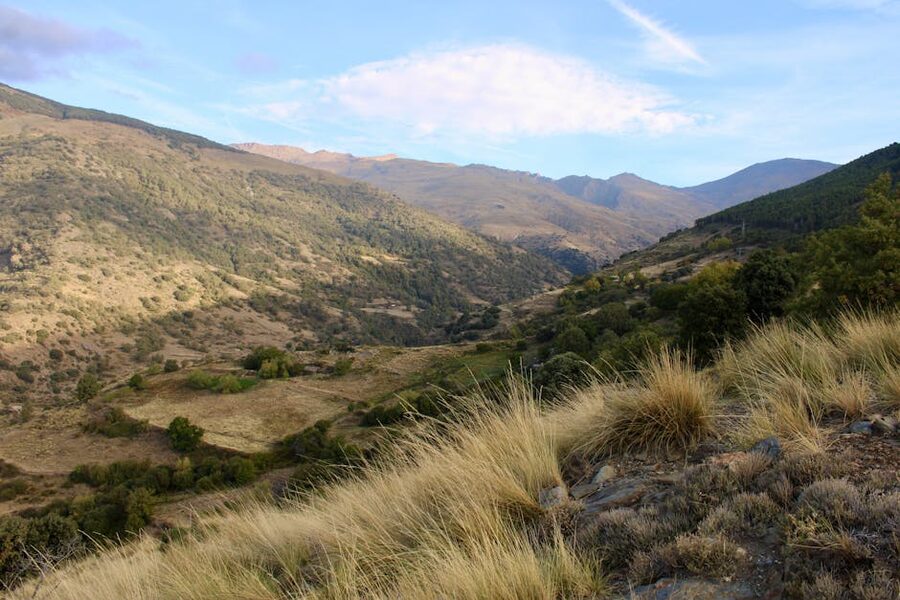
Most tours collect you from central Granada around 9am. The first 30-45 minutes is driving out of the city and up to the base of the mountain — paved road at this stage. Good time to settle into the vehicle and hear the guide’s intro.
2. Pradollano ski village (10-15 min stop)
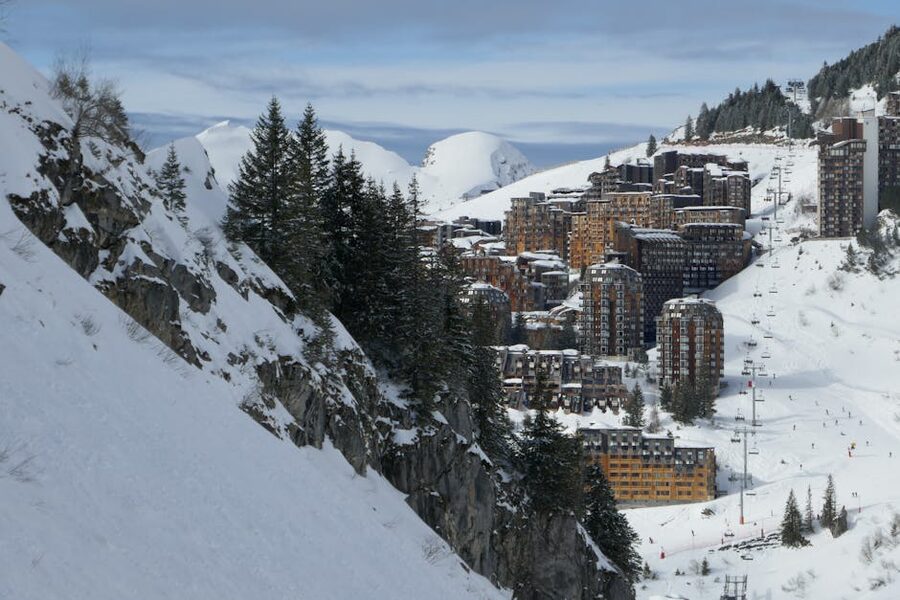
Pradollano is the main ski resort at around 2,100m elevation. Tours typically don’t spend long here — 10 minutes for a quick coffee stop and bathroom break. Useful landmark and context for kids; tell them the top lift from here goes up to 3,200m which is the highest ski station in Spain.
3. 4×4 track section (2-3 hours of stopping and driving)
This is the heart of the tour. The vehicle leaves paved roads and takes dirt tracks up into the high mountain. Typical stops:
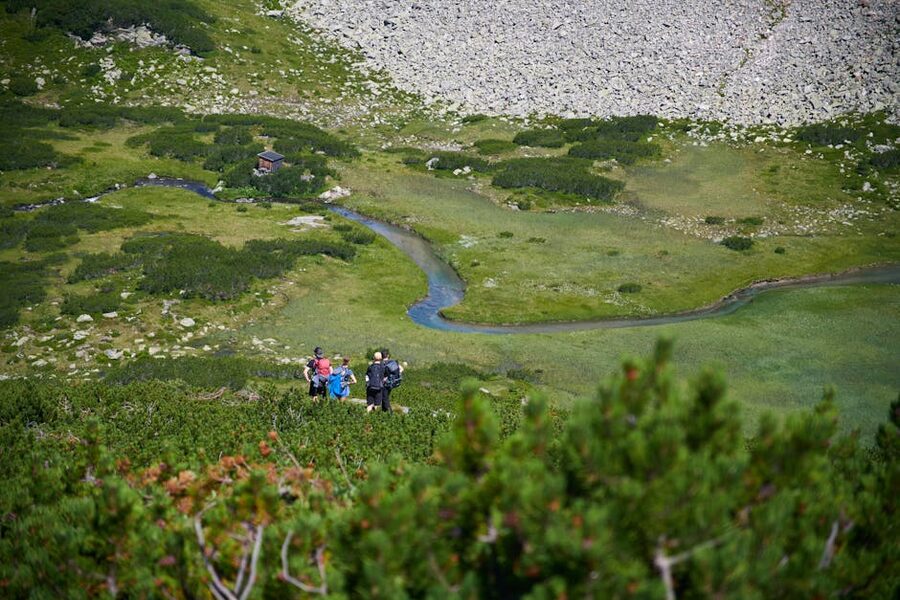
Alpine meadows: flat areas at 2,000-2,400m where Spanish ibex graze. Mid-morning is best for spotting them — they’re shy later in the day. Guides know where the regular herds are.
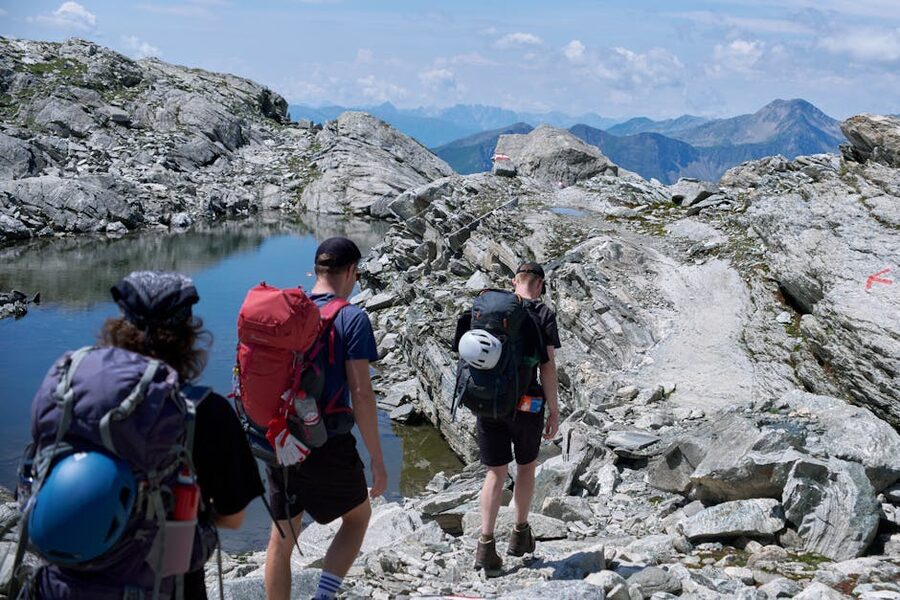
Rock formations: wind-eroded outcrops at altitude, some looking like abstract sculptures. Good photo stops. Kids can (carefully) climb the smaller ones.
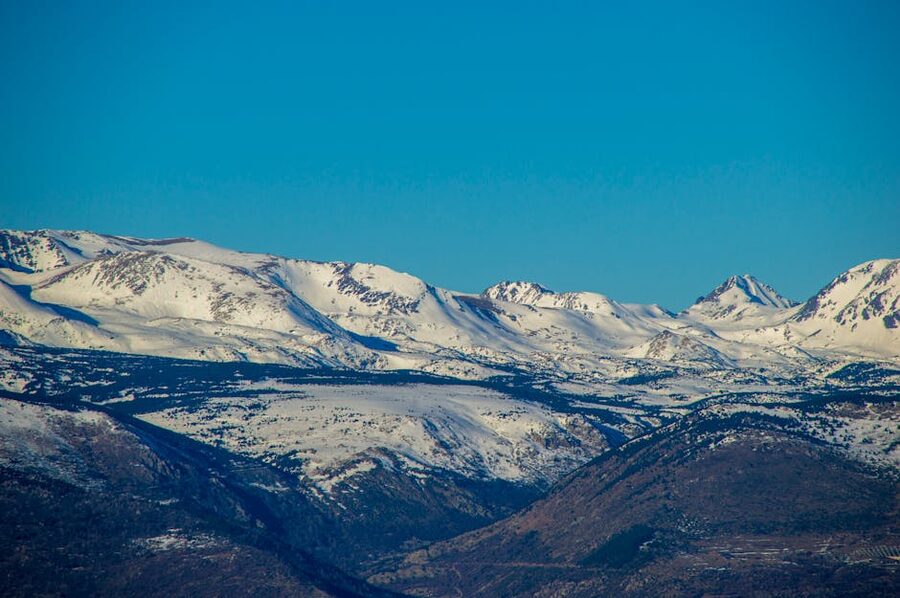
A high viewpoint at 2,500m: the target of most safaris. From here on a clear day you can see the Mediterranean to the south (70km away), the Alboran Sea, and sometimes even the Rif mountains in Morocco. Kids get the “wow, that’s Africa” moment.
4. Picnic lunch (45-60 min)
Most safaris include a picnic lunch — Spanish-style packed lunch with bread, ham, cheese, fruit, and water. Served at a viewpoint or alpine meadow. Kids eat with the mountains as backdrop; very scenic.
If the lunch isn’t included in your tour, ask in advance and pack your own. Either way, don’t expect to buy food on the mountain — there’s nothing once you leave Pradollano.
5. Alpujarra villages (45-60 min, some tours)
Many tours include a stop in one of the Alpujarra villages on the south side of Sierra Nevada — whitewashed Moorish settlements that escaped the 1492 reconquest because they were too remote. Pampaneira, Bubión, or Capileira are the most common. Small streets, artisan shops, tapas bars. 45-minute stroll.
6. Return to Granada (1.5 hours)
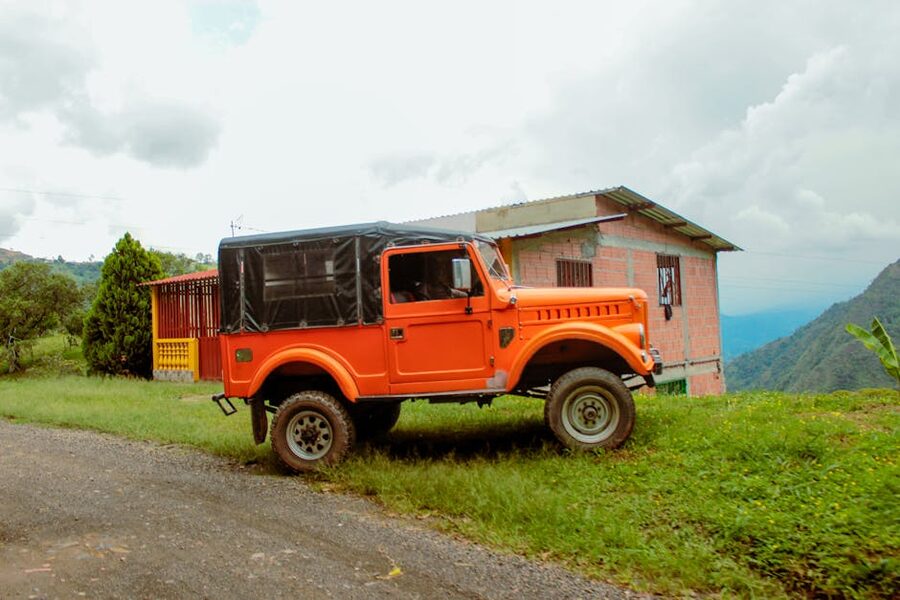
Drive back down, usually arriving in central Granada around 4-5pm. Kids often sleep on the descent. Perfect timing — you’ve got time to rest at the hotel before a tapas evening or flamenco show.
Our top picks to book
1. Sierra Nevada Safari up to 2,500m — $88
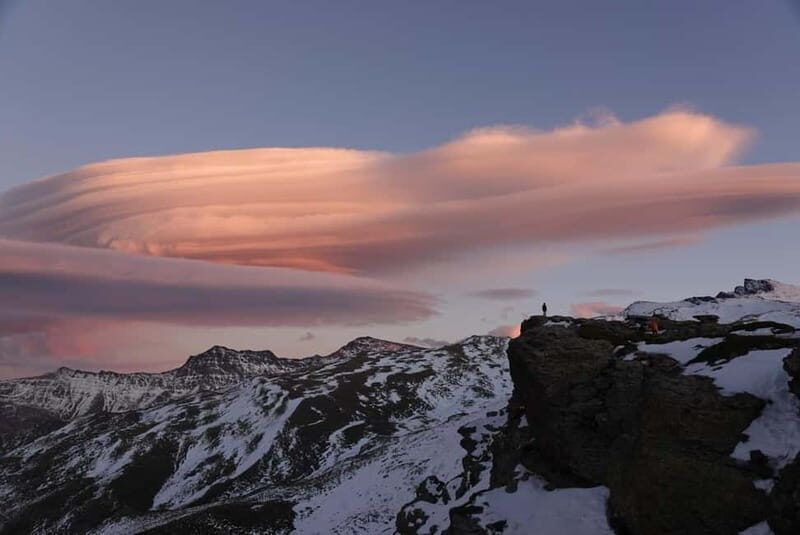
Our default family safari. 6-7 hours including picnic, small group (usually 6-8 per vehicle), hotel pickup included. Our Sierra Nevada safari review covers what the picnic includes, how the driving feels with kids prone to motion sickness, and what clothing to pack. Best for kids 6+. Under-5s can manage but the full 7-hour day is a stretch.
2. Private 4WD Sierra Nevada Safari (Viator) — $103
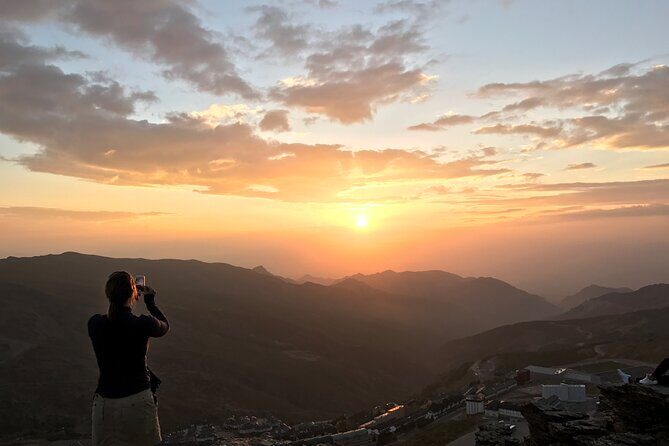
If you’re a family of 4+ and want a private tour without sharing with strangers, this is the smarter booking. Our private safari review covers whether the extra cost is worth it — for 5+ people, per-person cost is similar to the group version. Guide can adjust route based on kid interests (more wildlife stops vs more village stops).
3. High Sierra Nevada Hiking Experience — $69
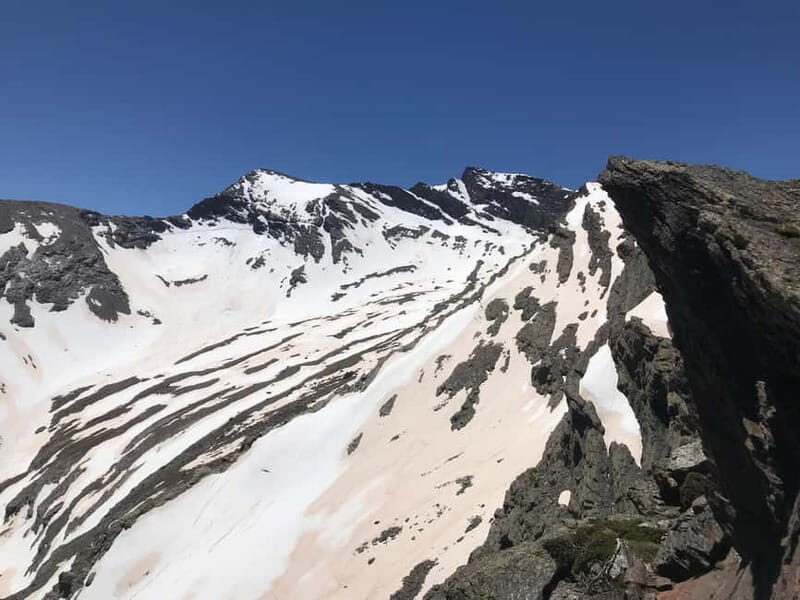
If your kids are 10+ and you want a more active day, the hiking alternative covers similar terrain on foot. Our Sierra Nevada hiking review covers the difficulty level (moderate, 6-8km total walking at altitude) and what fitness level is required. Not for kids who don’t walk willingly; is brilliant for kids who do.
When to go
Sierra Nevada safaris run year-round but the experience varies hugely by season:
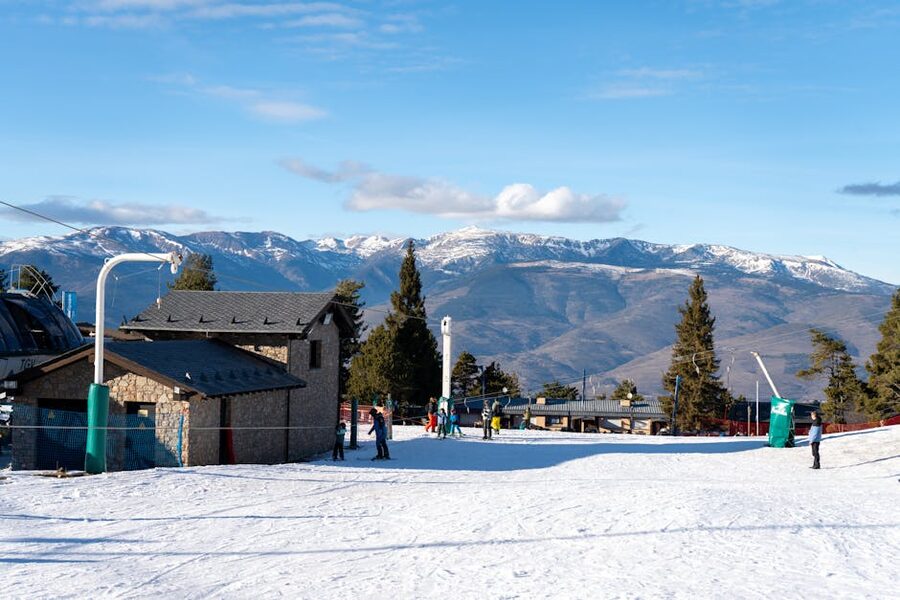
Spring (April-June): wildflowers at their best, ibex most visible, manageable temperatures. Our top pick for families.
Summer (July-September): hot down in the valley but cool (15-20°C) at 2,500m. Strong sun at altitude; sunscreen essential. Best for mountain comfort but least wildlife activity.
Autumn (October-November): quiet, golden light, manageable temperatures. Some tours pause if early snow closes tracks. Good second pick.
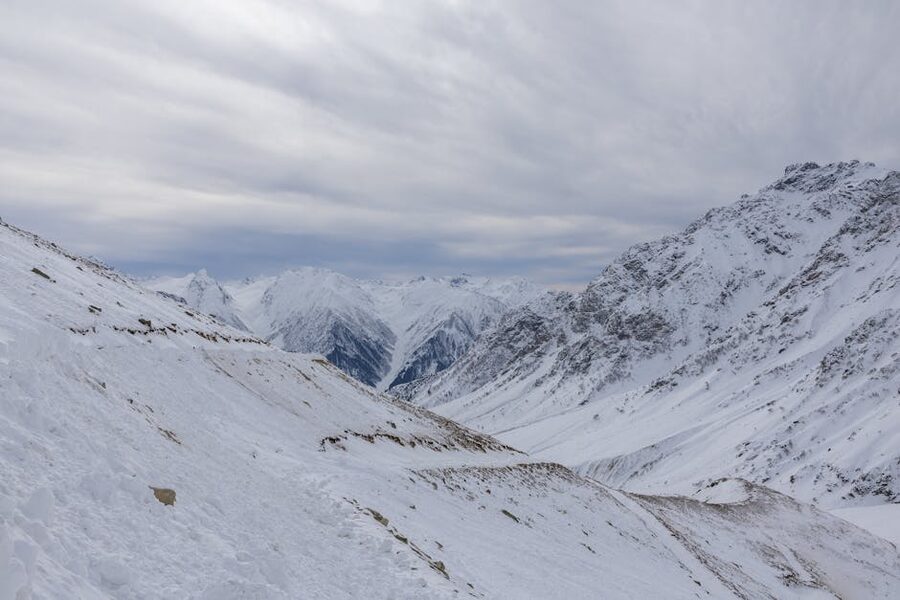
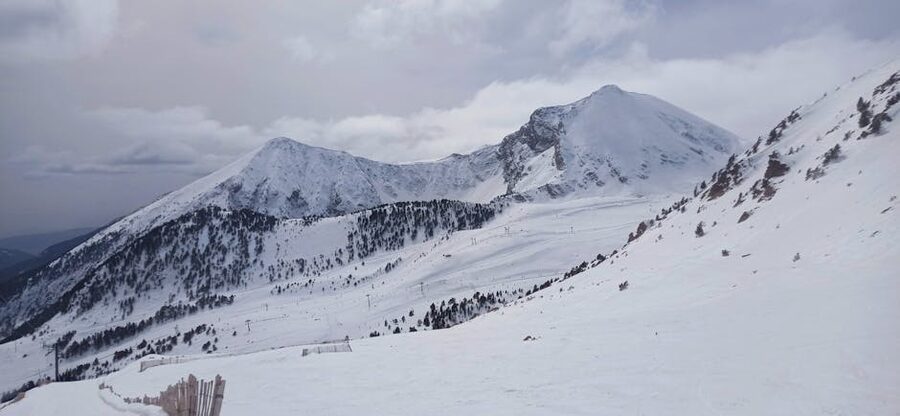
Winter (December-March): safaris still run but focused on snow landscapes. Chains on tyres, heavy clothing needed. Good for families wanting proper snow; less good for wildlife or village visits.
What to wear and bring
Layers. Temperatures can range from 25°C at the valley to 5°C at 2,500m. T-shirt plus cardigan plus jacket for kids; similar for adults.
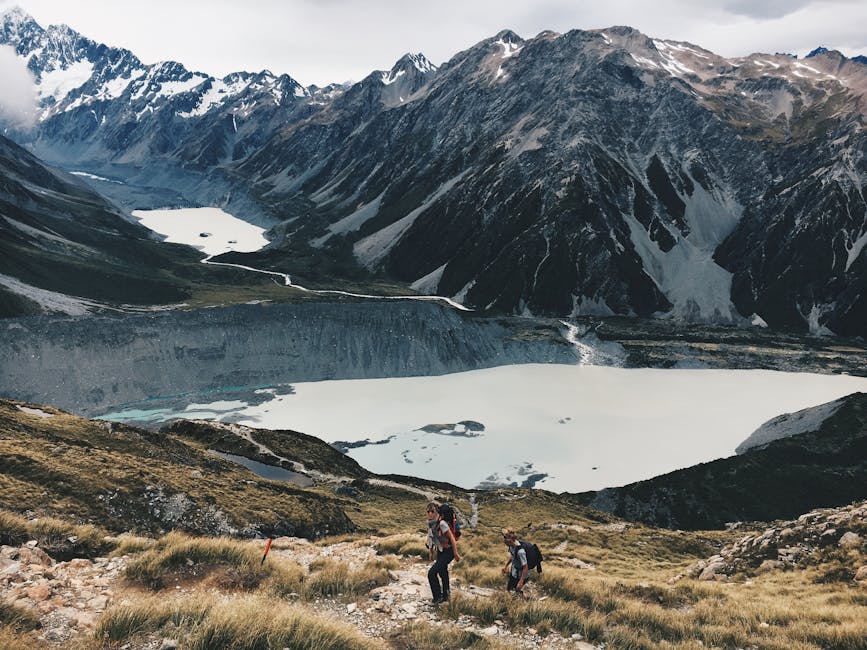
Proper shoes. Walking shoes or trainers. Sandals don’t work; flip-flops are impossible. Some tours do 30-minute off-vehicle walks.
Sun protection. At altitude the UV is stronger — SPF 50 for kids, hats, sunglasses essential even on cloudy days.
Water. 1-1.5 litres per person. Safari includes lunch but you provide drinks for the walking bits.
Motion sickness medication. The 4×4 tracks have lots of small bumps and turns. Any child prone to car sickness needs their usual remedy 30 minutes before departure.
Small backpack. Sun cream, water, snacks, a cardigan, a phone. Don’t bring a big pack — you’re in and out of the vehicle all day.
Age-by-age guide
Under 5: possible but tiring. The 7-hour format is long, motion sickness is a risk, and at 2,500m altitude toddlers can be unhappy without being able to say why. Wait if you can.
5-7: workable with good preparation. Pack snacks, sun cream, motion sickness remedies. Kids this age love the 4×4 element but tire by mid-afternoon.
8-12: sweet spot. Full day works; kids understand the landscape, spot wildlife, and enjoy the picnic.
13+: depending on teen interests. Outdoor-inclined teens love it; screen-bound teens may tolerate it politely. The hiking alternative works better for active teens.
Pairing with the rest of Granada
A safari is a full-day commitment. Best pairing strategy:
Day 1: Sierra Nevada safari (9am-5pm), relaxed tapas dinner, early night.
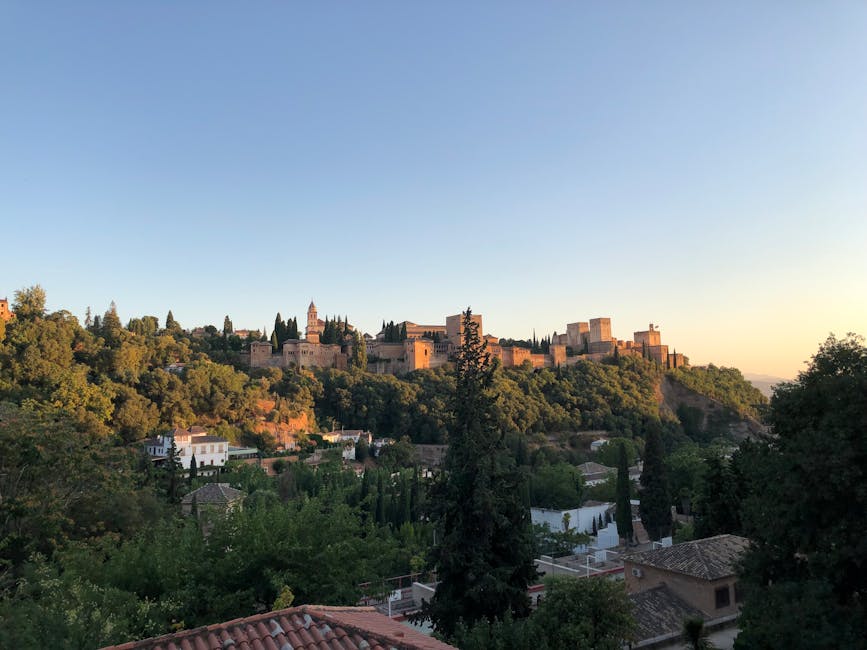
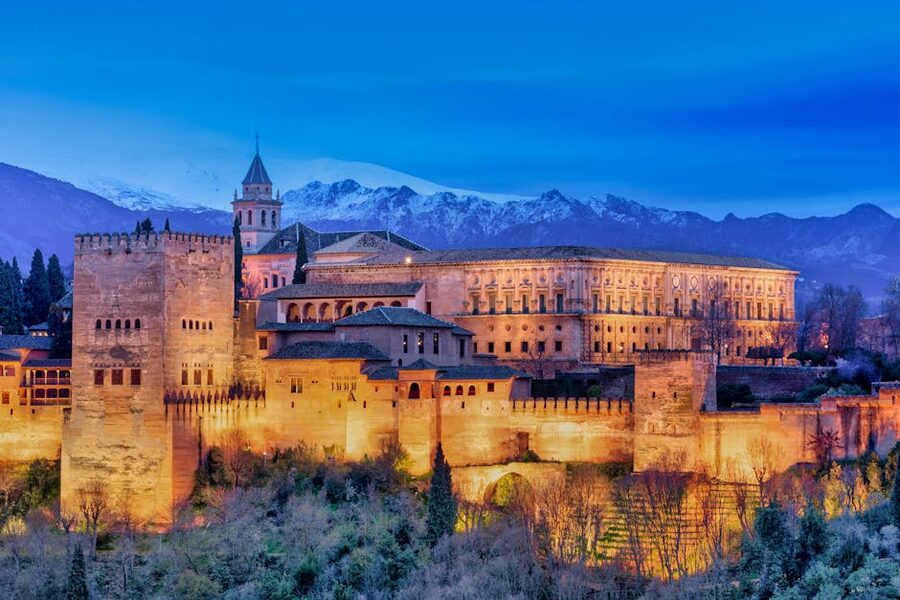
Day 2: morning Alhambra visit, lunch, afternoon at the hotel, evening flamenco show.
Day 3: Albaicín walking tour, tapas lunch, travel onwards.
The safari works as a mid-trip break from historical city visiting — everyone needs fresh air after multiple cathedral-palace days. If your family has been doing heavy city sightseeing for a few days, the safari day acts as a reset.
What you see on the safari (specific highlights)
Spanish ibex (cabra montés): the primary wildlife target. Similar to goats but wild, with curving horns. Usually in small herds of 4-10 animals. Morning sightings are most reliable.
Eagles and vultures: Iberian lynx populations are recovering but rare to spot. Golden eagles, griffon vultures, and smaller raptors are more common. The guide scans and points out.
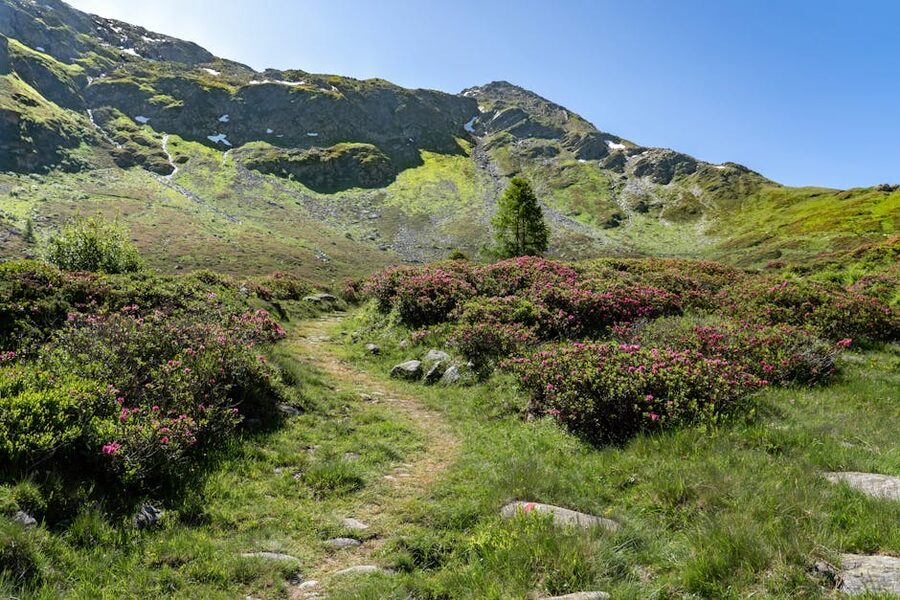
Alpine flora: edelweiss, wild thyme, gentians, juniper. Kids can (carefully) touch and smell — the thyme and juniper are used in local cuisine.
Viewpoints: clear-day views include the Mediterranean coast, the Sierra de Cazorla range, and (on exceptional days) Morocco’s Rif mountains. Kids like the “we can see Africa” moment.
Geology: wind-eroded rocks, glacial valleys, mica schist formations glittering in sun. Guide explains; kids don’t necessarily absorb but the shapes are memorable.
Safari alternatives
If the 6-7 hour 4×4 format doesn’t fit your family, there are alternatives on Sierra Nevada:
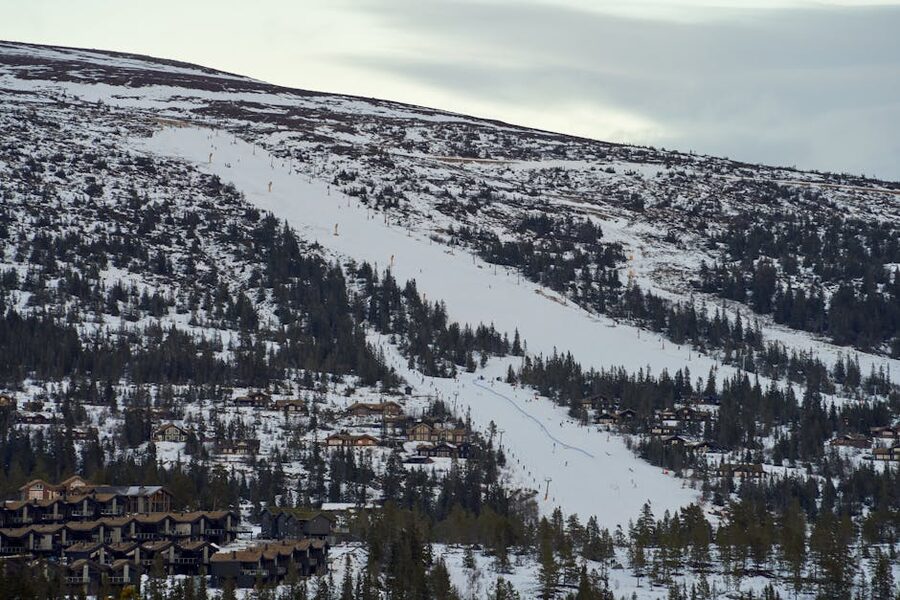
Ski days (December-March): Pradollano lessons for kids. Spain’s southernmost ski resort, modern lifts, English-speaking instructors.
Short hikes from Pradollano: take the cable car up, short walk at altitude, cable car back down. 3-4 hour outing rather than 7.
Alpujarra driving day: self-drive through the Alpujarra villages without the 4×4 high-mountain element. Covers similar cultural ground, less adventurous.
Via ferrata or climbing: for older kids (12+) with some experience. Granada region has several options.
A short history
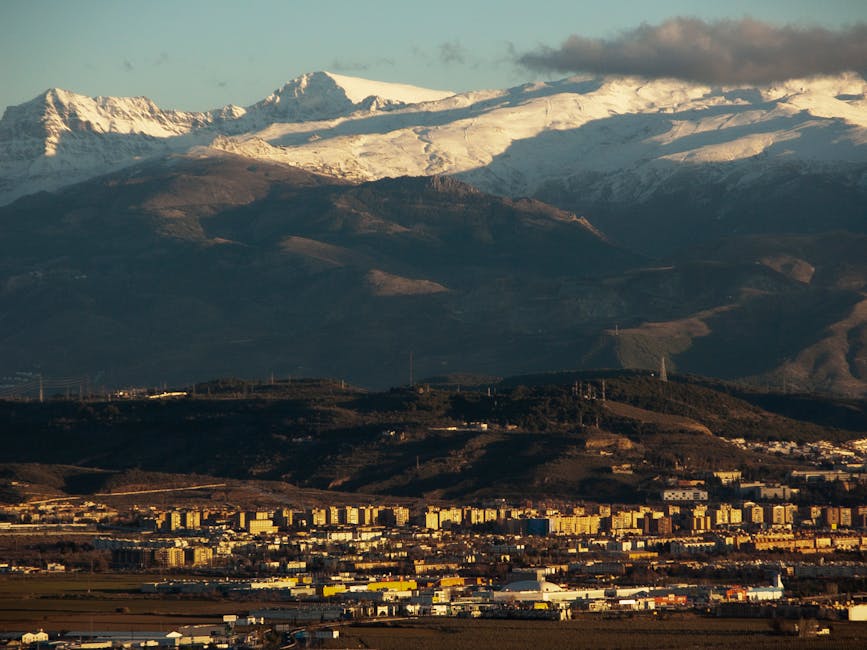
Sierra Nevada is Spain’s highest mountain range outside the Canary Islands — the Mulhacén peak at 3,479m is the highest point in mainland Spain. Named by Muslim geographers in the medieval period (the “snow-covered range” that could be seen from Granada year-round).
The mountain has been culturally significant for centuries — the Alpujarra villages on the south slope were the final Moorish refuge after the 1492 reconquest of Granada, and Moorish agricultural terracing (still visible today) shaped the landscape.
Spain’s first ski resort opened at Pradollano in 1964. Sierra Nevada was declared a Spanish National Park in 1999 and a UNESCO Biosphere Reserve in 1986. Today the National Park covers 860 km² including most of the range’s higher terrain.
Practical tips
Book 1-2 weeks ahead in summer. Spring/autumn tours usually have same-week availability.
Hotel pickup. Most tours collect you from a central Granada hotel. Confirm pickup address when you book.
Altitude. 2,500m is moderate altitude — most people feel mildly short of breath on short walks, especially if they’re from sea-level. Hydrate well.
Photography. Phones are fine for most shots. A zoom lens helps for ibex (they’re usually 50-100m away). Tripods unnecessary.
Toilets. Portable toilets at Pradollano and some trailheads. Otherwise wilderness rules apply; bring tissues.
Dietary requirements. If the tour includes lunch, note allergies or preferences at booking. Spanish picnic lunches are heavy on ham and cheese; vegetarians get separate options if pre-requested.
Accessibility. 4×4 vehicles have steps to climb in. Not wheelchair-accessible generally. Ask specific operators if mobility is a concern.
Group size. Most tours run with 6-8 per 4×4. If you’re booking a family of 5 or more, ask if you’ll share a vehicle with strangers or have a dedicated family vehicle.
What if the weather turns bad?
Tours cancel in heavy snow, storms, or poor visibility. You’ll typically get 24-48 hours notice and a full refund or reschedule. Check the forecast the day before — if it’s bad, most tours proactively contact you.
Alternative wet-weather Granada days: Sacromonte Caves Museum, Cathedral and Royal Chapel, Alhambra’s indoor sections (Nasrid Palaces are fully covered), or a lazy tapas-and-hotel afternoon.
Before you book, an honest checklist
Book the standard 4×4 safari if: your kids are 6+ and you want a proper outdoor day in mountain wilderness.
Book the private version if: you’re a family of 4-6 and want flexibility.
Book the hiking tour if: your kids are 10+ and outdoor-inclined.
Skip if: any child is under 3 (not worth the full day), or you’re prone to motion sickness and haven’t brought medication.
Pair with: Alhambra visit day, flamenco evening, Albaicín walking tour. A 3-day Granada trip with a safari day is the ideal mix.
Best season: May-June (wildflowers and wildlife) or September (clear, cool, quiet).
Packing: layers, walking shoes, sun protection, water, motion sickness remedies, snacks, small backpack.
One last tip: ask the guide to show you the “mica glitter” rocks. Sierra Nevada’s schist is full of mica flakes that catch the sun like natural glitter. Every kid brings home a pocketful. Free souvenir, instant appeal.
Book the standard 4×4 for most families, pack layers, bring the motion sickness tablets. €88 for the best outdoor day you’ll have in Spain.