- What We Think About This Tour
- The Logistics: Getting There and Back
- Priority Access and Skip-the-Line Advantage
- Understanding the Museum Layout and Timing
- What’s Included and What Isn’t
- The Pacing Question
- Group Size and the Experience Quality
- Transportation Comfort and Amenities
- The Guide Experience
- Practical Logistics You Should Know
- Value for Money
- Cancellation and Weather Considerations
- The Emotional Reality
- Frequently Asked Questions
- The Bottom Line
- The Best Of Krakow!
- More Tours in Krakow
- More Tour Reviews in Krakow
What We Think About This Tour
We’ve examined this tour carefully, and what stands out most is the thoughtful way it handles something extraordinarily difficult—visiting one of history’s darkest chapters. The combination of professional transportation, knowledgeable museum guides, and skip-the-line access removes the logistical headaches that could otherwise distract from what matters: bearing witness to history.
Another thing we genuinely appreciate is the value proposition here. At $79.81 per person, you’re getting round-trip transportation from Krakow, priority museum admission, a professional English-speaking guide, and the expertise needed to understand what you’re seeing. That’s genuinely difficult to replicate on your own, especially when you factor in the time spent researching train schedules and navigating the museum alone.
The main consideration worth thinking through upfront: this tour involves substantial walking and emotional weight. Visitors describe it as “somber” and “harrowing” in the best possible way—it’s supposed to be. If mobility is a concern or if you prefer a slower pace for reflection, you’ll want to know that the schedule is somewhat structured, and some travelers felt the pacing moved quickly through the sites.
This tour suits anyone visiting Krakow who feels called to understand the Holocaust’s history. Whether you’re a history enthusiast, someone with family connections to Poland, or simply a traveler who believes certain places deserve to be visited and remembered, this experience delivers on that commitment.
👉 See our pick of the Our Picks For The 12 Best Spa & Hot Springs Experiences In Krakow
The Logistics: Getting There and Back
The tour begins with hotel pickup from a centrally located meeting point or directly from your accommodation. Cracow Local Tours operates from a substantial list of Krakow hotels, hostels, and apartments, and if your lodging isn’t listed, they’ll often arrange pickup from another convenient location. For groups larger than four people, they’ll extend their pickup range further across the city.
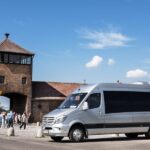
The drive to Auschwitz-Birkenau takes approximately 90 minutes in an air-conditioned vehicle. During this time, you’ll have a professional, English-speaking driver who can answer questions and help orient you to the journey ahead. One traveler noted the driver was “on time and very attentive,” and multiple reviews emphasize how this transportation component removes what could otherwise be a stressful logistics puzzle.
You’ll receive confirmation of your exact departure time 7-14 days before the tour, with a request to be ready five minutes early. The operator will wait 15 minutes past your scheduled departure time. Drop-off happens at the same location where you started or wherever you prefer within the pickup zone (up to 2.5 kilometers from the main square).
One practical note from the reviews: be aware that tour times listed on booking sites sometimes differ from your actual pickup time. One traveler discovered their 9am tour was actually scheduled for 11:45am only within the 24-hour cancellation window. This is frustrating but not uncommon with tours that require coordination with museum schedules. You might want to confirm your exact time when you receive that pre-tour message.
You can also read our reviews of more tours and experiences in Krakow.


Priority Access and Skip-the-Line Advantage
The museum visit happens in groups of up to 30 people, which is manageable for genuine engagement without feeling like you’re in a massive tour bus crowd. You’ll skip the ticket lines entirely—a meaningful advantage since the museum is extraordinarily popular with visitors from around the world.
Security screening is thorough (one traveler wished they’d been warned about this in advance), so budget mental space for a brief wait even with skip-the-line access. After this, you’ll have a 15-minute break before entering the museum proper.
The official museum guide who leads you through both Auschwitz I and Auschwitz II-Birkenau has specialized training in this history. Multiple reviewers praised their guides specifically: one traveler noted their guide “struck the right level of respect for the location,” while another described their guide as “involved, very informative” and even noted that children enjoyed the tour despite the serious subject matter.
Understanding the Museum Layout and Timing
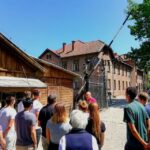
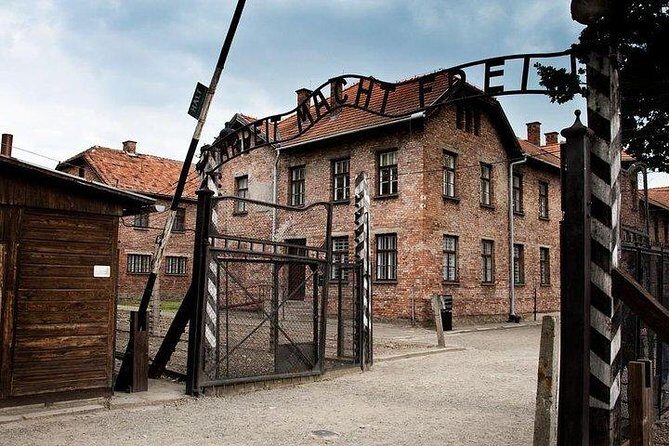
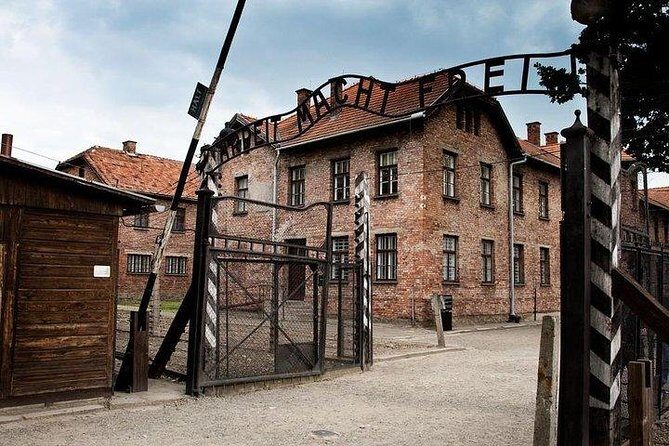
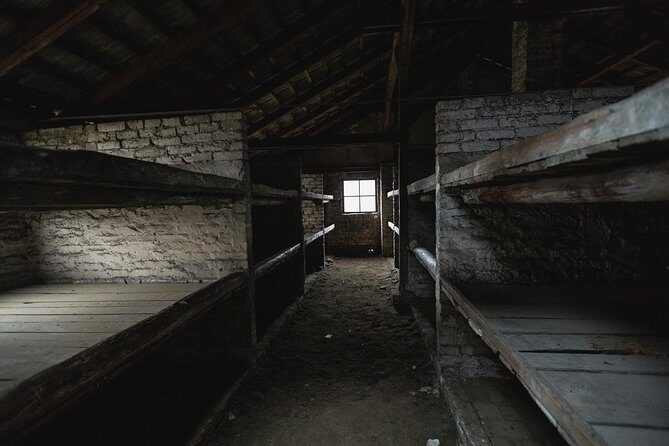
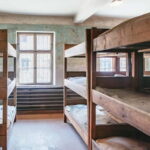
Auschwitz I, the original camp, takes approximately two hours to explore with your guide. This is where the main barracks, gas chambers, and prisoner displays help you understand the mechanics and scale of what happened here. Your guide will walk you through the preserved buildings and explain the historical context that brings these structures from incomprehensible to, if not understandable, at least grounded in facts and human stories.
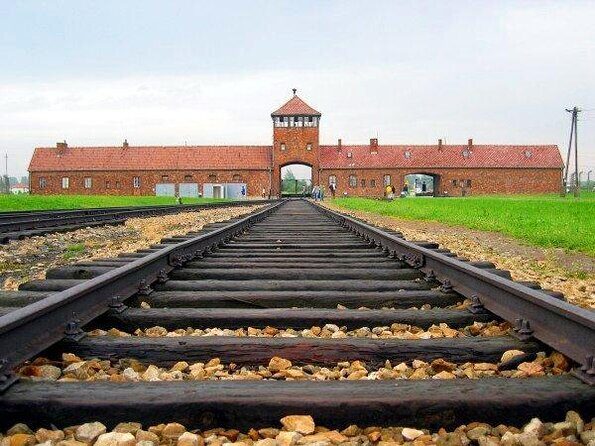
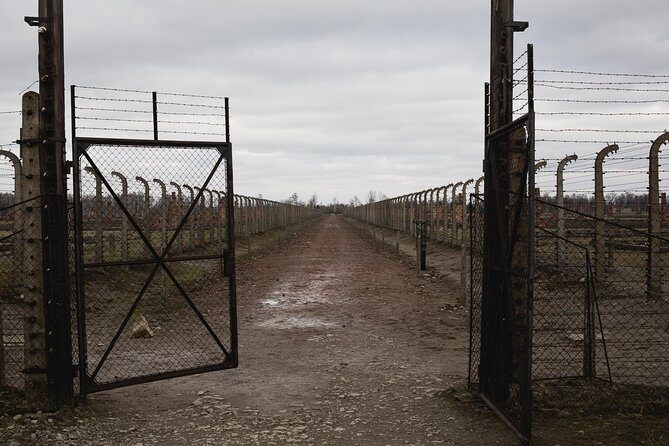
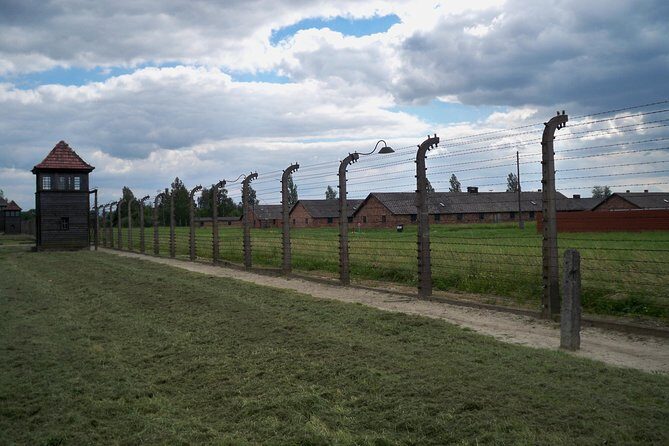
After a 15-minute break (a chance to process what you’ve seen, use facilities, or grab water), you’ll spend another hour at Auschwitz II-Birkenau, the much larger extermination camp. The sheer physical scale of Birkenau—the vast fields of barbed wire and the remaining barracks stretching across the landscape—conveys something that photographs cannot. One visitor wrote, “The tour was worth the visit even though there was a lot of walking but was worth the visit,” capturing both the physical demands and the emotional necessity of being there.
What’s Included and What Isn’t
Your $79.81 covers quite a lot: hotel pickup and drop-off, an air-conditioned vehicle with WiFi, skip-the-line museum admission, a professional English-speaking driver, the official museum guide, and all fees and taxes. That’s a comprehensive package that handles the variables that could otherwise complicate your visit.
Lunch is not included, though you can order a packed lunch from the driver for an additional fee. One traveler noted they ordered this lunch but wished there had been more time between the two museum sections to eat it. If you go this route, you might want to eat quickly or plan to eat before or after the museum visits rather than between them.
One thing worth noting: bags and backpacks larger than 30x20x10 centimeters aren’t allowed on the museum grounds. You can store larger luggage in the vehicle for free, which is convenient but means you’ll want to travel light or plan accordingly.
The Pacing Question
We need to address something honestly that appears in the reviews: several visitors felt the tour moved quickly, with limited time for personal reflection. One traveler wrote, “I was really disappointed with how rushed the tour was, the group was too big and I was barely given 5 seconds to look at anything before being hurried along.” Another noted feeling “quite rushed throughout the tour, which took the edge off.”
This is worth considering before booking. The tour is structured to move through both sites in approximately three hours of guided time. This pace allows you to see the major locations and hear the historical context, but it doesn’t leave extended periods for quiet contemplation or reading all the displayed information at your own speed.
If you’re someone who processes slowly or who wants to spend significant time reflecting at each location, you might prefer visiting independently or asking your guide if there’s flexibility in the schedule. That said, many visitors found the guide’s expertise and storytelling brought the history to life in ways that made the pacing feel appropriate rather than rushed.


Group Size and the Experience Quality
The maximum group size is 30 people, which strikes a reasonable balance. It’s large enough to be economically viable for the operator but small enough that you’re not completely lost in a massive crowd. One traveler appreciated this, noting that booking with this company meant “from start to finish so professional and so so easy.”
However, the size does mean you’re not getting a private or small-group experience. If you’re traveling with family or close friends, you’ll be sharing your guide’s attention with roughly 25-30 other people. For some, this enhances the experience—you’re surrounded by others who’ve chosen to bear witness. For others, it might feel crowded, particularly at certain points in the tour.
Transportation Comfort and Amenities
The vehicle is air-conditioned, which matters given that you’ll be spending 90 minutes each way in a minibus. One traveler mentioned not being entirely happy about being “crowded in a taxi,” so expectations about comfort vary. The tour description mentions WiFi on board and water availability, though one reviewer noted the WiFi wasn’t actually present in their vehicle and there was no water provided—something that could have been clarified in advance.
These are relatively minor points, but they highlight that while the tour is well-organized overall, some details in the description don’t always match the lived experience. It’s worth bringing your own water bottle just to be safe.
The Guide Experience
Guides are consistently praised across reviews. One traveler described their guide as having “great knowledge of the subject but most importantly was the passion of which she told the story.” Another noted that their guide “took us to several sites at both Auschwitz and Birkenau” and “was polite and answered all questions while remaining upbeat.”
This last detail is important: guides manage the emotional weight of this work while remaining professional and respectful. The fact that multiple visitors mentioned feeling safe and comfortable speaks to the emotional intelligence these guides bring to an extraordinarily difficult job.
Practical Logistics You Should Know
You’ll need a valid passport or ID document for entry to the museum, and your name on the booking must match exactly what’s in your passport. If you’re traveling with children, they must be accompanied by an adult. If you’re between 18-26 years old, bring a valid student ID for potential discounts.
The tour operates in all weather conditions, so dress appropriately for Polish weather—which can be cool and unpredictable even in summer. The museum doesn’t guarantee visiting dates for regular groups in advance, which is why the operator reserves the right to confirm your tour five days ahead. This is standard for popular sites but worth knowing so you’re not anxious waiting for final confirmation.
Value for Money
At nearly $80, this tour costs less than many half-day experiences in European cities, yet it encompasses full-day logistics, professional expertise, and priority access to one of the world’s most visited historical sites. You’re paying for convenience and expertise, not inflated tourist pricing. The transportation alone would cost $30-40 if arranged independently, and the skip-the-line access eliminates potentially hours of waiting.
If you’re traveling solo or in a small group without a car, this tour is genuinely cost-effective compared to renting transportation and navigating the museum independently.
Cancellation and Weather Considerations
You can cancel up to 24 hours in advance for a full refund, which provides reasonable flexibility. The tour operates in all weather conditions, though if it’s canceled due to poor weather, you’ll be offered an alternative date or full refund. A few travelers experienced tour cancellations with frustratingly short notice, though this appears to be exceptional rather than the norm.
The Emotional Reality
We should acknowledge what makes this tour different from a typical sightseeing experience: you’re visiting a place where approximately 1.1 million people were murdered. One traveler described it as “The experience brought to life the books I read & movies I’ve seen about the Holocaust.” Another, a third-generation American Jew of Polish descent, wrote that they “needed to bear witness to this horrific genocide.”
This isn’t a fun day out. It’s a necessary and sobering journey. The tour’s value lies partly in its logistics, but primarily in how it helps you understand one of history’s darkest chapters through expert guidance and priority access to preserved evidence. Multiple travelers noted feeling grateful for the experience despite—or perhaps because of—its emotional weight.
Frequently Asked Questions
How early do I need to book this tour?
The tour is typically booked an average of 64 days in advance, suggesting it’s popular and benefits from early planning. However, you can book closer to your travel dates if you have flexibility. Just know that availability may be more limited during peak summer season.
What if my hotel isn’t on the pickup list?
Cracow Local Tours will often arrange pickup from an alternative convenient location in Krakow, or you can meet them at the central meeting point (Kiss&Ride at Zyblikiewicza 2 in central Krakow). If you’re traveling in a group of more than four people, they may extend their pickup range further across the city.
How much walking is involved?
The tour involves a considerable amount of walking—multiple reviewers specifically mention this. Both Auschwitz I and Auschwitz II-Birkenau require walking between barracks and exhibits. If you have mobility concerns, contact the operator before booking to discuss whether the tour is suitable for your needs.
Can I bring a large backpack or suitcase?
Bags and backpacks larger than 30x20x10 centimeters aren’t allowed on the museum grounds. You can store larger luggage in the vehicle for free, so you’ll want to pack light or plan to store your main luggage elsewhere during the tour.
Is lunch included, and when do we eat?
Lunch is not included in the tour price, but you can order a packed lunch from the driver for an additional fee when booking. Be aware that there’s only a 15-minute break between visiting Auschwitz I and Auschwitz II-Birkenau, which may not provide ideal time for eating. You might prefer to eat before the tour starts or after it concludes.
When will I know my exact pickup time?
You’ll receive confirmation of your exact departure time 7-14 days before the tour. Be ready five minutes early, as the driver will wait no longer than 15 minutes after the scheduled time. Note that the time listed on booking sites sometimes differs from your actual pickup time, so pay close attention to the confirmation message.
What’s the group size, and could it feel crowded?
The maximum group size is 30 people, which is manageable but not intimate. You’ll be sharing your guide’s attention with roughly 25-30 other visitors. Some travelers found this size appropriate and appreciated being surrounded by others bearing witness to history; others felt it was too large for adequate reflection time.
Auschwitz Birkenau Guided Tour
The Bottom Line
This tour represents genuine value for visitors to Krakow who want to visit Auschwitz-Birkenau thoughtfully and without the logistics headache. You’re paying for professional transportation, skip-the-line museum access, and expert guidance through one of history’s most important and sobering sites. The 4.5-star rating across over 1,100 reviews reflects consistent quality in execution, with particularly strong praise for guides and smooth logistics. The main trade-offs are the structured pacing (which some find necessary and others find rushed) and the group-tour format rather than a private experience. If you’re visiting Krakow and feel called to understand the Holocaust’s history, this tour makes the visit accessible and meaningful. It’s not a casual sightseeing experience—it’s a necessary and moving journey through history, handled with appropriate respect and professional expertise.