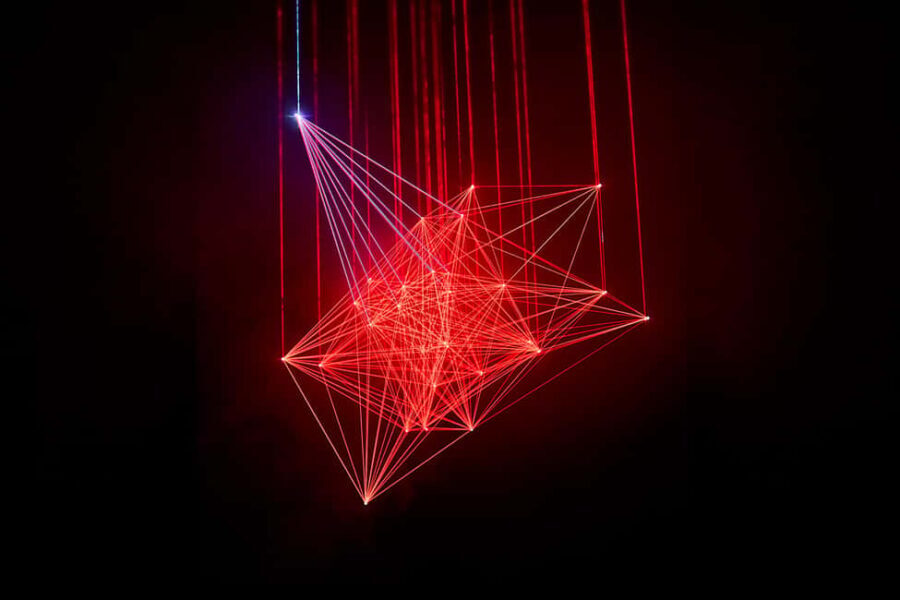
This review breaks down Budapest’s Light Art Museum skip-the-line ticket, set in a repurposed farmers’ market space. You get around-you light, color, and optical tricks, plus contemporary works that nod to big names in light and op-art.
What you’ll likely enjoy most are the big, show-stopping installations (the floating tent and the airlock-style sphere/dome get repeat mentions). You’ll also like the on-site context—reading the background helps the art click, especially if you are curious about how light is used as a medium.
One thing to keep in mind: the museum is fairly compact, so some visitors finish in about 1 to 1.5 hours, even though the ticket is set for a 2-hour visit. If you’re expecting a huge, marathon museum, you may feel it moves fast.
- Key things to know before you go
- Budapest’s Light Art Museum: a light-and-illusion art break
- Skip-the-Line Ticket: how to make your entry smoother
- Your 2-hour visit: a route that keeps the good stuff coming
- The repurposed marketplace setting: a fun twist on museum space
- Light, color, and optical illusions: what you’re actually experiencing
- Projection mapping and new-media effects
- The big names: Moholy-Nagy and Victor Vasarely
- The floating tent: one of the crowd’s repeat favorites
- The airlock dome and the inside-the-sphere moment
- The blimp and other playful light installations
- How interactive is it, really?
- Upstairs vs downstairs: where the value feels strongest
- Timing: how long it takes and whether it fits your day
- Families: great for kids, but check the vibe of each area
- Languages and on-site info: English, Hungarian, and a quick reminder
- Price and value: is a good deal?
- Crowds and how to keep it enjoyable
- What’s included, what’s not, and what to bring
- Who should book this Budapest light art ticket
- Should you book this skip-the-line ticket?
- FAQ
- How long is the Light Art Museum experience?
- Does the ticket include skip-the-line entry?
- Is a tour guide included with the ticket?
- What languages are available?
- Can I cancel for a refund?
- Can I reserve and pay later?
- More Museum Experiences in Budapest
- More Tickets in Budapest
- More Tour Reviews in Budapest
Key things to know before you go
- Skip-the-line entry works through hosts at the start, so tell them you want to bypass the ticket queue
- 2 hours of exploration is the plan, and many people end up around that mark
- Upstairs vs downstairs is a common theme: several visitors say downstairs lands harder
- Light-art stars include pioneer László Moholy-Nagy and op-art icon Victor Vasarely
- Family-friendly, with limits: some sections feel more suited to older kids and adults
- Good value for the price based on frequent praise for visuals, fun, and crowd control
Budapest’s Light Art Museum: a light-and-illusion art break
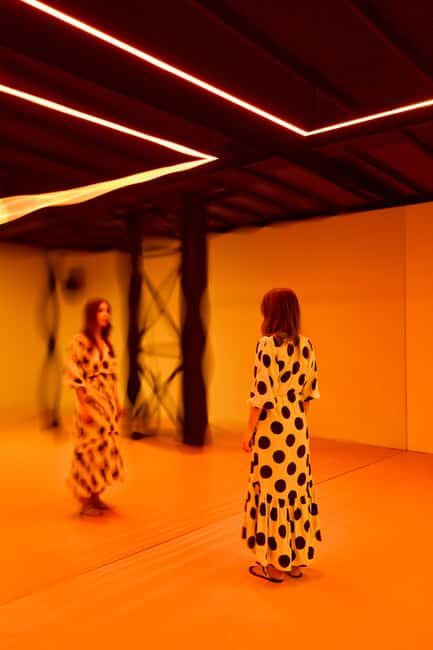
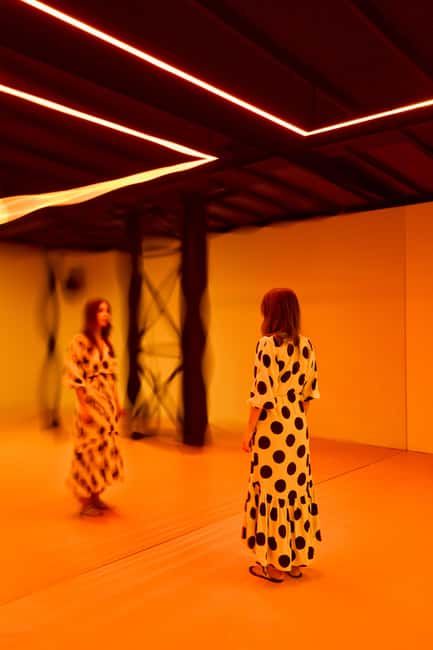
The Light Art Museum is one of those Budapest stops that feels made for today: modern art, playful visuals, and rooms where light is the main character. It’s not just paintings behind glass. You move through halls of projections, color effects, and optical illusions, with the layout designed so you can pause, watch, and take photos without hunting for the next “must-see.”
The big appeal is that the concept is consistent even when the installations change. One room teaches you how light can alter space. Another leans into color, shadow, and engineered effects. If you like art that’s part science, part design, this is a fun match.
You can also read our reviews of more tours and experiences in Budapest



Skip-the-Line Ticket: how to make your entry smoother
This ticket includes skip-the-line entry. Practically speaking, that means you’re not stuck in the slow portion of the process when you arrive. The host or greeter (English and Hungarian) is there to help you get moving, and the key instruction is simple: if you want the skip-the-line benefit, let the hosts know.
There’s no guided tour included, so think of this as “entry + time to explore,” not “entry + a narrated walkthrough.” You’ll rely on the on-site explanations and the installation descriptions as you go.
Your 2-hour visit: a route that keeps the good stuff coming
You’re scheduled for about 2 hours of exploration. The museum is small enough that you don’t need an aggressive plan, but there is a smart pacing trick: start with the smaller rooms and then work downward, where multiple visitors say the highlights land.
Here’s a simple approach you can copy:
- Begin upstairs first if you want to build context
- Then go down for the bigger, more memorable installations
- Leave yourself time to re-visit favorites, because some rooms are better the second time when you understand what you’re seeing
If you’re visiting with kids, this rhythm helps too. You can keep the first part shorter and then spend more time where everyone is most amazed.
The repurposed marketplace setting: a fun twist on museum space
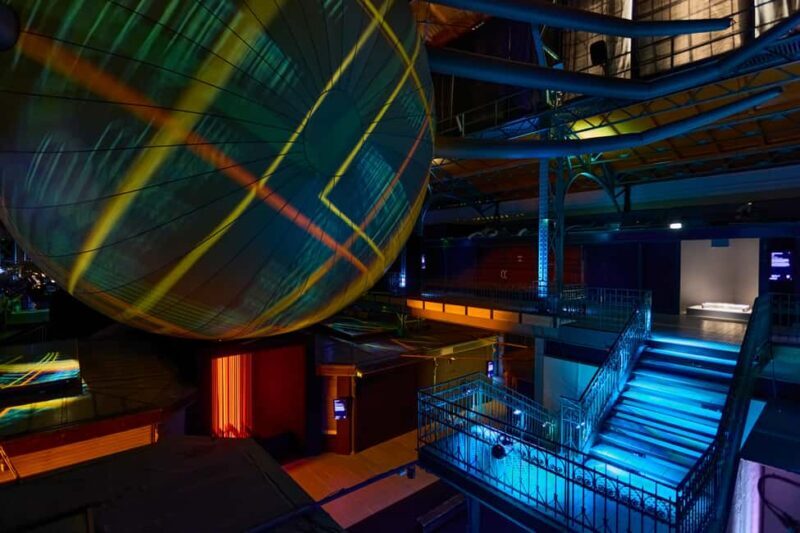
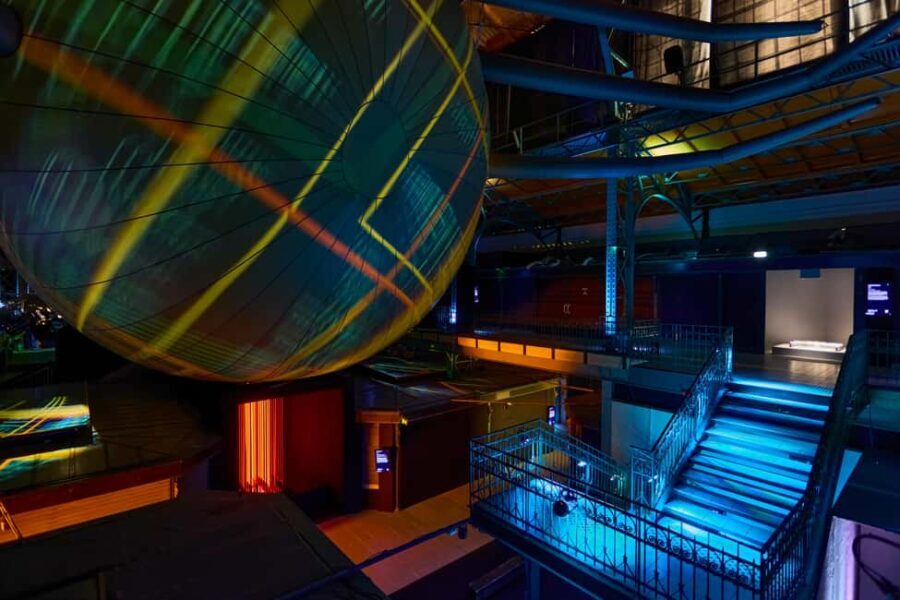
One reason this place works is its location and shell. The museum takes over a hall that used to be a popular farmers’ market. That matters more than you’d think. The open, commercial-style layout gives the installations room to breathe, and it makes the light effects feel bigger than they would in a tight, traditional gallery.
It also makes the whole thing feel less formal. You’re not tiptoeing through hushed rooms. You’re moving through an art-and-design environment built for experiments with light.
More Great Tours NearbyLight, color, and optical illusions: what you’re actually experiencing
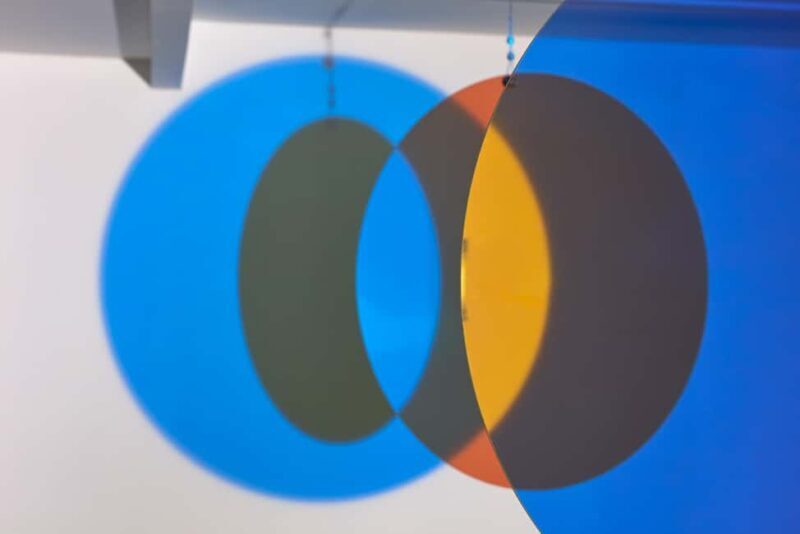
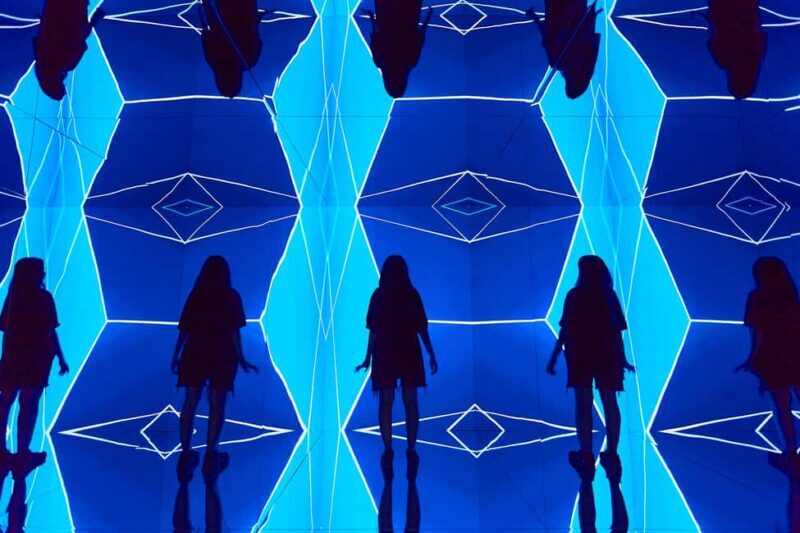
This museum is built around the idea that light can do things to your perception. You’ll see optical tricks and color-driven environments that change how you interpret shapes and space. Expect lots of projection-based visuals, and also installation types that rely on reflective or geometric effects.
A useful mindset: go in assuming you won’t get every installation on the first minute. Several visitors said the experience makes more sense after reading the background for each piece. So if you catch yourself thinking, I don’t get it, don’t panic. Reading the short explanations tends to bring the meaning into focus.
You can also read our reviews of more museum experiences in Budapest

Projection mapping and new-media effects
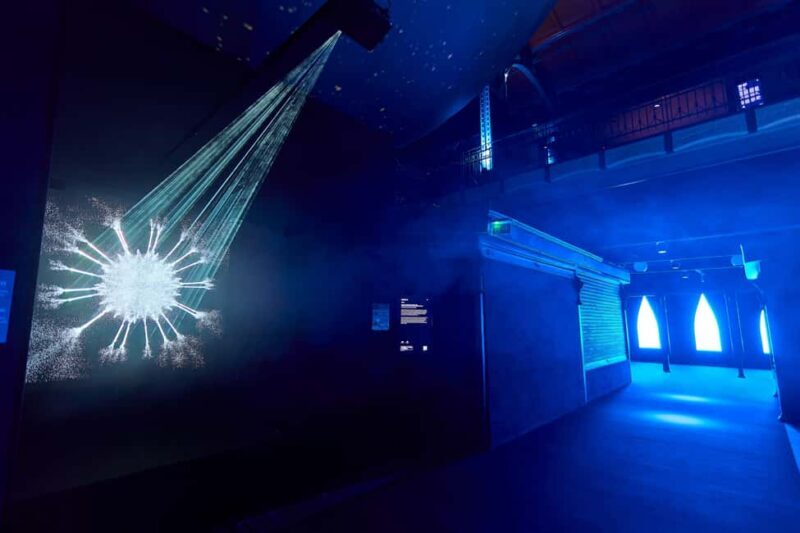
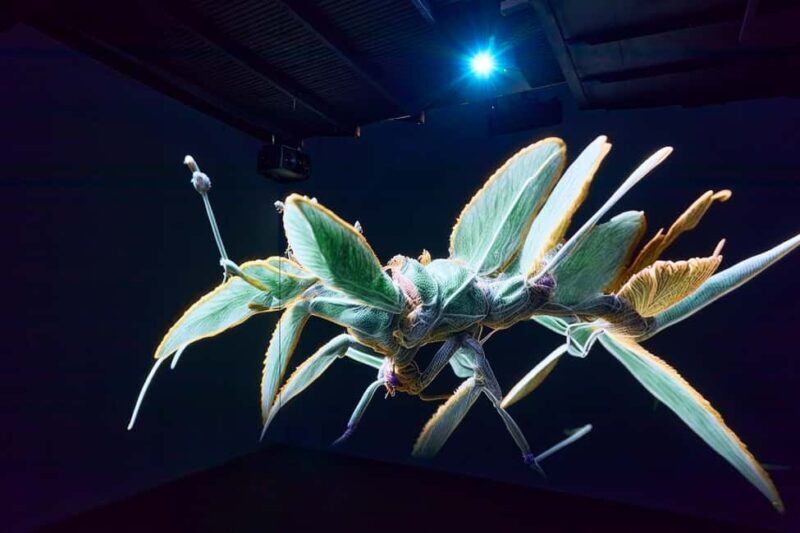
The museum leans hard into what modern light artists can do with projections and new-media style installations. You’ll see rooms where the light behaves like a moving surface—patterns, colors, and mapped visuals that feel engineered rather than accidental.
If you like photography, this is a win. Highlights explicitly mention the chance to snap amazing photos of unique pieces. Just remember: some areas may not be equally photogenic at every angle, so give yourself time to move around and find the best viewpoint.
The big names: Moholy-Nagy and Victor Vasarely
Two artists show up as key anchors for the show: László Moholy-Nagy and Victor Vasarely. Even if you’re not a specialist in light art or op-art, it helps to know these names because the installations connect to their wider influence.
- Moholy-Nagy is tied to the idea of light as a tool and material
- Vasarely is known for op-art style visual tension—how patterns can shift how you perceive form
If you like art history in practical form, this museum gives you that in a digestible way: you encounter the visual effect first, then the background helps you place it.
The floating tent: one of the crowd’s repeat favorites
Visitors keep calling out one installation in particular: the big floating tent. That’s the kind of piece that makes you stop walking and start paying attention to the space around you.
Even when you don’t know the technical meaning, this is the installation type that’s rewarding for just being inside the effect. The museum is at its best when it turns you from observer into part of the scene.
The airlock dome and the inside-the-sphere moment
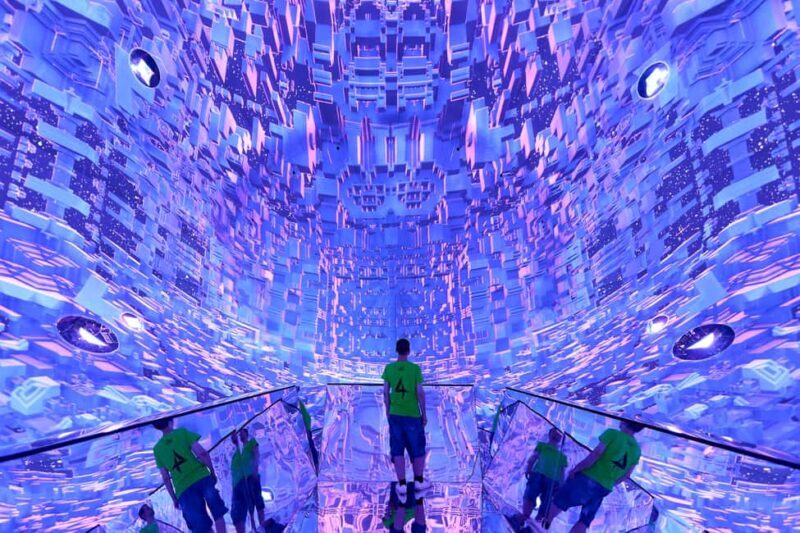
Another recurring highlight is the airlock-style dome or sphere installation. People mention an “airlocked dome” and also describe an inside-the-sphere experience as a standout.
One practical tip from visitors: if you want the best effect, you may need to adjust how you experience it. At least one review notes you should lie down to experience it at its best. So if you don’t see the effect right away while standing, try a different position.
The blimp and other playful light installations
Other showpieces show up in visitor mentions too, including the blimp. The pattern across the praised pieces is that they feel imaginative and physical—like the museum is staging light as if it were architecture.
Not every installation gets equal love, but when the museum hits, it hits. You’ll often see a “stop and re-enter” behavior: people moving back into a room because the visuals are too good to catch only once.
How interactive is it, really?
This is where expectations matter. The highlights and visitor comments both suggest there are interactive elements, but it’s not a hands-on science lab. Much of the experience is about moving through designed spaces and watching light behave in surprising ways.
So, if you want touch-only interaction, you might find it limited. But if you like movement-driven visual art—rooms that change based on where you stand and how light hits you—you’ll probably have a great time.
Some visitors also mention that certain rooms felt closed on their day. That can shorten the walk-through, so plan to enjoy what’s open rather than treating every installation as guaranteed.
Upstairs vs downstairs: where the value feels strongest
One theme repeats enough to treat it like a strategy: downstairs is better than upstairs for many visitors. That doesn’t mean upstairs is bad. It just means your odds of finishing feeling satisfied are higher if you save your energy for the lower level’s bigger moments.
One more pacing note: if you want to avoid feeling rushed, give the first level a lighter touch and then commit more time once the standout rooms start.
Timing: how long it takes and whether it fits your day
You’ve got 2 hours included, and many people report roughly matching that. Still, the museum is small enough that some visitors finish in about 1 hour, with a maximum around 1.5 hours for others.
So how does that affect you?
- If you’re filling a half-day gap, it fits cleanly
- If you’re building a full day of museums, you won’t feel stuck for hours
If you’re the type who likes slow reading and re-watching effects, you can stretch it closer to the full 2 hours.
Families: great for kids, but check the vibe of each area
Family friendliness is mixed in a useful way. One visitor describes the museum as kid friendly with a 10-year-old, and mentions a section that a young child loved.
But another visitor warns it’s not for small kids, except perhaps for a balloon-related moment. There’s also a mention of a section specifically labeled for over 18s, which suggests parts of the experience may not be intended for very young visitors.
If you’re bringing kids, I’d treat it like this:
- Older kids who can read the installation text will get more out of it
- If your child gets spooked by darker or sensory-heavy effects, you’ll want to check how they react room to room
Languages and on-site info: English, Hungarian, and a quick reminder
The host or greeter is available in English and Hungarian. That helps if you need a hand with entry or basic questions.
Visitors also mention that the information screens can flip into different languages, which can make it harder to read everything comfortably. That’s not something you can control, so if language clarity matters a lot, keep one calm backup: read whatever you can when the right language appears, then move on without stress.
Price and value: is $21 a good deal?
At about $21 per person, the value comes from two things: (1) the quality of the visual installations and (2) the timed access structure.
This is not a “pay a lot for a guide” situation. The ticket includes entry plus 2 hours of self-paced exploration, but it does not include a tour guide. So you’re paying for the experience space itself. When visitors say it’s good value, they’re usually responding to the fact that the visuals feel designed and polished, not random.
Also, skip-the-line entry is part of the value for practical reasons. In a city full of great attractions, saving time at the start can matter as much as saving money.
Crowds and how to keep it enjoyable
Several visitors note the museum allows a limited number of people in, so it doesn’t get too crowded. That’s a big deal for light installations, because crowded spaces can ruin the timing and the viewing angles.
If you can, go when you have energy to wander slowly. One visitor specifically mentions arriving first thing helped avoid crowds. Even if you can’t do that, aiming for off-peak hours usually helps you experience the rooms without constant shoulder-to-shoulder flow.
What’s included, what’s not, and what to bring
Included:
- Admission ticket with a skip the line option
- About 2 hours of exploration
Not included:
- A tour guide
What I’d bring (based on the nature of the experience):
- A camera or phone with enough storage for photos
- Comfortable shoes, since you’ll be moving through multiple rooms
- A small patience buffer if some rooms are closed on your specific visit
Who should book this Budapest light art ticket
You’ll likely enjoy this most if:
- You like modern art that uses design and technology, not just paint
- You want a visually strong break from classic sightseeing
- You travel with kids old enough to read the installation labels (and enjoy playful surprises)
- You value good value for money and want a ticket that gets you into the action quickly
You might want to reconsider if:
- You only enjoy traditional museum formats and hate projection-based visual art
- You need a full guided narration experience (since there’s no tour guide included)
- You want a long, many-room marathon—many visitors finish sooner
Should you book this skip-the-line ticket?
If your goal is a memorable, modern Budapest stop that feels designed for photos and perception tricks, this is a smart booking. The skip-the-line entry and 2-hour access give you a clean, efficient plan, and the repeated praise for the visuals suggests you’re not buying a gimmick—you’re buying a well-built light-art walk.
Book it if you’re open-minded, curious about how light changes what you see, and happy to explore at your own pace. Pass if you’re hunting for a classic museum with hours of galleries and a guided lecture. For most travelers, though, this is the kind of “one-of-a-kind” attraction that makes a day in Budapest feel a little more unusual in a good way.
Budapest: Light Art Museum Skip-the-Line Entry Ticket
FAQ
How long is the Light Art Museum experience?
The ticket includes about 2 hours of exploration in the world of light, art, and science.
Does the ticket include skip-the-line entry?
Yes. The admission ticket includes a skip the line option.
Is a tour guide included with the ticket?
No. A tour guide is not included.
What languages are available?
The host or greeter is listed as available in English and Hungarian.
Can I cancel for a refund?
Yes. Free cancellation is available up to 24 hours in advance for a full refund.
Can I reserve and pay later?
Yes. The offer includes reserve now & pay later, so you can book your spot and pay nothing today.
You can check availability for your dates here: