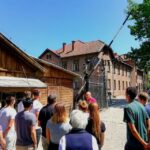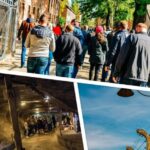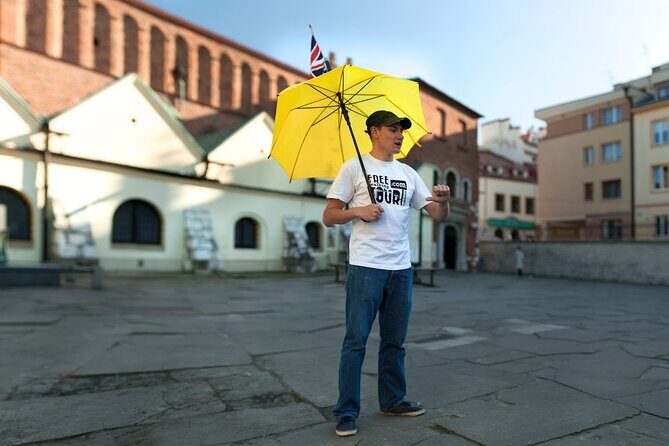
I’m reviewing a Jewish Krakow Walking Tour that strings together major Jewish landmarks and WWII sites over about 2.5 hours, starting at the Old Synagogue on Szeroka Street. It’s guided in English, capped at 35 people, and built around a clear story rather than a stop-and-go history lecture. Guides I saw mentioned by travelers include Big Tom, Lucy, Jakob, and Natalia.
I especially like that the tour keeps things human and understandable. Travelers repeatedly praised how guides were and how they managed to make a heavy topic feel clear and personal, not just a pile of dates. The walk also gives you the kind of Krakow views and street-level perspective you can’t really get from a museum alone.
One drawback to watch: this is mostly outdoors and it can get cold or wet. The tour notes that the guide may shorten or end it for safety, and one traveler reported a language mismatch at the meeting point—so it’s worth double-checking the language when you confirm.
- Key things to know before you go
- A walk that connects Jewish Krakow to WWII without rushing you
- Meeting point: Old Synagogue on Szeroka
- Price and what it really buys you
- Stop 1: Old Synagogue and why the building matters
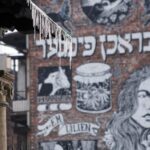
- Stop 2: Szeroka Street, Krakow’s Jewish spine
- Stop 3: Remuh Synagogue (Synagoga Remuh) from the outside
- Stop 4: Market Square and the Jewish Quarter’s later rhythm
- Stop 5: Mrs. Dresner courtyard and stairs tied to Schindler’s List
- Stop 6: Plac Bohaterow Getta, the WWII ghetto center
- Stop 7: Eagle Pharmacy (Musem of Krakow) outside viewpoint
- How the guide style shapes the whole tour
- What’s included vs not included (so there are no surprises)
- Comfort, fitness, and accessibility basics
- Group size and meeting logistics: you’ll actually hear the guide
- Weather strategy: how to dress for a walking tour in Krakow
- Can you do the Jewish Quarter on your own?
- Cancellation and planning flexibility
- Who this tour is best for
- Should you book the Jewish Krakow Walking Tour?
- The Best Of Krakow!
- More Walking Tours in Krakow
- More Tours in Krakow
- More Tour Reviews in Krakow
Key things to know before you go
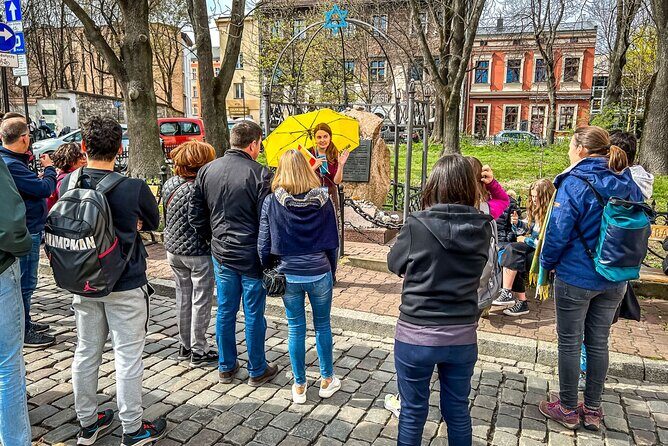
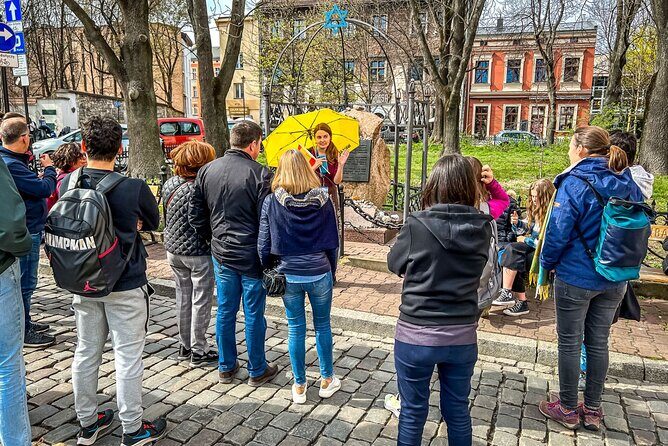
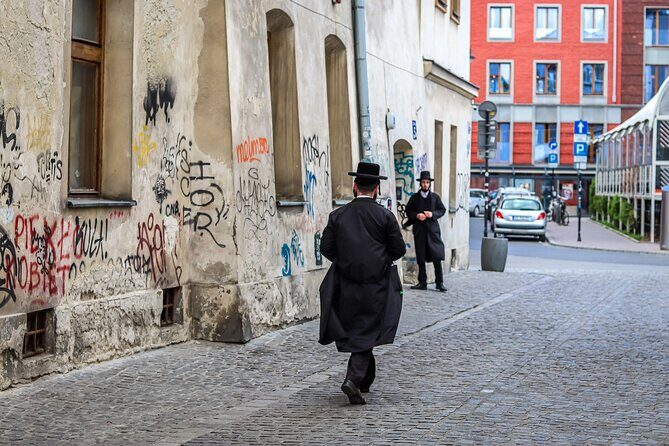
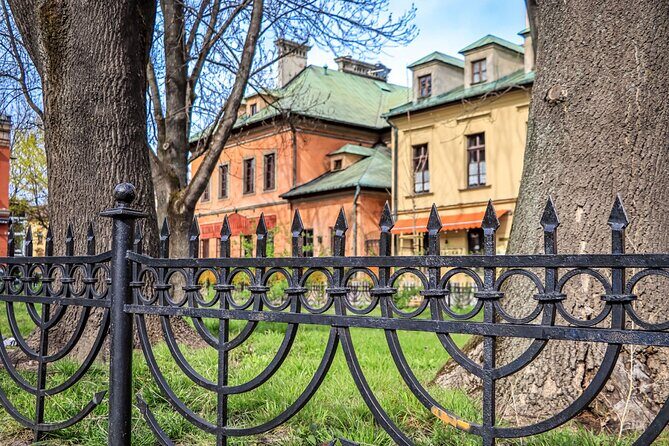
- Narrative-led route that links Jewish life before WWII to what happened during the occupation
- Old Synagogue includes free admission (and it’s the oldest synagogue in Poland)
- Ghetto and WWII focus centered around Plac Bohaterow Getta
- Small group cap of 35 so you’re less likely to get lost in a crowd
- Weather-proofing is real: dress for rain and cold
- You’ll pay $26.60 plus a reservation fee, and you can still tip at the end since it joins a pay-what-you-wish concept

👉 See our pick of the Our Picks For The 12 Best Spa & Hot Springs Experiences In Krakow
A walk that connects Jewish Krakow to WWII without rushing you
This tour is designed for travelers who want the Jewish story of Krakow in a way that makes sense as you walk. Instead of just pointing at buildings, the guide builds a timeline you can feel on the streets—Jewish community life, shifting neighborhoods, and then the brutal break created by the Nazi regime.
The pace is also practical: it’s long enough to matter, but short enough that you’re not dead by the end. Expect about 2 hours 30 minutes on foot, with a mix of outside viewpoints and a couple of quick stops that still pack meaning.
You can also read our reviews of more walking tours in Krakow

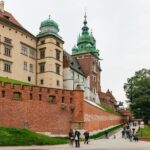
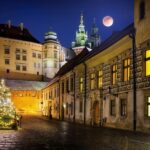
Meeting point: Old Synagogue on Szeroka
You start at Old Synagogue, Szeroka 24, 31-053 Kraków. That location is a strong choice because it anchors the walk in the heart of what people call the Jewish Quarter, and you begin with an actual starting point rather than a vague briefing.
The tour ends at Plac Bohaterów Getta. If you plan a next stop, that’s a handy place to finish because it keeps you close to where the WWII ghetto story gets most visible on the map.
Price and what it really buys you
At $26.60 per person, this is not a “premium-only” tour. In value terms, you’re paying for a local expert guide and a carefully constructed narrative that covers both Jewish history and the WWII ghetto area.
One extra wrinkle: the tour notes that booking places you into a pay as you wish style arrangement. Your payment covers the reservation fee and guide payment, and if you feel the guide did great work, you can add a contribution at the end. That lines up with what travelers mentioned: people often tipped because the guides were truly worth it.
Stop 1: Old Synagogue and why the building matters
The first stop is the Old Synagogue, described as the oldest synagogue in Poland. From the outside, the guide talks through architectural details and what the synagogue meant to the community.
The practical win here is that you’re seeing the “why” before you start walking. When you understand what the building represented—more than just a tourist object—the rest of the route lands better.
Good to know: the admission ticket for the Old Synagogue is listed as free on this tour.
Stop 2: Szeroka Street, Krakow’s Jewish spine
Next is Szeroka Street, the main street of the Jewish Quarter. This stop is short, but the guide’s job here is big: explain why this street mattered and why so many important people and stories connected to it.
If you’ve ever walked into an old neighborhood and thought, Okay, but where do I stand in the story?—this is that moment. Szeroka Street helps you orient fast, so later stops don’t feel random.

Stop 3: Remuh Synagogue (Synagoga Remuh) from the outside
The tour then moves to Remuh Synagogue, introduced as the private praying house built for one of Krakow’s most significant rabbis. It’s another quick stop, but it’s meant to show the variety of Jewish religious life in the area.
Because this stop is outside, you won’t get “museum time” here. Instead, you get context: who it served, and what that says about community leadership and daily spiritual practice.
Stop 4: Market Square and the Jewish Quarter’s later rhythm
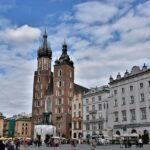
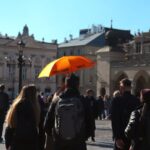
After religious sites, the route shifts to Market Square, described as tied to the revival and nightlife of the Jewish Quarter. That means the guide can talk about continuity and change, not only tragedy.
This is a good reset in tone—still respectful, but it reminds you that the neighborhood isn’t frozen in time. Travelers often appreciate this because it keeps the tour from becoming only doom and gloom.
Stop 5: Mrs. Dresner courtyard and stairs tied to Schindler’s List
One of the most talked-about segments is Mrs. Dresner courtyard and stairs, the “Schindler’s List” site. Here, the guide connects what you might know from the film to the real story behind the movie.
For travelers, this stop is valuable for two reasons:
- You get something tangible you can point to after you watch the film.
- You learn how stories can travel from history to cinema—and what’s accurate versus what’s dramatized.
Tip if you’re able: some travelers suggested watching Schindler’s List before you come. Even if you don’t, this stop still gives context, but movie familiarity can make the connections click faster.
Stop 6: Plac Bohaterow Getta, the WWII ghetto center
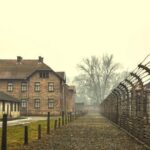
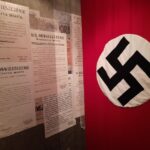
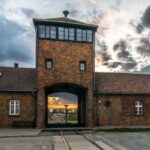
The biggest time block is Plac Bohaterow Getta, with about 50 minutes. This is framed as the main square of the WWII ghetto and the broader district created by the Nazis.
This portion is understandably heavy. What makes it work on a guided walk is that the narrative usually explains what you’re seeing in place-based terms—what “this square” and “this area” meant when people were forced into the ghetto system.
If you’re the type who gets lost in facts, lean on the guide here. Travelers praised how sensitive and straightforward some guides were, and this stop is the place where that skill matters most.
Stop 7: Eagle Pharmacy (Musem of Krakow) outside viewpoint
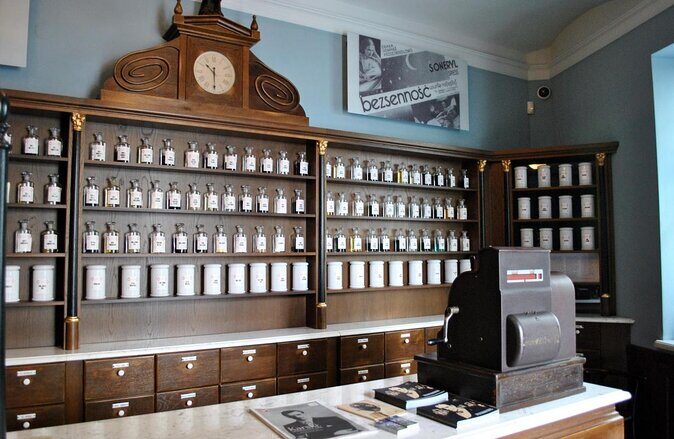
The final stop is Eagle Pharmacy, described as the home of the only non-Jewish ghetto inhabitant who became an eyewitness of Nazi crimes. It’s listed as outside, so you’re not going deep inside on this particular tour, but the guide’s explanation gives the location its emotional weight.
This is also a reminder that witness accounts matter. When the tour ends here, you’re left with a sense that history wasn’t just happening to people—it was also being observed and recorded by some individuals at great risk.
How the guide style shapes the whole tour
From traveler reports, the guides are a standout part of the experience. People specifically mentioned that guides knew their subject well without turning everything into an exhausting list of names and dates.
Some guides named in traveler feedback include:
- Big Tom (noted as engaging even in rain and cold)
- Lucy (praised for choosing what mattered and keeping it narrative-based)
- Jakob and Natalia (praised for deep knowledge and thoughtful delivery)
- Matt (praised as friendly, with an additional stop to warm up)
That mix is a good sign for you: you’re not just buying a route. You’re buying interpretation—what the guide chooses to emphasize and how they keep the walk coherent.
What’s included vs not included (so there are no surprises)
Included:
- Local expert guide
- A thoroughly constructed narrative
Not included:
- Food and drinks
- Hotel pickup and drop-off
You’ll want to plan for yourself. If you’re doing this in colder months, bring warm layers and plan on stopping on your own afterward for coffee or something hot.
Comfort, fitness, and accessibility basics
The tour asks for moderate physical fitness. That matters because you’re walking a route through several sites, with time spent standing and listening.
It also runs in all weather conditions, with the guide allowed to shorten or end the tour if conditions could threaten participant health. Service animals are allowed, and confirmation is sent at booking time.
If you’re traveling with kids, note that children must be accompanied by an adult. With the WWII focus, it’s worth thinking carefully about age and comfort before bringing younger travelers.
Group size and meeting logistics: you’ll actually hear the guide
This tour caps at 35 people. That’s big enough to keep it lively, but small enough that most travelers should still be able to follow the story.
The tour is also described as near public transportation, which is helpful if you’re not starting your day with a long taxi ride. The meeting point is specific, so use the Google Maps link at booking time.
Finally, there’s a mobile ticket, so you won’t be stuck hunting for paper in a pocket.
Weather strategy: how to dress for a walking tour in Krakow
Because the route is outdoors for much of the time, you’ll get more out of it if you show up prepared. Bring:
- a warm layer (Krakow can be cold even when it isn’t actively snowing)
- a rain layer or umbrella plan
- comfortable shoes with good grip
One traveler specifically praised how a guide handled rain and cold while keeping the tone engaging. That doesn’t mean the weather won’t affect you—it just means the guide will likely do their best to keep things moving.
Can you do the Jewish Quarter on your own?
You can, but a guided tour changes the payoff. Without a guide, you’ll see streets and buildings—but you might miss why particular places matter, and how the story connects from pre-war community life to the ghetto period.
Travelers consistently said that doing it alone would likely feel underwhelming and that you’d miss key context and real stories tied to locations. The tour’s value is that it gives you the missing links while you’re standing right where events unfolded.
Cancellation and planning flexibility
The cancellation policy is straightforward: you can cancel for a full refund up to 24 hours before the start time. If you cancel within 24 hours, the amount you paid is not refunded.
Also, the tour may be canceled if a minimum number of travelers isn’t met. If that happens, you’ll be offered another date or a full refund.
Who this tour is best for
This fits best if you want:
- a guided narrative rather than a list of landmarks
- both Jewish heritage and WWII ghetto context in one walk
- a guide who can explain things clearly and sensitively
It may be less ideal if you hate walking, want a “lighter” sightseeing day, or need a lot of hands-on museum time (because several stops are outside and the tour is more story-focused than building-focused).
Jewish Krakow Walking Tour
Should you book the Jewish Krakow Walking Tour?
If you’re on the fence, here’s my practical take: yes, book it if you want to understand the Jewish Quarter and WWII ghetto sites with a guide and a coherent storyline. The guides praised by travelers—like Big Tom, Lucy, Jakob, and Natalia—sound like they know how to teach without overwhelming you, and travelers also highlighted the importance of the route over DIY wandering.
If you’re very weather-sensitive, check your clothing and expectations. And if you’re traveling at a time where language accuracy matters a lot for you, verify the language shown on your confirmation before you head to the meeting point.
Bottom line: this is a compact, focused walk that helps you see Krakow’s story with your feet on the ground.