I’m reviewing a Krakow day trip built around one goal: getting you to Auschwitz-Birkenau with minimal fuss and a guided explanation of what you’re seeing. You get hotel pickup and drop-off, plus pre-arranged entry so you’re not spending your morning trapped in ticket chaos.
What I like most is the focus on people and details. Travelers repeatedly mention guides who explain the timeline and context in a respectful, clear way, often using names like Peter, Artur, Maya, Jakob, and Monika. I also like that the schedule is structured enough to cover both Auschwitz I and Birkenau in one long day without you juggling transport.
One consideration: timing can shift. Pickup can fall anywhere in a wide window, and on busy days the museum experience may feel rushed compared with what you personally would want for reflection.
- Key things to know before you go
- Krakow to Auschwitz-Birkenau: Why this day trip exists
- Hotel pickup and drop-off: The real convenience win
- Pickup time roulette (and how to handle it calmly)
- Getting to Oświęcim: The drive is long, but it’s part of the day
- Auschwitz I with an English-speaking guide: the storytelling part
- Auschwitz II-Birkenau (Brzezinka): why the second camp hits differently
- Tickets, line-skipping, and what admission really means for you
- What to bring (and what the museum won’t allow)
- Group size (max 30) and how it affects your experience
- Comfort and stamina: stairs, steps, and real-world logistics
- Driver and guide teamwork: the difference between a trip and a trip with meaning
- Price and value at about .81 per person
- When things go wrong: cancellations and schedule changes
- Who should book this tour
- Quick verdict: Should you book?
- FAQ
- What time is the tour supposed to start?
- Will I be picked up from my hotel in Krakow?
- Is an English-speaking guide included?
- How long is the trip?
- Is admission included, and do I need separate tickets?
- What identification do I need to enter the museum?
- Is there anything I’m not allowed to bring into the museum?
- The Best Of Krakow!
- More Guided Tours in Krakow
- More Tours in Krakow
- More Tour Reviews in Krakow
Key things to know before you go
 1 / 4
1 / 4 2 / 4
2 / 4 3 / 4
3 / 4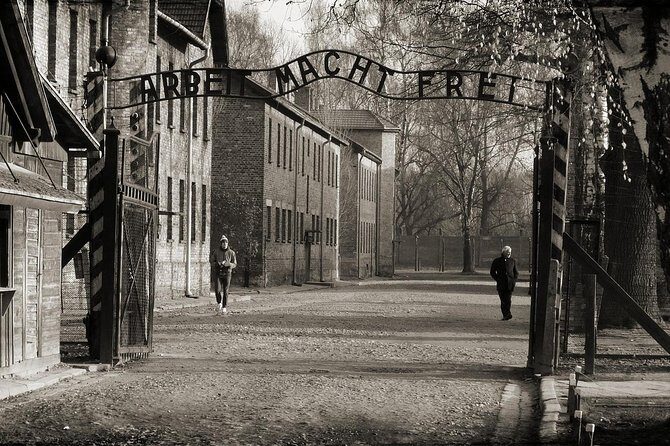 4 / 4
4 / 4- Hotel transfer included: You start and end at your Krakow accommodation, no taxi math.
- English-speaking guidance: The Auschwitz segments are led by an English-speaking guide.
- Big site, big pace: Expect a long day with walking, stairs, and limited time in each area.
- Entry is handled for you: Admission is included/arranged to reduce time spent queuing.
- Pickup timing can change: The day before, you’ll get your confirmed pickup time message.
- Group size stays capped: Up to 30 travelers, which matters for how you hear the guide and how crowded it feels.

👉 See our pick of the Our Picks For The 12 Best Spa & Hot Springs Experiences In Krakow
Krakow to Auschwitz-Birkenau: Why this day trip exists
This is one of those “go big or go home” tours. You’re in Krakow, you want UNESCO-level history, and you don’t want to waste time figuring out buses, tickets, and museum entry windows. The basic promise here is simple: you’re picked up, transported to Oświęcim, guided through the main Auschwitz visit points (including Birkenau/Brzezinka), then returned to your hotel.
Why it matters for travelers: Auschwitz-Birkenau is not like a normal museum day. The experience is emotional, physically demanding in places, and tightly managed. Having transport and a plan reduces extra stress when you’re already walking into something heavy.
You can also read our reviews of more guided tours in Krakow


Hotel pickup and drop-off: The real convenience win
I love that you don’t have to start your day with logistics. Your driver picks you up directly from your Krakow hotel/apartment, and you’re dropped back there again. For many visitors, that’s the difference between a smooth, respectful visit and a frantic one.
In traveler feedback, the pickup experience is often described as well-run and on time, with friendly drivers like Jakob and Peter mentioned by name. Even when pickup times shift earlier than expected, people tend to appreciate that you’re at least being told and transported reliably.
Pickup time roulette (and how to handle it calmly)
Here’s the part you need to plan for: your booked start time is commonly 9:30am, but pickup can be confirmed anywhere between 5:30am and 3:00pm. Your exact pickup time is confirmed the day before via SMS or WhatsApp, and they recommend reserving a full day because you may not control the final timing.
This matters because Auschwitz entry times are assigned through museum policies, and group schedules depend on those slots. In practice, that can mean very early pickup. One traveler reported a 6:15am pickup that worked out well because it left them time in Krakow afterward, while others felt morning timing compressed the museum experience or created long entry queues.
Practical tip: keep plans flexible on your Krakow day. If you’re tight on timing for trains or flights, build in buffer time.
Getting to Oświęcim: The drive is long, but it’s part of the day
You’re looking at roughly 1.5 hours each way (about that in typical conditions). You’ll ride in an air-conditioned minivan, and the total trip time lands around 7 to 8 hours.
In some accounts, travelers report meeting up with other groups and then continuing together. The key point for you: you should treat this as a structured day with coordinated transport, not a private car-to-camp situation.
Auschwitz I with an English-speaking guide: the storytelling part
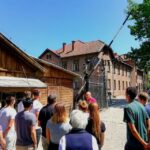
Once you arrive, you’ll start with Auschwitz I (the main Auschwitz camp area) for about 2 hours 30 minutes with an English-speaking guide. This is where the tour’s interpretive value really shows up.
Why a guided visit helps here: Auschwitz is enormous and emotionally overwhelming. A good guide gives you anchors—what you’re looking at, why certain areas matter, and how the story connects. Travelers specifically praised guides for being informative, thoughtful, and respectful, including stories shared by guides like Artur and translators like Maya.
You’ll also feel the “real-time pacing” of a big memorial. The site is designed to be visited carefully, but you’re sharing time with many other tours. Some reviews mention that the pace can feel quick, with groups moving briskly from stop to stop. That doesn’t mean the tour is careless—it means the museum day is managed and time windows are real.
You can also read our reviews of more tours and experiences in Krakow



Auschwitz II-Birkenau (Brzezinka): why the second camp hits differently
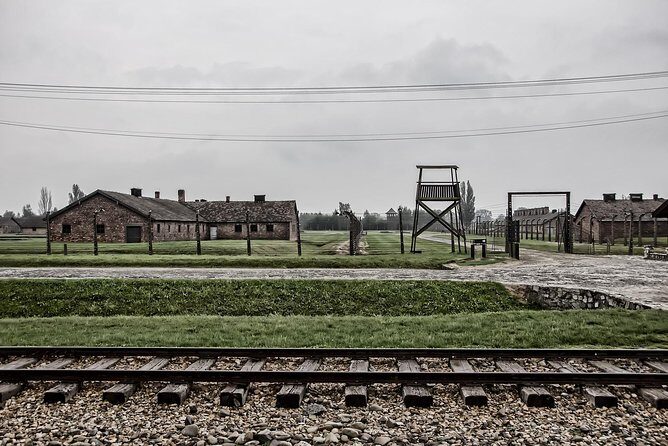
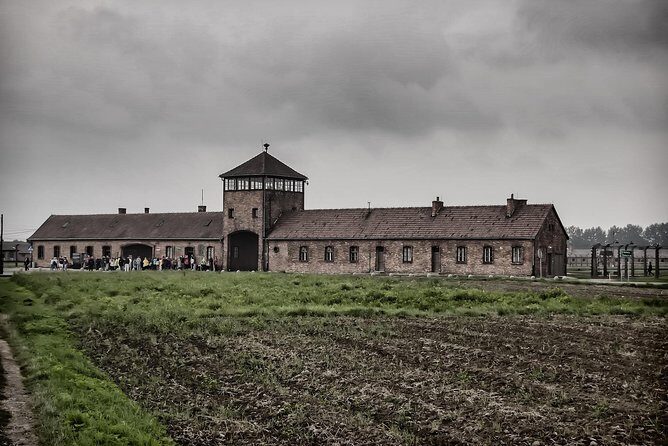
The second major stop is Birkenau (Brzezinka), visited for about 1 hour with a guided segment. Even with less time on the clock, Birkenau often lands harder because the landscape and layout make the scale feel immediate.
In traveler feedback, guides are praised for linking Auschwitz and Birkenau with what’s shown and said—so you’re not just watching scenes without context. Maya, for example, is described as connecting movement between locations to pictures displayed at Auschwitz, which helped details feel tangible.
One caution: because visitors are moving through shared routes, you can feel a bit crowded at entry points. Some people reported it was difficult to hear the guide when they were separated from the main group, so staying close to the guide is a good idea.
Tickets, line-skipping, and what admission really means for you
Admission is handled as part of the arrangement, and the big benefit is time savings. In many reviews, people say they skipped lines and got in quickly compared with what they’d feared—like early-morning queue marathons.
That said, you’re still visiting a site with extremely high volume. Even when your entry is arranged, you might face busy check-in flows. The key is that you’re not responsible for solving ticket timing yourself at 5am.
What to bring (and what the museum won’t allow)
Auschwitz-Birkenau has rules you need to know before you arrive. From the tour details provided:
- You should bring a valid ID or passport (identity card requirement).
- Avoid baby carriages inside the museum.
- Luggage larger than 30 x 20 x 10 cm is not permitted inside.
- You’ll likely do plenty of walking and stairs, so a moderate fitness level helps.
Also, based on visitor observations: dress appropriately and behave respectfully. Reviews mention issues like people posing for photos in inappropriate ways. The practical takeaway: wear comfortable, modest clothing and treat the place like a memorial, not a photo set.
Group size (max 30) and how it affects your experience
This isn’t a tiny private group. The maximum is 30 travelers. That size is common for tours that run all day and feed into museum schedules, but it affects how you experience the guide:
- In a larger group, the pace can feel brisk.
- If you’re toward the back or separated, hearing the guide can be harder.
- Some people reported being “pushed through” quickly, while others felt stops were paced well.
So your best move: if you want to absorb more, stay near the front during the guided talk portions.
Comfort and stamina: stairs, steps, and real-world logistics
Several travelers explicitly noted a fitness and comfort angle. Expect stairs and steps, including some without handrails. This can make the day feel physically demanding even if you’re generally active.
Transportation comfort is usually fine, but some reviews mention minivan seating being tight with multiple passengers per vehicle row. If you’re sensitive to cramped rides, consider wearing comfortable clothes you can move in and bring water (the tour details you have don’t promise a meal).
Driver and guide teamwork: the difference between a trip and a trip with meaning
One thing that keeps showing up in traveler feedback is coordination. People praise both drivers and guides for keeping things organized, including returning travelers to their hotels on time.
Named examples from reviews include:
- Drivers: Jakob and Peter (both mentioned as friendly and on time)
- Guides and language support: Artur (Polish-speaking) and Maya (translator), plus references to Monika as a guide
Why this matters: on a day like this, the driver is handling timing and transport, while the guide is handling interpretation. When both are good, you spend less time worrying about logistics and more time processing what you’re seeing.
Price and value at about $22.81 per person
Let’s talk value without sugarcoating it. At around $22.81 per person, this is priced as a high-demand, high-structure group day trip with transfer included. The “value” isn’t just that the price is low—it’s that a lot of the annoying parts are handled:
- pickup/drop-off removes transport headaches
- admission is pre-arranged so you don’t manage ticket lines yourself
- English-speaking guidance in the key Auschwitz segment adds real interpretive value
The trade-off for low-ish pricing is that you’re not getting unlimited time inside the camps, and the day may feel more tightly scheduled than a fully custom private tour. But for many visitors, the saved time and smooth logistics are exactly what they want.
When things go wrong: cancellations and schedule changes
Two separate risks matter here.
First, Auschwitz-Birkenau can cancel tours or guides due to internal policies, including close to the visit date. If that happens, you’re informed and can be offered an alternative date/program or receive a refund. One review complained about a last-minute cancellation feel, but the tour terms provided explain that guests are informed the day before if cancellation occurs due to guide assignment.
Second, pickup time can shift significantly on some days. There are accounts of later pickups and rushed pacing when timing compresses. There are also accounts of distractions like detours during transport that can eat into the day. None of that is unique to Auschwitz—it happens when many moving parts collide—but it’s worth planning around.
Who should book this tour
This tour is a good fit if:
- you want hotel pickup in Krakow and don’t want to coordinate transport
- you prefer an English-speaking guided explanation over self-guided wandering
- you’re comfortable with a long, structured day and can handle stairs and crowds
- you want a solution that’s typically well-organized for high-volume museum access
You might consider another option if:
- you need maximum quiet time for reflection (this can feel fast-moving at busy moments)
- you’re very sensitive to group pacing and want more control over how long you stay in each area
- you have tight schedule constraints and can’t absorb pickup shifts within the wide confirmation window
Quick verdict: Should you book?
Yes, I think you should book this tour if you want a straightforward, guided Auschwitz-Birkenau visit with transfer included and admission handled. For most travelers, the biggest win is reducing logistics stress while still getting strong interpretive guidance from experienced staff like Peter, Artur, Maya, Jakob, and Monika (as named in traveler reports).
Just book with eyes open: expect a long day, possible early pickup, and a pace shaped by museum and crowd realities. If you’re choosing between “cheap and structured” and “slow and private,” this one is the structured option—and it often delivers meaningful value when you show up ready for a heavy day.
Krakow: Auschwitz-Birkenau Guided Tour with Hotel Transfer
FAQ
What time is the tour supposed to start?
The tour typically starts at 9:30am, but pickup times can change. You’ll receive your exact pickup time by message the day before the trip.
Will I be picked up from my hotel in Krakow?
Yes. Pickup is from your hotel or apartment in Krakow, and you’re also returned to Krakow after the visit.
Is an English-speaking guide included?
The Auschwitz camp visit is led by an English-speaking guide, and the tour is offered in English.
How long is the trip?
The tour lasts about 7 to 8 hours total.
Is admission included, and do I need separate tickets?
Admission is included as part of the tour arrangements, including the Auschwitz-Birkenau guided components.
What identification do I need to enter the museum?
You’ll need an identity card such as an ID or passport.
Is there anything I’m not allowed to bring into the museum?
Baby carriages are not permitted inside the museum, and luggage larger than 30 x 20 x 10 cm is not permitted.